Tommy Mango Live Tree – 8-12″ Tall Tropical Fruit Tree, Mangifera indica
-30%
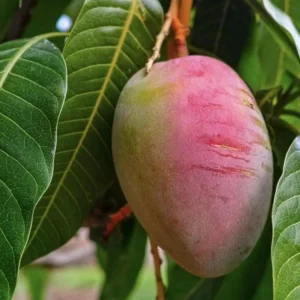
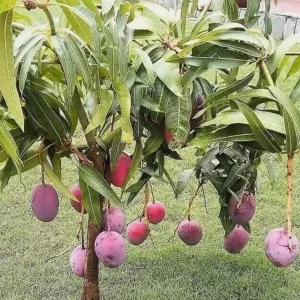
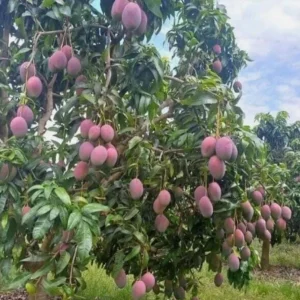
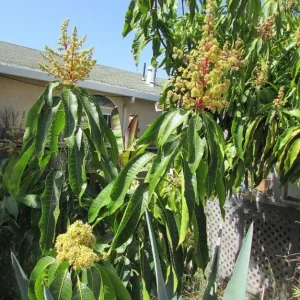
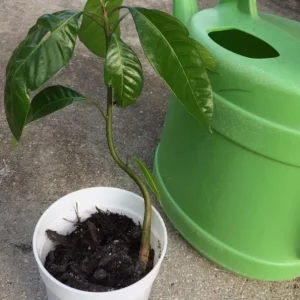
Tommy Mango Live Tree – 8-12″ Tall Tropical Fruit Tree, Mangifera indica
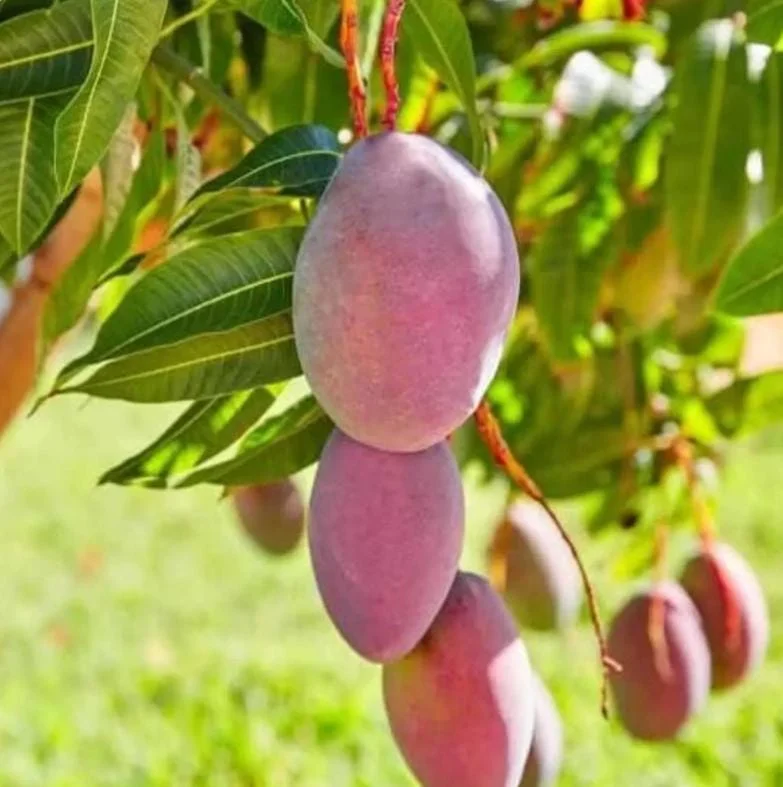
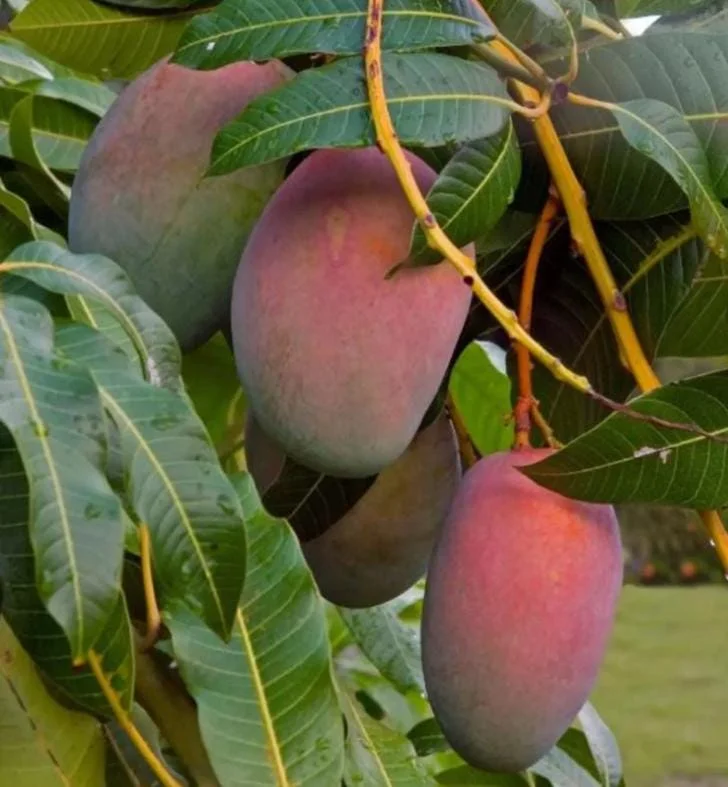
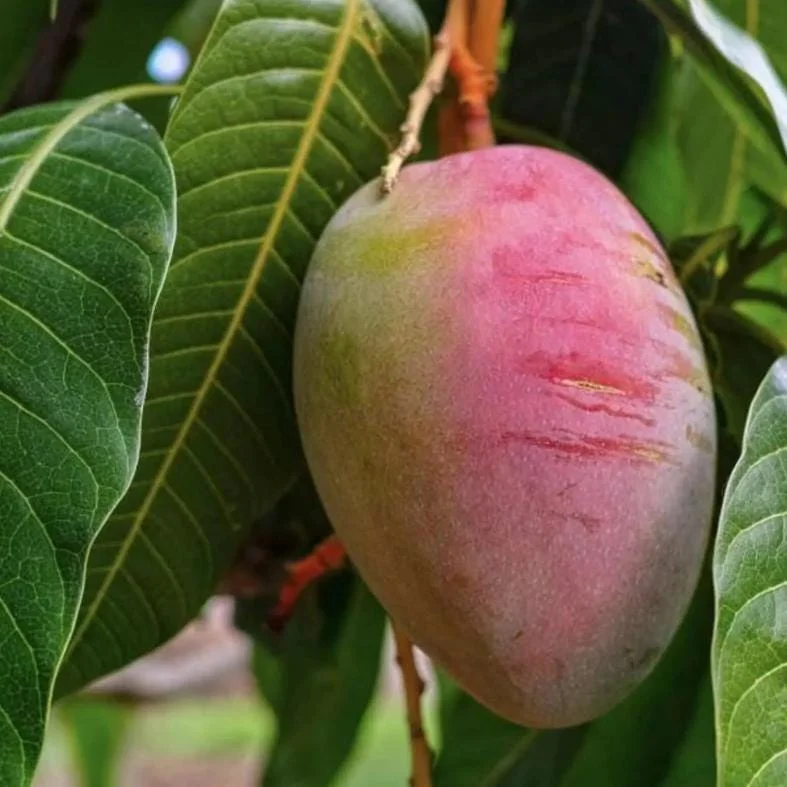
Cultivate your own delicious tropical fruit with the Tommy Mango live tree. This 8-12 inch tall Mangifera indica tree produces sweet, yellow-orange mangoes, perfect for home gardens in warm regions. Enjoy fresh fruit straight from your backyard.
Original price was: $51.99.$36.39Current price is: $36.39.

With our Alive & Thrive Guarantee, we’ve got your back for the first 30 days! If you have any concerns about your plants, just reach out to us. Our team is here to help answer your questions and guide you in selecting the best plants for your garden, climate, and unique preferences. We're excited to help you create the garden of your dreams!
Estimated arrival
Oct 14
Oct 19 - Oct 21
Oct 24 - Oct 28
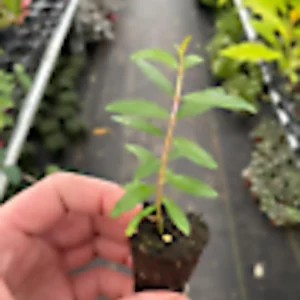
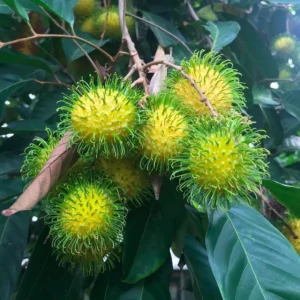
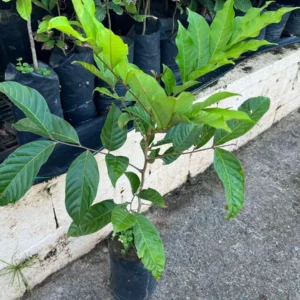
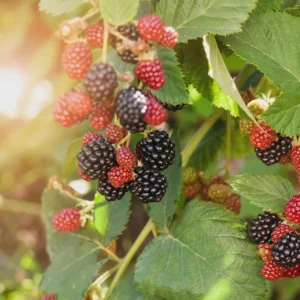
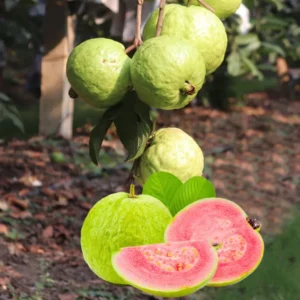
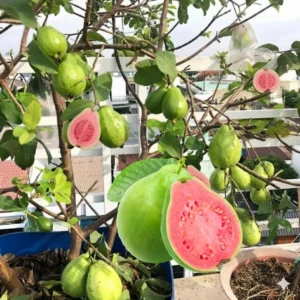
Product Details
-
USDA Hardiness Zone
USDA Zones 9–11 -
Soil type
Well-drained loamy or sandy soil -
Sunlight Exposure
Full sun (at least 6–8 hours daily) -
Expected Planting Period
Spring to early summer
Overview
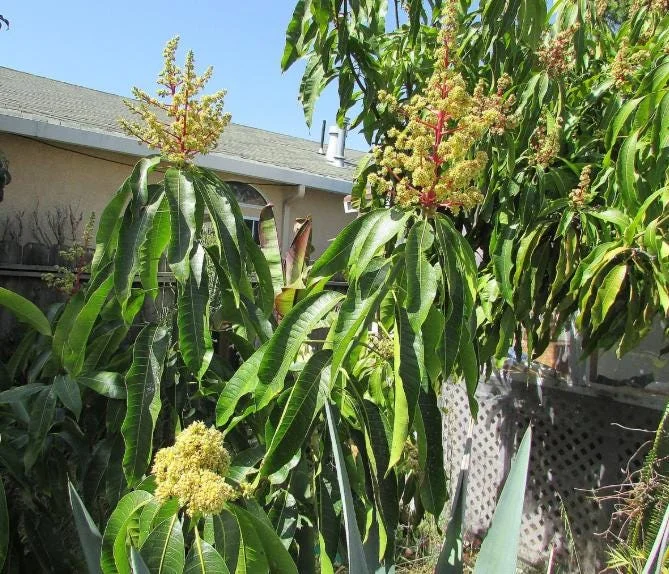
Bring the taste of the tropics to your home garden with the Tommy Mango live tree. This beautiful Mangifera indica tropical fruit tree is prized for its delicious, sweet, and aromatic yellow-orange mangoes. Growing to a manageable size, this live seedling is an excellent choice for both experienced and novice gardeners seeking to cultivate their own tropical fruits. Originating from South Asia, the Tommy Mango live tree adapts well to warm climates, making it ideal for USDA Zones 9–11. Its fruit has a smooth texture and a perfectly balanced sweetness, making it versatile for fresh eating, smoothies, desserts, or preserves. This plant is shipped as an 8-12 inch tall live seedling, ready to be planted in your garden or a large container.
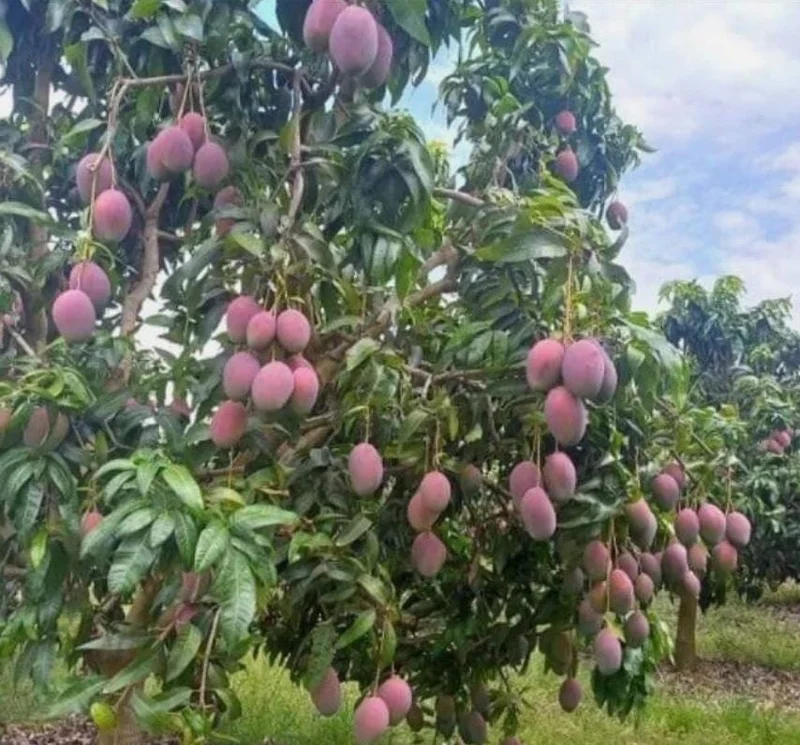
The Tommy Mango live tree is a productive variety, offering a rewarding experience for those who appreciate fresh, homegrown fruit. Its vibrant green foliage adds an exotic touch to any landscape, while the promise of juicy mangoes makes it a highly desirable addition. Whether you’re starting a fruit orchard or simply looking to add a unique specimen to your patio, this tropical fruit tree promises both beauty and bounty.
Key Benefits
The Tommy Mango live tree offers numerous advantages for the home gardener, transforming your outdoor space into a productive tropical oasis:
- Homegrown Sweet Mangoes: Enjoy the unparalleled taste of freshly picked, sweet, yellow-orange mangoes right from your own garden. This variety is known for its excellent flavor profile.
- Adaptable Growth: This Mangifera indica tree is easy to grow, thriving both in the ground and in large containers, making it suitable for various garden sizes and setups.
- Tropical Aesthetic Appeal: Its lush green foliage adds a beautiful, exotic touch to your landscape, enhancing the visual appeal of your home garden or patio.
- Productive Yield: With proper care, the Tommy Mango live tree will become a productive source of delicious fruit, providing a bountiful harvest year after year.
- Versatile Culinary Use: The sweet fruit is perfect for fresh consumption, blending into smoothies, creating delectable desserts, or making preserves.
- Warm Climate Thriver: Specifically suited for warm tropical and subtropical climates (USDA Zones 9–11), ensuring it flourishes in appropriate regions.
- Educational Experience: Growing your own sweet yellow mango plant offers a fulfilling and educational experience, connecting you with nature’s cycles.
Plant Care & Growing Tips
Caring for your Tommy Mango live tree involves providing the right conditions to ensure healthy growth and abundant fruit production. These trees prefer warm tropical to subtropical climates, ideally in USDA Zones 9–11, where temperatures rarely drop below freezing. They require full sun exposure, meaning at least 6–8 hours of direct sunlight daily to produce the sweetest fruit. If growing in a container, ensure it’s placed in the sunniest spot available and can be moved indoors during cold snaps in cooler zones.
When it comes to soil, the Tommy Mango live tree thrives in well-drained loamy or sandy soil with a slightly acidic to neutral pH (6.0–7.0). Good drainage is crucial to prevent root rot. Water deeply during dry spells, keeping the soil consistently moist but never waterlogged. Allow the top inch or two of soil to dry out between waterings. Fertilization is important during the growing season; apply a balanced fertilizer specifically formulated for fruit trees. Planting is best done in spring or early summer to allow the young tree to establish itself before the cooler months. Your mango tree care routine will significantly impact its health and yield.
Regular pruning can help maintain the shape of the tree, improve air circulation, and encourage better fruit production. Watch out for common pests and diseases, addressing them promptly with organic or appropriate treatments. While the tree will begin to fruit in 3-5 years, patience and consistent care will lead to a robust and productive tropical fruit tree. Protect young trees from strong winds and frost, especially in their early years, to ensure they mature successfully.
Size & Details
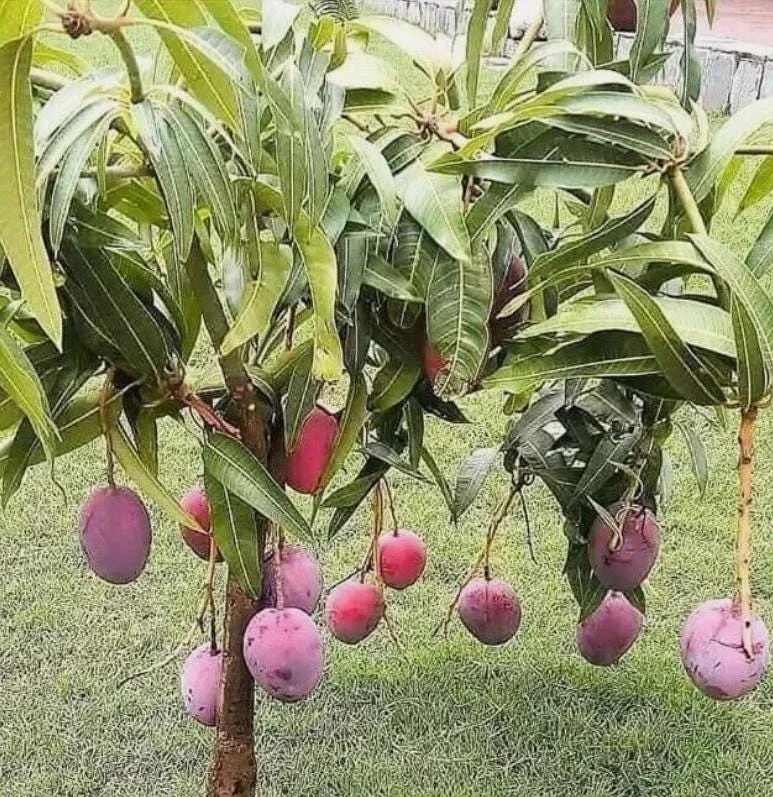
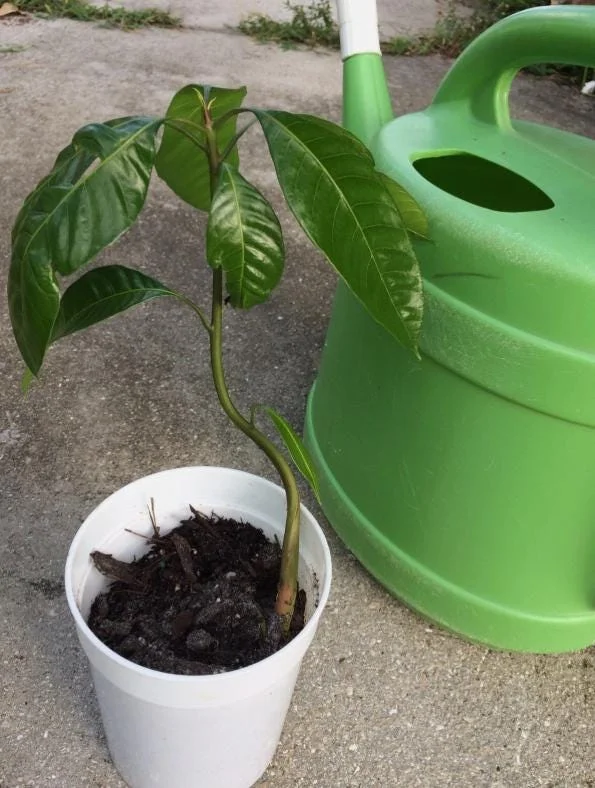
This offering is for a Tommy Mango live tree, a live seedling measuring approximately 8–12 inches in height from the base of the pot to the tip of the plant. It is shipped in a nursery pot, ready for transplanting into a larger container or directly into your garden. The growth rate of the Mangifera indica tree can vary depending on growing conditions and care, but typically, it will achieve a mature height of 10-20 feet in ideal conditions, though it can be kept smaller with regular pruning. This particular sweet yellow mango plant is a young specimen, perfect for establishing in your chosen location.
The tree will begin to bear fruit in approximately 3–5 years, depending on the specific growing environment and care it receives. This variety is known for its vigor and consistent production of flavorful mangoes. Each plant is carefully packaged to ensure its safe arrival, though some minor leaf loss or yellowing may occur during transit, which is normal and from which the plant will quickly recover once properly planted and watered. The eventual size and spread of your tropical fruit tree will depend on your climate and cultivation practices.
Frequently Asked Questions
- Q: How big does this Tommy Mango live tree get? A: This live seedling is 8-12 inches tall upon arrival. With proper care, a mature Mangifera indica tree can reach 10-20 feet in height, but its size can be managed with pruning.
- Q: What size pot does it come in? A: The Tommy Mango live tree is typically shipped in a small nursery pot, suitable for its current size, and should be transplanted into a larger container or the ground upon arrival.
- Q: Is this an indoor or outdoor plant? A: The Tommy Mango live tree is primarily an outdoor plant for tropical and subtropical climates (USDA Zones 9–11). In cooler zones, it can be grown in a large pot and brought indoors during winter.
- Q: How much sunlight does it need? A: This tropical fruit tree requires full sun, meaning at least 6–8 hours of direct sunlight per day, to thrive and produce fruit optimally.
- Q: Is this plant easy to care for? A: While requiring specific climate conditions, mango tree care is generally straightforward. Providing adequate sunlight, water, and well-draining soil will lead to a healthy plant.
- Q: What condition will it arrive in? A: The tree is carefully packed to ensure safe transit. Some minor leaf loss or yellowing may occur, but the plant is resilient and will recover with proper planting and watering.
- Q: When is the best time to plant this sweet yellow mango plant? A: It is best planted in spring or early summer to allow the tree sufficient time to establish its root system before cooler weather arrives.
- Q: Will this tropical fruit tree survive winter in my zone? A: It thrives in USDA Zones 9–11. If you are in a colder zone, you will need to protect it from frost or grow it in a container that can be moved indoors during winter.
- Q: How long until it starts producing fruit? A: The Tommy Mango live tree typically begins to fruit in 3–5 years after planting, depending on growing conditions and care.
- Q: What kind of soil is best for this Mangifera indica tree? A: It prefers well-drained loamy or sandy soil with a slightly acidic to neutral pH (6.0–7.0).
Related products
-49%
Original price was: $59.38.$29.99Current price is: $29.99.
-51%
Original price was: $43.99.$21.59Current price is: $21.59.
-10%
Original price was: $28.99.$26.09Current price is: $26.09.
-20%
Original price was: $32.00.$25.60Current price is: $25.60.
-20%
Original price was: $31.98.$25.58Current price is: $25.58.
-20%
Original price was: $32.00.$25.60Current price is: $25.60.
-20%
Original price was: $36.00.$28.80Current price is: $28.80.
-20%
Original price was: $56.00.$44.80Current price is: $44.80.
PLANTING & CARE
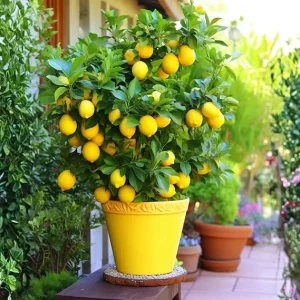
Lemon Tree Growing: Choose, Plant, and Harvest
Learn how to choose, plant, feed, and protect a lemon tree so it fits your
23
Sep
Sep
Dwarf Meyer Lemon Tree Australia: Climate Guide
Learn where dwarf Meyer lemon trees grow, how much cold they tolerate, and whether Australia,
Where to Buy a Dwarf Meyer Lemon Tree: Buyer’s Guide
Find the right dwarf Meyer lemon tree online or locally, compare starter sizes and costs,
Dwarf Meyer Lemon Tree for Sale: Buying Guide
Compare Meyer lemon tree sizes, prices, shipping limits, indoor growing and California options before you
Dwarf Meyer Lemon Tree Guide: Size, Care and Fruit
META: Learn how large a dwarf Meyer lemon tree grows, where it thrives, and how
How to Prune a Dwarf Meyer Lemon Tree
Learn when and how to prune a dwarf Meyer lemon tree, including tools, shaping cuts,
Can You Grow a Dwarf Meyer Lemon Tree in a Pot?
META: Learn how to grow a dwarf Meyer lemon tree in a pot, including container
When Do Dwarf Meyer Lemon Trees Bloom and Fruit?
META: Dwarf Meyer lemon trees usually bloom from winter through spring and may flower again