Red Chokeberry Bush Live Plant, Aronia arbutifolia, 1 Gallon Pot, Outdoor Shrub
-25%
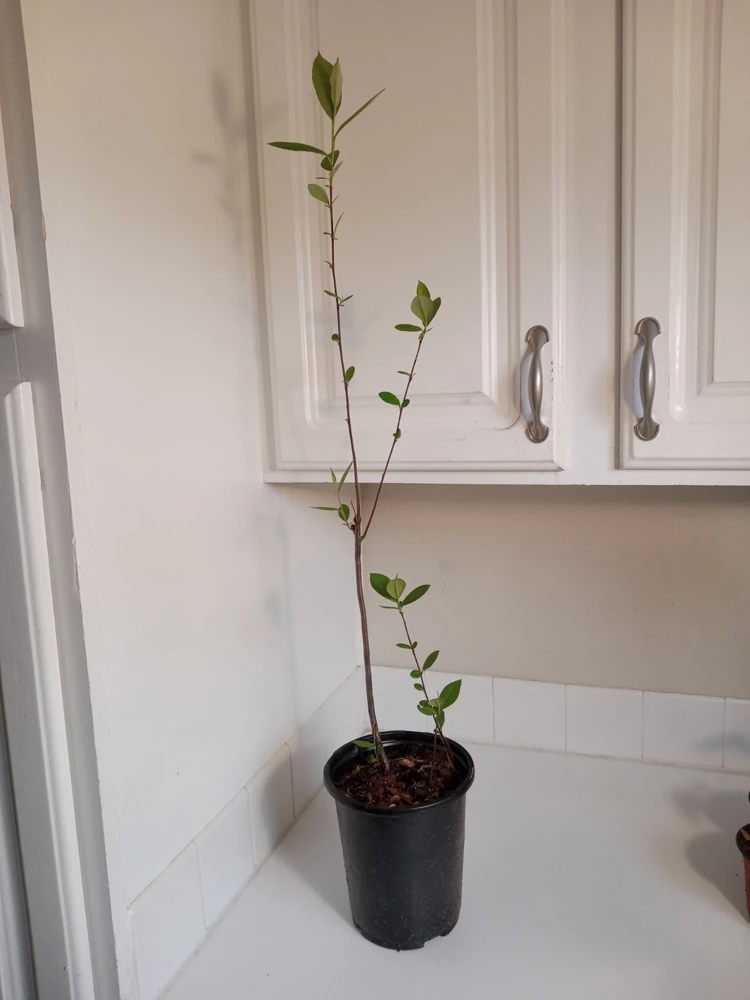
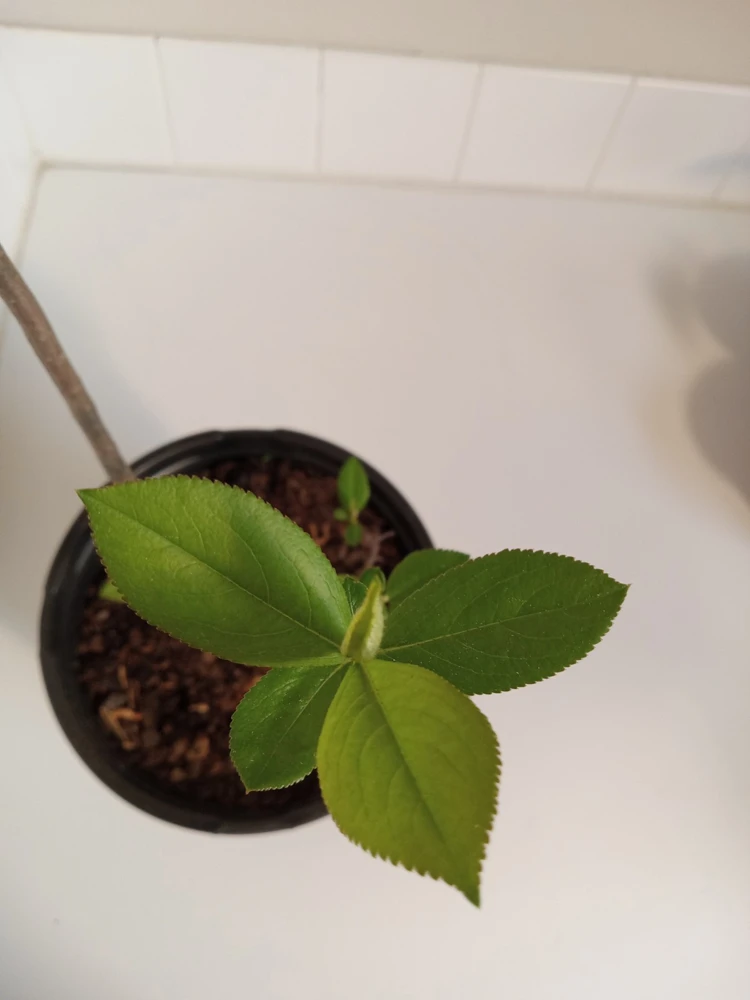
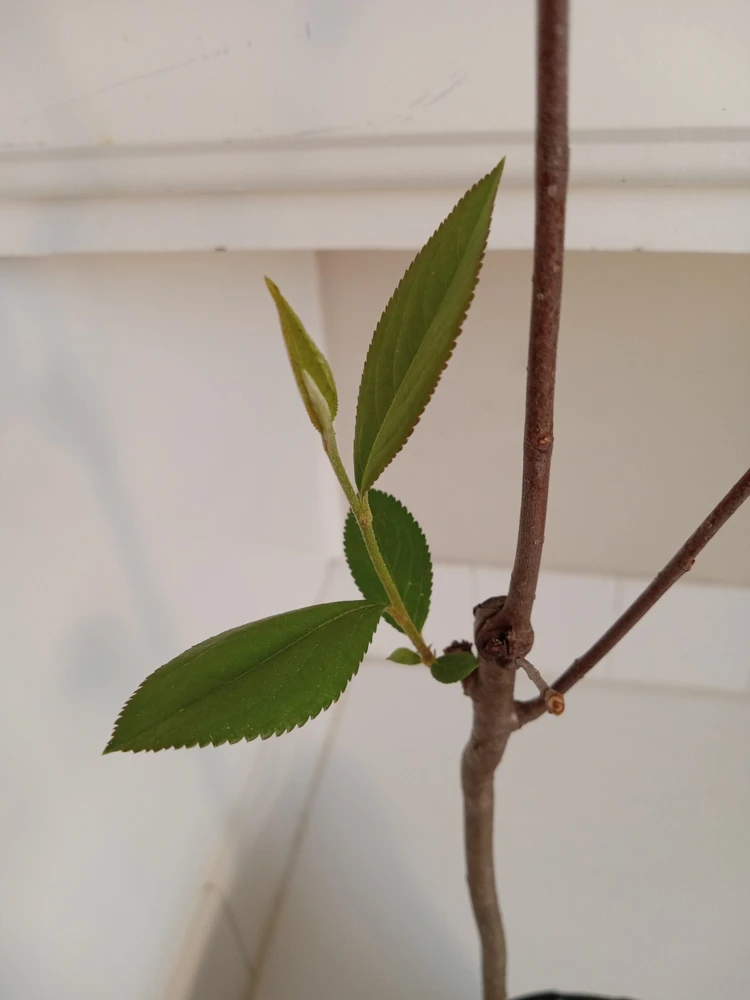
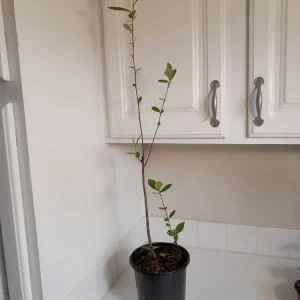
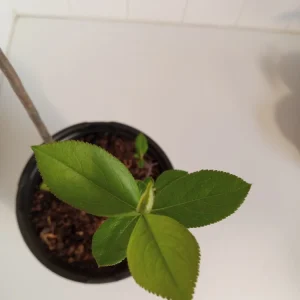
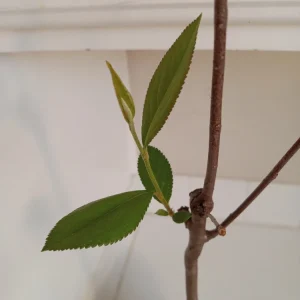
Red Chokeberry Bush Live Plant, Aronia arbutifolia, 1 Gallon Pot, Outdoor Shrub
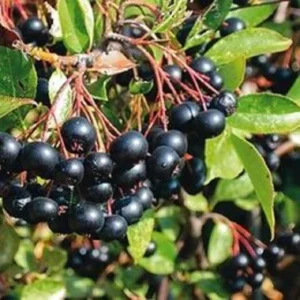
Add vibrant seasonal color to your garden with the red chokeberry bush. This beautiful aronia arbutifolia plant, shipped in a 1-gallon pot, offers stunning red berries and foliage, making it an excellent choice for any landscape. Enjoy its edible fruits and low-maintenance nature.
Original price was: $39.98.$29.98Current price is: $29.98.

With our Alive & Thrive Guarantee, we’ve got your back for the first 30 days! If you have any concerns about your plants, just reach out to us. Our team is here to help answer your questions and guide you in selecting the best plants for your garden, climate, and unique preferences. We're excited to help you create the garden of your dreams!
Estimated arrival
Oct 14
Oct 19 - Oct 21
Oct 24 - Oct 28

Product Details
-
USDA Hardiness Zone
USDA Zones 4-9 -
Soil type
Clay, Loam, Sand (prefers acidic, well-draining) -
Sunlight Exposure
Full Sun, Partial Shade -
Expected Planting Period
Spring to Early Fall
Overview
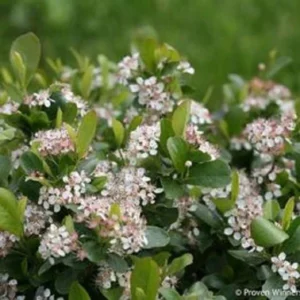
Introducing the magnificent red chokeberry bush (Aronia arbutifolia), a versatile and resilient shrub that brings year-round interest to any garden. This particular offering is for a healthy live red chokeberry bush, carefully cultivated and shipped in a convenient 1-gallon pot, ready for planting. Known for its brilliant red autumn foliage, delicate white spring flowers, and clusters of bright red berries that persist into winter, the Aronia arbutifolia is a true four-season plant. Beyond its ornamental appeal, the berries of this hardy shrub are edible, though tart, and are often used in jams, jellies, and juices, making it a valuable addition to edible landscapes. This adaptable shrub thrives in a variety of conditions, making it an excellent choice for both novice and experienced gardeners seeking a beautiful and beneficial plant.
The aronia arbutifolia plant is native to eastern North America, contributing to its robust nature and ability to withstand diverse climates. It is a clumping, deciduous shrub that can reach a mature height of 6-10 feet, offering a substantial presence in the garden. Its hardiness and resistance to pests and diseases further enhance its appeal as a low-maintenance landscape solution. Whether you’re looking to attract wildlife, add vibrant color, or grow your own superfood berries, this red chokeberry bush is an exceptional choice.
Key Benefits
The red chokeberry bush provides numerous advantages, making it a highly desirable addition to gardens and landscapes. Its multi-season appeal and practical uses contribute significantly to its popularity and value.
- Stunning Ornamental Value: Enjoy beautiful white flowers in spring, glossy green leaves in summer, brilliant red foliage in autumn, and persistent bright red berries through winter. This continuous display ensures your garden remains vibrant throughout the year.
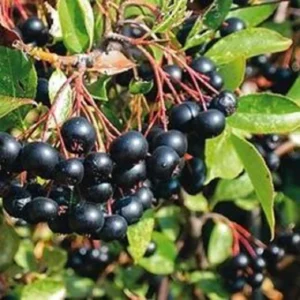
- Edible & Nutrient-Rich Berries: The tart, pea-sized red berries are packed with antioxidants and can be used to make delicious jams, jellies, pies, and juices. They offer a healthy, homegrown treat.
- Attracts Wildlife: The berries serve as a vital food source for birds, especially in late fall and winter, enhancing biodiversity in your garden. The flowers also attract pollinators.
- Low Maintenance & Hardy: This aronia arbutifolia plant is incredibly resilient, tolerating a wide range of soil conditions and climates. It is generally pest and disease-free, requiring minimal care once established.
- Versatile Landscaping Use: Ideal for hedges, mass plantings, naturalized areas, rain gardens, or as a specimen plant. Its clumping growth habit and moderate size make it suitable for various garden designs, contributing to beautiful chokeberry landscaping.
- Adaptable to Various Climates: Thrives in temperate to subtropical zones, demonstrating excellent cold hardiness and heat tolerance. This makes the edible chokeberry shrub a reliable choice for many regions.
- Pet and Child Safe: The plant is considered safe for both children and pets, offering peace of mind for families.
Plant Care & Growing Tips
Caring for your red chokeberry bush is relatively straightforward, thanks to its robust and adaptable nature. To ensure optimal growth and fruit production for your aronia arbutifolia plant, follow these guidelines. This edible chokeberry shrub prefers full sun to partial shade. For the best berry production and most vibrant fall foliage, aim for at least 6 hours of direct sunlight per day. While it can tolerate some shade, too much will result in fewer flowers and berries, and less intense autumn color. This makes it an excellent choice for various garden exposures, though its performance is enhanced with more light.
The red chokeberry bush is not particularly fussy about soil, thriving in clay, loam, and sand. However, it prefers well-draining, acidic soil with a pH between 5.0 and 6.5. Amend heavy clay soils with organic matter to improve drainage, and sandy soils to enhance water retention. Once established, it is fairly drought-tolerant but performs best with medium watering, especially during dry spells and in its first year. Ensure the soil remains consistently moist but not waterlogged. This plant is hardy in USDA zones 4-9, making it suitable for a wide range of climates. Regular fertilization is not typically necessary, but a balanced slow-release fertilizer in early spring can promote vigorous growth, particularly if your soil is poor. Prune in late winter or early spring to remove dead or damaged branches, and to maintain desired shape and size, which also helps with red chokeberry care.
Common problems are rare for the red chokeberry bush. It is generally resistant to most pests and diseases. However, keep an eye out for leaf spot in very humid conditions, which can be managed by ensuring good air circulation and avoiding overhead watering. Deer tend to leave it alone, which is a significant advantage in areas with deer pressure. The fast growth rate means you’ll see a well-established shrub relatively quickly, contributing to effective chokeberry landscaping.
Size & Details
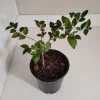
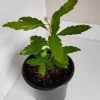
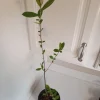
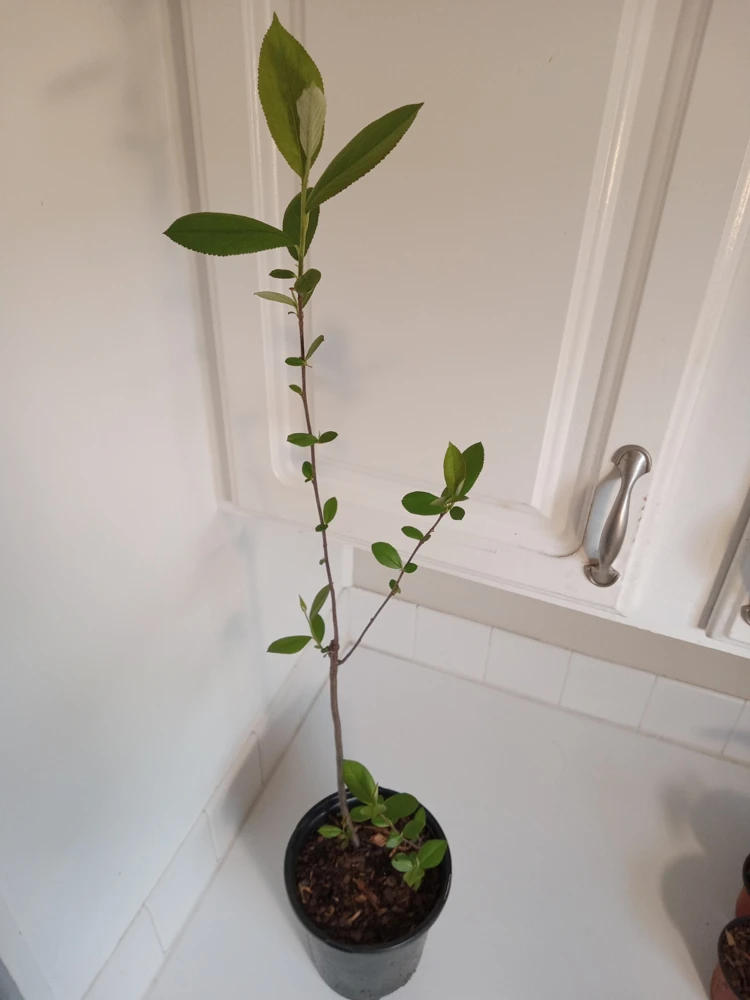
This offering is for one red chokeberry bush, Aronia arbutifolia, provided as a young shrub in a 1-gallon nursery pot. The plant typically stands around 20 inches tall with a width of about 4 inches at the time of shipping, though exact dimensions may vary slightly depending on growth. It is a well-rooted, healthy specimen ready for transplanting into your garden or a larger container. The plant form is a young shrub with a clumping growth habit, ensuring it will develop into a robust and attractive plant. It is potted, ensuring a smooth transition to its new home. Expect a fast growth rate, allowing it to quickly establish itself and begin producing its characteristic flowers and berries. The plant is shipped with its roots intact in the pot, minimizing transplant shock. The berries are edible and the plant is considered child and pet safe, adding to its appeal. You can expect to enjoy its seasonal interest through spring, summer, and fall.
Frequently Asked Questions
- Q: How big does this plant get? A: The red chokeberry bush typically grows to a mature height of 6-10 feet and a width of 3-5 feet, forming an attractive, clumping shrub. Its fast growth rate means it will reach a good size relatively quickly.
- Q: What size pot does it come in? A: This aronia arbutifolia plant is shipped in a 1-gallon nursery pot, providing a healthy root system ready for transplanting into your garden or a larger container.
- Q: Is this an indoor or outdoor plant? A: The red chokeberry bush is an outdoor plant, ideally suited for garden beds, hedges, or naturalized areas, and is perfect for chokeberry landscaping. It requires outdoor conditions to thrive.
- Q: How much sunlight does it need? A: For best results, your red chokeberry bush needs full sun (at least 6 hours of direct sunlight daily). It can tolerate partial shade, but berry production and fall color may be less vibrant.
- Q: Is this plant easy to care for? A: Yes, the red chokeberry bush is known for being low-maintenance and very hardy. It’s an excellent choice for beginners and experienced gardeners alike, requiring minimal attention once established, making red chokeberry care simple.
- Q: What condition will it arrive in? A: Your edible chokeberry shrub will arrive as a healthy, young, potted shrub with an established root system, carefully packaged to ensure its safe journey.
- Q: Can I eat the berries? A: Yes, the berries of the red chokeberry bush are edible, but they are quite tart. They are best used in cooked applications like jams, jellies, pies, or juices, where their flavor can be sweetened and enjoyed.
- Q: When is the best time to plant? A: The best time to plant your red chokeberry bush is in spring or early fall, allowing the plant sufficient time to establish its root system before extreme weather conditions.
- Q: Will it survive winter in my zone? A: The red chokeberry bush is very cold hardy and thrives in USDA Zones 4-9, meaning it can withstand cold winters in a wide range of climates across the US.
- Q: Is it pet-safe? A: Yes, the red chokeberry bush is generally considered safe for both pets and children, giving you peace of mind in your garden.
Related products
-43%
Original price was: $89.99.$50.99Current price is: $50.99.
-30%
Original price was: $73.98.$51.78Current price is: $51.78.
-20%
Original price was: $36.00.$28.80Current price is: $28.80.
-20%
Original price was: $76.00.$60.80Current price is: $60.80.
PLANTING & CARE
Lemon Tree Growing: Choose, Plant, and Harvest
Learn how to choose, plant, feed, and protect a lemon tree so it fits your
23
Sep
Sep
Dwarf Meyer Lemon Tree Australia: Climate Guide
Learn where dwarf Meyer lemon trees grow, how much cold they tolerate, and whether Australia,
Where to Buy a Dwarf Meyer Lemon Tree: Buyer’s Guide
Find the right dwarf Meyer lemon tree online or locally, compare starter sizes and costs,
Dwarf Meyer Lemon Tree for Sale: Buying Guide
Compare Meyer lemon tree sizes, prices, shipping limits, indoor growing and California options before you
Dwarf Meyer Lemon Tree Guide: Size, Care and Fruit
META: Learn how large a dwarf Meyer lemon tree grows, where it thrives, and how
How to Prune a Dwarf Meyer Lemon Tree
Learn when and how to prune a dwarf Meyer lemon tree, including tools, shaping cuts,
Can You Grow a Dwarf Meyer Lemon Tree in a Pot?
META: Learn how to grow a dwarf Meyer lemon tree in a pot, including container
When Do Dwarf Meyer Lemon Trees Bloom and Fruit?
META: Dwarf Meyer lemon trees usually bloom from winter through spring and may flower again