Red Lantana Live Plants (Set of 2) – Bicolor Flowering Outdoor Garden Starters, 4-7 inch Tall
Red Lantana Live Plants (Set of 2) – Bicolor Flowering Outdoor Garden Starters, 4-7 inch Tall
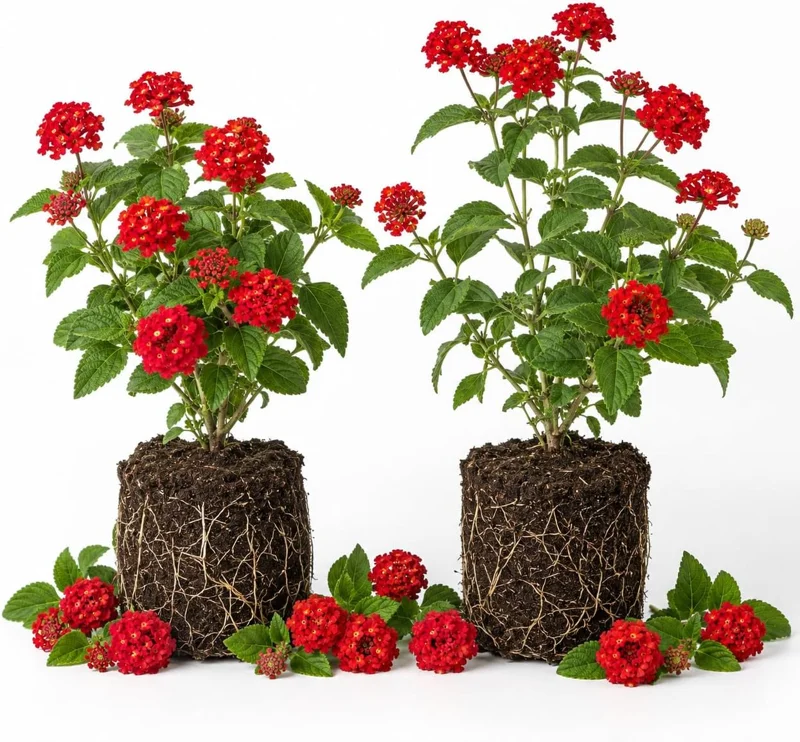
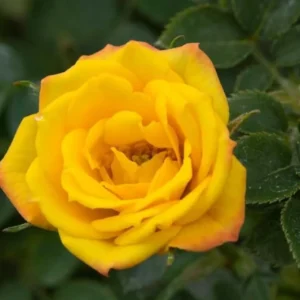
Enhance your outdoor space with this set of two red lantana live plants. These 4-7 inch tall starter plants feature vibrant bicolor flowers, perfect for attracting butterflies and hummingbirds. Ideal for patio containers or garden beds, they offer continuous blooms and are heat-tolerant.
$17.99

With our Alive & Thrive Guarantee, we’ve got your back for the first 30 days! If you have any concerns about your plants, just reach out to us. Our team is here to help answer your questions and guide you in selecting the best plants for your garden, climate, and unique preferences. We're excited to help you create the garden of your dreams!
Estimated arrival
Oct 16
Oct 21 - Oct 23
Oct 26 - Oct 30

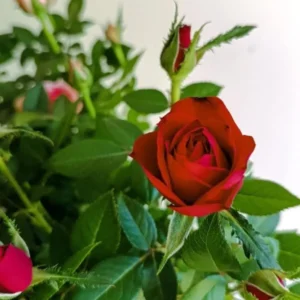
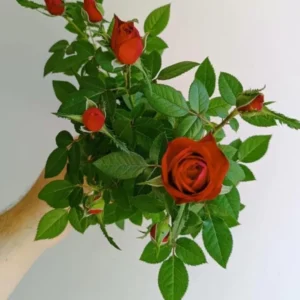
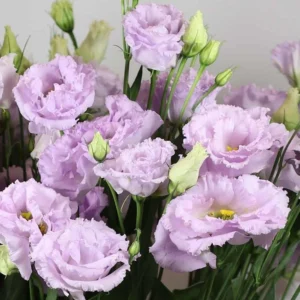
Product Details
-
USDA Hardiness Zone
USDA Zones 9-11 (perennial), Zones 8 and below (annual) -
Soil type
Well-draining soil, sandy loam -
Sunlight Exposure
Full sun (6-8 hours direct sunlight) -
Expected Planting Period
Late spring to early summer (after last frost)
Overview
Transform your garden into a vibrant oasis with our stunning red lantana live plants. This set includes two well-rooted starter plants, ready to bring continuous, eye-catching color to your outdoor spaces. Known for their prolific flowering and beautiful bicolor blooms, these Lantana camara plants are a favorite among gardeners for their resilience and long blooming season. Perfect for adding a splash of red and orange hues, these plants are shipped as healthy, established starters, ready to thrive in your landscape or patio containers. Whether you’re an experienced gardener or just starting, these beautiful plants offer an easy way to achieve a tropical look and attract beneficial pollinators like butterflies and hummingbirds to your yard.
Our red lantana live plants are carefully cultivated to ensure strong root development, providing you with a robust foundation for successful growth. These versatile plants are ideal for various garden applications, from mass plantings in garden beds to focal points in decorative pots. Their ability to withstand heat and relatively dry conditions makes them a superb choice for many climates, ensuring a spectacular display of color throughout the warmer months. Get ready to enjoy the dynamic beauty and low-maintenance charm of these exceptional flowering plants.
Key Benefits
Investing in these red lantana live plants brings a multitude of advantages to any garden. Their vibrant appearance and hardy nature make them a top choice for gardeners seeking both beauty and ease of care. These plants are more than just pretty flowers; they are a dynamic addition that enhances the overall health and aesthetics of your outdoor environment.
- Continuous, Vibrant Blooms: Enjoy a prolonged display of striking red and orange bicolor flowers from spring until frost. These prolific bloomers ensure your garden always has a lively pop of color, making them ideal for long-lasting visual appeal.
- Attracts Pollinators: The nectar-rich flowers are a magnet for butterflies, hummingbirds, and bees, contributing to a healthy and biodiverse garden ecosystem. Watching these creatures flit among your bicolor lantana plants adds an extra layer of enjoyment to your outdoor space.
- Drought-Tolerant and Heat-Resistant: Once established, bicolor lantana plants are incredibly resilient, thriving in hot, sunny conditions with minimal water. This makes them an excellent choice for xeriscaping or gardens in warmer climates where other plants might struggle.
- Versatile Garden Use: Perfect for a variety of landscaping needs, including garden beds, borders, rock gardens, hanging baskets, and patio containers. Their mounding and spreading habit fills spaces beautifully, creating lush, colorful displays.
- Low Maintenance: These plants require minimal fuss, making them ideal for busy gardeners. They generally need little pruning, are resistant to most pests and diseases, and provide maximum impact with minimal effort.
- Deer Resistant: Lantana is generally unpalatable to deer, offering a reliable flowering option in areas where deer browsing is a concern. Enjoy your beautiful blooms without worrying about them becoming a deer snack.
Plant Care & Growing Tips
Caring for your red lantana live plants is straightforward, ensuring a dazzling display of color with minimal effort. These hardy plants are known for their resilience and adaptability, making them a great choice for both novice and experienced gardeners. To ensure your lantana thrives, proper placement and consistent care are key. Understanding proper lantana plant care is essential for vibrant blooms.
Sunlight Requirements: Lantana absolutely loves the sun! For the most prolific blooms and healthiest growth, plant your outdoor lantana starter in a location that receives full sun, meaning at least 6-8 hours of direct sunlight per day. While they can tolerate partial shade, flowering will be less abundant, and the plants may become leggy. In very hot climates, some afternoon shade can be beneficial, but morning sun is crucial.
Watering Schedule & Soil Moisture: After planting, water your lantana regularly to help the roots establish. Once established, lantana is remarkably drought-tolerant and prefers slightly drier conditions. Allow the top inch or two of soil to dry out completely between waterings. Overwatering can lead to root rot, so ensure good drainage. During extended dry spells or extreme heat, more frequent watering may be necessary, especially for plants in containers, which tend to dry out faster than those in the ground.
Soil Type & Drainage: Lantana is not particularly fussy about soil type but thrives in well-draining soil. A sandy loam or a general-purpose potting mix amended with some organic matter works well. Good drainage is paramount to prevent waterlogging, which can be detrimental to the plant’s health. If planting in heavy clay soil, amend it with compost or grit to improve drainage.
Temperature Range & USDA Hardiness Zone: Lantana is a tender perennial, typically hardy in USDA Zones 9-11. In these zones, it will often return year after year. In cooler climates (Zones 8 and below), it is usually grown as an annual, providing seasonal color until the first frost. They prefer warm temperatures and can tolerate heat very well. Protect them from frost, as they are not cold-hardy.
Fertilization: While not heavy feeders, a light application of a balanced, slow-release granular fertilizer in spring can encourage vigorous growth and abundant blooms. For plants in containers, a liquid feed every 2-4 weeks during the growing season can also be beneficial. Avoid over-fertilizing, especially with high-nitrogen fertilizers, as this can promote foliage growth at the expense of flowers. Deadheading spent blooms, though not strictly necessary for continuous flowering, can encourage bushier growth and prevent seed formation, directing the plant’s energy towards more flowers. This is an important aspect of lantana plant care.
Size & Details
This offering includes a set of two healthy red lantana live plants, each measuring approximately 4-7 inches tall from the base of the plant to the top of the foliage. These are well-rooted starter plants, shipped without pots to ensure safe transit and to minimize transplant shock. Upon arrival, the plants will be ready for immediate planting in your garden beds, borders, or preferred containers. While they may not be in bloom upon arrival, they are mature enough to quickly establish and begin producing their characteristic bicolor red and orange flowers once settled in their new environment.
Lantana plants have a moderate growth rate and will quickly fill out, typically reaching a mature size of 1-3 feet tall and 1-3 feet wide, depending on the variety and growing conditions. They have a mounding and spreading habit, making them excellent for groundcover or spilling over the edges of pots. Expect prolific flowering throughout the warm season, generally from late spring through fall, providing continuous color and attracting pollinators to your garden. These plants are perfect for adding instant impact and long-lasting beauty to any outdoor setting.
Frequently Asked Questions
- Q: How big do these red lantana live plants get? A: These starter plants are 4-7 inches tall upon arrival. Once established, they typically grow to a mature size of 1-3 feet tall and 1-3 feet wide, forming a bushy, mounding habit. Growth can vary based on climate and care.
- Q: Are these indoor or outdoor plants? A: Red Lantana live plants are primarily outdoor plants. They thrive in full sun and warm temperatures, making them ideal for garden beds, patios, and containers in outdoor settings. In colder climates, they are grown as annuals.
- Q: How much sunlight do my bicolor lantana plants need? A: For optimal growth and the most abundant blooms, your lantana plants require at least 6-8 hours of direct sunlight per day. Full sun exposure is crucial for their health and flowering performance.
- Q: Is this plant easy to care for? Is it good for beginners? A: Yes, lantana is considered very easy to care for and is an excellent choice for beginners. They are drought-tolerant, heat-resistant, and generally low-maintenance, requiring minimal fuss once established. Good lantana plant care is simple to achieve.
- Q: What condition will the plants arrive in? A: Your red lantana live plants will arrive as well-rooted starter plants, shipped without pots. They are carefully packaged to ensure they reach you in healthy condition, ready for planting. They may not be in bloom upon arrival.
- Q: When is the best time to plant these outdoor lantana starter plants? A: The best time to plant lantana is after all danger of frost has passed in your area, typically in late spring or early summer. This allows them ample time to establish before the peak growing season.
- Q: Will my lantana plant survive winter in my zone? A: Lantana is a tender perennial hardy in USDA Zones 9-11. If you are in these zones, it may survive winter and return in spring. In colder zones (8 and below), it is generally grown as an annual and will not survive frost.
- Q: What kind of soil is best for growing lantana in pots? A: When growing lantana in pots, use a good quality, well-draining potting mix. Ensure the pot has drainage holes to prevent water from accumulating, as lantana does not like wet feet.
- Q: Do these plants attract butterflies and hummingbirds? A: Absolutely! The vibrant, nectar-rich flowers of lantana are a favorite of butterflies, hummingbirds, and other beneficial pollinators, making them a wonderful addition to a wildlife-friendly garden.
- Q: How often should I water my lantana once it’s established? A: Once established, water your lantana sparingly. Allow the top 1-2 inches of soil to dry out completely between waterings. Overwatering is more detrimental than underwatering for these drought-tolerant plants.
Related products
-67%
Original price was: $41.97.$13.99Current price is: $13.99.
-75%
Original price was: $59.98.$15.00Current price is: $15.00.
-66%
Original price was: $56.97.$19.34Current price is: $19.34.
-67%
Original price was: $41.97.$13.99Current price is: $13.99.
-30%
Original price was: $63.98.$44.78Current price is: $44.78.
PLANTING & CARE
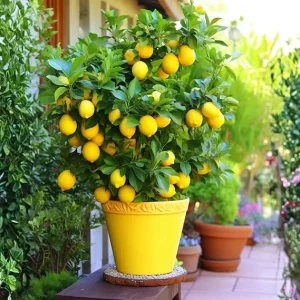
Lemon Tree Growing: Choose, Plant, and Harvest
Learn how to choose, plant, feed, and protect a lemon tree so it fits your
23
Sep
Sep
Dwarf Meyer Lemon Tree Australia: Climate Guide
Learn where dwarf Meyer lemon trees grow, how much cold they tolerate, and whether Australia,
Where to Buy a Dwarf Meyer Lemon Tree: Buyer’s Guide
Find the right dwarf Meyer lemon tree online or locally, compare starter sizes and costs,
Dwarf Meyer Lemon Tree for Sale: Buying Guide
Compare Meyer lemon tree sizes, prices, shipping limits, indoor growing and California options before you
Dwarf Meyer Lemon Tree Guide: Size, Care and Fruit
META: Learn how large a dwarf Meyer lemon tree grows, where it thrives, and how
How to Prune a Dwarf Meyer Lemon Tree
Learn when and how to prune a dwarf Meyer lemon tree, including tools, shaping cuts,
Can You Grow a Dwarf Meyer Lemon Tree in a Pot?
META: Learn how to grow a dwarf Meyer lemon tree in a pot, including container
When Do Dwarf Meyer Lemon Trees Bloom and Fruit?
META: Dwarf Meyer lemon trees usually bloom from winter through spring and may flower again