Red Papaya Tree Live Plant – F1 Red Lady Variety – 3 Gallon Pot
-50%
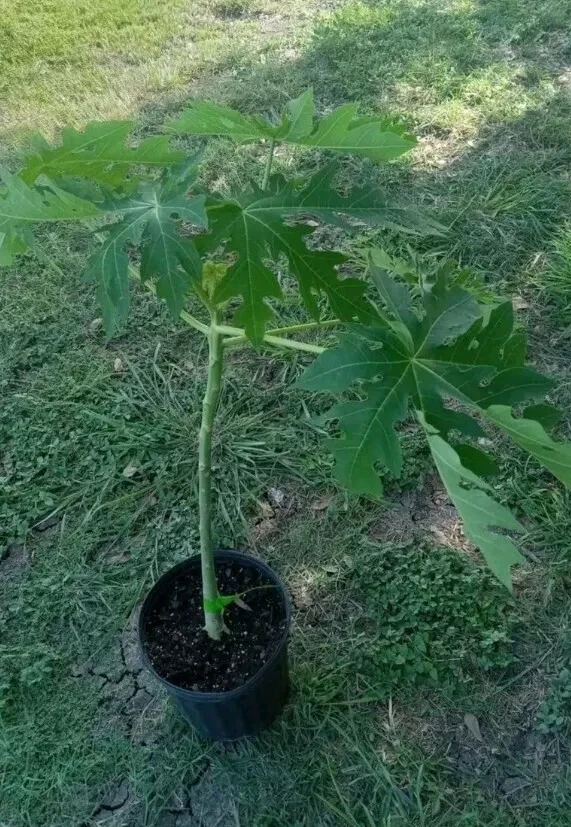
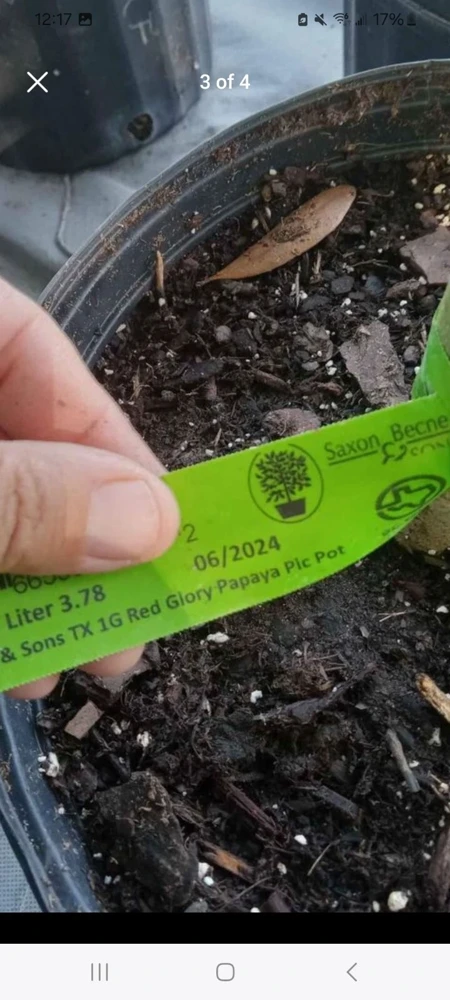
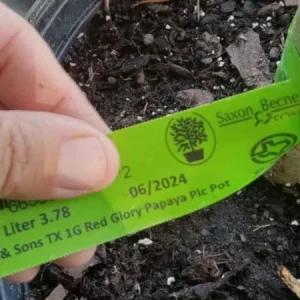
Red Papaya Tree Live Plant – F1 Red Lady Variety – 3 Gallon Pot
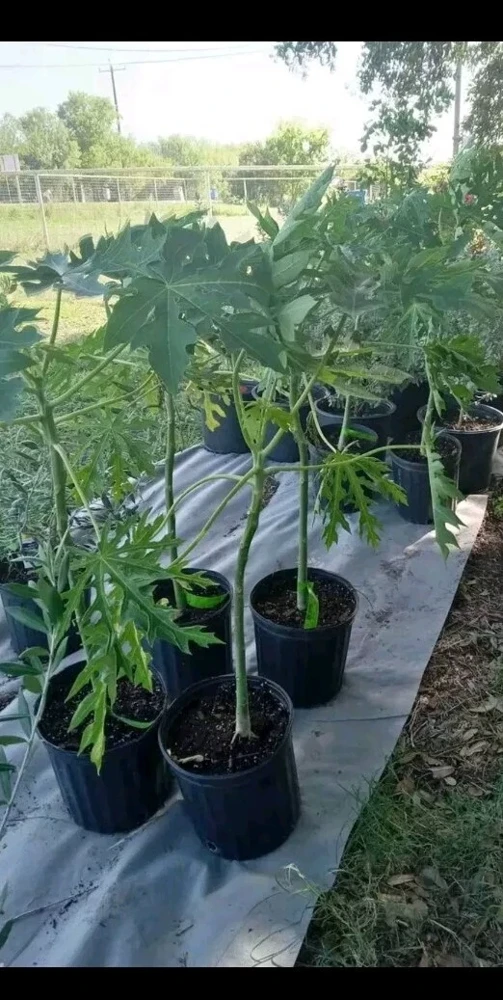
Cultivate your own tropical harvest with this vibrant red papaya tree live plant. This F1 Red Lady variety comes in a 3-gallon pot, ready to thrive and produce delicious, sweet fruit. Ideal for warm climates or container growing.
Original price was: $400.00.$200.00Current price is: $200.00.

With our Alive & Thrive Guarantee, we’ve got your back for the first 30 days! If you have any concerns about your plants, just reach out to us. Our team is here to help answer your questions and guide you in selecting the best plants for your garden, climate, and unique preferences. We're excited to help you create the garden of your dreams!
Estimated arrival
Oct 14
Oct 19 - Oct 21
Oct 24 - Oct 28
Product Details
-
USDA Hardiness Zone
USDA zones 9-11 (or container grown indoors) -
Soil type
Well-draining, rich loam -
Sunlight Exposure
Full sun (6-8 hours daily) -
Expected Planting Period
Year-round in tropical climates; spring to early summer in subtropical regions
Overview
Embark on a tropical gardening adventure with the red papaya tree live plant. This offering features the highly sought-after F1 Red Lady variety, known for its vigorous growth and abundant production of sweet, flavorful fruit. Originating from the Carica papaya species, this particular cultivar is celebrated for its attractive red-orange flesh and delightful aroma. Papayas are not only delicious but also packed with vitamins and antioxidants, making them a fantastic addition to any home garden. This f1 papaya plant arrives in a robust 3-gallon pot, providing a strong start for healthy development. Whether you’re an experienced gardener or just beginning, growing your own papaya can be a deeply rewarding experience, bringing a taste of the tropics right to your backyard or patio.
The F1 Red Lady papaya is a semi-dwarf, self-pollinating variety, making it an excellent choice for home growers. It’s known for its early and consistent fruiting, often producing fruit within a year of planting under optimal conditions. The fruit itself is medium-sized, pear-shaped, and boasts a beautiful red hue when ripe. This red lady papaya is highly adaptable and can be grown in USDA zones where temperatures remain warm, or as a potted plant in cooler climates, brought indoors during winter months. Enjoy fresh, home-grown papaya that surpasses anything you’ll find in stores.
Key Benefits
Adding a red papaya tree live plant to your garden brings a multitude of benefits, from fresh fruit to ornamental appeal. This F1 Red Lady variety is specifically chosen for its superior characteristics:
- Abundant & Delicious Fruit: Enjoy a continuous supply of sweet, juicy, and vibrant red papayas right from your own garden. The F1 Red Lady is famed for its high yield and excellent flavor profile, making it perfect for fresh consumption or culinary uses.
- Vigorous Growth & Early Fruiting: This robust plant establishes quickly and can begin producing fruit relatively soon after planting, often within 9-12 months, allowing you to enjoy your harvest sooner.
- Self-Pollinating & Easy Care: Being a self-pollinating variety, you only need one plant to start your papaya harvest. It’s also relatively easy to care for, making the growing papaya tree experience accessible even for novice gardeners.
- Rich in Nutrients: Papayas are a powerhouse of vitamins (especially C and A), minerals, and enzymes like papain, which aids digestion. Cultivating your own ensures you have access to nutrient-dense, chemical-free produce.
- Tropical Aesthetic: Beyond its fruit, the papaya tree adds a beautiful tropical flair to your landscape with its large, palmate leaves and elegant growth habit. It creates an instant vacation vibe in any garden or patio setting.
- Versatile Cultivation: Suitable for in-ground planting in warm climates or as a container plant in cooler regions, the tropical fruit plant offers flexibility for various gardening setups.
- Improved Variety: The F1 hybrid ensures desirable traits like disease resistance and uniform fruit quality, leading to a more reliable and satisfying harvest from your red papaya tree live plant.
Plant Care & Growing Tips
Proper care is essential for a thriving red papaya tree live plant. The F1 Red Lady variety, while robust, will perform best with attentive cultivation. For optimal growth and fruiting, a warm, sunny location is paramount. Papayas require at least 6-8 hours of direct sunlight per day. In cooler climates, consider a south-facing wall or a greenhouse. If growing in a container, ensure it’s a large pot (at least 15-20 gallons once mature) with excellent drainage, and be prepared to move it indoors if temperatures drop below 40°F (4°C).
Watering should be consistent, especially during dry periods and when the plant is actively fruiting. The soil should be kept consistently moist but never waterlogged, as papayas are susceptible to root rot. Allow the top inch or two of soil to dry out slightly between waterings. Good drainage is crucial, so ensure your soil mix is light and porous. For soil, a rich, well-draining loam with a pH between 6.0 and 7.0 is ideal. Amend heavy clay soils with compost and sand to improve drainage. Fertilize your f1 papaya plant every 2-4 weeks during the growing season with a balanced fertilizer, reducing frequency in winter. Look for a fertilizer rich in nitrogen and phosphorus for good vegetative growth and fruit production. Protect young plants from strong winds which can damage their large leaves.
Common issues include spider mites and fungal diseases, especially in humid conditions or with poor air circulation. Regular inspection and prompt treatment with organic pesticides or fungicides can keep these problems in check. Pruning is generally not required for papayas, as they grow as a single stem. However, removing any dead or damaged leaves can help maintain plant health. Understanding how to nurture your red lady papaya will ensure a bountiful and delicious harvest, making the effort worthwhile for any enthusiast of tropical fruit plant cultivation.
Size & Details
This offering is for a healthy red papaya tree live plant, specifically the F1 Red Lady variety, securely established in a 3-gallon nursery pot. At the time of shipping, the plant will typically stand between 18-30 inches tall, ready for transplanting into its permanent location or a larger container. The F1 Red Lady is a semi-dwarf cultivar, meaning it will reach a manageable mature height of approximately 6-10 feet when grown in-ground, making harvesting easier. When grown in containers, its size can be somewhat restricted by the pot size, but it will still produce ample fruit. Expect a rapid growth rate under ideal conditions, with the plant capable of fruiting within 9-12 months from planting, depending on climate and care.
The plant is shipped as a well-rooted, potted specimen, ensuring minimal transplant shock and a strong start in your garden. The leaves will be lush and green, indicating a vigorous plant ready to grow. This growing papaya tree will develop a single, sturdy trunk, crowned with large, deeply lobed leaves. The pear-shaped fruit will begin to appear from the leaf axils, turning from green to a vibrant red-orange as they ripen. Each fruit typically weighs between 1-3 pounds. This tropical fruit plant is a fantastic investment for anyone looking to enjoy fresh, organic papaya at home.
Frequently Asked Questions
- Q: How big will this red papaya tree get? A: The F1 Red Lady variety is a semi-dwarf papaya, typically reaching a mature height of 6-10 feet when planted in the ground. If grown in a large container, its size may be slightly more compact, but it will still produce fruit.
- Q: Is this an indoor or outdoor plant? A: This red papaya tree live plant is a tropical plant that thrives outdoors in warm climates (USDA zones 9-11). In cooler regions, it can be grown outdoors during warm months and brought indoors as a potted plant when temperatures drop below 40°F (4°C).
- Q: How much sunlight does a papaya tree need? A: Papaya trees require full sun, meaning at least 6-8 hours of direct sunlight per day, for optimal growth and fruit production. A sunny, protected spot is ideal for your f1 papaya plant.
- Q: Is this plant easy to care for? A: While not entirely hands-off, the F1 Red Lady papaya is considered relatively easy to care for compared to some other tropical fruits. Consistent watering, good drainage, and regular fertilization are key to a successful harvest from your red lady papaya.
- Q: What condition will the plant arrive in? A: Your red papaya tree live plant will arrive as a healthy, well-rooted specimen in its 3-gallon nursery pot. It will be carefully packaged to ensure it reaches you in the best possible condition, ready for planting.
- Q: How long until it starts producing fruit? A: Under optimal growing conditions, the F1 Red Lady papaya can begin to produce fruit within 9-12 months of planting. Factors like climate, care, and soil quality can influence the exact timing.
- Q: Can I grow this papaya in a container? A: Yes, this tropical fruit plant is well-suited for container growing, especially in areas with cold winters. Ensure you use a large pot (at least 15-20 gallons for a mature plant) with good drainage and move it indoors when temperatures are too low.
- Q: What kind of soil does a papaya tree prefer? A: Papayas thrive in rich, well-draining soil with a slightly acidic to neutral pH (6.0-7.0). A sandy loam amended with organic compost is ideal. Avoid heavy clay soils that retain too much moisture.
- Q: Is this papaya variety self-pollinating? A: Yes, the F1 Red Lady papaya is a self-pollinating variety, meaning you only need one plant to produce fruit. This simplifies the growing papaya tree process for home gardeners.
- Q: What are the main uses for red papaya fruit? A: The delicious red papaya fruit is excellent for eating fresh, adding to fruit salads, smoothies, salsas, or even used in savory dishes. It’s a versatile and healthy addition to your diet.
Related products
-20%
Original price was: $32.00.$25.60Current price is: $25.60.
-20%
Original price was: $31.98.$25.58Current price is: $25.58.
-10%
Original price was: $75.00.$67.50Current price is: $67.50.
-20%
Original price was: $34.00.$27.20Current price is: $27.20.
-10%
Original price was: $158.00.$142.20Current price is: $142.20.
-49%
Original price was: $59.38.$29.99Current price is: $29.99.
-10%
Original price was: $65.00.$58.50Current price is: $58.50.
PLANTING & CARE
Lemon Tree Growing: Choose, Plant, and Harvest
Learn how to choose, plant, feed, and protect a lemon tree so it fits your
23
Sep
Sep
Dwarf Meyer Lemon Tree Australia: Climate Guide
Learn where dwarf Meyer lemon trees grow, how much cold they tolerate, and whether Australia,
Where to Buy a Dwarf Meyer Lemon Tree: Buyer’s Guide
Find the right dwarf Meyer lemon tree online or locally, compare starter sizes and costs,
Dwarf Meyer Lemon Tree for Sale: Buying Guide
Compare Meyer lemon tree sizes, prices, shipping limits, indoor growing and California options before you
Dwarf Meyer Lemon Tree Guide: Size, Care and Fruit
META: Learn how large a dwarf Meyer lemon tree grows, where it thrives, and how
How to Prune a Dwarf Meyer Lemon Tree
Learn when and how to prune a dwarf Meyer lemon tree, including tools, shaping cuts,
Can You Grow a Dwarf Meyer Lemon Tree in a Pot?
META: Learn how to grow a dwarf Meyer lemon tree in a pot, including container
When Do Dwarf Meyer Lemon Trees Bloom and Fruit?
META: Dwarf Meyer lemon trees usually bloom from winter through spring and may flower again