Red Purple Fountain Grass Live Plant Clumps – 8-12 Inch Tall Perennial Ornamental Grass
-50%
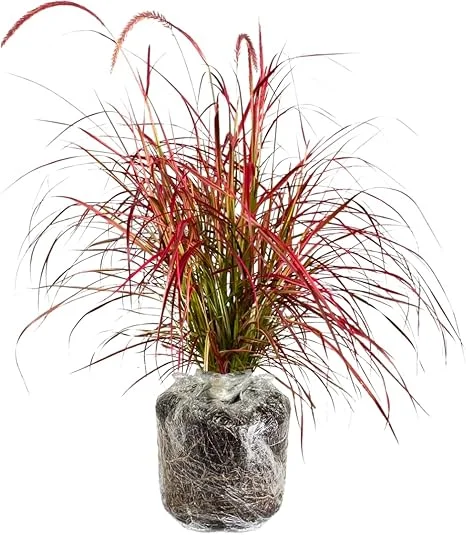
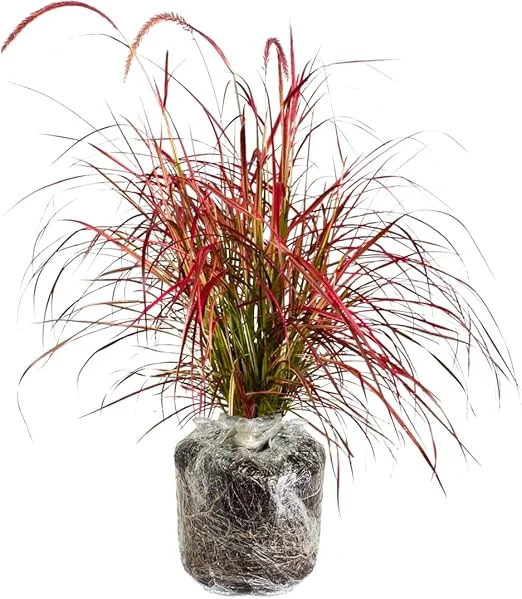
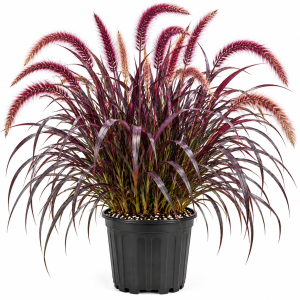
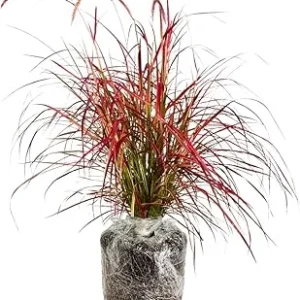
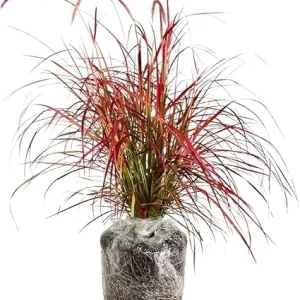
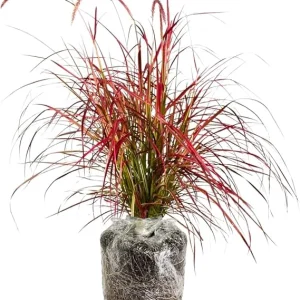
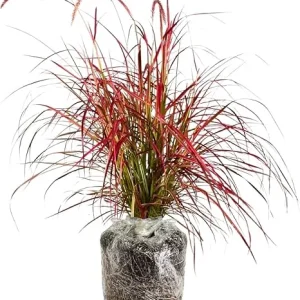
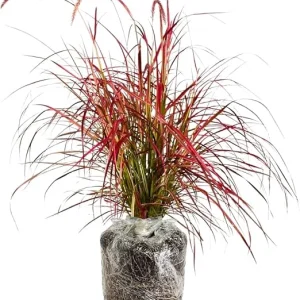
Red Purple Fountain Grass Live Plant Clumps – 8-12 Inch Tall Perennial Ornamental Grass
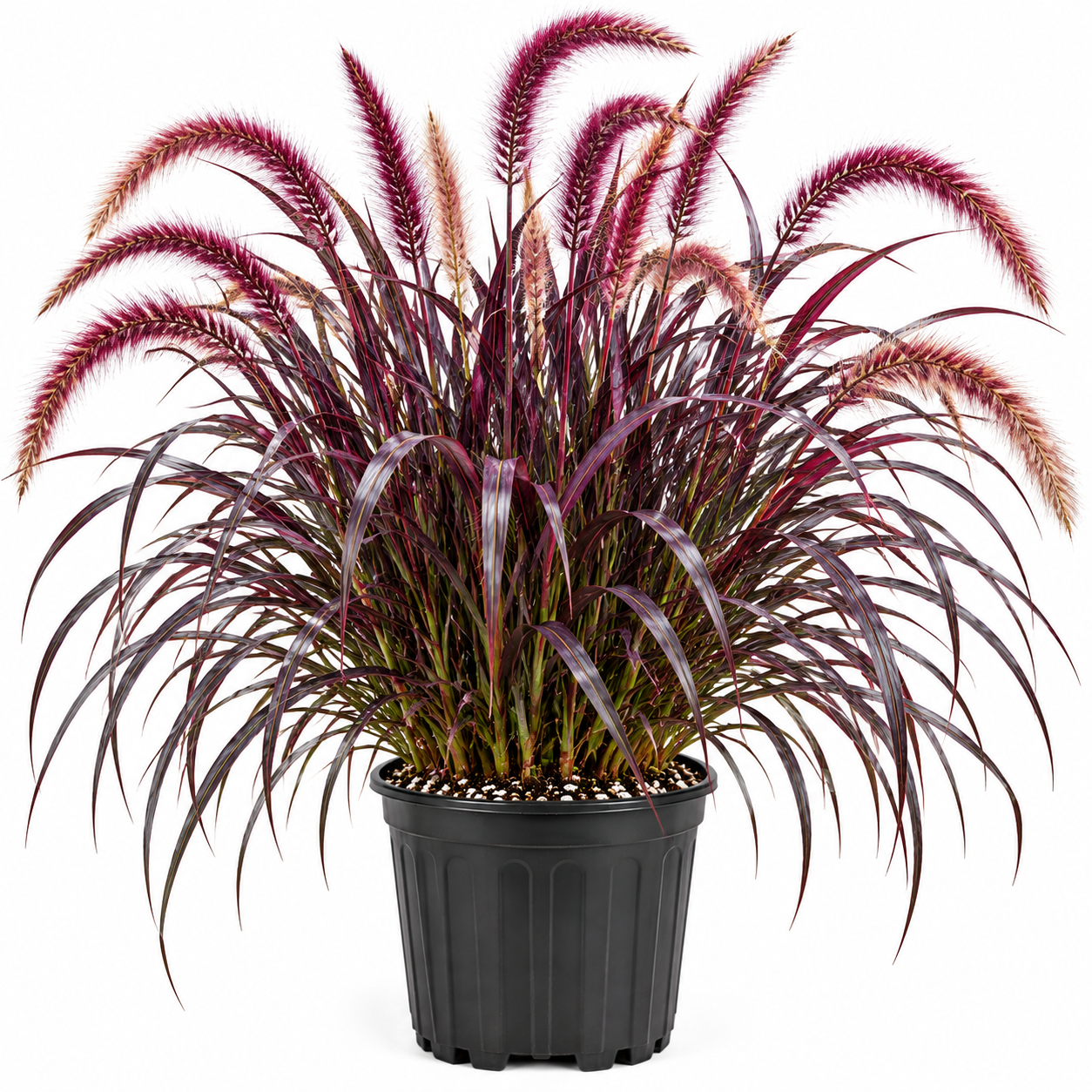
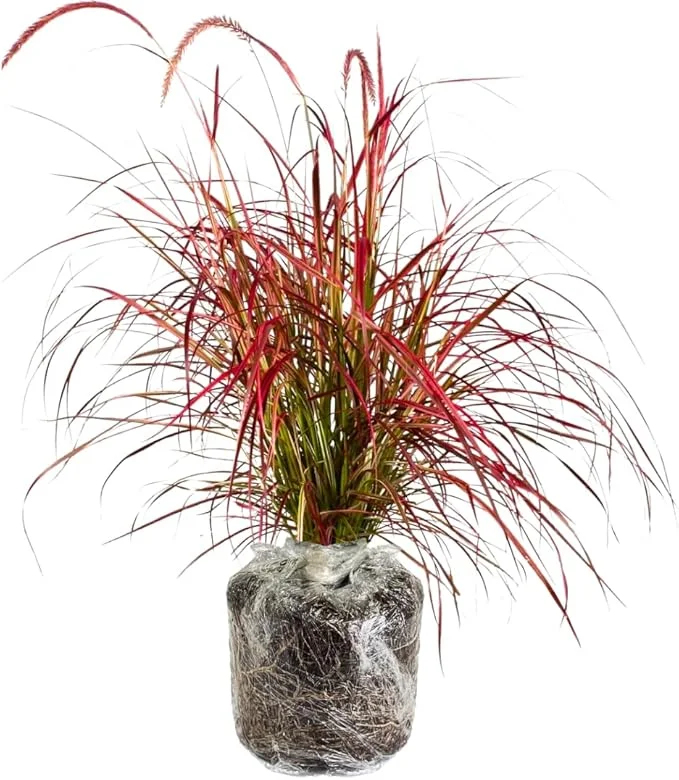
Add dramatic color and elegant movement to your garden with this red purple fountain grass live plant. Growing 8-12 inches tall, this ornamental grass live plant is a beautiful, low-maintenance perennial.
Original price was: $51.98.$25.99Current price is: $25.99.

With our Alive & Thrive Guarantee, we’ve got your back for the first 30 days! If you have any concerns about your plants, just reach out to us. Our team is here to help answer your questions and guide you in selecting the best plants for your garden, climate, and unique preferences. We're excited to help you create the garden of your dreams!
Estimated arrival
Oct 07
Oct 12 - Oct 14
Oct 17 - Oct 21



Product Details
-
USDA Hardiness Zone
USDA zones 8-11 -
Soil type
Well-drained soil -
Sunlight Exposure
Full sun -
Expected Planting Period
Spring to early summer
Overview
Introduce a touch of vibrant color and graceful movement to your garden with the stunning red purple fountain grass. This exquisite ornamental grass live plant arrives as live clumps, ready to establish quickly in your landscape. Known for its arching, burgundy-red foliage and soft, feathery plumes, this perennial plant creates a captivating focal point or border. Originating from Africa and Southwest Asia, Pennisetum setaceum ‘Rubrum’ (commonly known as Red Purple Fountain Grass) is a popular choice for gardeners seeking an easy-to-grow, drought-tolerant plant that offers season-long interest. Its distinctive color and texture make it a versatile addition to various garden styles, from modern to naturalistic. This particular offering includes a healthy 8-12 inch tall clump, ensuring a robust start for your outdoor space.
Key Benefits
The red purple fountain grass offers numerous advantages for any landscape design, making it a highly desirable plant for both novice and experienced gardeners. Its striking appearance and adaptability contribute to a beautiful and low-maintenance garden.
- Dramatic Visual Impact: The rich, burgundy-red to purple foliage provides a strong color contrast against green plants, adding depth and drama to garden beds, borders, or containers. Its elegant, arching form creates a soft, flowing aesthetic.
- All-Season Interest: Unlike many flowering plants, this perennial fountain grass maintains its vibrant foliage color throughout the growing season. From summer into fall, it produces beautiful, bottlebrush-like plumes that shimmer in the sunlight.
- Low Maintenance: Once established, red purple fountain grass is remarkably easy to care for. It tolerates a range of soil conditions and is relatively drought-resistant, requiring minimal watering and feeding.
- Versatile Landscaping Use: Perfect for mass plantings, accentuating rock gardens, defining pathways, or adding texture to mixed perennial borders. Its moderate size makes it suitable for both large gardens and smaller urban spaces.
- Attracts Wildlife: While not a primary pollinator plant, the feathery seed heads can provide winter interest and some food for birds, contributing to local biodiversity.
- Erosion Control: Its fibrous root system can help stabilize soil on slopes or in areas prone to erosion, making it a practical choice for challenging garden spots.
Plant Care & Growing Tips
Caring for your red purple fountain grass is straightforward, ensuring a thriving and beautiful addition to your garden. This perennial ornamental grass is known for its resilience and adaptability, making it a favorite among gardeners. Proper planting and basic maintenance will allow it to flourish and display its full vibrant potential. Understanding the specific needs of this plant, such as ideal sunlight and soil conditions, is key to its long-term health and vigor.
For optimal growth, plant your red purple fountain grass in a location that receives full sun, meaning at least six hours of direct sunlight per day. While it can tolerate partial shade, too little sun may result in less vibrant foliage color and fewer plumes. This plant thrives in well-drained soil. It is not particular about soil type, adapting to sandy, loamy, or clay soils as long as drainage is adequate. Avoid heavy, waterlogged soils, which can lead to root rot. Water regularly after planting until established, typically for the first few weeks. Once established, it is quite drought-tolerant and will only need occasional watering during prolonged dry spells. Fertilization is generally not necessary, especially in rich soils. If your soil is poor, a light application of a balanced granular fertilizer in early spring can encourage growth. Pruning should be done in late winter or early spring before new growth begins. Cut back the entire plant to about 4-6 inches from the ground. This promotes fresh, vigorous growth and maintains a tidy appearance. This red fountain grass care guide will help you achieve a stunning display year after year.
Size & Details
This offering includes 1 ornamental grass live plant, provided as a robust clump. Each plant measures approximately 8-12 inches tall at the time of shipment, offering a significant head start for your garden. Red Purple Fountain Grass typically matures to a size of 3-4 feet tall and equally wide, creating a substantial and impactful presence in the landscape. It is a vigorous grower, establishing itself quickly and reaching its mature size within one to two growing seasons. The plant is shipped in a nursery pot, ensuring its root system is intact and healthy upon arrival, ready for immediate transplanting into your garden bed or a larger container. Expect the vibrant red-purple plumes to emerge from summer and persist beautifully into the fall, providing extended seasonal interest. This plant is hardy in USDA zones 8-11, making it a reliable perennial in warmer climates and a stunning annual in cooler regions.
Frequently Asked Questions
- Q: How big does this plant get? A: The red purple fountain grass typically grows to a mature size of 3-4 feet tall and 3-4 feet wide, forming an attractive, arching mound. This makes it suitable for various landscape applications.
- Q: Is this an indoor or outdoor plant? A: This is primarily an outdoor plant, best suited for garden beds, borders, and large containers. While it can be grown in pots, it thrives outdoors where it receives ample sunlight.
- Q: How much sunlight does it need? A: For the best growth and most vibrant foliage color, red purple fountain grass requires full sun, meaning at least 6 hours of direct sunlight per day. It can tolerate partial shade but may have less intense color.
- Q: Is this plant easy to care for? A: Yes, this perennial fountain grass is considered very easy to care for. Once established, it is drought-tolerant and requires minimal attention, making it suitable for beginners.
- Q: What condition will it arrive in? A: Your ornamental grass live plant will arrive as a healthy, live clump, approximately 8-12 inches tall, securely packaged in a nursery pot with its root system intact, ready for planting.
- Q: When is the best time to plant? A: The best time to plant red purple fountain grass is in spring or early summer after the last threat of frost has passed, allowing it ample time to establish before cooler weather.
- Q: Will it survive winter in my zone? A: This plant is hardy in purple fountain grass zones 8-11. In these zones, it will return as a perennial each year. In colder zones (7 and below), it is typically grown as an annual.
- Q: What type of soil does it prefer? A: It prefers well-drained soil but is adaptable to various soil types, including sandy, loamy, or clay. Good drainage is crucial to prevent root issues.
- Q: Can I grow this in a container? A: Yes, red purple fountain grass can be grown successfully in large containers, provided they have good drainage. Ensure the container is large enough to accommodate its mature size.
- Q: How often should I water it? A: Water regularly after planting until established. Once established, it is drought-tolerant and needs watering only during extended dry periods.
Related products
-20%
Original price was: $27.98.$22.38Current price is: $22.38.
-20%
Original price was: $30.00.$24.00Current price is: $24.00.
-20%
Original price was: $51.98.$41.58Current price is: $41.58.
-20%
Original price was: $37.98.$30.38Current price is: $30.38.
-20%
Original price was: $190.00.$152.00Current price is: $152.00.
-20%
Original price was: $27.98.$22.38Current price is: $22.38.
-20%

Original price was: $31.98.$25.58Current price is: $25.58.
-20%
Original price was: $45.98.$36.78Current price is: $36.78.
PLANTING & CARE
Lemon Tree Growing: Choose, Plant, and Harvest
Learn how to choose, plant, feed, and protect a lemon tree so it fits your
23
Sep
Sep
Dwarf Meyer Lemon Tree Australia: Climate Guide
Learn where dwarf Meyer lemon trees grow, how much cold they tolerate, and whether Australia,
Where to Buy a Dwarf Meyer Lemon Tree: Buyer’s Guide
Find the right dwarf Meyer lemon tree online or locally, compare starter sizes and costs,
Dwarf Meyer Lemon Tree for Sale: Buying Guide
Compare Meyer lemon tree sizes, prices, shipping limits, indoor growing and California options before you
Dwarf Meyer Lemon Tree Guide: Size, Care and Fruit
META: Learn how large a dwarf Meyer lemon tree grows, where it thrives, and how
How to Prune a Dwarf Meyer Lemon Tree
Learn when and how to prune a dwarf Meyer lemon tree, including tools, shaping cuts,
Can You Grow a Dwarf Meyer Lemon Tree in a Pot?
META: Learn how to grow a dwarf Meyer lemon tree in a pot, including container
When Do Dwarf Meyer Lemon Trees Bloom and Fruit?
META: Dwarf Meyer lemon trees usually bloom from winter through spring and may flower again