Rhubarb Swiss Chard Seeds – Bright Red Stems – Beta Vulgaris Var. Cicla
-50%

Rhubarb Swiss Chard Seeds – Bright Red Stems – Beta Vulgaris Var. Cicla
Cultivate striking and delicious rhubarb swiss chard seeds in your garden. This heirloom variety, Beta vulgaris var. cicla, produces vibrant red stems and tender green leaves, perfect for a colorful and nutritious harvest.
Original price was: $15.16.$7.58Current price is: $7.58.

With our Alive & Thrive Guarantee, we’ve got your back for the first 30 days! If you have any concerns about your plants, just reach out to us. Our team is here to help answer your questions and guide you in selecting the best plants for your garden, climate, and unique preferences. We're excited to help you create the garden of your dreams!
Estimated arrival
Oct 08
Oct 13 - Oct 15
Oct 18 - Oct 22


Product Details
-
USDA Hardiness Zone
USDA zones 3-10 (as an annual) -
Soil type
Well-draining, rich in organic matter -
Sunlight Exposure
Full sun to partial shade -
Expected Planting Period
Early spring to late summer
Overview
Embark on a rewarding gardening journey with these premium rhubarb swiss chard seeds. This remarkable heirloom variety, scientifically known as Beta vulgaris var. cicla, is celebrated for its stunning visual appeal and delicious flavor. Unlike its leafy green counterparts, rhubarb swiss chard seeds mature into plants featuring brilliant, ruby-red stalks that provide a striking contrast against deep green, crinkled leaves. It’s not just a beautiful addition to your garden; it’s also a highly nutritious and versatile vegetable, offering both tender leaves and crunchy stems for a wide range of culinary applications. Perfect for home gardeners looking to add color and nutrition to their plots, these seeds promise a bountiful and visually appealing harvest.
Rhubarb Swiss chard seeds are an excellent choice for gardeners of all skill levels, thriving in various conditions and providing a continuous harvest. This traditional variety is known for its robust growth and ability to withstand different climates, making it a reliable staple for any vegetable patch. Whether you’re an experienced grower or just starting, these heirloom chard seeds will provide a satisfying and productive experience, yielding beautiful and tasty produce for your kitchen.
Key Benefits
Growing rhubarb swiss chard seeds offers numerous advantages, from enhancing your garden’s aesthetics to providing a consistent supply of healthy greens. This versatile vegetable is a must-have for any home gardener.
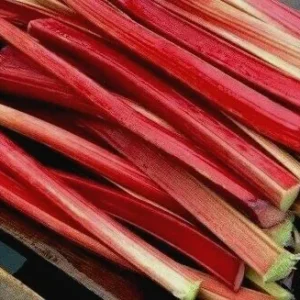
- Vibrant Garden Addition: The striking bright red stems and dark green leaves make this chard an ornamental plant as well as a food source, adding a beautiful splash of color to your vegetable garden or even ornamental beds. It’s a true showstopper.
- Nutrient-Rich Harvest:Rhubarb Swiss Chard Seeds yield plants packed with vitamins A, C, and K, as well as essential minerals like magnesium, potassium, and iron. It’s a healthy addition to any diet, supporting overall well-being.
- Continuous Production: Unlike some vegetables that have a single harvest, Swiss chard is a cut-and-come-again crop. You can continuously harvest the outer leaves, allowing the plant to produce new growth for an extended period, ensuring a steady supply of fresh greens.
- Versatile Culinary Use: Both the tender leaves and the crunchy, colorful stalks are edible. The leaves can be used like spinach, while the stems can be prepared like asparagus or celery, adding unique texture and flavor to stir-fries, soups, and sautés.
- Easy to Grow from Seed: These heirloom chard seeds are known for their ease of germination and vigorous growth, making them an ideal choice for beginner gardeners. They establish quickly and require minimal fuss once planted.
- Adaptable to Various Climates: Swiss chard is surprisingly tolerant of both cooler temperatures and moderate heat, extending its growing season compared to more sensitive greens. This resilience makes it a reliable crop in many regions.
- Heirloom Quality: As an heirloom variety, these seeds offer genetic stability and a true-to-type plant, ensuring you get the classic characteristics and flavor that have been cherished for generations. You can even save seeds for future plantings.
Plant Care & Growing Tips
Successfully growing rhubarb swiss chard seeds is straightforward with the right care. This resilient plant thrives in well-prepared soil and consistent moisture, providing a long and productive harvest. Start your seeds indoors 3-4 weeks before the last frost date or direct sow outdoors after the danger of frost has passed. Plant seeds about 1/2 inch deep and 2-4 inches apart in rows, thinning to 6-12 inches apart once seedlings are established. Adequate spacing ensures good air circulation and robust plant development. Remember that healthy seedlings grown from red swiss chard seeds will establish faster.
Swiss chard prefers full sun to partial shade, ideally receiving at least 6 hours of direct sunlight per day. In hotter climates, some afternoon shade can prevent bolting and keep the leaves tender. The ideal soil is well-draining, rich in organic matter, with a pH between 6.0 and 6.8. Amend your garden beds with compost before planting to improve fertility and structure. Keep the soil consistently moist, especially during dry spells, but avoid waterlogging. Mulching around the plants can help retain soil moisture and suppress weeds. Fertilize monthly with a balanced organic fertilizer to support continuous growth. Protect young plants from common pests like aphids and leaf miners, and consider using row covers if necessary. Understanding how to grow swiss chard from seed effectively will lead to a bountiful harvest.
Size & Details
These rhubarb swiss chard seeds will mature into robust plants typically reaching 18-24 inches in height and 12-18 inches in width, creating an impressive display in your garden. The vibrant red stalks can grow quite thick, while the crinkled green leaves become broad and tender. Each seed packet contains a generous quantity of high-quality, viable seeds, ensuring a successful planting. Swiss chard has a relatively fast growth rate, with leaves ready for harvest in approximately 50-60 days from seeding. The plants are shipped as seed packets, ready for immediate planting upon arrival. Expect continuous production throughout the growing season, especially with regular harvesting of outer leaves.
Frequently Asked Questions
- Q: How big does this plant get? A: Rhubarb Swiss Chard plants typically grow to about 18-24 inches tall and 12-18 inches wide, making them a substantial and attractive addition to your garden bed.
- Q: What size pot does it come in? A: This product consists of rhubarb swiss chard seeds, which come in a sealed seed packet, not in a pot. You will plant the seeds directly into your garden or containers.
- Q: Is this an indoor or outdoor plant? A: While Swiss chard is primarily grown outdoors in gardens, it can also be grown in large containers on patios or even indoors in a sunny spot with adequate light and space.
- Q: How much sunlight does it need? A: For optimal growth and vibrant color, rhubarb swiss chard prefers full sun (at least 6 hours daily). In very hot climates, it benefits from some afternoon shade to prevent bolting.
- Q: Is this plant easy to care for? A: Yes, Swiss chard is considered an easy-to-grow vegetable, suitable for beginners. It requires consistent watering, good soil, and occasional fertilization to thrive. Learning to grow swiss chard from seed is a rewarding experience.
- Q: What condition will it arrive in? A: Your order will arrive as a packet of high-quality rhubarb swiss chard seeds, carefully packaged to ensure their viability and freshness for planting.
- Q: Is it shipped in soil? A: No, as this product is for seeds, it will arrive as a seed packet and will not be shipped in soil. You will need to provide your own growing medium.
- Q: Can I use rhubarb swiss chard in cooking? A: Absolutely! Both the vibrant red stalks and the tender green leaves are delicious and highly nutritious. They can be used in stir-fries, sautés, soups, quiches, or simply steamed.
- Q: Is it pet-safe? A: Swiss chard is generally considered safe for pets in moderation, but large quantities might cause digestive upset. Always consult a vet if you have concerns about specific plants and your pets.
- Q: How long until it’s ready to harvest? A: You can typically start harvesting the outer leaves of your rhubarb swiss chard in about 50-60 days from the time you plant the seeds.
- Q: When is the best time to plant heirloom chard seeds? A: The best time to plant is in early spring after the last frost, or in late summer for a fall harvest. It can tolerate some cool weather, but hot temperatures can cause it to bolt.
- Q: Will it survive winter in my zone? A: Swiss chard is a biennial typically grown as an annual. In USDA Zones 6 and warmer, it may overwinter and produce again in spring, especially with mulching. In colder zones, it will likely die back with hard freezes.
- Q: What’s the minimum temperature it can tolerate? A: Mature Swiss chard plants can tolerate light frosts down to about 25°F (-4°C), but prolonged freezing temperatures will damage or kill the plant.
Related products
-50%
Original price was: $15.96.$7.98Current price is: $7.98.
-48%
Original price was: $28.99.$14.99Current price is: $14.99.
-50%
Original price was: $39.96.$19.98Current price is: $19.98.
-50%
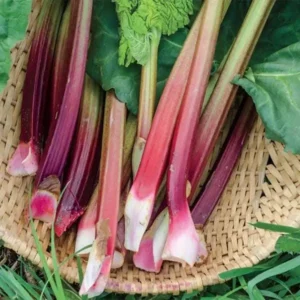
Original price was: $19.00.$9.50Current price is: $9.50.
-50%
Original price was: $39.96.$19.98Current price is: $19.98.
-50%
Original price was: $51.96.$25.98Current price is: $25.98.
-50%
Original price was: $181.98.$90.99Current price is: $90.99.
PLANTING & CARE
Lemon Tree Growing: Choose, Plant, and Harvest
Learn how to choose, plant, feed, and protect a lemon tree so it fits your
23
Sep
Sep
Dwarf Meyer Lemon Tree Australia: Climate Guide
Learn where dwarf Meyer lemon trees grow, how much cold they tolerate, and whether Australia,
Where to Buy a Dwarf Meyer Lemon Tree: Buyer’s Guide
Find the right dwarf Meyer lemon tree online or locally, compare starter sizes and costs,
Dwarf Meyer Lemon Tree for Sale: Buying Guide
Compare Meyer lemon tree sizes, prices, shipping limits, indoor growing and California options before you
Dwarf Meyer Lemon Tree Guide: Size, Care and Fruit
META: Learn how large a dwarf Meyer lemon tree grows, where it thrives, and how
How to Prune a Dwarf Meyer Lemon Tree
Learn when and how to prune a dwarf Meyer lemon tree, including tools, shaping cuts,
Can You Grow a Dwarf Meyer Lemon Tree in a Pot?
META: Learn how to grow a dwarf Meyer lemon tree in a pot, including container
When Do Dwarf Meyer Lemon Trees Bloom and Fruit?
META: Dwarf Meyer lemon trees usually bloom from winter through spring and may flower again