Rock Fig Live Plant, Ficus petiolaris, 4 Inch Pot, Rare Indoor Plant
-25%
Rock Fig Live Plant, Ficus petiolaris, 4 Inch Pot, Rare Indoor Plant
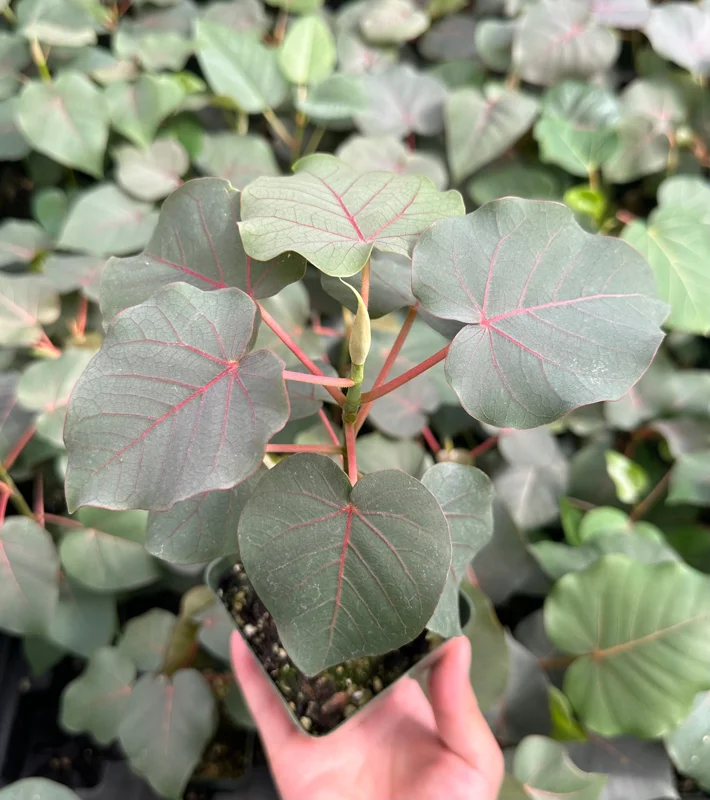
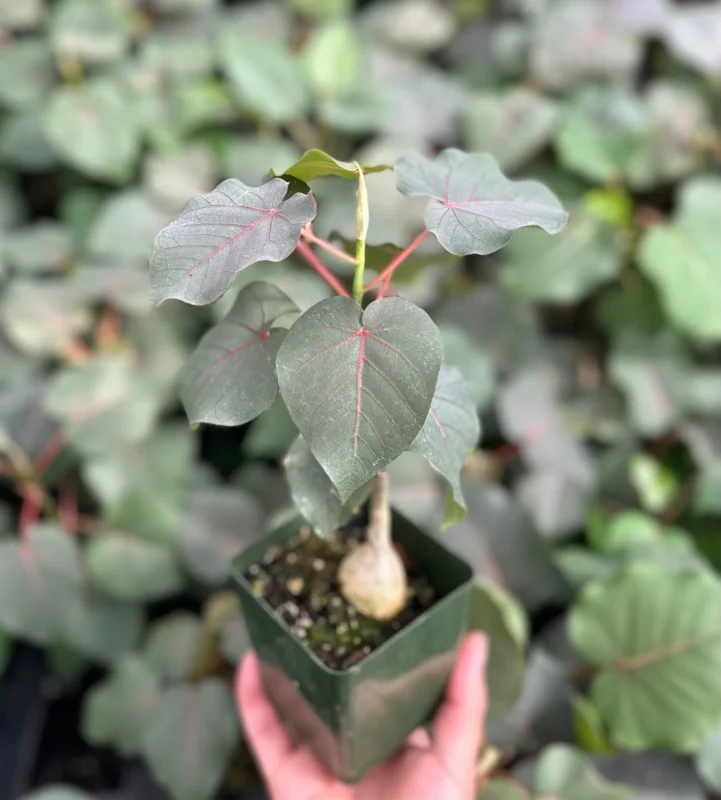
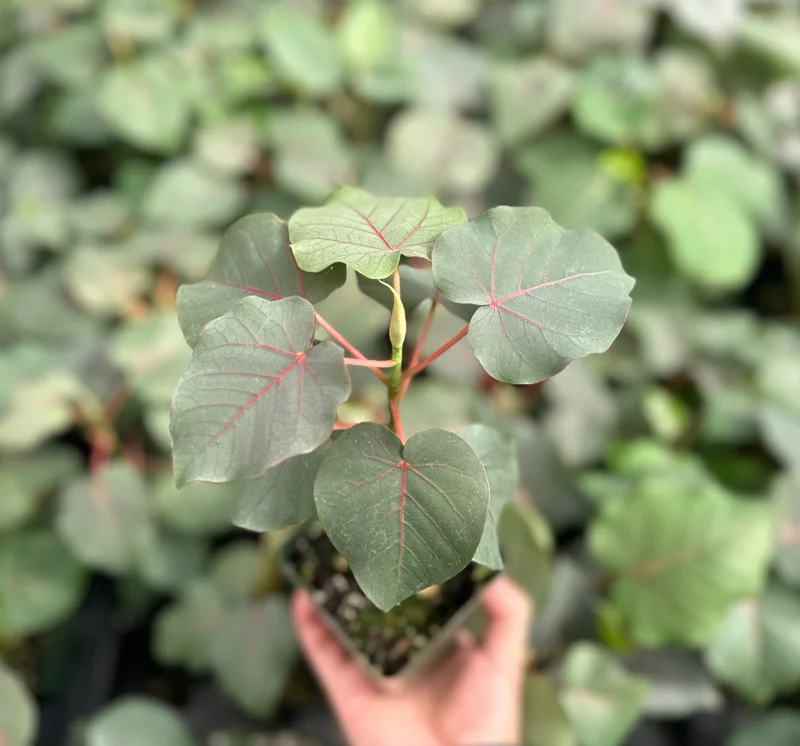
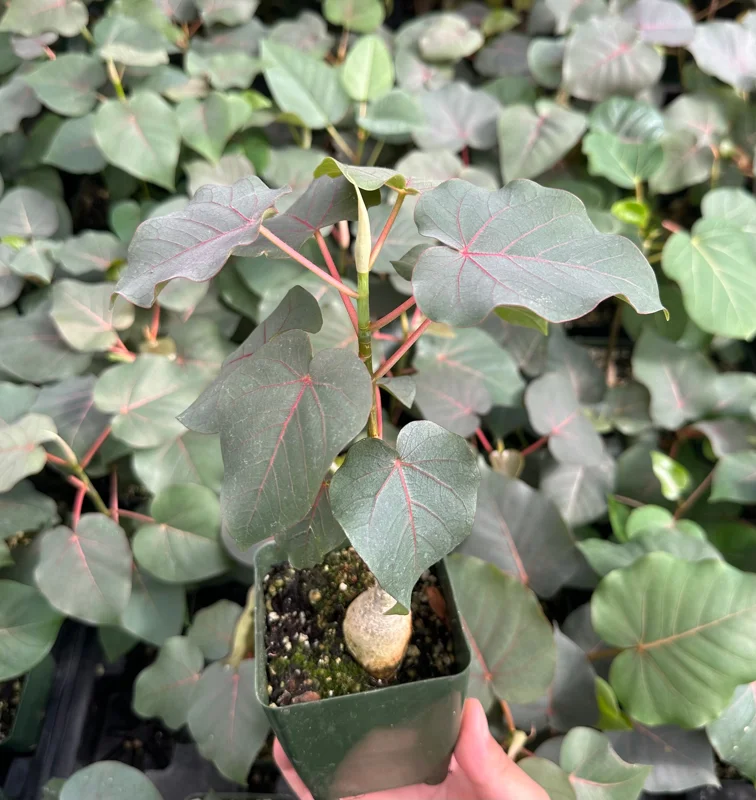
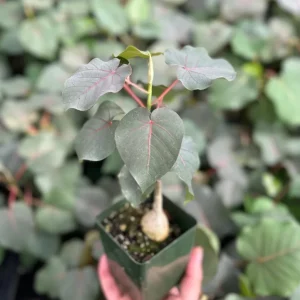
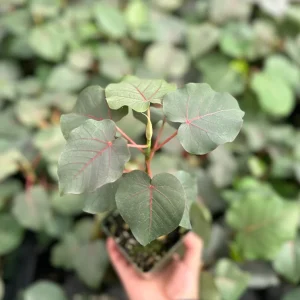
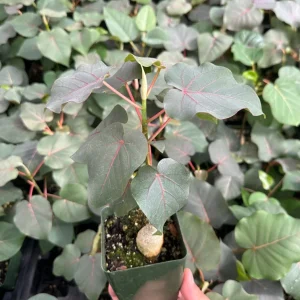
Experience the unique beauty of the rock fig live plant (Ficus petiolaris), a fascinating and rare indoor specimen. This rare fig plant comes in a 4 inch pot, ready to add an exotic touch to your home with its deeply lobed leaves and distinctive grey trunk. Ideal for collectors and those seeking a unique indoor fig plant, it also offers excellent potential for petiolate fig bonsai.
Original price was: $60.99.$45.99Current price is: $45.99.

With our Alive & Thrive Guarantee, we’ve got your back for the first 30 days! If you have any concerns about your plants, just reach out to us. Our team is here to help answer your questions and guide you in selecting the best plants for your garden, climate, and unique preferences. We're excited to help you create the garden of your dreams!
Estimated arrival
Oct 15
Oct 20 - Oct 22
Oct 25 - Oct 29
Product Details
-
USDA Hardiness Zone
USDA zones 10-11 (primarily indoor) -
Soil type
Well-draining potting mix (succulent/cactus mix or amended standard potting mix) -
Sunlight Exposure
Bright indirect light -
Expected Planting Period
Year-round indoors
Overview
Experience the allure of a truly unique botanical specimen with the rock fig live plant, Ficus petiolaris. This fascinating fig species, also known as the petiolate fig, captivates with its unusual growth habit and striking appearance. Native to the rocky outcroppings of Mexico, the rock fig live plant is renowned for its ability to sprout from cracks in rocks, with its roots slowly shaping its environment over time. This particular offering provides a healthy specimen in a 4 inch pot, ready to become a focal point in your plant collection. Its deeply lobed leaves and smooth, grey trunk add an exotic touch, making it an excellent choice for both experienced collectors and those looking to add something truly special to their indoor garden.
The Ficus petiolaris is a species within the diverse Ficus genus, which includes well-known plants like the common fig and the rubber plant. However, the rock fig stands out with its ornamental qualities, making it highly desirable for cultivation as a bonsai or as a distinctive ornamental houseplant. Its resilience and unique aesthetic appeal make it a conversation starter, perfect for adding a touch of the extraordinary to any indoor setting. Whether you’re a seasoned plant enthusiast or new to the world of rare flora, this rare fig plant promises to be a rewarding addition.
Key Benefits
The rock fig live plant offers a multitude of benefits, making it an exceptional choice for any plant lover. Its distinctive features and relatively manageable care requirements contribute to its growing popularity among collectors and indoor gardeners.
- Unique Ornamental Appeal: The deeply lobed leaves and thick, smooth grey trunk of the rock fig live plant create a highly attractive and distinctive appearance, perfect for enhancing any interior decor. This unique structure provides visual interest year-round.
- Bonsai Potential: Due to its unusual growth habit and striking form, Ficus petiolaris is an excellent candidate for bonsai training, allowing for creative shaping and cultivation. Many enthusiasts enjoy developing a beautiful petiolate fig bonsai.
- Conversation Starter: Its rarity and exotic origins make the rock fig live plant a fascinating specimen that is sure to spark curiosity and admiration among guests. It’s a plant that truly stands out.
- Resilient Nature: Known for growing in challenging rocky environments, this petiolate fig exhibits a degree of resilience, making it a robust choice for indoor gardening. Its tough nature makes it forgiving for new plant parents.
- Air Purification: Like many Ficus species, the rock fig can contribute to improving indoor air quality by filtering certain airborne toxins, creating a healthier home environment.
- Educational Value: Observing the unique growth patterns and development of this rare fig plant species can be a rewarding and educational experience for all ages, offering insights into botanical adaptations.
- Low Maintenance Relative to Rarity: While unique, the rock fig live plant does not demand overly complex care, allowing enthusiasts to enjoy its beauty without excessive effort, especially with proper Ficus petiolaris care.
Plant Care & Growing Tips
Caring for your rock fig live plant, Ficus petiolaris, involves understanding its native environment and replicating similar conditions indoors. This plant thrives in bright, indirect light. Place it near a window where it can receive ample light without direct, harsh sun, which can scorch its leaves. A south or east-facing window with sheer curtains is often ideal. While it appreciates warmth, it is not very frost tolerant, making it primarily an indoor fig plant in temperate climates. Ensure temperatures remain above 50°F (10°C) to prevent stress or damage to the plant. Avoiding sudden temperature fluctuations is also crucial for maintaining a healthy specimen.
When it comes to watering, allow the top inch or two of soil to dry out completely between waterings. Overwatering can lead to root rot, a common issue for many Ficus species. Use well-draining soil, ideally a mix formulated for succulents or cacti, or a standard potting mix amended with perlite or coarse sand to enhance drainage. During the growing season (spring and summer), you can fertilize lightly once a month with a balanced liquid fertilizer diluted to half strength. Reduce watering and cease fertilization during the dormant winter months. Keep an eye out for common pests like spider mites or mealybugs, and treat promptly with insecticidal soap if detected. Understanding Ficus petiolaris care is key to its longevity and vibrant growth.
Repotting should only be done when the plant becomes root-bound, typically every 2-3 years. Choose a pot that is only slightly larger than the current one to avoid overwatering. Pruning can be done to maintain shape and encourage bushier growth, especially for those cultivating a petiolate fig bonsai. Always use clean, sharp pruning shears to make clean cuts. Providing adequate humidity can also benefit this tropical species, especially in dry indoor environments; consider a pebble tray or a humidifier. Consistent care will ensure your rare fig plant flourishes, making it a rewarding addition to your home.
Size & Details
This offering includes one healthy rock fig live plant (Ficus petiolaris) established in a 4 inch nursery pot. The plant’s size can vary slightly but typically arrives with several distinctive lobed leaves and a developing caudex at its base, showcasing its unique growth habit. While mature trees in their native habitat can reach up to 8 meters in height, as an ornamental or bonsai, its size can be managed through pruning and container size to maintain it as a compact indoor fig plant. The thick, smooth, grey trunk is a prominent feature, becoming more pronounced with age, adding to its aesthetic appeal.
When shipped, the plant is carefully packaged to minimize stress and ensure it arrives in optimal condition. It is typically sent in its nursery pot with soil. The Ficus petiolaris has a moderate growth rate, allowing you to observe its development over time. With proper Ficus petiolaris care, you can expect this plant to become a long-term, captivating addition to your collection. Its potential for becoming an exquisite petiolate fig bonsai makes it a truly versatile and rewarding specimen for any plant enthusiast.
Frequently Asked Questions
- Q: How big does this plant get? A: In its native habitat, Ficus petiolaris can grow quite large. However, as an indoor ornamental or bonsai, its size is easily managed through pruning and pot size, typically remaining a compact specimen, making it an ideal indoor fig plant.
- Q: Is this an indoor or outdoor plant? A: The rock fig live plant is primarily an indoor plant in most temperate climates due to its low frost tolerance. It can be moved outdoors in warm, frost-free weather but should be brought inside before temperatures drop.
- Q: How much sunlight does it need? A: This plant thrives in bright, indirect light. Avoid direct, intense sunlight which can lead to leaf scorch. A spot near an east or south-facing window with filtered light is ideal for your indoor fig plant.
- Q: Is this plant easy to care for? A: While it has specific needs, with consistent Ficus petiolaris care, it is considered moderately easy to care for. The main challenges are avoiding overwatering and providing adequate light and warmth.
- Q: What condition will it arrive in? A: Your rare fig plant will arrive carefully packaged in its 4 inch nursery pot, with soil, to ensure its safe transit and healthy arrival. We take great care to protect the plant during shipping.
- Q: How often should I water my rock fig? A: Water thoroughly when the top 1-2 inches of soil feel dry to the touch. It’s better to slightly underwater than overwater, as it is susceptible to root rot.
- Q: Can I grow this plant as a bonsai? A: Yes, the rock fig live plant is an excellent candidate for bonsai due to its unique trunk and foliage, making it a popular choice for those interested in cultivating a petiolate fig bonsai.
- Q: What kind of soil is best for Ficus petiolaris? A: A well-draining soil mix is crucial. A succulent or cactus mix, or a standard potting mix amended with perlite or coarse sand, will provide the necessary drainage for your rock fig live plant.
- Q: What is the minimum temperature this plant can tolerate? A: The rock fig live plant is not frost-tolerant and prefers temperatures above 50°F (10°C). It should be protected from cold drafts and kept indoors during cooler months to ensure optimal Ficus petiolaris care.
- Q: Does this plant have any common pests? A: Like many houseplants, it can occasionally be susceptible to pests such as spider mites or mealybugs. Regular inspection and prompt treatment with insecticidal soap can manage these issues for your rare fig plant.
Related products
-30%
Original price was: $13.98.$9.78Current price is: $9.78.
-36%
Original price was: $39.00.$25.00Current price is: $25.00.
-30%
Original price was: $129.98.$90.98Current price is: $90.98.
-50%
Original price was: $39.98.$19.98Current price is: $19.98.
-25%
Original price was: $30.00.$22.50Current price is: $22.50.
PLANTING & CARE
Lemon Tree Growing: Choose, Plant, and Harvest
Learn how to choose, plant, feed, and protect a lemon tree so it fits your
23
Sep
Sep
Dwarf Meyer Lemon Tree Australia: Climate Guide
Learn where dwarf Meyer lemon trees grow, how much cold they tolerate, and whether Australia,
Where to Buy a Dwarf Meyer Lemon Tree: Buyer’s Guide
Find the right dwarf Meyer lemon tree online or locally, compare starter sizes and costs,
Dwarf Meyer Lemon Tree for Sale: Buying Guide
Compare Meyer lemon tree sizes, prices, shipping limits, indoor growing and California options before you
Dwarf Meyer Lemon Tree Guide: Size, Care and Fruit
META: Learn how large a dwarf Meyer lemon tree grows, where it thrives, and how
How to Prune a Dwarf Meyer Lemon Tree
Learn when and how to prune a dwarf Meyer lemon tree, including tools, shaping cuts,
Can You Grow a Dwarf Meyer Lemon Tree in a Pot?
META: Learn how to grow a dwarf Meyer lemon tree in a pot, including container
When Do Dwarf Meyer Lemon Trees Bloom and Fruit?
META: Dwarf Meyer lemon trees usually bloom from winter through spring and may flower again