Roselle Hibiscus Live Plant Set – 4 Plants, 4-8 Inch Tall, Edible Calyces
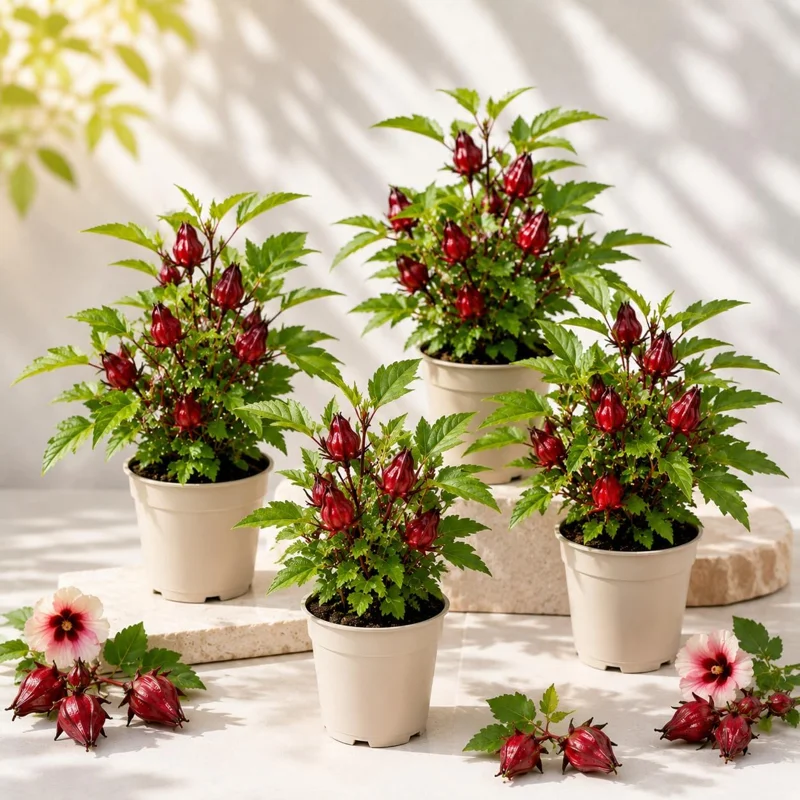
Roselle Hibiscus Live Plant Set – 4 Plants, 4-8 Inch Tall, Edible Calyces
Cultivate your own delicious and nutritious harvest with this set of four roselle hibiscus live plant starters. Each plant measures 4-8 inches tall, ready to thrive in your garden. Enjoy vibrant red calyces perfect for teas, jams, and sauces.
$45.99

With our Alive & Thrive Guarantee, we’ve got your back for the first 30 days! If you have any concerns about your plants, just reach out to us. Our team is here to help answer your questions and guide you in selecting the best plants for your garden, climate, and unique preferences. We're excited to help you create the garden of your dreams!
Estimated arrival
Oct 21
Oct 26 - Oct 28
Oct 31 - Nov 04
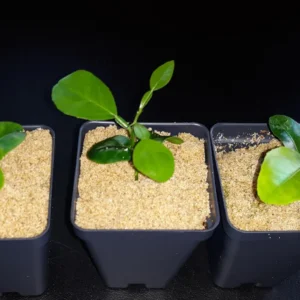
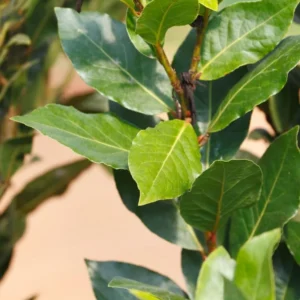
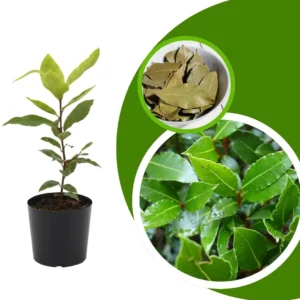
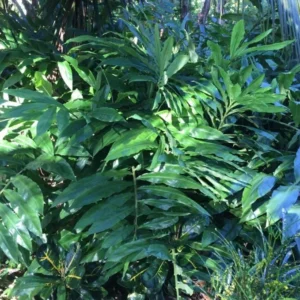
Product Details
-
USDA Hardiness Zone
USDA Zones 8-11 -
Soil type
Well-draining, rich, loamy soil -
Sunlight Exposure
Full sun (6-8+ hours daily) -
Expected Planting Period
Spring, after last frost
Overview
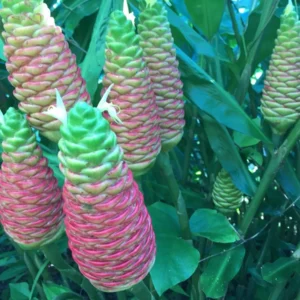
Discover the immense satisfaction of growing your own edible and ornamental plants with our roselle hibiscus live plant set. This offering includes four young, healthy Roselle plants, scientifically known as Hibiscus sabdariffa, ready for planting in your home garden. Roselle is a highly versatile and beautiful plant, often referred to as Red Roselle or Florida Cranberry, prized for its vibrant red calyces. These fleshy, cup-shaped outer parts of the flower are rich in antioxidants and are used in a wide variety of culinary applications. From refreshing teas and juices to delicious jams and sauces, the calyces offer a distinct tart, cranberry-like flavor. These starter plants, measuring 4-8 inches tall, are perfect for gardeners looking to add a unique and productive element to their outdoor spaces. While the photos may show mature plants for reference, you will receive young starter plants that are eager to establish and thrive, eventually gracing your garden with their striking appearance and bountiful harvest. Learn how to grow roselle hibiscus successfully with our detailed guide, ensuring a rewarding experience.
The roselle hibiscus live plant is an excellent choice for those in warmer climates, particularly USDA Zones 8-11, where it can flourish outdoors. Its striking red calyces develop after the flowers bloom, adding a splash of color to your garden in late summer and fall. Beyond its culinary appeal, Roselle is also a visually appealing plant with its deep green foliage and delicate blossoms, making it a wonderful addition to any garden landscape. Prepare to enjoy the fresh, tangy flavor of homegrown Roselle and the satisfaction of harvesting your own superfood, all from this incredible edible hibiscus plant.
Key Benefits
Our roselle hibiscus live plant offers a multitude of benefits for both the enthusiastic gardener and the culinary adventurer. These plants are not only beautiful but also highly productive, providing a continuous supply of edible calyces. Each plant in this set contributes to a healthier lifestyle and a more vibrant garden.
- Edible Calyces: The primary benefit of the roselle hibiscus live plant is its delicious and nutritious calyces. These can be harvested and used to make flavorful teas, refreshing beverages, tangy jams, jellies, and even sauces, offering a unique culinary ingredient right from your garden.
- Rich in Antioxidants: Roselle calyces are known for their high content of antioxidants, which can contribute to overall wellness and support a healthy lifestyle. Growing your own ensures you have access to fresh, chemical-free produce from your red roselle plant.
- Ornamental Appeal: Beyond its edible uses, the Roselle plant itself is quite attractive. Its deep green foliage and the developing red calyces create a beautiful visual display in the garden, making it an excellent dual-purpose plant.
- Supports Local Pollinators: Like many hibiscus varieties, Roselle flowers can attract bees and other beneficial pollinators to your garden, contributing to local biodiversity and the health of your ecosystem. This helps to grow roselle hibiscus successfully.
- Versatile Culinary Uses: Explore a wide range of recipes with the tart and vibrant calyces. From traditional Roselle tea to innovative desserts and savory dishes, the possibilities are endless for this edible hibiscus plant.
- Adaptable Growth: This variety of hibiscus is relatively easy to grow and maintain in suitable climates, making it a rewarding plant for both novice and experienced gardeners.
- Harvest Season: Enjoy a bountiful harvest in late summer to fall, providing fresh ingredients when many other plants are winding down.
Plant Care & Growing Tips
To ensure your roselle hibiscus live plant thrives, understanding its specific care requirements is crucial. Roselle is a sun-loving plant that prefers warm conditions. For optimal growth and yield, plant your Roselle in a location that receives full sun, meaning at least 6-8 hours of direct sunlight per day. This exposure is vital for the development of its characteristic red calyces and overall plant health. The ideal temperatures for growth are between 70 and 95 degrees Fahrenheit, making it well-suited for warmer regions or as an annual in cooler climates. If you want to grow roselle hibiscus successfully, sunlight is key.
When it comes to soil, well-draining conditions are paramount. Roselle does not tolerate waterlogged soil, which can lead to root rot. A rich, loamy soil with good organic matter content is ideal. Water your plants regularly, aiming to keep the soil evenly moist but never saturated. During hot, dry periods, you may need to water more frequently. Fertilize your red roselle plant with a balanced, all-purpose fertilizer every 4-6 weeks during the growing season to encourage robust growth and abundant flowering. Pruning can also be beneficial to promote bushier growth and increase yield. Monitor for common garden pests and diseases, addressing any issues promptly with organic solutions if possible. Knowing how to care for your hibiscus sabdariffa effectively will lead to a successful harvest.
These Roselle plants are suitable for USDA Zones 8-11. In colder zones, they can be grown as annuals or brought indoors during winter months. Planting in containers is also an option for those who wish to move their plants to protect them from frost. Ensure your plants have adequate space to grow, as they can become quite large. With proper care, your roselle hibiscus live plant will provide you with a beautiful and productive addition to your garden.
Size & Details
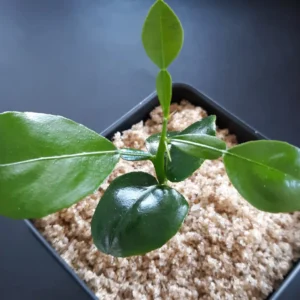
This offering includes a set of four roselle hibiscus live plant starters, each measuring approximately 4-8 inches tall at the time of shipment. These are young, vigorous plants that are ready to be transplanted into your garden or larger pots. They are shipped without a pot to reduce waste and shipping costs, ensuring they arrive healthy and ready for their new home. While these are starter plants, with proper care, Roselle can grow quite large, typically reaching 5-7 feet in height and 3-5 feet in width in a single growing season, depending on climate and growing conditions. The plants are expected to begin producing flowers and subsequently calyces in late summer to fall, providing a harvest that can extend into early winter in warmer zones. Expect a moderate to fast growth rate once established. This edible hibiscus plant will provide a unique addition to your garden.
Frequently Asked Questions
- Q: How big does this plant get? A: While these are 4-8 inch starter plants, a mature roselle hibiscus live plant can typically grow 5-7 feet tall and 3-5 feet wide in a single growing season, given optimal conditions and plenty of space.
- Q: Is this an indoor or outdoor plant? A: Roselle Hibiscus is primarily an outdoor plant, thriving in full sun and warm temperatures. In USDA Zones 8-11, it can be grown outdoors year-round. In colder zones, it is best grown as an annual or overwintered indoors.
- Q: How much sunlight does it need? A: The red roselle plant requires full sun, meaning at least 6-8 hours of direct sunlight per day, to produce the best growth and an abundant harvest of calyces.
- Q: Is this plant easy to care for? A: Yes, Roselle is considered relatively easy to care for, especially in suitable climates. It primarily needs full sun, well-draining soil, and consistent watering to thrive. Learning how to grow roselle hibiscus is straightforward.
- Q: What condition will it arrive in? A: You will receive young, healthy starter plants, 4-8 inches tall, shipped without a pot. They may not have flowers or fruits upon arrival, as they are young plants ready for establishment.
- Q: Can I use Roselle in cooking? A: Absolutely! The calyces of the hibiscus sabdariffa are edible and widely used to make teas, juices, jams, jellies, and sauces. They have a tart, cranberry-like flavor, making it a truly versatile edible hibiscus plant.
- Q: How long until it blooms and produces fruit? A: Roselle typically blooms in late summer, and the calyces (often referred to as ‘fruits’) develop after the flowers fade, usually ready for harvest from late summer through fall.
- Q: What’s the best time to plant Roselle? A: The best time to plant Roselle is in spring, after all danger of frost has passed, when soil temperatures have warmed up. This allows the plant ample time to grow and produce before the cooler weather arrives.
- Q: Will it survive winter in my zone? A: Roselle is perennial in USDA Zones 8-11. In colder zones, it will not survive winter outdoors and is typically grown as an annual or brought indoors before the first frost.
- Q: What type of soil does it prefer? A: This roselle hibiscus live plant thrives in well-draining soil that is rich in organic matter. Avoid heavy, waterlogged soils.
Related products
-10%
Original price was: $75.00.$67.50Current price is: $67.50.
-50%
Original price was: $59.96.$29.98Current price is: $29.98.
-30%
Original price was: $59.98.$41.98Current price is: $41.98.
-67%
Original price was: $39.72.$13.24Current price is: $13.24.
-30%
Original price was: $99.98.$69.98Current price is: $69.98.
-30%
Original price was: $59.98.$41.98Current price is: $41.98.
-50%
Original price was: $107.96.$53.98Current price is: $53.98.
-67%
Original price was: $75.72.$25.24Current price is: $25.24.
PLANTING & CARE
Lemon Tree Growing: Choose, Plant, and Harvest
Learn how to choose, plant, feed, and protect a lemon tree so it fits your
23
Sep
Sep
Dwarf Meyer Lemon Tree Australia: Climate Guide
Learn where dwarf Meyer lemon trees grow, how much cold they tolerate, and whether Australia,
Where to Buy a Dwarf Meyer Lemon Tree: Buyer’s Guide
Find the right dwarf Meyer lemon tree online or locally, compare starter sizes and costs,
Dwarf Meyer Lemon Tree for Sale: Buying Guide
Compare Meyer lemon tree sizes, prices, shipping limits, indoor growing and California options before you
Dwarf Meyer Lemon Tree Guide: Size, Care and Fruit
META: Learn how large a dwarf Meyer lemon tree grows, where it thrives, and how
How to Prune a Dwarf Meyer Lemon Tree
Learn when and how to prune a dwarf Meyer lemon tree, including tools, shaping cuts,
Can You Grow a Dwarf Meyer Lemon Tree in a Pot?
META: Learn how to grow a dwarf Meyer lemon tree in a pot, including container
When Do Dwarf Meyer Lemon Trees Bloom and Fruit?
META: Dwarf Meyer lemon trees usually bloom from winter through spring and may flower again