Santol Live Plant – 2 Feet Tall, Fruit Tree, Edible Fruit, 3 Gallon Pot
-50%
Santol Live Plant – 2 Feet Tall, Fruit Tree, Edible Fruit, 3 Gallon Pot
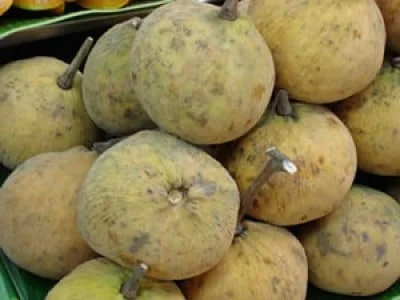
Cultivate your own delicious tropical fruit with this santol live plant. Standing 2 feet tall and shipped in a 3-gallon pot, this santol fruit tree is ready for planting. Enjoy its unique sweet to sub-acid fruit, perfect for fresh eating, jellies, and preserves.
Original price was: $355.96.$177.98Current price is: $177.98.

With our Alive & Thrive Guarantee, we’ve got your back for the first 30 days! If you have any concerns about your plants, just reach out to us. Our team is here to help answer your questions and guide you in selecting the best plants for your garden, climate, and unique preferences. We're excited to help you create the garden of your dreams!
Estimated arrival
Oct 14
Oct 19 - Oct 21
Oct 24 - Oct 28


Product Details
-
USDA Hardiness Zone
USDA zones 9-11 -
Soil type
Well-draining, fertile soil -
Sunlight Exposure
Full sun -
Expected Planting Period
Spring to early summer
Overview
Embark on a tropical gardening adventure with our premium santol live plant, a magnificent addition for any fruit enthusiast. Also known as the cottonfruit, this exotic tree (scientific name: Sandoricum koetjape) is celebrated for its distinctive, baseball-sized fruit. The santol live plant we offer is a vibrant specimen, standing approximately 2 feet tall and carefully nurtured in a 3-gallon pot, ensuring it arrives healthy and ready to establish in your garden or a larger container. Originating from Southeast Asia, the santol tree is not only a source of delicious fruit but also an ornamental asset, with its lush foliage providing ample shade and beauty. Its fruit, often described as having a sweet to sub-acid pulp, is a versatile ingredient, enjoyed fresh, or transformed into exquisite jellies and preserves. This particular santol fruit tree promises to bring a taste of the tropics right to your home, offering a rewarding experience for both novice and experienced gardeners.
Key Benefits
Bringing a santol live plant into your garden or patio offers a multitude of benefits, from its unique fruit to its aesthetic appeal. This tropical gem is more than just a fruit producer; it’s a conversation starter and a source of culinary inspiration.
- Exotic Fruit Production: Enjoy the unique taste of santol fruit, which can be eaten fresh or used in various culinary applications like jellies and preserves. The thin rind and sweet to sub-acid pulp make it a delightful treat.
- Ornamental Value: Beyond its fruit, the santol tree boasts attractive foliage, providing a lush, tropical aesthetic to your landscape. It can serve as a beautiful focal point in a large garden or on a spacious patio.
- Rewarding Gardening Experience: Growing santol offers a fulfilling experience, watching your plant mature and eventually bear its exotic fruits. It’s an excellent project for those interested in expanding their edible garden.
- Versatile Culinary Uses: The fruit’s unique flavor profile makes it suitable for a range of dishes, adding an exotic twist to your home cooking. Explore new recipes and enjoy the versatility of this tropical delight.
- Adaptable Growth: While a tropical plant, with proper care and attention to its environmental needs, this santol live plant can thrive in various climates, especially when protected during colder months.
Plant Care & Growing Tips
Caring for your santol live plant is crucial for ensuring a bountiful harvest and healthy growth. These trees thrive in tropical and subtropical conditions, so mimicking their natural habitat is key. Santol trees prefer full sun exposure, ideally receiving at least 6-8 hours of direct sunlight daily. If you’re in a cooler climate, consider growing your santol fruit tree in a large container that can be moved indoors during colder periods. The tree needs consistently moist, but not waterlogged, soil. Water deeply when the top inch or two of soil feels dry to the touch, especially during dry spells or when the plant is actively growing and fruiting. Good drainage is paramount to prevent root rot.
For optimal growth, plant your santol in rich, well-draining soil with a slightly acidic to neutral pH (6.0-7.0). A good quality potting mix amended with compost will provide the necessary nutrients and structure. Fertilize your santol live plant during the growing season (spring and summer) with a balanced, slow-release fertilizer or a fruit tree-specific formula. Reduce fertilization in fall and winter. Santol trees are generally hardy in USDA Zones 9-11, where temperatures rarely drop below freezing. Protect young trees from strong winds and frost. Pruning can help maintain shape, encourage branching, and improve air circulation, leading to better fruit production. Watch out for common pests like aphids or mealybugs and address them promptly with organic pest control methods if necessary. Understanding santol care will ensure your tree flourishes.
Size & Details
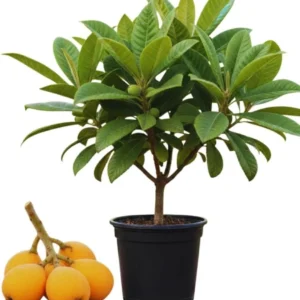
This offering includes one robust santol live plant, meticulously nurtured to a height of approximately 2 feet (24 inches) from the base of the pot to the top of the foliage. It is currently thriving in a 3-gallon nursery pot, providing ample space for its root system to develop before transplanting. Santol trees are known for their moderate growth rate, and with proper care, this young plant will continue to grow and mature into a fruit-bearing tree. Depending on growing conditions, a mature santol tree can reach heights of 30-60 feet in its natural habitat, though container-grown plants will remain much smaller and more manageable. Expect your plant to ship securely, minimizing stress during transit and ensuring it arrives in excellent condition, ready for its new home. The estimated time to fruit production from this size plant can vary but typically begins within 3-5 years under ideal conditions. This is an excellent opportunity to start growing santol and enjoy its unique harvest.
Frequently Asked Questions
- Q: How big will this santol live plant get? A: This santol live plant is currently 2 feet tall. In the ground, mature santol trees can reach 30-60 feet, but when grown in a container, their size can be managed through pruning to a more compact, patio-friendly size.
- Q: Is this an indoor or outdoor plant? A: Santol trees are tropical plants. They thrive outdoors in USDA Zones 9-11. In cooler climates, they can be grown outdoors in containers during warm months and brought indoors when temperatures drop, making them versatile for those interested in tropical fruit plants.
- Q: How much sunlight does the santol tree need? A: A santol fruit tree requires full sun exposure, ideally 6-8 hours of direct sunlight per day, to produce the best fruit and maintain vigorous growth.
- Q: What condition will the plant arrive in? A: Your santol live plant will arrive securely packaged in its 3-gallon nursery pot, with its root ball intact and soil moist, ensuring a healthy transition to its new environment.
- Q: Can I use santol fruit in cooking? A: Absolutely! The fruit of the santol live plant is commonly eaten fresh, and its sweet to sub-acid pulp is also excellent for making jellies, preserves, and other culinary delights.
- Q: When is the best time to plant a santol tree? A: The best time to plant your santol live plant is in spring or early summer, after the last chance of frost has passed, allowing it ample time to establish before cooler weather.
- Q: What kind of soil is best for growing santol? A: Santol trees prefer well-draining, fertile soil with a slightly acidic to neutral pH. A good quality potting mix with added organic matter works well for container growing.
- Q: Is this plant easy to care for? A: While tropical, santol care is manageable for most gardeners, especially with attention to sunlight, water, and protection from cold. It’s a rewarding plant for those willing to learn its specific needs.
- Q: How long until this plant produces fruit? A: This 2-foot tall santol live plant typically begins to bear fruit within 3-5 years under optimal growing conditions, offering a delightful reward for your patience.
- Q: Will it survive winter in my zone? A: Santol trees are sensitive to frost. If you are outside of USDA Zones 9-11, you will need to provide winter protection by bringing the potted plant indoors or into a greenhouse.
Related products
-20%
Original price was: $90.00.$72.00Current price is: $72.00.
-51%
Original price was: $43.99.$21.59Current price is: $21.59.

PLANTING & CARE
Lemon Tree Growing: Choose, Plant, and Harvest
Learn how to choose, plant, feed, and protect a lemon tree so it fits your
23
Sep
Sep
Dwarf Meyer Lemon Tree Australia: Climate Guide
Learn where dwarf Meyer lemon trees grow, how much cold they tolerate, and whether Australia,
Where to Buy a Dwarf Meyer Lemon Tree: Buyer’s Guide
Find the right dwarf Meyer lemon tree online or locally, compare starter sizes and costs,
Dwarf Meyer Lemon Tree for Sale: Buying Guide
Compare Meyer lemon tree sizes, prices, shipping limits, indoor growing and California options before you
Dwarf Meyer Lemon Tree Guide: Size, Care and Fruit
META: Learn how large a dwarf Meyer lemon tree grows, where it thrives, and how
How to Prune a Dwarf Meyer Lemon Tree
Learn when and how to prune a dwarf Meyer lemon tree, including tools, shaping cuts,
Can You Grow a Dwarf Meyer Lemon Tree in a Pot?
META: Learn how to grow a dwarf Meyer lemon tree in a pot, including container
When Do Dwarf Meyer Lemon Trees Bloom and Fruit?
META: Dwarf Meyer lemon trees usually bloom from winter through spring and may flower again