Sassafras Tree Live Plant – 1 Year Old Seedling, Well-Rooted, Zones 4-9
-50%
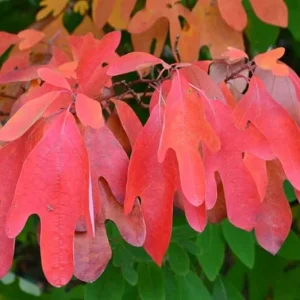
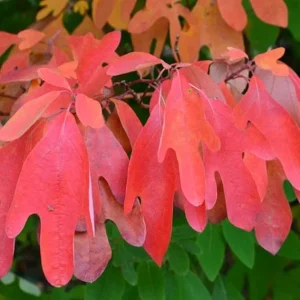
Sassafras Tree Live Plant – 1 Year Old Seedling, Well-Rooted, Zones 4-9
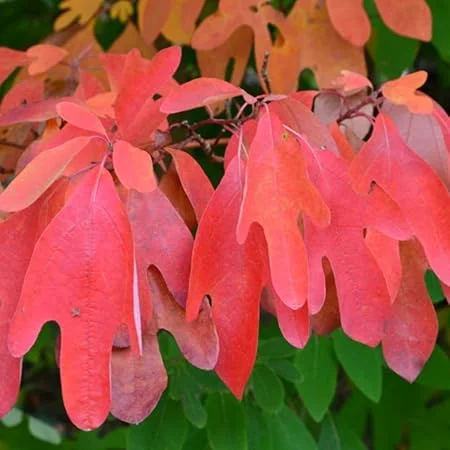
Bring natural beauty to your garden with this sassafras tree live plant. This 1-year-old, well-rooted seedling, ready for planting. Known for its distinctive foliage and fragrant leaves, it is winter hardy and thrives in USDA Zones 4-9.
Original price was: $51.98.$25.99Current price is: $25.99.

With our Alive & Thrive Guarantee, we’ve got your back for the first 30 days! If you have any concerns about your plants, just reach out to us. Our team is here to help answer your questions and guide you in selecting the best plants for your garden, climate, and unique preferences. We're excited to help you create the garden of your dreams!
Estimated arrival
Oct 14
Oct 19 - Oct 21
Oct 24 - Oct 28
Product Details
-
USDA Hardiness Zone
Zones 4-9 -
Soil type
Well-draining, slightly acidic to neutral soil -
Sunlight Exposure
Full sun to partial shade -
Expected Planting Period
Spring or Fall
Overview
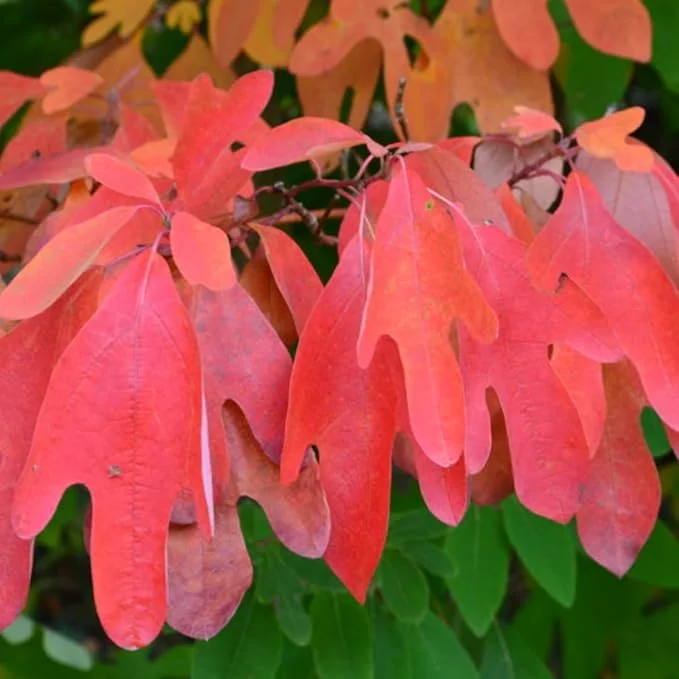
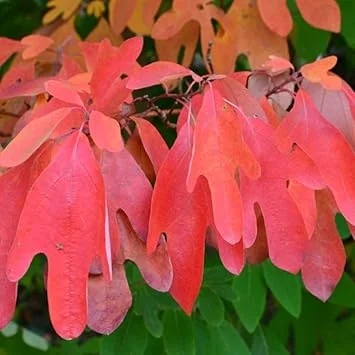
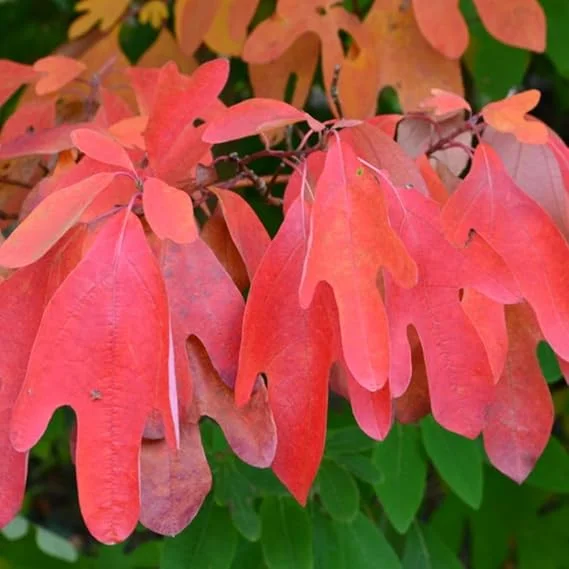
Introduce a touch of native American charm to your landscape with a sassafras tree live plant. This offering is for a healthy, 1-year-old Sassafras albidum seedling, carefully nurtured and ready for transplanting into your garden or backyard. The Common Sassafras is a deciduous tree renowned for its unique three-lobed leaves, brilliant fall colors ranging from green to yellow, and aromatic properties. It’s a versatile and resilient tree, perfect for creating a natural habitat, providing shade, or simply enjoying its distinctive beauty. Our sassafras tree live plant arrives well-rooted, ensuring a strong start for its new home.
The sassafras tree is a fascinating specimen, known not only for its striking appearance but also for its historical significance and fragrant qualities. From its leaves to its roots, a pleasant, spicy aroma is released when crushed, making it a delightful addition to any outdoor space. This young sassafras seedling is an excellent choice for gardeners looking for a low-maintenance yet impactful addition to their plant collection.
Key Benefits
Adding a sassafras tree to your property offers numerous advantages, enhancing both aesthetic appeal and ecological value. This particular sassafras tree live plant provides a robust foundation for growth.
- Distinctive Foliage: Enjoy the unique three-lobed leaves that are characteristic of the sassafras tree, providing visual interest throughout the growing season.
- Vibrant Fall Color: Witness a spectacular display of green to brilliant yellow foliage in autumn, adding a warm glow to your landscape.
- Fragrant Leaves & Roots: Experience the pleasant, spicy aroma released from the leaves and roots when crushed, adding an aromatic dimension to your garden. This unique feature makes fragrant sassafras leaves a joy to encounter.
- Wildlife Attraction: Sassafras trees are a magnet for local wildlife, providing food and shelter for birds and butterflies, including the Spicebush Swallowtail.
- Low Maintenance: Once established, this tree is relatively easy to care for, making it suitable for both experienced and novice gardeners. Our sassafras tree care guide simplifies the process.
- Winter Hardy: Designed to withstand colder temperatures, this sassafras seedling is winter hardy, thriving in USDA Zones 4-9.
- Versatile Planting: Ideal for a variety of settings, including gardens, backyards, or as part of a naturalized woodland area.
Plant Care & Growing Tips
Proper care will ensure your sassafras tree live plant flourishes and establishes a strong root system. Sassafras trees are generally low-maintenance, but understanding their specific needs will lead to optimal growth and health. They prefer full sun exposure, meaning at least 6 hours of direct sunlight per day, but can tolerate partial shade. While adaptable, consistent sunlight promotes denser growth and more vibrant fall colors. When considering growing sassafras tree, soil conditions are crucial. They thrive in well-drained, slightly acidic to neutral soils. Avoid heavy, waterlogged soils, which can lead to root rot. If your soil is heavy clay, amending it with organic matter can significantly improve drainage.
Watering is essential, especially during the first year after planting. Keep the soil consistently moist but not saturated. Once established, sassafras trees are relatively drought-tolerant. Fertilization is generally not required for newly planted trees if the soil is rich in organic matter. However, if your soil is poor, a balanced, slow-release fertilizer can be applied in early spring. Protect young trees from strong winds and harsh winter conditions during their first few years. Mulching around the base of the tree will help retain moisture, regulate soil temperature, and suppress weeds. This careful sassafras tree care will reward you with a magnificent specimen for years to come.
Size & Details
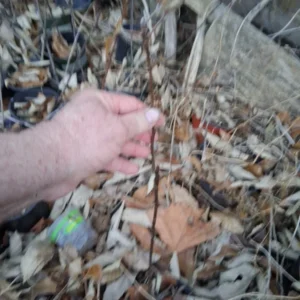
This offering is for a sassafras tree live plant that is approximately 1 year old, carefully grown. The young tree typically stands between 6 to 12 inches tall at the time of shipment, though exact height may vary depending on seasonal growth. It arrives well-rooted, providing a solid foundation for successful transplantation. Sassafras trees exhibit a moderate growth rate, typically adding 1 to 2 feet in height per year under ideal conditions. When mature, they can reach heights of 30 to 60 feet with a spread of 25 to 40 feet, developing an attractive oval to rounded canopy. This specific sassafras seedling is perfectly sized for easy handling and planting, allowing it to quickly adapt to its new environment.
Frequently Asked Questions
- Q: How big does this sassafras tree get? A: This is a 1-year-old sassafras tree live plant, typically 6-12 inches tall. Mature sassafras trees can reach 30-60 feet tall with a spread of 25-40 feet, depending on growing conditions and environment.
- Q: Is this an indoor or outdoor plant? A: The sassafras tree is an outdoor plant. It is a deciduous tree that requires a period of dormancy and is best suited for planting in gardens, backyards, or naturalized areas.
- Q: How much sunlight does it need? A: Sassafras trees thrive in full sun, meaning at least 6 hours of direct sunlight daily. They can tolerate partial shade, but optimal growth and fall color are achieved with more sun.
- Q: Is this plant easy to care for? A: Yes, once established, the sassafras tree live plant is considered low-maintenance. It requires consistent watering during its first year but becomes more drought-tolerant thereafter. Proper sassafras tree care is straightforward.
- Q: What condition will it arrive in? A: Your sassafras seedling will arrive well-rooted, carefully packaged to ensure its health during transit. It will be ready for immediate planting upon arrival.
- Q: When is the best time to plant a sassafras tree? A: The best time for growing sassafras tree is in early spring or fall when temperatures are mild. This allows the tree to establish its root system before extreme summer heat or winter cold.
- Q: Will it survive winter in my zone? A: Yes, this sassafras tree is winter hardy and suitable for USDA Zones 4 through 9, meaning it can withstand cold temperatures in these regions.
- Q: Do the leaves and roots really smell? A: Yes, one of the distinctive features of the sassafras tree is its aromatic properties. When crushed, the leaves and roots release a pleasant, spicy fragrance. Many appreciate the scent of fragrant sassafras leaves.
- Q: What kind of soil does it prefer? A: Sassafras trees prefer well-drained, slightly acidic to neutral soil. They do not thrive in heavy, waterlogged conditions.
- Q: How fast does it grow? A: Sassafras trees have a moderate growth rate, typically adding 1 to 2 feet in height per year under good growing conditions.
Related products
-20%
Original price was: $36.00.$28.80Current price is: $28.80.
-42%
Original price was: $56.99.$33.29Current price is: $33.29.
PLANTING & CARE
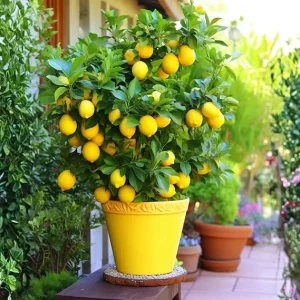
Lemon Tree Growing: Choose, Plant, and Harvest
Learn how to choose, plant, feed, and protect a lemon tree so it fits your
23
Sep
Sep
Dwarf Meyer Lemon Tree Australia: Climate Guide
Learn where dwarf Meyer lemon trees grow, how much cold they tolerate, and whether Australia,
Where to Buy a Dwarf Meyer Lemon Tree: Buyer’s Guide
Find the right dwarf Meyer lemon tree online or locally, compare starter sizes and costs,
Dwarf Meyer Lemon Tree for Sale: Buying Guide
Compare Meyer lemon tree sizes, prices, shipping limits, indoor growing and California options before you
Dwarf Meyer Lemon Tree Guide: Size, Care and Fruit
META: Learn how large a dwarf Meyer lemon tree grows, where it thrives, and how
How to Prune a Dwarf Meyer Lemon Tree
Learn when and how to prune a dwarf Meyer lemon tree, including tools, shaping cuts,
Can You Grow a Dwarf Meyer Lemon Tree in a Pot?
META: Learn how to grow a dwarf Meyer lemon tree in a pot, including container
When Do Dwarf Meyer Lemon Trees Bloom and Fruit?
META: Dwarf Meyer lemon trees usually bloom from winter through spring and may flower again