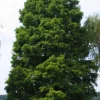
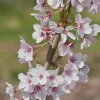
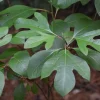
Sassafras Tree Live Plant – 15-20″ Tall – 1 Gallon Pot – Outdoor Native Tree
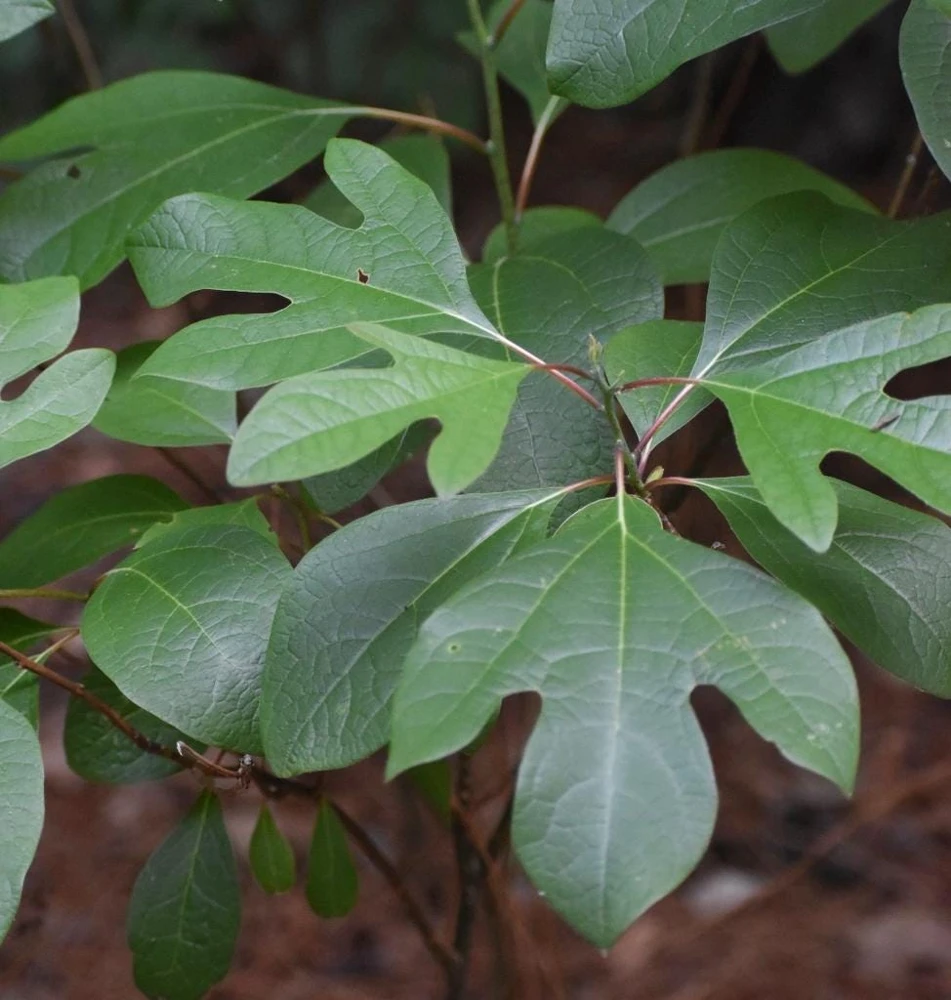
Sassafras Tree Live Plant – 15-20″ Tall – 1 Gallon Pot – Outdoor Native Tree
Bring vibrant fall color to your landscape with this sassafras tree live plant, measuring 15-20 inches tall. Rooted in a 1 gallon container, this sassafras albidum tree offers unique three-lobed leaves and aromatic foliage, perfect for adding native beauty to your garden.
$2,366.60

With our Alive & Thrive Guarantee, we’ve got your back for the first 30 days! If you have any concerns about your plants, just reach out to us. Our team is here to help answer your questions and guide you in selecting the best plants for your garden, climate, and unique preferences. We're excited to help you create the garden of your dreams!
Estimated arrival
Oct 21
Oct 26 - Oct 28
Oct 31 - Nov 04
Product Details
-
USDA Hardiness Zone
USDA Zones 4-9 -
Soil type
Moist, well-draining, slightly acidic soil -
Sunlight Exposure
Full sun to part shade -
Expected Planting Period
Spring to early fall
Overview
Introduce a touch of native North American beauty to your garden with the sassafras tree live plant. This specimen, typically 15-20 inches tall and grown in a trade 1 gallon container, is ready to thrive in your landscape. Known botanically as Sassafras albidum, or Common Sassafras, this deciduous tree is celebrated for its distinctive foliage and exceptional autumn display. It’s a fantastic choice for those looking to cultivate a native species that provides year-round interest and supports local wildlife.
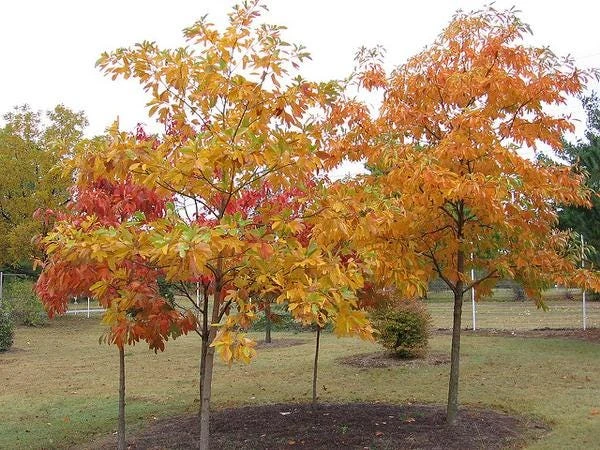
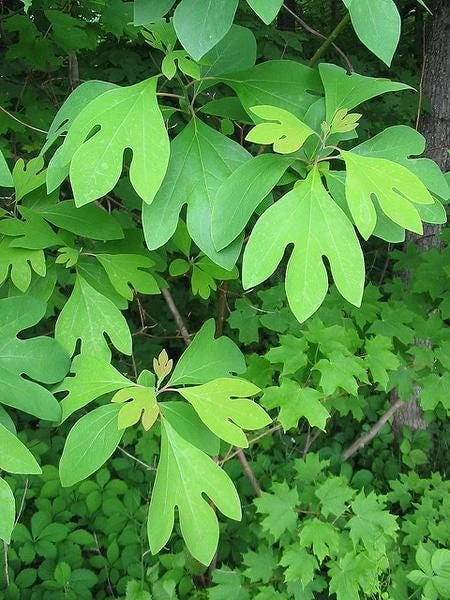
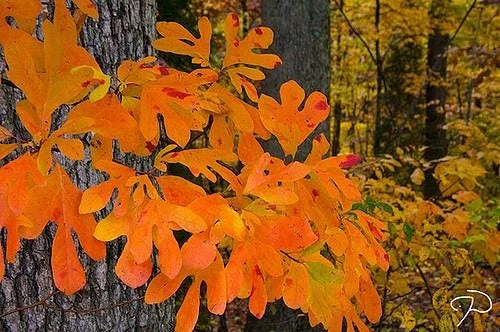
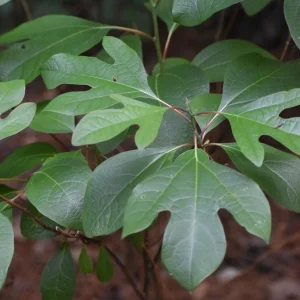
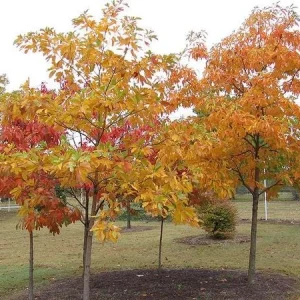
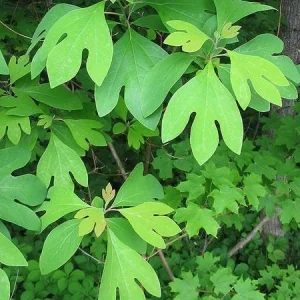
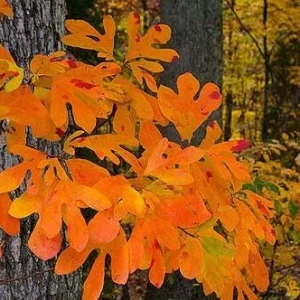
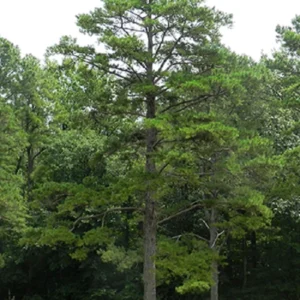
The sassafras tree live plant is a vigorous grower, eventually maturing into a stately tree up to 50 feet tall, making it an excellent long-term investment for any property. Its unique leaves, which can appear in ovate, mitten-shaped, or three-lobed forms, transition from bright green in summer to a breathtaking palette of yellow, orange, and red in the fall. This spectacular fall color display is one of the primary reasons gardeners choose this remarkable tree, ensuring your landscape remains vibrant as the seasons change.
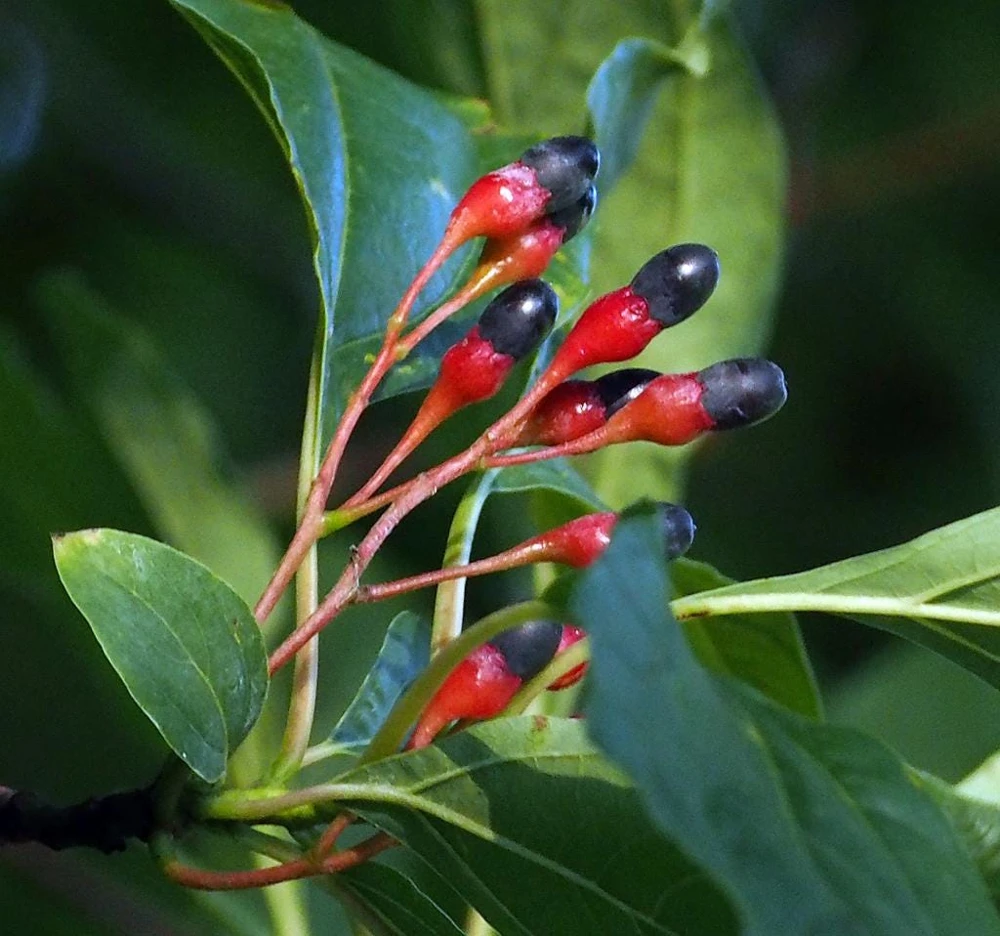
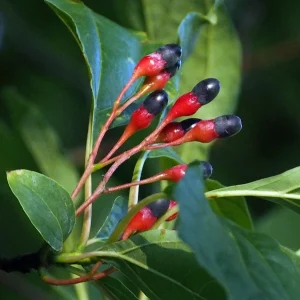
Beyond its visual appeal, the Common Sassafras albidum tree is also noted for its aromatic qualities. All parts of the plant emit a pleasant, spicy fragrance when bruised, adding another sensory dimension to your garden experience. This native tree is not only a feast for the eyes but also a valuable addition to the ecosystem, providing food and habitat for various bird species with its clusters of bluish-black drupes that ripen in September.
Key Benefits
The sassafras tree live plant offers a multitude of benefits, making it an excellent choice for a variety of landscapes and gardening goals. Its unique characteristics contribute both aesthetic appeal and ecological value.
- Spectacular Fall Foliage: This native tree is renowned for its outstanding display of fall colors, transforming your garden into a canvas of brilliant yellows, oranges, and reds. The vibrant hues provide a dramatic visual impact as cooler weather arrives, enhancing the beauty of your outdoor space.
- Unique Leaf Shapes: The Sassafras tree features distinct leaves that come in three different shapes – ovate, mitten-shaped, and three-lobed – all often found on the same branch. This botanical curiosity adds an intriguing textural and visual element that sets it apart from other trees.
- Aromatic Qualities: Every part of the sassafras albidum tree, from its leaves and twigs to its bark, releases a pleasant, spicy aroma when bruised. This natural fragrance adds a delightful sensory experience to your garden, especially when walking nearby or during pruning.
- Wildlife Attractor: The bluish-black drupes that mature in September are a favorite food source for many bird species. Planting a sassafras tree live plant helps support local wildlife, providing essential sustenance and contributing to a healthy ecosystem in your backyard.
- Native and Adaptable: As a native tree to the Eastern half of North America, the Sassafras is well-adapted to the local climate and soil conditions, requiring less intervention once established. This makes it a sustainable and resilient choice for landscaping, fitting seamlessly into naturalized garden designs.
- Low Maintenance: Once established, the common sassafras care requirements are relatively low, making it suitable for gardeners seeking a beautiful yet undemanding tree. It tolerates a range of conditions and generally resists common pests and diseases.
Plant Care & Growing Tips
Proper care ensures your sassafras tree live plant thrives and develops into a magnificent specimen. This hardy native tree is relatively forgiving, but understanding its basic needs will help it reach its full potential, particularly in producing its stunning fall colors and aromatic foliage.
For optimal growth, the Sassafras tree does best in full sun to part shade. Full sun (at least 6 hours of direct sunlight daily) will encourage the most vibrant fall colors, while part shade (2-6 hours of direct sun, preferably in the morning) is also tolerated, especially in hotter climates where it can protect the tree from intense afternoon heat. When considering common sassafras care, ensure the planting site offers adequate space for its mature size, as it can grow up to 50 feet tall. Regarding soil, Sassafras prefers moist, well-draining, slightly acidic soil. While it can adapt to various soil types, avoid overly compacted or waterlogged conditions, which can lead to root issues. Incorporating organic matter at planting can improve soil structure and fertility.
Watering is crucial, especially during the first few years after planting. Keep the soil consistently moist but not saturated. Deep watering once or twice a week during dry periods is more beneficial than frequent shallow watering, as it encourages deeper root growth. Once established, the sassafras albidum tree becomes more drought-tolerant, though supplemental watering during prolonged dry spells is still recommended. Fertilization is generally not heavily required for native trees if planted in good soil. However, a balanced, slow-release fertilizer in early spring can boost growth, particularly for young trees. Monitor for common pests or diseases, though Sassafras is generally robust. Proper air circulation and avoiding overhead watering can help prevent fungal issues. This native tree fall color producer is a robust and rewarding addition to any landscape.
Size & Details
This offering is for a sassafras tree live plant, typically measuring between 15 and 20 inches tall from the base of the rootball to the top of the plant. It is provided in a trade 1 gallon container, ensuring the plant has a well-established root system ready for transplanting into your garden. The mature height of a Sassafras tree can reach up to 50 feet, with a spread of 25-40 feet, so consider its eventual size when choosing a planting location. Its growth rate is moderate, allowing it to establish well over a few seasons. The plant is shipped with roots well-rooted in its container, minimizing transplant shock and promoting healthy growth upon arrival.
The sassafras albidum tree is known for its distinctive leaves and aromatic qualities. The fruit, consisting of bluish-black drupes, matures in September, providing a food source for birds. This aromatic sassafras species is an excellent choice for naturalized areas, woodland gardens, or as a specimen tree where its fall color can be fully appreciated. It is a deciduous tree, meaning it will shed its leaves in the colder months, providing interest with its unique branch structure.
Frequently Asked Questions
- Q: How big does this sassafras tree live plant get? A: This particular plant is 15-20 inches tall when shipped in its 1-gallon container. However, mature Sassafras trees can reach heights of up to 50 feet with a spread of 25-40 feet, so plan your planting location accordingly.
- Q: What size pot does it come in? A: The sassafras tree live plant is grown and shipped in a trade 1 gallon container, ensuring a healthy and established root system ready for planting.
- Q: Is this an indoor or outdoor plant? A: The Sassafras tree (Sassafras albidum) is an outdoor tree, native to North America. It is not suitable for indoor cultivation and requires outdoor conditions to thrive and mature.
- Q: How much sunlight does the sassafras albidum tree need? A: This tree performs best in full sun to part shade. For the most vibrant native tree fall color, aim for at least 6 hours of direct sunlight per day.
- Q: Is this plant easy to care for? A: Yes, once established, the sassafras tree live plant is relatively low maintenance. It’s a hardy native species that adapts well to various conditions, making common sassafras care straightforward for most gardeners.
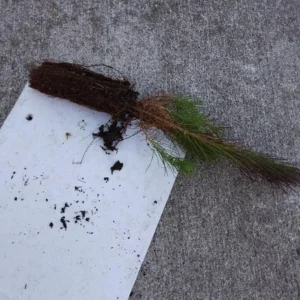
- Q: What condition will it arrive in? A: Your Sassafras tree will arrive well-rooted in its 1-gallon container, carefully packaged to ensure it reaches you in healthy condition, ready for planting.
- Q: When is the best time to plant a sassafras tree live plant? A: The best time to plant Sassafras is typically in spring or early fall, allowing the roots to establish before extreme temperatures.
- Q: Will it survive winter in my zone? A: The Sassafras tree is hardy in USDA Zones 4-9. If you are within these zones, your tree should survive winter with proper establishment.
- Q: Is the aromatic sassafras tree known for anything else besides fall color? A: Absolutely! Besides its stunning fall foliage, the Sassafras tree is known for its unique three-lobed leaves, the pleasant spicy aroma from all its parts, and its berries which attract birds.
Related products
-50%
Original price was: $180.99.$89.89Current price is: $89.89.
-20%
Original price was: $36.00.$28.80Current price is: $28.80.
PLANTING & CARE
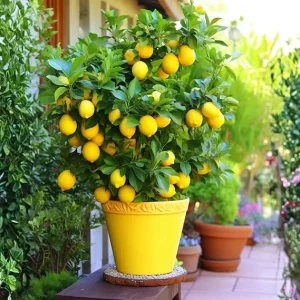
Lemon Tree Growing: Choose, Plant, and Harvest
Learn how to choose, plant, feed, and protect a lemon tree so it fits your
23
Sep
Sep
Dwarf Meyer Lemon Tree Australia: Climate Guide
Learn where dwarf Meyer lemon trees grow, how much cold they tolerate, and whether Australia,
Where to Buy a Dwarf Meyer Lemon Tree: Buyer’s Guide
Find the right dwarf Meyer lemon tree online or locally, compare starter sizes and costs,
Dwarf Meyer Lemon Tree for Sale: Buying Guide
Compare Meyer lemon tree sizes, prices, shipping limits, indoor growing and California options before you
Dwarf Meyer Lemon Tree Guide: Size, Care and Fruit
META: Learn how large a dwarf Meyer lemon tree grows, where it thrives, and how
How to Prune a Dwarf Meyer Lemon Tree
Learn when and how to prune a dwarf Meyer lemon tree, including tools, shaping cuts,
Can You Grow a Dwarf Meyer Lemon Tree in a Pot?
META: Learn how to grow a dwarf Meyer lemon tree in a pot, including container
When Do Dwarf Meyer Lemon Trees Bloom and Fruit?
META: Dwarf Meyer lemon trees usually bloom from winter through spring and may flower again