Shampoo Ginger Plant Rhizomes – Awapuhi Zingiber zerumbet Live Roots for Garden or Container, Indoor/Outdoor
-50%


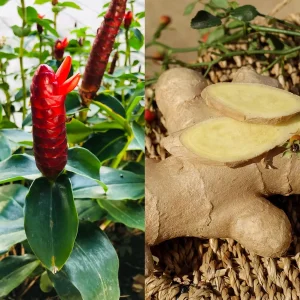
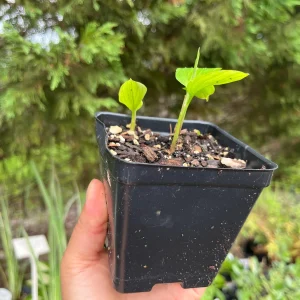
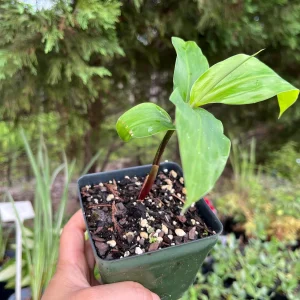
Shampoo Ginger Plant Rhizomes – Awapuhi Zingiber zerumbet Live Roots for Garden or Container, Indoor/Outdoor
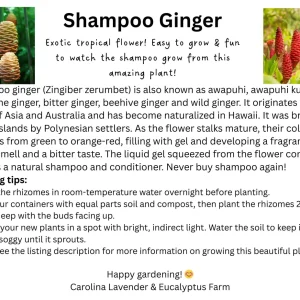
Cultivate your own shampoo ginger plant rhizomes, also known as awapuhi ginger plant or zingiber zerumbet live plant. These ready-to-grow roots produce beautiful cone-like inflorescences that yield a natural, fragrant liquid perfect for hair care. Ideal for both indoor and outdoor tropical gardens or containers.
From Original price was: $27.96.$13.98Current price is: $13.98.

With our Alive & Thrive Guarantee, we’ve got your back for the first 30 days! If you have any concerns about your plants, just reach out to us. Our team is here to help answer your questions and guide you in selecting the best plants for your garden, climate, and unique preferences. We're excited to help you create the garden of your dreams!
Estimated arrival
Oct 08
Oct 13 - Oct 15
Oct 18 - Oct 22
Product Details
-
USDA Hardiness Zone
USDA zones 9–11 -
Soil type
Moist, well-draining soil with slightly acidic to neutral pH -
Sunlight Exposure
Full sun to partial shade -
Expected Planting Period
Year-round indoors, spring to summer outdoors in suitable zones
Overview
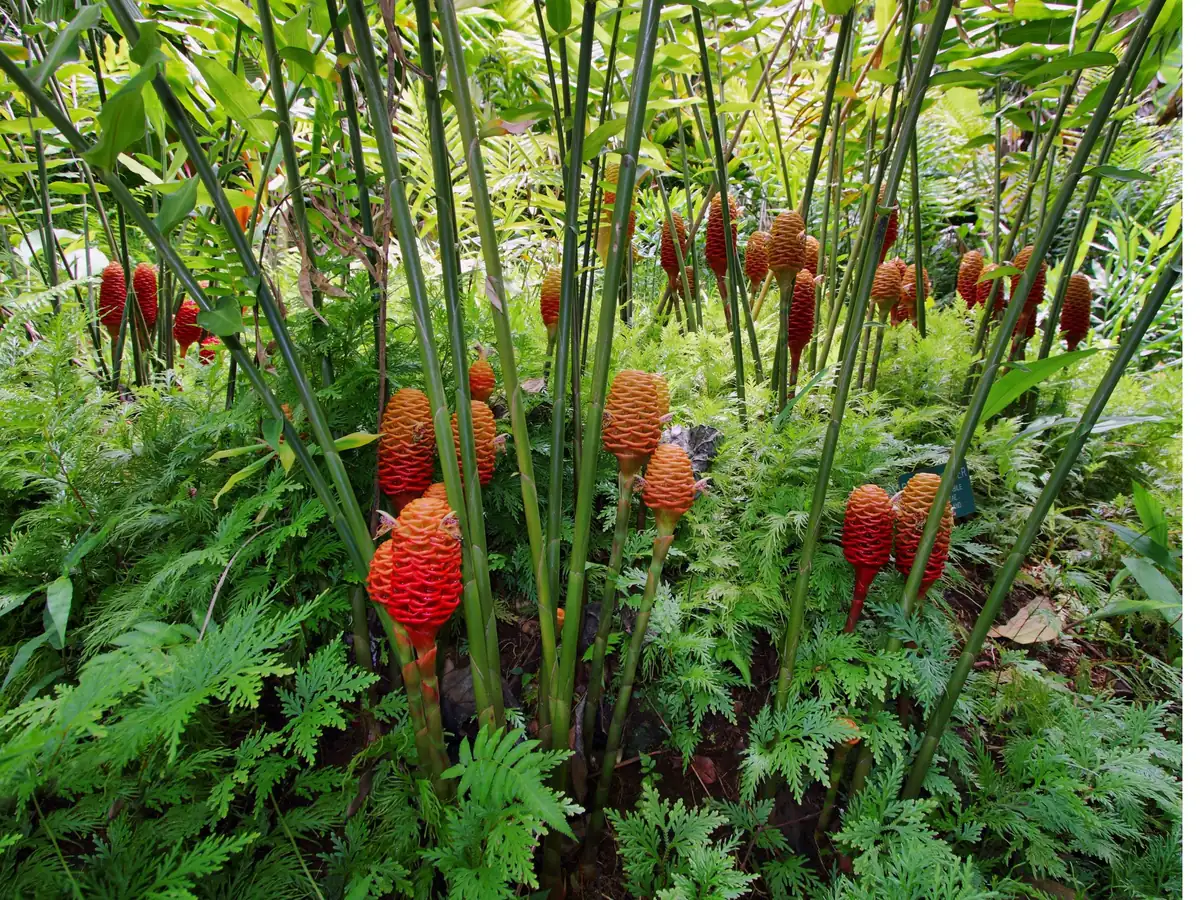
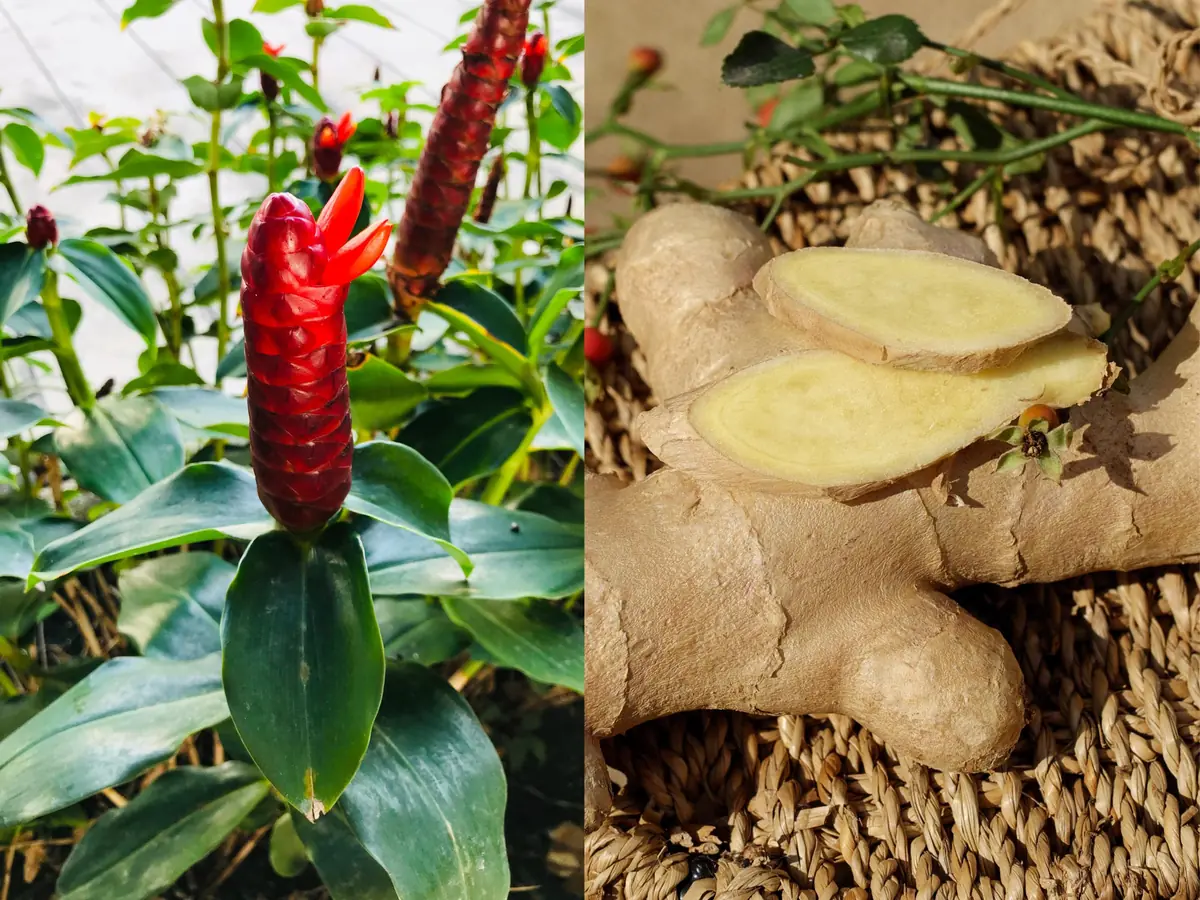
Bring the unique beauty and utility of the shampoo ginger plant rhizomes into your garden or home. Known scientifically as Zingiber zerumbet, this fascinating tropical plant is also commonly referred to as bitter ginger, pinecone ginger, beehive ginger, wild ginger, or awapuhi/awapuhi kuahiwi. Originating in Asia and later spreading to Australia and Polynesia, this particular ginger variety is cherished not only for its striking appearance but also for the natural, fragrant gel produced by its mature flower cones. Unlike common culinary ginger, the rhizomes of this plant are more bitter, though historically used as a cooking spice. Growing your own awapuhi ginger plant offers a sustainable and engaging gardening experience, providing both ornamental value and a natural personal care product.
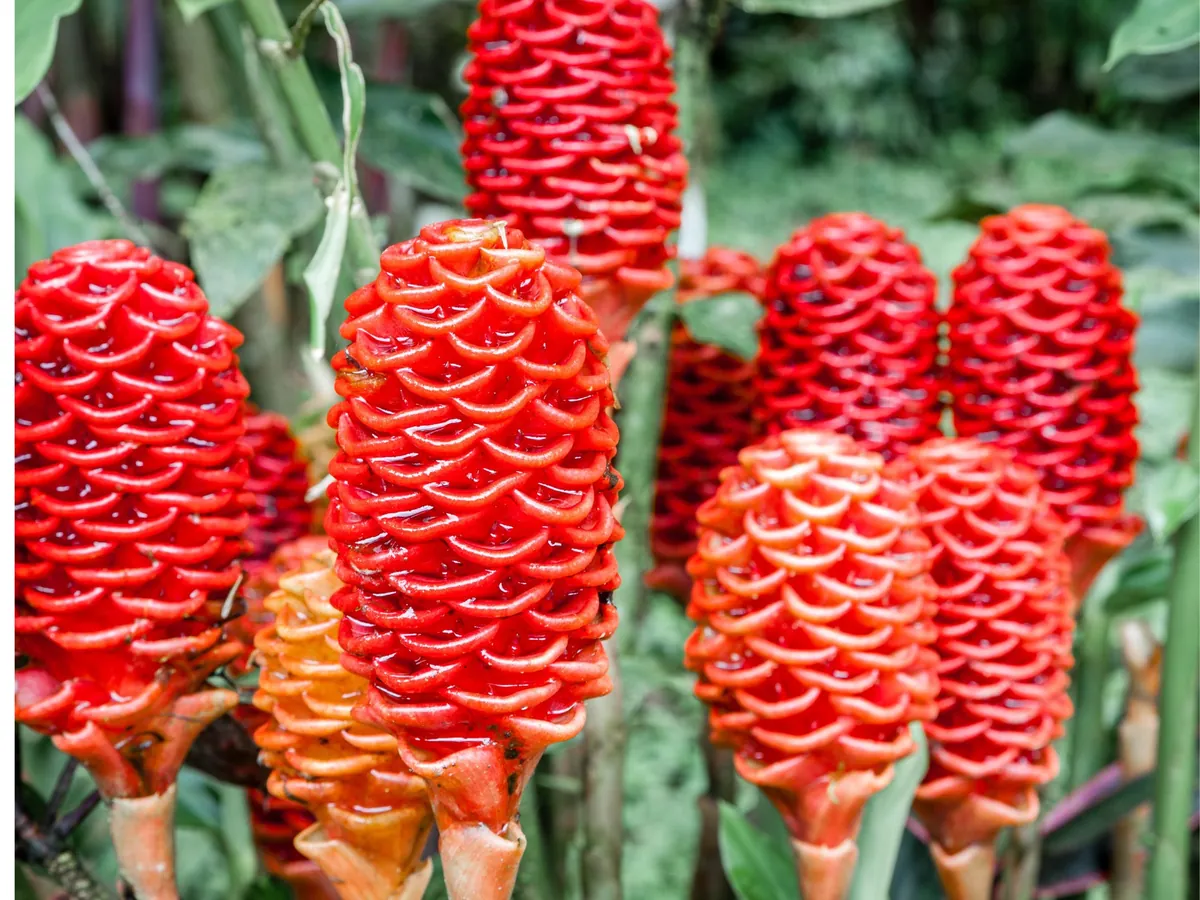
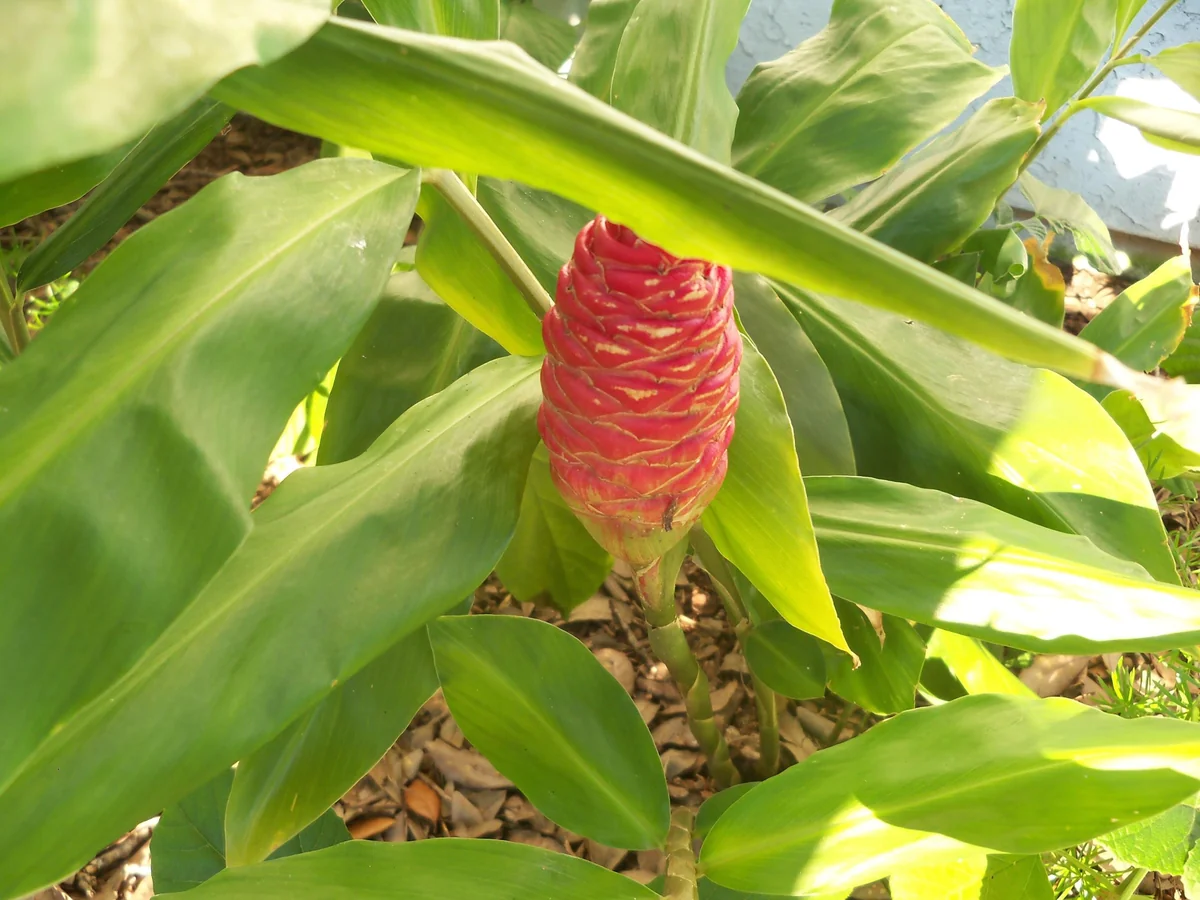
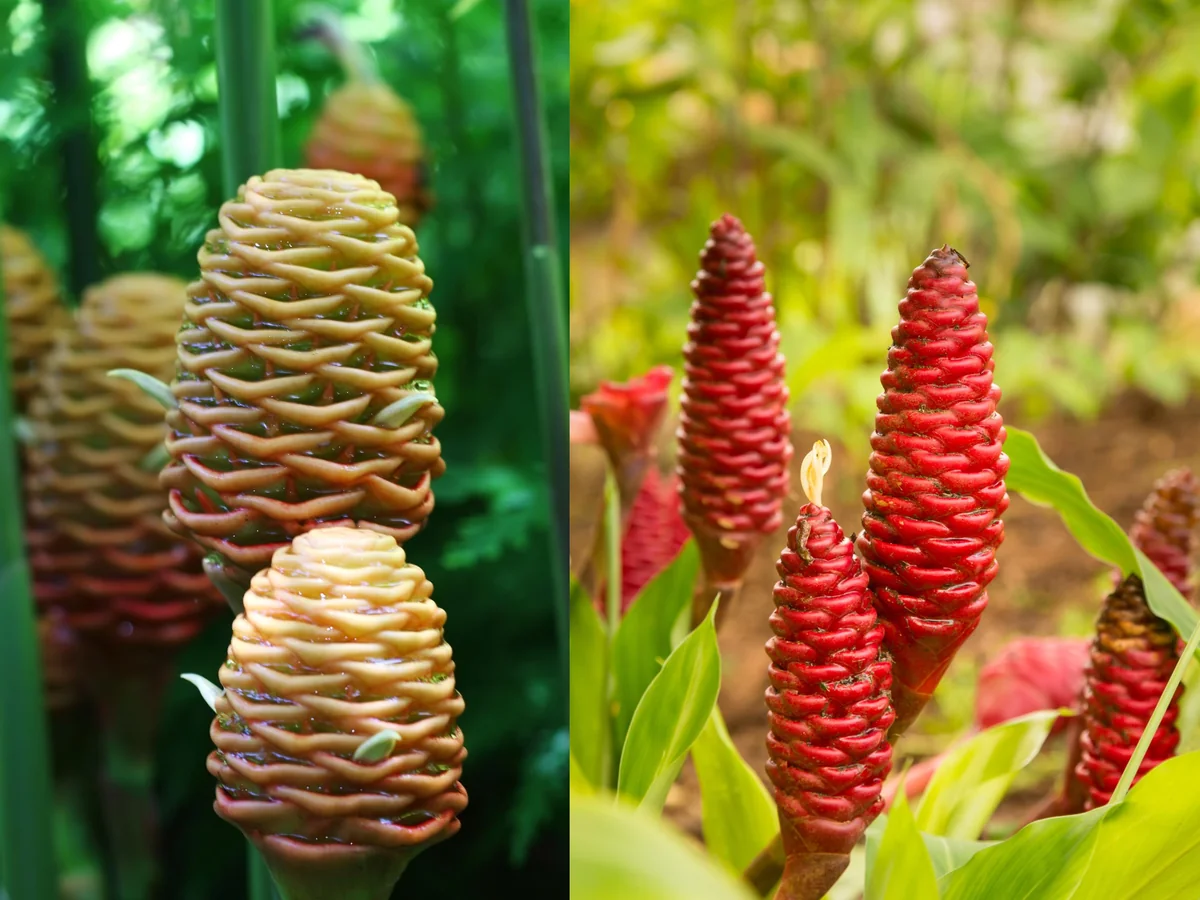
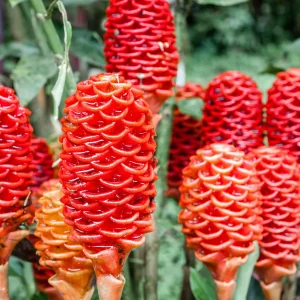
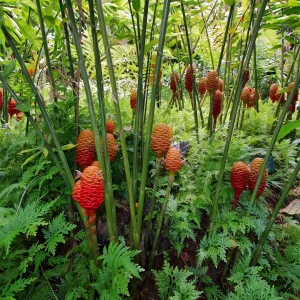
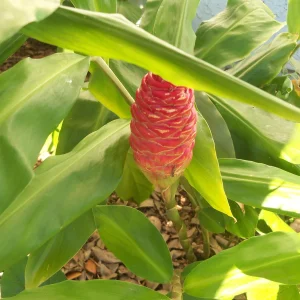
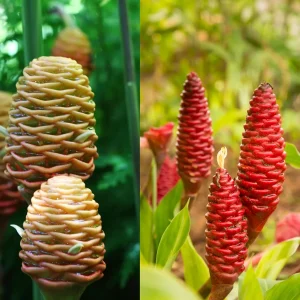
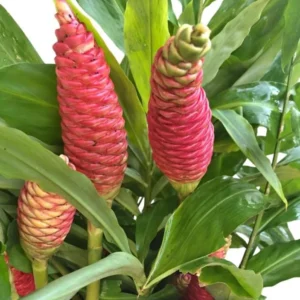
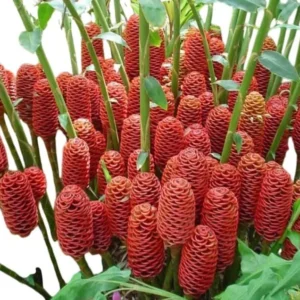
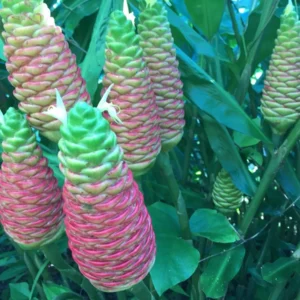
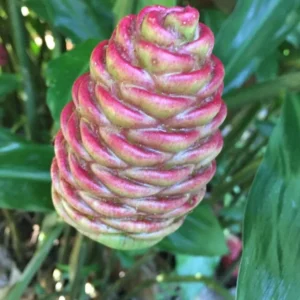
The zingiber zerumbet live plant develops distinct inflorescences that can reach up to 12 inches tall. These cone-shaped structures showcase bracts that transition from white to yellow, orange, or even red as they mature. As the flower stalks ripen, they fill with a clear, sweet-smelling liquid gel, which is the prized natural shampoo and conditioner. Whether you are an experienced gardener or just starting, cultivating pinecone ginger roots is a rewarding endeavor that connects you with nature’s offerings.
Key Benefits
The shampoo ginger plant rhizomes offer a multitude of benefits, making them a valuable addition to any garden or home. From their unique aesthetic appeal to their practical applications, these plants are truly exceptional.
- Natural Hair Care Solution: The most prominent benefit is the natural, fragrant liquid gel produced by the mature flower cones. This gel can be directly used as a zero-waste shampoo and conditioner, offering a gentle and effective alternative to commercial products.
- Exotic Ornamental Plant: With its distinctive pinecone-like inflorescences and vibrant color changes, the awapuhi ginger plant serves as a captivating focal point in tropical gardens, patios, or as an indoor specimen.
- Aromatic Presence: The mature flower cones release a fragrant, sweet smell, adding a pleasant aroma to your living space or garden environment.
- Versatile Growing Options: This plant can thrive both indoors in containers and outdoors in suitable climates, providing flexibility for various gardening setups.
- Permaculture Garden Addition: As a useful and visually appealing plant, it integrates well into permaculture designs, contributing to a sustainable and productive ecosystem.
- Educational Value: Growing zingiber zerumbet live plant offers a hands-on learning experience about tropical botany, traditional uses of plants, and sustainable living practices.
- Low Maintenance Relative to Reward: While requiring specific conditions, once established, these pinecone ginger roots are relatively easy to care for, yielding significant natural benefits.
Plant Care & Growing Tips
Caring for your shampoo ginger plant rhizomes is straightforward with the right approach. These tropical plants thrive in specific conditions that mimic their natural habitat. For optimal growth, provide full sun to partial shade. In hotter climates, it’s best to position them where they receive morning sun but are protected from intense afternoon rays. When growing indoors, a south-facing window can provide ample bright, indirect light. Humidity is also crucial for the awapuhi ginger plant; aim for around 50% humidity, which can be maintained with humidifiers, pebble trays, or by grouping plants together.
Soil requirements for zingiber zerumbet live plant include a moist but well-drained medium with a slightly acidic to neutral pH. When planting, soak the rhizomes in room-temperature water overnight. Then, plant them 2-4 inches deep with the buds facing up in a mixture of equal parts soil and compost. Water at the base of the plant to keep the soil consistently moist but never soggy, especially until sprouts appear. Fertilize with an organic or well-balanced fertilizer to support healthy growth. Avoid overhead watering to prevent fungal issues. These pinecone ginger roots can grow 3-5 feet high and about 4 inches wide, establishing a robust presence in your garden or container.
Regular monitoring of soil moisture using the ‘finger test’ is recommended. Simply insert your finger about an inch into the soil; if it feels dry, it’s time to water. The natural shampoo plant may take up to ten months or longer to mature and be ready for harvest, but you can begin using the rhizomes when the plants are five months old. Patience will be rewarded with beautiful blooms and the natural shampoo gel.
Size & Details
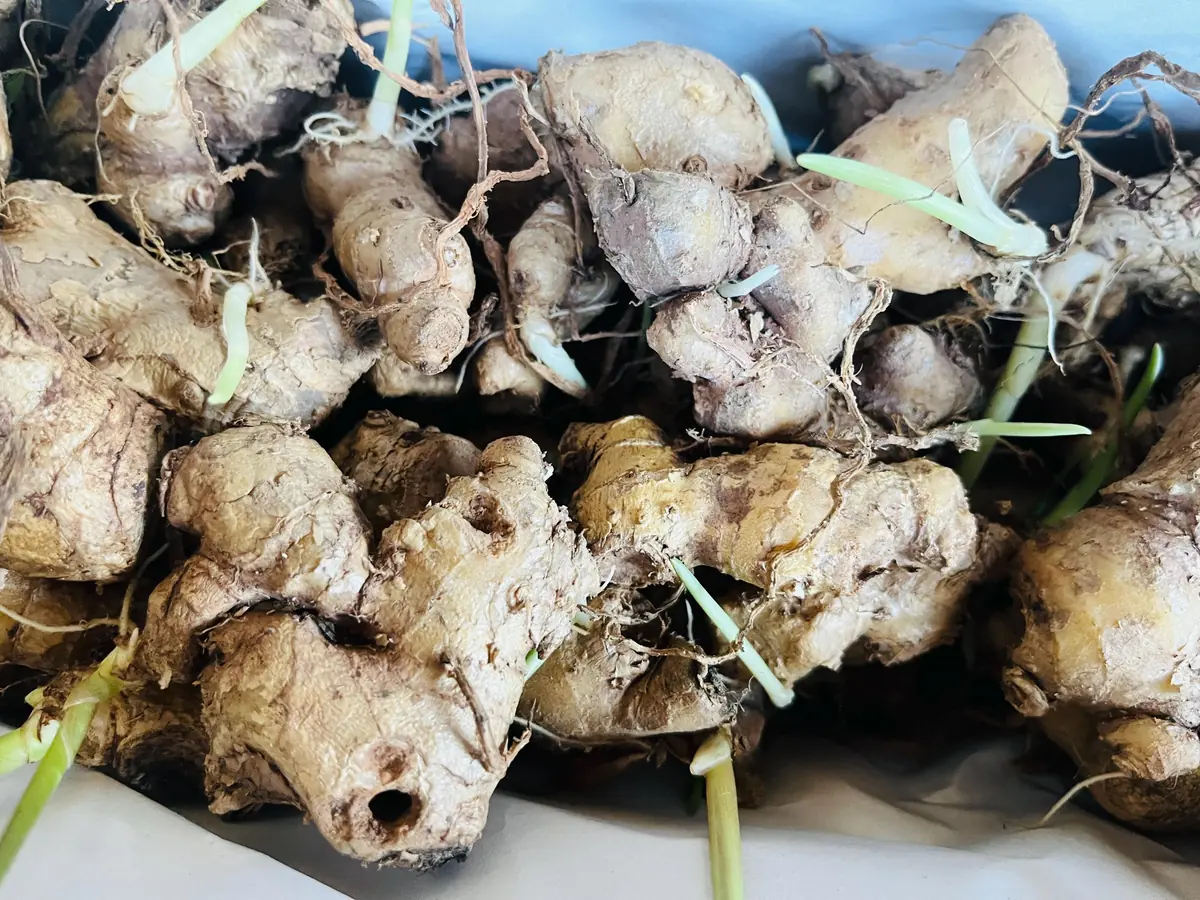
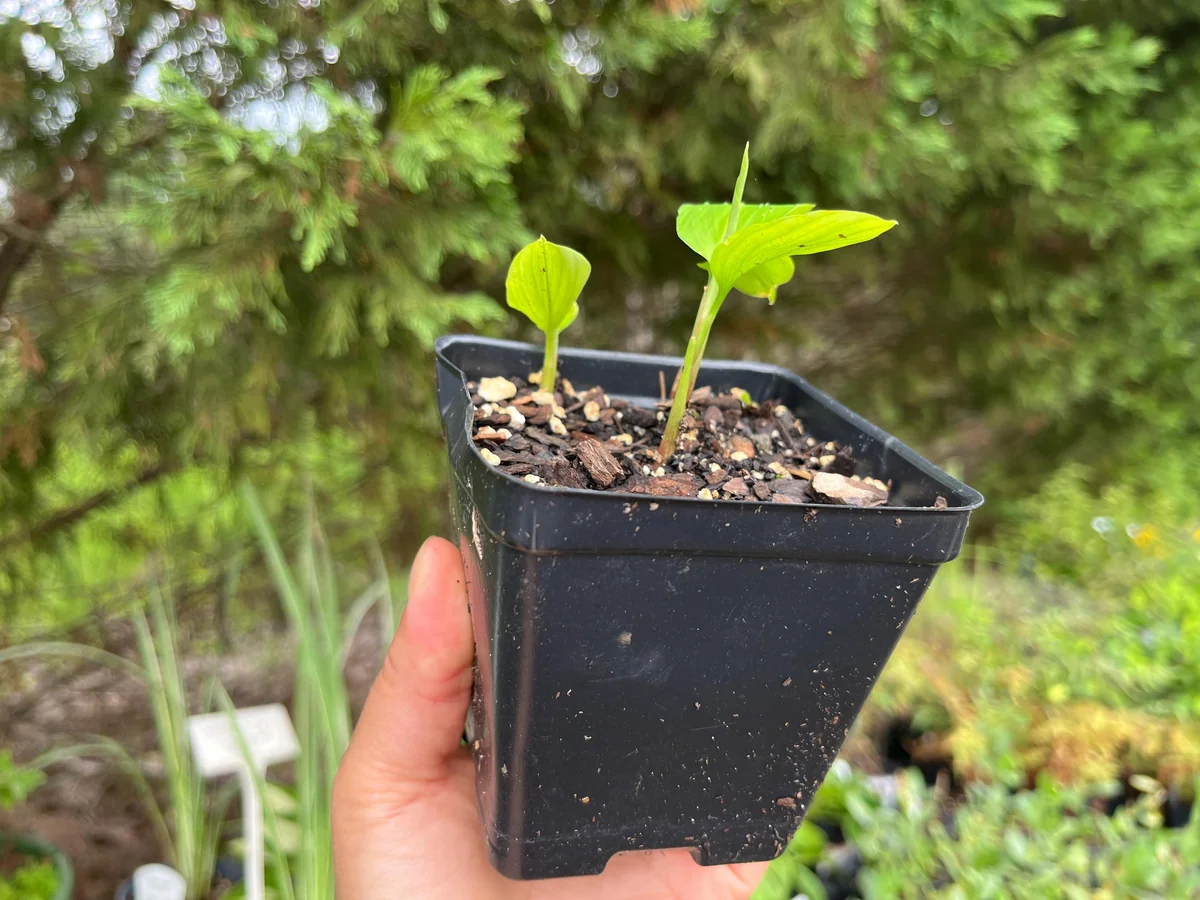
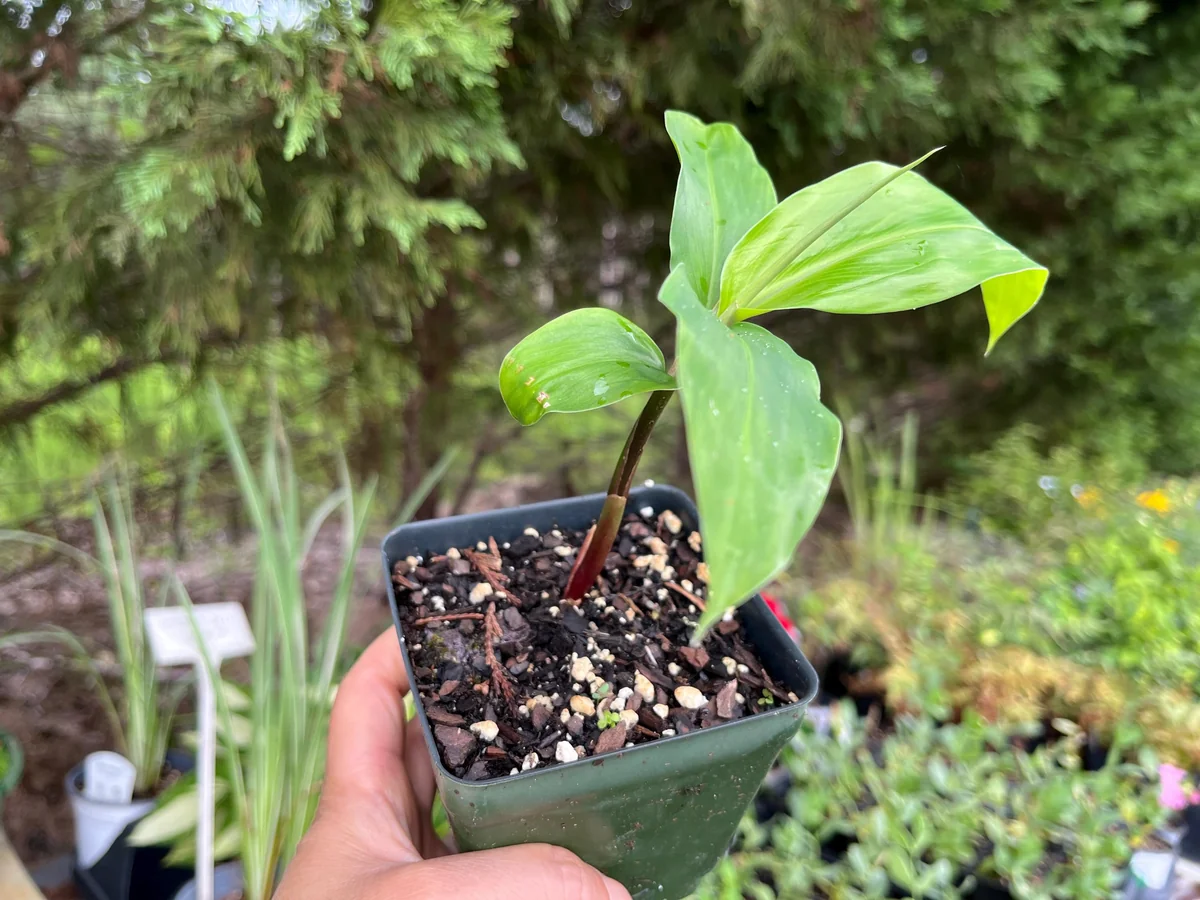
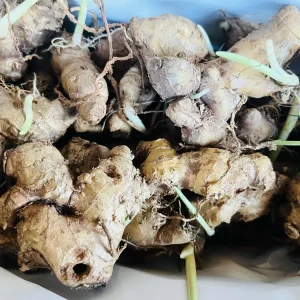
You will receive viable shampoo ginger plant rhizomes, ready for planting. The exact appearance of the rhizomes may vary, and they may or may not have sprouts upon arrival, depending on the season and order date. Once planted, these roots will develop into mature plants typically reaching a height of 3-5 feet and a width of approximately 4 inches. The impressive inflorescences can grow up to 12 inches tall. These are live plant materials, and their initial growth and development will depend on your care and growing conditions. Expect a maturation period of several months before the characteristic flower cones begin to produce their fragrant gel. This product provides the foundational pinecone ginger roots for you to cultivate your own thriving natural shampoo plant.
Frequently Asked Questions
- Q: How big does the shampoo ginger plant rhizomes get? A: Once mature, the shampoo ginger plant typically grows to a height of 3-5 feet and can spread about 4 inches wide. The inflorescences, where the natural shampoo gel is collected, can grow up to 12 inches tall.
- Q: Is this an indoor or outdoor plant? A: The awapuhi ginger plant is versatile and can be grown both indoors in containers and outdoors in suitable climates. It thrives in tropical to subtropical environments.
- Q: How much sunlight does it need? A: This plant prefers full sun to partial shade. If growing outdoors in a hot climate, morning sun with afternoon shade is ideal. Indoors, aim for bright, indirect light, such as from a south-facing window.
- Q: Is the zingiber zerumbet live plant easy to care for? A: While it requires specific tropical conditions, once these are met, the plant is relatively easy to maintain. Consistent moisture and appropriate light are key to its success.
- Q: What condition will the pinecone ginger roots arrive in? A: You will receive live rhizomes. Their appearance may vary, and they may or may not have visible sprouts, depending on the time of year you place your order. They are packaged for safe transit.
- Q: How long until the plant blooms and produces gel? A: It can take up to ten months or longer for the plant to mature and produce the gel-filled flower cones. However, you can use the rhizomes for other purposes once the plant is around five months old.
- Q: What type of soil is best for a natural shampoo plant? A: A moist but well-drained soil with a slightly acidic to neutral pH is ideal. A mix of equal parts soil and compost works well for container planting.
- Q: Can I use the rhizomes for cooking? A: Historically, the rhizomes have been used as a cooking spice, but they are known to be more bitter than common ginger. Their primary value is for the natural shampoo gel from the cones.
- Q: What USDA Hardiness Zones are suitable for this plant? A: This tropical plant typically thrives in USDA Hardiness Zones 9-11 for outdoor cultivation. It can be grown as an annual or brought indoors in colder zones.
- Q: How often should I water my shampoo ginger? A: Water at the base of the plant to keep the soil consistently moist but not soggy. The ‘finger test’ is a good indicator; water when the top inch of soil feels dry.
| Pack size | 1 Pot 3.5", 1 Rhizome, 3 Rhizomes, 5 Rhizomes |
|---|
Related products
-50%
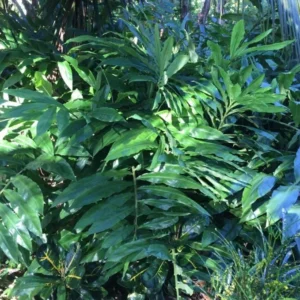
Original price was: $27.96.$13.98Current price is: $13.98.
-20%
From Original price was: $22.00.$17.60Current price is: $17.60.
-30%
Original price was: $99.98.$69.98Current price is: $69.98.
-50%
Original price was: $47.96.$23.98Current price is: $23.98.
-30%
Original price was: $59.98.$41.98Current price is: $41.98.
-30%
Original price was: $57.98.$40.58Current price is: $40.58.
-30%
Original price was: $59.98.$41.98Current price is: $41.98.
-30%
Original price was: $59.98.$41.98Current price is: $41.98.
PLANTING & CARE
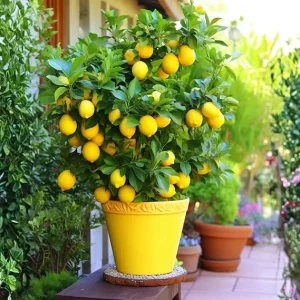
Lemon Tree Growing: Choose, Plant, and Harvest
Learn how to choose, plant, feed, and protect a lemon tree so it fits your
23
Sep
Sep
Dwarf Meyer Lemon Tree Australia: Climate Guide
Learn where dwarf Meyer lemon trees grow, how much cold they tolerate, and whether Australia,
Where to Buy a Dwarf Meyer Lemon Tree: Buyer’s Guide
Find the right dwarf Meyer lemon tree online or locally, compare starter sizes and costs,
Dwarf Meyer Lemon Tree for Sale: Buying Guide
Compare Meyer lemon tree sizes, prices, shipping limits, indoor growing and California options before you
Dwarf Meyer Lemon Tree Guide: Size, Care and Fruit
META: Learn how large a dwarf Meyer lemon tree grows, where it thrives, and how
How to Prune a Dwarf Meyer Lemon Tree
Learn when and how to prune a dwarf Meyer lemon tree, including tools, shaping cuts,
Can You Grow a Dwarf Meyer Lemon Tree in a Pot?
META: Learn how to grow a dwarf Meyer lemon tree in a pot, including container
When Do Dwarf Meyer Lemon Trees Bloom and Fruit?
META: Dwarf Meyer lemon trees usually bloom from winter through spring and may flower again