Snowmound Spirea Live Plant – Dwarf White Flowering Shrub, 5-8″ Tall, Quart Pot, Outdoor
-50%
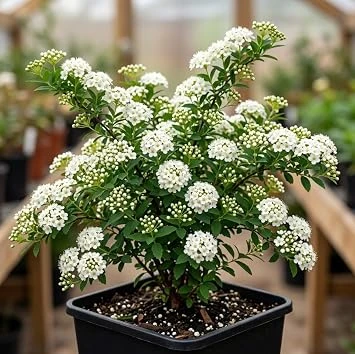
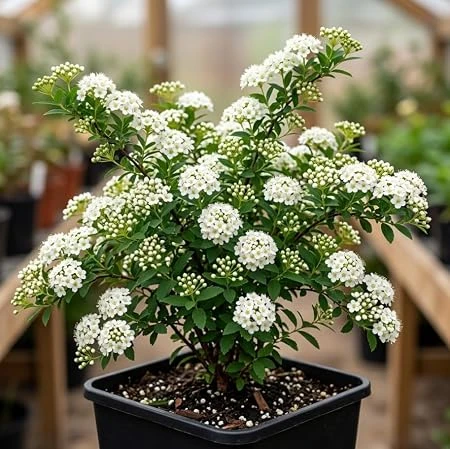
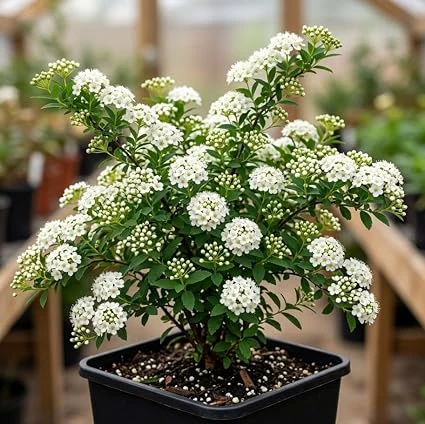
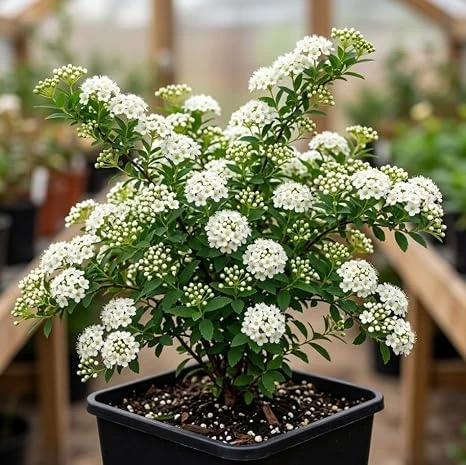
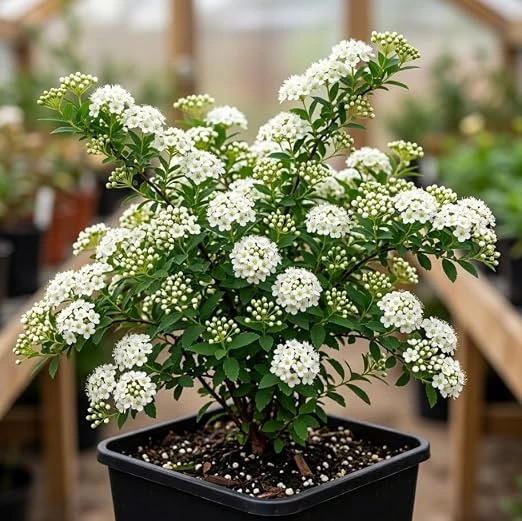
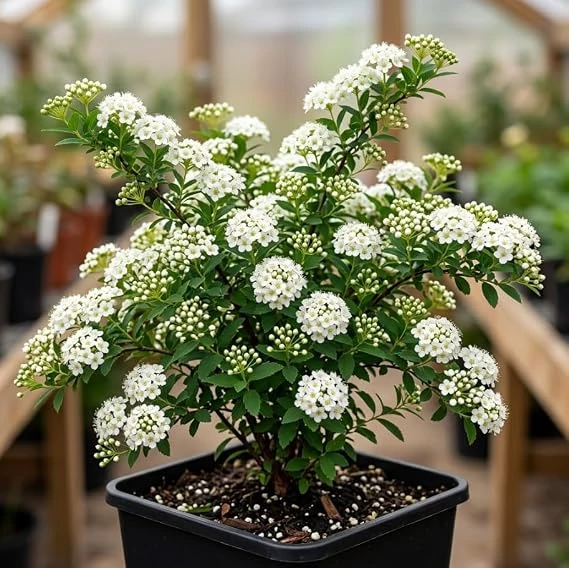
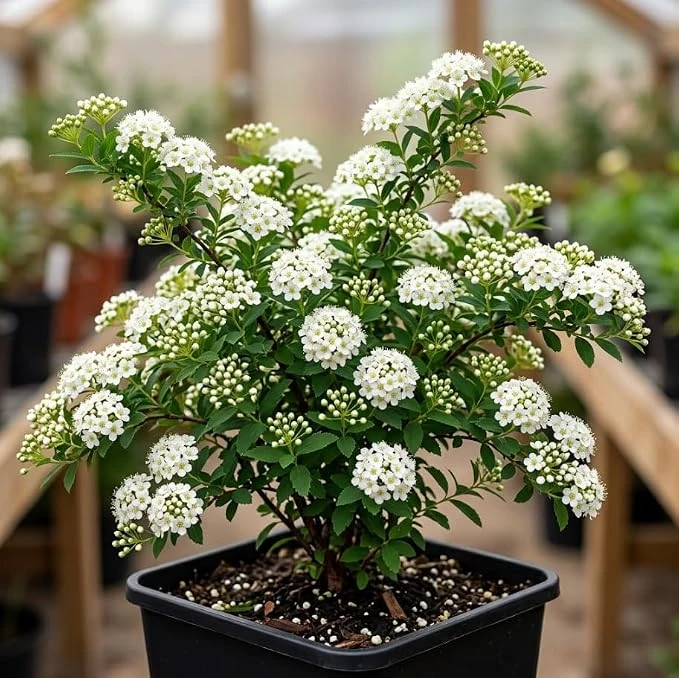
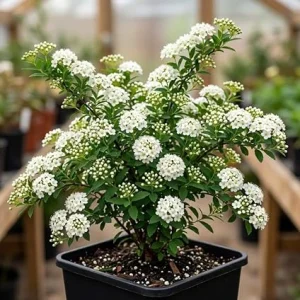
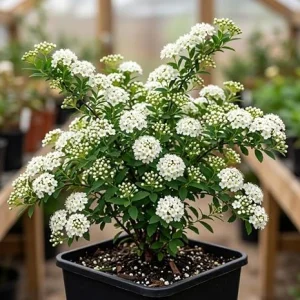
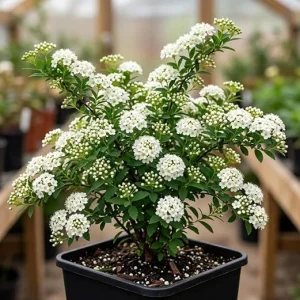
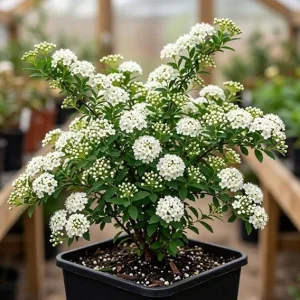
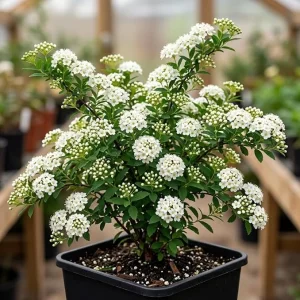
Snowmound Spirea Live Plant – Dwarf White Flowering Shrub, 5-8″ Tall, Quart Pot, Outdoor
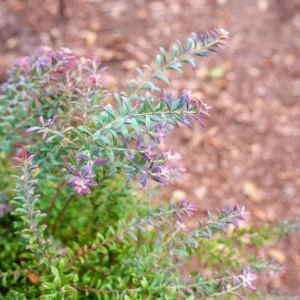
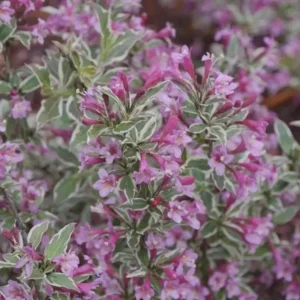
Enhance your garden with the elegant snowmound spirea live plant. This beautiful dwarf spirea shrub features brilliant green foliage and abundant white flower clusters, maintaining a neat, rounded shape. Ideal for borders, containers, or foundation plantings, it’s a perfect low maintenance shrub for any landscape.
Original price was: $41.98.$20.99Current price is: $20.99.

With our Alive & Thrive Guarantee, we’ve got your back for the first 30 days! If you have any concerns about your plants, just reach out to us. Our team is here to help answer your questions and guide you in selecting the best plants for your garden, climate, and unique preferences. We're excited to help you create the garden of your dreams!
Estimated arrival
Oct 29
Nov 03 - Nov 05
Nov 08 - Nov 12



Product Details
-
USDA Hardiness Zone
USDA zones 4-8 -
Soil type
Well-draining soil -
Sunlight Exposure
Full sun to partial shade -
Expected Planting Period
Spring to Fall
Overview
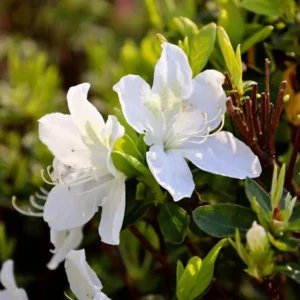
Bring classic beauty and effortless charm to your garden with the snowmound spirea live plant. This exquisite flowering shrub, scientifically known as Spiraea nipponica ‘Snowmound’, is celebrated for its dense, vibrant green foliage and prolific clusters of pure white flowers that bloom in late spring to early summer. As a popular dwarf spirea shrub, ‘Snowmound’ maintains a naturally compact and rounded form, typically reaching 3-5 feet in height and spread, making it an excellent choice for a variety of landscape applications. Whether you’re creating a formal border, adding texture to a rock garden, or seeking a striking specimen for a patio container, this resilient plant delivers consistent visual appeal with minimal fuss. Its hardiness and adaptability make it a favorite among both novice and experienced gardeners looking for a beautiful and easy-to-grow addition.
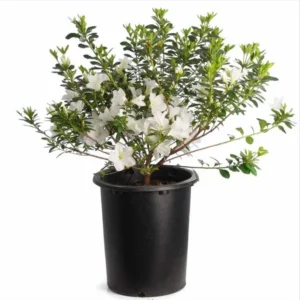
The snowmound spirea live plant arrives as a healthy, established starter shrub, ready to thrive in your outdoor environment. Growing in a quart (Qt) nursery pot and approximately 5-8 inches tall, it is perfectly sized for immediate planting and continued establishment. This variety of spirea is prized not only for its stunning floral display but also for its robust nature, easily adapting to various soil conditions and sunlight exposures once established. Its dense growth habit provides excellent texture throughout the growing season, even when not in bloom. Choose the ‘Snowmound’ Spirea for a reliable, long-lasting addition that will brighten your garden year after year with its pristine white spirea flowering.
Key Benefits
The snowmound spirea live plant offers a multitude of benefits, making it an outstanding choice for diverse garden designs and gardener skill levels. Its inherent qualities contribute to both aesthetic beauty and practical ease of care.
- Abundant White Blooms: Enjoy a spectacular display of pure white flower clusters that blanket the shrub in late spring, creating a breathtaking visual impact. These blooms attract pollinators like bees and butterflies, contributing to garden biodiversity.
- Compact & Neat Growth Habit: This dwarf spirea shrub naturally maintains a tidy, rounded shape, requiring minimal pruning to keep it looking its best. This makes it ideal for smaller spaces, formal plantings, or alongside walkways where space is a consideration.
- Exceptional Hardiness: The ‘Snowmound’ Spirea is highly resilient, thriving in a wide range of climates and tolerating various soil conditions once established. It’s a reliable performer even in challenging garden environments.
- Low Maintenance Shrub: Known for its easy-care nature, this spirea requires little attention beyond basic watering and occasional fertilization. It’s an excellent choice for busy gardeners seeking beauty without demanding effort. Its resilience contributes to a truly low maintenance shrub experience.
- Versatile Landscape Use: Perfect for creating stunning borders, mass plantings, foundation plantings, rock gardens, or as a vibrant container plant. Its adaptability allows it to fit seamlessly into diverse garden styles and functions.
- Year-Round Interest: Beyond its stunning white spirea flowering, the bright green foliage provides lush texture throughout the spring and summer, adding continuous visual appeal to your landscape.
Plant Care & Growing Tips
Caring for your snowmound spirea live plant is straightforward, ensuring a beautiful and thriving addition to your garden. This resilient shrub is known for its adaptability, making it suitable for gardeners of all experience levels. For optimal growth and prolific white spirea flowering, understanding its basic needs is key. Begin by selecting a location that receives full sun to partial shade. Full sun (at least 6 hours of direct sunlight daily) will encourage the most abundant blooms, while partial shade is tolerable, especially in hotter climates, though it may result in fewer flowers. The ‘Snowmound’ Spirea adapts well to a variety of soil conditions, but it thrives best in well-draining soil. Avoid heavy, waterlogged soils, which can lead to root rot. If your soil is clay-heavy, amend it with organic matter like compost to improve drainage and aeration.
Water your newly planted dwarf spirea shrub regularly during its first growing season to help establish a strong root system. Once established, it becomes quite drought-tolerant, only requiring supplemental watering during extended dry periods. A good rule of thumb is to water deeply when the top 1-2 inches of soil feel dry to the touch. Fertilization is generally not heavily required for this low maintenance shrub. A balanced slow-release granular fertilizer can be applied in early spring before new growth emerges, if desired, to support vigorous growth and flowering. Pruning should be done after the spring bloom has faded to maintain its shape, remove any dead or crossing branches, and encourage new growth for the following season. You can also perform a rejuvenation prune every few years by cutting the entire plant back to about 6-12 inches from the ground to revitalize older, leggy plants. This plant is generally pest and disease resistant, making it a truly easy-care option for your landscape.
Size & Details
This offering includes one healthy snowmound spirea live plant, carefully cultivated and ready for planting. Each plant is shipped in a quart (Qt) nursery pot, ensuring the root system is protected and well-established for a smooth transition to your garden. The plant’s current height ranges approximately from 5 to 8 inches tall, providing a compact starter shrub that will quickly establish and grow once planted in its permanent location. As a dwarf spirea shrub, the ‘Snowmound’ variety is known for its moderate growth rate, typically reaching a mature height and spread of 3 to 5 feet over several years.
Its naturally rounded and dense growth habit makes it an ideal choice for various landscape applications where a neat, contained form is desired. Expect the first significant flush of its pristine white spirea flowering in late spring to early summer, usually within the first year or two after planting, depending on growing conditions. This resilient and adaptable shrub is delivered ready to thrive, offering long-term beauty and a truly low maintenance shrub experience for your outdoor spaces.
Frequently Asked Questions
- Q: How big does this plant get? A: The snowmound spirea live plant typically grows to a mature height and spread of 3 to 5 feet, forming a dense, rounded shrub. Its dwarf nature makes it suitable for various garden sizes.
- Q: What size pot does it come in? A: This spirea is shipped in a quart (Qt) nursery pot, providing a healthy root system and a plant approximately 5-8 inches tall, ready for transplanting.
- Q: Is this an indoor or outdoor plant? A: The ‘Snowmound’ Spirea is an outdoor plant, best suited for garden beds, borders, and containers in outdoor landscapes. It thrives in various outdoor conditions.
- Q: How much sunlight does it need? A: This dwarf spirea shrub performs best in full sun (at least 6 hours of direct sunlight daily) for optimal flowering, but it can tolerate partial shade.
- Q: Is this plant easy to care for? A: Yes, the snowmound spirea live plant is considered a very easy-care and low maintenance shrub, making it excellent for beginners and busy gardeners alike.
- Q: What condition will it arrive in? A: Your spirea will arrive as a healthy, live starter plant in its nursery pot, carefully packaged to ensure its safe journey to your home.
- Q: When is the best time to plant? A: The best time to plant your snowmound spirea live plant is in spring or fall, allowing it to establish its root system before extreme summer heat or winter cold.
- Q: Will it survive winter in my zone? A: ‘Snowmound’ Spirea is very hardy and typically thrives in USDA hardiness zones 4-8, making it suitable for many temperate climates.
- Q: Does this spirea attract pollinators? A: Yes, the abundant white spirea flowering is attractive to various pollinators, including bees and butterflies, contributing to a vibrant garden ecosystem.
- Q: How often should I water it? A: Water regularly during the first growing season to establish. Once established, it is drought-tolerant and needs watering primarily during dry spells.
Related products
-60%
Original price was: $53.99.$21.59Current price is: $21.59.
-20%
Original price was: $76.00.$60.80Current price is: $60.80.
-50%

Original price was: $63.00.$31.50Current price is: $31.50.
-20%
Original price was: $66.00.$52.80Current price is: $52.80.
PLANTING & CARE
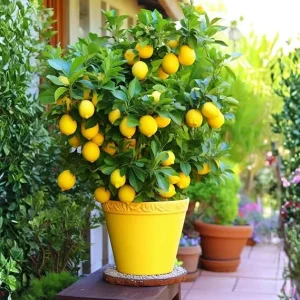
Lemon Tree Growing: Choose, Plant, and Harvest
Learn how to choose, plant, feed, and protect a lemon tree so it fits your
23
Sep
Sep
Dwarf Meyer Lemon Tree Australia: Climate Guide
Learn where dwarf Meyer lemon trees grow, how much cold they tolerate, and whether Australia,
Where to Buy a Dwarf Meyer Lemon Tree: Buyer’s Guide
Find the right dwarf Meyer lemon tree online or locally, compare starter sizes and costs,
Dwarf Meyer Lemon Tree for Sale: Buying Guide
Compare Meyer lemon tree sizes, prices, shipping limits, indoor growing and California options before you
Dwarf Meyer Lemon Tree Guide: Size, Care and Fruit
META: Learn how large a dwarf Meyer lemon tree grows, where it thrives, and how
How to Prune a Dwarf Meyer Lemon Tree
Learn when and how to prune a dwarf Meyer lemon tree, including tools, shaping cuts,
Can You Grow a Dwarf Meyer Lemon Tree in a Pot?
META: Learn how to grow a dwarf Meyer lemon tree in a pot, including container
When Do Dwarf Meyer Lemon Trees Bloom and Fruit?
META: Dwarf Meyer lemon trees usually bloom from winter through spring and may flower again