Spaghetti Winter Squash Seeds – Heirloom Non-GMO Vegetable, 25 Seeds
-50%
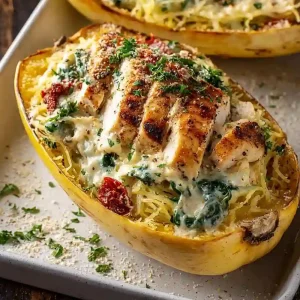
Spaghetti Winter Squash Seeds – Heirloom Non-GMO Vegetable, 25 Seeds
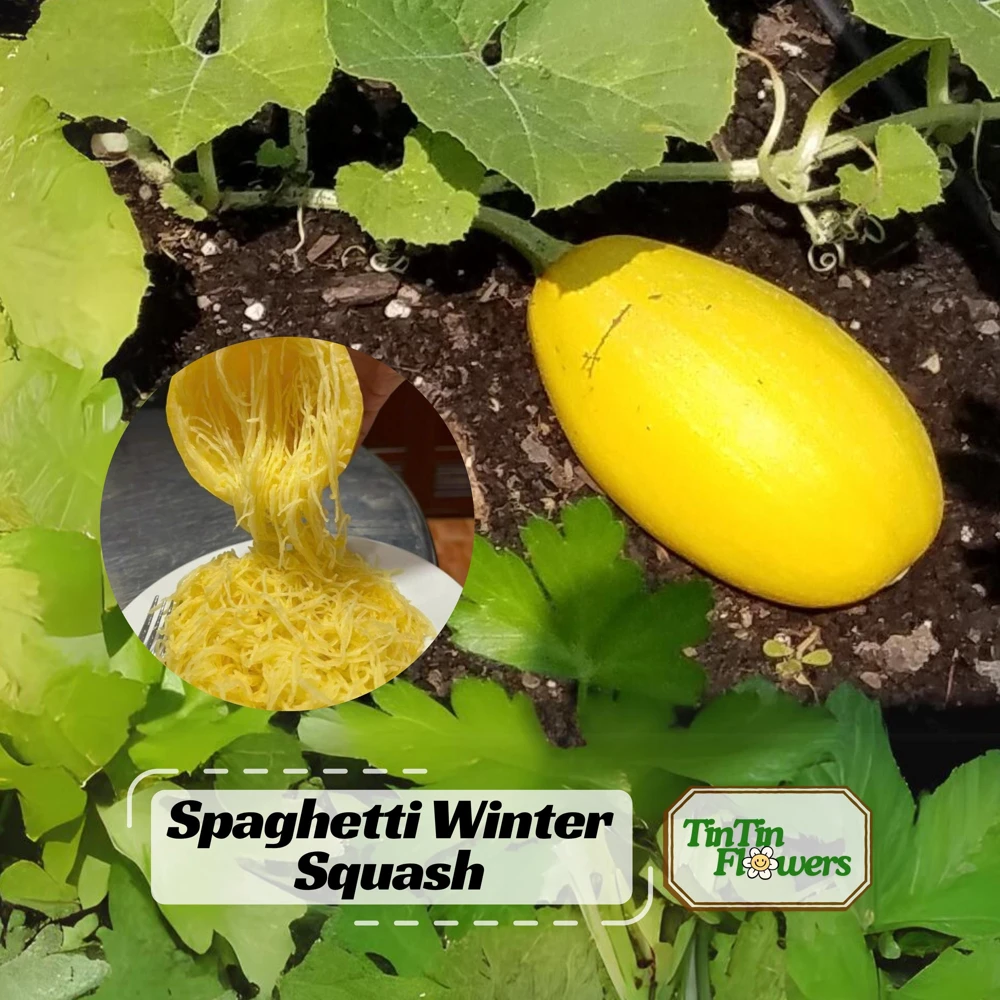
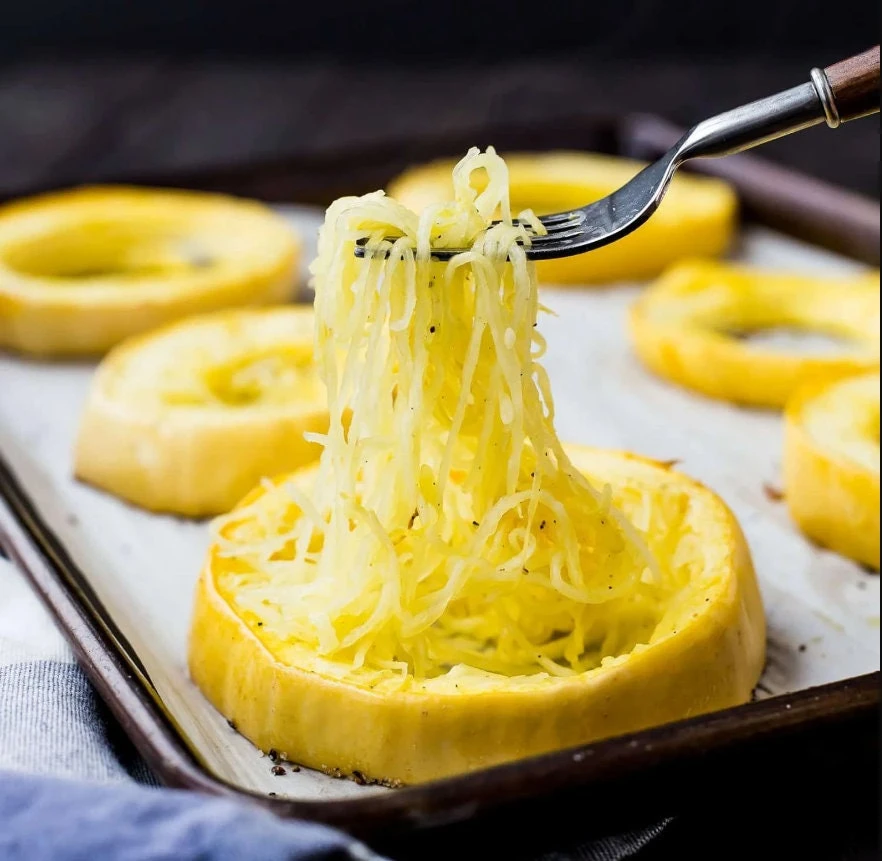
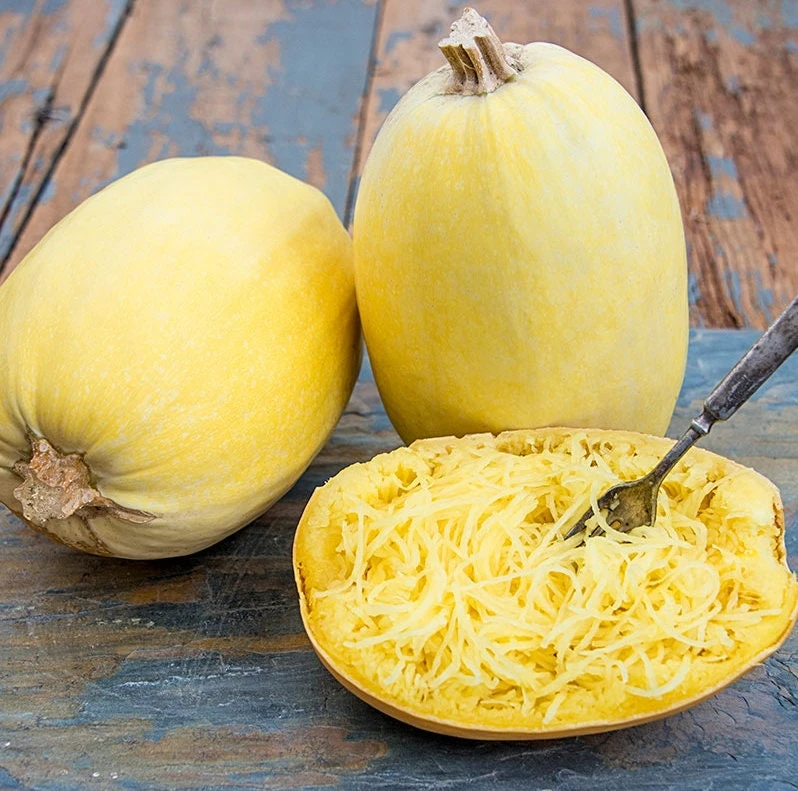
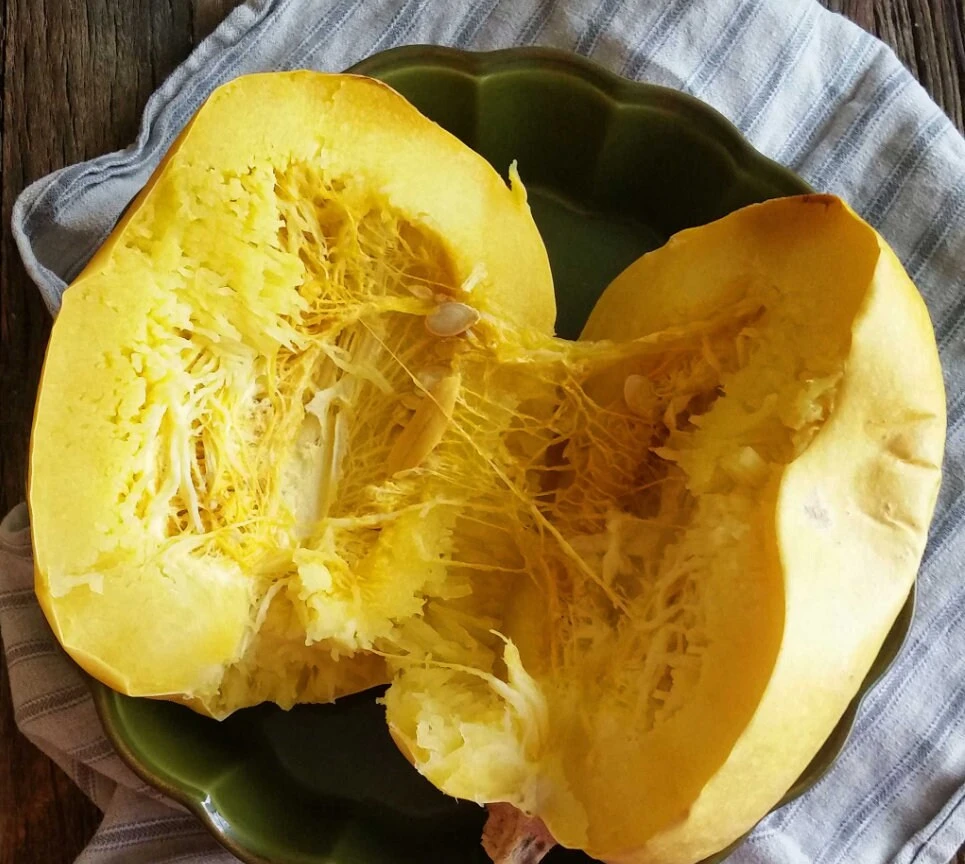
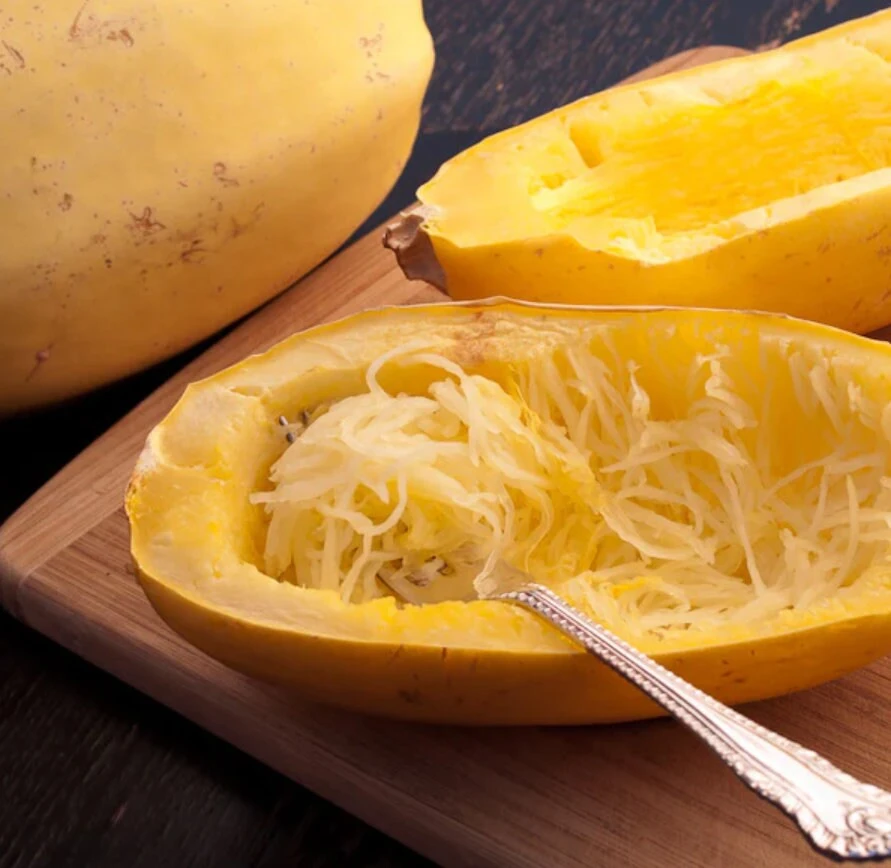
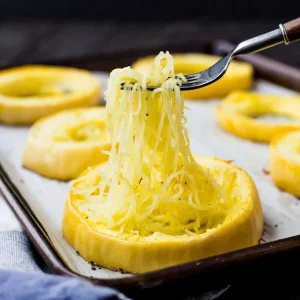
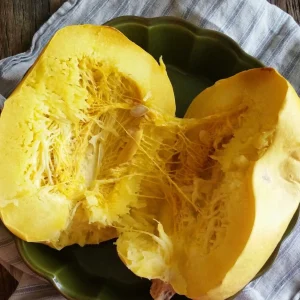
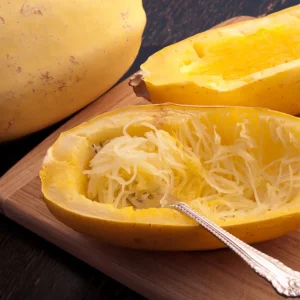
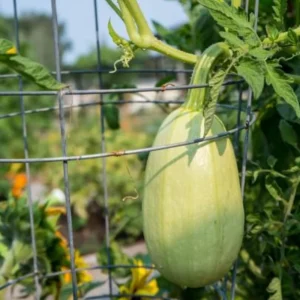
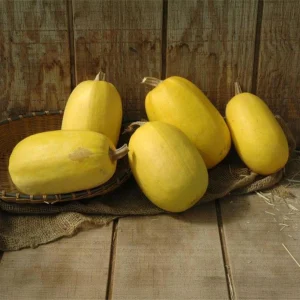
Cultivate your own flavorful spaghetti squash seeds with this pack of 25 heirloom spaghetti squash seeds. Known for its unique golden flesh that forms spaghetti-like strands when cooked, this non-GMO vegetable seeds variety is easy to grow and offers abundant harvests. Perfect for home gardens seeking a nutritious pasta alternative.
Original price was: $15.16.$7.58Current price is: $7.58.

With our Alive & Thrive Guarantee, we’ve got your back for the first 30 days! If you have any concerns about your plants, just reach out to us. Our team is here to help answer your questions and guide you in selecting the best plants for your garden, climate, and unique preferences. We're excited to help you create the garden of your dreams!
Estimated arrival
Oct 08
Oct 13 - Oct 15
Oct 18 - Oct 22

Product Details
-
USDA Hardiness Zone
unknown -
Soil type
Fertile, well-draining soil -
Sunlight Exposure
Full Sun -
Expected Planting Period
Late spring to early summer
Overview
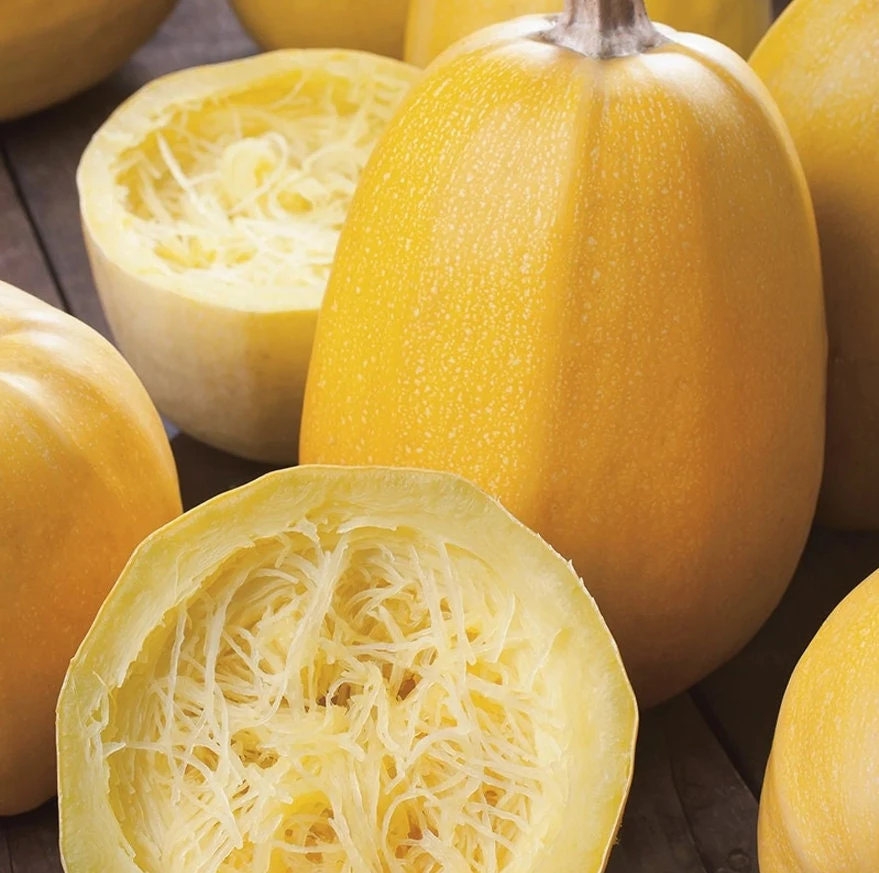
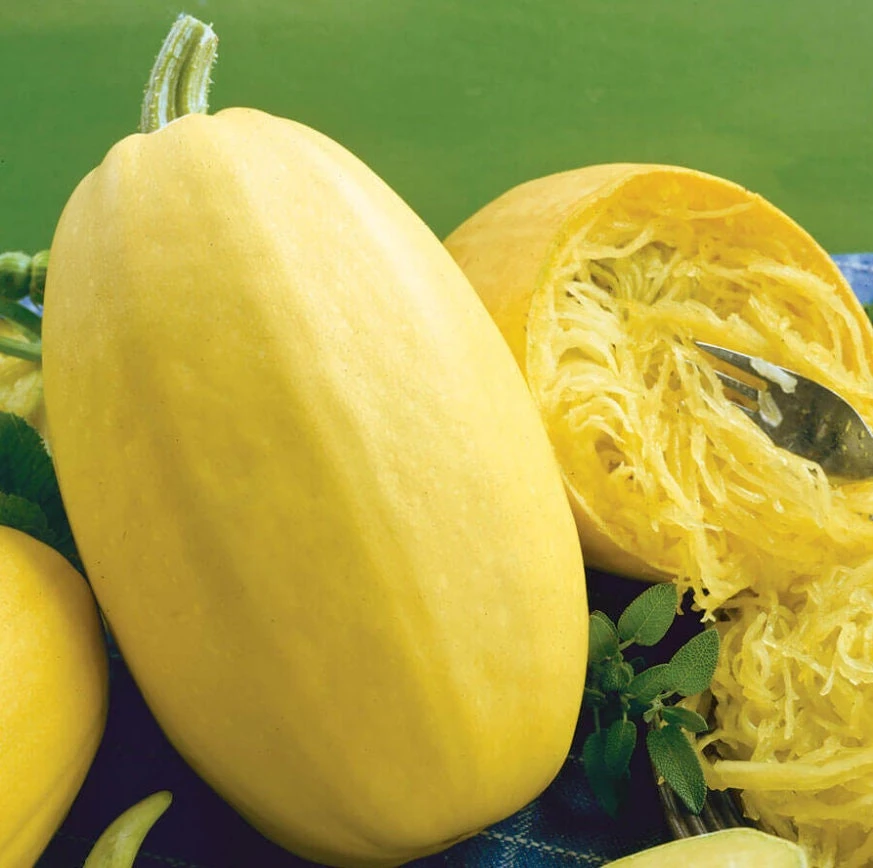
Embark on a rewarding gardening journey with our premium spaghetti squash seeds. Each pack contains 25 high-quality, heirloom, non-GMO seeds of the popular Cucurbita pepo variety. This winter squash is celebrated for its distinctive golden flesh that naturally separates into tender, spaghetti-like strands when cooked, making it a fantastic and healthy alternative to traditional pasta. These vigorous and productive plants are ideal for cultivating in home gardens, raised beds, or larger garden spaces, promising bountiful harvests. Spaghetti squash seeds are a favorite among gardeners for their ease of growth and delicious yield.
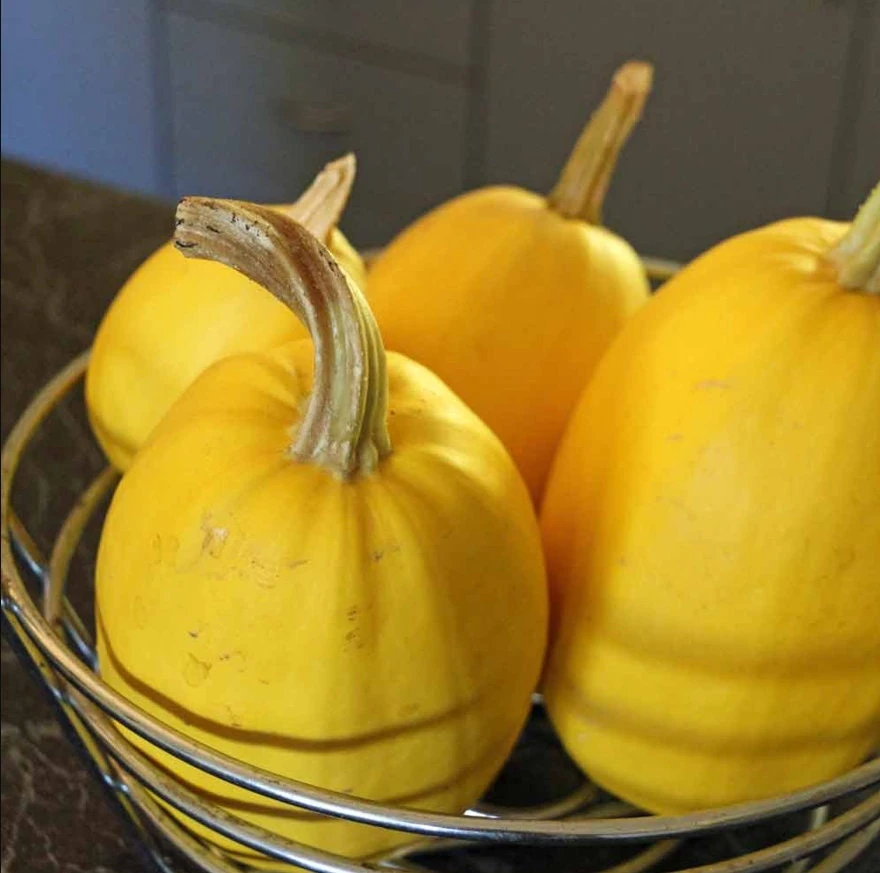
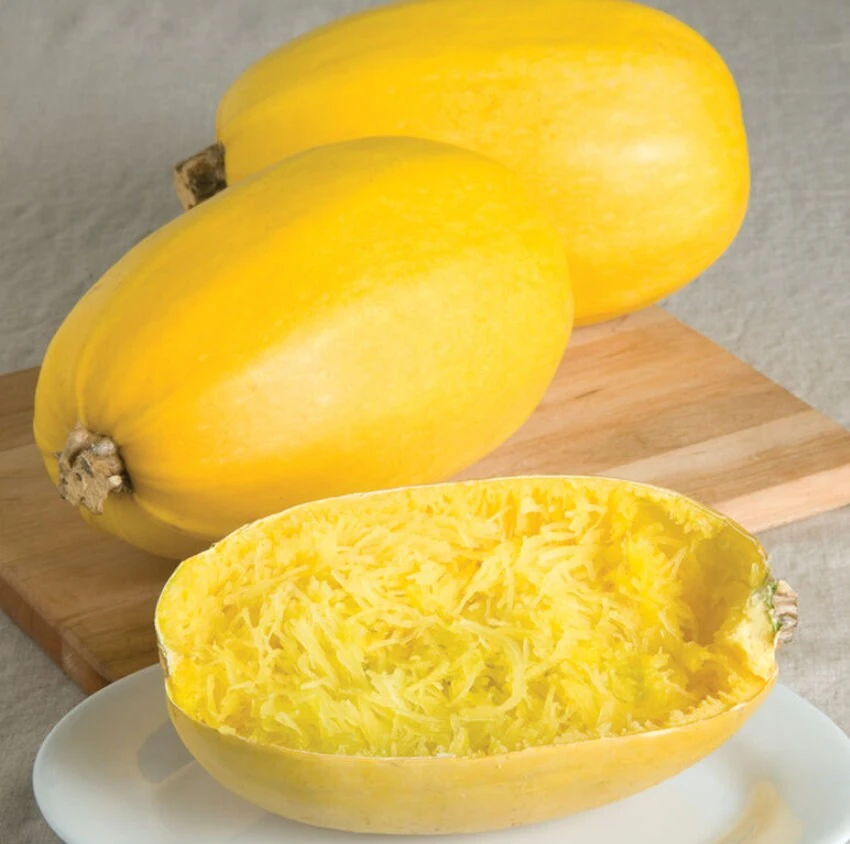
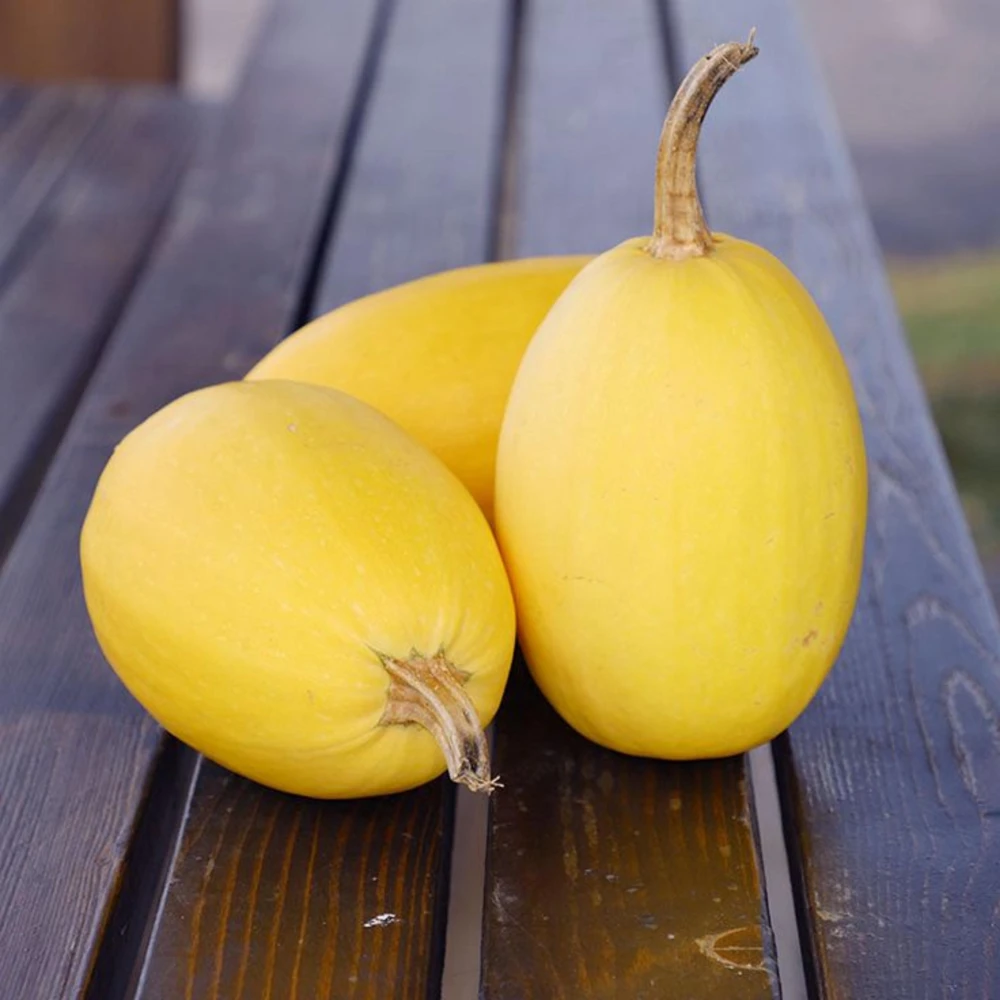
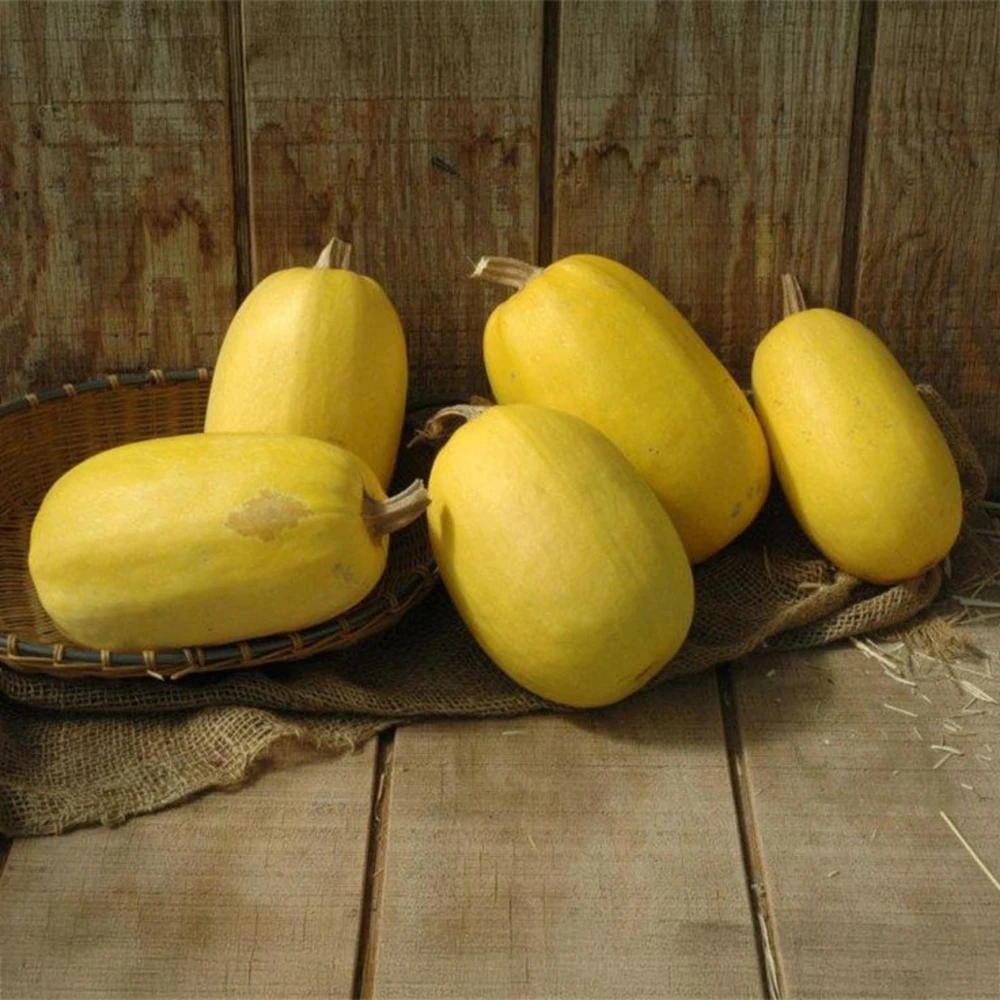
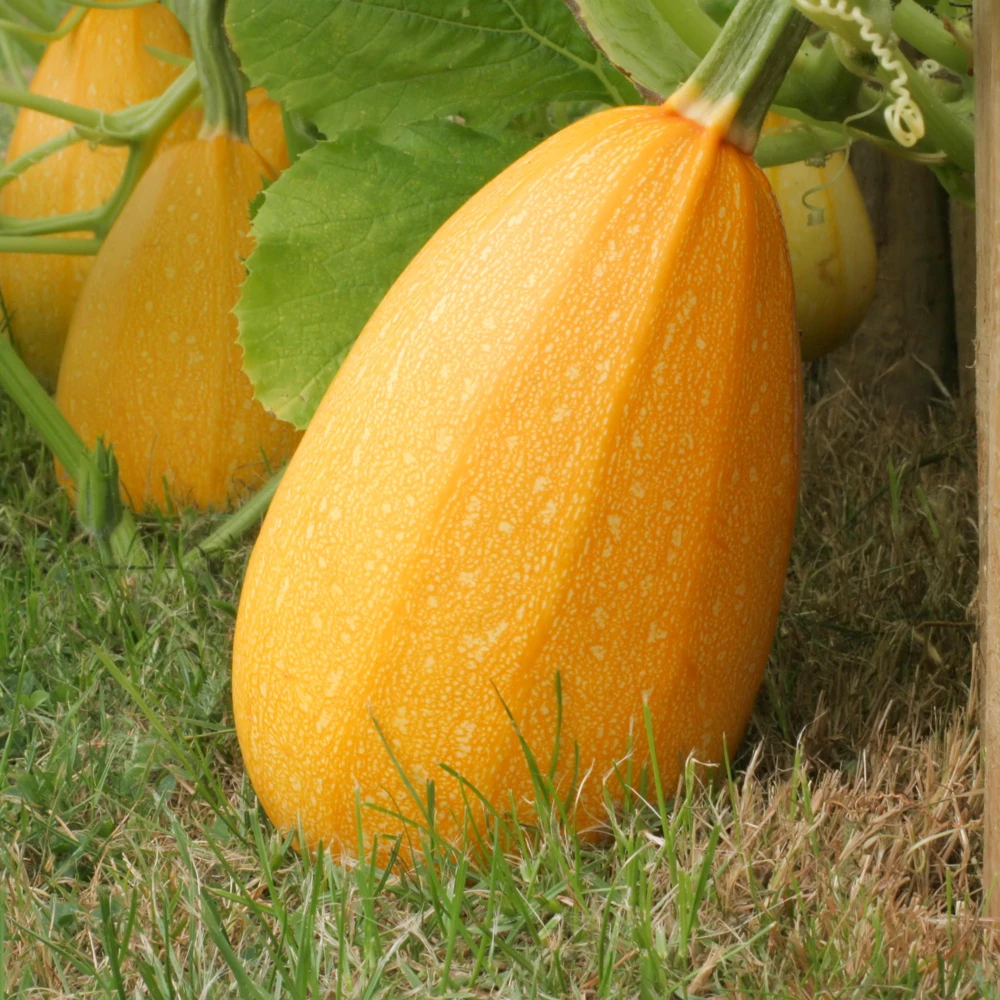
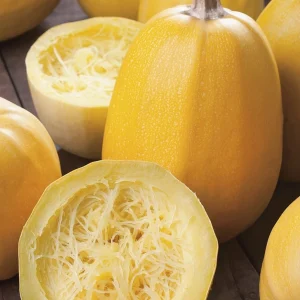
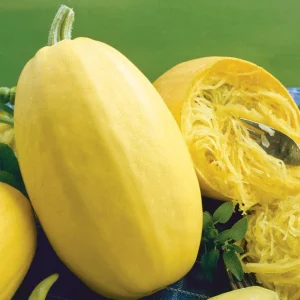
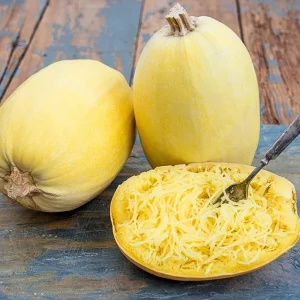
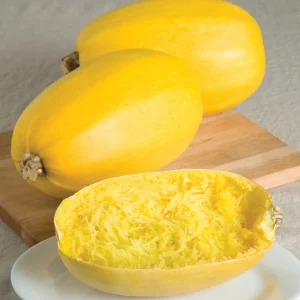
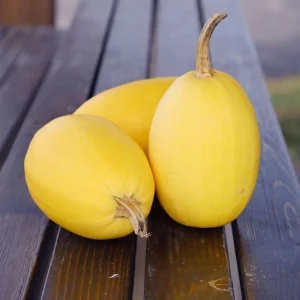
Our heirloom spaghetti squash offers a unique culinary experience, transforming into a versatile ingredient for various healthy meals. The plants produce attractive, oval yellow fruits that not only taste great but also store exceptionally well after harvest, ensuring you can enjoy your homegrown produce for an extended period. Whether you’re a seasoned gardener or just starting, these spaghetti squash seeds provide an accessible way to grow a nutritious and fun vegetable right in your backyard.
Key Benefits
Discover the many advantages of planting our spaghetti squash seeds in your garden:
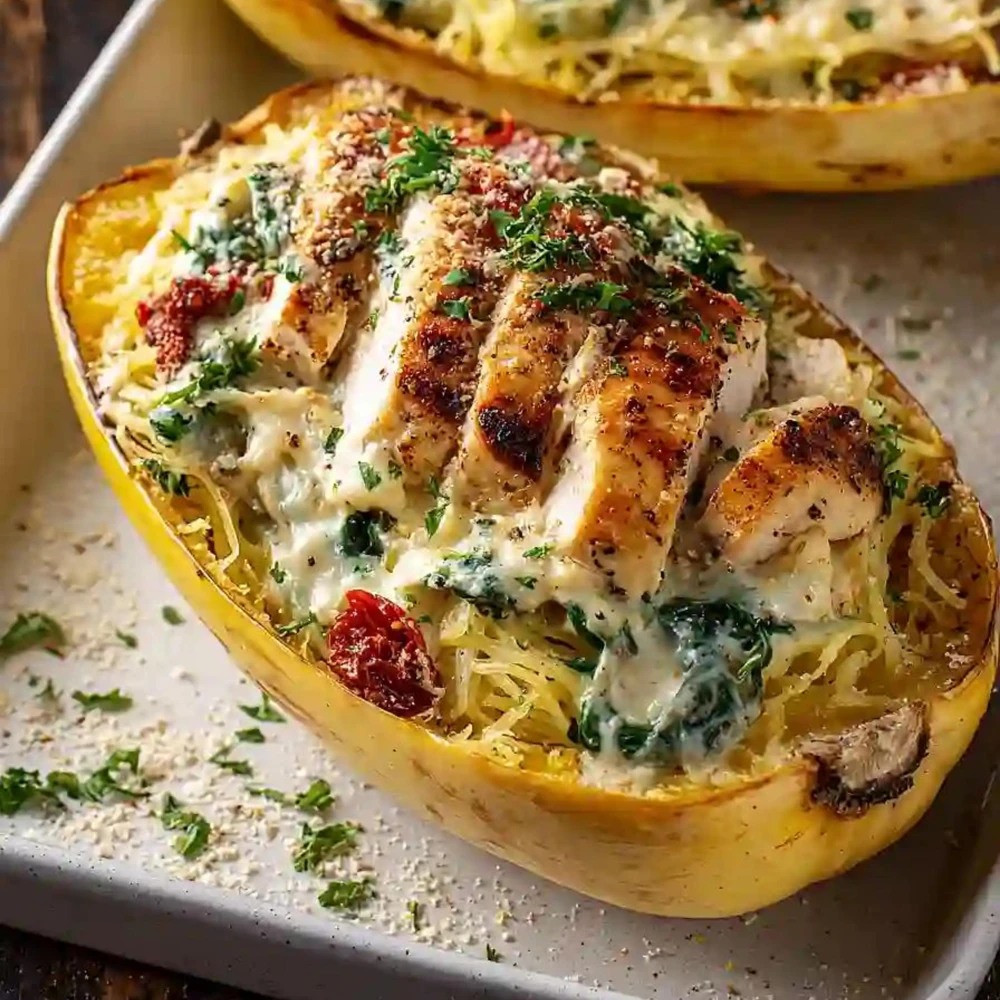
- Nutritious Pasta Alternative: Enjoy a healthier, low-carb substitute for pasta. The golden flesh forms delightful strands perfect for sauces, stir-fries, and more.
- Easy to Grow: These seeds are known for their robust growth and adaptability, making them suitable for gardeners of all experience levels. You’ll find growing spaghetti squash to be a straightforward and satisfying experience.
- Abundant Harvests: Expect a prolific yield of oval, golden-yellow fruits throughout the growing season, providing plenty for your family and friends.
- Excellent Storage Quality: The mature fruits store well for several months, allowing you to enjoy your fresh harvest long after they’ve been picked.
- Heirloom & Non-GMO: Cultivate with confidence, knowing you’re planting time-tested, genetically pure seeds that produce consistent, high-quality results. Our non-GMO vegetable seeds ensure natural goodness.
- Versatile Culinary Use: Beyond pasta, spaghetti squash can be roasted, baked, or added to casseroles, offering endless culinary possibilities.
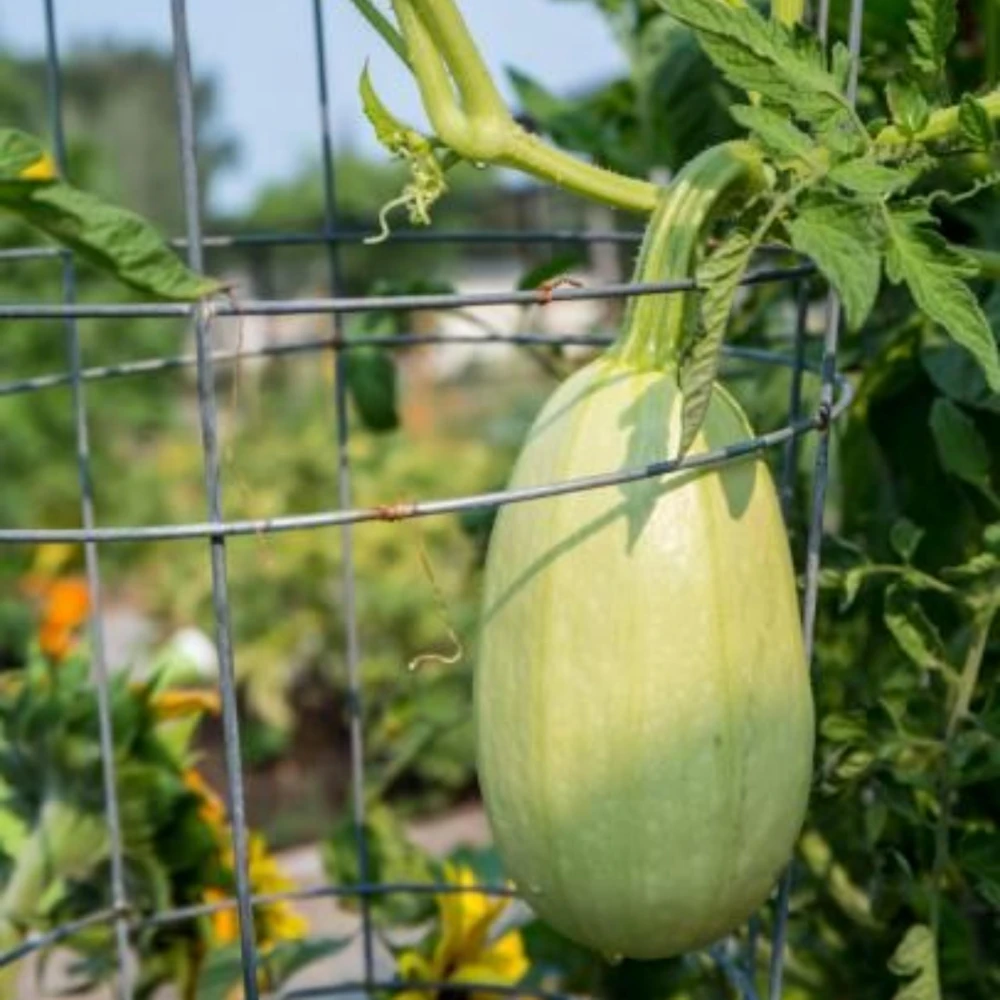
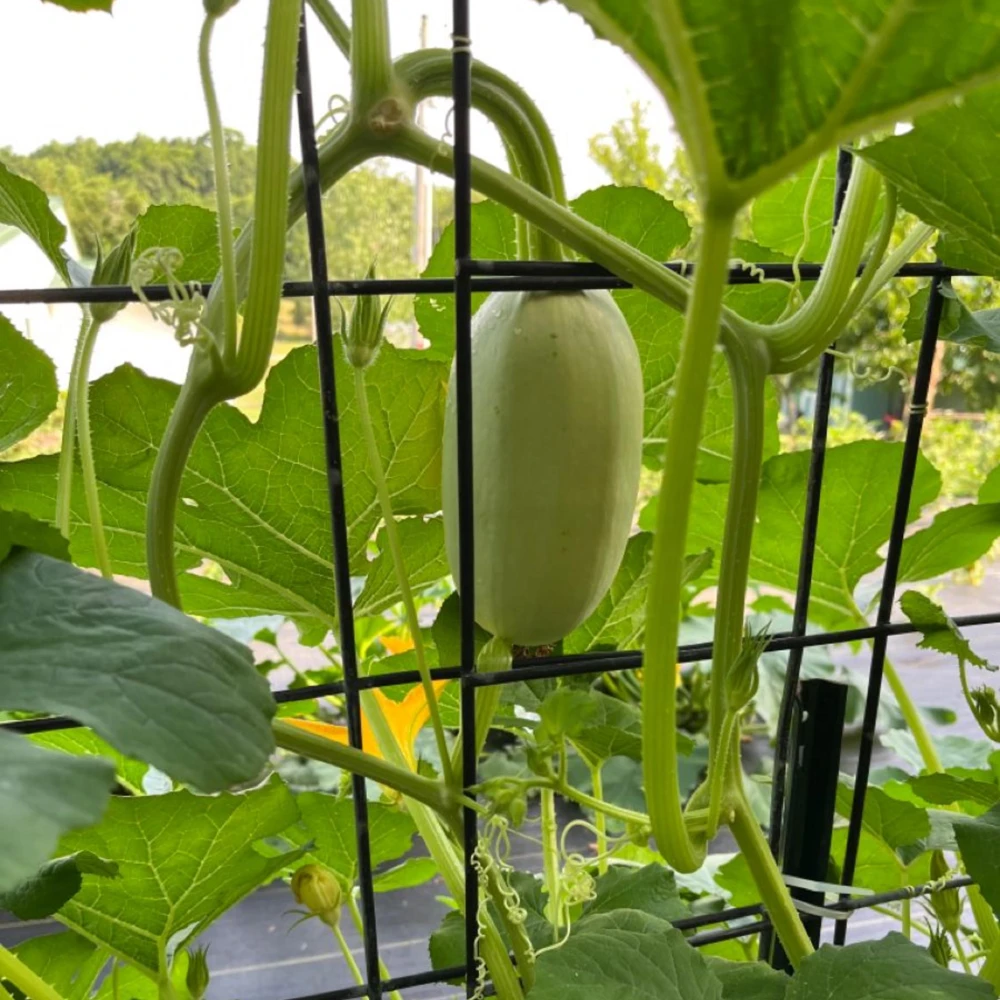
- Vigorous Vining Growth: The plants exhibit strong vining habits, covering ground effectively and producing beautiful foliage and fruits.
Plant Care & Growing Tips
Successful growing spaghetti squash begins with proper planting and consistent care. For best results, sow these spaghetti squash seeds directly into your garden after all danger of frost has passed and the soil has warmed sufficiently, typically in late spring or early summer. No special seed treatment is required, simplifying the planting process. Plant seeds approximately 1 inch (2.5 cm) deep in fertile, well-draining soil, ensuring adequate space for the sprawling vines to spread. A good rule of thumb is to allow several feet between planting spots or hills to accommodate their growth habit.
Germination typically occurs within 7–14 days when soil temperatures are consistently between 70–90°F (21–32°C). During this period, and throughout the plant’s life cycle, it’s crucial to keep the soil consistently moist but not waterlogged. Once seedlings emerge, thin them to leave the strongest plants, ensuring optimal growth and fruit development. Heirloom spaghetti squash thrives in full sun, requiring at least 6-8 hours of direct sunlight daily for vigorous vine growth and productive harvests. Regular watering is especially important during flowering and fruit set. Harvest your spaghetti squash when the rind turns a rich golden yellow and becomes firm. Allowing the fruits to fully mature on the vine will enhance their flavor and storage quality. Pest and disease management should include regular inspection and organic solutions if issues arise, maintaining the integrity of your non-GMO vegetable seeds.
Size & Details
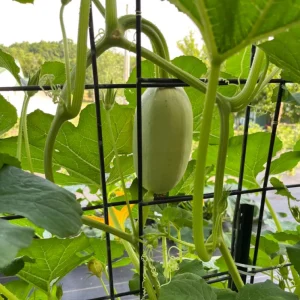
This offering includes 1 full pack containing 25 spaghetti squash seeds, providing ample opportunity for a successful harvest. Each seed promises to grow into a vigorous vining plant, producing oval, golden-yellow fruits. These fruits typically weigh between 2-4 pounds each and measure about 8-12 inches in length. The plants have a vining growth habit, meaning they will spread across the ground, requiring sufficient space or a trellis for vertical growth. From seed to harvest, you can expect a maturity period of approximately 80-100 days. The seeds are suitable for direct sowing and are shipped as dry seeds, ready for planting.
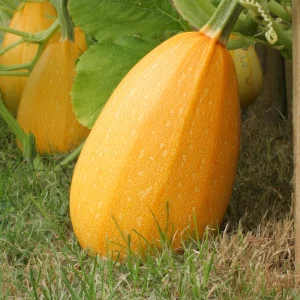
The botanical name for this variety is Cucurbita pepo, commonly known as spaghetti squash. It is an annual vegetable, meaning it completes its life cycle within one growing season. The plants require full sun exposure and are considered easy to grow, making them a perfect choice for both novice and experienced gardeners looking to try growing spaghetti squash. The golden yellow fruit color and oval shape are characteristic of this popular winter squash variety.
Frequently Asked Questions
- Q: How many spaghetti squash seeds are included in one pack? A: Each pack contains 25 high-quality seeds, providing a generous quantity for your garden.
- Q: Is this an heirloom variety? A: Yes, these are heirloom spaghetti squash seeds, ensuring genetic purity and consistent characteristics passed down through generations.
- Q: Are these seeds non-GMO? A: Absolutely. These are non-GMO vegetable seeds, guaranteeing a natural and unaltered product for your garden.
- Q: How much sun does spaghetti squash need? A: Spaghetti squash thrives in full sun, requiring at least 6-8 hours of direct sunlight per day for optimal growth and fruit production.
- Q: When is the best time for growing spaghetti squash? A: The best time to plant is after the last danger of frost has passed and the soil has warmed, typically in late spring or early summer.
- Q: How long does it take for spaghetti squash to mature? A: From planting to harvest, it generally takes about 80-100 days for the fruits to mature.
- Q: What kind of soil is best for these seeds? A: These seeds prefer fertile, well-draining soil. Amending your soil with compost can improve fertility and drainage.
- Q: How big do the fruits get? A: The oval, golden-yellow fruits typically grow to be about 8-12 inches long and weigh 2-4 pounds each.
- Q: Is spaghetti squash a vining plant? A: Yes, it has a vigorous vining growth habit, so ensure you provide ample space or support for its growth.
- Q: What is the botanical name for spaghetti squash? A: The botanical name for this variety is Cucurbita pepo.
Related products
-50%
Original price was: $51.96.$25.98Current price is: $25.98.
-50%
Original price was: $39.96.$19.98Current price is: $19.98.
-48%
Original price was: $28.99.$14.99Current price is: $14.99.
-48%
Original price was: $28.99.$14.99Current price is: $14.99.
-50%
Original price was: $15.00.$7.50Current price is: $7.50.
-50%
Original price was: $19.00.$9.50Current price is: $9.50.
-50%
Original price was: $181.98.$90.99Current price is: $90.99.
PLANTING & CARE
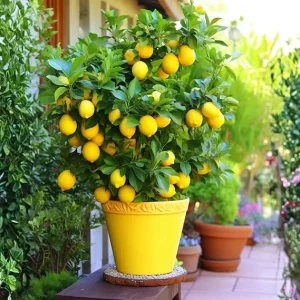
Lemon Tree Growing: Choose, Plant, and Harvest
Learn how to choose, plant, feed, and protect a lemon tree so it fits your
23
Sep
Sep
Dwarf Meyer Lemon Tree Australia: Climate Guide
Learn where dwarf Meyer lemon trees grow, how much cold they tolerate, and whether Australia,
Where to Buy a Dwarf Meyer Lemon Tree: Buyer’s Guide
Find the right dwarf Meyer lemon tree online or locally, compare starter sizes and costs,
Dwarf Meyer Lemon Tree for Sale: Buying Guide
Compare Meyer lemon tree sizes, prices, shipping limits, indoor growing and California options before you
Dwarf Meyer Lemon Tree Guide: Size, Care and Fruit
META: Learn how large a dwarf Meyer lemon tree grows, where it thrives, and how
How to Prune a Dwarf Meyer Lemon Tree
Learn when and how to prune a dwarf Meyer lemon tree, including tools, shaping cuts,
Can You Grow a Dwarf Meyer Lemon Tree in a Pot?
META: Learn how to grow a dwarf Meyer lemon tree in a pot, including container
When Do Dwarf Meyer Lemon Trees Bloom and Fruit?
META: Dwarf Meyer lemon trees usually bloom from winter through spring and may flower again