Spicebush Live Plant Lindera Benzoin 18-24″ Quart Pot – Outdoor Shrub
-10%
Spicebush Live Plant Lindera Benzoin 18-24″ Quart Pot – Outdoor Shrub
Enhance your garden with a beautiful spicebush live plant (Lindera benzoin). This 18-24 inch deciduous shrub arrives in a quart pot, ready to bring fragrant yellow-green blooms and attract butterflies. Ideal for full to partial shade, it’s a low-maintenance addition to any landscape.
Original price was: $32.00.$28.80Current price is: $28.80.

With our Alive & Thrive Guarantee, we’ve got your back for the first 30 days! If you have any concerns about your plants, just reach out to us. Our team is here to help answer your questions and guide you in selecting the best plants for your garden, climate, and unique preferences. We're excited to help you create the garden of your dreams!
Estimated arrival
Oct 14
Oct 19 - Oct 21
Oct 24 - Oct 28
Product Details
-
USDA Hardiness Zone
4-9 -
Soil type
Well-draining soil -
Sunlight Exposure
Full to partial shade -
Expected Planting Period
Spring to Fall
Overview
Introduce a touch of natural elegance and ecological benefit to your landscape with the spicebush live plant (Lindera benzoin). This remarkable deciduous shrub is celebrated for its early spring bloom, vibrant foliage, and its significant role as a host plant for swallowtail butterflies. Growing 18-24 inches tall and shipped in a quart pot, this young spicebush live plant is ready to establish itself in your garden, promising years of beauty and wildlife attraction. Known for its pleasant, spicy fragrance when its leaves or twigs are crushed, the Spicebush offers a multi-sensory experience throughout the seasons. Its common name, Spicebush, accurately reflects the aromatic qualities of this versatile plant, making it a delightful addition to any outdoor space.
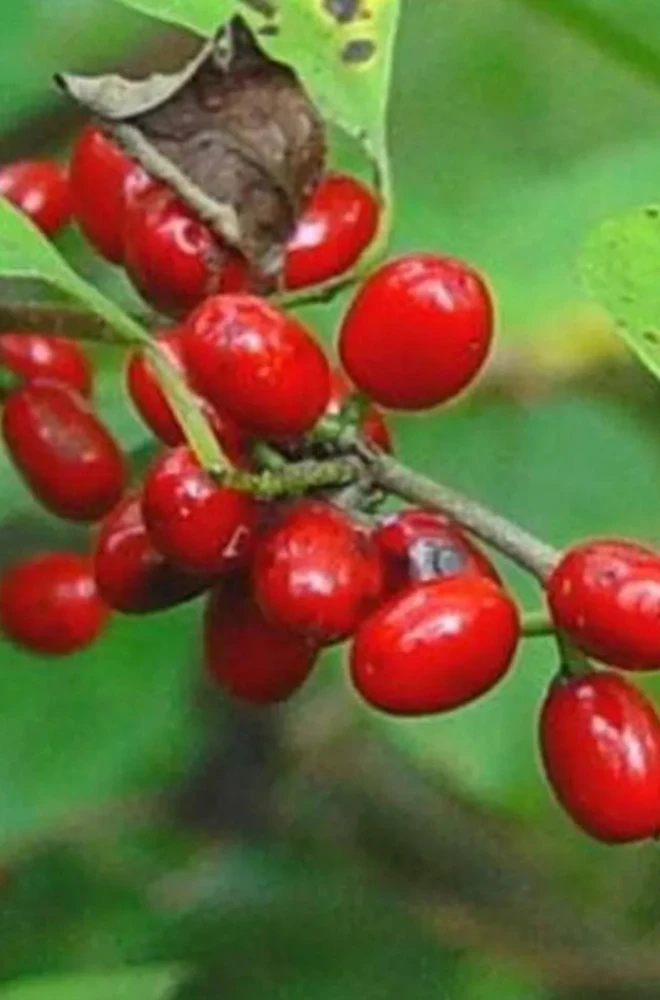
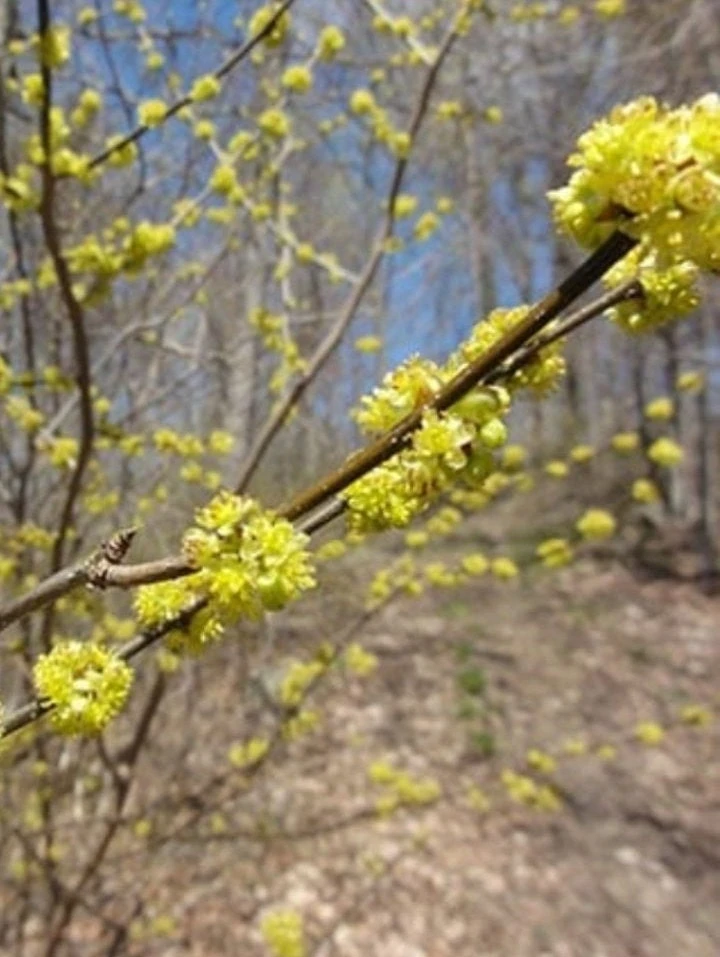
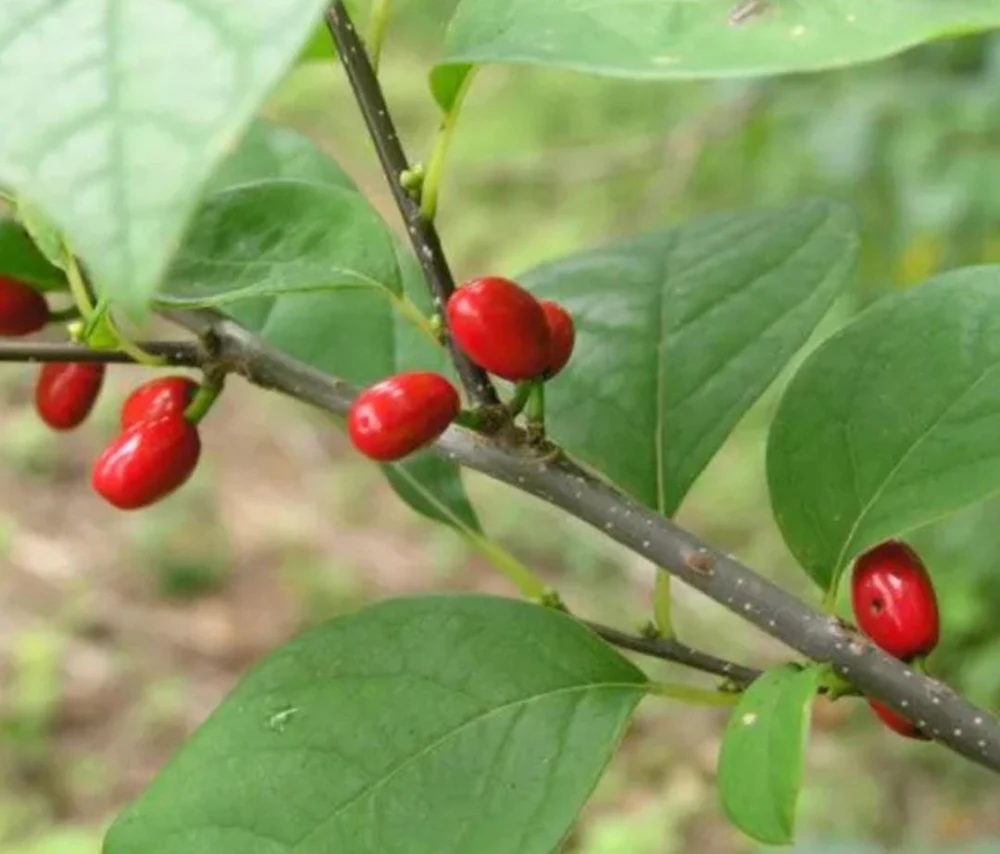
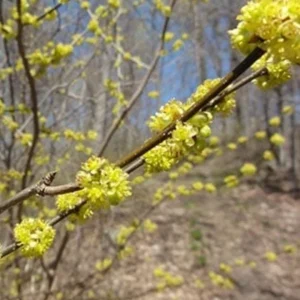
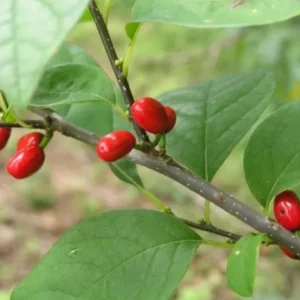
The Lindera benzoin, commonly known as Spicebush, is native to eastern North America and is a hardy, adaptable shrub. It thrives in various conditions, making it a fantastic choice for both novice and experienced gardeners. Its yellow-green, fragrant flowers emerge before the leaves in early spring, providing a crucial early nectar source for pollinators. As the season progresses, the plant develops bright red berries, which are an important food source for birds. This lindera benzoin shrub is more than just an ornamental plant; it’s a living ecosystem component that supports local wildlife while adding aesthetic value to your garden.
Key Benefits
The spicebush live plant offers a multitude of benefits, making it an excellent choice for a wide range of garden designs and ecological purposes. Its unique characteristics provide both visual appeal and environmental advantages, ensuring it’s a valuable investment for your outdoor space.
- Attracts Pollinators and Wildlife: The early spring flowers are a vital nectar source for early emerging pollinators, and the berries provide essential food for birds in the fall. It’s also a host plant for Spicebush Swallowtail butterfly caterpillars, supporting local biodiversity.
- Fragrant Blooms and Foliage: Enjoy the subtle, spicy fragrance emitted by its yellow-green flowers in spring and from its leaves and twigs when brushed or crushed. This aromatic quality adds another dimension to your garden experience, making the fragrant spicebush a true delight.
- Low Maintenance: Once established, the Spicebush requires minimal care, making it an ideal choice for gardeners seeking beautiful, resilient plants without extensive upkeep. It tolerates a range of soil types and light conditions.
- Versatile Landscaping Use: Perfect for naturalized areas, woodland gardens, hedgerows, or as a specimen plant, the landscaping spicebush adapts well to various garden settings. Its graceful form and seasonal interest enhance any design.
- Seasonal Interest: From fragrant spring flowers to vibrant green summer foliage and bright red fall berries, the Spicebush offers continuous visual appeal throughout the year, culminating in a beautiful golden-yellow fall color.
- Adaptable to Shade: Unlike many flowering shrubs, Spicebush performs exceptionally well in partial to full shade, making it a valuable plant for shadier garden spots where other plants might struggle.
- Hardy and Resilient: Known for its robustness, this lindera benzoin shrub is cold hardy in USDA Zones 4-9 and resistant to most pests and diseases, ensuring a healthy and long-lived addition to your garden.
Plant Care & Growing Tips
Caring for your spicebush live plant is relatively straightforward, as it is a resilient and adaptable shrub. Understanding its basic needs will ensure healthy growth and abundant seasonal interest. This deciduous shrub thrives in a variety of conditions, making it a forgiving choice for many gardeners.
For optimal growth, the lindera benzoin shrub prefers full sun to partial shade. In hotter climates, some afternoon shade can prevent leaf scorch, while in cooler regions, more sun will encourage denser growth and more prolific fruiting. It’s well-suited to woodland edges or under taller deciduous trees where it receives dappled sunlight. Regarding watering, the Spicebush prefers consistently moist, well-draining soil. While it can tolerate some drought once established, regular watering during dry spells, especially in its first few years, will promote stronger root development. Avoid waterlogged conditions, as this can lead to root rot. A layer of mulch around the base of the plant can help retain soil moisture and regulate soil temperature.
The fragrant spicebush is adaptable to a wide range of soil types, including clay, loam, and sandy soils, as long as they are well-draining. It prefers slightly acidic to neutral pH levels. Fertilization is generally not necessary in rich garden soils. If your soil is poor, a balanced, slow-release granular fertilizer applied in early spring can be beneficial. Pruning is best done in late winter or early spring while the plant is dormant. Remove any dead, damaged, or crossing branches to maintain a healthy structure. You can also prune to shape the plant or control its size. The Spicebush is generally pest and disease resistant, making it a low-maintenance addition to your garden. Ensure good air circulation and avoid overhead watering to minimize any potential fungal issues.
Size & Details
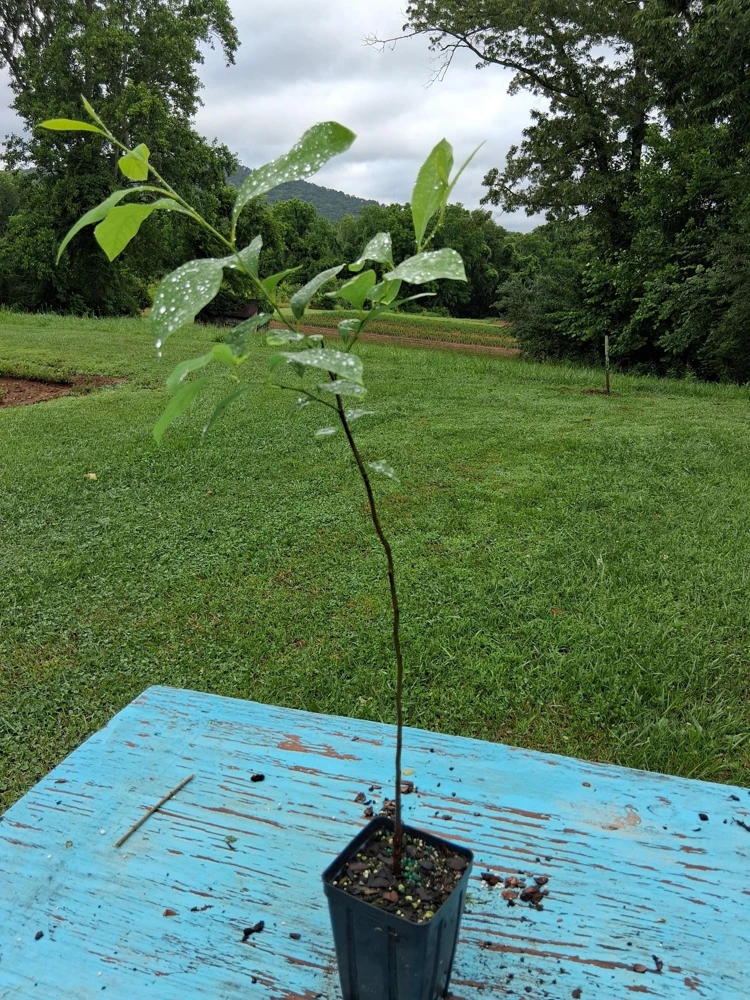
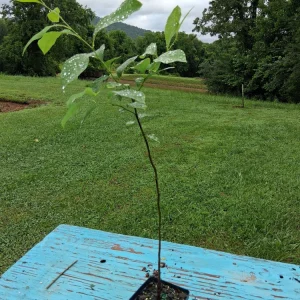
This spicebush live plant arrives as a healthy, young specimen, typically measuring 18-24 inches in height. It is grown and shipped in a quart-sized pot, providing a well-established root system ready for transplanting into your garden. At maturity, the Spicebush (Lindera benzoin) will develop into a substantial deciduous shrub, reaching a height and width of 6-12 feet. Its growth rate is moderate, allowing you to enjoy its development over several seasons. The plant’s mature size makes it an excellent choice for a hedge, a specimen plant, or as part of a mixed border, contributing significantly to the landscape. Its natural, rounded form adds a soft texture to any garden design.
The landscaping spicebush is a long-lived plant, offering decades of beauty and ecological benefits. It will begin to produce its characteristic fragrant yellow-green blooms in early spring, followed by vibrant red berries in the late summer and fall. The berries are particularly attractive to birds. This plant ships dormant between October and April, ensuring it establishes well when planted in its new home. Planting instructions are included to guide you through the process, ensuring a successful transition for your new shrub.
Frequently Asked Questions
- Q: How big does this spicebush live plant get? A: This spicebush live plant typically arrives 18-24 inches tall. At maturity, it can reach a height and width of 6-12 feet, creating a substantial and attractive shrub in your landscape.
- Q: Is this an indoor or outdoor plant? A: The lindera benzoin shrub is an outdoor deciduous shrub, hardy in USDA Zones 4-9. It is not suitable for indoor cultivation and thrives best when planted directly in the garden.
- Q: How much sunlight does it need? A: Spicebush prefers full sun to partial shade. It performs well in shadier spots, making it a versatile choice for various garden exposures, especially in areas with hot afternoon sun.
- Q: Is this plant easy to care for? A: Yes, the fragrant spicebush is considered a low-maintenance plant once established. It’s adaptable to different soil types and light conditions, making it an excellent choice for gardeners of all experience levels.
- Q: What condition will it arrive in? A: Your spicebush live plant will arrive well-packaged in a quart pot, with its root system intact. If shipped during its dormant period (October-April), it will appear without leaves, which is normal.
- Q: When is the best time to plant a spicebush? A: The best time to plant Spicebush is in spring or fall. If you receive your plant dormant, it’s ideal to plant it as soon as the ground is workable after the last frost.
- Q: Will it survive winter in my zone? A: The landscaping spicebush is cold hardy in USDA Zones 4-9, meaning it is well-equipped to survive typical winter conditions within these zones. It is a deciduous plant and will lose its leaves in colder months.
Related products
-30%
Original price was: $73.98.$51.78Current price is: $51.78.

-50%
Original price was: $59.98.$29.99Current price is: $29.99.
-50%

Original price was: $133.98.$66.99Current price is: $66.99.
-50%
Original price was: $49.98.$24.99Current price is: $24.99.
-43%
Original price was: $89.99.$50.99Current price is: $50.99.
PLANTING & CARE
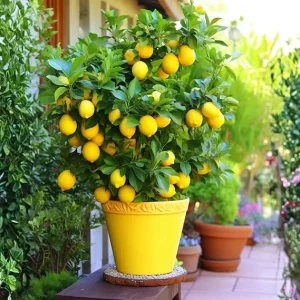
Lemon Tree Growing: Choose, Plant, and Harvest
Learn how to choose, plant, feed, and protect a lemon tree so it fits your
23
Sep
Sep
Dwarf Meyer Lemon Tree Australia: Climate Guide
Learn where dwarf Meyer lemon trees grow, how much cold they tolerate, and whether Australia,
Where to Buy a Dwarf Meyer Lemon Tree: Buyer’s Guide
Find the right dwarf Meyer lemon tree online or locally, compare starter sizes and costs,
Dwarf Meyer Lemon Tree for Sale: Buying Guide
Compare Meyer lemon tree sizes, prices, shipping limits, indoor growing and California options before you
Dwarf Meyer Lemon Tree Guide: Size, Care and Fruit
META: Learn how large a dwarf Meyer lemon tree grows, where it thrives, and how
How to Prune a Dwarf Meyer Lemon Tree
Learn when and how to prune a dwarf Meyer lemon tree, including tools, shaping cuts,
Can You Grow a Dwarf Meyer Lemon Tree in a Pot?
META: Learn how to grow a dwarf Meyer lemon tree in a pot, including container
When Do Dwarf Meyer Lemon Trees Bloom and Fruit?
META: Dwarf Meyer lemon trees usually bloom from winter through spring and may flower again