5 Tennessee Ostrich Fern Bareroot: Native Perennial Green Fronds
-10%
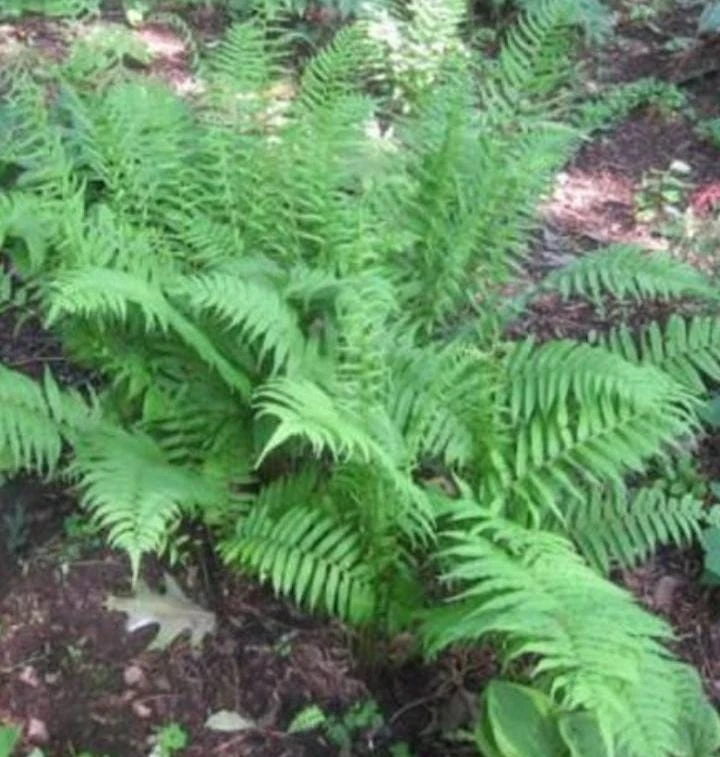
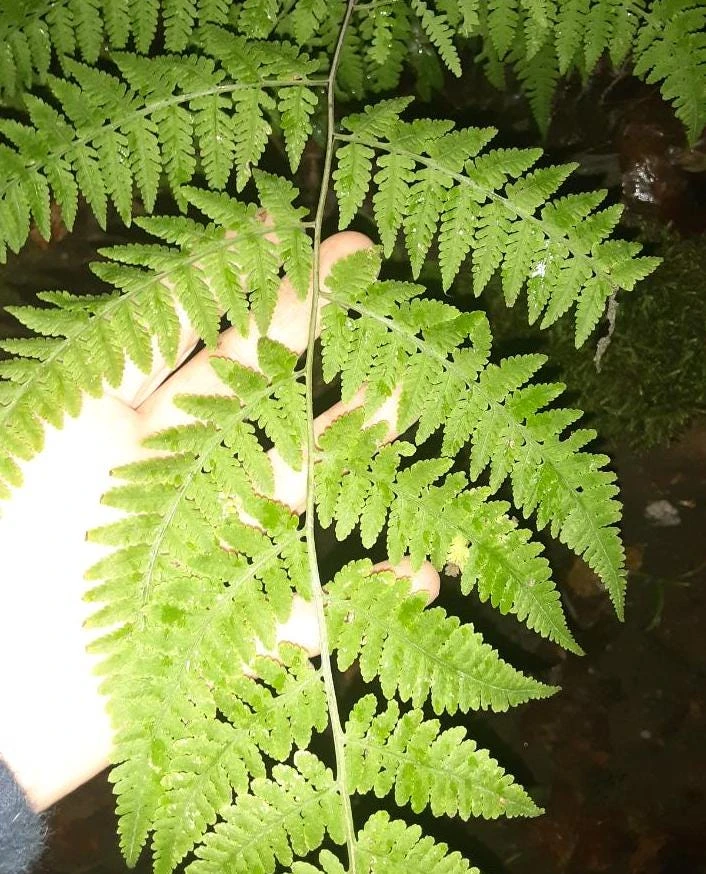
5 Tennessee Ostrich Fern Bareroot: Native Perennial Green Fronds
Original price was: $35.00.$31.50Current price is: $31.50.

With our Alive & Thrive Guarantee, we’ve got your back for the first 30 days! If you have any concerns about your plants, just reach out to us. Our team is here to help answer your questions and guide you in selecting the best plants for your garden, climate, and unique preferences. We're excited to help you create the garden of your dreams!
Estimated arrival
Oct 17
Oct 22 - Oct 24
Oct 27 - Oct 31


Product Details
“`json { “meta_title”: “5 Ostrich Fern Bareroot: Native Perennial Fern for Moist Areas”, “google_title”: “5 Ostrich Fern Bareroot – Native Perennial Green Fronds – Zones 4-8”, “meta_description”: “Enhance your garden with 5 Ostrich Fern bareroots. This native perennial fern thrives in moist, shady areas, perfect for woodland gardens.”, “meta_focus_keyword”: “ostrich fern bareroot, native fern plants, perennial ferns for shade, moist soil ferns, Matteuccia struthiopteris”, “categories”: “Grasses”, “google_product_category_path”: “Home & Garden> Plants> Indoor & Outdoor Plants> Landscaping & Garden Plants”, “google_product_category_id”: “unknown”, “short_description”: “
Introduce natural beauty to your landscape with this pack of 5 Ostrich Fern bareroot plants. These native perennial ferns feature elegant, green fronds resembling ostrich feathers, perfect for moist, shady garden spots.
“, “long_description”: “
Overview
n
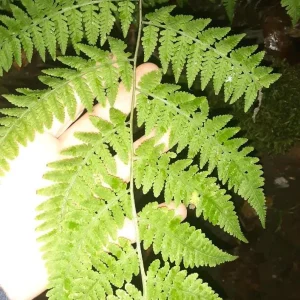
Transform your garden with the lush, architectural beauty of the ostrich fern bareroot. This offering includes five bare-root plants of the magnificent Ostrich Fern (Matteuccia struthiopteris), a striking native perennial known for its distinctive, plume-like fronds. Often found flourishing along riverbanks, creeks, lakes, and ponds, the Ostrich Fern is an ideal choice for naturalizing damp areas in your landscape. Its elegant, green foliage adds a touch of woodland charm and tranquility, creating a serene environment. These bare-root plants are an economical and effective way to establish a robust stand of ferns, providing years of natural beauty with proper care.
n
The Ostrich Fern is celebrated for its graceful appearance, with fronds that indeed resemble the soft, feathery plumes of an ostrich. It is a deciduous fern, meaning its fronds will die back in winter, only to re-emerge with renewed vigor in the spring. This plant is a true gem for gardeners seeking to cultivate a woodland aesthetic or to simply add a resilient and beautiful native plant to their collection. It’s particularly well-suited for shaded borders, bog gardens, or any location where the soil remains consistently moist.
n
Key Benefits
n
Adding the ostrich fern bareroot to your garden offers a multitude of advantages, enhancing both the beauty and ecological value of your outdoor space.
n
- n
- Exceptional Aesthetic Appeal: The unique, feathery fronds of the Ostrich Fern provide a dramatic and elegant texture to any garden. Its vibrant green color remains striking throughout the growing season, creating a focal point in shady areas.
- Native Plant Benefits: As a native fern plant, it is perfectly adapted to local ecosystems, requiring less intervention once established and supporting local wildlife. It contributes to biodiversity and helps create a balanced garden environment.
- Thrives in Moist Conditions: Unlike many plants, the Ostrich Fern absolutely loves consistently moist to damp soil, making it perfect for those challenging wet spots in your garden where other plants struggle. It’s an excellent choice for waterside plantings or rain gardens.
- Low Maintenance Perennial: Once established, these perennial ferns for shade are remarkably low maintenance. They are resilient and generally pest-free, allowing you to enjoy their beauty without constant fuss.
- Naturalizing Groundcover: The Ostrich Fern spreads gently by rhizomes, forming colonies over time. This makes it an excellent choice for naturalizing large shady areas, providing beautiful groundcover and suppressing weeds.
- Winter Interest (Fiddleheads): In early spring, the emerging fronds (known as fiddleheads) are a culinary delicacy in some regions, offering a unique seasonal harvest for adventurous gardeners.
- Erosion Control: Its spreading root system can help stabilize soil in sloped or riverside areas, contributing to erosion control.
n
n
n
n
n
n
n
Plant Care & Growing Tips
n
Growing a healthy ostrich fern bareroot is relatively straightforward, especially when its specific needs are met. These ferns thrive in conditions that mimic their natural habitat: cool, moist, and shady woodlands. For optimal growth, plant your bare roots in early spring or late fall when the soil is workable but temperatures are moderate. Dig a hole wide enough to spread the roots comfortably and deep enough so the crown of the plant is at soil level. Backfill with soil, gently firming it around the roots, and water thoroughly.
n
Sunlight Requirements: Ostrich Ferns prefer partial to full shade. While they can tolerate a little morning sun, direct afternoon sun will scorch their delicate fronds, leading to browning and stress. The ideal location is under the canopy of deciduous trees or on the north side of a building, where they receive dappled light or consistent shade throughout the day. This helps maintain the cool, humid conditions they love.
n
Watering & Soil Moisture: These ferns are known for being moist soil ferns, requiring consistently damp, but not waterlogged, conditions. The soil should never be allowed to dry out completely. Regular watering, especially during dry spells and in their first year of establishment, is crucial. Aim to keep the soil evenly moist, but ensure good drainage to prevent root rot. Mulching around the base of the plants can help retain soil moisture and regulate temperature.
n
Soil Type & Drainage: Ostrich Ferns prefer rich, organic, and well-draining soil. A loamy soil with a slightly acidic to neutral pH (6.0-7.0) is ideal. Amending heavy clay soils with compost or other organic matter will improve drainage and aeration, while sandy soils will benefit from organic matter to enhance water retention. Good drainage is important to prevent waterlogging, even though they prefer moist conditions.
n
Temperature & USDA Hardiness Zones: These resilient ferns are cold hardy, thriving in USDA Zones 3-7. They can tolerate a wide range of temperatures within these zones but appreciate cooler summers. In warmer zones (8 and above), they may struggle with intense heat and humidity, requiring even more consistent moisture and deeper shade to survive. In fall, the fronds will turn brown and die back, preparing for winter dormancy, a natural part of the Matteuccia struthiopteris life cycle.
n
Fertilization: Ostrich Ferns are not heavy feeders. If planted in rich, organic soil, they may not require regular fertilization. However, a light application of a balanced, slow-release granular fertilizer or a top-dressing of compost in early spring can promote vigorous growth. Avoid over-fertilizing, which can lead to lush but weak growth.
n
Common Problems: Generally, Ostrich Ferns are quite disease and pest resistant. The most common issues arise from improper growing conditions, such as too much sun (leading to burned fronds) or insufficient moisture (causing wilting). Slugs and snails can occasionally be a minor nuisance, especially on new growth. Proper spacing and good air circulation can help prevent fungal issues in very humid environments.
n
Size & Details
n
This offering includes 5 Ostrich Fern bareroot plants, ready for planting upon arrival. When mature, Ostrich Ferns are impressive specimens, typically reaching a height of 3 to 6 feet (or even taller in ideal conditions) with a spread of 2 to 3 feet per plant. They grow at a moderate to fast rate, quickly filling in suitable spaces. These ferns are shipped as dormant bare roots, which allows for easy handling and planting, minimizing transplant shock. Each bare root contains the crown and root system, ready to sprout new fronds in the spring. Expect to see healthy new growth within a few weeks of planting, with the plants establishing well within their first growing season. They will gradually form colonies through underground rhizomes, creating a dense and beautiful display over time.
n
Frequently Asked Questions
n
- n
- Q: How big does this plant get? A: The ostrich fern bareroot can grow quite large, typically reaching heights of 3 to 6 feet at maturity, with a spread of 2 to 3 feet per plant. They will gradually form colonies, filling in spaces over time.
- Q: Is this an indoor or outdoor plant? A: The Ostrich Fern is an outdoor perennial plant, best suited for gardens, woodland areas, or shaded landscapes. It is not typically grown as an indoor houseplant due to its size and specific light and moisture requirements.
- Q: How much sunlight does it need? A: This fern thrives in partial to full shade. It prefers dappled light or consistent shade throughout the day and should be protected from harsh afternoon sun, which can scorch its fronds.
- Q: Is this plant easy to care for? A: Yes, Ostrich Ferns are relatively easy to care for once established, especially if their preferred moist, shady conditions are met. They are low maintenance and generally resistant to pests and diseases, making them excellent perennial ferns for shade.
- Q: What condition will it arrive in? A: Your order will arrive as 5 Ostrich Fern bareroot plants. These are dormant plants without foliage, consisting of the crown and root system, ready for planting.
- Q: How long until it establishes and shows growth? A: With proper planting and consistent moisture, you can expect to see new fronds emerging from your ostrich fern bareroot within a few weeks to a month after planting, especially if planted in spring. Full establishment usually occurs within the first growing season.
- Q: Will it survive winter in my zone? A: Yes, Ostrich Ferns are very cold hardy and are suitable for USDA Zones 3-7. They are deciduous, meaning their fronds will die back in winter, but the plant will return vigorously in the spring.
- Q: Can I use the fiddleheads from this fern? A: Yes, the young, coiled fronds (fiddleheads) of the Ostrich Fern (Matteuccia struthiopteris) are edible and considered a delicacy. They should be harvested when young and tightly coiled, and properly cooked before consumption.
- Q: What kind of soil is best for these ferns? A: These moist soil ferns prefer rich, organic, and well-draining soil. Amending your garden soil with compost will provide the ideal conditions for robust growth.
- Q: Does this fern spread? A: Yes, Ostrich Ferns spread by underground rhizomes, forming colonies over time. This makes them excellent for naturalizing areas or creating a dense groundcover in suitable conditions.
n
n
n
n
n
n
n
n
n
n
“, “key_features”: { “usda_zone”: “USDA Zones 3-7”, “soil_type”: “Rich, organic, well-draining soil”, “sunlight_exposure”: “Partial to full shade”, “expected_planting_period”: “Early spring or late fall” } } “`
Related products
-15%
Original price was: $40.00.$34.00Current price is: $34.00.
-40%
Original price was: $37.90.$22.90Current price is: $22.90.
-52%
Original price was: $48.99.$23.74Current price is: $23.74.
-25%
Original price was: $32.99.$24.74Current price is: $24.74.
-25%
Original price was: $49.99.$37.49Current price is: $37.49.
-25%
Original price was: $27.99.$20.99Current price is: $20.99.
-25%
Original price was: $27.99.$20.99Current price is: $20.99.
-25%
Original price was: $49.99.$37.49Current price is: $37.49.
PLANTING & CARE
Lemon Tree Growing: Choose, Plant, and Harvest
Learn how to choose, plant, feed, and protect a lemon tree so it fits your
23
Sep
Sep
Dwarf Meyer Lemon Tree Australia: Climate Guide
Learn where dwarf Meyer lemon trees grow, how much cold they tolerate, and whether Australia,
Where to Buy a Dwarf Meyer Lemon Tree: Buyer’s Guide
Find the right dwarf Meyer lemon tree online or locally, compare starter sizes and costs,
Dwarf Meyer Lemon Tree for Sale: Buying Guide
Compare Meyer lemon tree sizes, prices, shipping limits, indoor growing and California options before you
Dwarf Meyer Lemon Tree Guide: Size, Care and Fruit
META: Learn how large a dwarf Meyer lemon tree grows, where it thrives, and how
How to Prune a Dwarf Meyer Lemon Tree
Learn when and how to prune a dwarf Meyer lemon tree, including tools, shaping cuts,
Can You Grow a Dwarf Meyer Lemon Tree in a Pot?
META: Learn how to grow a dwarf Meyer lemon tree in a pot, including container
When Do Dwarf Meyer Lemon Trees Bloom and Fruit?
META: Dwarf Meyer lemon trees usually bloom from winter through spring and may flower again