Spider Daylily Mix Seeds – Hemerocallis hybrida – Unique Spider Form Blooms – 20 Seeds
-50%
Spider Daylily Mix Seeds – Hemerocallis hybrida – Unique Spider Form Blooms – 20 Seeds
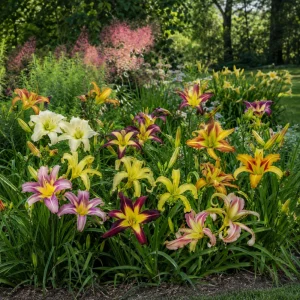
Cultivate beautiful and unique spider daylily mix seeds (Hemerocallis hybrida) in your garden. These hardy perennial seeds produce distinctive spider-shaped blooms in a vibrant mix of colors, adding elegance and texture to any landscape. Perfect for garden beds and borders.
Original price was: $15.16.$7.58Current price is: $7.58.

With our Alive & Thrive Guarantee, we’ve got your back for the first 30 days! If you have any concerns about your plants, just reach out to us. Our team is here to help answer your questions and guide you in selecting the best plants for your garden, climate, and unique preferences. We're excited to help you create the garden of your dreams!
Estimated arrival
Oct 08
Oct 13 - Oct 15
Oct 18 - Oct 22





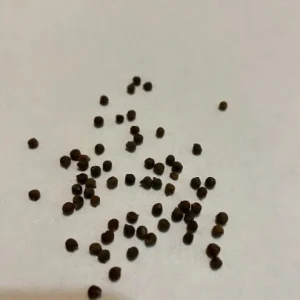
Product Details
-
USDA Hardiness Zone
USDA zones 3–9 -
Soil type
Well-draining soil -
Sunlight Exposure
Full sun to partial shade -
Expected Planting Period
Spring to early summer
Overview
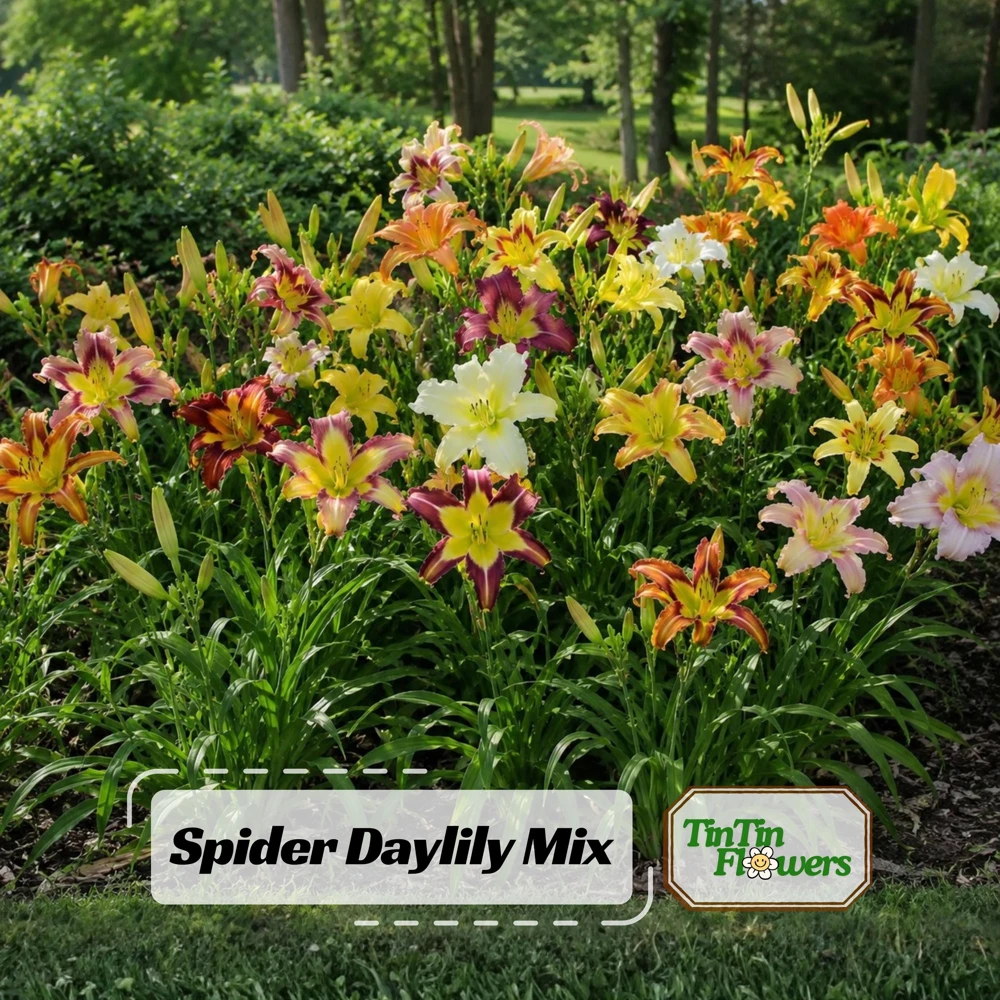
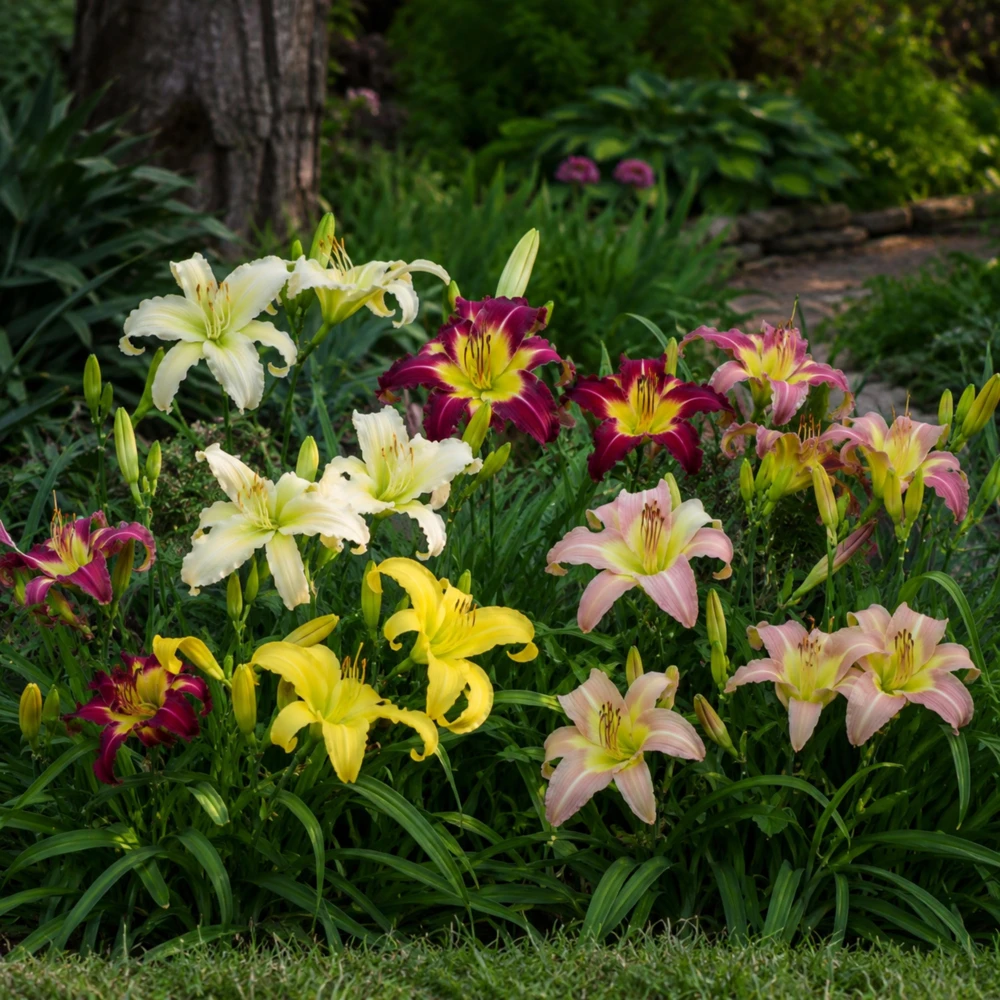
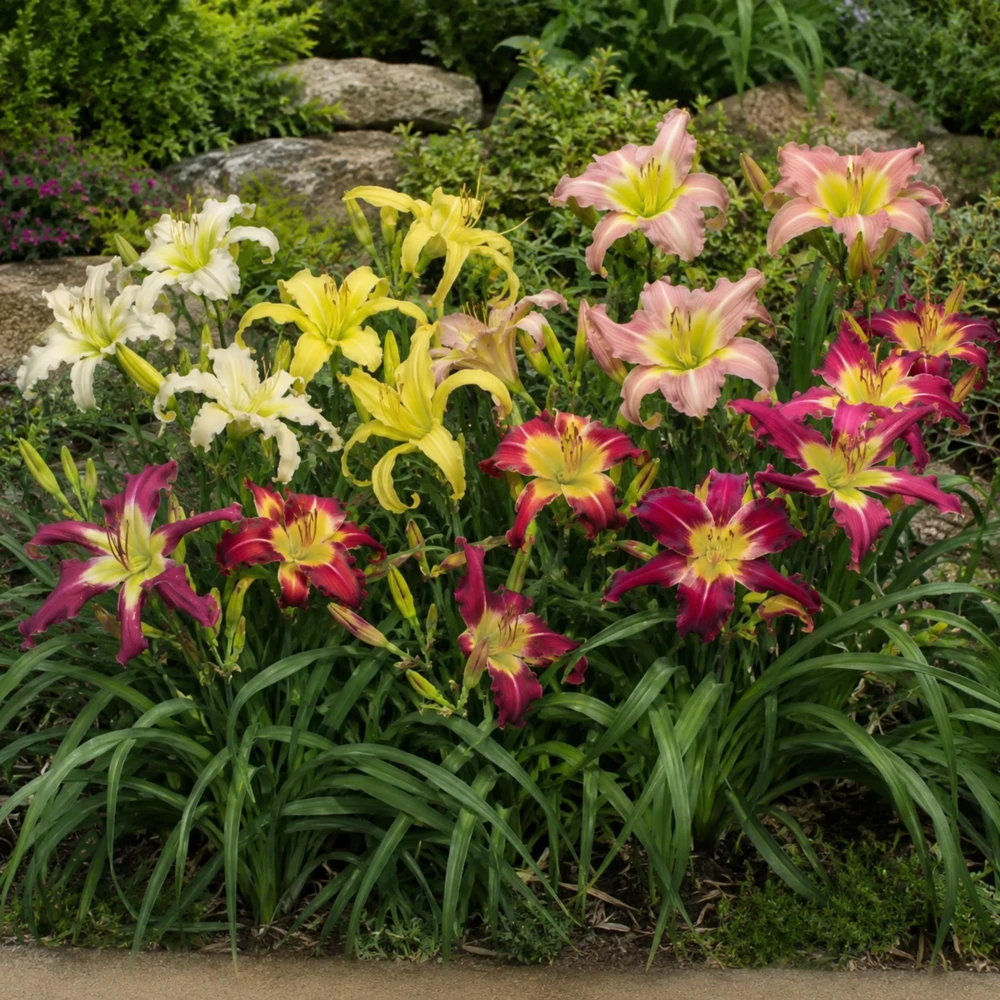
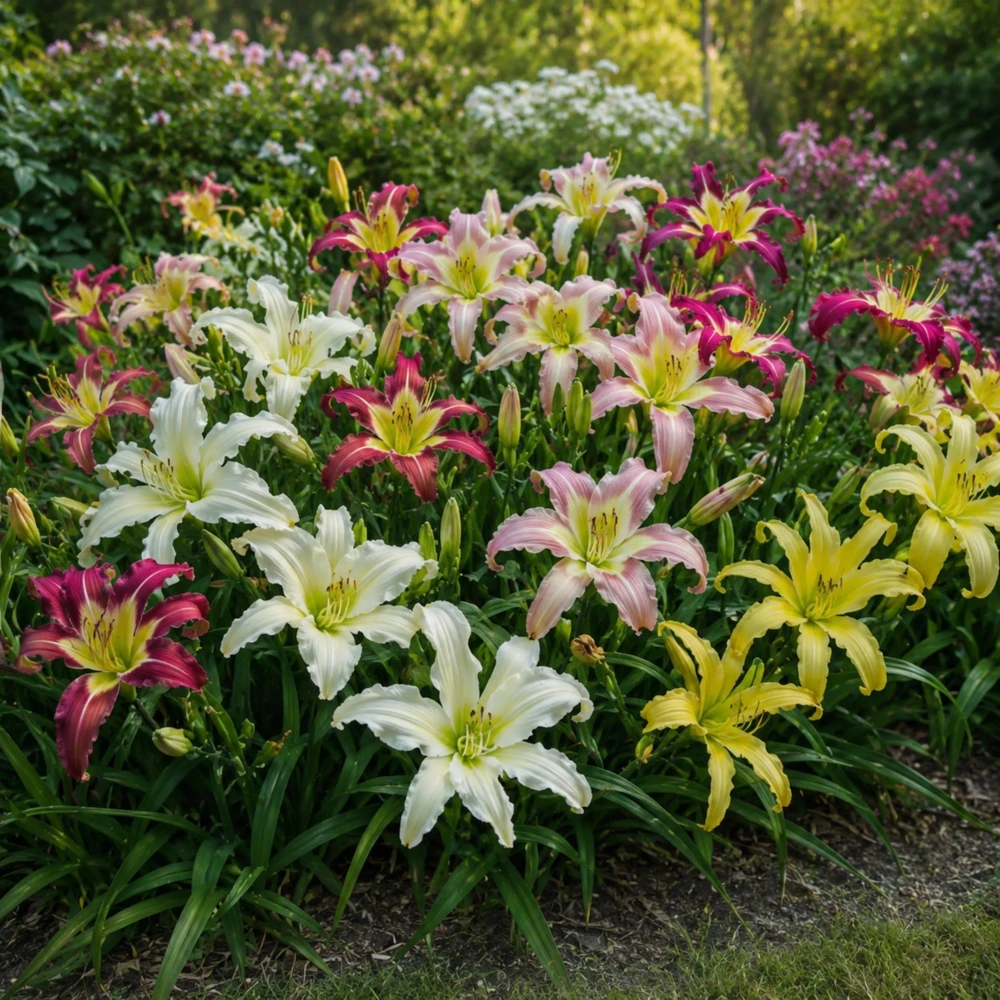
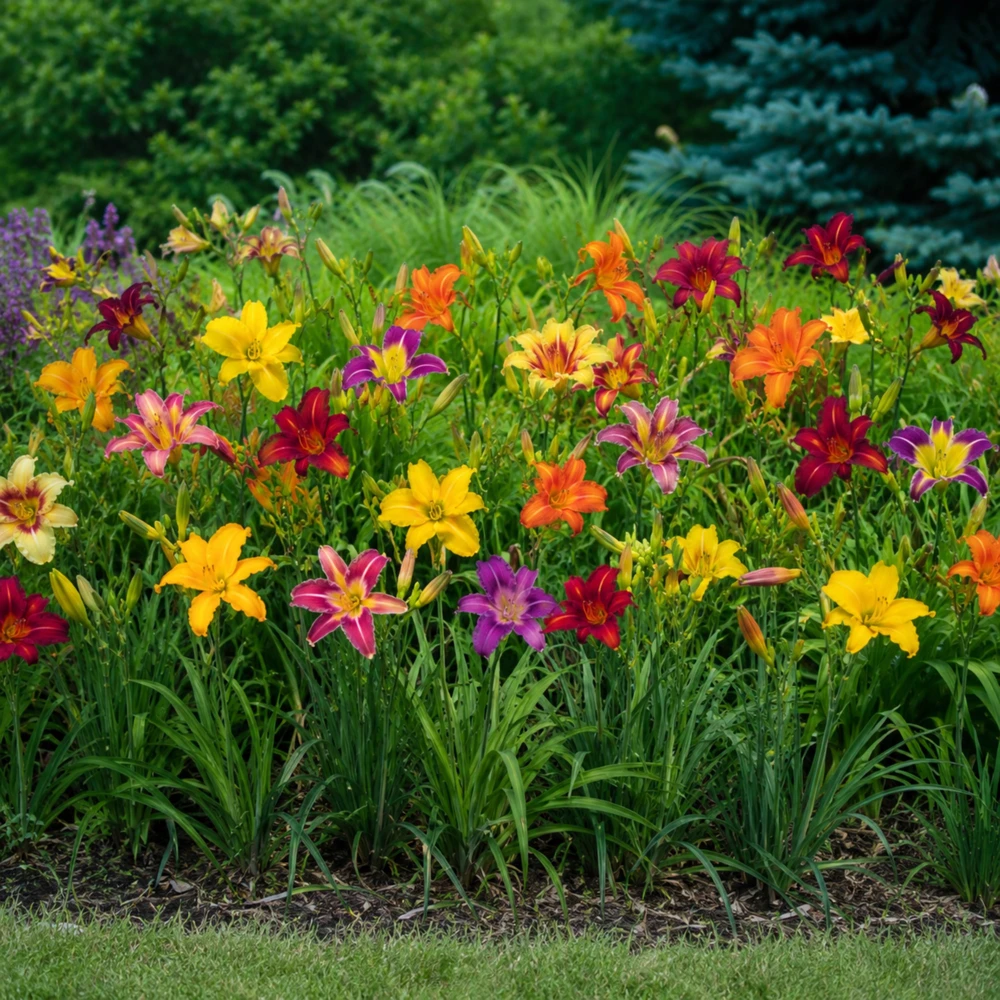
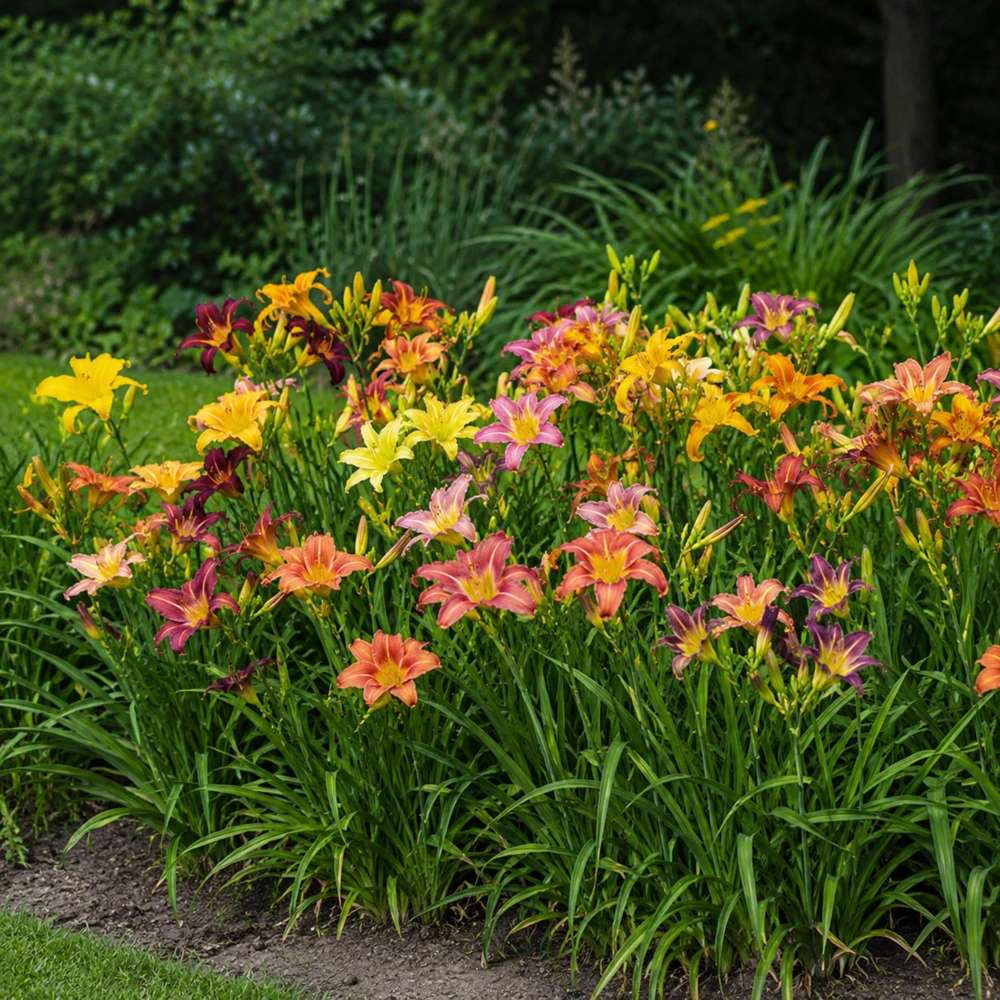
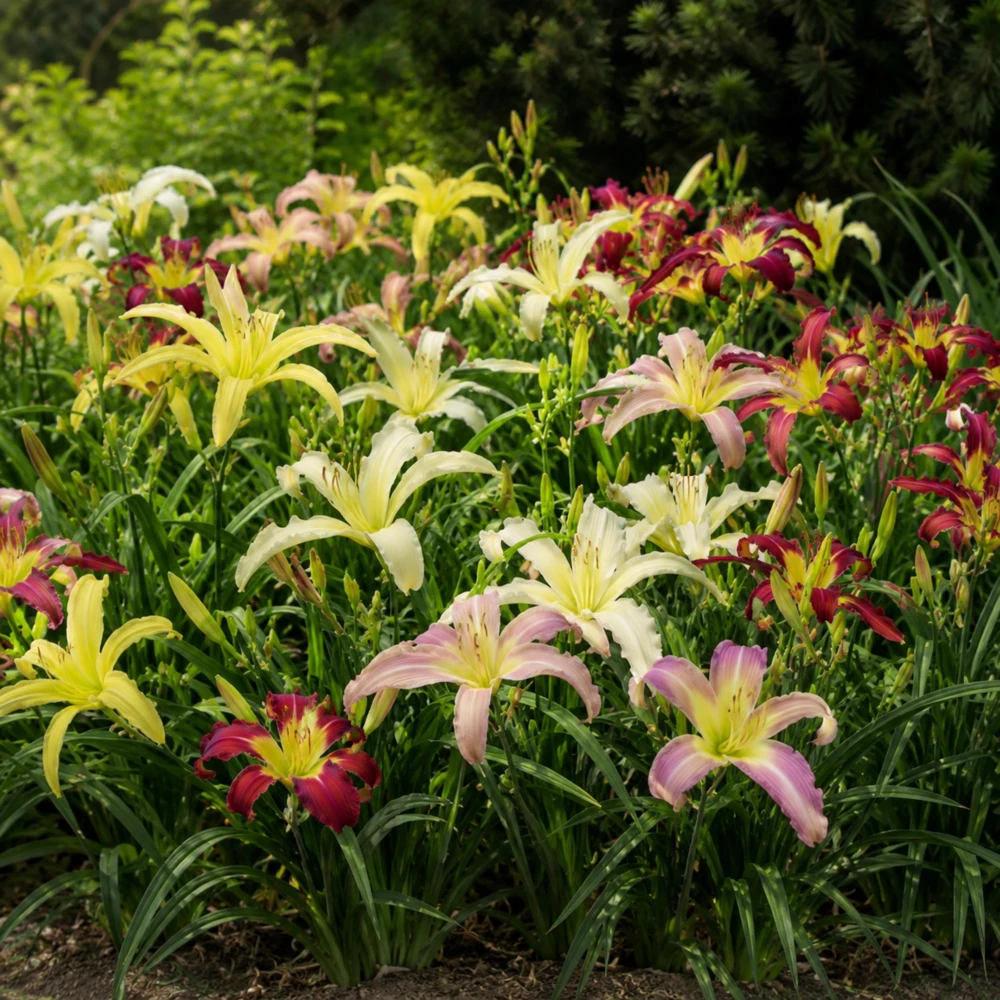
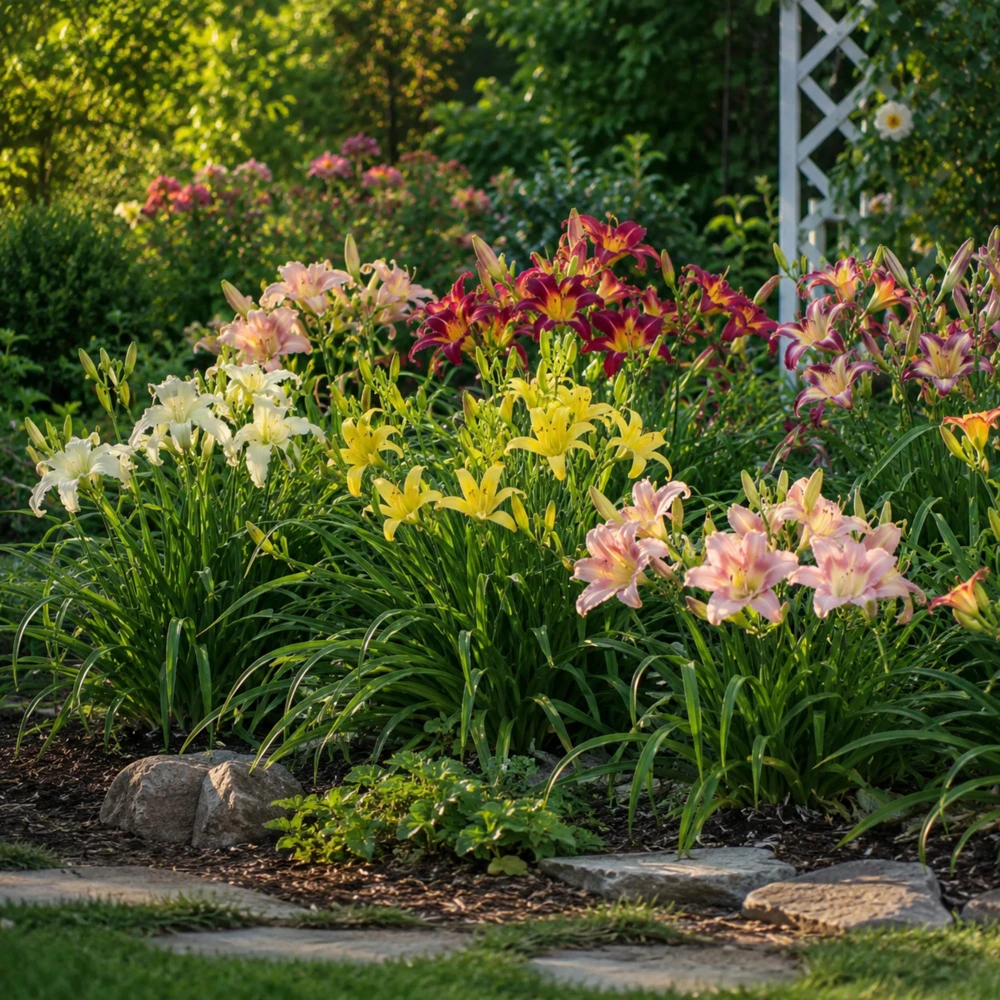
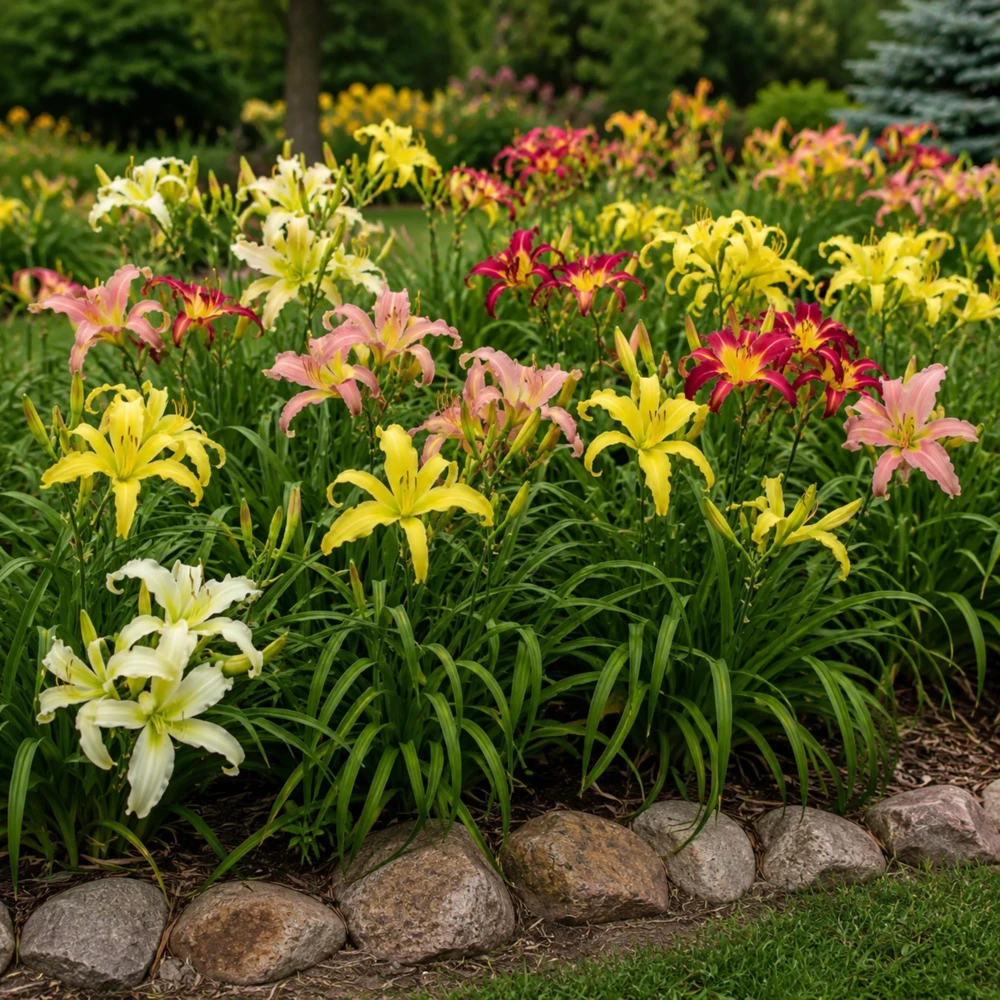
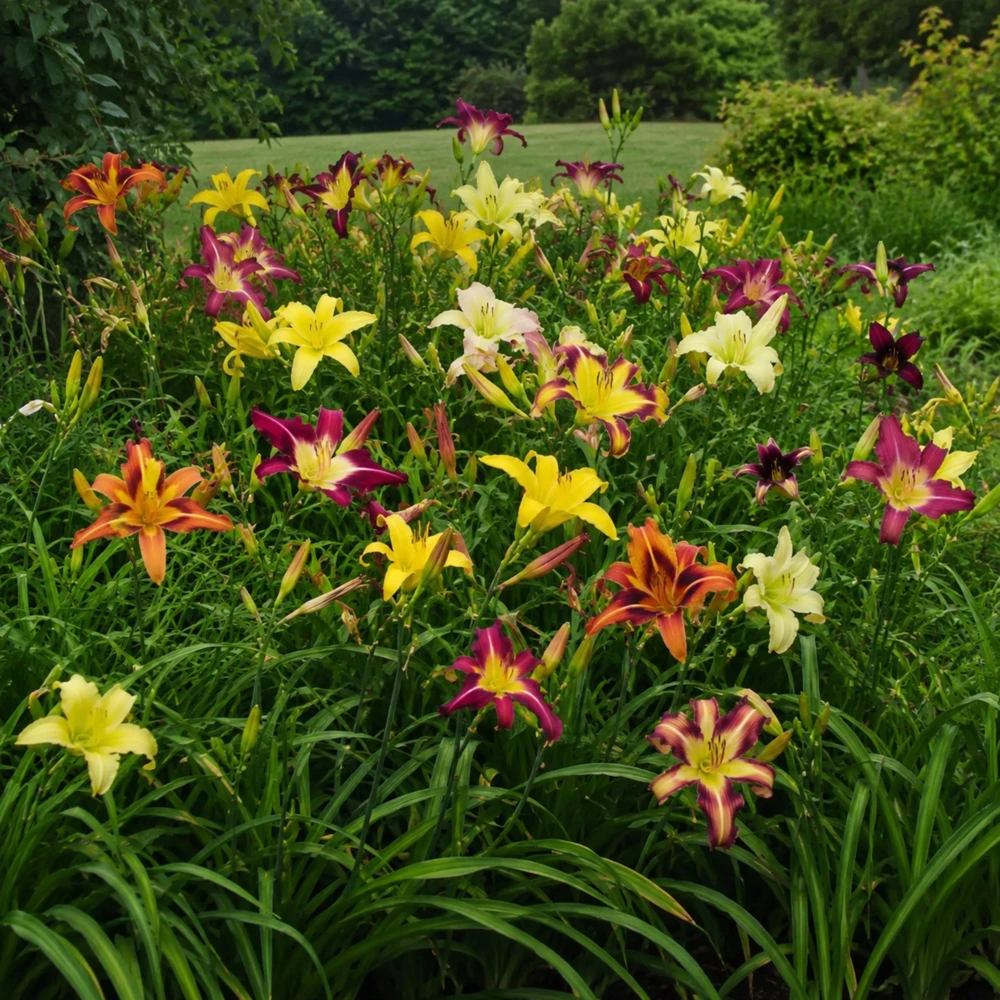
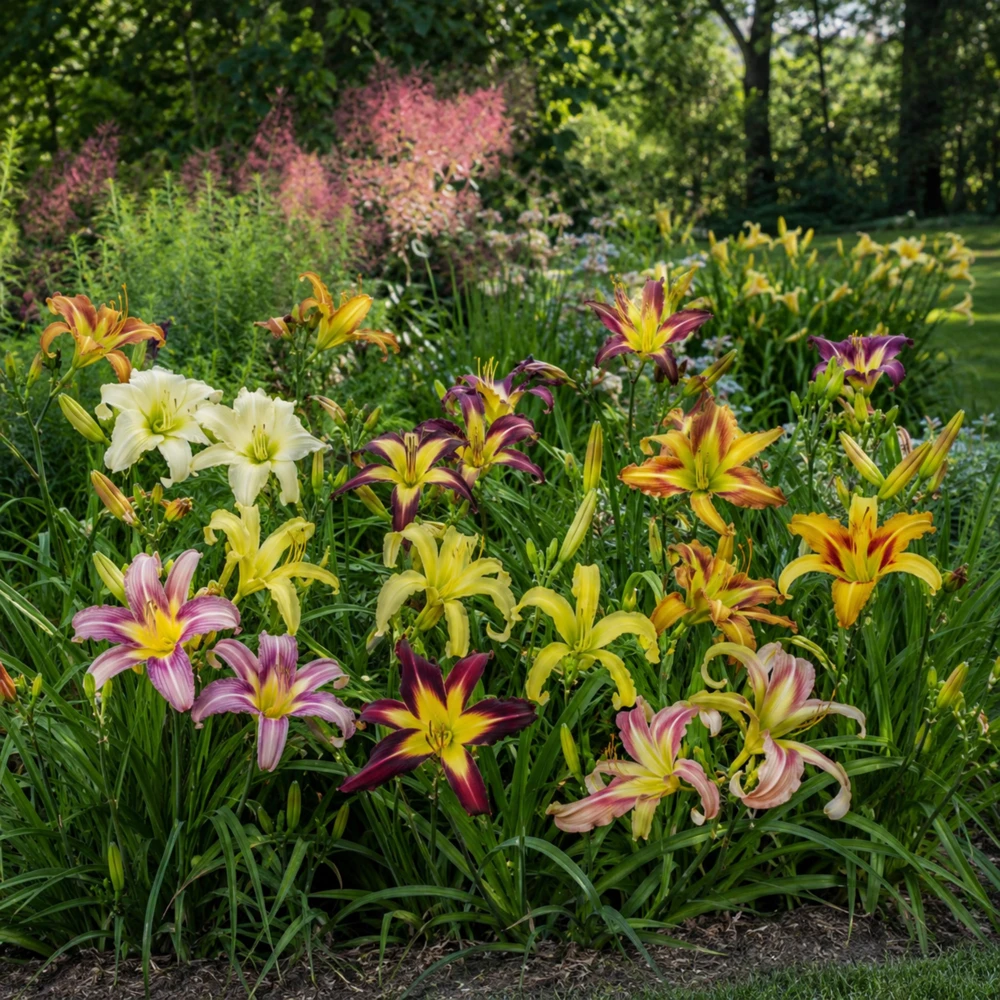
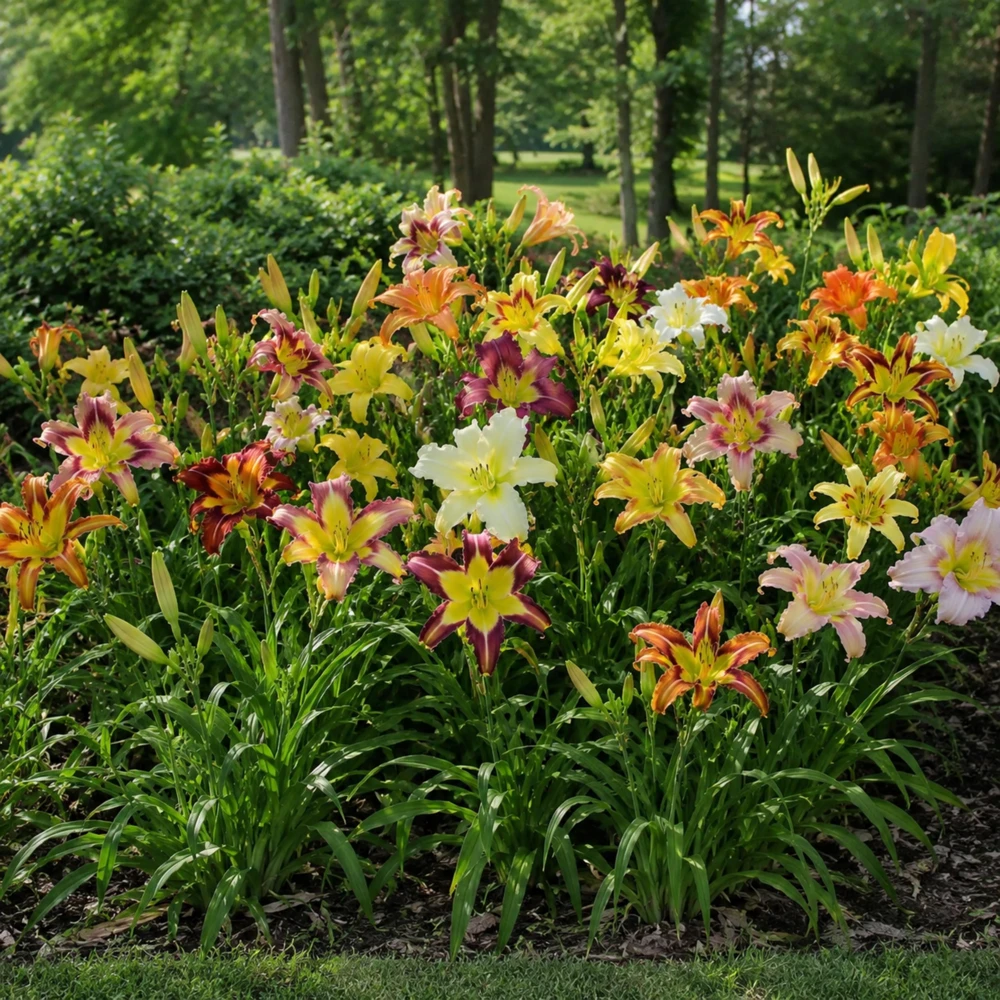
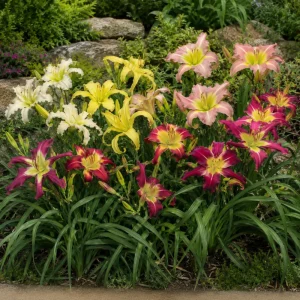
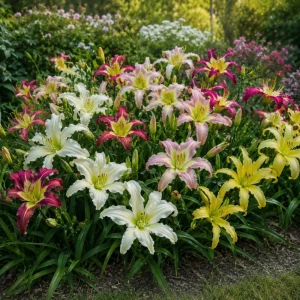
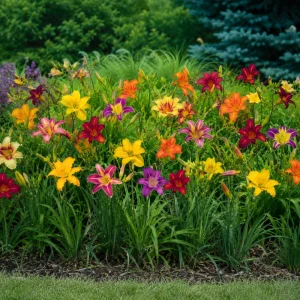
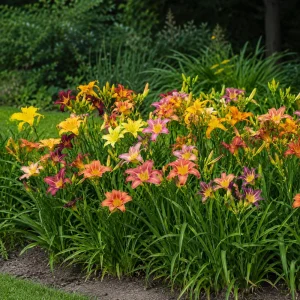
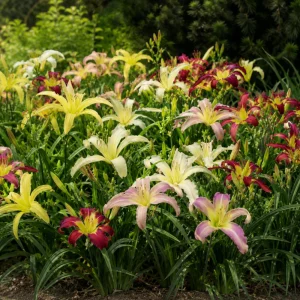
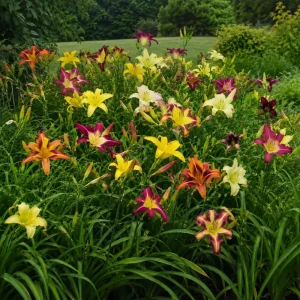
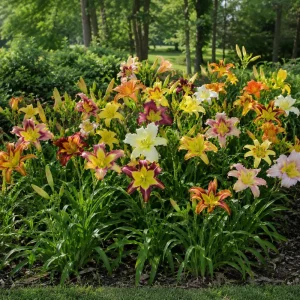
Introduce a touch of elegance and uniqueness to your garden with spider daylily mix seeds. This collection of Hemerocallis hybrida seeds allows you to grow stunning perennial plants known for their distinctive spider-shaped blooms. Each flower features narrow, elongated petals that create a dynamic and eye-catching display in shades of yellow, orange, red, pink, and bi-colors. Ideal for adding movement and a vibrant palette to garden beds, borders, and landscape plantings, these daylilies are a favorite among gardeners seeking unusual and reliable flowering plants. Cultivating hemerocallis hybrida seeds promises a rewarding experience as these hardy plants return year after year, offering a long season of spectacular color and form.
The spider daylily mix seeds are an excellent choice for both novice and experienced gardeners. These resilient perennials require minimal care once established, making them a low-maintenance option for high-impact beauty. With their ability to thrive in various conditions and produce an abundance of buds on tall, sturdy stems, you can anticipate a continuous show of unique daylily blooms from early summer through late summer. Transform your outdoor space with these extraordinary flowers that are sure to become a focal point.
Key Benefits
Experience the many advantages of planting spider daylily mix seeds in your garden:
- Unique Aesthetic Appeal: These daylilies produce striking spider-shaped blooms with narrow, elongated petals in a vibrant mix of colors, adding an unusual and elegant touch to any garden design. The diverse color palette ensures a captivating visual display.
- Hardy Perennial Performance: As hardy perennial seeds, these plants return reliably year after year, providing continuous beauty with minimal effort. They are known for their resilience and ability to withstand various environmental conditions.
- Extended Bloom Season: Enjoy a long and colorful blooming period from early summer through late summer. Each plant produces multiple buds on tall stems, ensuring a prolonged show of vibrant flowers.
- Low Maintenance: Once established, spider daylilies require minimal care, making them an excellent choice for busy gardeners or those new to gardening. They are relatively drought-tolerant and disease-resistant.
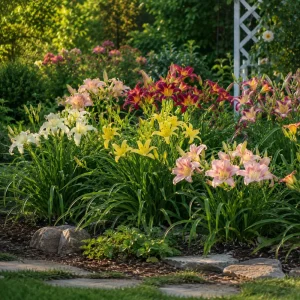
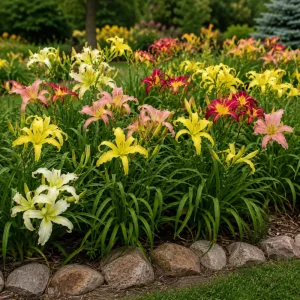
- Versatile Landscape Use: Perfect for garden beds, borders, mass plantings, or as accent plants, these daylilies add texture and movement to any part of your landscape. Their vibrant mixed colors complement a wide range of garden styles.
- Attracts Pollinators: The colorful blooms can attract beneficial pollinators like bees and butterflies to your garden, contributing to a healthier ecosystem.
- Easy to Grow from Seed: With proper stratification and care, growing spider daylilies from seed is a straightforward process, allowing you to cultivate a large number of plants for a dramatic display.
Plant Care & Growing Tips
Proper care is essential for successful germination and robust growth of your spider daylily mix seeds. Begin by cold stratifying the seeds for 3–6 weeks to improve germination rates. This can be done by placing seeds in a moist paper towel inside a plastic bag in the refrigerator. Once stratified, sow the seeds 1/4 inch deep in well-draining soil, ensuring good contact with the growing medium. Maintain soil temperatures between 65–75°F (18–24°C) for optimal germination, which typically occurs within 14–30 days after stratification. Consistent moisture is crucial during this phase, but avoid waterlogging.
Once seedlings are strong and the risk of frost has passed, transplant them outdoors to their permanent location. Spider daylilies thrive in full sun to partial shade, with full sun promoting the best flowering performance. Ensure they receive at least 6 hours of direct sunlight daily for the most abundant and vibrant unique daylily blooms. While mature plants are relatively drought-tolerant, regular watering is important during their establishment phase. Provide about 1 inch of water per week, either from rain or irrigation. Good drainage is key to preventing root rot, so consider amending heavy clay soils with organic matter.
For ongoing plant care, divide clumps every few years to maintain vigor and encourage more prolific blooming. This practice helps prevent overcrowding and rejuvenates the plants. Fertilize in early spring with a balanced slow-release fertilizer to support healthy growth and flowering. Monitor for common pests and diseases, though spider daylilies are generally quite resilient. By following these guidelines for growing spider daylilies, you can ensure a spectacular and long-lasting display of these beautiful flowers in your garden.
Size & Details
This product includes 1 pack of 20 spider daylily mix seeds. These seeds will grow into mature plants of Hemerocallis hybrida, commonly known as Spider Daylily Mix. When mature, these hardy perennial flowers typically reach a height of 24–48 inches and spread 18–30 inches, forming attractive clumps. The blooms are mixed colors, including vibrant shades of yellow, orange, red, pink, and bi-colors, and feature a unique spider form. Expect a long blooming season from early summer through late summer. The foliage maintains a lush green color, providing an excellent backdrop for the colorful flowers. These hemerocallis hybrida seeds offer an economical way to establish a large, impressive display of these distinctive plants.
Frequently Asked Questions
- Q: How big do these spider daylilies get? A: Once mature, these spider daylilies typically grow to a height of 24–48 inches (2-4 feet) with a spread of 18–30 inches. Their clumping growth habit creates a substantial presence in the garden.
- Q: What is the best time to plant these spider daylily mix seeds? A: After cold stratification, the best time to sow the seeds outdoors is in spring after the last frost has passed. You can also start them indoors 6-8 weeks before the last frost.
- Q: How much sun do spider daylilies need? A: For the best flowering performance, spider daylilies require full sun, meaning at least 6 hours of direct sunlight per day. They can tolerate partial shade, but blooming may be less prolific.
- Q: Are these plants easy to care for? A: Yes, spider daylilies are considered easy to grow and are known for their reliable performance. Once established, they are quite low-maintenance, making them great for beginners and experienced gardeners alike.
- Q: What colors will the unique daylily blooms be? A: This is a mix, so you can expect a variety of vibrant colors including yellow, orange, red, pink, and bi-colored flowers, all featuring the distinctive spider form.
- Q: How long does it take for these daylilies to bloom from seed? A: While germination occurs within 2-4 weeks after stratification, it typically takes 1-2 years for daylilies grown from seed to reach blooming maturity. Patience is rewarded with beautiful flowers.
- Q: What kind of soil is best for growing spider daylilies? A: Spider daylilies prefer well-draining soil. Amending heavy clay soils with organic matter like compost can improve drainage and provide essential nutrients.
- Q: Do I need to stratify the seeds before planting? A: Yes, cold stratification for 3–6 weeks is highly recommended to significantly improve the germination rate of hemerocallis hybrida seeds.
- Q: Are these daylilies drought-tolerant? A: Once established, mature spider daylilies are relatively drought-tolerant. However, they will perform best with consistent moisture, especially during dry spells and while establishing.
- Q: Will these hardy perennial seeds survive winter in my area? A: Spider daylilies are hardy perennials. Their specific hardiness depends on your USDA zone, but they are generally robust and return year after year in many temperate climates.
Related products
-50%

Original price was: $23.96.$11.98Current price is: $11.98.
-50%
Original price was: $95.96.$47.98Current price is: $47.98.
-15%
From Original price was: $28.00.$23.80Current price is: $23.80.
-50%
Original price was: $7.98.$3.98Current price is: $3.98.
-50%
Original price was: $23.96.$11.98Current price is: $11.98.
-50%
Original price was: $23.96.$11.98Current price is: $11.98.
-50%
Original price was: $23.96.$11.98Current price is: $11.98.
PLANTING & CARE
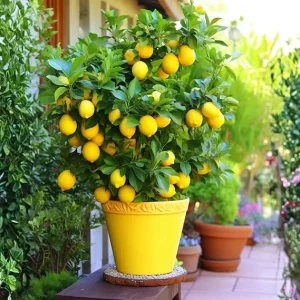
Lemon Tree Growing: Choose, Plant, and Harvest
Learn how to choose, plant, feed, and protect a lemon tree so it fits your
23
Sep
Sep
Dwarf Meyer Lemon Tree Australia: Climate Guide
Learn where dwarf Meyer lemon trees grow, how much cold they tolerate, and whether Australia,
Where to Buy a Dwarf Meyer Lemon Tree: Buyer’s Guide
Find the right dwarf Meyer lemon tree online or locally, compare starter sizes and costs,
Dwarf Meyer Lemon Tree for Sale: Buying Guide
Compare Meyer lemon tree sizes, prices, shipping limits, indoor growing and California options before you
Dwarf Meyer Lemon Tree Guide: Size, Care and Fruit
META: Learn how large a dwarf Meyer lemon tree grows, where it thrives, and how
How to Prune a Dwarf Meyer Lemon Tree
Learn when and how to prune a dwarf Meyer lemon tree, including tools, shaping cuts,
Can You Grow a Dwarf Meyer Lemon Tree in a Pot?
META: Learn how to grow a dwarf Meyer lemon tree in a pot, including container
When Do Dwarf Meyer Lemon Trees Bloom and Fruit?
META: Dwarf Meyer lemon trees usually bloom from winter through spring and may flower again