Sundew Hercules Live Carnivorous Plant – 3 inch Pot – Indoor/Outdoor
-20%
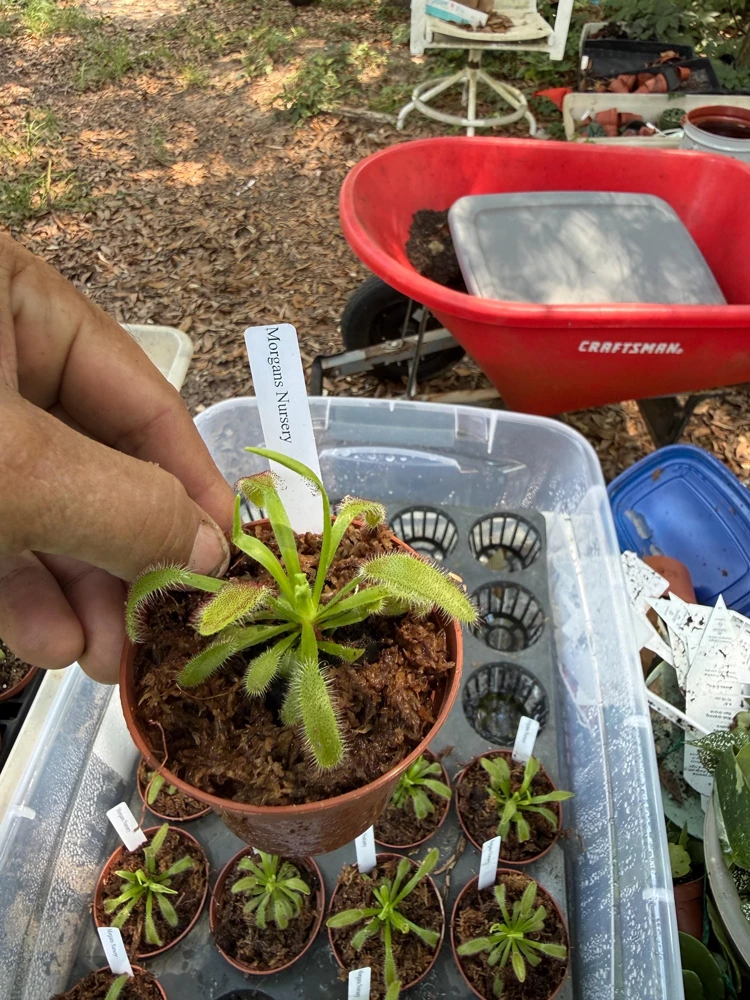
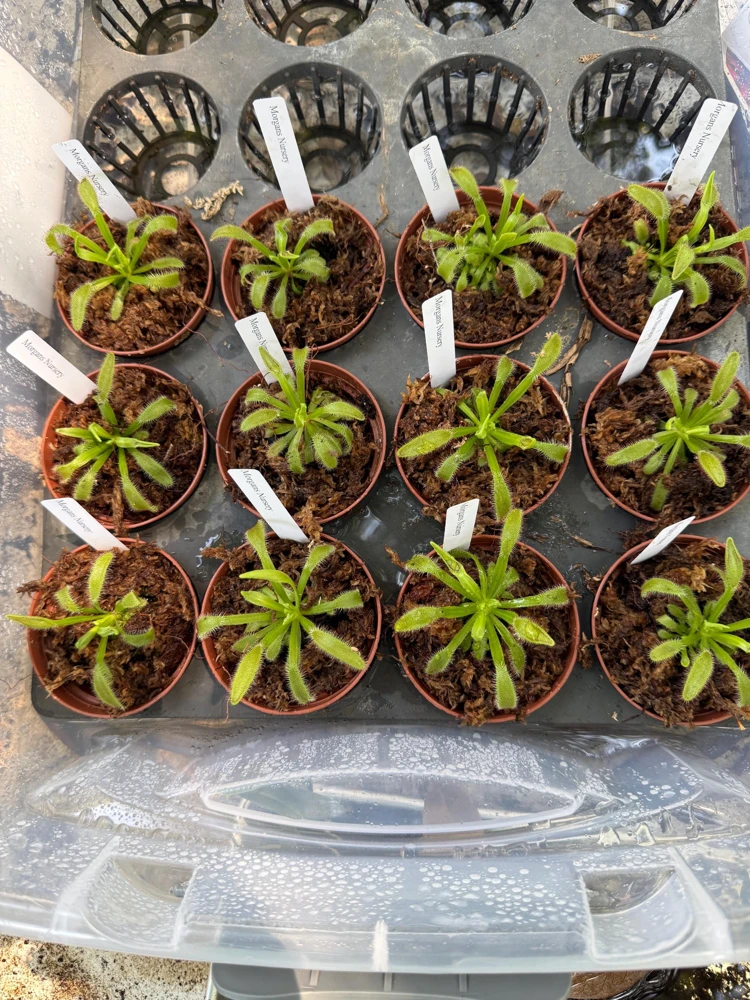
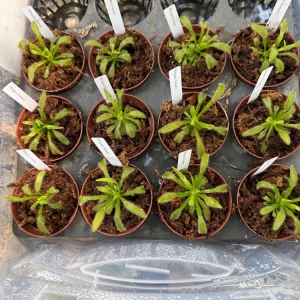
Sundew Hercules Live Carnivorous Plant – 3 inch Pot – Indoor/Outdoor
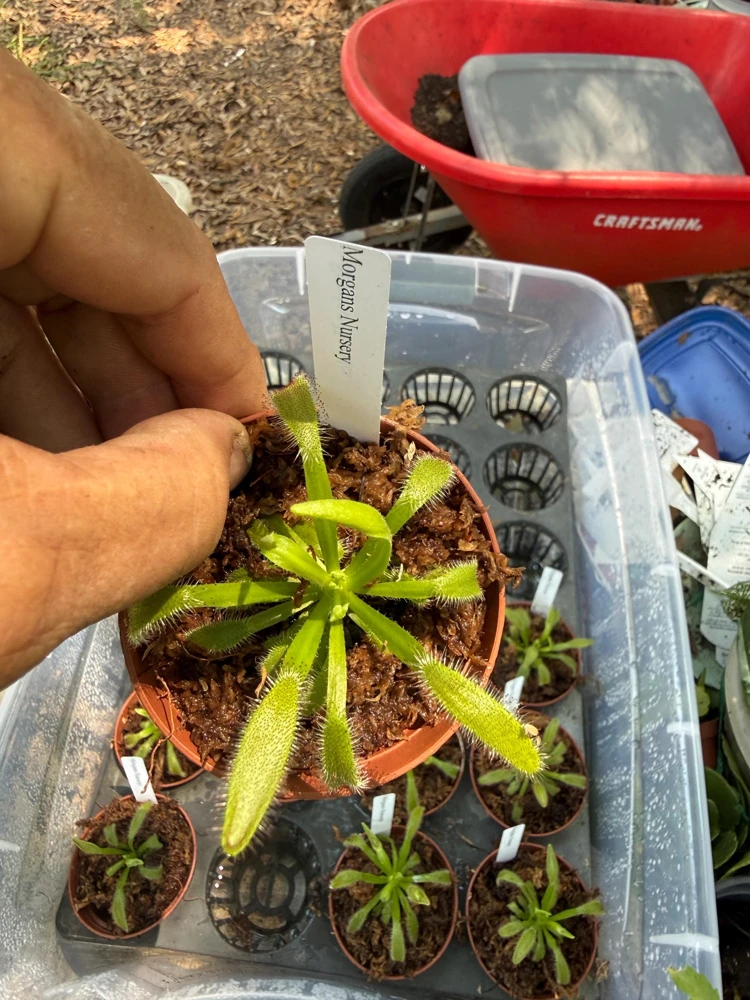
Bring home a fascinating Sundew Hercules carnivorous plant, a unique and active insectivore. This large sundew plant is provided as a 3 inch Potted Starter, perfect for beginners and experienced growers alike. It thrives in bright light and humid conditions, making it an excellent conversation piece for your home or garden.
Original price was: $54.90.$43.90Current price is: $43.90.

With our Alive & Thrive Guarantee, we’ve got your back for the first 30 days! If you have any concerns about your plants, just reach out to us. Our team is here to help answer your questions and guide you in selecting the best plants for your garden, climate, and unique preferences. We're excited to help you create the garden of your dreams!
Estimated arrival
Oct 14
Oct 19 - Oct 21
Oct 24 - Oct 28








Product Details
-
USDA Hardiness Zone
unknown -
Soil type
sphagnum peat moss and perlite mix -
Sunlight Exposure
full sun to bright indirect light -
Expected Planting Period
year-round indoors
Overview
Introduce an extraordinary botanical specimen to your collection with the Sundew Hercules carnivorous plant. This captivating live plant, known for its sticky, dew-covered tentacles, is a natural insect trap and a truly mesmerizing addition to any plant enthusiast’s home. The ‘Hercules’ variety is celebrated for its impressive size and robust growth, making it a standout among carnivorous plants. Each tentacle is tipped with a glistening droplet of mucilage, which both attracts and ensnares small insects, providing a fascinating display of nature’s ingenuity. This Drosera Hercules care guide will ensure your new plant thrives, offering both beauty and a unique ecological function.
As a buy carnivorous plants option, the Sundew Hercules is an excellent choice for those looking to expand their horticultural horizons. It is provided as a healthy 3 inch Potted Starter, ready to acclimate to its new environment. These plants are not only visually striking but also serve as an intriguing educational tool, demonstrating the diverse survival strategies found in the plant kingdom. Prepare to be enchanted by the intricate beauty and active insect-catching abilities of this remarkable sundew.
Key Benefits
The Sundew Hercules carnivorous plant offers a range of unique benefits that make it a highly desirable addition to any plant collection. From its striking appearance to its natural pest control, this plant is sure to impress.
- Natural Insect Control: The sticky dew on its leaves effectively traps and digests small insects, such as gnats and fruit flies, providing a natural and chemical-free method of pest management in your home or garden. This makes for a healthy and vibrant living space.
- Exotic Aesthetic Appeal: With its glistening, jewel-like tentacles, the Sundew Hercules adds a unique and exotic touch to any plant display. Its vibrant colors and active trapping mechanism make it a constant source of fascination and a beautiful focal point.
- Educational Value: Observing the hunting process of this large sundew plant provides an incredible learning opportunity for all ages, illustrating the wonders of the natural world and the specialized adaptations of carnivorous flora.
- Relatively Low Maintenance: Once its specific light and water requirements are met, the Sundew Hercules is surprisingly easy to care for, making it suitable for both novice and experienced carnivorous plant growers. Consistent care leads to a thriving specimen.
- Conversation Starter: Its unusual nature and active insect-trapping capabilities make the Sundew Hercules an instant conversation starter, captivating guests and sparking curiosity about the world of carnivorous plants.
- Unique Gift Idea: For the plant lover who has everything, this exotic insect-eating plant makes a truly memorable and distinctive gift that will be cherished and admired.
Plant Care & Growing Tips
Proper Drosera Hercules care is essential for the health and vitality of your Sundew Hercules carnivorous plant. These plants thrive when their specific environmental needs are met, ensuring vigorous growth and abundant dew production. They require bright light to develop their best coloration and sticky traps. Place your sundew in a location where it receives at least 4-6 hours of direct sunlight daily, such as a south-facing window, or under strong artificial grow lights. Insufficient light will result in pale leaves and a lack of sticky dew.
Watering is critical for all carnivorous plants, and the Sundew Hercules is no exception. These plants prefer consistently moist conditions and should never be allowed to dry out. Always use distilled water, reverse osmosis water, or rainwater, as tap water often contains minerals that can harm the plant. Place the pot in a tray of water, ensuring it always has about an inch of water. This simulates their natural boggy habitat. The ideal soil mix for a large sundew plant is a blend of sphagnum peat moss and perlite or horticultural sand, ensuring excellent drainage while retaining moisture.
The Sundew Hercules prefers warm temperatures, ideally between 65-85°F (18-29°C), and high humidity. While it can tolerate lower humidity, providing a humid environment will encourage more vigorous growth and dew production. Avoid fertilizing your sundew; they obtain their nutrients from the insects they catch. If your plant is not catching enough insects, you can occasionally feed it small, flightless insects or dried bloodworms. Repotting should be done every 1-2 years in fresh carnivorous plant soil. When you buy carnivorous plants, understanding these care aspects will help your plant flourish.
Size & Details
This offering is for one healthy Sundew Hercules carnivorous plant, provided as a starter plant in a 3 inch Potted Starter. The plant’s size will vary slightly depending on growth stage, but it is typically well-established with several active leaves, ready to begin catching insects. The ‘Hercules’ variety is known for its potential to grow into a substantial specimen, often reaching 6-10 inches in diameter when mature, though individual growth rates will vary based on care and environmental conditions. It is shipped carefully packaged in its nursery pot with soil to minimize stress during transit.
Expected growth rate for this exotic insect-eating plant is moderate to fast under optimal conditions, quickly filling out its pot and beginning to display its impressive sticky traps. This plant is an excellent choice for those looking for a carnivorous plant with a strong presence. The 3 inch Potted Starter provides a robust foundation for continued growth and development into a magnificent mature specimen.
Frequently Asked Questions
- Q: How big does this Sundew Hercules carnivorous plant get? A: The ‘Hercules’ variety is known for its larger size compared to many other sundews. While this is a 3 inch Potted Starter, mature plants can reach a diameter of 6 to 10 inches under ideal growing conditions, making it a truly impressive specimen.
- Q: Is this an indoor or outdoor plant? A: The Sundew Hercules carnivorous plant can thrive both indoors and outdoors, depending on your climate. Indoors, it needs a very bright, sunny window. Outdoors, it can be grown in bog gardens or containers in full sun, especially in warmer climates.
- Q: How much sunlight does it need? A: This large sundew plant requires a significant amount of bright light. Aim for at least 4-6 hours of direct sunlight daily. If growing indoors, a south-facing window or supplemental grow lights are often necessary to ensure strong growth and abundant dew.
- Q: Is this plant easy to care for? A: While carnivorous plants have specific needs, the Sundew Hercules is considered relatively easy for beginners once its basic requirements for distilled water, bright light, and appropriate soil are understood. Consistent Drosera Hercules care will lead to a thriving plant.
- Q: What condition will it arrive in? A: Your Sundew Hercules carnivorous plant will arrive as a healthy 3 inch Potted Starter, carefully packaged in its nursery pot with its growing medium. We take great care to ensure it reaches you in the best possible condition, ready for its new home.
- Q: Can I use tap water for my sundew? A: No, you should never use tap water for your sundew. Tap water contains minerals and chemicals that can harm and eventually kill carnivorous plants. Always use distilled water, reverse osmosis water, or rainwater to ensure the health of your exotic insect-eating plant.
- Q: When is the best time to repot my Sundew Hercules? A: The best time to repot your large sundew plant is typically in early spring, before its main growing season begins. Repot every 1-2 years into fresh carnivorous plant soil to ensure optimal health and growth.
- Q: What kind of soil does this plant need? A: The Sundew Hercules requires a very specific soil mix. It thrives in an acidic, nutrient-poor substrate, typically a blend of sphagnum peat moss and perlite or horticultural sand. Do not use regular potting soil, as it will be detrimental to the plant.
- Q: Will my Sundew Hercules catch insects immediately? A: Once settled in its new environment and receiving proper light and humidity, your Sundew Hercules carnivorous plant should begin producing dew and attracting insects. The speed at which it catches prey depends on the availability of insects in its surroundings.
- Q: How can I ensure my plant produces lots of dew? A: Abundant dew production is a sign of a happy and healthy sundew. To encourage this, provide plenty of bright light, maintain consistently moist soil with appropriate water, and ensure good air circulation. Higher humidity can also help.
Related products
-30%
Original price was: $79.98.$55.98Current price is: $55.98.

-39%

Original price was: $49.00.$29.99Current price is: $29.99.
-30%
Original price was: $25.98.$18.18Current price is: $18.18.
PLANTING & CARE
Lemon Tree Growing: Choose, Plant, and Harvest
Learn how to choose, plant, feed, and protect a lemon tree so it fits your
23
Sep
Sep
Dwarf Meyer Lemon Tree Australia: Climate Guide
Learn where dwarf Meyer lemon trees grow, how much cold they tolerate, and whether Australia,
Where to Buy a Dwarf Meyer Lemon Tree: Buyer’s Guide
Find the right dwarf Meyer lemon tree online or locally, compare starter sizes and costs,
Dwarf Meyer Lemon Tree for Sale: Buying Guide
Compare Meyer lemon tree sizes, prices, shipping limits, indoor growing and California options before you
Dwarf Meyer Lemon Tree Guide: Size, Care and Fruit
META: Learn how large a dwarf Meyer lemon tree grows, where it thrives, and how
How to Prune a Dwarf Meyer Lemon Tree
Learn when and how to prune a dwarf Meyer lemon tree, including tools, shaping cuts,
Can You Grow a Dwarf Meyer Lemon Tree in a Pot?
META: Learn how to grow a dwarf Meyer lemon tree in a pot, including container
When Do Dwarf Meyer Lemon Trees Bloom and Fruit?
META: Dwarf Meyer lemon trees usually bloom from winter through spring and may flower again