Sunflower Seeds – Annual Annuals – Non-GMO Flower Seeds – 25 Seeds
-50%
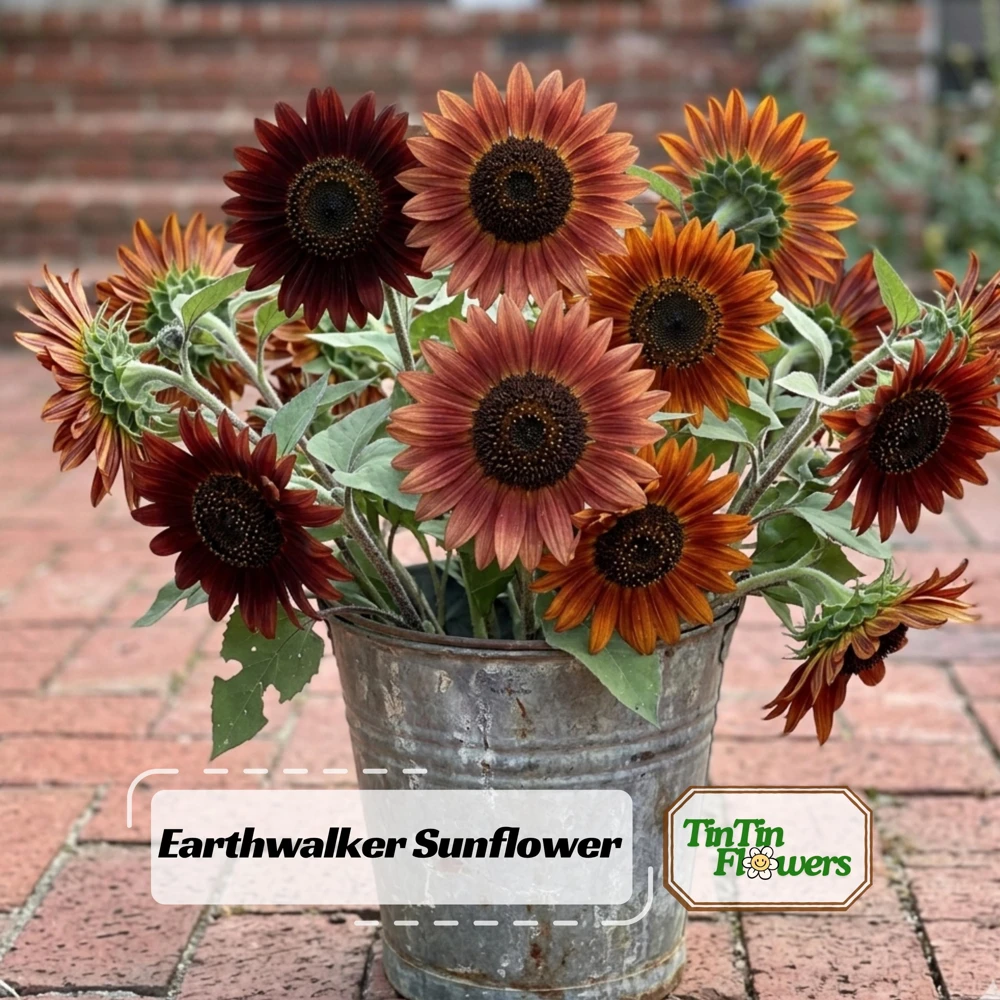
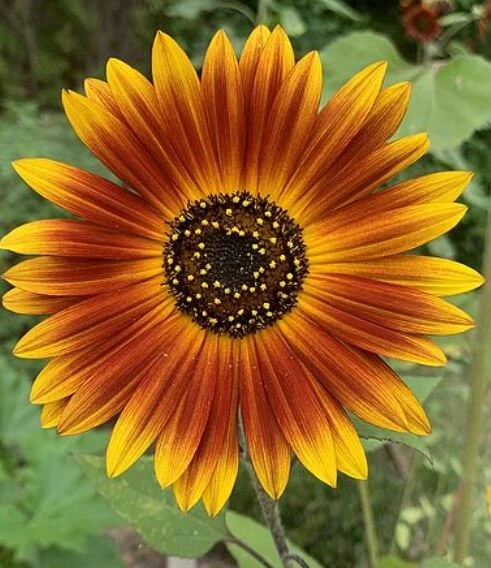
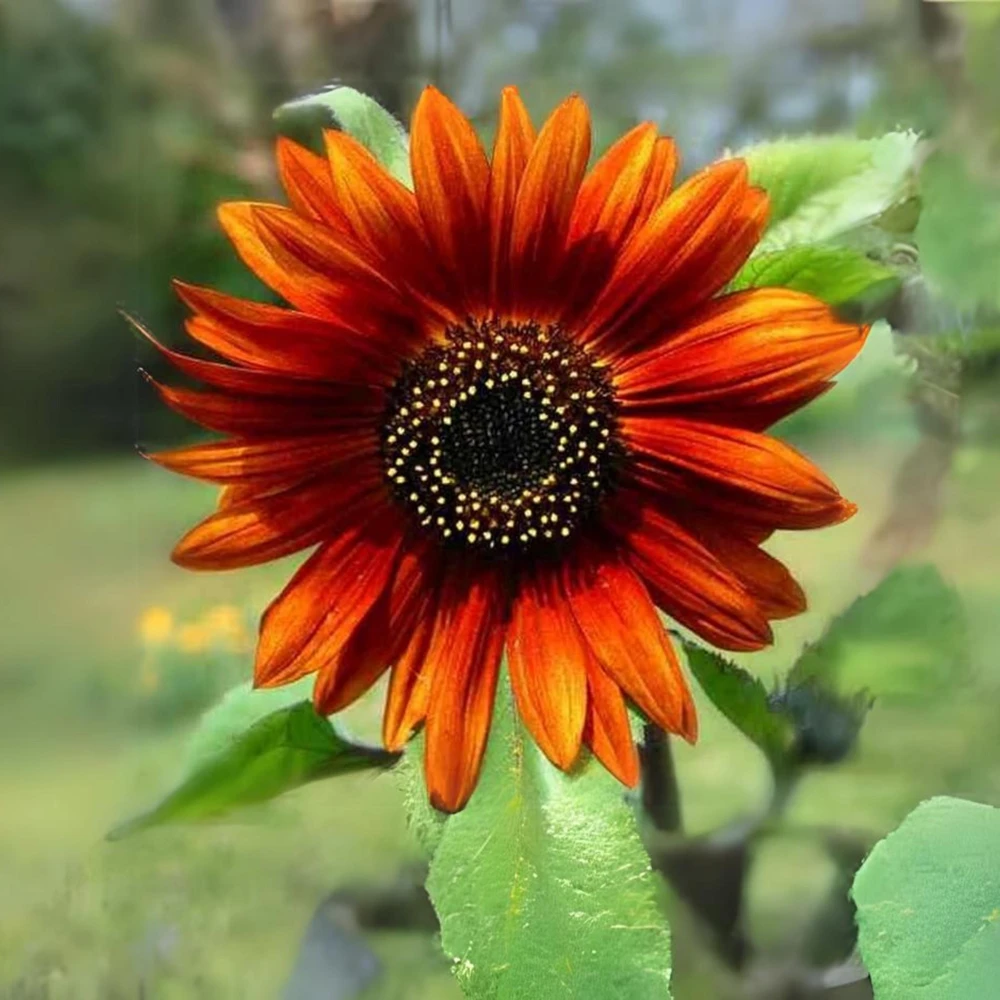
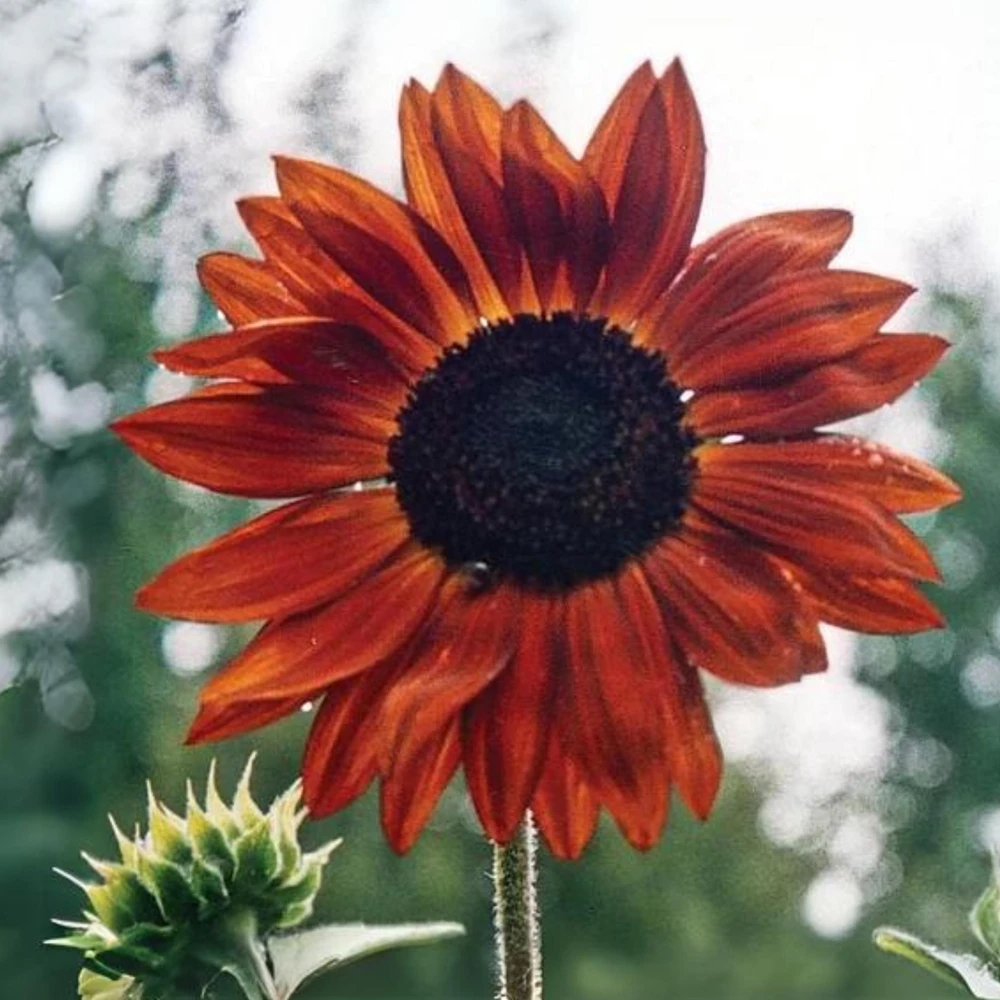
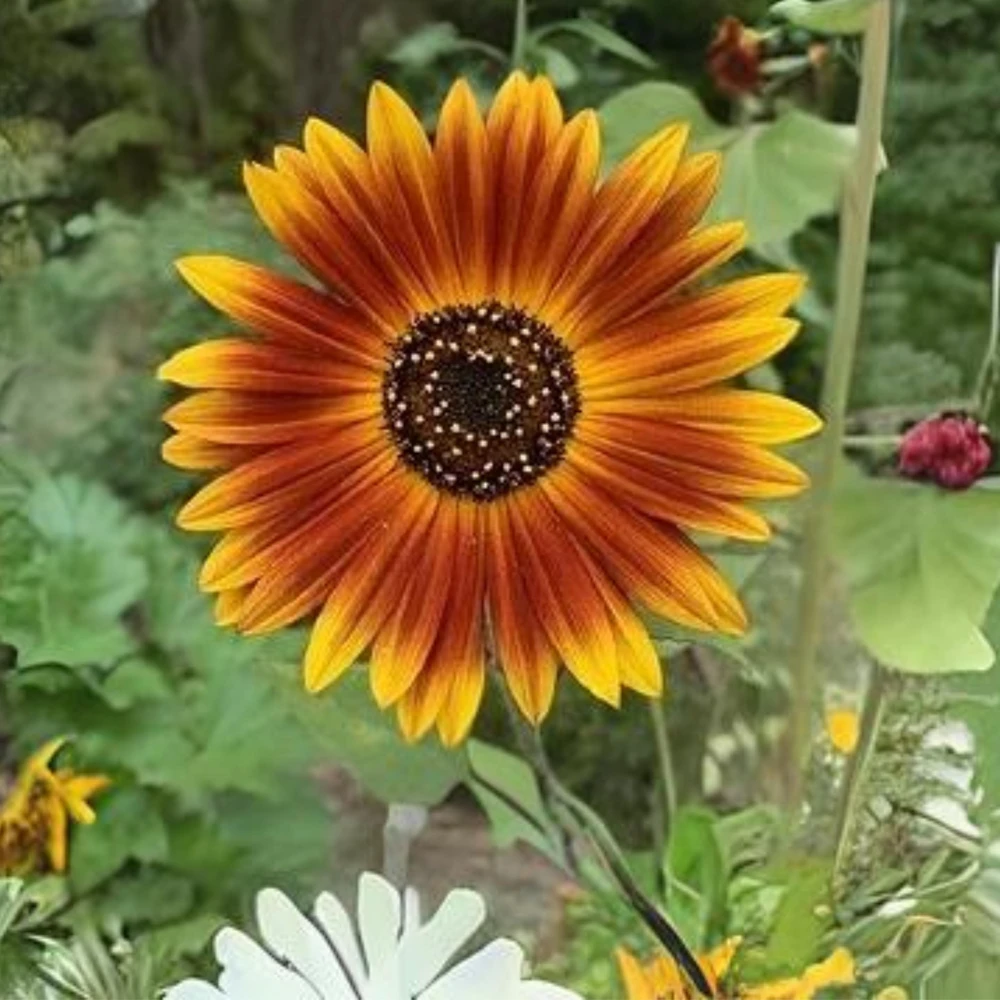
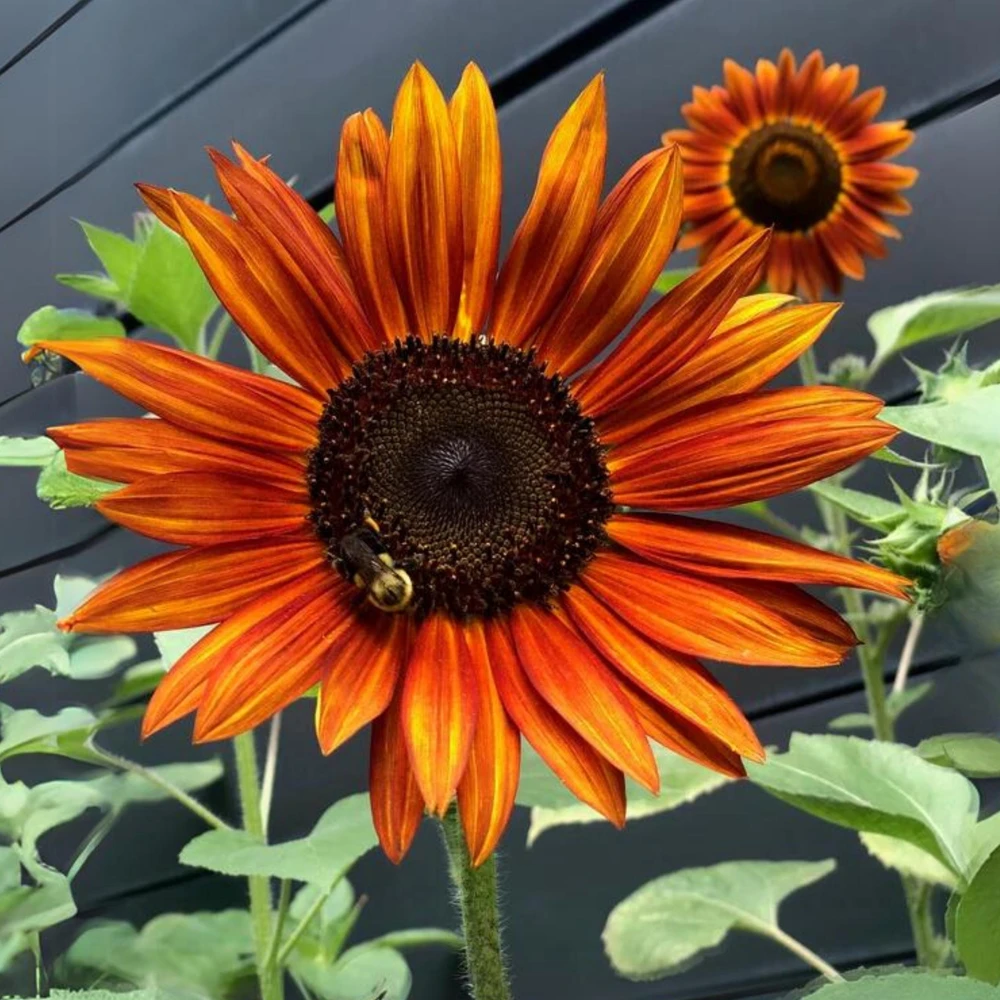
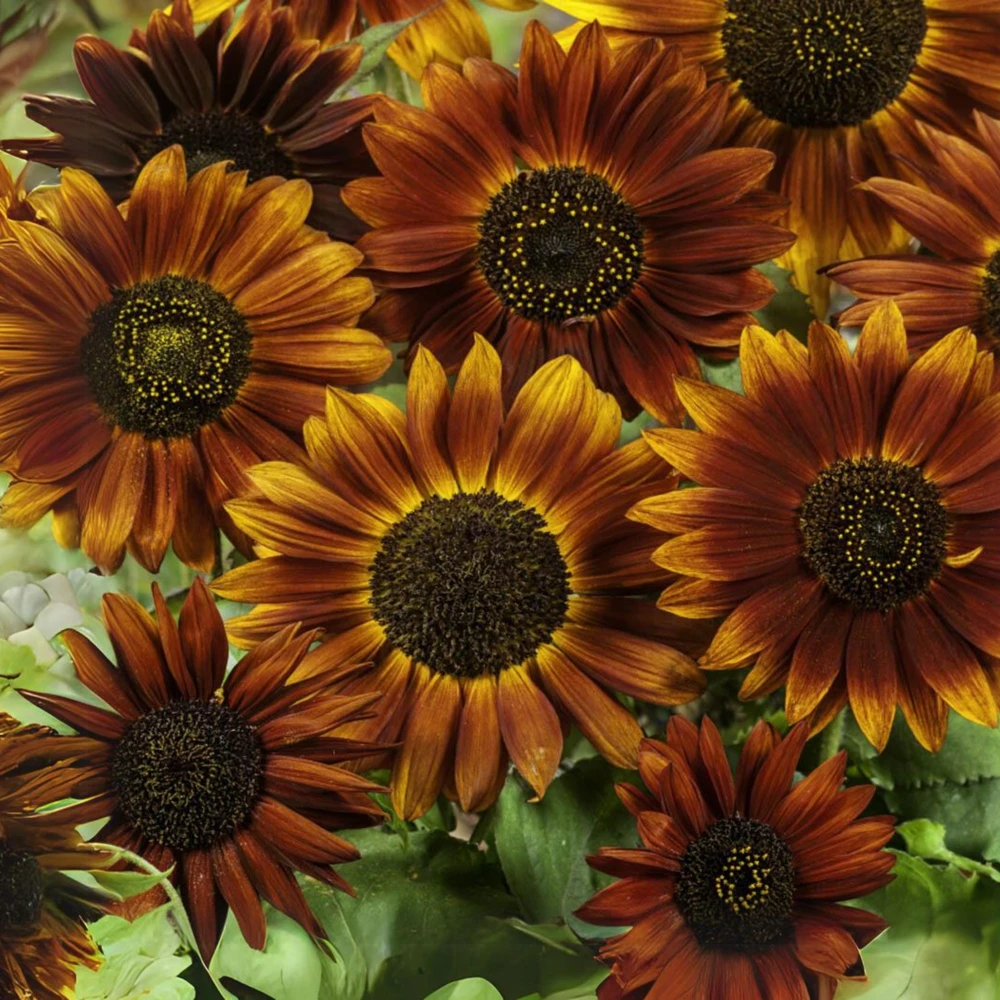
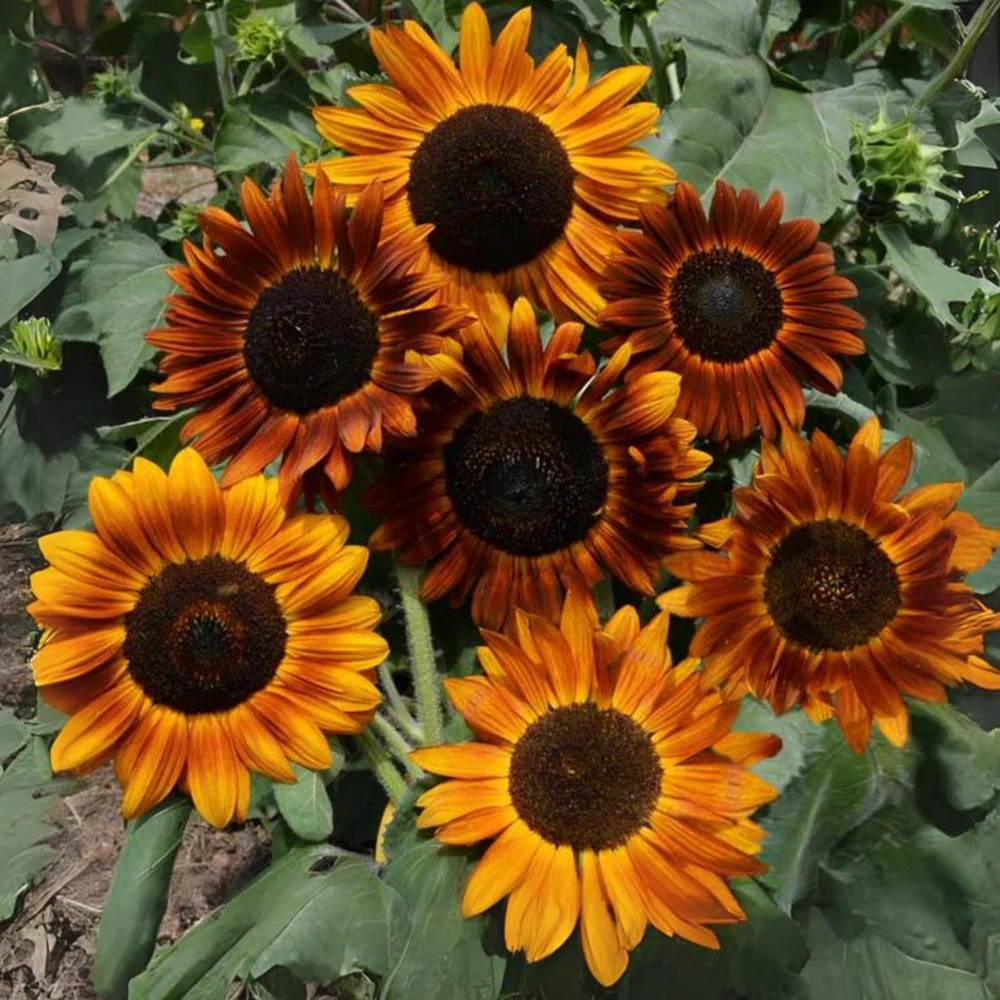
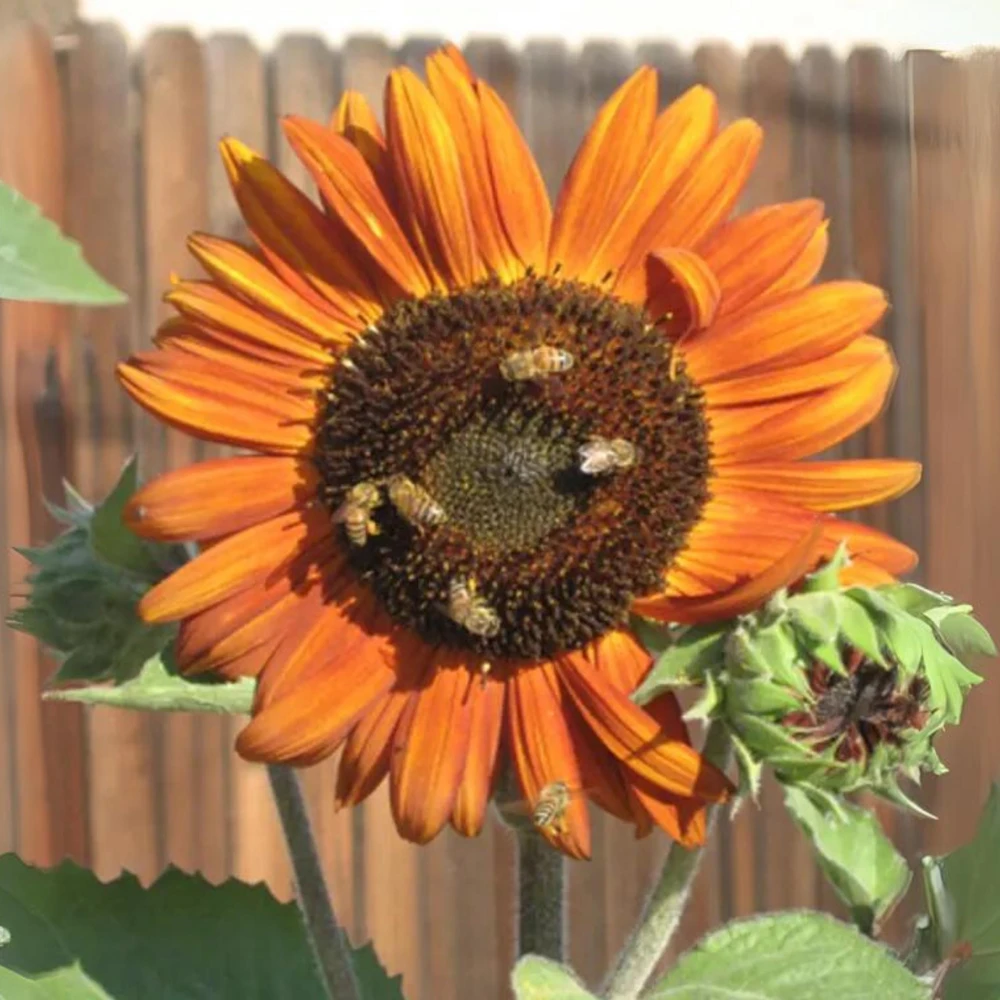
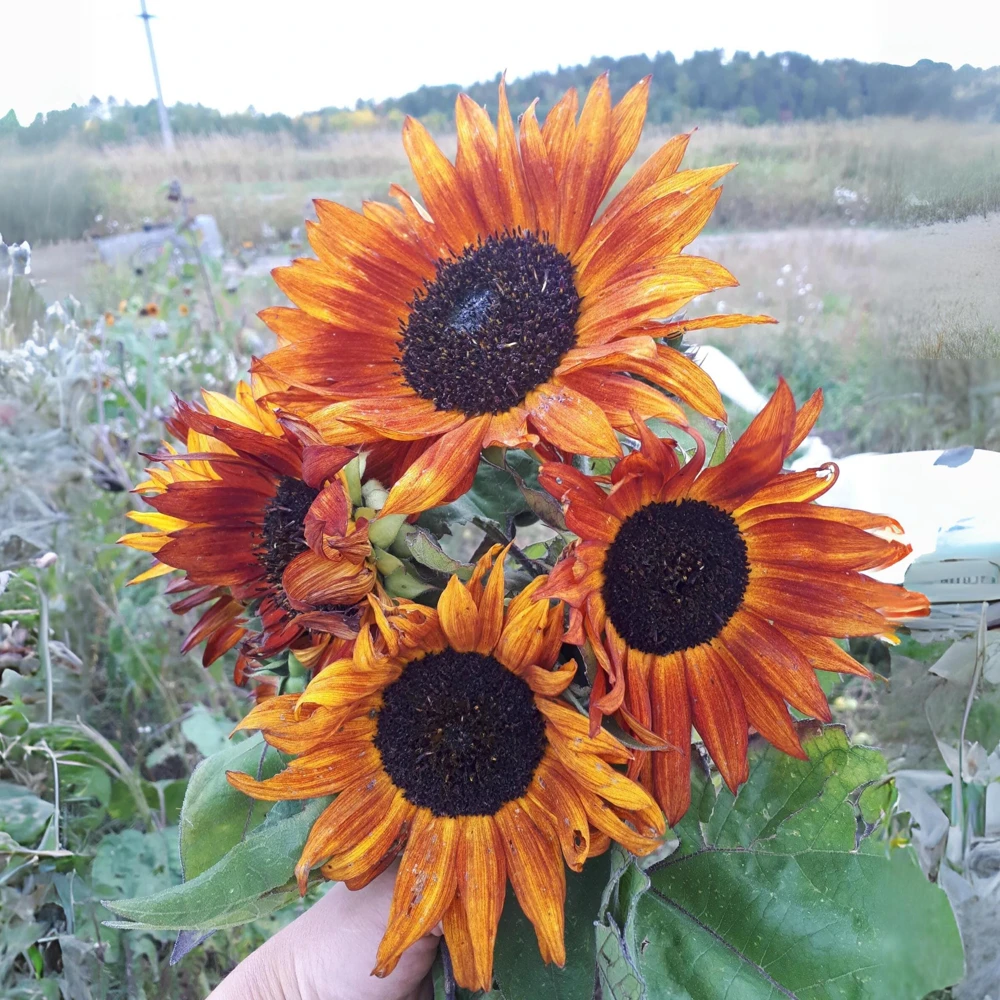
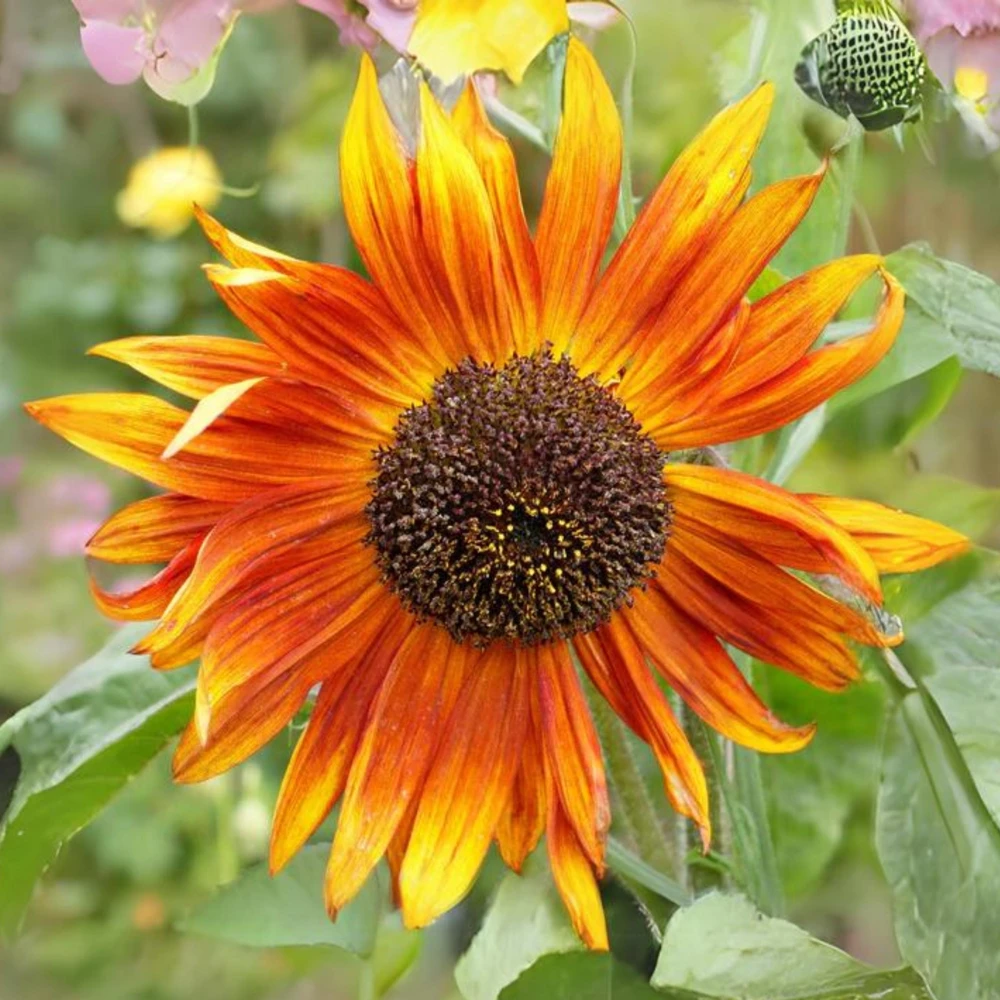
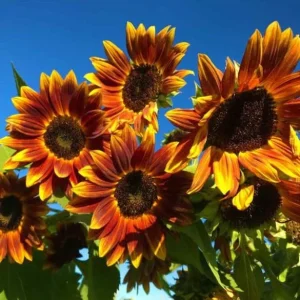
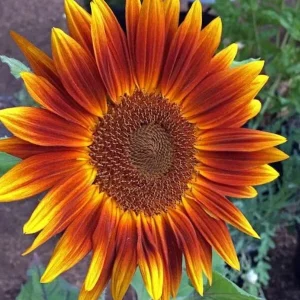
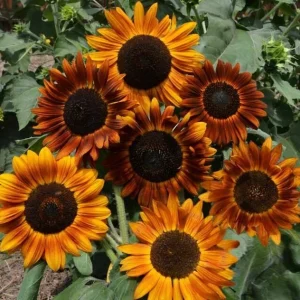
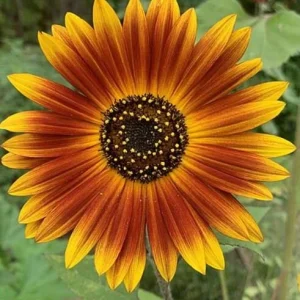
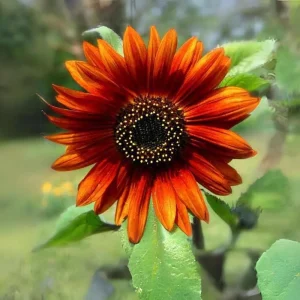
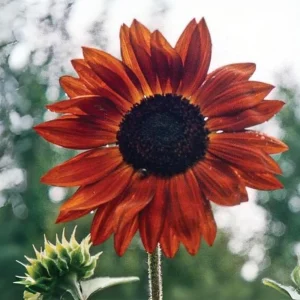
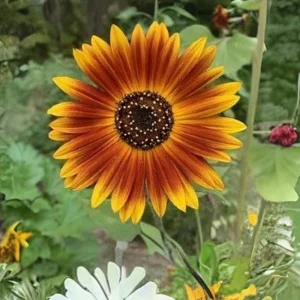
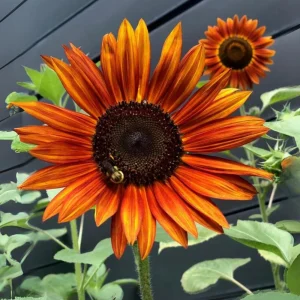
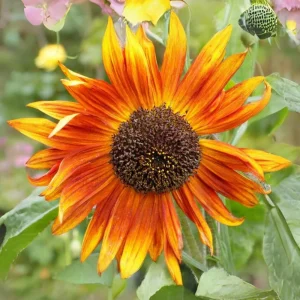
Sunflower Seeds – Annual Annuals – Non-GMO Flower Seeds – 25 Seeds
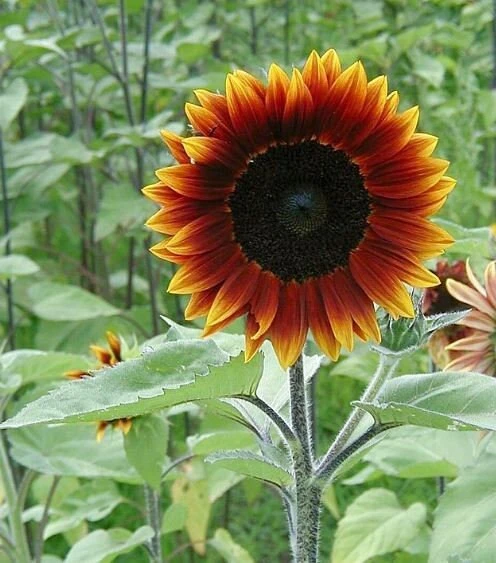
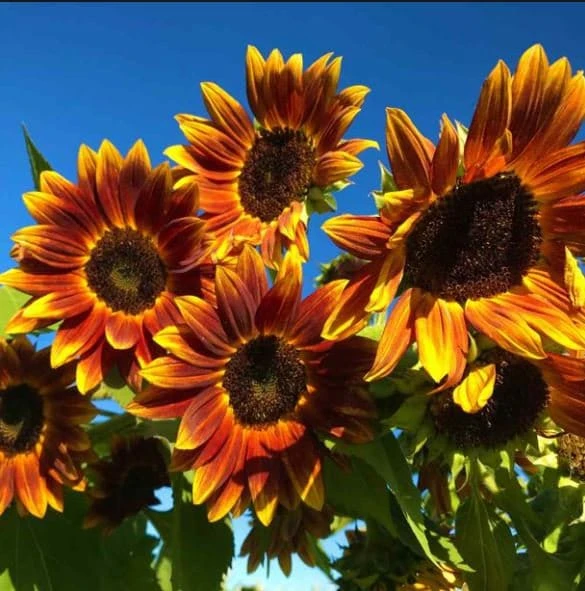
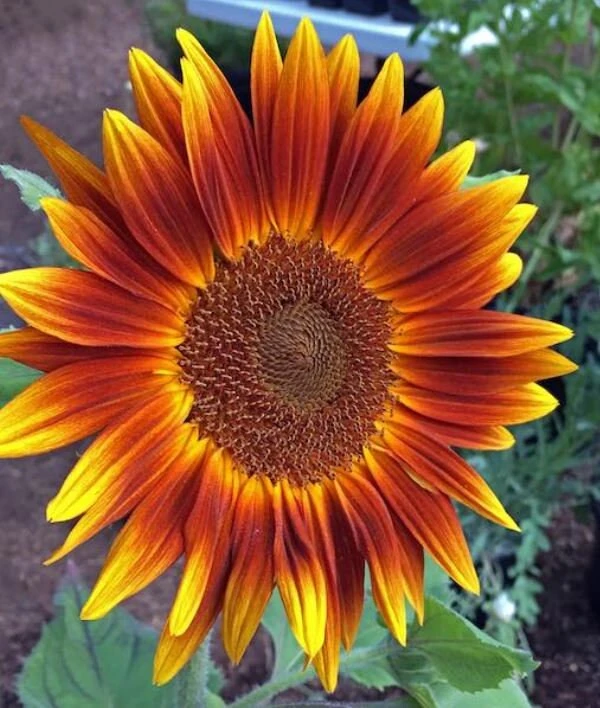
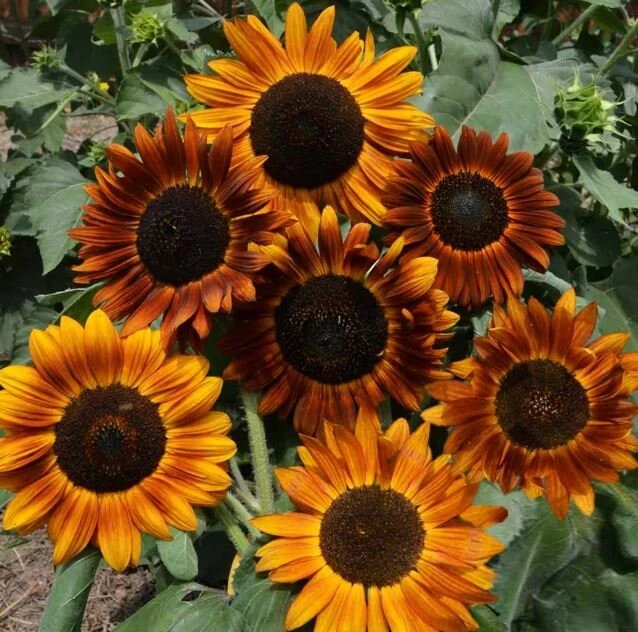
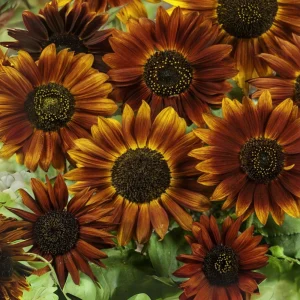
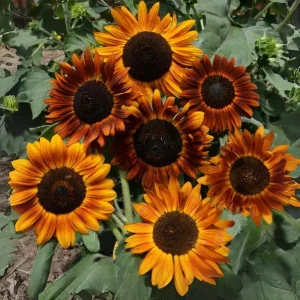
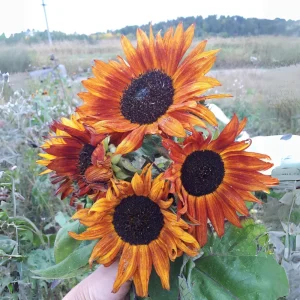
Cultivate stunning sunflowers in your garden with this pack of 25 premium sunflower seeds. These non-GMO annuals are easy to grow and will bring vibrant color and life to any outdoor space, making them perfect for gardeners of all experience levels.
Original price was: $17.16.$8.58Current price is: $8.58.

With our Alive & Thrive Guarantee, we’ve got your back for the first 30 days! If you have any concerns about your plants, just reach out to us. Our team is here to help answer your questions and guide you in selecting the best plants for your garden, climate, and unique preferences. We're excited to help you create the garden of your dreams!
Estimated arrival
Oct 08
Oct 13 - Oct 15
Oct 18 - Oct 22


Product Details
-
USDA Hardiness Zone
USDA zones 2-11 (as annuals) -
Soil type
Well-draining soil -
Sunlight Exposure
Full sun (6-8+ hours daily) -
Expected Planting Period
Spring to early summer
Overview
Transform your garden into a beacon of sunshine with our premium sunflower seeds. Each pack contains 25 high-quality, non-GMO seeds, ready to sprout into magnificent annual flowers. Sunflowers are beloved for their towering height, striking golden petals, and the cheerful atmosphere they bring to any landscape. Cultivating sunflowers from seed is a deeply rewarding experience, offering both aesthetic beauty and the satisfaction of growing your own produce. These authentic seeds promise a vibrant display, making them an excellent choice for adding a touch of natural splendor to your outdoor areas. Whether you’re an experienced gardener or just starting out, these sunflower seeds provide a straightforward and enjoyable path to a spectacular garden.
Sunflowers (Helianthus annuus) are not only stunning to behold but also incredibly versatile. They are annuals, meaning they complete their life cycle within one growing season, providing a fresh display each year. Beyond their ornamental value, many varieties produce edible seeds, making them a dual-purpose plant for both beauty and sustenance. Our carefully selected seeds ensure robust growth and healthy plants, ready to thrive in various conditions. Embrace the joy of gardening and watch these beautiful flowers reach for the sky, attracting pollinators and admirers alike.
Key Benefits
Planting sunflower seeds offers a multitude of benefits for both your garden and your well-being. These iconic flowers are more than just pretty faces; they contribute significantly to the ecosystem and provide a source of enjoyment.
- Vibrant Garden Aesthetics: Sunflowers provide an unparalleled visual impact with their large, bright yellow blooms. They create a dramatic focal point in any garden, adding cheerful color and vertical interest that can transform an ordinary space into an extraordinary one.
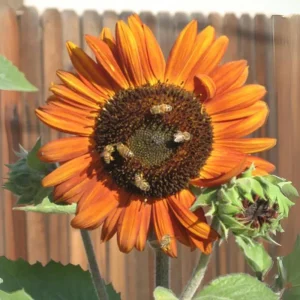
- Attract Pollinators: The large, nectar-rich flowers are a magnet for bees, butterflies, and other beneficial pollinators. By planting these annual flower seeds, you’re helping to support local ecosystems and enhance the pollination of other plants in your garden.
- Easy to Grow: Sunflowers are known for their resilience and relatively low maintenance, making them an ideal choice for beginner gardeners and those with busy schedules. They are forgiving plants that thrive with minimal fuss once established.
- Edible Seeds: Many sunflower varieties produce delicious, nutritious seeds that can be harvested and enjoyed as a snack or used in cooking. Growing your own provides a fresh, organic source of this healthy treat.
- Natural Bird Feeders: Leaving some seed heads to mature on the plant provides a natural food source for wild birds, adding dynamic wildlife activity to your garden during the late season.
- Soil Improvement: Sunflowers have deep root systems that can help break up compacted soil and draw up nutrients from deeper layers, improving soil structure and fertility over time.
- Sense of Accomplishment: Watching these majestic flowers grow from tiny non-gmo seeds to towering plants is incredibly rewarding, fostering a sense of accomplishment and connection to nature.
Plant Care & Growing Tips
Planting sunflower seeds is a straightforward and rewarding process, even for novice gardeners. With a little preparation and consistent care, you can enjoy a spectacular display of these iconic flowers. Sunflowers are sun-loving plants, so choosing the right location is paramount. They require at least 6 to 8 hours of direct sunlight per day to thrive and produce their characteristic large blooms. An open, unshaded spot in your garden is ideal.
The soil plays a crucial role in the success of your sunflowers. While adaptable, they prefer well-draining soil that isn’t too heavy or compacted. Amending your garden soil with organic matter like compost can significantly improve drainage and nutrient content, providing an optimal environment for your sunflower seeds to germinate and grow. Direct sowing is generally recommended after the last frost date in spring. Plant seeds about 1 to 2 inches deep, spacing them according to the mature size of the variety you’re growing. For taller varieties, ensure adequate spacing to prevent overcrowding.
Watering is essential, especially during germination and early growth. Keep the soil consistently moist but never waterlogged. Once established, sunflowers develop deep root systems and become more drought-tolerant, though regular watering during dry spells will promote healthier growth and larger flowers. While sunflowers are not heavy feeders, a balanced fertilizer applied once or twice during the growing season can encourage vigorous growth and abundant blooms. Taller varieties may benefit from staking or support to prevent them from toppling over in strong winds. If you’re looking to grow sunflowers for their seeds, allow the flower heads to fully mature and dry on the plant before harvesting. For continuous blooming of ornamental varieties, deadheading spent flowers can encourage more blooms throughout the season.
Size & Details
This product includes one complete packet containing 25 high-quality sunflower seeds. These are annual flowers, meaning they will complete their life cycle within one growing season, from planting to flowering and seed production. The mature height of sunflowers can vary significantly depending on the specific variety, typically ranging from 5 to 15 feet tall, though some dwarf varieties may be shorter. When planting, it’s important to consider the mature spread, which can be anywhere from 1 to 3 feet wide per plant, to ensure adequate spacing. The size of the flower heads also varies, often reaching diameters of 6 to 12 inches or more. These seeds are suitable for outdoor planting and will establish quickly, with flowering generally occurring 70-100 days after planting, depending on climate and variety.
The seeds are provided ready for direct sowing into prepared garden beds or can be started indoors for an earlier bloom. They are non-GMO, ensuring a natural and authentic growing experience. Expect robust germination rates and strong, healthy plants when proper care instructions are followed. These non-gmo seeds are perfect for creating impressive backdrops, vibrant borders, or even for growing in large containers on patios. The exact size and vigor of your sunflowers will be influenced by growing conditions, including sunlight, soil quality, and consistent watering.
Frequently Asked Questions
- Q: How big do these sunflowers get? A: The mature height of sunflowers grown from these sunflower seeds typically ranges from 5 to 15 feet, depending on the specific variety and growing conditions. Flower heads can reach 6 to 12 inches in diameter.
- Q: Is this an indoor or outdoor plant? A: Sunflowers are primarily outdoor plants that require full sun to thrive. They need at least 6 to 8 hours of direct sunlight daily for optimal growth and flowering.
- Q: How much sunlight does it need? A: To successfully grow sunflowers, they need a location that receives a minimum of 6 to 8 hours of direct sunlight every day. More sun generally leads to larger, healthier plants and more abundant blooms.
- Q: Is this plant easy to care for? A: Yes, sunflowers are considered relatively easy to care for and are a great choice for gardeners of all experience levels. They are quite resilient once established and require consistent watering and good drainage.
- Q: What condition will the seeds arrive in? A: The sunflower seeds will arrive in a sealed packet, ensuring their freshness and viability for planting. They are ready for immediate sowing upon receipt.
- Q: When is the best time to plant these annual flower seeds? A: The best time to plant sunflower seeds is after the last danger of frost has passed in your area, typically in late spring or early summer. You can also start them indoors a few weeks before the last frost.
- Q: Can I harvest the seeds for eating? A: Yes, these non-gmo seeds can produce edible sunflower seeds. Allow the flower heads to fully mature and dry on the plant before harvesting them for a delicious and nutritious snack.
- Q: Will these sunflowers attract birds and pollinators? A: Absolutely! Sunflowers are well-known for attracting a variety of pollinators like bees and butterflies, and their mature seeds are a favorite food source for many bird species.
- Q: What kind of soil is best for planting sunflower? A: Sunflowers prefer well-draining soil. If your soil is heavy, amending it with organic matter like compost will improve drainage and provide essential nutrients for robust growth.
- Q: Do I need to fertilize these sunflowers? A: While sunflowers are not heavy feeders, applying a balanced fertilizer once or twice during the growing season can encourage healthier growth and more prolific blooming. Follow product instructions for application.
Related products
-15%
From Original price was: $28.00.$23.80Current price is: $23.80.
-50%

Original price was: $15.96.$7.98Current price is: $7.98.
-50%

Original price was: $23.96.$11.98Current price is: $11.98.
-50%
Original price was: $23.96.$11.98Current price is: $11.98.
-50%
Original price was: $23.96.$11.98Current price is: $11.98.
-50%
Original price was: $23.96.$11.98Current price is: $11.98.
-50%

Original price was: $38.36.$19.18Current price is: $19.18.
PLANTING & CARE
Lemon Tree Growing: Choose, Plant, and Harvest
Learn how to choose, plant, feed, and protect a lemon tree so it fits your
23
Sep
Sep
Dwarf Meyer Lemon Tree Australia: Climate Guide
Learn where dwarf Meyer lemon trees grow, how much cold they tolerate, and whether Australia,
Where to Buy a Dwarf Meyer Lemon Tree: Buyer’s Guide
Find the right dwarf Meyer lemon tree online or locally, compare starter sizes and costs,
Dwarf Meyer Lemon Tree for Sale: Buying Guide
Compare Meyer lemon tree sizes, prices, shipping limits, indoor growing and California options before you
Dwarf Meyer Lemon Tree Guide: Size, Care and Fruit
META: Learn how large a dwarf Meyer lemon tree grows, where it thrives, and how
How to Prune a Dwarf Meyer Lemon Tree
Learn when and how to prune a dwarf Meyer lemon tree, including tools, shaping cuts,
Can You Grow a Dwarf Meyer Lemon Tree in a Pot?
META: Learn how to grow a dwarf Meyer lemon tree in a pot, including container
When Do Dwarf Meyer Lemon Trees Bloom and Fruit?
META: Dwarf Meyer lemon trees usually bloom from winter through spring and may flower again