Sweet Bay Laurel Live Plant – 6 Inch Pot – Laurus Nobilis – Indoor/Outdoor
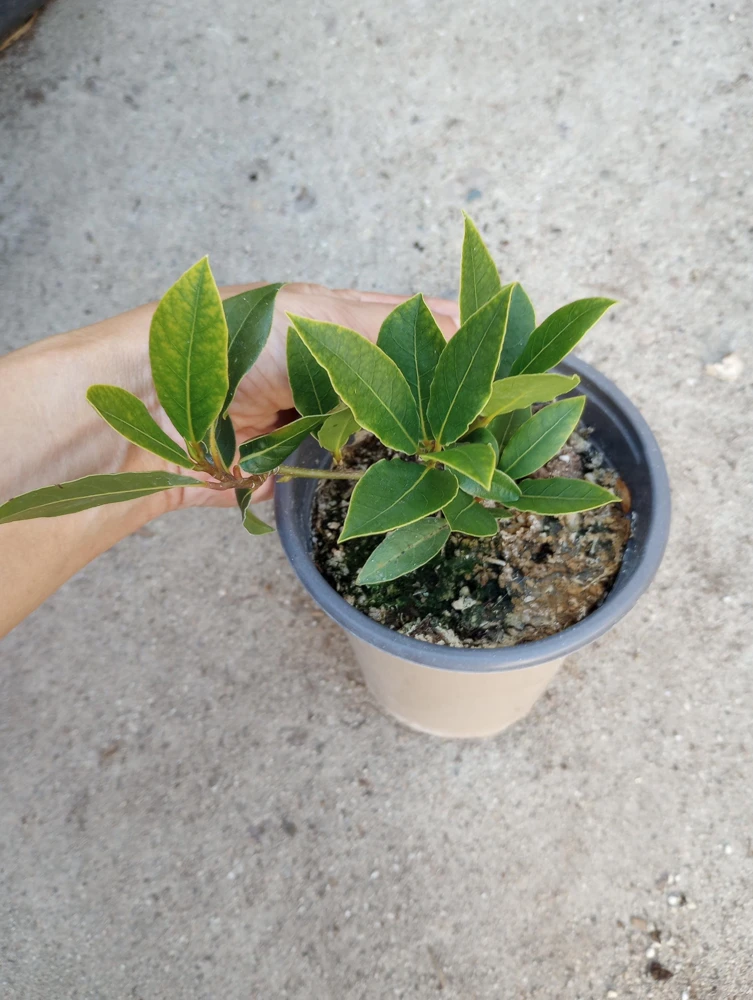
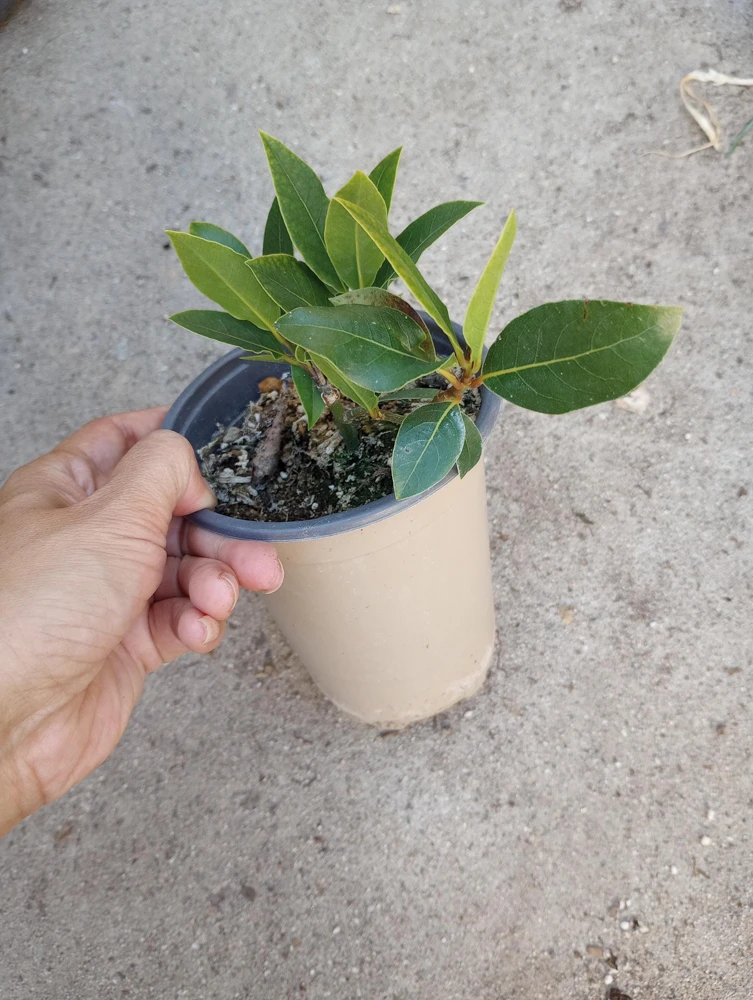
Sweet Bay Laurel Live Plant – 6 Inch Pot – Laurus Nobilis – Indoor/Outdoor
Bring the elegance and aroma of a sweet bay laurel live plant into your home or garden. This versatile Laurus nobilis plant comes in a 6-inch pot, ready to thrive. Ideal for culinary enthusiasts and ornamental plant lovers.
$25.98

With our Alive & Thrive Guarantee, we’ve got your back for the first 30 days! If you have any concerns about your plants, just reach out to us. Our team is here to help answer your questions and guide you in selecting the best plants for your garden, climate, and unique preferences. We're excited to help you create the garden of your dreams!
Estimated arrival
Oct 07
Oct 12 - Oct 14
Oct 17 - Oct 21
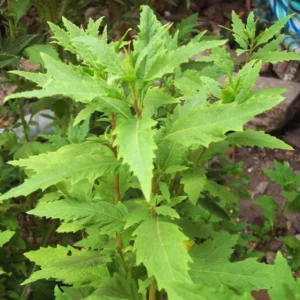
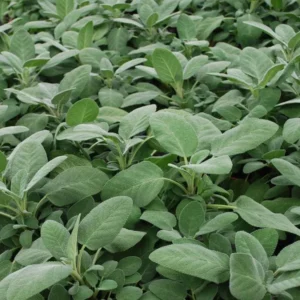
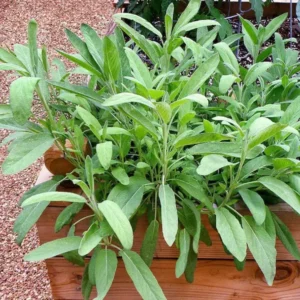
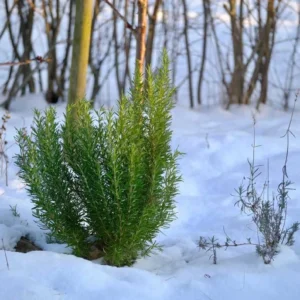
Product Details
-
USDA Hardiness Zone
USDA zones 8-11 (outdoor), suitable for indoor cultivation in all zones -
Soil type
Well-draining, fertile potting mix -
Sunlight Exposure
Full sun to partial shade -
Expected Planting Period
Year-round indoors; Spring to early summer outdoors
Overview
Discover the timeless beauty and utility of the sweet bay laurel live plant (Laurus nobilis). This exquisite evergreen shrub or small tree is renowned for its aromatic leaves, which are a staple in gourmet cooking worldwide. Our sweet bay laurel live plant is cultivated with care, arriving in a healthy 6-inch pot, ready to be a distinguished addition to your kitchen, patio, or garden. Known for its elegant form and glossy, dark green foliage, Laurus nobilis is not just a culinary herb but also a striking ornamental plant that adds a touch of Mediterranean charm to any setting. Whether you’re an experienced gardener or just starting, this robust and adaptable plant offers both aesthetic appeal and practical benefits, making it a truly rewarding choice for any plant enthusiast seeking a culinary bay leaf plant.
Key Benefits
The sweet bay laurel live plant offers a multitude of benefits, from its culinary applications to its ornamental value and ease of care. It’s a versatile plant that enriches both your home and your cooking:
- Culinary Excellence: Fresh bay leaves from your own sweet bay laurel live plant provide a superior, more intense flavor compared to dried store-bought leaves. They are essential for soups, stews, sauces, and roasts, imparting a rich, aromatic depth.
- Aromatic Foliage: The glossy, dark green leaves release a delightful fragrance when brushed or crushed, creating a pleasant atmosphere in your home or garden. This natural aroma can also act as a gentle insect deterrent.
- Ornamental Beauty: With its classic pyramidal or rounded shape and vibrant foliage, the Laurus nobilis plant serves as an elegant decorative element. It can be easily pruned into various forms, including topiaries, making it perfect for formal gardens or patio containers.
- Adaptable Growth: This plant thrives in a range of conditions, making it suitable for both indoor cultivation in colder climates and outdoor planting in warmer regions. Its resilience contributes to its popularity as a garden and houseplant.
- Low Maintenance: Once established, the bay laurel tree care requirements are relatively straightforward, making it an excellent choice for gardeners of all skill levels. It tolerates occasional neglect better than many other herbs.
- Year-Round Appeal: As an evergreen, the sweet bay laurel live plant maintains its lush green leaves throughout the year, providing continuous beauty and access to fresh herbs, even in winter.
- Traditional Significance: Historically, bay laurel symbolized victory and honor. Growing your own connects you to centuries of tradition and culture, adding a unique story to your plant collection.
Plant Care & Growing Tips
Caring for your sweet bay laurel live plant is relatively easy, ensuring a long-lasting and productive plant. For optimal growth, provide plenty of sunlight. Bay laurel plants thrive in full sun to partial shade, ideally receiving at least 6 hours of direct sunlight per day. If grown indoors, place it near a south-facing window or use supplemental grow lights to ensure it gets adequate light. Insufficient light can lead to leggy growth and fewer aromatic leaves. When it comes to watering, the key is consistency without overwatering. Allow the top inch or two of soil to dry out completely between waterings. Overwatering can lead to root rot, which is detrimental to the plant’s health. Ensure good drainage, especially if your plant is in a container, to prevent waterlogged conditions.
The ideal soil for a Laurus nobilis plant is a well-draining, fertile potting mix. A slightly acidic to neutral pH (6.0-7.0) is preferred. Amend heavy soils with organic matter to improve drainage. For best results, fertilize your bay laurel during the growing season (spring and summer) with a balanced liquid fertilizer diluted to half strength, once every 4-6 weeks. Reduce fertilization in fall and winter when growth slows. Bay laurel tree care also involves protecting it from extreme cold. While mature plants can tolerate light frost, young plants and those in containers should be brought indoors or protected when temperatures drop below 20°F (-6°C). Pruning can be done to maintain shape, size, and to encourage bushier growth. Remove any dead or diseased branches as needed. This plant is generally pest-resistant, but keep an eye out for common houseplant pests like scale or spider mites, especially when grown indoors. Addressing these issues promptly will help maintain a healthy indoor bay laurel.
Size & Details
This sweet bay laurel live plant is presented in a 6-inch nursery pot, providing a well-established root system and a healthy start for your growing journey. At the time of shipping, plants typically range from 8 to 12 inches in height, not including the pot. The growth rate of Laurus nobilis is moderate, eventually reaching up to 10-20 feet tall and 5-10 feet wide in ideal outdoor conditions, though it can be easily maintained at a smaller, more manageable size through regular pruning, especially when grown as an indoor bay laurel. When planted in the ground in appropriate climates, it can form a dense shrub or a small tree. For container-grown plants, expect a more compact size, making it perfect for patios, balconies, or as an attractive indoor specimen. The foliage is evergreen, ensuring year-round beauty and a constant supply of fresh bay leaves for your culinary needs. It’s a robust plant that adapts well to various environments, making it a versatile choice for any gardener.
Frequently Asked Questions
- Q: How big does this plant get? A: In a container, the sweet bay laurel live plant can be maintained at a size suitable for indoors or a patio, typically 2-6 feet tall with pruning. If planted in the ground in suitable climates, it can grow into a small tree 10-20 feet tall.
- Q: Is this an indoor or outdoor plant? A: Bay laurel is versatile. It can be grown outdoors year-round in warmer climates (USDA Zones 8-11) or brought indoors during winter in colder regions. It makes an excellent indoor bay laurel when given sufficient light.
- Q: How much sunlight does it need? A: The Laurus nobilis plant thrives in full sun to partial shade, ideally receiving at least 6 hours of direct sunlight daily. Indoors, place it in the brightest spot available, such as a south-facing window.
- Q: Is this plant easy to care for? A: Yes, bay laurel tree care is considered low to moderate. It’s relatively drought-tolerant once established and doesn’t require extensive attention, making it suitable for beginners.
- Q: What condition will it arrive in? A: Your sweet bay laurel live plant will arrive in a healthy, well-rooted condition, securely packaged in its 6-inch nursery pot to ensure minimal stress during transit.
- Q: Can I use the leaves for cooking? A: Absolutely! The leaves from this culinary bay leaf plant are perfect for cooking. They can be used fresh or dried to add a distinctive flavor to various dishes.
- Q: What’s the best soil for a bay laurel? A: A well-draining potting mix is crucial. Ensure the soil is rich in organic matter and has a slightly acidic to neutral pH. Good drainage prevents root rot.
- Q: When is the best time to prune my bay laurel? A: Pruning can be done in late winter or early spring before new growth begins, or after the plant has finished flowering. Regular light pruning helps maintain shape and size.
- Q: Is it pet-safe? A: While bay laurel leaves are used in cooking, they can be toxic if ingested in large quantities by pets. It’s best to keep the plant out of reach of curious animals.
- Q: What USDA hardiness zones is it suitable for? A: The sweet bay laurel live plant is typically hardy in USDA Zones 8-11 for outdoor planting. In colder zones, it should be grown in containers and brought indoors for winter protection.
Related products
-67%
Original price was: $75.72.$25.24Current price is: $25.24.
-50%

Original price was: $47.96.$23.98Current price is: $23.98.
-30%
Original price was: $99.98.$69.98Current price is: $69.98.
-34%
Original price was: $75.72.$49.99Current price is: $49.99.
-50%
Original price was: $79.96.$39.98Current price is: $39.98.
-48%
Original price was: $39.99.$20.99Current price is: $20.99.
-67%
From Original price was: $35.22.$11.74Current price is: $11.74.
-49%
Original price was: $60.99.$30.99Current price is: $30.99.
PLANTING & CARE
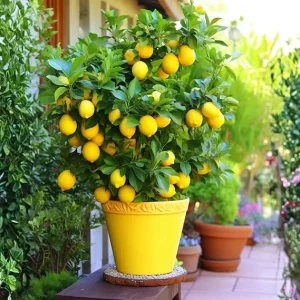
Lemon Tree Growing: Choose, Plant, and Harvest
Learn how to choose, plant, feed, and protect a lemon tree so it fits your
23
Sep
Sep
Dwarf Meyer Lemon Tree Australia: Climate Guide
Learn where dwarf Meyer lemon trees grow, how much cold they tolerate, and whether Australia,
Where to Buy a Dwarf Meyer Lemon Tree: Buyer’s Guide
Find the right dwarf Meyer lemon tree online or locally, compare starter sizes and costs,
Dwarf Meyer Lemon Tree for Sale: Buying Guide
Compare Meyer lemon tree sizes, prices, shipping limits, indoor growing and California options before you
Dwarf Meyer Lemon Tree Guide: Size, Care and Fruit
META: Learn how large a dwarf Meyer lemon tree grows, where it thrives, and how
How to Prune a Dwarf Meyer Lemon Tree
Learn when and how to prune a dwarf Meyer lemon tree, including tools, shaping cuts,
Can You Grow a Dwarf Meyer Lemon Tree in a Pot?
META: Learn how to grow a dwarf Meyer lemon tree in a pot, including container
When Do Dwarf Meyer Lemon Trees Bloom and Fruit?
META: Dwarf Meyer lemon trees usually bloom from winter through spring and may flower again