Sweet Pea Route 66 Seeds – Lathyrus Odoratus – Vibrant Fragrant Climbing Vine – 10 Seeds
-50%
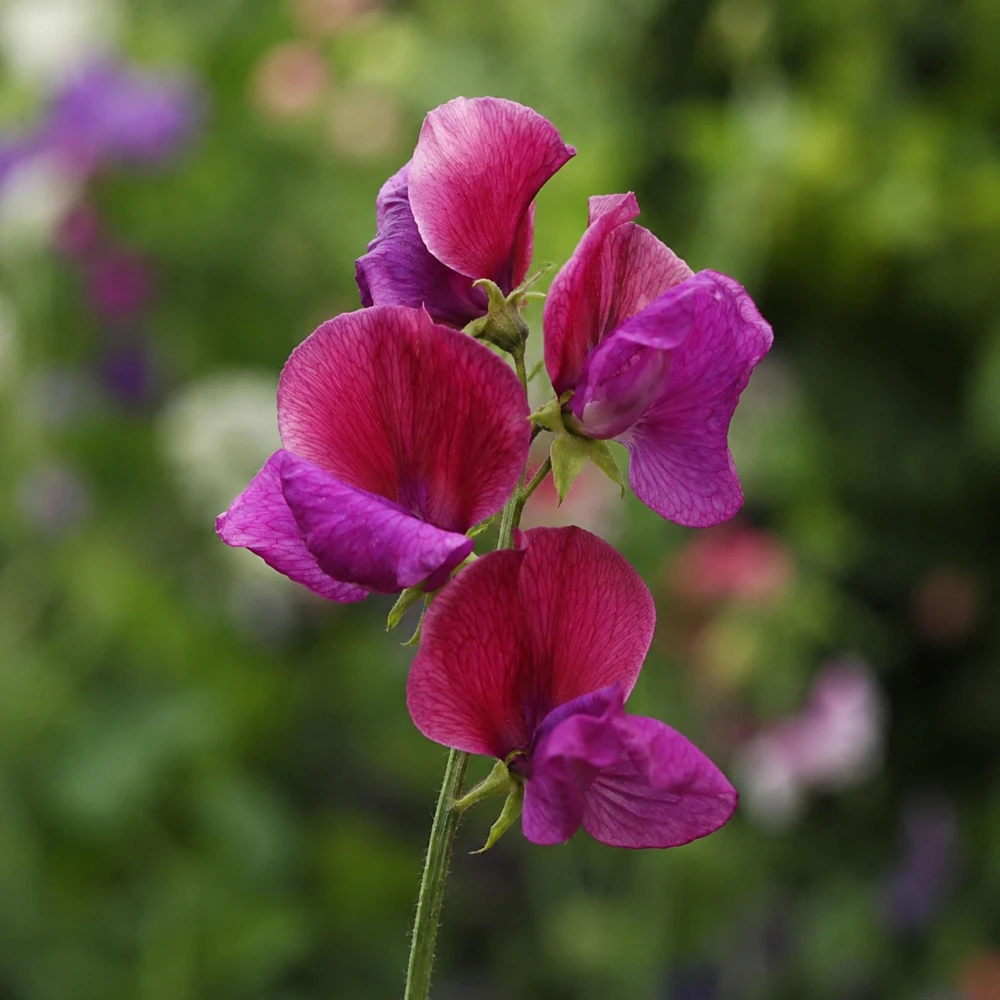
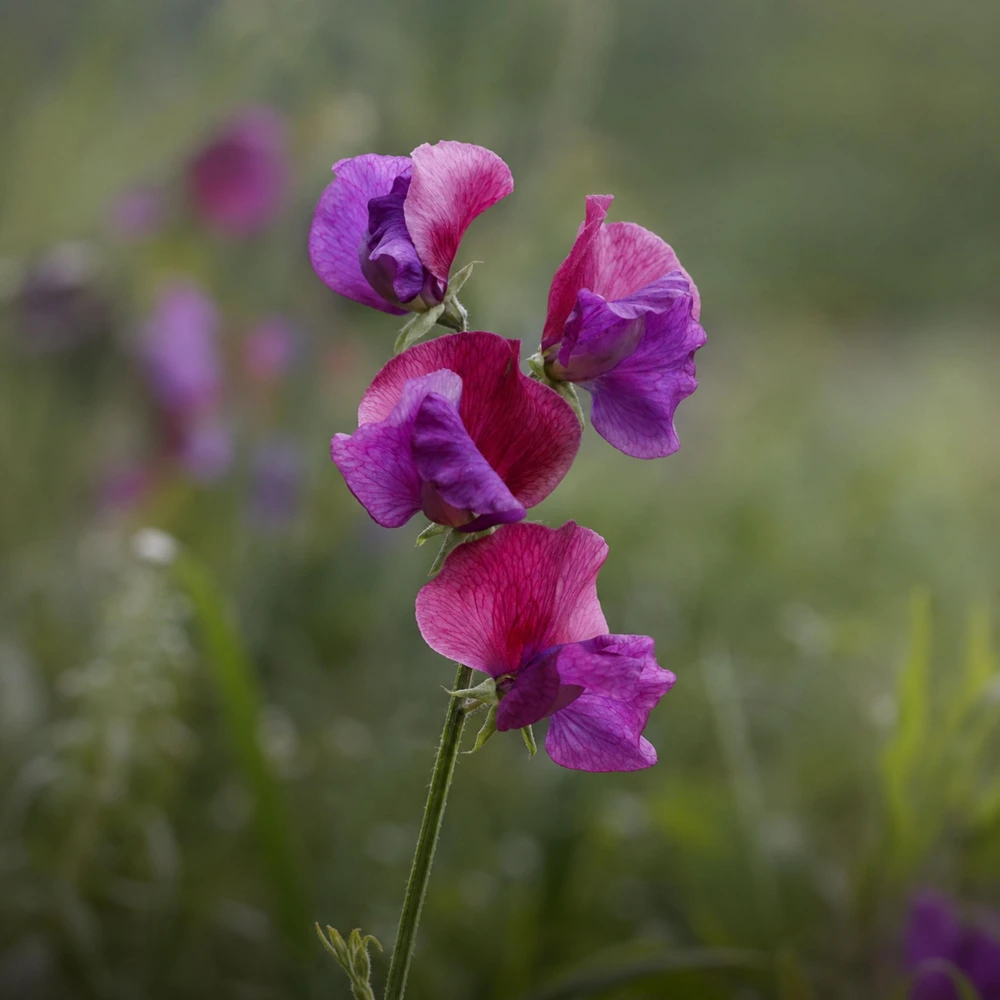
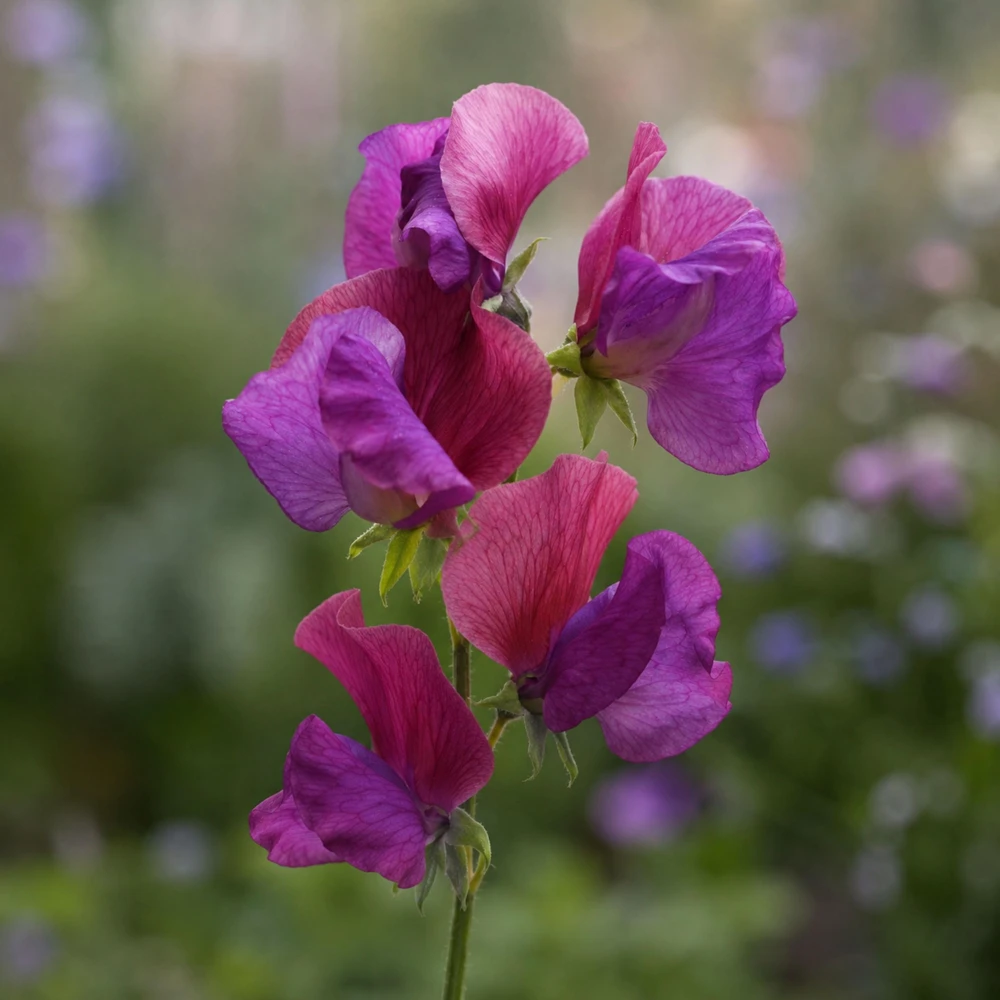
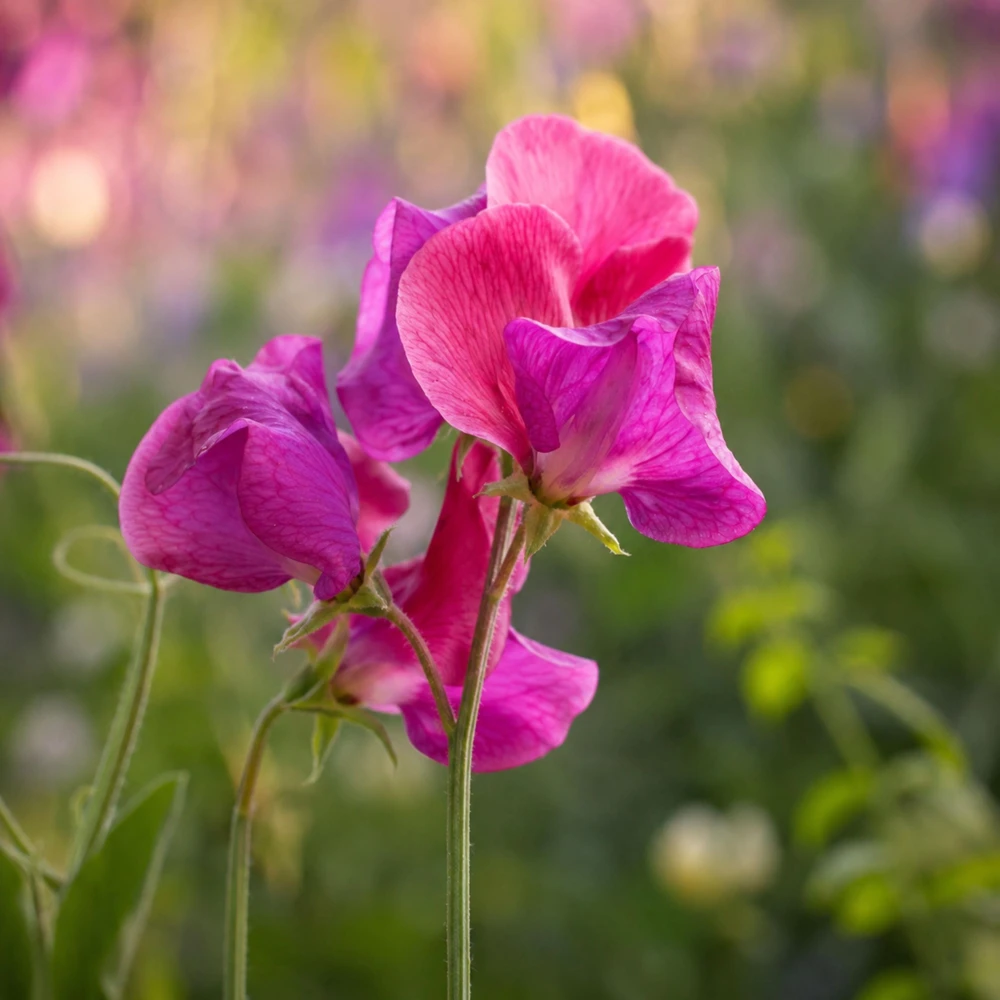
Sweet Pea Route 66 Seeds – Lathyrus Odoratus – Vibrant Fragrant Climbing Vine – 10 Seeds
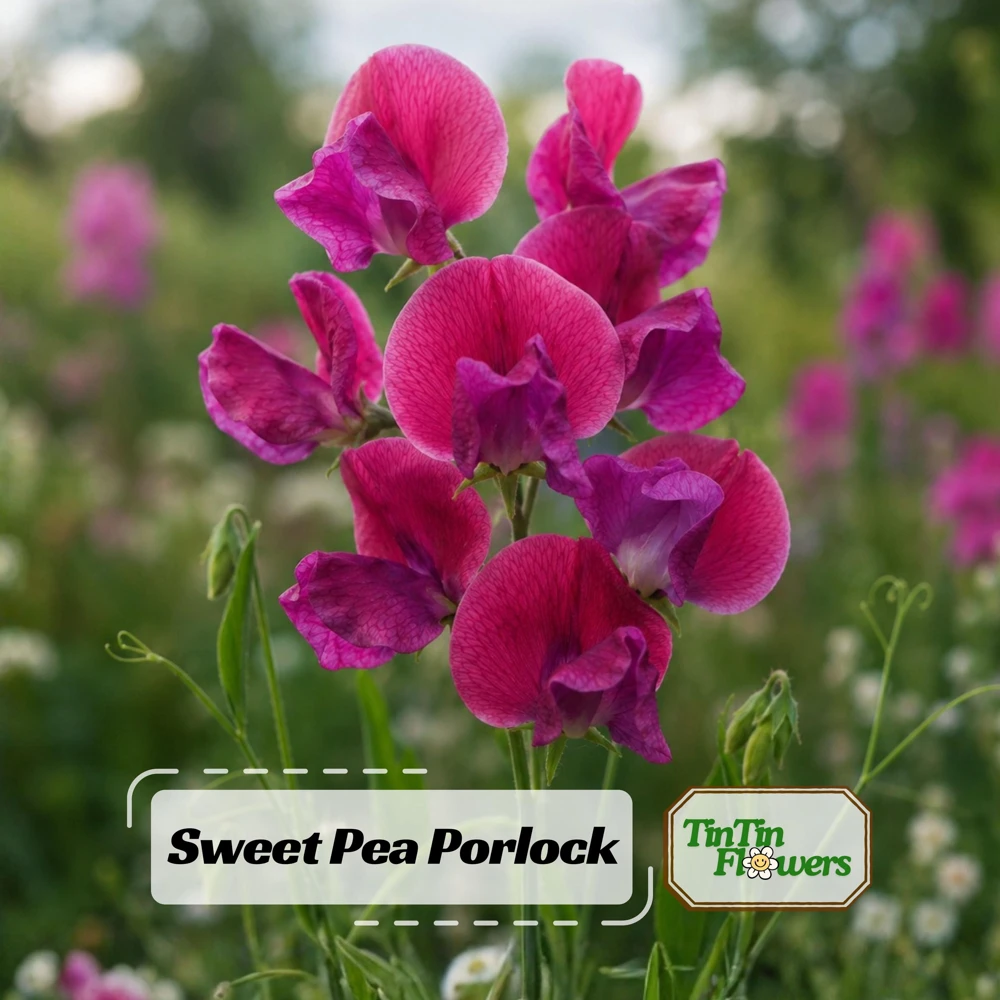
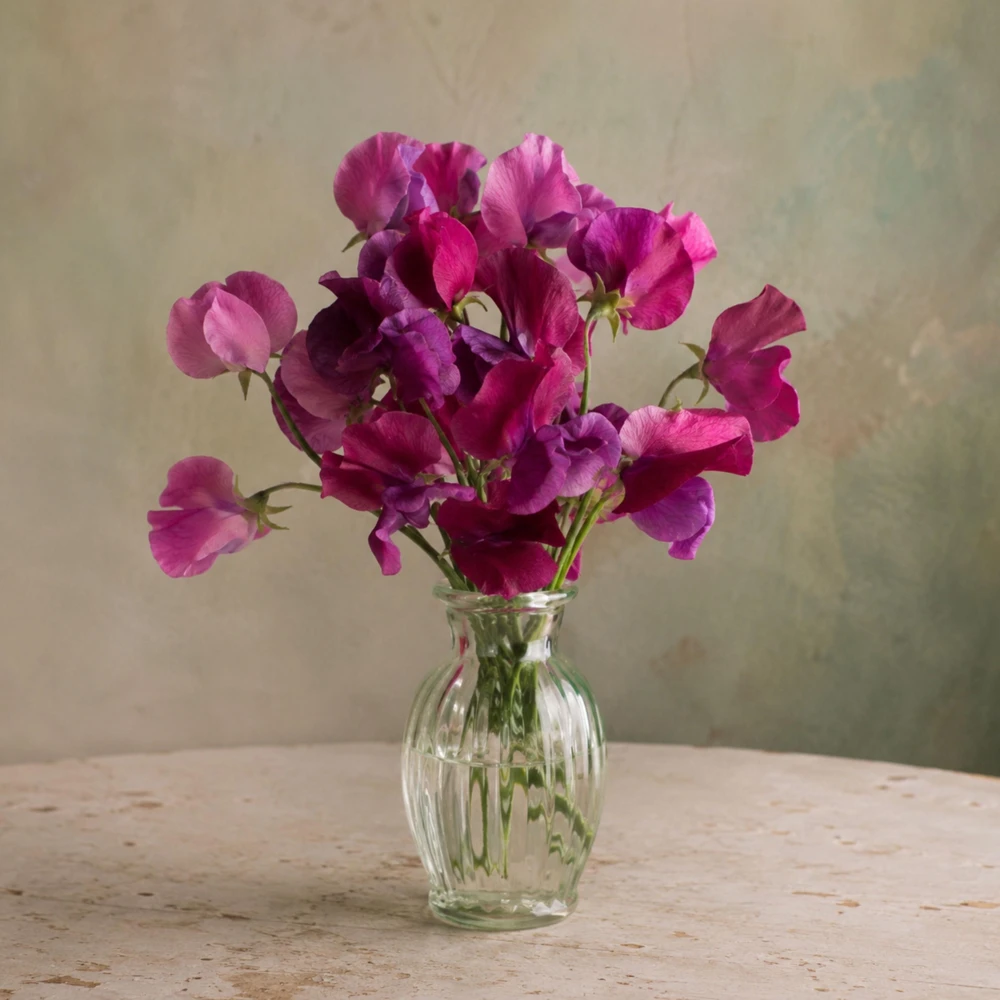
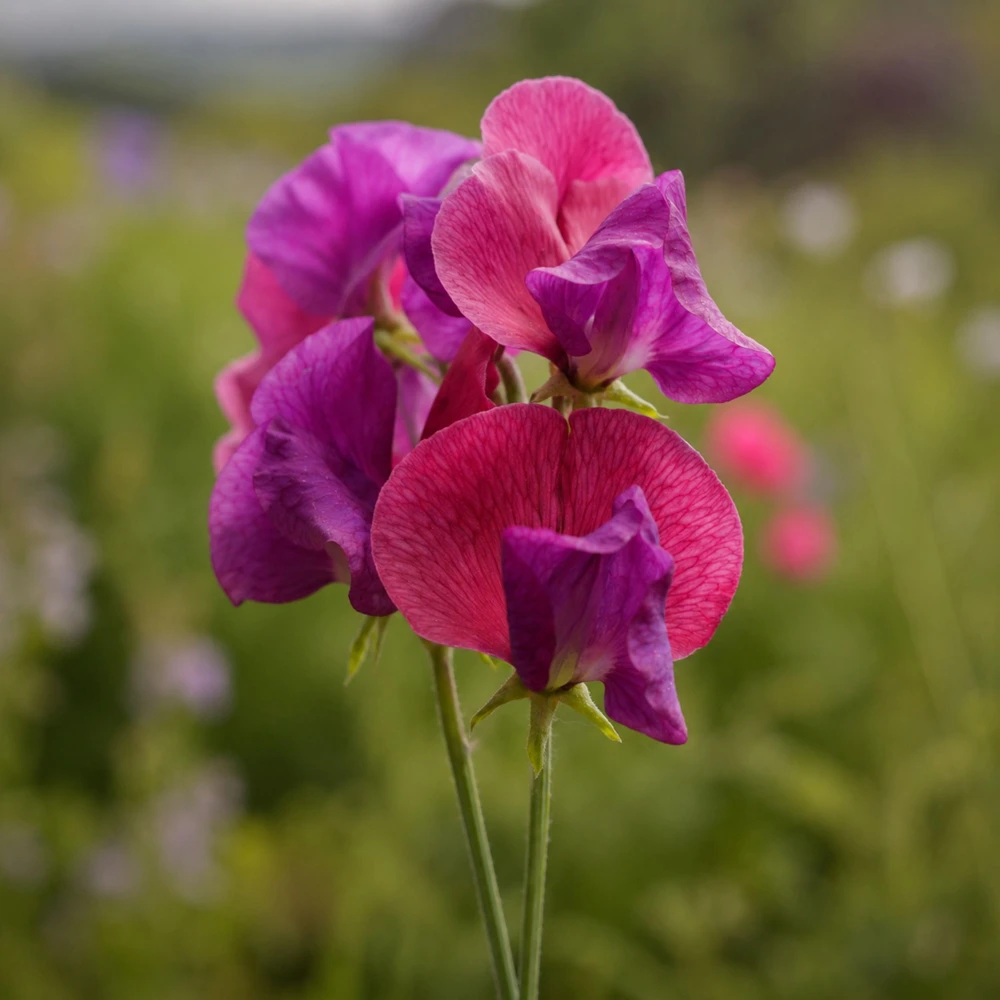
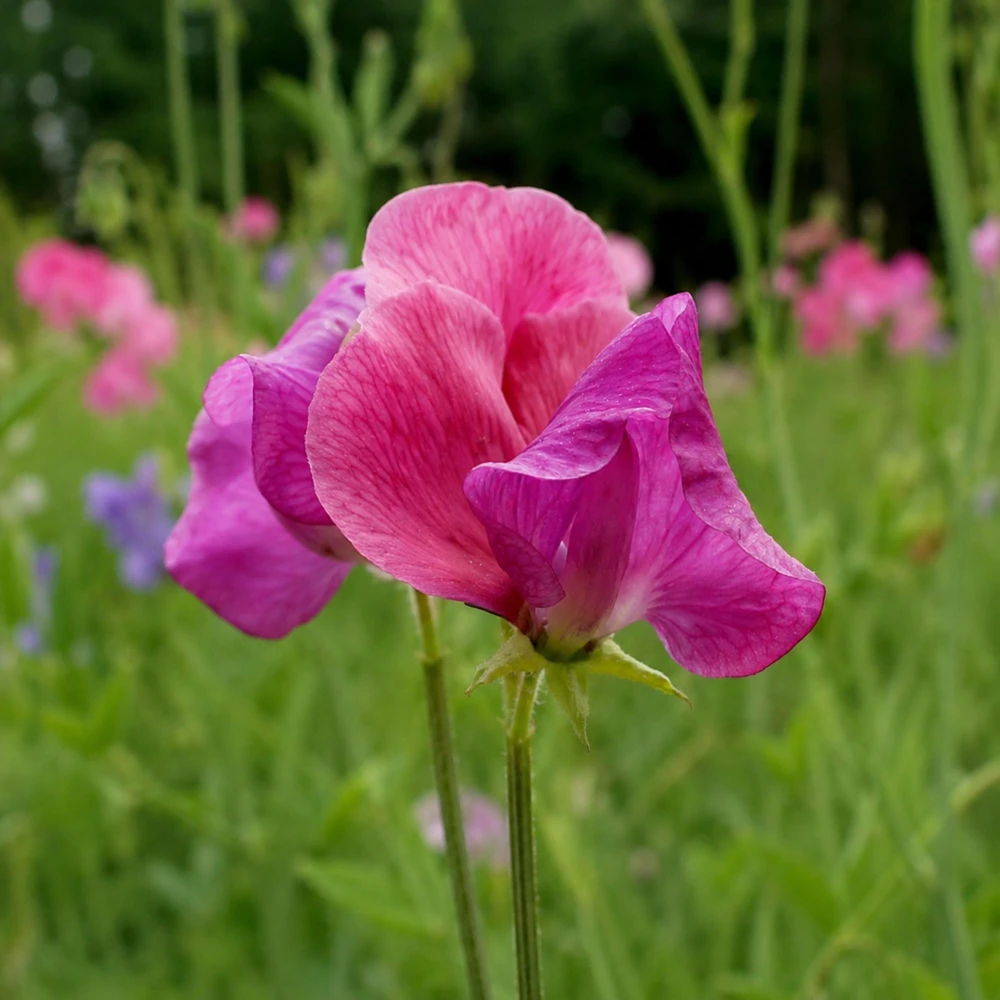
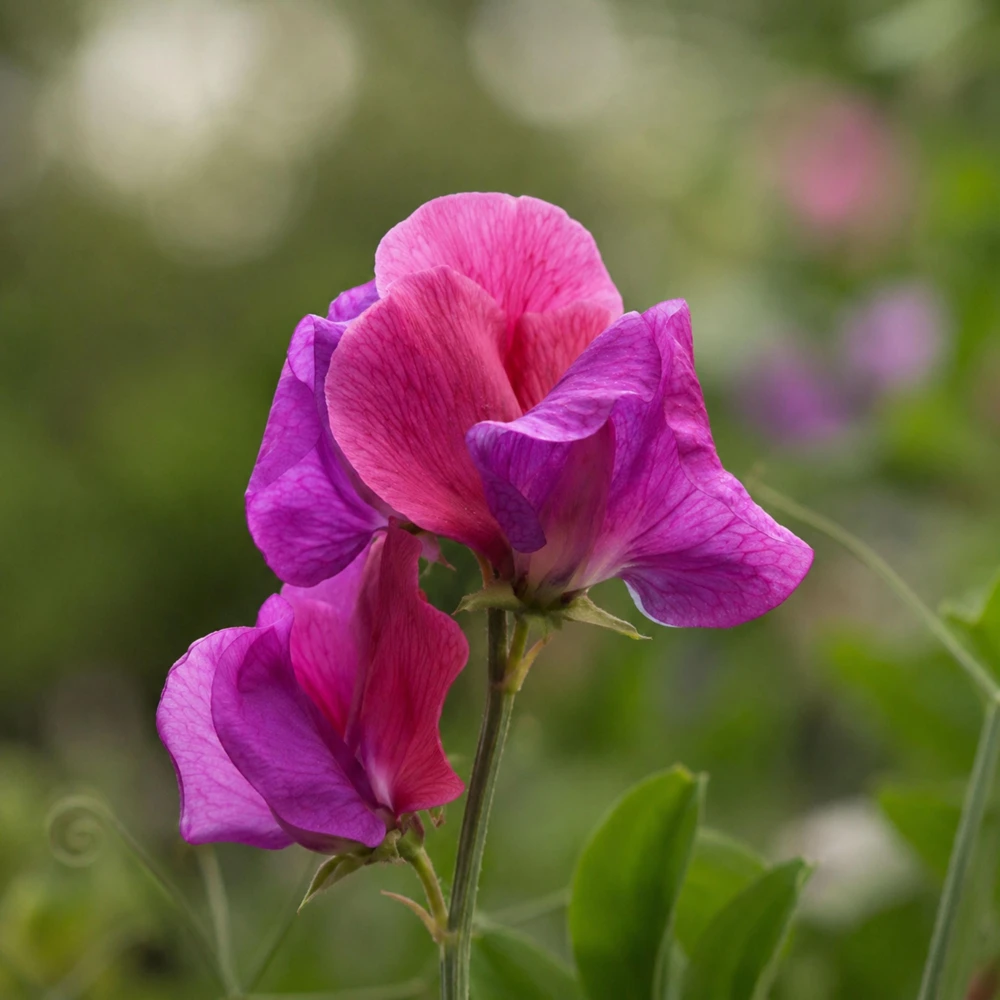
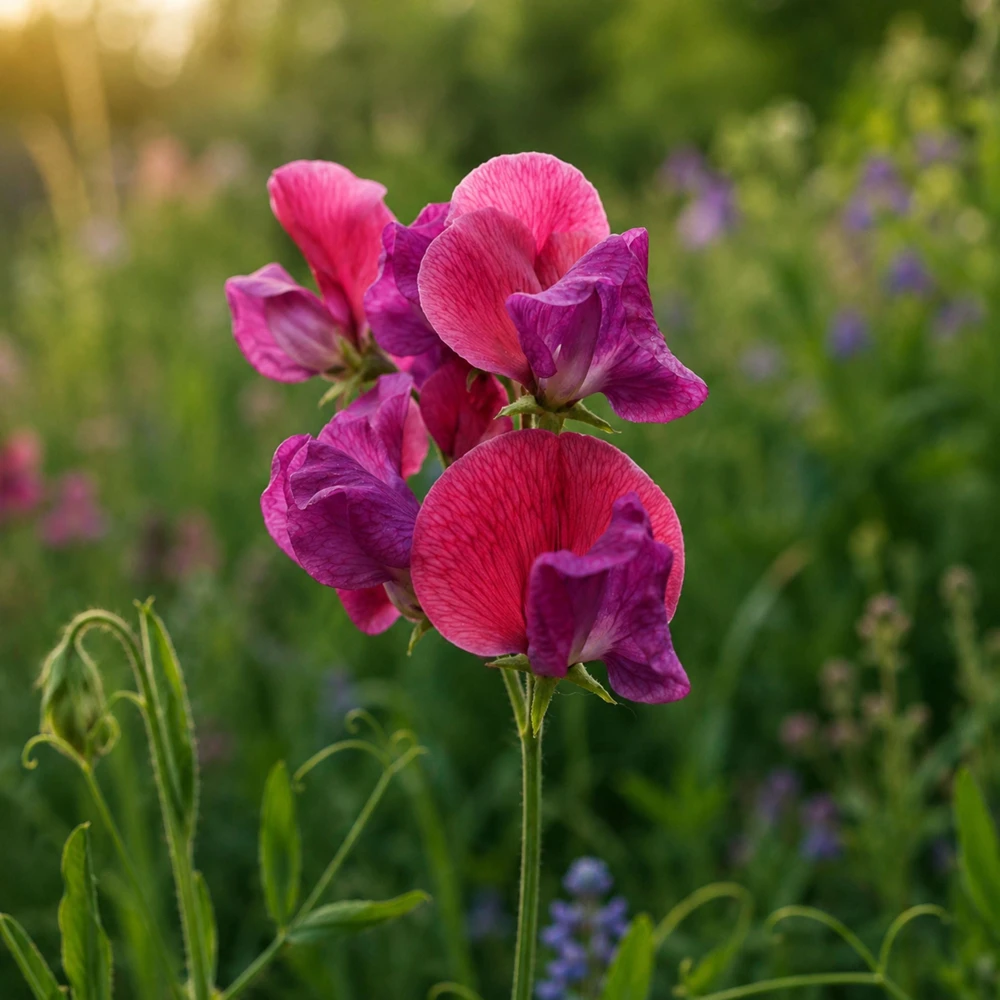
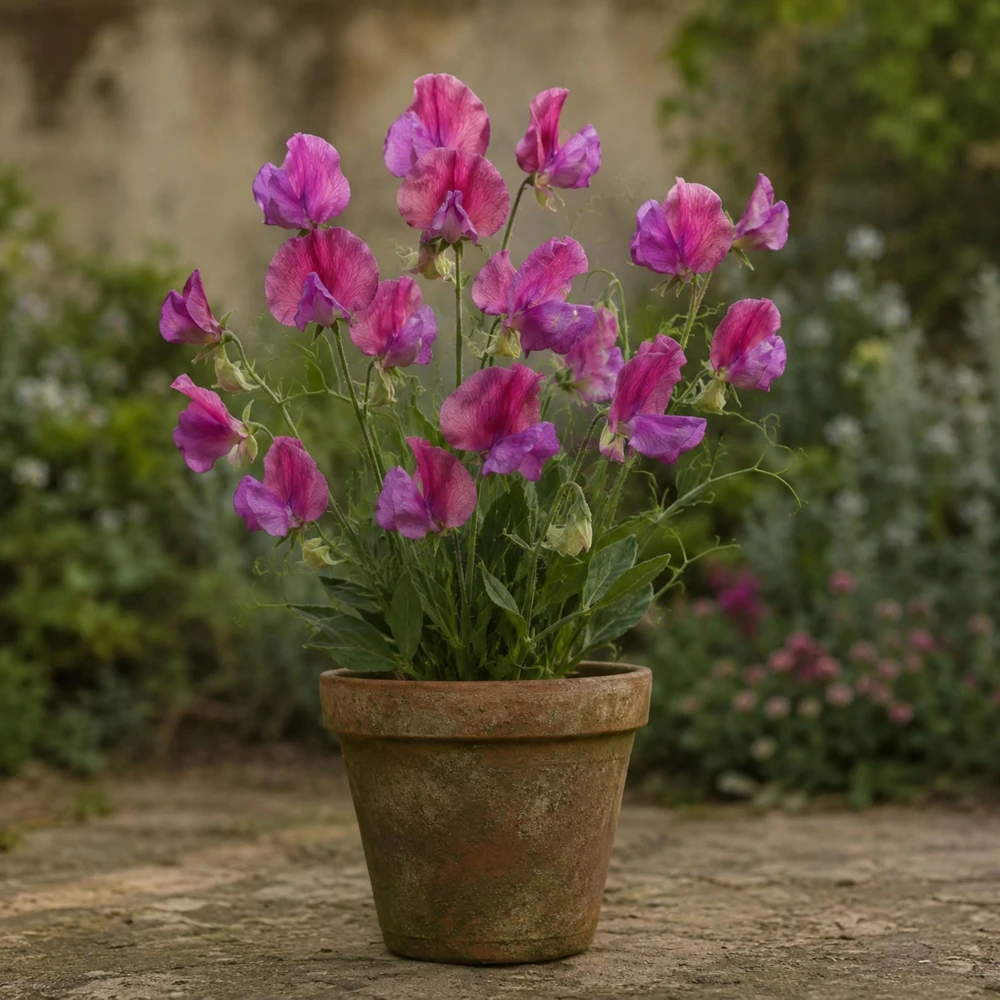
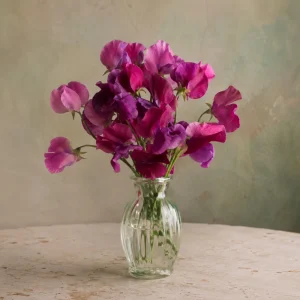
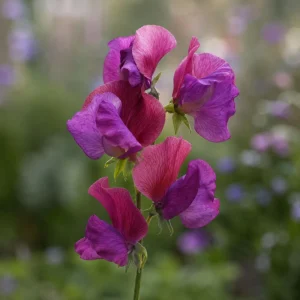
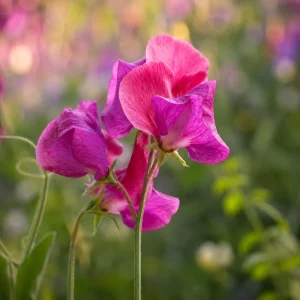
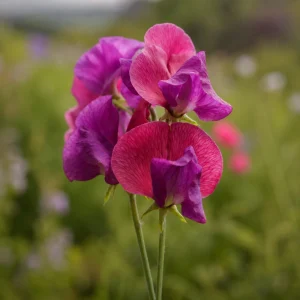
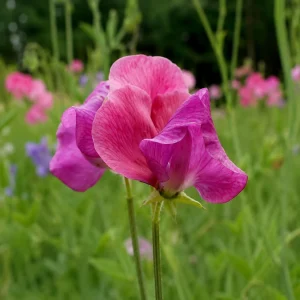
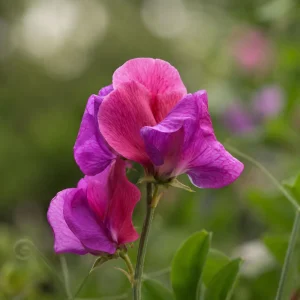
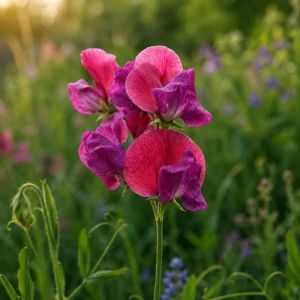
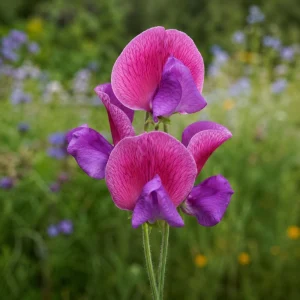
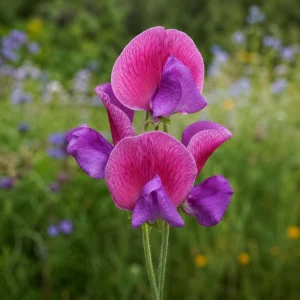
Cultivate beautiful, fragrant sweet pea route 66 seeds (Lathyrus odoratus) to add vibrant color and charm to your garden. These climbing annuals produce stunning mixed-color blooms, ideal for trellises, fences, and delightful cut flower arrangements.
Original price was: $17.46.$8.72Current price is: $8.72.

With our Alive & Thrive Guarantee, we’ve got your back for the first 30 days! If you have any concerns about your plants, just reach out to us. Our team is here to help answer your questions and guide you in selecting the best plants for your garden, climate, and unique preferences. We're excited to help you create the garden of your dreams!
Estimated arrival
Oct 08
Oct 13 - Oct 15
Oct 18 - Oct 22


Product Details
-
USDA Hardiness Zone
Annual (grows in all zones as an annual) -
Soil type
Well-draining soil -
Sunlight Exposure
Full sun -
Expected Planting Period
Early spring to early summer
Overview
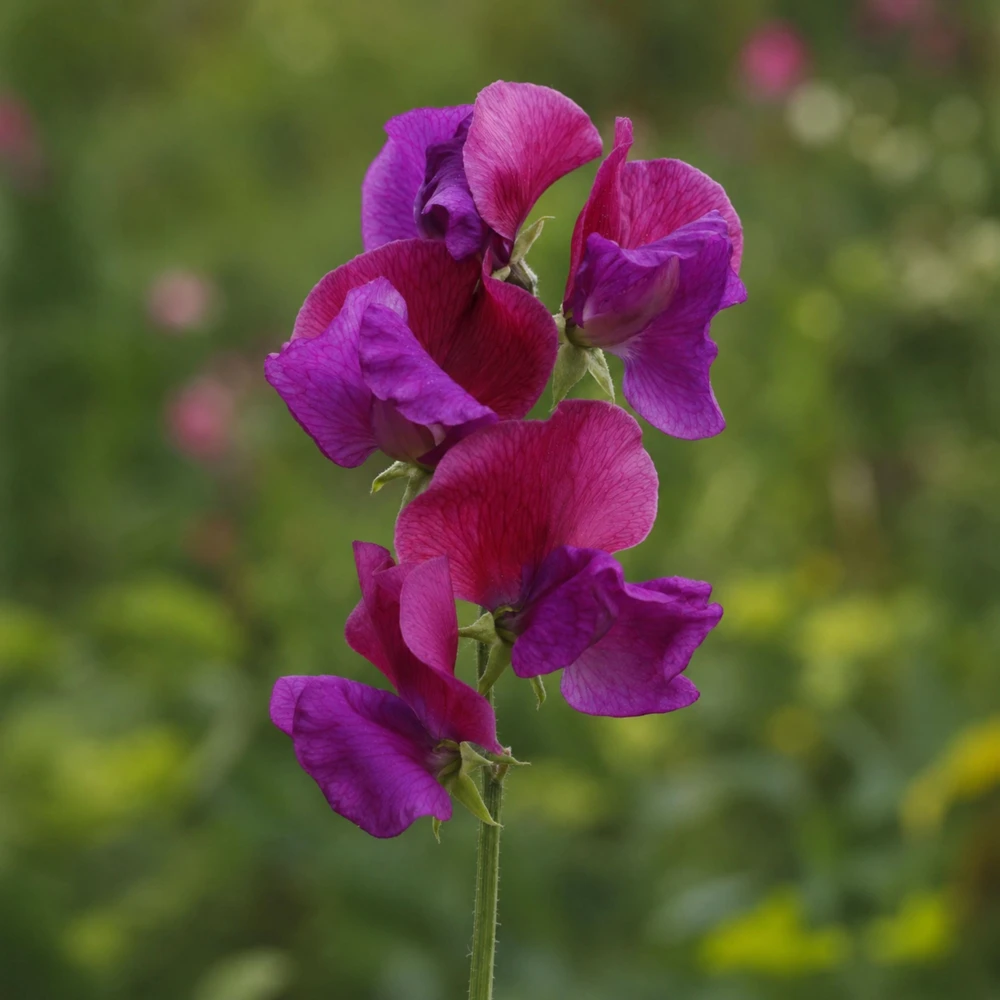
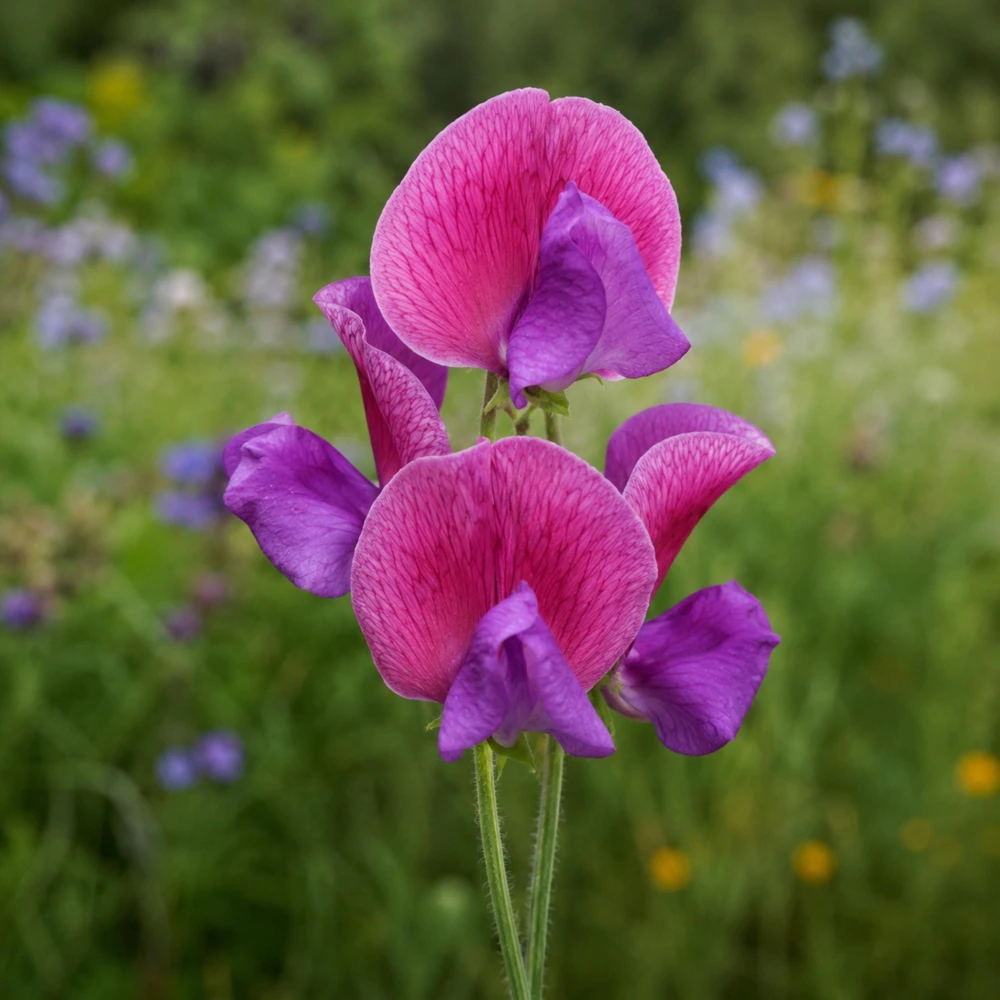
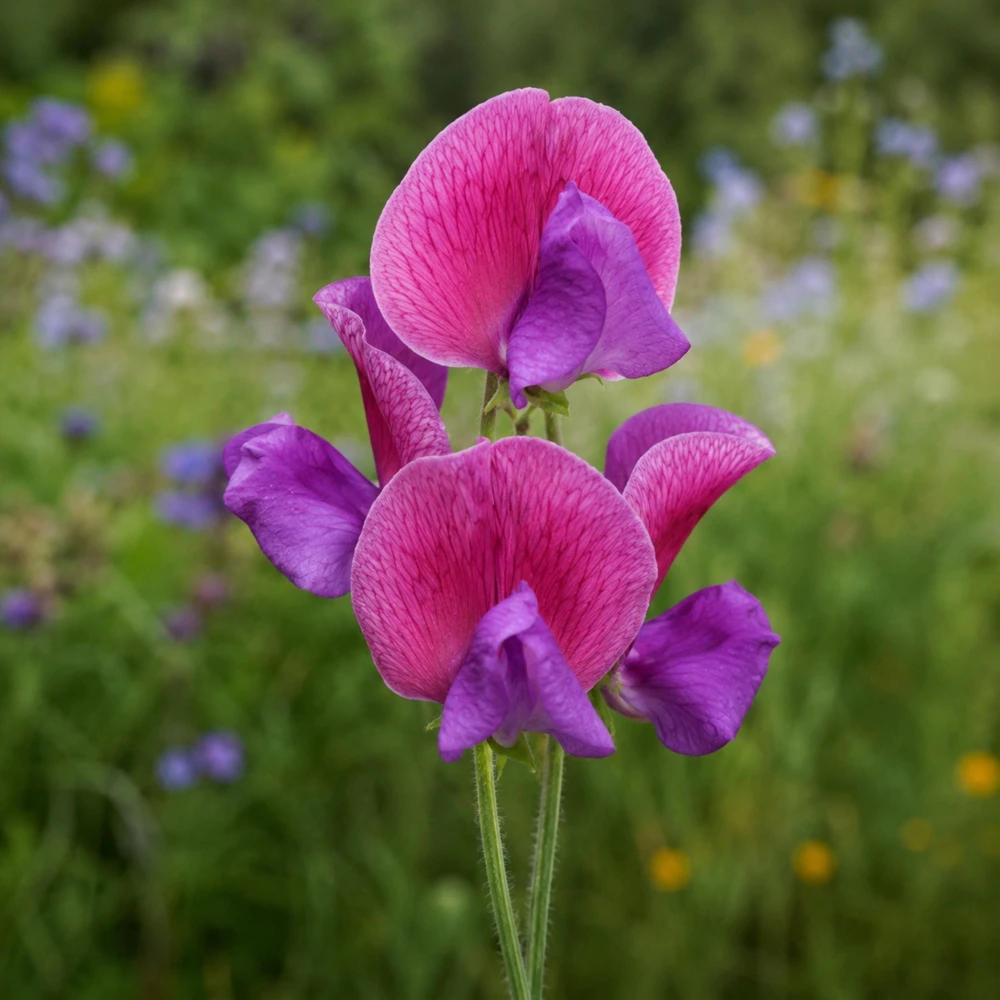
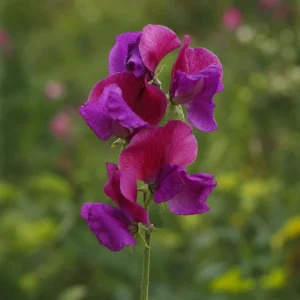
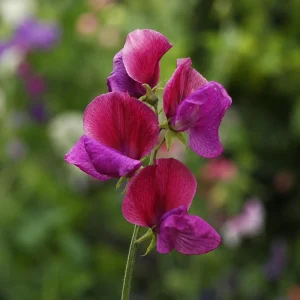
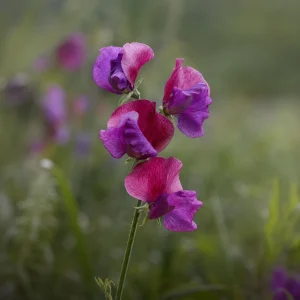
Transform your garden with the enchanting beauty of sweet pea route 66 seeds. This exquisite variety of Lathyrus odoratus is celebrated for its vigorous climbing habit and a profusion of intensely fragrant blooms. Each seed promises to grow into a stunning annual vine, producing flowers in a captivating mix of red, pink, purple, and bi-color shades. Perfect for creating a classic cottage garden aesthetic, these sweet peas will effortlessly adorn trellises, arbors, fences, and any garden support, filling your outdoor space with both visual splendor and a delightful perfume. Cultivating lathyrus odoratus seeds is a rewarding experience, bringing vibrant life and sweet aromas to your home landscape throughout late spring and early summer.
Our sweet pea route 66 seeds are carefully selected to ensure high germination rates, allowing even novice gardeners to succeed. These charming annuals are not only beautiful but also attract beneficial pollinators like bees and butterflies, contributing to a healthier garden ecosystem. The long stems and showy blossoms make them an ideal choice for fresh-cut bouquets, bringing the garden’s fragrance indoors. Experience the joy of growing your own fragrant flowers from these high-quality seeds, and watch your garden flourish with color and life.
Key Benefits
Growing sweet pea route 66 seeds offers numerous advantages, enhancing your garden’s aesthetic and ecological value. These charming flowers are a must-have for anyone looking to add beauty and fragrance to their outdoor space.
- Vibrant Mixed Colors: Enjoy a spectacular display of red, pink, purple, and bi-colored blooms that create a dynamic and eye-catching focal point in any garden setting. These varied hues make each flower unique and add depth to your floral arrangements.
- Irresistible Fragrance: Known for their intensely sweet and classic fragrance, these sweet peas will perfume your garden and home, creating a delightful sensory experience. The aroma is a hallmark of traditional cottage gardens.
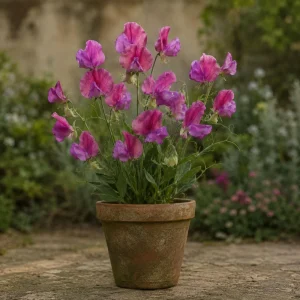
- Excellent Climbers: As vigorous climbing vines, they are perfect for covering trellises, fences, arbors, and other garden structures, adding vertical interest and maximizing garden space. They provide a lush, green backdrop with bursts of color.
- Attracts Pollinators: The beautiful blooms are a magnet for bees, butterflies, and other beneficial insects, supporting local ecosystems and promoting biodiversity in your garden. This makes them an eco-friendly choice for any gardener.
- Ideal for Cut Flowers: With their long stems and showy blossoms, sweet pea route 66 seeds produce flowers that are perfect for creating stunning fresh-cut bouquets and floral arrangements, bringing garden beauty indoors.
- Easy to Grow: These seeds are relatively easy to cultivate, making them suitable for gardeners of all experience levels. With basic care, you can enjoy a bountiful display of flowers.
- Classic Cottage Garden Charm: Instantly infuse your garden with the timeless elegance and romantic appeal of a traditional cottage garden, creating a picturesque and inviting atmosphere.
Plant Care & Growing Tips
Cultivating sweet pea route 66 seeds successfully requires attention to a few key details, ensuring robust growth and abundant blooms. Start by preparing your seeds for optimal germination. Soaking the seeds in warm water for 12-24 hours before planting can significantly improve germination rates by softening the seed coat. Alternatively, you can lightly nick the seed coat with a nail file or sandpaper. Once prepared, sow the seeds about 1/2 inch deep in well-draining soil. Sweet peas thrive in full sun, meaning they need at least 6-8 hours of direct sunlight per day for the best flowering and fragrance. Choose a location in your garden that receives ample sunlight throughout the day.
For germination, maintain soil temperatures between 55-70°F (13-21°C); germination typically occurs within 7-14 days. Once seedlings emerge, ensure they have consistent moisture without being waterlogged. Sweet peas prefer consistently moist soil. After the danger of frost has passed, transplant your seedlings outdoors, providing strong vertical support immediately. As climbing plants, they need something to twine around, such as a trellis, netting, or stakes. Pinching young growth when the plants are about 6 inches tall encourages bushier growth and more flowers. Regularly remove spent flowers (deadhead) to encourage continuous blooming throughout the season. These practices will help you achieve a spectacular display from your climbing flower seeds.
Fertilize your sweet peas with a balanced fertilizer once they start to produce buds, and continue every few weeks during the blooming period. Avoid high-nitrogen fertilizers, which can promote leafy growth at the expense of flowers. Monitor for common pests like aphids and powdery mildew, treating them promptly with organic solutions if necessary. With proper care, your fragrant sweet pea vines will provide a continuous show of color and scent, making them a highlight of your garden.
Size & Details
These sweet pea route 66 seeds will grow into vigorous annual climbing vines, reaching an impressive height of 36–72 inches (3–6 feet) when provided with adequate support. Each plant typically spreads about 6–12 inches wide, creating a dense and colorful display. The mixed vibrant colors include shades of red, pink, purple, and beautiful bi-colors, ensuring a diverse and captivating floral show. The foliage is a lush green, providing a perfect backdrop for the bright blooms. These sweet peas bloom from late spring through early summer, offering a prolonged period of color and fragrance in your garden.
Each pack contains 10 high-quality seeds, providing a good starting point for a vibrant display. The plants prefer full sun exposure and are considered easy to moderate in terms of growing difficulty, making them accessible to a wide range of gardeners. Expect germination within 7-14 days under optimal conditions. These seeds are perfect for anyone looking to cultivate beautiful and fragrant climbing flowers for their garden or for creating stunning cut flower arrangements. The mature plants will transform any vertical space into a breathtaking floral feature, embodying true cottage garden seeds charm.
Frequently Asked Questions
- Q: How big does this plant get? A: The Sweet Pea Route 66 is a climbing vine that can reach heights of 36–72 inches (3–6 feet) when given proper vertical support. Its spread is typically around 6–12 inches.
- Q: Is this an indoor or outdoor plant? A: These sweet peas are primarily grown as outdoor annuals. They thrive in garden beds, along fences, trellises, and arbors where they can receive full sun.
- Q: How much sunlight does it need? A: Sweet Pea Route 66 requires full sun, meaning at least 6-8 hours of direct sunlight per day, to produce the most abundant flowers and best fragrance.
- Q: Is this plant easy to care for? A: Growing sweet pea route 66 seeds is considered easy to moderate. With proper seed preparation, consistent watering, and adequate support, even beginner gardeners can achieve beautiful results.
- Q: What condition will the seeds arrive in? A: The seeds will arrive as dry, viable seeds, ready for planting. They are packaged to ensure their integrity during transit.
- Q: How long until it blooms? A: Sweet peas typically bloom from late spring through early summer, usually within 2-3 months after planting, depending on growing conditions and climate.
- Q: When is the best time to plant these seeds? A: The best time to plant lathyrus odoratus seeds is in early spring after the last danger of frost has passed, or in late fall in mild winter climates for earlier spring blooms.
- Q: What kind of soil do sweet peas prefer? A: Sweet peas prefer well-draining soil that is rich in organic matter. A slightly acidic to neutral pH (6.0-7.0) is ideal for optimal growth and flowering.
- Q: Do these sweet peas need support to grow? A: Yes, as climbing vines, Sweet Pea Route 66 plants absolutely require strong vertical support such as a trellis, netting, or stakes to climb and display their full beauty.
- Q: Will these attract pollinators to my garden? A: Yes, the vibrant and fragrant flowers of this sweet pea variety are very attractive to beneficial pollinators like bees and butterflies, making them excellent for a pollinator-friendly garden.
Related products
-50%
From Original price was: $63.60.$31.80Current price is: $31.80.
-50%
Original price was: $23.96.$11.98Current price is: $11.98.
-50%
Original price was: $23.96.$11.98Current price is: $11.98.
-50%

Original price was: $38.36.$19.18Current price is: $19.18.
-50%
Original price was: $23.96.$11.98Current price is: $11.98.
-15%
From Original price was: $28.00.$23.80Current price is: $23.80.
-50%
Original price was: $15.96.$7.98Current price is: $7.98.
-50%
Original price was: $23.96.$11.98Current price is: $11.98.
PLANTING & CARE
Lemon Tree Growing: Choose, Plant, and Harvest
Learn how to choose, plant, feed, and protect a lemon tree so it fits your
23
Sep
Sep
Dwarf Meyer Lemon Tree Australia: Climate Guide
Learn where dwarf Meyer lemon trees grow, how much cold they tolerate, and whether Australia,
Where to Buy a Dwarf Meyer Lemon Tree: Buyer’s Guide
Find the right dwarf Meyer lemon tree online or locally, compare starter sizes and costs,
Dwarf Meyer Lemon Tree for Sale: Buying Guide
Compare Meyer lemon tree sizes, prices, shipping limits, indoor growing and California options before you
Dwarf Meyer Lemon Tree Guide: Size, Care and Fruit
META: Learn how large a dwarf Meyer lemon tree grows, where it thrives, and how
How to Prune a Dwarf Meyer Lemon Tree
Learn when and how to prune a dwarf Meyer lemon tree, including tools, shaping cuts,
Can You Grow a Dwarf Meyer Lemon Tree in a Pot?
META: Learn how to grow a dwarf Meyer lemon tree in a pot, including container
When Do Dwarf Meyer Lemon Trees Bloom and Fruit?
META: Dwarf Meyer lemon trees usually bloom from winter through spring and may flower again