Sweetbay Magnolia Tree Live Plant – 2-3ft Tall, 1 Gallon Pot – Fragrant White Flowers, Outdoor
-50%
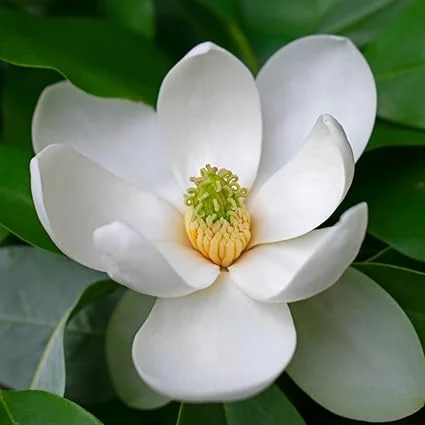
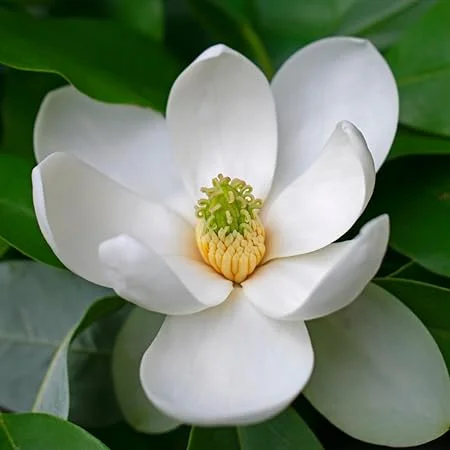
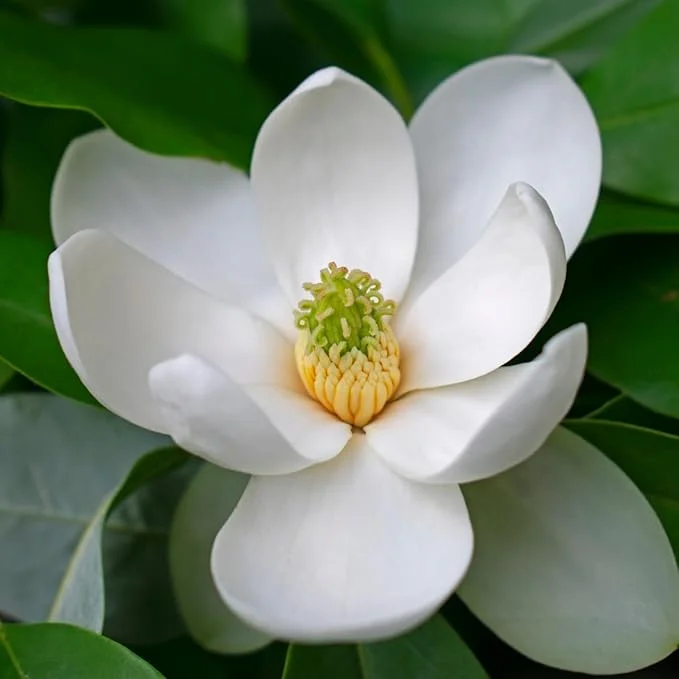
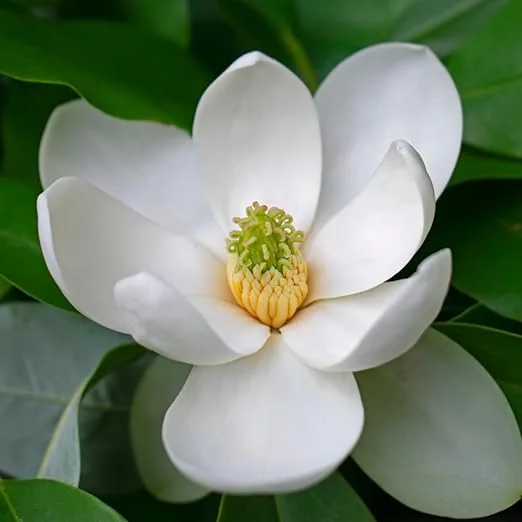
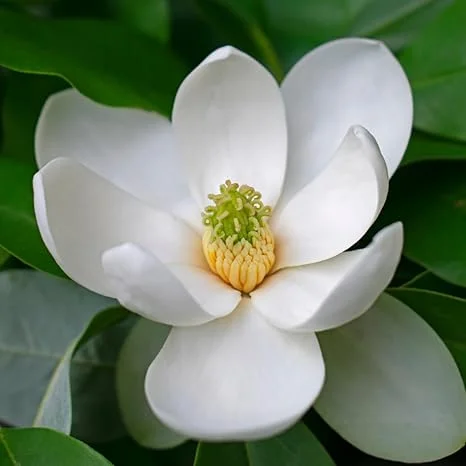
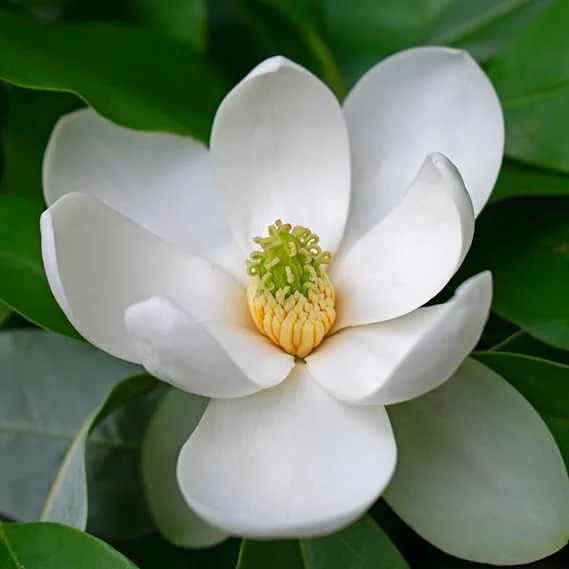

Sweetbay Magnolia Tree Live Plant – 2-3ft Tall, 1 Gallon Pot – Fragrant White Flowers, Outdoor
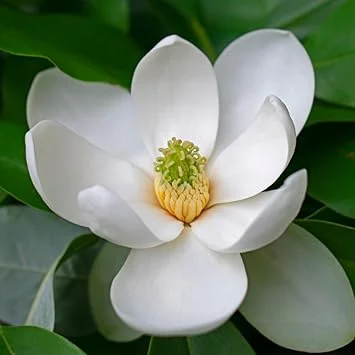
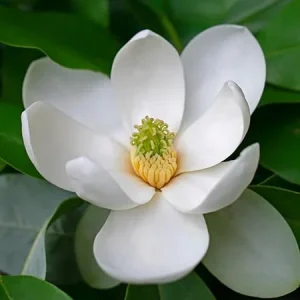
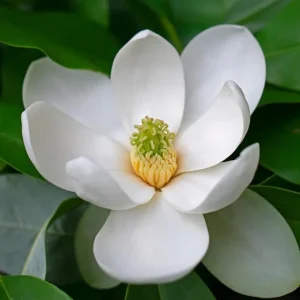
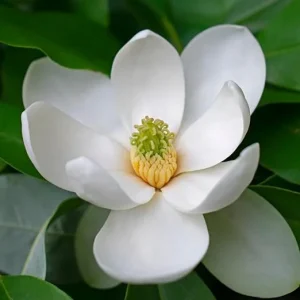
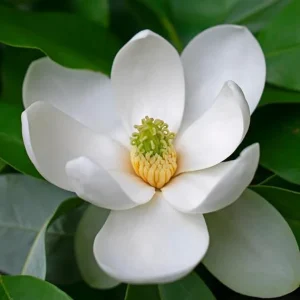
Bring elegance to your landscape with a sweetbay magnolia tree live plant. This 2-3ft specimen comes in a 1 gallon pot, ready to produce beautiful, fragrant white flowers. A perfect choice for zones 5-10, offering a delightful scent and visual appeal.
Original price was: $85.98.$42.99Current price is: $42.99.

With our Alive & Thrive Guarantee, we’ve got your back for the first 30 days! If you have any concerns about your plants, just reach out to us. Our team is here to help answer your questions and guide you in selecting the best plants for your garden, climate, and unique preferences. We're excited to help you create the garden of your dreams!
Estimated arrival
Apr 13
Apr 18 - Apr 20
Apr 23 - Apr 27
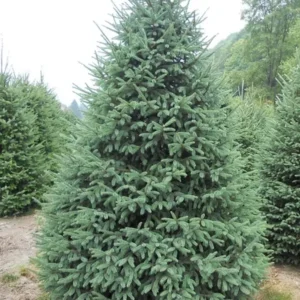
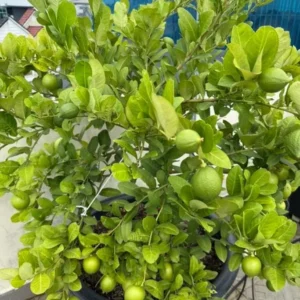
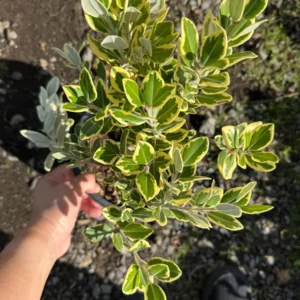
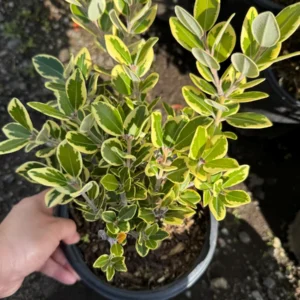
Product Details
-
USDA Hardiness Zone
USDA zones 5-10 -
Soil type
Adaptable to any soil, prefers acidic, moist, well-draining -
Sunlight Exposure
Full sun to partial shade -
Expected Planting Period
Spring to early fall
Overview
Introduce timeless beauty and intoxicating fragrance to your garden with this stunning sweetbay magnolia tree live plant. Known for its delicate white, lemon-scented flowers, the Sweetbay Magnolia (Magnolia virginiana) is a captivating addition to any outdoor space. This deciduous to semi-evergreen tree, depending on your climate zone, offers year-round interest with its glossy green leaves and attractive form. Our 2-3ft tall specimen arrives in a 1 gallon pot, perfectly sized for immediate planting and establishment. Whether you’re creating a serene garden retreat or enhancing your home’s curb appeal, this magnolia tree promises to be a focal point, drawing in admirers with its charm and delightful aroma. Its adaptability and relatively low maintenance make it a favorite among gardeners seeking both beauty and ease.
The sweetbay magnolia tree live plant is celebrated for its multi-season appeal. In spring and summer, it bursts into bloom with creamy white flowers that emit a sweet, citrusy fragrance, a true treat for the senses. As the season progresses, attractive red fruit capsules mature, adding another layer of visual interest. This tree is also known as Swamp Magnolia, Laurel Magnolia, or simply Sweetbay, reflecting its preference for moist soils and its beautiful, bay-like foliage. It’s an excellent choice for a variety of landscape designs, from formal gardens to more naturalized settings, providing shade, beauty, and a haven for local wildlife.
Key Benefits
The sweetbay magnolia tree live plant offers a multitude of advantages that make it a highly desirable choice for any garden. Its unique characteristics contribute to a vibrant and inviting outdoor environment:
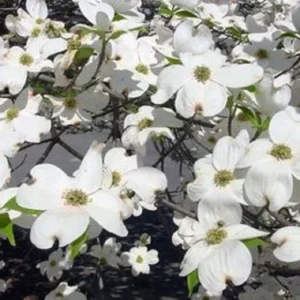
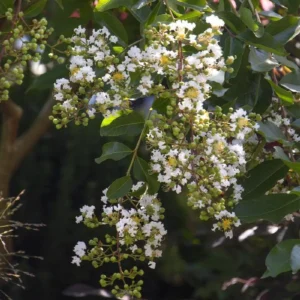
- Fragrant White Flowers: Enjoy a prolonged blooming season from late spring to summer, showcasing exquisite white, cup-shaped flowers that release a delightful, lemony fragrance, perfuming your entire garden.
- Attractive Foliage: Depending on the climate, the foliage can be evergreen or semi-evergreen, providing lush, glossy green leaves that offer a beautiful backdrop throughout the year.
- Wildlife Appeal: The flowers attract pollinators like bees, and the mature red seed pods provide a food source for various bird species, enhancing your garden’s biodiversity.
- Adaptable & Hardy: This resilient tree is hardy in USDA zones 5-10 and adapts well to a range of soil types, including moist conditions, making it suitable for many different regions.
- Low Maintenance: Once established, the sweetbay magnolia is a relatively low-maintenance tree, requiring minimal care to thrive and maintain its beauty, perfect for busy gardeners.
- Versatile Landscape Use: Its moderate size and attractive form make it ideal for use as a specimen tree, in groupings, along a property line, or near water features, adding elegance wherever it’s planted.
- Ornamental Value: Beyond its flowers, the tree’s smooth gray bark and attractive branching structure provide year-round ornamental interest, even when dormant in winter.
Plant Care & Growing Tips
Caring for your sweetbay magnolia tree live plant is relatively straightforward, ensuring it thrives and produces its signature fragrant blooms. This resilient tree prefers a site with full sun to partial shade. In hotter climates, some afternoon shade can be beneficial to protect it from intense sun. Aim for at least 4-6 hours of direct sunlight daily for optimal growth and flowering. When planting, dig a hole twice as wide as the root ball and just as deep. Ensure the top of the root ball is level with or slightly above the surrounding soil to prevent waterlogging.
Watering is crucial, especially during the first year of establishment. Keep the soil consistently moist but not waterlogged. Sweetbay magnolias naturally prefer moist to wet soils, so they tolerate conditions that many other trees wouldn’t. Once established, they are more tolerant of varying moisture levels but will perform best with regular watering during dry spells. The ideal soil type is acidic, rich, and well-draining, though it is quite adaptable to different soil conditions, including heavy clay, as long as it doesn’t dry out completely. Mulching around the base of the tree will help retain soil moisture, regulate temperature, and suppress weeds. This also helps in creating a healthy environment for your magnolia tree outdoor.
Fertilize your sweetbay magnolia in early spring with a balanced, slow-release fertilizer formulated for acid-loving plants. Follow the product instructions for application rates. Pruning is generally minimal, focusing on removing any dead, damaged, or crossing branches to maintain the tree’s shape and health. The magnolia virginiana is hardy in USDA zones 5-10, meaning it can withstand winter temperatures down to -20°F (-29°C). In colder parts of its range, it may be deciduous, losing its leaves, while in warmer southern climates, it often remains semi-evergreen. Monitor for common pests like scale insects or mealybugs, and treat with horticultural oil or insecticidal soap if necessary, though it is generally a disease-resistant tree.
Size & Details
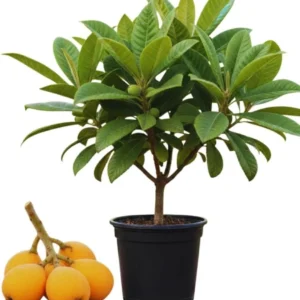
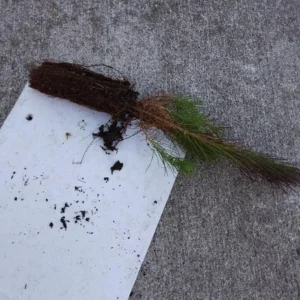
This offering includes one sweetbay magnolia tree live plant, which stands approximately 2-3 feet in height upon arrival. It is shipped in a 1 gallon nursery pot, providing a healthy root system ready for transplanting into your garden. The tree’s mature size can reach heights of up to 30 feet, with a spread of 10-30 feet, forming a beautiful, often multi-stemmed specimen. Its growth rate is moderate, allowing you to enjoy its development over the years. During late fall and winter, in colder climates, the plant may enter dormancy and appear leafless, which is a natural part of its growth cycle and indicates a healthy plant preparing for spring.
The fragrant white flowers typically emerge in late spring and continue throughout the summer, offering an extended period of enjoyment. This tree is a fantastic choice for those looking for a fragrant flowering tree that provides year-round interest. Its adaptability to various soil conditions, including moist and boggy areas, makes it suitable for diverse landscape applications. When planting, consider its mature size to ensure adequate space for its full development and to fully appreciate its ornamental qualities.
Frequently Asked Questions
- Q: How big does this sweetbay magnolia tree get? A: This sweetbay magnolia tree live plant arrives at 2-3 feet tall. At maturity, it can reach heights of up to 30 feet with a spread of 10-30 feet, depending on growing conditions and climate.
- Q: What size pot does it come in? A: The sweetbay magnolia tree is shipped in a 1 gallon nursery pot, providing a robust root system ready for successful transplanting into your garden.
- Q: Is this an indoor or outdoor plant? A: The sweetbay magnolia tree live plant is an outdoor tree, best suited for planting in your garden, yard, or a large container on a patio where it can receive adequate sunlight.
- Q: How much sunlight does it need? A: This magnolia tree thrives in full sun to partial shade. It prefers at least 4-6 hours of direct sunlight daily, with some afternoon shade being beneficial in hotter climates.
- Q: Is this plant easy to care for? A: Yes, once established, the sweetbay magnolia is considered a low-maintenance tree. It adapts well to various conditions, making it a good choice for both experienced and novice gardeners.
- Q: What condition will it arrive in? A: Your magnolia tree outdoor will arrive as a healthy, live plant in its 1 gallon pot. During winter, it may be dormant and leafless, which is normal for this species.
- Q: How long until it blooms? A: Sweetbay magnolias typically begin to flower within a few years of planting. You can expect to see its fragrant white flowers in late spring to summer.
- Q: When is the best time to plant? A: The best time to plant your sweetbay magnolia is in spring or early fall, allowing it sufficient time to establish its root system before extreme weather.
- Q: Will it survive winter in my zone? A: The sweetbay magnolia is hardy in USDA zones 5-10. It is well-adapted to survive winter temperatures within this range, though it may become deciduous in colder zones.
- Q: What’s the minimum temperature it can tolerate? A: This resilient tree can tolerate winter temperatures down to approximately -20°F (-29°C), making it a robust choice for many climates within its hardiness range.
Related products
-50%
Original price was: $73.98.$36.99Current price is: $36.99.
-10%
Original price was: $80.99.$72.89Current price is: $72.89.
PLANTING & CARE
Growing Glencoe Raspberry: A Complete Guide for Gardeners
If you’re looking to add something unique to your garden, look no further than the
31
Mar
Mar

The Comprehensive Guide to Growing Bay Leaf Plants for a Flavorful Garden
Imagine stepping into your garden, greeted by the earthy aroma of fresh bay leaves, their
09
Feb
Feb

How to Make Comfrey Tea: The Ultimate Organic Plant Food
Growing an organic garden can be surprisingly expensive, especially when most store-bought fertilizers come in
02
Feb
Feb

True Comfrey: 7 Essential Tips Before You Plant This Herb
A staple in permaculture practices across the US, True Comfrey easily earns its reputation as
27
Jan
Jan

7 Heart-Shaped Plants for a Lasting Valentine’s Gift
If you’ve ever bought a bouquet of roses for Valentine’s Day, you know they are
26
Jan
Jan

Best Types of Ivy Plant for Houses: How to Choose the Perfect Ones for Your Home
Are you a garden lover looking to introduce some greenery into your home? Maybe you’ve
14
Nov
Nov

When to Harvest Garlic (Especially Fall-Planted Garlic)
TIMING IS EVERYTHING, they say – and for garlic, that truth hits with surprising accuracy.
13
Nov
Nov

11 of the Best Sweet Potato Varieties to Grow for Your Garden
If you’ve ever tried growing sweet potatoes, you know that picking the right variety can
12
Nov
Nov