Taiwan Red Lady Hybrid Papaya Live Plant – Tropical Fruit Tree
-50%
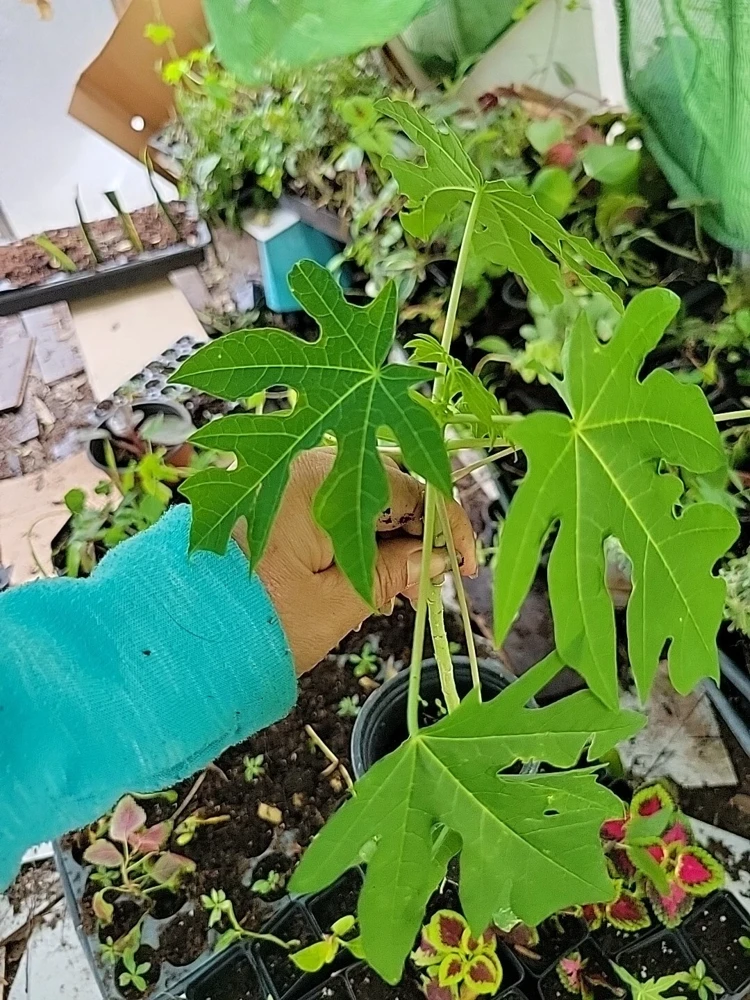
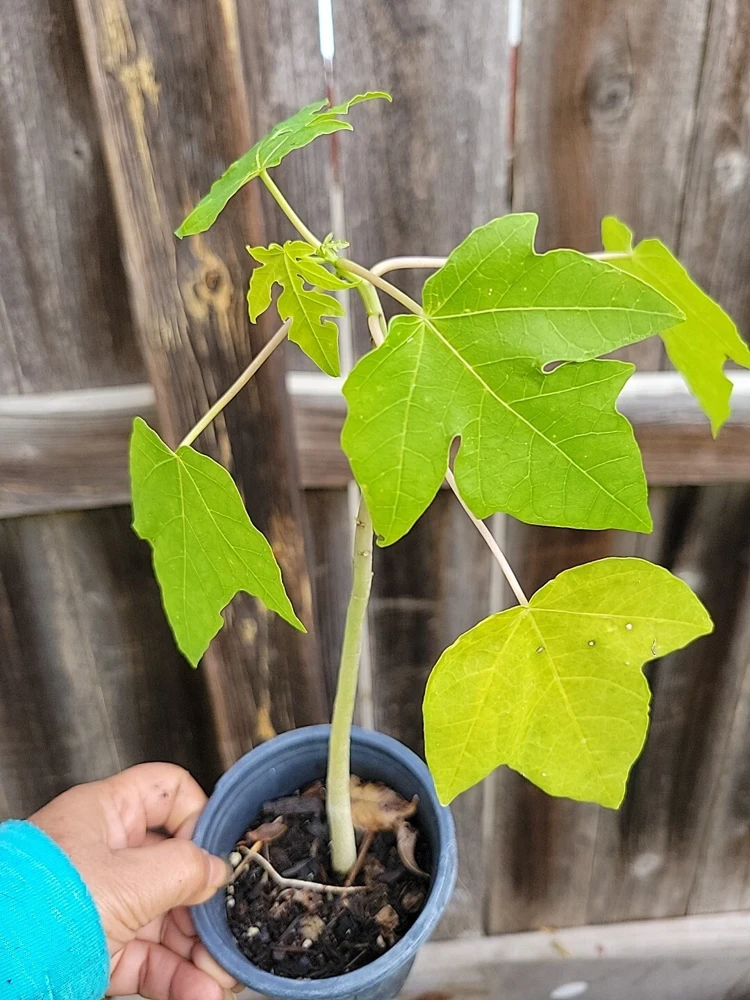
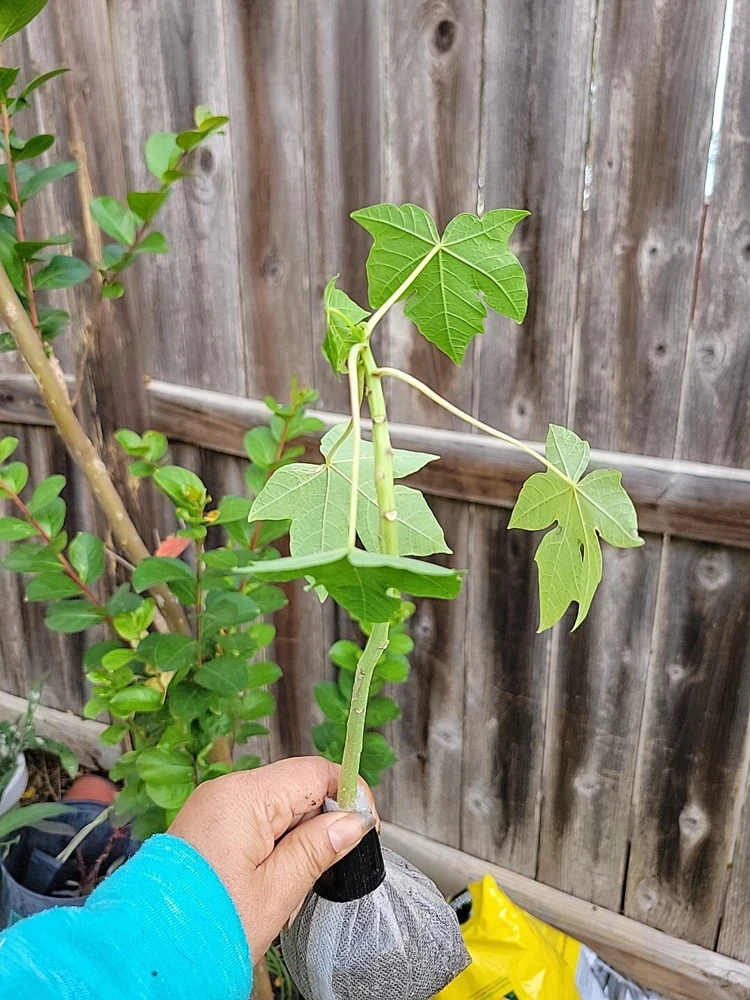
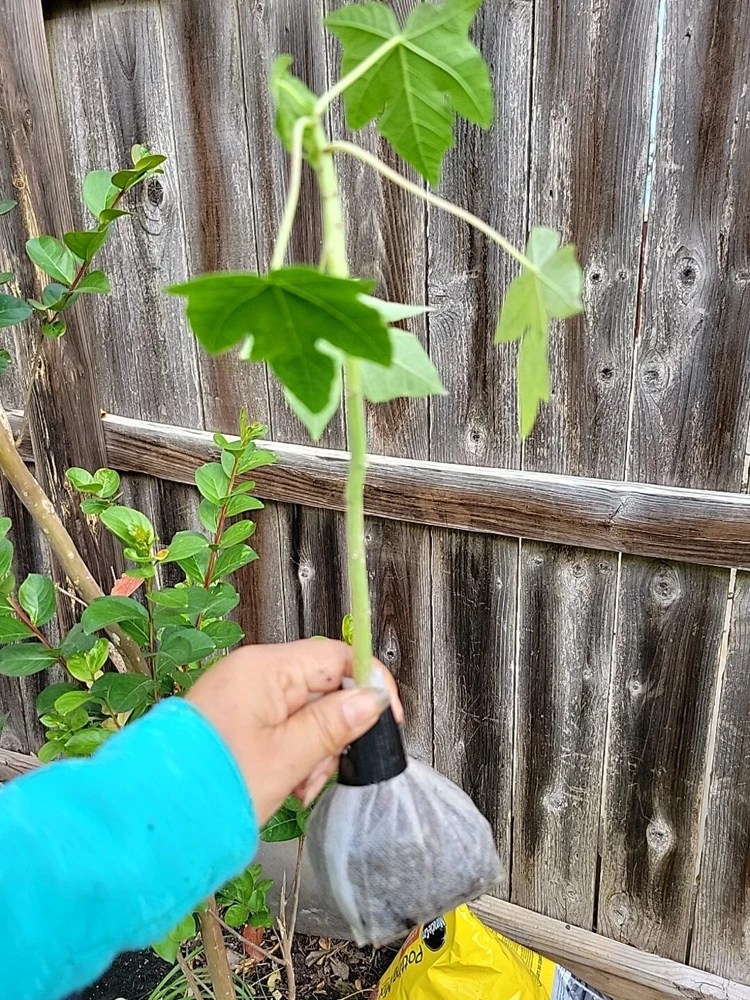
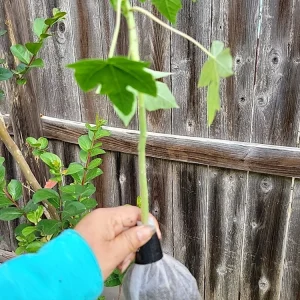
Taiwan Red Lady Hybrid Papaya Live Plant – Tropical Fruit Tree
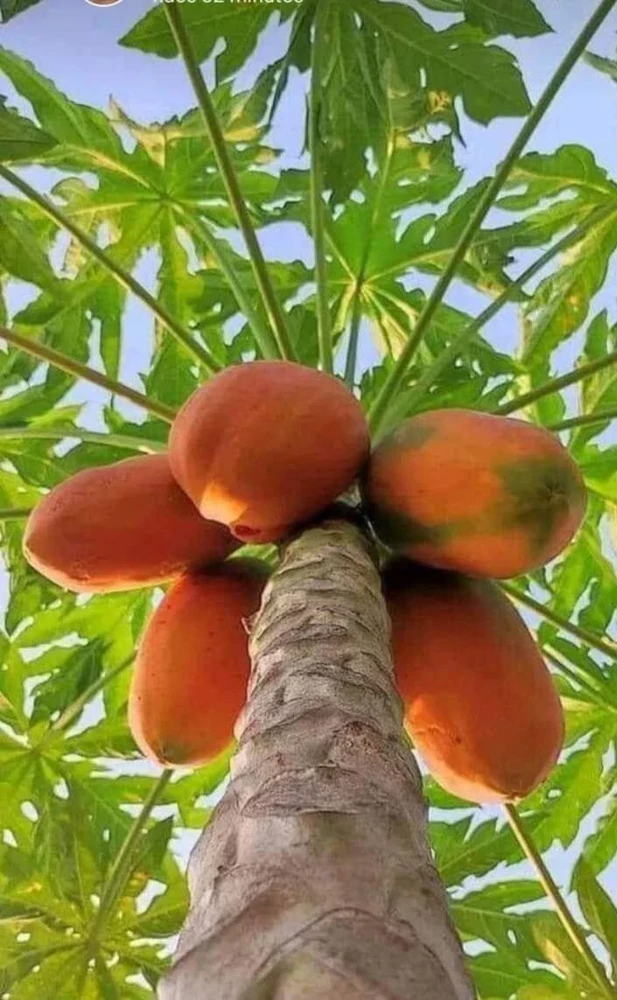
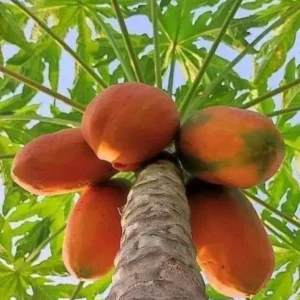
Cultivate your own tropical harvest with a Taiwan Red Lady papaya plant. This vigorous hybrid produces sweet, medium-sized fruits with vibrant red-orange flesh, perfect for home gardeners in warm climates. Enjoy fresh, delicious papayas right from your backyard or patio.
Original price was: $180.00.$90.00Current price is: $90.00.

With our Alive & Thrive Guarantee, we’ve got your back for the first 30 days! If you have any concerns about your plants, just reach out to us. Our team is here to help answer your questions and guide you in selecting the best plants for your garden, climate, and unique preferences. We're excited to help you create the garden of your dreams!
Estimated arrival
Oct 14
Oct 19 - Oct 21
Oct 24 - Oct 28
Product Details
-
USDA Hardiness Zone
USDA Zones 9-11 -
Soil type
Well-draining sandy loam -
Sunlight Exposure
Full sun -
Expected Planting Period
Year-round in tropical climates; spring to early summer elsewhere
Overview
Bring the tropics to your garden with the remarkable Taiwan Red Lady papaya plant. This high-yielding, dwarf hybrid variety is celebrated for its exceptional fruit quality and ease of growth, making it a favorite among home gardeners and commercial growers alike. Known botanically as Carica papaya ‘Red Lady’, this particular cultivar is self-pollinating, meaning you only need one plant to produce an abundance of sweet, flavorful fruit. The Taiwan Red Lady papaya plant begins bearing fruit early, often within a year of planting, and continues to produce prolifically, offering a continuous supply of delicious papayas. Its compact size makes it suitable for smaller gardens or even large containers, allowing tropical fruit enthusiasts in various climates to enjoy fresh, homegrown papaya.
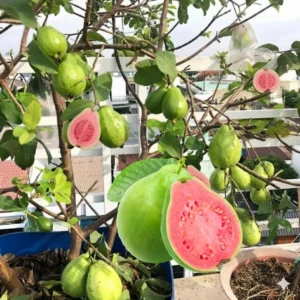
The ‘Red Lady’ hybrid is prized for its medium-sized, pear-shaped fruits, which typically weigh between 3 to 5 pounds. The skin ripens to a beautiful golden-yellow, while the flesh inside boasts a rich, red-orange hue and a wonderfully sweet, aromatic flavor. These papayas are not only delicious eaten fresh but also make excellent additions to smoothies, salads, desserts, and savory dishes. Growing your own Taiwan Red Lady papaya plant provides the satisfaction of harvesting fresh, organic fruit, free from pesticides and picked at peak ripeness for the best possible taste and nutritional value.
Key Benefits
Adding a Taiwan Red Lady papaya plant to your garden offers numerous advantages, from its aesthetic appeal to its bountiful, nutritious harvest. This hybrid variety is designed for success, providing a rewarding growing experience:
- High Yielding & Early Fruiting: This hybrid is known for its prolific production, often bearing fruit within 6-12 months of planting. You’ll enjoy a steady supply of fresh papayas.
- Delicious & Nutritious Fruit: The ‘Red Lady’ produces sweet, succulent papayas with vibrant red-orange flesh, packed with vitamins A and C, and digestive enzymes like papain.
- Self-Pollinating: As a hermaphroditic variety, a single Taiwan Red Lady papaya plant is sufficient for fruit production, eliminating the need for multiple plants or manual pollination.
- Compact Growth Habit: While a tree, this variety maintains a more manageable size compared to other papayas, making it suitable for smaller garden spaces or large containers on patios.
- Disease Resistance: The ‘Red Lady’ hybrid often exhibits improved resistance to common papaya diseases, contributing to healthier plants and more consistent yields.
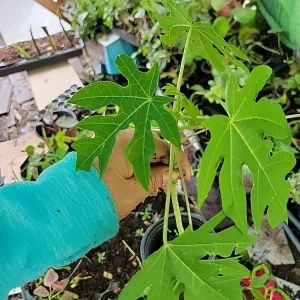
- Tropical Ambiance: Its large, deeply lobed leaves and developing fruits add a beautiful, exotic touch to any landscape, creating a lush, tropical feel.
- Fresh, Homegrown Produce: Enjoy the unparalleled taste of freshly picked, organic papayas right from your own garden, ensuring premium quality and flavor.
Plant Care & Growing Tips
Caring for your Taiwan Red Lady papaya plant is relatively straightforward, especially when provided with the right conditions. Papayas thrive in warm, tropical, and subtropical climates. They require a location with abundant sunlight, ideally 6-8 hours of direct sun per day. Choose a spot that is sheltered from strong winds, as their stems can be somewhat brittle. If growing in a container, select a large pot (at least 15-20 gallons) to accommodate its root system and ensure proper drainage.
Watering is crucial for a healthy hybrid papaya tree. Keep the soil consistently moist but never waterlogged. Overwatering can lead to root rot, while underwatering can stress the plant and reduce fruit production. During hot, dry periods, daily watering may be necessary. Ensure your soil is well-draining; a sandy loam enriched with organic matter is ideal. Papayas are heavy feeders, so regular fertilization is essential. Apply a balanced fertilizer (e.g., 8-1-10 or similar) every 2-4 weeks during the growing season, gradually increasing the amount as the plant matures. Ensure good drainage to prevent waterlogging, which can be detrimental to the plant’s health. For those looking to grow papaya at home, understanding these basic needs is key.
Protect your papaya plant from cold temperatures. Papayas are very sensitive to frost and can be severely damaged or killed by temperatures below 32°F (0°C). In areas with mild winters, provide protection with frost cloths or move containerized plants indoors. Pruning is generally not necessary, as papayas grow as single-stemmed trees. However, remove any dead or yellowing leaves to maintain plant vigor. Watch out for common pests like spider mites and aphids; treat them with organic insecticidal soap if infestations occur. Proper care will ensure a bountiful harvest from your tropical fruit plant.
Size & Details
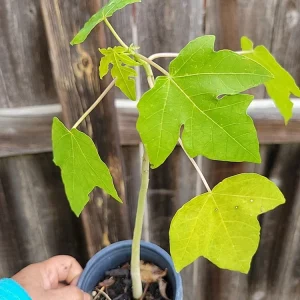
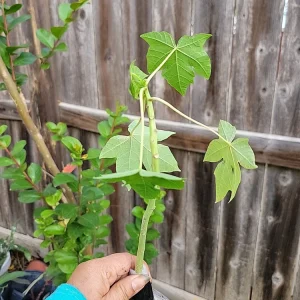
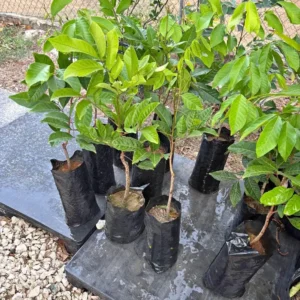
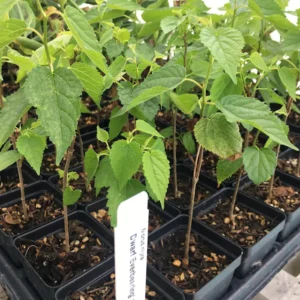
This offering is for a live Taiwan Red Lady papaya plant, ready for transplanting into your garden or a larger container upon arrival. The plant is typically shipped in a nursery pot, with robust roots and healthy foliage, ensuring it establishes quickly in its new environment. While exact dimensions can vary based on nursery stock and growing conditions, these plants are usually young, vigorous specimens, ideal for starting your own papaya grove. The ‘Red Lady’ is a relatively fast grower and can reach a mature height of 6-10 feet, making it more manageable than some other papaya varieties. It produces medium-sized fruits, typically weighing 3-5 pounds each, known for their vibrant red flesh and sweet flavor. Expect your plant to begin flowering and fruiting within 6-12 months under optimal conditions.
Frequently Asked Questions
- Q: How big does this plant get? A: The Taiwan Red Lady papaya plant is a dwarf hybrid that typically reaches a mature height of 6 to 10 feet. Its more compact size makes it suitable for various garden settings, including large containers.
- Q: Is this an indoor or outdoor plant? A: This is primarily an outdoor plant for warm, tropical, and subtropical climates (USDA Zones 9-11). In cooler regions, it can be grown in large containers and moved indoors during colder months.
- Q: How much sunlight does it need? A: The Taiwan Red Lady papaya plant thrives in full sun, requiring at least 6-8 hours of direct sunlight per day for optimal growth and fruit production.
- Q: Is this plant easy to care for? A: Yes, it is considered relatively easy to care for, especially in its preferred warm climates. Consistent watering, regular fertilization, and protection from frost are the main requirements to grow papaya at home successfully.
- Q: What condition will it arrive in? A: Your tropical fruit plant will arrive as a healthy, live plant in a nursery pot, with established roots and vibrant foliage, carefully packaged to ensure safe transit.
- Q: How long until it blooms and fruits? A: Under ideal conditions, the hybrid papaya tree can start flowering and producing fruit within 6 to 12 months of planting.
- Q: Will it survive winter in my zone? A: Papaya plants are very sensitive to frost. They will only survive outdoors year-round in USDA Zones 9-11. In colder zones, they must be protected from freezing temperatures or grown in containers and brought indoors.
- Q: What is the best soil type for this papaya? A: Papayas prefer fertile, well-draining sandy loam soil with a slightly acidic to neutral pH (6.0-7.0). Good drainage is crucial to prevent root rot.
- Q: Can I use papaya care tips for this variety? A: Yes, general papaya care tips apply, focusing on consistent moisture, full sun, regular feeding, and frost protection. This variety is known for being adaptable.
- Q: What benefits does a papaya offer? A: Papayas are rich in vitamins A and C, fiber, and the enzyme papain, which aids digestion. They are excellent for boosting immunity and promoting overall health.
Related products
-20%
Original price was: $32.00.$25.60Current price is: $25.60.
-20%
Original price was: $36.00.$28.80Current price is: $28.80.
-10%
Original price was: $28.99.$26.09Current price is: $26.09.
-50%
Original price was: $39.98.$19.99Current price is: $19.99.
-20%
Original price was: $36.00.$28.80Current price is: $28.80.
-7%
Original price was: $105.99.$98.99Current price is: $98.99.
-20%
Original price was: $56.00.$44.80Current price is: $44.80.
PLANTING & CARE
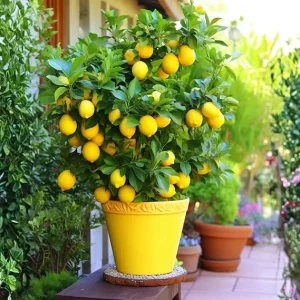
Lemon Tree Growing: Choose, Plant, and Harvest
Learn how to choose, plant, feed, and protect a lemon tree so it fits your
23
Sep
Sep
Dwarf Meyer Lemon Tree Australia: Climate Guide
Learn where dwarf Meyer lemon trees grow, how much cold they tolerate, and whether Australia,
Where to Buy a Dwarf Meyer Lemon Tree: Buyer’s Guide
Find the right dwarf Meyer lemon tree online or locally, compare starter sizes and costs,
Dwarf Meyer Lemon Tree for Sale: Buying Guide
Compare Meyer lemon tree sizes, prices, shipping limits, indoor growing and California options before you
Dwarf Meyer Lemon Tree Guide: Size, Care and Fruit
META: Learn how large a dwarf Meyer lemon tree grows, where it thrives, and how
How to Prune a Dwarf Meyer Lemon Tree
Learn when and how to prune a dwarf Meyer lemon tree, including tools, shaping cuts,
Can You Grow a Dwarf Meyer Lemon Tree in a Pot?
META: Learn how to grow a dwarf Meyer lemon tree in a pot, including container
When Do Dwarf Meyer Lemon Trees Bloom and Fruit?
META: Dwarf Meyer lemon trees usually bloom from winter through spring and may flower again