Tamarind Tree Live Plant – 6-8 Inch Tall Tropical Fruit Tree Perennial
-50%
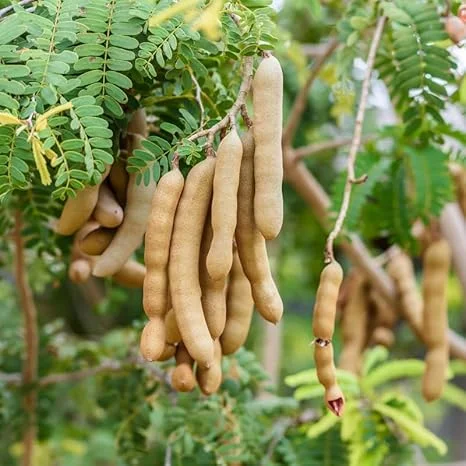
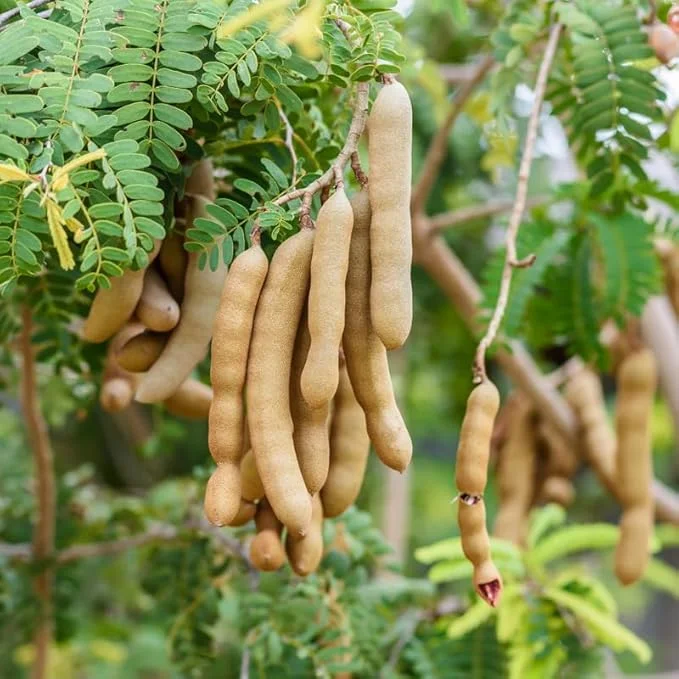
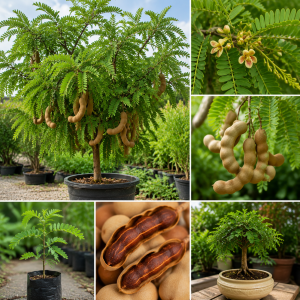
Tamarind Tree Live Plant – 6-8 Inch Tall Tropical Fruit Tree Perennial
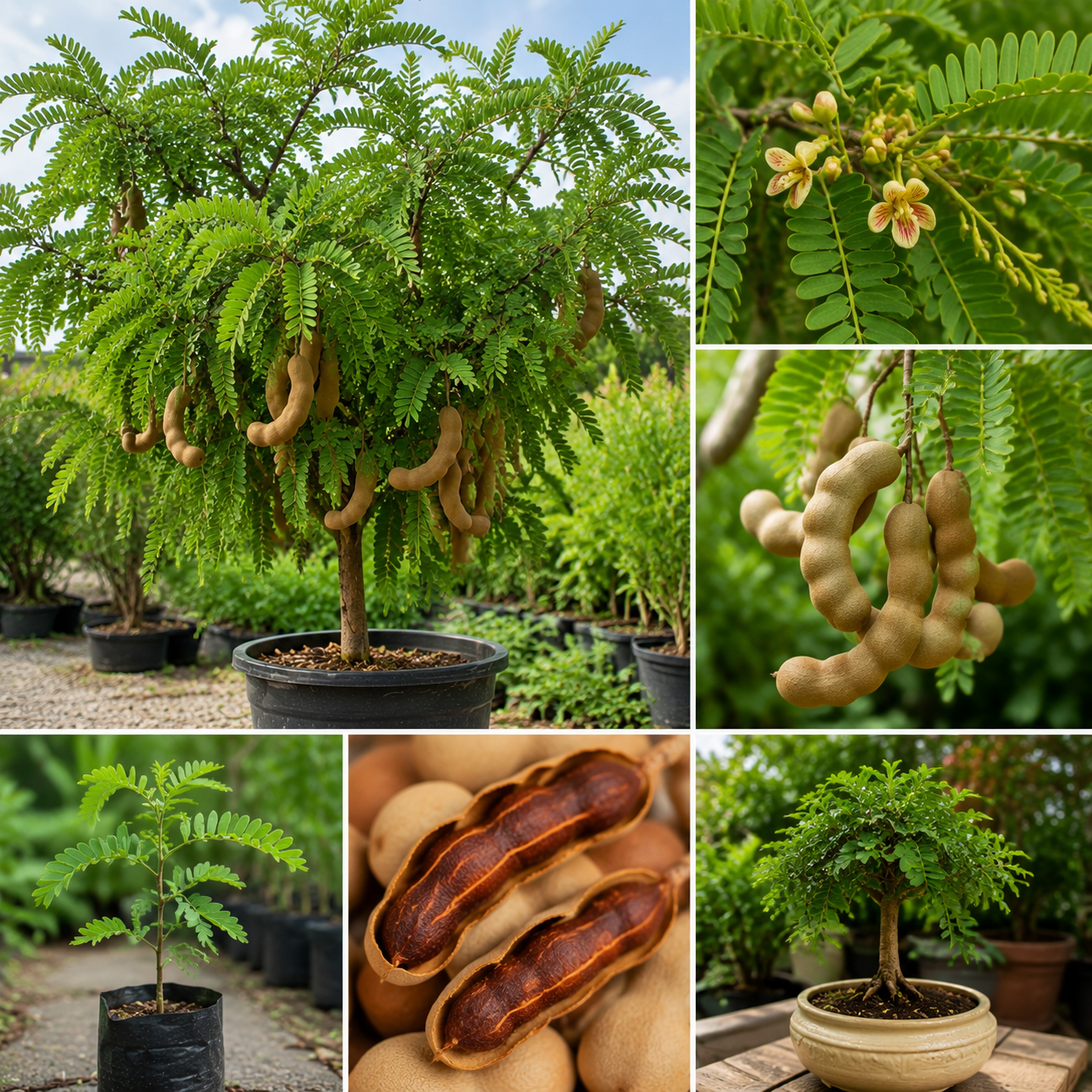
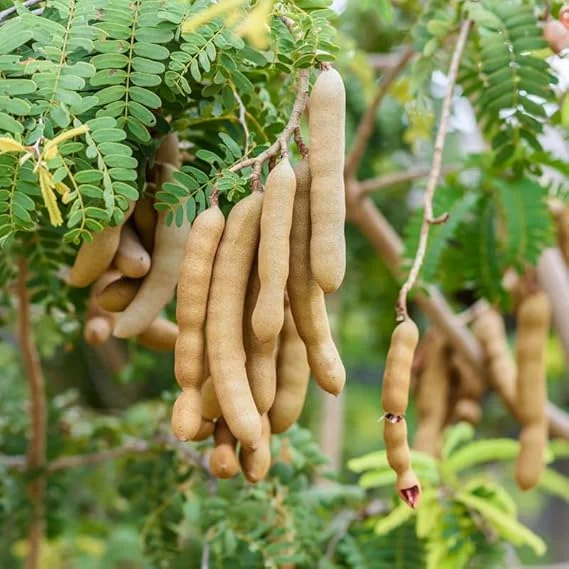
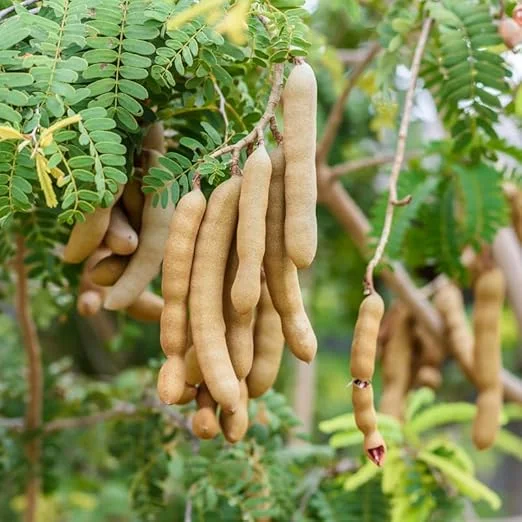
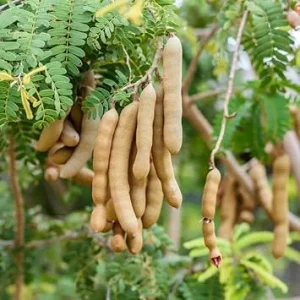
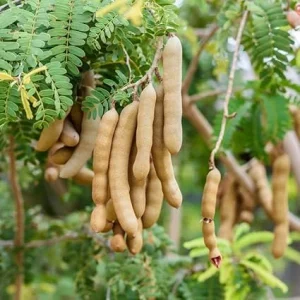
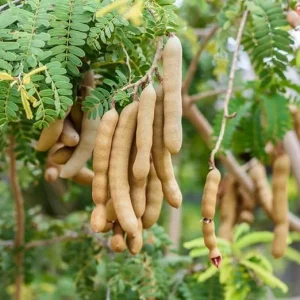
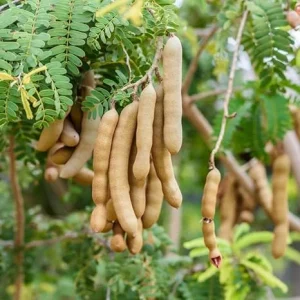
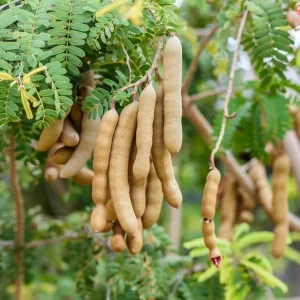
Cultivate your own exotic fruit with a tamarind tree live plant, approximately 6-8 inches tall. This tropical perennial thrives in full sun and produces delicious long brown fruits, perfect for adding a unique flavor to your culinary creations. Ideal for warm climates or container gardening.
Original price was: $65.98.$32.99Current price is: $32.99.

With our Alive & Thrive Guarantee, we’ve got your back for the first 30 days! If you have any concerns about your plants, just reach out to us. Our team is here to help answer your questions and guide you in selecting the best plants for your garden, climate, and unique preferences. We're excited to help you create the garden of your dreams!
Estimated arrival
Oct 21
Oct 26 - Oct 28
Oct 31 - Nov 04
Product Details
-
USDA Hardiness Zone
USDA zones 10-11 (outdoors); container growing in other zones -
Soil type
Well-drained soil -
Sunlight Exposure
Full Sun -
Expected Planting Period
Year-round indoors; spring to early summer outdoors (in suitable climates)
Overview
Embark on a tropical gardening adventure with your very own tamarind tree live plant. This exquisite perennial tropical fruit tree arrives at your doorstep as a healthy, vibrant specimen, typically 6-8 inches tall, ready to be nurtured. Known for its distinctively sweet and sour pods, the tamarind (Tamarindus indica) is a staple in many cuisines worldwide, from refreshing beverages to savory dishes. Growing your own means fresh, organic fruit right from your garden or patio. This plant offers not just culinary delight but also an attractive, leafy presence that brings a touch of the tropics to any space. It’s a fantastic choice for enthusiasts looking to expand their edible landscape.
The tamarind tree live plant is a long-lived species, providing fruit for many years once established. While it begins producing fruit around 3-4 years of age, the journey of watching it grow into a mature, fruit-bearing tree is incredibly rewarding. Known for its resilience and adaptability, this tree is a wonderful addition for gardeners in warmer climates or those practicing container gardening in cooler regions. Its lush foliage and eventual fruit production make it a truly special plant.
Key Benefits
Adding a tamarind tree live plant to your collection offers a multitude of advantages:
- Fresh, Exotic Fruit: Enjoy the unique sweet and tangy flavor of fresh tamarind pods, perfect for cooking, making drinks, or eating raw. This ensures you have a consistent supply of high-quality fruit.
- Tropical Aesthetic: The tamarind tree’s feathery, bright green leaves provide a beautiful, exotic look, enhancing the visual appeal of your garden, patio, or indoor space. It creates a lush, vibrant atmosphere.
- Long-Term Yield: As a perennial fruit plant, once established, your tamarind tree will continue to produce fruit for many years, offering a sustainable source of this delicious ingredient. This makes it a valuable long-term investment for any gardener.
- Culinary Versatility: Tamarind fruit is incredibly versatile, used in chutneys, curries, sauces, desserts, and refreshing beverages, opening up a world of culinary possibilities. Explore new recipes and impress your guests.
- Container Growing Potential: For those in cooler climates, the tamarind tree live plant can be successfully grown in containers, allowing you to move it indoors during colder months. This flexibility makes it accessible to a wider range of gardeners.
- Educational Experience: Growing a tropical fruit tree from a young plant provides a fascinating and educational experience, perfect for families and curious gardeners. Learn about tropical horticulture firsthand.
- Attracts Pollinators: While young, the tree’s flowers can attract beneficial pollinators to your garden, contributing to a healthier ecosystem. This natural interaction enhances your garden’s biodiversity.
Plant Care & Growing Tips
Caring for your tamarind tree live plant is straightforward, ensuring a healthy and productive tree. For optimal growth, this tropical species thrives in full sun, requiring at least 6-8 hours of direct sunlight per day. If growing indoors, place it near a south-facing window or supplement with a grow light. Outdoors, choose a sheltered location that receives ample sunshine throughout the day. Consistent warmth is key for this tropical plant.
The tamarind prefers well-drained soil. A good quality potting mix with added perlite or sand works well for container plants, while garden soil should be amended to ensure good drainage and aeration. Overwatering can lead to root rot, so allow the top inch or two of soil to dry out between waterings. Water deeply when you do, ensuring moisture reaches the entire root ball. During warmer months, more frequent watering may be necessary, while in cooler periods, reduce watering frequency. To ensure your tamarind plant care is on point, monitor soil moisture diligently.
This tree is best suited for USDA hardiness zones 10-11 if planted outdoors year-round. In cooler zones, it must be grown in a container and brought indoors before temperatures drop below 40°F (4°C). Protect it from frost, as young plants are particularly sensitive. Fertilize your perennial fruit plant every 2-4 weeks during the growing season (spring through fall) with a balanced liquid fertilizer. Reduce fertilization during winter dormancy. Pruning can be done to maintain shape and size, especially for container-grown plants, and to encourage branching and fruit production. Keep an eye out for common pests like aphids or spider mites and treat them with organic insecticidal soap if necessary. Understanding how to grow tamarind in pot is crucial for those in non-tropical climates.
Size & Details
This offering is for one tamarind tree live plant, which typically arrives standing 6 to 8 inches tall. It is shipped in a pot, ensuring minimal transplant shock upon arrival. The plant is a young, vigorous specimen, ready to establish itself in its new home. As a tropical fruit tree, it exhibits a moderate to fast growth rate under ideal conditions, eventually forming a large, spreading tree if planted in the ground in appropriate climates. When grown in containers, its size can be managed through regular pruning, making it suitable for patios and even indoor spaces.
Tamarind trees are known for their long lifespan and consistent fruit production once mature. Expect the first fruits to appear approximately 3-4 years after planting, with peak production occurring in late spring to early summer. The plant’s leaves are pinnate, giving a delicate, fern-like appearance. With proper care, this tropical fruit tree will grow into a beautiful and productive addition to your garden, providing fresh tamarind for many years.
Frequently Asked Questions
- Q: How big does this plant get? A: This tamarind tree live plant is typically 6-8 inches tall upon arrival. When grown in the ground in suitable climates, it can reach impressive sizes, often 20-30 feet tall. In a container, its size can be managed through pruning, usually staying between 5-10 feet.
- Q: Is this an indoor or outdoor plant? A: The tamarind tree thrives outdoors in USDA zones 10-11 in full sun. In cooler zones, it should be grown in a container and brought indoors during cold weather, making it a versatile plant for both indoor and outdoor settings.
- Q: How much sunlight does it need? A: A tamarind tree live plant requires full sun, meaning at least 6-8 hours of direct sunlight daily, to grow and fruit optimally. Provide the brightest possible location, whether indoors or outdoors.
- Q: Is this plant easy to care for? A: Tamarind trees are relatively easy to care for once established, especially in their preferred warm, sunny climates. Consistent watering and feeding during the growing season are key for good tamarind plant care.
- Q: What condition will it arrive in? A: Your tamarind tree live plant will arrive potted, approximately 6-8 inches tall, and carefully packaged to ensure it reaches you in healthy, vibrant condition, ready for planting.
- Q: How long until it produces fruit? A: Tamarind trees typically begin to produce fruit around 3-4 years after planting. Patience is rewarded with delicious pods from this perennial fruit plant.
- Q: Can I use the fruit in cooking? A: Absolutely! The fruit from a tropical fruit tree like tamarind is highly prized in many cuisines for its unique sweet and sour flavor, perfect for sauces, drinks, and desserts.
- Q: What’s the best way to grow tamarind in a pot? A: To grow tamarind in pot, choose a large container with good drainage, use a well-draining potting mix, ensure full sun exposure, and bring the plant indoors when temperatures drop below 40°F. Regular pruning will help manage its size.
- Q: What kind of soil does it need? A: This plant prefers well-drained soil. A sandy loam or a good quality potting mix amended with perlite or coarse sand is ideal to prevent waterlogging.
- Q: Will it survive winter in my zone? A: If you are outside USDA zones 10-11, your tamarind tree live plant will need winter protection. It must be brought indoors to a warm, brightly lit location before the first frost.
Related products
-10%
Original price was: $65.00.$58.50Current price is: $58.50.
-20%
Original price was: $32.00.$25.60Current price is: $25.60.
-50%
Original price was: $39.98.$19.99Current price is: $19.99.
-20%
Original price was: $50.00.$40.00Current price is: $40.00.
-20%
Original price was: $60.00.$48.00Current price is: $48.00.
-20%
Original price was: $31.98.$25.58Current price is: $25.58.
-20%
Original price was: $34.00.$27.20Current price is: $27.20.
-49%
Original price was: $59.38.$29.99Current price is: $29.99.
PLANTING & CARE
Lemon Tree Growing: Choose, Plant, and Harvest
Learn how to choose, plant, feed, and protect a lemon tree so it fits your
23
Sep
Sep
Dwarf Meyer Lemon Tree Australia: Climate Guide
Learn where dwarf Meyer lemon trees grow, how much cold they tolerate, and whether Australia,
Where to Buy a Dwarf Meyer Lemon Tree: Buyer’s Guide
Find the right dwarf Meyer lemon tree online or locally, compare starter sizes and costs,
Dwarf Meyer Lemon Tree for Sale: Buying Guide
Compare Meyer lemon tree sizes, prices, shipping limits, indoor growing and California options before you
Dwarf Meyer Lemon Tree Guide: Size, Care and Fruit
META: Learn how large a dwarf Meyer lemon tree grows, where it thrives, and how
How to Prune a Dwarf Meyer Lemon Tree
Learn when and how to prune a dwarf Meyer lemon tree, including tools, shaping cuts,
Can You Grow a Dwarf Meyer Lemon Tree in a Pot?
META: Learn how to grow a dwarf Meyer lemon tree in a pot, including container
When Do Dwarf Meyer Lemon Trees Bloom and Fruit?
META: Dwarf Meyer lemon trees usually bloom from winter through spring and may flower again