Taro Elephant Ear Live Plant – Colocasia Esculenta – 4 Feet Tall – Indoor/Outdoor
-50%
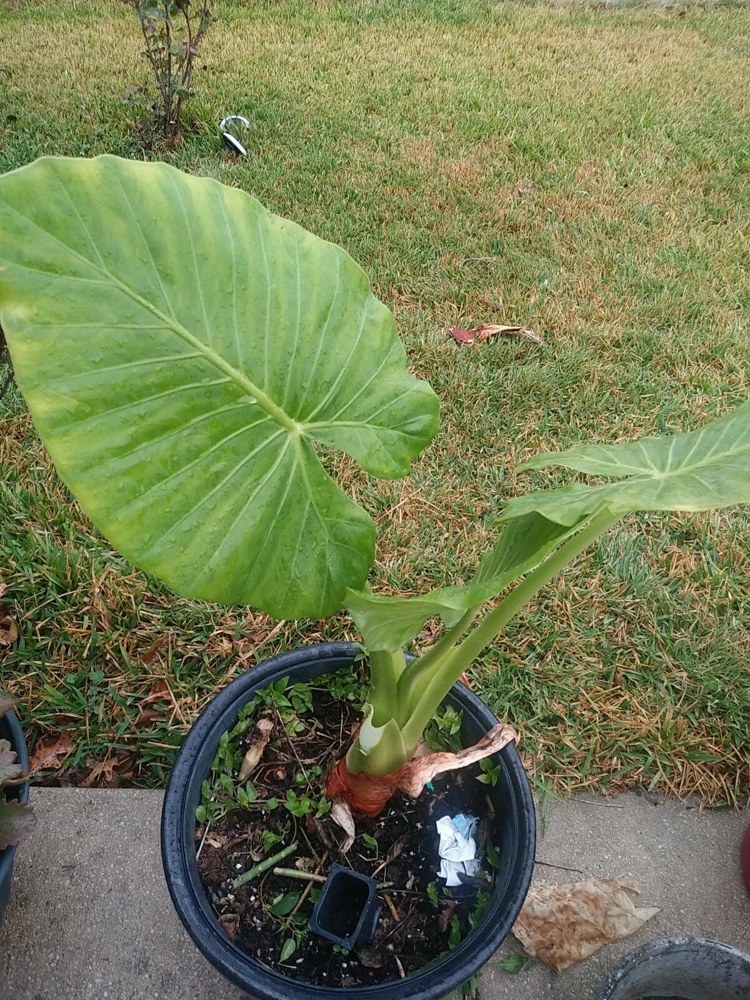
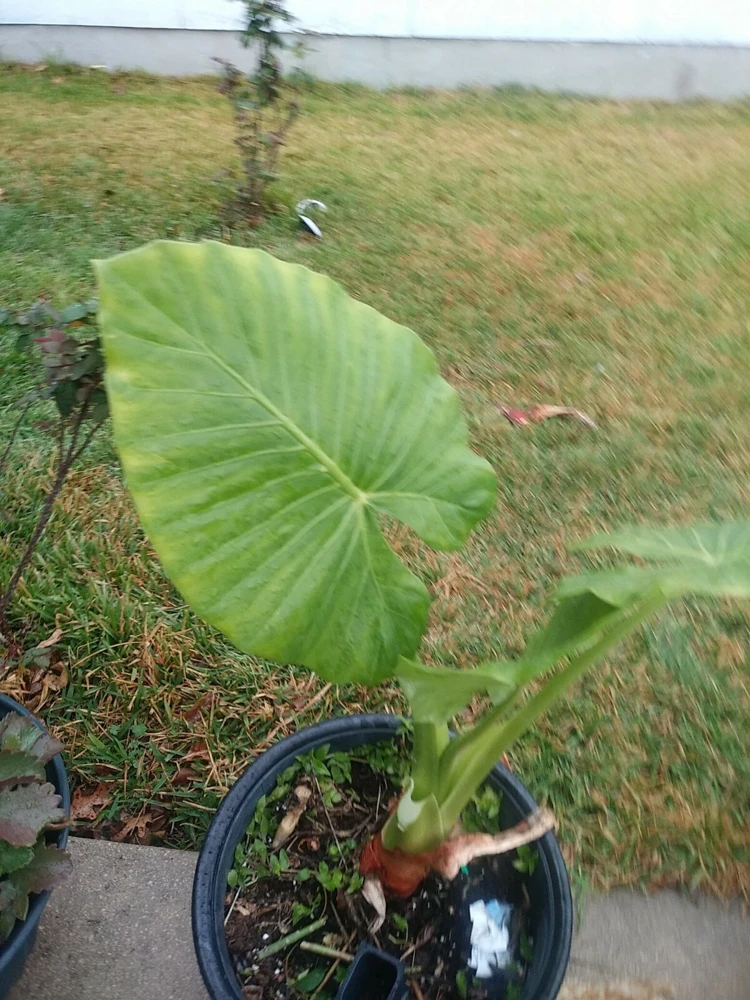
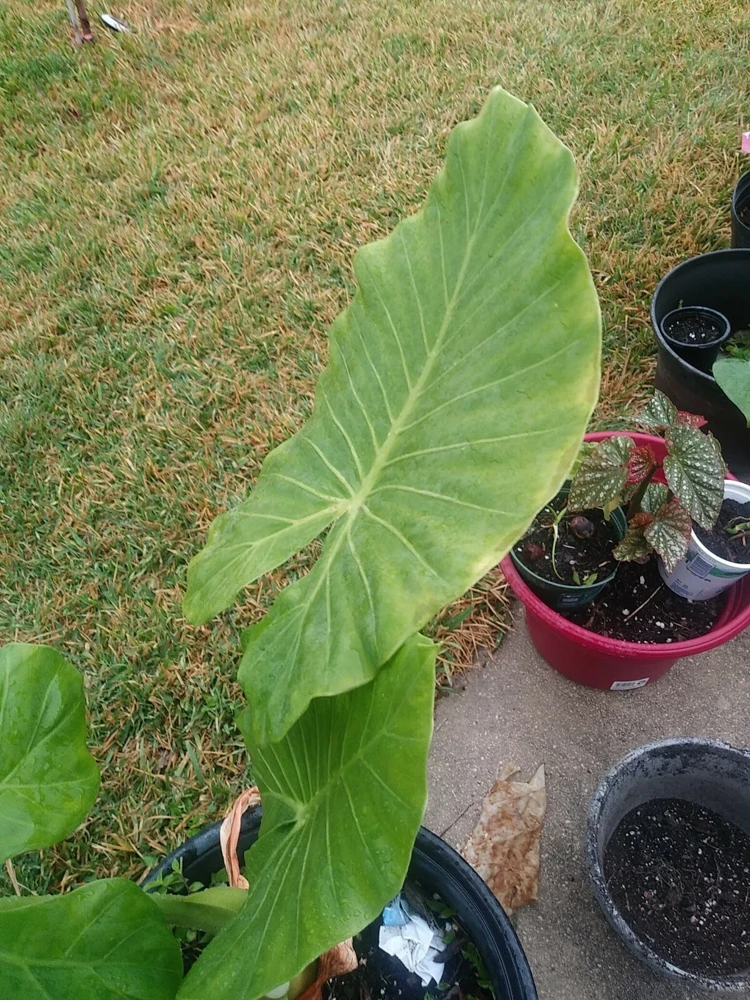
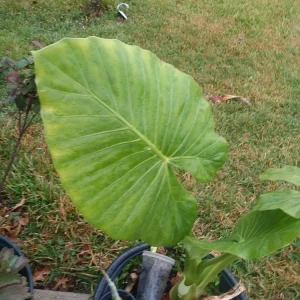
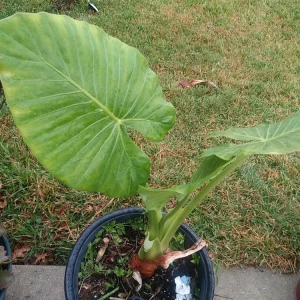
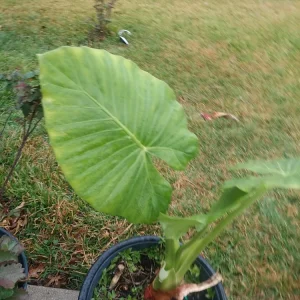
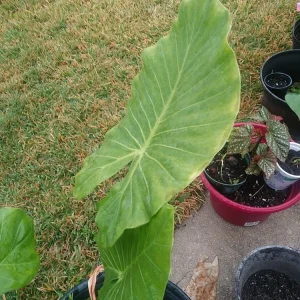

Taro Elephant Ear Live Plant – Colocasia Esculenta – 4 Feet Tall – Indoor/Outdoor
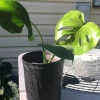
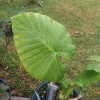
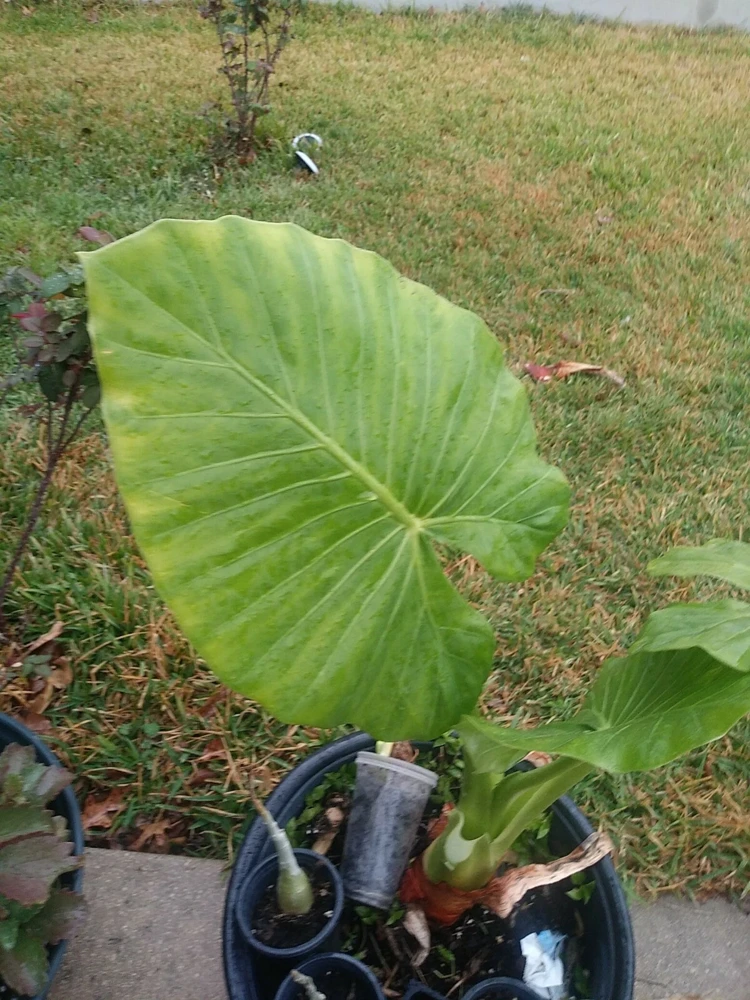
Bring tropical grandeur to your home or garden with this impressive Taro Elephant Ear live plant (Colocasia Esculenta). Known for its massive, heart-shaped leaves, this plant makes a dramatic statement. Ideal for both indoor containers and outdoor landscapes, reaching heights of up to 4 feet. Enjoy its lush, deciduous foliage and edible corms.
Original price was: $400.00.$200.00Current price is: $200.00.

With our Alive & Thrive Guarantee, we’ve got your back for the first 30 days! If you have any concerns about your plants, just reach out to us. Our team is here to help answer your questions and guide you in selecting the best plants for your garden, climate, and unique preferences. We're excited to help you create the garden of your dreams!
Estimated arrival
Oct 08
Oct 13 - Oct 15
Oct 18 - Oct 22



Product Details
-
USDA Hardiness Zone
Grows when 65 degrees or warmer, typically USDA zones 8-11 if overwintered indoors or protected -
Soil type
Well-composted, well-draining, fertilized soil (Chalk, Clay, Loam, Peat, Saline, Sand, Silt) -
Sunlight Exposure
Partial Shade, Medium Sun, Shade from hot afternoon sunlight -
Expected Planting Period
Spring to Summer (when temperatures are above 65°F)
Overview
Introduce a touch of the tropics to your living space or garden with this magnificent Taro Elephant Ear live plant, scientifically known as Colocasia Esculenta. This striking perennial is celebrated for its exceptionally large, heart-shaped leaves that can measure several feet across, creating a dramatic, architectural presence. Often reaching an impressive height of up to 4 feet, this plant is a true showstopper. Whether you’re looking to create an exotic focal point indoors or a lush, tropical landscape outdoors, the Taro Elephant Ear live plant is an excellent choice. It’s not only visually captivating but also holds cultural significance in many parts of the world, where its corms are a staple food source. This robust plant thrives in warm, humid conditions and is relatively easy to care for, making it suitable for a wide range of gardeners.
The Colocasia Esculenta is often referred to as ‘Elephant Ear’ due to the distinctive shape and size of its leaves, which resemble an elephant’s ear. This particular specimen is a live plant, ready to be nurtured and grown in your preferred environment. Its rapid growth and lush appearance make it an instant garden enhancer, providing dense foliage and a vibrant green hue. The deciduous nature of its leaves means it will shed foliage in colder temperatures, but the corms remain ready to sprout anew when conditions become favorable again. This makes it a fascinating and rewarding plant to cultivate, offering both ornamental beauty and potential edible yields.
Key Benefits
The Taro Elephant Ear live plant offers a multitude of benefits, making it a highly desirable addition to any plant collection or garden. Its striking appearance and versatility are just the beginning of what this plant brings to the table.
- Dramatic Tropical Aesthetic: With its colossal, heart-shaped leaves, the Taro Elephant Ear live plant instantly transforms any space into a tropical paradise. It creates a lush, exotic backdrop or a stunning focal point in your landscape or as an indoor specimen.
- Versatile Indoor & Outdoor Cultivation: This plant thrives both as a potted indoor plant, bringing a touch of the jungle to your home, and as an outdoor garden plant, particularly effective near ponds or in shady, humid areas.
- Natural Pond Plant: Colocasia Esculenta is known as a great pond plant, flourishing at the water’s edge or in boggy conditions. It adds natural beauty and can help create a serene aquatic environment.
- Edible Corms: Beyond its ornamental value, the corms of the taro plant are edible and are a staple food in many tropical regions. Properly prepared, they offer a nutritious and unique culinary experience. For those interested in edible taro plant cultivation, this is an excellent choice.
- Air Purifying Qualities: Like many large-leaved plants, the Elephant Ear contributes to a healthier indoor environment by improving air quality through natural photosynthesis.
- Relatively Low Maintenance: Once established in the right conditions, growing elephant ear plants is moderately easy. They primarily require consistent moisture and warmth, making them manageable for many gardeners.
- Rapid Growth: Experience the joy of watching this plant quickly develop its impressive foliage, providing a dynamic and ever-evolving display throughout the growing season.
Plant Care & Growing Tips
To ensure your Taro Elephant Ear live plant thrives, understanding its specific care requirements is essential. This plant prefers conditions that mimic its native tropical habitat, focusing on warmth, moisture, and appropriate light.
Sunlight Requirements: Colocasia Esculenta prefers partial shade to medium sun. While it can tolerate low sun, it truly flourishes with some morning sun or filtered light throughout the day. It is crucial to shade it from harsh afternoon sunlight, especially in hotter climates, as this can scorch its large leaves. For indoor cultivation, place it near a window that receives bright, indirect light or morning sun. Adequate light is key for vigorous growth and the impressive size of the leaves.
Watering and Soil: This plant is a water lover. It requires consistently moist soil and benefits from medium watering. Never let the soil dry out completely, especially during the growing season (spring and summer). For optimal growth, the soil should be well-draining but retain moisture. A mix of chalk, clay, loam, peat, saline, sand, or silt enriched with well-composted, fertilized material is ideal. Good drainage prevents root rot while ensuring the plant has constant access to hydration. If you are interested in Colocasia Esculenta care, consistent moisture is arguably the most important factor.
Temperature and Hardiness Zone: The Taro Elephant Ear live plant thrives in warm conditions. It prefers temperatures of 65 degrees Fahrenheit or warmer and will grow vigorously in these conditions. It is suitable for USDA Hardiness Zones where temperatures remain above 65°F. In zones where winter temperatures drop below this, the plant should be brought indoors or treated as an annual, or its corms can be dug up and stored. The warmer the climate, the better this plant will perform, aligning with humid continental, humid subtropical, Mediterranean, sub-tropical, and tropical climates. Cultivating difficulty is moderate, primarily requiring consistent moisture and protection from cold.
Fertilization: During the active growing season (spring and summer), fertilize your Elephant Ear every 2-4 weeks with a balanced liquid fertilizer to support its rapid growth and large foliage production. Reduce or cease fertilization during the dormant period. Ensure the soil is moist before fertilizing to prevent root burn. Proper nutrition is vital for achieving those impressive, large leaves.
Size & Details
This Taro Elephant Ear live plant is known for its impressive stature, capable of reaching up to 4 feet tall under ideal growing conditions. The plant is typically supplied as a root corm bulb, ready to sprout and grow into a magnificent specimen. Its foliage is deciduous, meaning the leaves will die back in cooler temperatures, but the corm will remain viable for regrowth in the spring. This plant exhibits a moderate growth rate, quickly developing its characteristic large leaves during the warm months. When planting, allow ample space for its expansive foliage. For indoor cultivation, select a pot that is large enough to accommodate its root system and provides stability for its height. The life cycle of the plant depends significantly on the USDA plant zone it is grown in; in warmer zones, it can be a perennial, while in colder zones, it may be grown as an annual or overwintered indoors.
Frequently Asked Questions
- Q: How big does this plant get? A: The Taro Elephant Ear live plant can grow up to 4 feet tall under optimal growing conditions, with its large leaves spreading several feet wide. Its mature size can vary based on climate, care, and whether it’s grown indoors or outdoors.
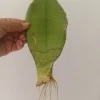
- Q: What size pot does it come in? A: This product is typically supplied as a root corm bulb. The specific size of the bulb can vary, but it is ready to be planted directly into your chosen pot or garden bed upon arrival.
- Q: Is this an indoor or outdoor plant? A: The Taro Elephant Ear live plant is highly versatile and can be grown both indoors and outdoors. Outdoors, it thrives in warm, humid climates and is often used as a pond plant. Indoors, it makes a dramatic statement piece when given enough light and humidity.
- Q: How much sunlight does it need? A: It prefers partial shade to medium sun. It’s crucial to protect it from harsh afternoon sunlight, which can scorch its leaves. For indoor growing, bright, indirect light is ideal.
- Q: Is this plant easy to care for? A: Cultivating difficulty for growing elephant ear plants is moderate. Its primary needs are consistent moisture, warmth (above 65°F), and protection from direct, intense afternoon sun. With these conditions met, it’s quite rewarding to grow.
- Q: Can I use the taro plant in cooking? A: Yes, the corms of the Colocasia Esculenta are edible and are a staple food in many tropical regions. However, they must be cooked thoroughly to remove calcium oxalate, which can cause irritation if eaten raw. This makes it a great choice for those interested in an edible taro plant.
- Q: When is the best time to plant? A: The best time to plant the root corm bulb is in spring or early summer, after all danger of frost has passed and soil temperatures have warmed up. This allows the plant ample time to establish and grow during its active season.
- Q: Will it survive winter in my zone? A: The plant grows when temperatures are 65 degrees or warmer. In USDA zones where winter temperatures drop below this, the plant’s foliage will die back. The corm can be dug up and stored indoors in a cool, dry place until spring, or the plant can be grown as an annual.
- Q: What’s the minimum temperature it can tolerate? A: This plant requires temperatures of 65 degrees Fahrenheit or warmer for active growth. It will not tolerate frost and should be protected from cold temperatures.
- Q: What kind of soil is best for Colocasia Esculenta care? A: A well-composted, well-draining, and fertilized soil mix is best. It can thrive in various soil types including chalk, clay, loam, peat, saline, sand, and silt, as long as it retains moisture but also drains adequately.
Related products
-50%
Original price was: $39.98.$19.98Current price is: $19.98.
-30%
Original price was: $13.98.$9.78Current price is: $9.78.
-30%
Original price was: $79.98.$55.98Current price is: $55.98.
-39%
Original price was: $49.00.$29.99Current price is: $29.99.
-25%
Original price was: $30.00.$22.50Current price is: $22.50.
PLANTING & CARE
Lemon Tree Growing: Choose, Plant, and Harvest
Learn how to choose, plant, feed, and protect a lemon tree so it fits your
23
Sep
Sep
Dwarf Meyer Lemon Tree Australia: Climate Guide
Learn where dwarf Meyer lemon trees grow, how much cold they tolerate, and whether Australia,
Where to Buy a Dwarf Meyer Lemon Tree: Buyer’s Guide
Find the right dwarf Meyer lemon tree online or locally, compare starter sizes and costs,
Dwarf Meyer Lemon Tree for Sale: Buying Guide
Compare Meyer lemon tree sizes, prices, shipping limits, indoor growing and California options before you
Dwarf Meyer Lemon Tree Guide: Size, Care and Fruit
META: Learn how large a dwarf Meyer lemon tree grows, where it thrives, and how
How to Prune a Dwarf Meyer Lemon Tree
Learn when and how to prune a dwarf Meyer lemon tree, including tools, shaping cuts,
Can You Grow a Dwarf Meyer Lemon Tree in a Pot?
META: Learn how to grow a dwarf Meyer lemon tree in a pot, including container
When Do Dwarf Meyer Lemon Trees Bloom and Fruit?
META: Dwarf Meyer lemon trees usually bloom from winter through spring and may flower again