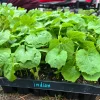
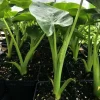
Taro Plant Live Starter – Edible Colocasia Esculenta – 2.5 inch Pot
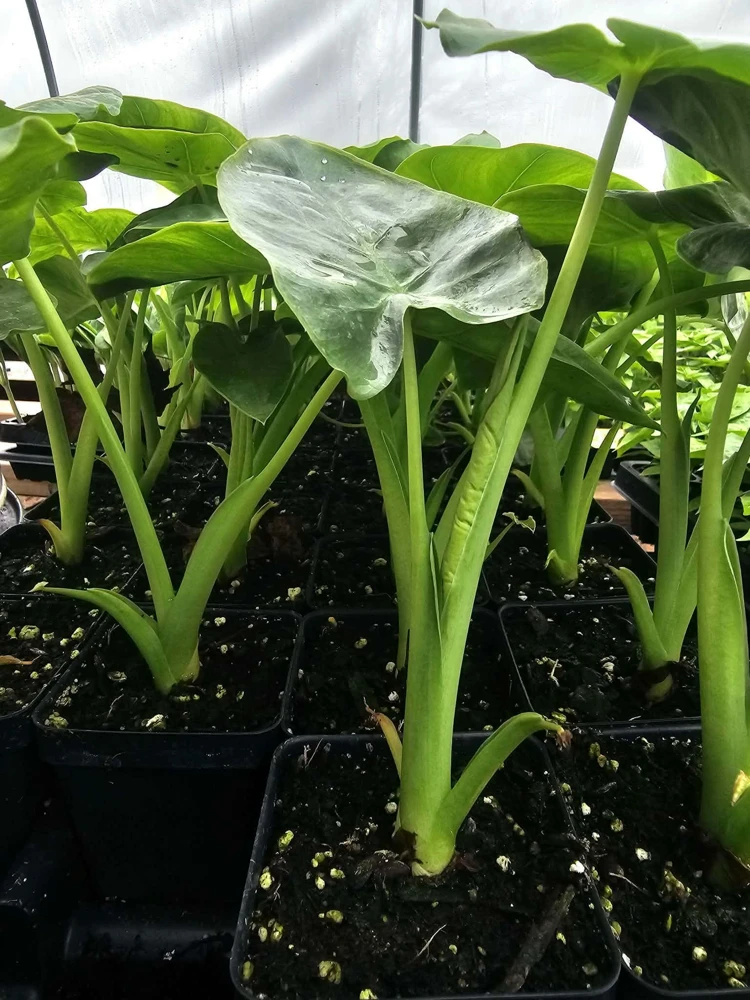
Taro Plant Live Starter – Edible Colocasia Esculenta – 2.5 inch Pot
Grow your own versatile and nutritious taro plant live with this starter in a 2.5-inch pot. Also known as edible taro plant or Colocasia Esculenta, it’s perfect for culinary dishes and adds an exotic touch to your garden. Enjoy fresh taro root right from your home!
$20.00

With our Alive & Thrive Guarantee, we’ve got your back for the first 30 days! If you have any concerns about your plants, just reach out to us. Our team is here to help answer your questions and guide you in selecting the best plants for your garden, climate, and unique preferences. We're excited to help you create the garden of your dreams!
Estimated arrival
Oct 14
Oct 19 - Oct 21
Oct 24 - Oct 28
Product Details
-
USDA Hardiness Zone
USDA zones 8-11 (outdoors) -
Soil type
Rich, fertile, well-draining, consistently moist soil -
Sunlight Exposure
Full sun to partial shade -
Expected Planting Period
Spring to early summer
Overview
Experience the joy of growing your own nutritious food with our taro plant live starter. This vibrant plant, scientifically known as Colocasia Esculenta, is a staple in many global cuisines, prized for its starchy, edible tuberous roots. Often referred to as Elephant Ear due to its large, heart-shaped leaves, the taro plant live is not only a culinary delight but also an attractive addition to your garden or patio. Our starter plant provides a healthy foundation for you to cultivate this versatile vegetable, bringing an exotic touch and fresh ingredients to your kitchen. Whether you’re an experienced gardener or just starting, this robust plant offers a rewarding growing experience and a delicious harvest. Cultivating a colocasia esculenta plant allows you to enjoy fresh, organic taro root and leaves, enhancing your culinary adventures.
The edible taro plant is a tropical perennial that thrives in warm, humid conditions. Its distinctive foliage can add a lush, tropical feel to any landscape, making it a dual-purpose plant for both ornamental beauty and food production. This starter plant is ready to be transplanted into a larger pot or your garden, setting you on the path to a bountiful harvest. Embrace sustainable living by growing your own food, starting with this easy-to-grow and highly beneficial taro plant live.
Key Benefits
Cultivating a taro plant live offers a multitude of advantages, from its culinary versatility to its aesthetic appeal. This plant is a fantastic choice for gardeners looking to expand their edible landscape.
- Nutritional Powerhouse: The starchy tuberous roots of the edible taro plant are rich in fiber, potassium, vitamin C, vitamin E, and B vitamins. They offer a healthier alternative to potatoes and are a great source of complex carbohydrates.
- Culinary Versatility: Taro roots can be boiled, steamed, fried, roasted, or mashed, making them suitable for a wide range of dishes, from savory stews and soups to sweet desserts. The young leaves can also be cooked and consumed, similar to spinach.
- Exotic Garden Accent: With its large, striking heart-shaped leaves, the colocasia esculenta plant adds a dramatic, tropical aesthetic to any garden, patio, or large container. It’s often used in water gardens or as a focal point in landscapes.
- Easy to Grow: Despite its exotic appearance, the taro plant live is relatively easy to care for, especially in warm climates. It requires consistent moisture and thrives with minimal fuss, making it suitable for gardeners of varying experience levels.
- Sustainable Food Source: Growing your own taro plant live provides a sustainable and fresh source of food, reducing reliance on store-bought produce and offering the satisfaction of a home-grown harvest.
- Adaptable Growth: While typically grown outdoors in warmer zones, the taro plant live can also be cultivated indoors as a striking houseplant, provided it receives adequate light and humidity.
Plant Care & Growing Tips
Caring for your taro plant live is straightforward, especially when you understand its basic needs. This tropical plant thrives in conditions that mimic its natural habitat. For optimal growth, choose a location that receives full sun to partial shade. In hotter climates, some afternoon shade can prevent leaf scorch, while in cooler regions, more sun will encourage robust growth and larger tubers. The edible taro plant is a heavy feeder and requires consistently moist to wet soil. It can even grow in boggy conditions or shallow water, making it an excellent choice for waterside plantings or containers without drainage holes.
When it comes to soil, the colocasia esculenta plant prefers rich, fertile, well-draining soil with a slightly acidic to neutral pH. Amend your soil with plenty of organic matter like compost to improve fertility and moisture retention. Fertilize your taro plant live regularly during the growing season (spring and summer) with a balanced liquid fertilizer or a slow-release granular fertilizer to support its vigorous growth and tuber development. Reduce fertilization in fall and winter as the plant enters a dormant or semi-dormant phase. Protect your plant from frost, as it is not cold-hardy; in zones with cold winters, tubers can be dug up and stored indoors, or the plant can be grown as an annual.
Pest and disease issues are generally minimal for the taro plant live. Keep an eye out for common garden pests like aphids or spider mites, especially if grown indoors; these can usually be managed with insecticidal soap. Ensure good air circulation to prevent fungal diseases. Proper watering and feeding are key to a healthy, productive taro root plant care routine. By following these guidelines, you’ll be well on your way to enjoying a thriving taro plant live and a delicious harvest.
Size & Details
This listing provides one healthy taro plant live starter, carefully cultivated in a 2.5-inch nursery pot. At this stage, the plant is young but well-rooted, typically standing a few inches tall with several developing leaves, ready for transplanting. While the mature size of the edible taro plant can vary based on growing conditions and variety, most cultivated forms can reach heights of 3-5 feet with a similar spread, producing large, impressive foliage. The tubers, which are the primary harvest, develop underground over several months, typically maturing in 7-12 months after planting, depending on climate and care.
The colocasia esculenta plant is a fast grower under ideal conditions, quickly developing into a substantial plant. It’s shipped with its root ball intact within the 2.5-inch pot, ensuring minimal stress during transit. Upon arrival, it will be ready to be potted up into a larger container (at least 5-gallon capacity for tuber development) or planted directly into a prepared garden bed. This starter size is ideal for establishing a robust plant that will produce edible tubers and lush foliage. When you buy taro plant online, you’re investing in a plant that offers both ornamental beauty and culinary rewards.
Frequently Asked Questions
- Q: How big does this taro plant live get? A: This starter plant is in a 2.5-inch pot. When mature, the edible taro plant can typically reach heights of 3-5 feet tall and wide, depending on growing conditions and variety.
- Q: Is this an indoor or outdoor plant? A: The taro plant live thrives outdoors in warm, humid climates (USDA zones 8-11). In cooler zones, it can be grown as an annual or brought indoors during winter. It can also be cultivated indoors as a striking houseplant with adequate light and humidity.
- Q: How much sunlight does the colocasia esculenta plant need? A: It prefers full sun to partial shade. In very hot climates, some afternoon shade is beneficial to prevent leaf burn. For indoor growing, bright, indirect light is best.
- Q: Is this plant easy to care for? A: Yes, the taro plant live is considered relatively easy to care for. It primarily requires consistent moisture, rich soil, and warmth. It’s a great choice for gardeners looking for a low-maintenance edible plant.
- Q: Can I use this taro plant for cooking? A: Absolutely! This is an edible taro plant (Colocasia Esculenta). Both its starchy tubers and young leaves (when cooked properly) are widely used in various culinary dishes around the world.
- Q: What condition will the taro plant live arrive in? A: Your taro plant live starter will arrive healthy and well-packaged in its 2.5-inch nursery pot, with its root system intact, ready for transplanting. We ensure it’s protected during transit.
- Q: When is the best time to plant the taro plant live? A: The best time to plant is in the spring after all danger of frost has passed and soil temperatures have warmed up. This allows the plant ample time to establish and develop tubers before cooler weather.
- Q: What kind of soil does the taro plant root care require? A: The taro plant live prefers rich, fertile, well-draining soil that retains moisture. Amending with organic matter like compost is highly recommended for optimal growth and tuber production.
- Q: Will this plant survive winter in my zone? A: The taro plant live is tropical and not cold-hardy. It will survive winters outdoors only in USDA zones 8-11. In colder zones, the tubers should be dug up and stored indoors, or the plant can be treated as an annual.
- Q: Why should I buy taro plant online from you? A: When you buy taro plant online from us, you receive a healthy, well-established starter plant, carefully packaged and ready to thrive, ensuring a successful growing experience.
Related products
-20%
Original price was: $100.00.$80.00Current price is: $80.00.
-50%

Original price was: $59.96.$29.98Current price is: $29.98.
-20%
Original price was: $36.00.$28.80Current price is: $28.80.
-78%
Original price was: $39.99.$8.99Current price is: $8.99.
-20%
Original price was: $70.00.$56.00Current price is: $56.00.
-20%

Original price was: $17.00.$13.60Current price is: $13.60.
-20%
Original price was: $28.00.$22.40Current price is: $22.40.
PLANTING & CARE
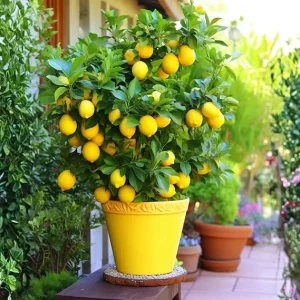
Lemon Tree Growing: Choose, Plant, and Harvest
Learn how to choose, plant, feed, and protect a lemon tree so it fits your
23
Sep
Sep
Dwarf Meyer Lemon Tree Australia: Climate Guide
Learn where dwarf Meyer lemon trees grow, how much cold they tolerate, and whether Australia,
Where to Buy a Dwarf Meyer Lemon Tree: Buyer’s Guide
Find the right dwarf Meyer lemon tree online or locally, compare starter sizes and costs,
Dwarf Meyer Lemon Tree for Sale: Buying Guide
Compare Meyer lemon tree sizes, prices, shipping limits, indoor growing and California options before you
Dwarf Meyer Lemon Tree Guide: Size, Care and Fruit
META: Learn how large a dwarf Meyer lemon tree grows, where it thrives, and how
How to Prune a Dwarf Meyer Lemon Tree
Learn when and how to prune a dwarf Meyer lemon tree, including tools, shaping cuts,
Can You Grow a Dwarf Meyer Lemon Tree in a Pot?
META: Learn how to grow a dwarf Meyer lemon tree in a pot, including container
When Do Dwarf Meyer Lemon Trees Bloom and Fruit?
META: Dwarf Meyer lemon trees usually bloom from winter through spring and may flower again