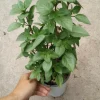
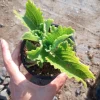
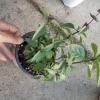
Thai Basil Live Plant – 4 Inch Pot – Aromatic Herb for Cooking & Garden
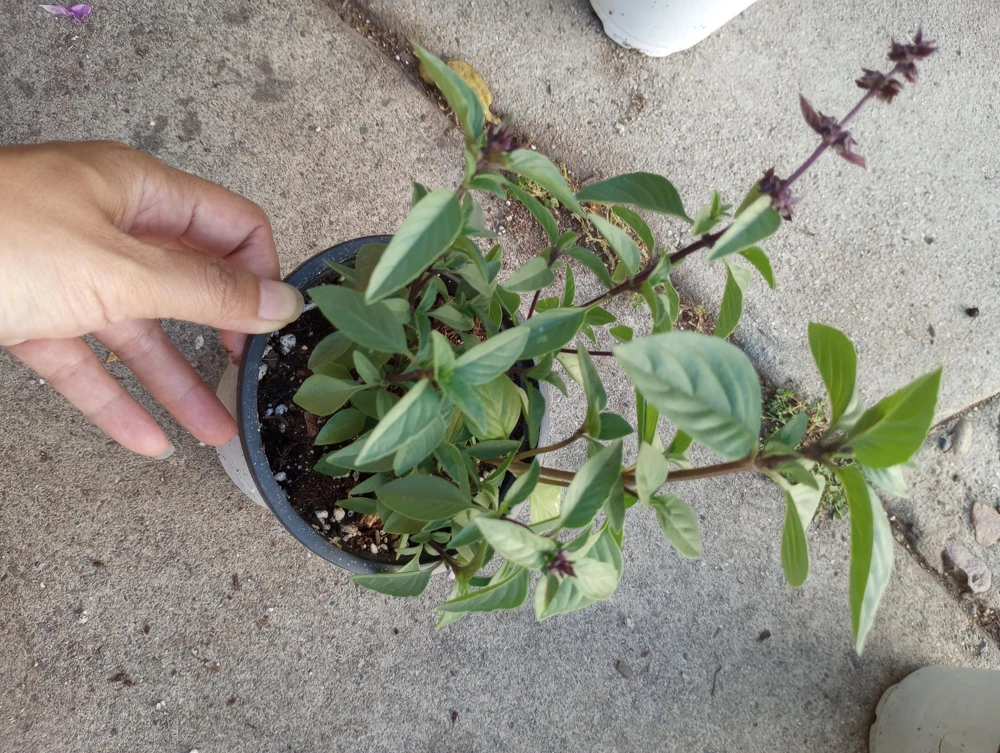
Thai Basil Live Plant – 4 Inch Pot – Aromatic Herb for Cooking & Garden
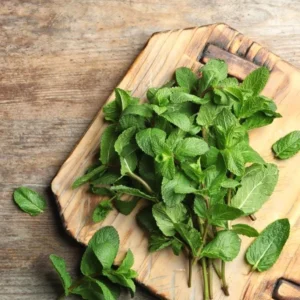
Bring the authentic flavors of Southeast Asia to your kitchen with a Thai Basil live plant. This aromatic herb comes in a 4 inch pot, ready for planting in your garden or a larger container. Enjoy its unique anise-like fragrance and beautiful purple stems, perfect for cooking or as an attractive addition to your herb collection.
$25.98

With our Alive & Thrive Guarantee, we’ve got your back for the first 30 days! If you have any concerns about your plants, just reach out to us. Our team is here to help answer your questions and guide you in selecting the best plants for your garden, climate, and unique preferences. We're excited to help you create the garden of your dreams!
Estimated arrival
Oct 08
Oct 13 - Oct 15
Oct 18 - Oct 22
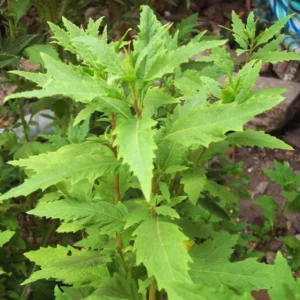
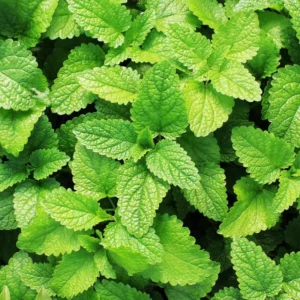
Product Details
-
USDA Hardiness Zone
USDA zones 10-11 (as an annual in cooler zones) -
Soil type
Well-draining potting mix -
Sunlight Exposure
Full sun (6-8 hours direct light) -
Expected Planting Period
Year-round indoors; spring to summer outdoors
Overview
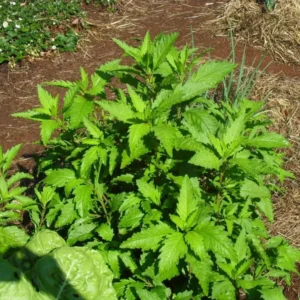
Introduce exotic flavors to your home garden with our vibrant Thai Basil live plant. This particular variety of basil, known for its distinct anise and licorice-like aroma, is a staple in many Asian cuisines, especially Thai and Vietnamese dishes. Our Thai Basil live plant arrives healthy and established in a 4 inch pot, making it easy to transplant into your garden, a larger container, or even keep on a sunny windowsill. With its attractive purple stems and dark green leaves, it’s not only a culinary delight but also an ornamental herb. Unlike common sweet basil, Thai Basil herb offers a more robust flavor profile that holds up well during cooking, making it an indispensable ingredient for curries, stir-fries, and fresh spring rolls.
Cultivating your own Thai Basil live plant ensures a fresh supply of this fragrant herb, free from pesticides and grown with care. Whether you’re an experienced gardener or a novice, growing Thai Basil is a rewarding experience that transforms your culinary creations. Its unique taste and aroma are simply unmatched by dried alternatives, providing a fresh, vibrant kick to any meal.
Key Benefits
Beyond its culinary appeal, the Thai Basil live plant offers several advantages for both your garden and your kitchen. It’s a versatile herb that enriches your living space and diet in numerous ways:
- Authentic Culinary Ingredient: Provide your dishes with a genuine Southeast Asian flavor. Thai Basil live plant leaves are essential for traditional Thai curries, pho, and stir-fries, offering a distinct spicy, licorice-like taste that elevates your cooking to new heights.
- Aromatic & Ornamental: With its beautiful purple stems, dark green leaves, and attractive flower spikes, Thai Basil serves as an excellent ornamental plant. Its fragrant foliage releases a pleasant aroma, enhancing the ambiance of your garden or indoor space.
- Easy to Grow: This resilient plant is relatively easy to care for, making it suitable for gardeners of all experience levels. It thrives in warm conditions and can be grown successfully in containers, providing fresh herbs right at your fingertips. Understanding Thai Basil plant care is straightforward, ensuring a bountiful harvest.
- Freshness at Your Fingertips: Enjoy the unparalleled taste of freshly picked basil. Having a Thai Basil live plant means you can snip leaves as needed, ensuring maximum flavor and nutritional value in your meals, far surpassing store-bought options.
- Pest Repellent Qualities: Like many basil varieties, Thai Basil can help deter certain garden pests, making it a beneficial companion plant in your vegetable patch. Its strong aroma acts as a natural deterrent, promoting a healthier garden ecosystem.
- Health Benefits: Basil is known for its antioxidant and anti-inflammatory properties. Incorporating fresh culinary basil into your diet can contribute to overall well-being and add a healthy boost to your meals.
Plant Care & Growing Tips
Successful Thai Basil plant care is key to a flourishing, aromatic herb. This warm-weather annual thrives in conditions that mimic its native tropical environment. For optimal growth, provide your Thai Basil live plant with plenty of sunlight. It prefers at least 6-8 hours of direct sunlight per day. If growing indoors, place it near a south-facing window or use supplemental grow lights to ensure it receives adequate light. Insufficient light can lead to leggy growth and reduced flavor concentration. Proper light exposure is crucial for growing Thai Basil with robust flavor.
Watering is another critical aspect of Thai Basil plant care. Keep the soil consistently moist but never waterlogged. Overwatering can lead to root rot, while underwatering will cause the plant to wilt and stress. Check the soil moisture daily by feeling the top inch of soil; if it feels dry, it’s time to water. Good drainage is paramount, so ensure your pot has drainage holes. A well-draining potting mix is ideal for supporting healthy root development. Thai Basil prefers a slightly acidic to neutral soil pH (6.0-7.0).
Thai Basil is sensitive to cold temperatures and should only be planted outdoors after all danger of frost has passed, typically when nighttime temperatures consistently stay above 50°F (10°C). It thrives in warm temperatures between 70-85°F (21-29°C). Fertilize your Thai Basil live plant every 2-4 weeks during the growing season with a balanced liquid fertilizer, diluted to half strength. Pruning is essential for encouraging bushy growth and preventing the plant from going to seed too early. Pinch off the top sets of leaves regularly, and remove any flower buds as soon as they appear to direct the plant’s energy into leaf production. This practice will ensure a continuous supply of fresh culinary basil throughout the season. Watch out for common pests like aphids and spider mites; address them promptly with organic pest control methods if necessary.
Size & Details
This offering is for one healthy Thai Basil live plant, delivered in a sturdy 4 inch pot. The plant’s height typically ranges from 4 to 8 inches upon arrival, depending on its stage of growth, with the potential to reach mature heights of 18 to 24 inches tall and wide when properly cared for. It is shipped as an established, young plant, ready for immediate transplanting into your garden or a larger container. The plant form is a compact, bushy herb with distinctive purple stems and vibrant green leaves. Expected growth rate is moderate to fast, allowing for frequent harvests throughout the growing season. Under ideal conditions, you can begin harvesting leaves within a few weeks of planting. This Thai Basil live plant is a perfect starter for anyone interested in growing Thai Basil at home.
Frequently Asked Questions
- Q: How big does this Thai Basil plant get? A: Your Thai Basil live plant arrives in a 4-inch pot, typically 4-8 inches tall. With proper care, it can grow to a mature size of 18-24 inches in height and width, providing a generous harvest of culinary basil.
- Q: What size pot does it come in? A: Each Thai Basil live plant is delivered in a standard 4 inch pot, which is a good size for a young, established plant. You can keep it in this pot temporarily or transplant it into a larger container or garden bed upon arrival.
- Q: Is this an indoor or outdoor plant? A: Thai Basil can be grown both indoors and outdoors. It thrives outdoors in warm weather and full sun. Indoors, it requires a sunny windowsill or grow lights to ensure it receives enough light for healthy growth.
- Q: How much sunlight does it need? A: For best results, your Thai Basil live plant needs at least 6-8 hours of direct sunlight per day. If growing indoors, ensure it’s placed in the brightest spot available, ideally a south-facing window.
- Q: Is this plant easy to care for? A: Yes, growing Thai Basil is relatively easy, making it suitable for beginners. Providing consistent moisture, ample sunlight, and regular pruning are the main keys to success in Thai Basil plant care.
- Q: What condition will it arrive in? A: Your Thai Basil live plant will arrive healthy, well-rooted, and carefully packaged to minimize stress during transit. It will be ready to be acclimated to its new environment and transplanted.
- Q: Can I use this Thai Basil in cooking? A: Absolutely! This Thai Basil live plant is specifically grown for culinary use. Its distinctive anise-like flavor is perfect for authentic Thai, Vietnamese, and other Asian dishes.
- Q: How long until I can harvest the leaves? A: You can typically begin to harvest leaves from your Thai Basil live plant within a few weeks of planting, once the plant has established itself and grown new foliage. Regular harvesting encourages more growth.
- Q: What’s the minimum temperature this plant can tolerate? A: Thai Basil is a warm-weather plant and is very sensitive to cold. It prefers temperatures above 50°F (10°C) and will not survive frost. Bring it indoors or protect it if temperatures drop.
- Q: What is the best soil type for growing Thai Basil? A: A well-draining potting mix that is rich in organic matter is ideal for your Thai Basil live plant. Ensure good drainage to prevent waterlogging and root rot.
Related products
-50%
Original price was: $79.96.$39.98Current price is: $39.98.
-67%
Original price was: $75.72.$25.24Current price is: $25.24.
-50%
Original price was: $47.96.$23.98Current price is: $23.98.
-50%
Original price was: $53.98.$26.99Current price is: $26.99.
-67%
From Original price was: $35.22.$11.74Current price is: $11.74.
-67%
Original price was: $39.72.$13.24Current price is: $13.24.
-67%
Original price was: $39.72.$13.24Current price is: $13.24.
-30%
Original price was: $67.98.$47.58Current price is: $47.58.
PLANTING & CARE
Lemon Tree Growing: Choose, Plant, and Harvest
Learn how to choose, plant, feed, and protect a lemon tree so it fits your
23
Sep
Sep
Dwarf Meyer Lemon Tree Australia: Climate Guide
Learn where dwarf Meyer lemon trees grow, how much cold they tolerate, and whether Australia,
Where to Buy a Dwarf Meyer Lemon Tree: Buyer’s Guide
Find the right dwarf Meyer lemon tree online or locally, compare starter sizes and costs,
Dwarf Meyer Lemon Tree for Sale: Buying Guide
Compare Meyer lemon tree sizes, prices, shipping limits, indoor growing and California options before you
Dwarf Meyer Lemon Tree Guide: Size, Care and Fruit
META: Learn how large a dwarf Meyer lemon tree grows, where it thrives, and how
How to Prune a Dwarf Meyer Lemon Tree
Learn when and how to prune a dwarf Meyer lemon tree, including tools, shaping cuts,
Can You Grow a Dwarf Meyer Lemon Tree in a Pot?
META: Learn how to grow a dwarf Meyer lemon tree in a pot, including container
When Do Dwarf Meyer Lemon Trees Bloom and Fruit?
META: Dwarf Meyer lemon trees usually bloom from winter through spring and may flower again