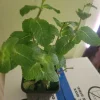
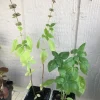
Thai Basil Live Plant – Aromatic Culinary Herb – Ocimum basilicum
-50%
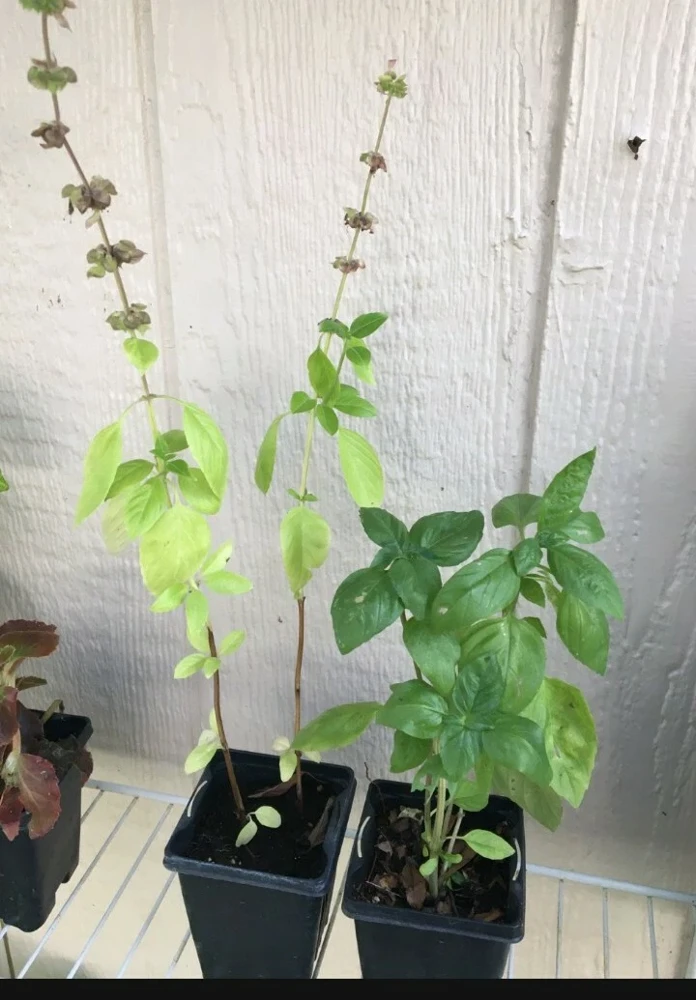
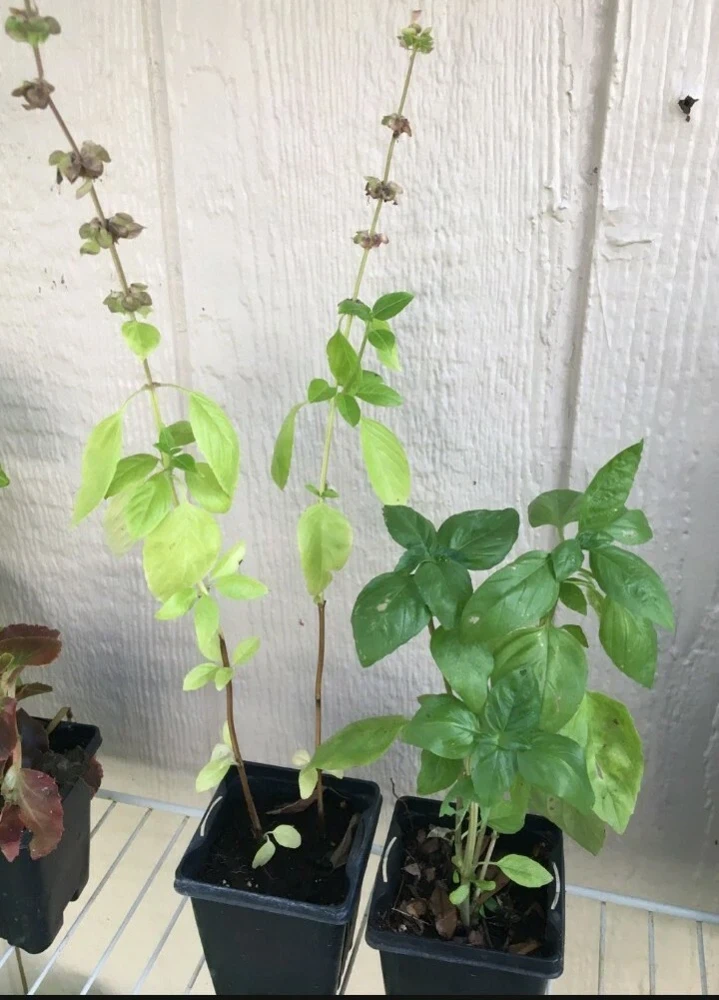
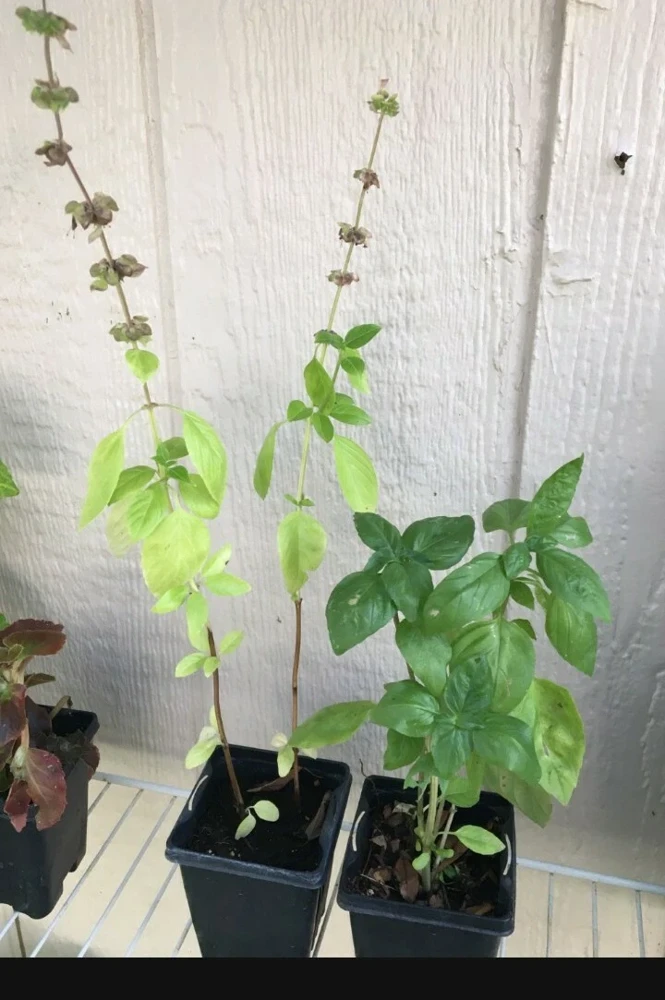
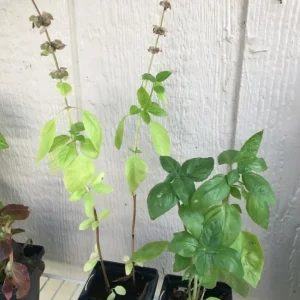
Thai Basil Live Plant – Aromatic Culinary Herb – Ocimum basilicum
Bring the authentic flavors of Southeast Asia to your kitchen with this Thai Basil live plant. An aromatic culinary herb, it’s perfect for gardening enthusiasts and home cooks alike. Enjoy its distinctive peppery, anise-like flavor in your favorite dishes.
Original price was: $80.00.$40.00Current price is: $40.00.

With our Alive & Thrive Guarantee, we’ve got your back for the first 30 days! If you have any concerns about your plants, just reach out to us. Our team is here to help answer your questions and guide you in selecting the best plants for your garden, climate, and unique preferences. We're excited to help you create the garden of your dreams!
Estimated arrival
Oct 08
Oct 13 - Oct 15
Oct 18 - Oct 22
Product Details
-
USDA Hardiness Zone
USDA zones 9-11 (as an annual or indoor plant) -
Soil type
Moderately rich, moist, well-draining soil -
Sunlight Exposure
Full Sun, Partial Shade -
Expected Planting Period
Spring to early summer (outdoors), year-round indoors
Overview
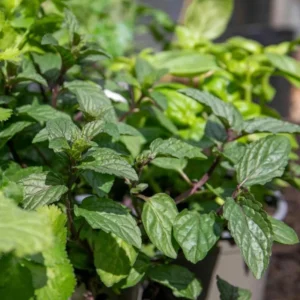
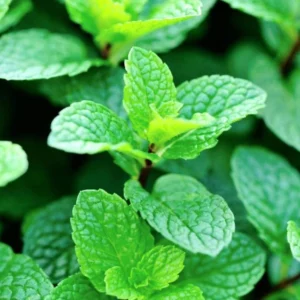
Cultivate the rich, aromatic essence of Southeast Asian cuisine right in your own garden with our premium Thai Basil live plant. Known botanically as Ocimum basilicum var. ‘Horapha’, this beloved herb is a staple in many traditional dishes, offering a unique flavor profile that distinguishes it from other basil varieties. Unlike common sweet basil, Thai Basil live plant features sturdy purple stems, deep green leaves, and a more robust, slightly spicy, and anise-like flavor. It’s an essential ingredient for curries, stir-fries, and noodle dishes, providing both culinary delight and a visually appealing addition to your herb collection. Whether you’re an experienced gardener or just starting, growing your own Thai Basil live plant is a rewarding experience that promises fresh, vibrant flavors at your fingertips.
This hardy herb thrives in warm climates and can be grown successfully both outdoors in a garden bed or indoors in a pot, making it versatile for various living situations. The distinct aroma and beautiful appearance, with its striking purple flowers and stems, also make it an attractive ornamental plant. Imagine plucking fresh leaves just before dinner, elevating your meals with an unparalleled freshness. Our Thai Basil live plant arrives healthy and ready to be transplanted, ensuring a strong start for your culinary adventures. Discover the joy of fresh herbs grown by you, for you.
Key Benefits
Adding a Thai Basil live plant to your home garden offers numerous advantages, from culinary versatility to aesthetic appeal and ease of cultivation. This remarkable herb is a must-have for any enthusiast of fresh, home-grown ingredients.
- Authentic Culinary Flavor: Enjoy the distinctive peppery, anise-like flavor that is crucial for authentic Thai, Vietnamese, and other Southeast Asian dishes. Freshly picked leaves far surpass the taste of store-bought alternatives.
- Aromatic Garden Addition: The strong, pleasant aroma of Thai Basil live plant will invigorate your garden or indoor space, acting as a natural air freshener and an attractive plant with its purple stems and flowers.
- Easy to Grow: This herb is relatively low-maintenance and forgiving, making it an excellent choice for both novice and experienced gardeners. With proper care, it will provide a bountiful harvest.
- Versatile Use: Beyond its culinary applications, Thai basil can be used in fragrant teas, infused oils, or simply enjoyed for its beauty. It’s a versatile plant that serves multiple purposes.
- Supports Healthy Eating: Having fresh herbs readily available encourages healthier cooking habits, allowing you to add natural flavors and nutrients to your meals without relying on processed ingredients.
- Long Growing Season: With its preference for warm weather, a Thai Basil live plant can provide continuous harvests throughout the summer and into the fall, especially when regularly pruned.
- Compact Growth: Ideal for container gardening, it doesn’t require vast space, making it perfect for patios, balconies, or sunny windowsills.
Plant Care & Growing Tips
To ensure your Thai Basil live plant thrives and provides a continuous harvest of flavorful leaves, understanding its basic care requirements is key. This herb prefers warm conditions, so choose a location that mimics its native tropical environment. For sunlight, it needs at least 6-8 hours of full sun daily. If growing indoors, place it near a south-facing window or supplement with a grow light to achieve optimal growth. Insufficient light can lead to leggy growth and reduced flavor concentration. For anyone wondering how to grow Thai basil successfully, sunlight is paramount.
Watering should be regular, especially during dry spells. The soil should remain consistently moist but not waterlogged. Check the soil moisture by sticking your finger about an inch deep; if it feels dry, it’s time to water. Good drainage is crucial, so ensure your pots have drainage holes or your garden bed is well-prepared. The ideal soil type is moderately rich, moist soil with a pH between 6.0 and 7.0. Amending heavy clay soils with compost or sand can improve drainage, while adding organic matter to sandy soils will enhance water retention and nutrient availability. For those looking for comprehensive Thai basil plant care, proper soil and watering are essential.
Fertilize your Thai Basil live plant every 3-4 weeks with a balanced liquid fertilizer, especially if you’re harvesting frequently. Pinch off flower buds as they appear to encourage bushier growth and prevent the plant from going to seed, which can diminish leaf production and flavor. This also helps in maintaining the plant’s energy towards producing more delicious leaves. Protect your plant from cold temperatures, as basil is very sensitive to frost. If temperatures drop below 50°F (10°C), bring potted plants indoors or cover outdoor plants. This care will maximize your yield of this wonderful culinary herb plant.
Size & Details
This Thai Basil live plant typically ships as a healthy, well-rooted starter plant, ready for immediate transplanting into your garden or a larger pot. While the exact size may vary slightly upon arrival, you can expect a robust young plant, generally 4-6 inches tall, with established foliage. When mature, a Thai basil plant can reach a height of 12-18 inches and spread about 10-12 inches wide, forming a compact, bushy specimen. It is shipped in a nursery-grade container designed to protect its root system during transit, ensuring it arrives in optimal condition.
With proper care, your plant will grow steadily, providing fresh leaves for harvest throughout the warm season. Regular harvesting encourages new growth, allowing for a continuous supply of this aromatic herb. Expect your plant to produce flowers, which are edible and attractive, typically in mid to late summer. The growth rate is moderate to fast under ideal conditions, meaning you’ll be enjoying your home-grown Thai basil in no time. This plant is a fantastic choice for both culinary use and adding a touch of green to your living space.
Frequently Asked Questions
- Q: How big does this plant get? A: A mature Thai Basil live plant typically grows to about 12-18 inches tall and spreads 10-12 inches wide, forming a compact and bushy shape. Its size can be managed with regular pruning.
- Q: Is this an indoor or outdoor plant? A: Thai Basil can thrive both indoors and outdoors. It prefers warm climates and plenty of sunlight, making it suitable for outdoor gardens during warm seasons or indoors year-round near a sunny window.
- Q: How much sunlight does it need? A: For optimal growth and flavor, your Thai Basil live plant requires at least 6-8 hours of direct full sun per day. If growing indoors, a south-facing window is ideal.
- Q: Is this plant easy to care for? A: Yes, Thai Basil is considered relatively easy to care for, making it suitable for gardeners of all experience levels. Consistent watering and adequate sunlight are its main requirements. For detailed guidance, refer to our section on how to grow Thai basil.
- Q: What condition will it arrive in? A: Your plant will arrive as a healthy, live starter plant, carefully packaged to protect its foliage and root system during shipping. It will be ready for transplanting upon arrival.
- Q: Can I use Thai basil in cooking? A: Absolutely! This is a primary reason to grow a culinary herb plant like Thai Basil. Its distinct peppery, anise-like flavor is perfect for authentic Thai curries, stir-fries, noodle dishes, and various other Asian cuisines.
- Q: When is the best time to plant Thai basil? A: The best time to plant Thai basil outdoors is after all danger of frost has passed in spring, when soil temperatures have warmed up. Indoor planting can be done year-round.
- Q: What’s the ideal soil type for Thai basil? A: Thai basil thrives in moderately rich, moist, and well-draining soil. A good quality potting mix enriched with compost works well for container planting.
- Q: Will it survive winter in my zone? A: Thai basil is a tender annual and is not frost-tolerant. It will not survive winter outdoors in most temperate zones. For continuous growth, bring potted plants indoors before the first frost or sow new seeds each spring.
- Q: How often should I water my Thai basil? A: Water regularly to keep the soil consistently moist, but avoid overwatering. Check the soil daily, especially during hot weather, and water when the top inch feels dry. This is a crucial aspect of good Thai basil plant care.
Related products
-30%
Original price was: $59.98.$41.98Current price is: $41.98.
-30%
Original price was: $67.98.$47.58Current price is: $47.58.
-67%
Original price was: $39.72.$13.24Current price is: $13.24.
-10%
Original price was: $75.00.$67.50Current price is: $67.50.
-50%
Original price was: $47.96.$23.98Current price is: $23.98.
-30%
Original price was: $59.98.$41.98Current price is: $41.98.
-48%
Original price was: $39.99.$20.99Current price is: $20.99.
-67%
From Original price was: $35.22.$11.74Current price is: $11.74.
PLANTING & CARE
Lemon Tree Growing: Choose, Plant, and Harvest
Learn how to choose, plant, feed, and protect a lemon tree so it fits your
23
Sep
Sep
Dwarf Meyer Lemon Tree Australia: Climate Guide
Learn where dwarf Meyer lemon trees grow, how much cold they tolerate, and whether Australia,
Where to Buy a Dwarf Meyer Lemon Tree: Buyer’s Guide
Find the right dwarf Meyer lemon tree online or locally, compare starter sizes and costs,
Dwarf Meyer Lemon Tree for Sale: Buying Guide
Compare Meyer lemon tree sizes, prices, shipping limits, indoor growing and California options before you
Dwarf Meyer Lemon Tree Guide: Size, Care and Fruit
META: Learn how large a dwarf Meyer lemon tree grows, where it thrives, and how
How to Prune a Dwarf Meyer Lemon Tree
Learn when and how to prune a dwarf Meyer lemon tree, including tools, shaping cuts,
Can You Grow a Dwarf Meyer Lemon Tree in a Pot?
META: Learn how to grow a dwarf Meyer lemon tree in a pot, including container
When Do Dwarf Meyer Lemon Trees Bloom and Fruit?
META: Dwarf Meyer lemon trees usually bloom from winter through spring and may flower again