Thornless Blackberry Plants, Live Bush, 2-Pack, 6-10″ Tall, 4″ Pot, Outdoor
-50%
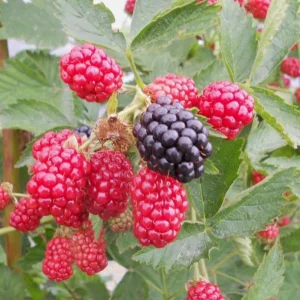
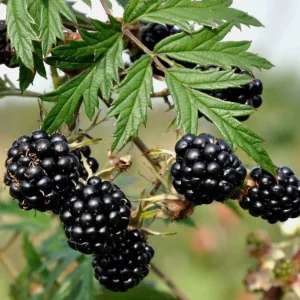
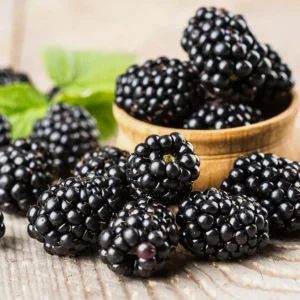
Thornless Blackberry Plants, Live Bush, 2-Pack, 6-10″ Tall, 4″ Pot, Outdoor
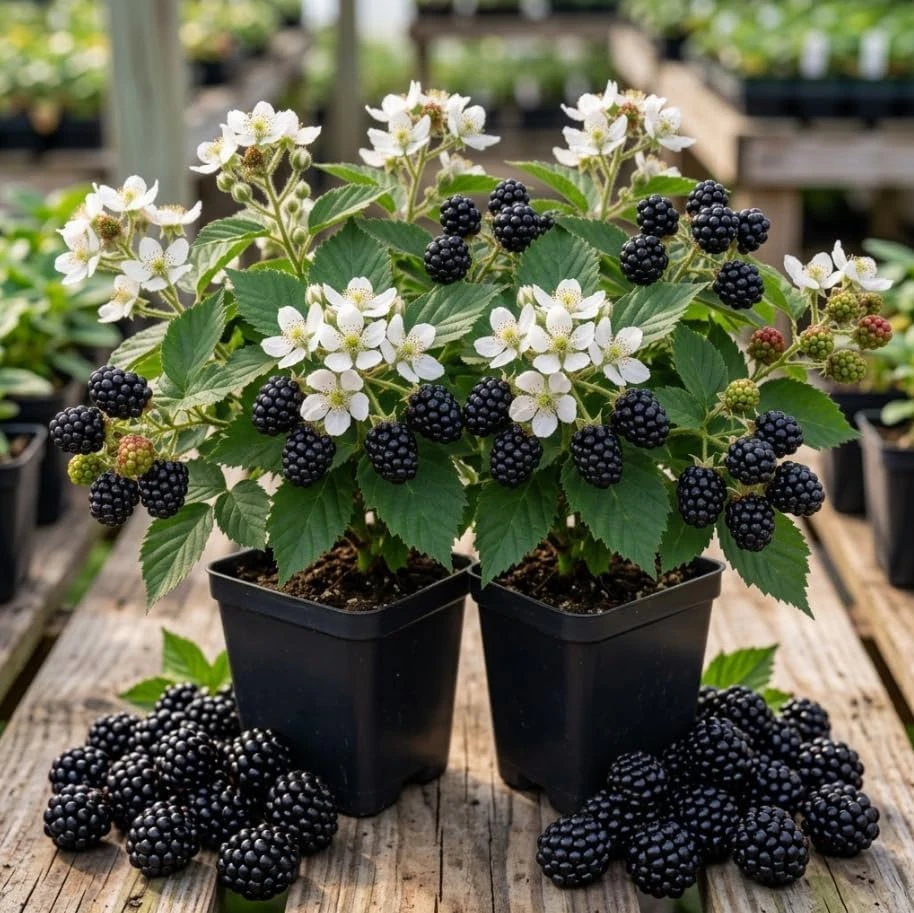
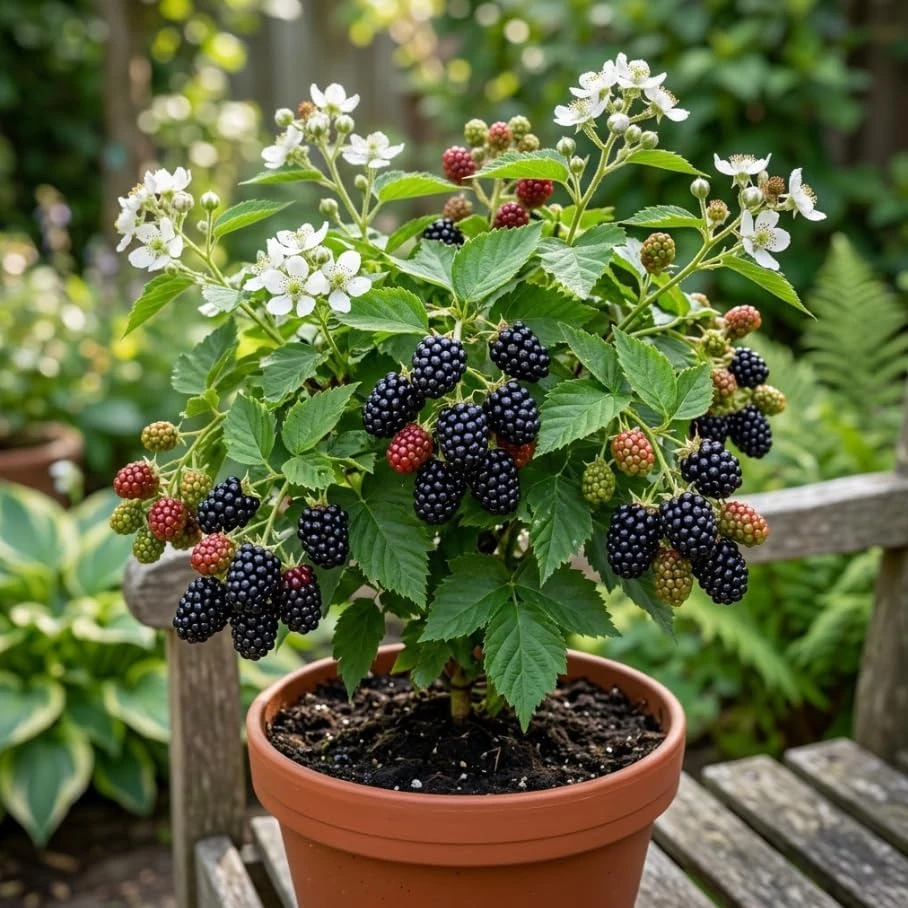
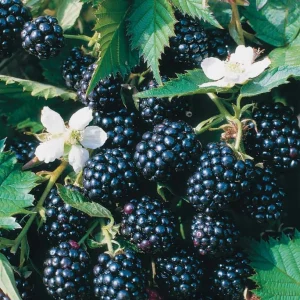
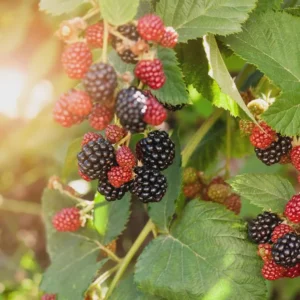
Cultivate your own delicious berries with this thornless blackberry plant 2-pack. Each live bush arrives 6-10 inches tall in a 4-inch pot, ready to produce large, sweet fruits. Perfect for garden beds, patios, or containers, these easy-to-grow plants thrive outdoors with minimal fuss.
Original price was: $83.98.$41.99Current price is: $41.99.

With our Alive & Thrive Guarantee, we’ve got your back for the first 30 days! If you have any concerns about your plants, just reach out to us. Our team is here to help answer your questions and guide you in selecting the best plants for your garden, climate, and unique preferences. We're excited to help you create the garden of your dreams!
Estimated arrival
Nov 03
Nov 08 - Nov 10
Nov 13 - Nov 17
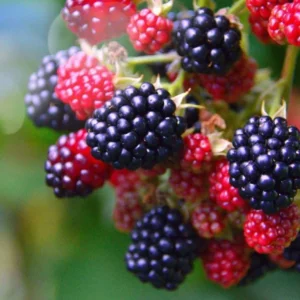
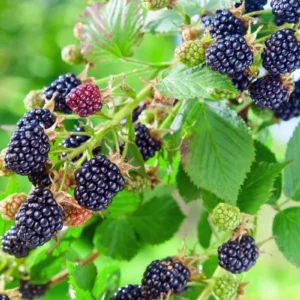
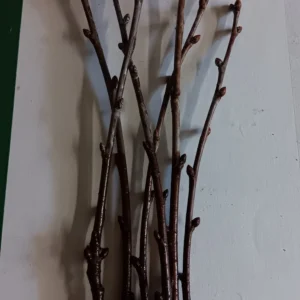
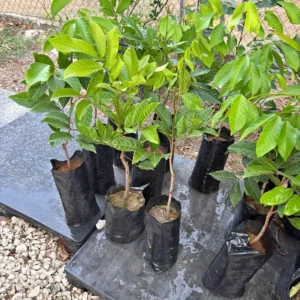
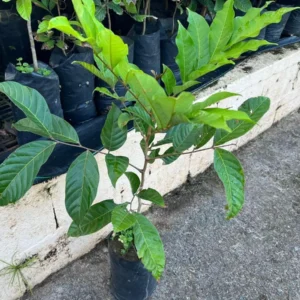
Product Details
-
USDA Hardiness Zone
USDA zones 5-9 -
Soil type
Well-draining, fertile soil -
Sunlight Exposure
Full sun -
Expected Planting Period
Spring to early summer
Overview
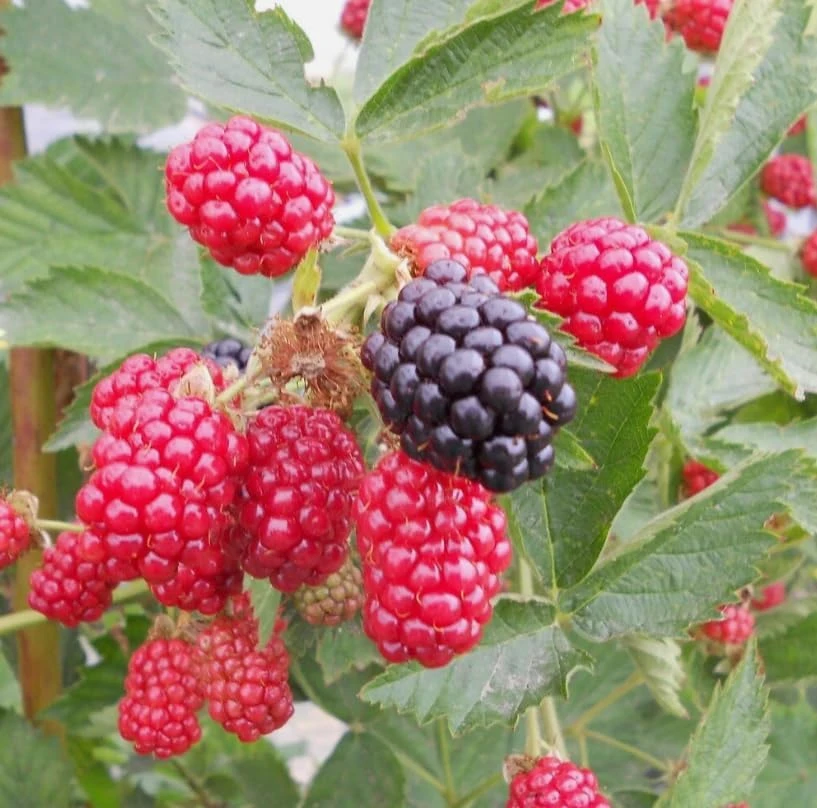
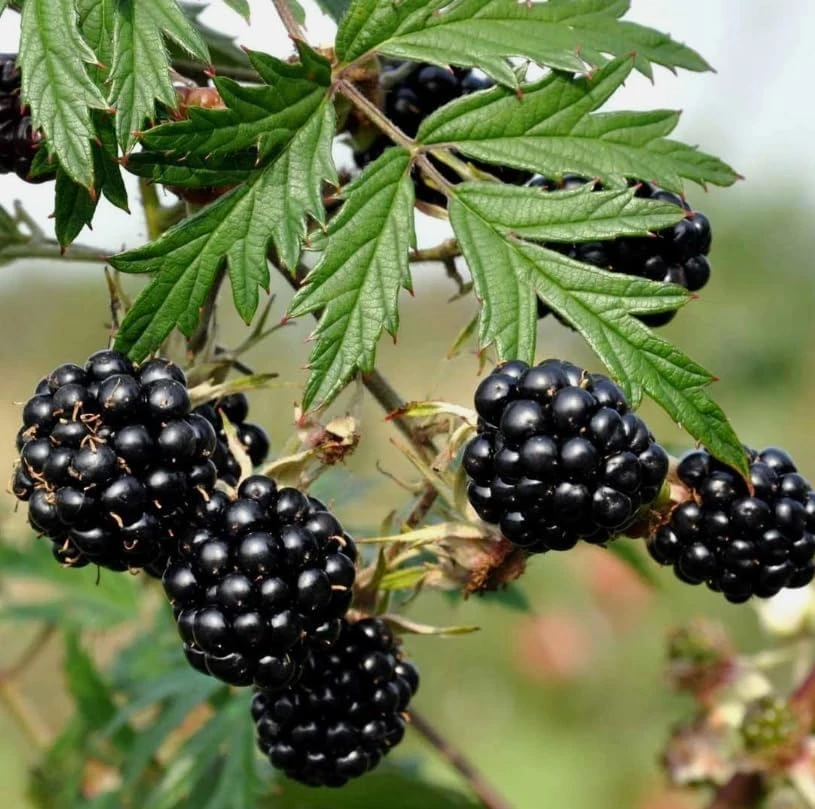
Bring the joy of homegrown fruit to your garden with the thornless blackberry plant. This offering includes a pack of two live blackberry bushes, each arriving well-established at 6-10 inches tall in a 4-inch pot. These robust plants are ready to be transplanted into your outdoor space, promising a bountiful harvest of large, sweet black berries. Ideal for both novice and experienced gardeners, these bushes are celebrated for their lack of thorns, making harvesting a pleasure rather than a prickly chore. Enjoy fresh, flavorful fruit straight from your garden, perfect for eating fresh, baking, or making jams and jellies. The vigorous growth of these plants ensures a rewarding experience for years to come, providing a continuous supply of delicious, healthy fruit.
The absence of thorns makes this particular variety a favorite among families and anyone who prefers a hassle-free gardening experience. These live plants are in their vegetative growth stage upon arrival, focusing their energy on establishing strong roots and foliage before producing fruit. With proper care, you’ll soon be enjoying the succulent taste of your very own thornless blackberry plant harvest. They are a hardy perennial, meaning they will return year after year, offering a sustainable source of fresh fruit with minimal effort.
Key Benefits
Opting for a thornless blackberry plant offers numerous advantages, from ease of care to the delightful taste of fresh fruit. These bushes are a fantastic addition to any edible garden, providing both beauty and bounty. Here are some of the key benefits you’ll enjoy:
- Effortless Harvesting: The primary benefit of these bushes is their thornless nature, making it incredibly easy and comfortable to pick the ripe berries without the worry of painful pricks. This feature is especially appealing for families with children or anyone who wants a more enjoyable gardening experience.
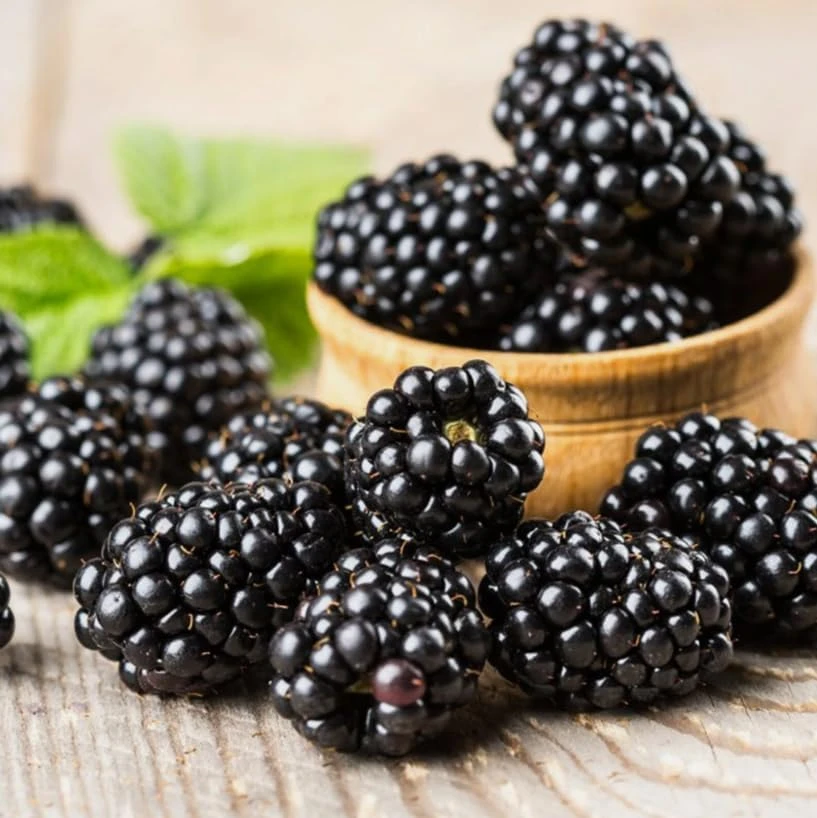
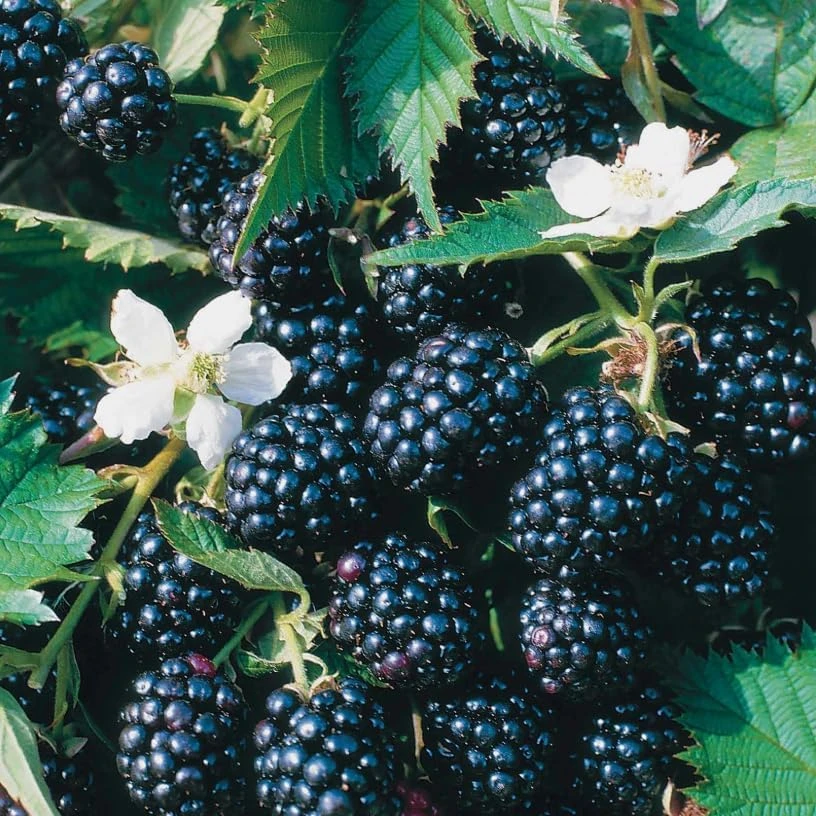
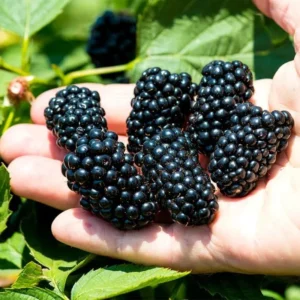
- Abundant, Sweet Fruit: Each plant is capable of producing a generous yield of large, juicy, and exceptionally sweet blackberries. These berries are perfect for a variety of culinary uses, from fresh snacking to baking pies, making preserves, or adding to smoothies.
- Versatile Planting Options: These adaptable plants can thrive in various settings, including traditional garden beds, raised beds, large patio containers, or even as part of an edible landscape design. Their versatility makes them suitable for both expansive gardens and smaller urban spaces.
- Hardy & Perennial: As a perennial berry bush, your thornless blackberry plant will return year after year, providing a continuous supply of fruit with proper care. They are robust and resilient, offering long-term value and enjoyment.
- Low Maintenance: Once established, these blackberry bushes require relatively low maintenance. They are generally disease-resistant and, with basic care, will continue to flourish and produce fruit season after season. Growing a sweet blackberry bush has never been easier.
- Attractive Garden Addition: Beyond their fruit-bearing capabilities, these bushes add a lush, green aesthetic to your outdoor space. Their foliage provides a beautiful backdrop, and the ripening berries add vibrant color, enhancing the visual appeal of your garden.
- Nutrient-Rich Harvest: Blackberries are packed with vitamins, antioxidants, and fiber, offering a healthy and delicious addition to your diet. Enjoy the satisfaction of growing your own nutritious food right at home.
Plant Care & Growing Tips
Caring for your thornless blackberry plant is straightforward, ensuring a successful harvest of delicious fruit. These plants are quite resilient, but providing them with the right conditions will maximize their growth and productivity. Upon arrival, your plants will be 6-10 inches tall in 4-inch pots, ready for transplanting. Choose a location that receives full sun, meaning at least 6-8 hours of direct sunlight per day. Adequate sunlight is crucial for fruit development and sweetness. While they tolerate some partial shade, full sun will yield the best results for your sweet blackberry bush.
For soil, these plants prefer well-drained, fertile soil with a pH between 6.0 and 6.8. If your soil is heavy clay, amend it with compost or other organic matter to improve drainage and nutrient content. When planting, dig a hole twice as wide as the root ball and just as deep. Carefully remove the plant from its pot, loosen any circling roots, and place it in the hole, ensuring the top of the root ball is level with the surrounding soil. Backfill with soil, gently firming it around the base of the plant to remove air pockets. Water thoroughly after planting to help settle the soil. Regular watering is important, especially during dry spells and when the plant is fruiting. Aim for about 1 inch of water per week, either from rainfall or irrigation. Avoid overhead watering to minimize fungal diseases; instead, water at the base of the plant.
Fertilize your blackberry plants in early spring with a balanced slow-release fertilizer or compost. Avoid excessive nitrogen, which can promote leafy growth at the expense of fruit production. Pruning is essential for maintaining plant health and maximizing yields. Blackberries typically produce fruit on second-year canes (floricanes). In late winter or early spring, remove any dead, damaged, or weak canes. After fruiting, cut back the floricanes that have produced berries, as they will not produce again. Encourage new primocanes (first-year canes) by selectively thinning them to 4-6 strong canes per plant. This helps to promote air circulation and sunlight penetration, reducing the risk of disease. Protecting your plants during winter in colder climates (generally below USDA Zone 5) may involve mulching heavily around the base or covering the plants. With these consistent care practices, you’ll learn how to grow blackberries successfully and enjoy bountiful harvests.
Size & Details
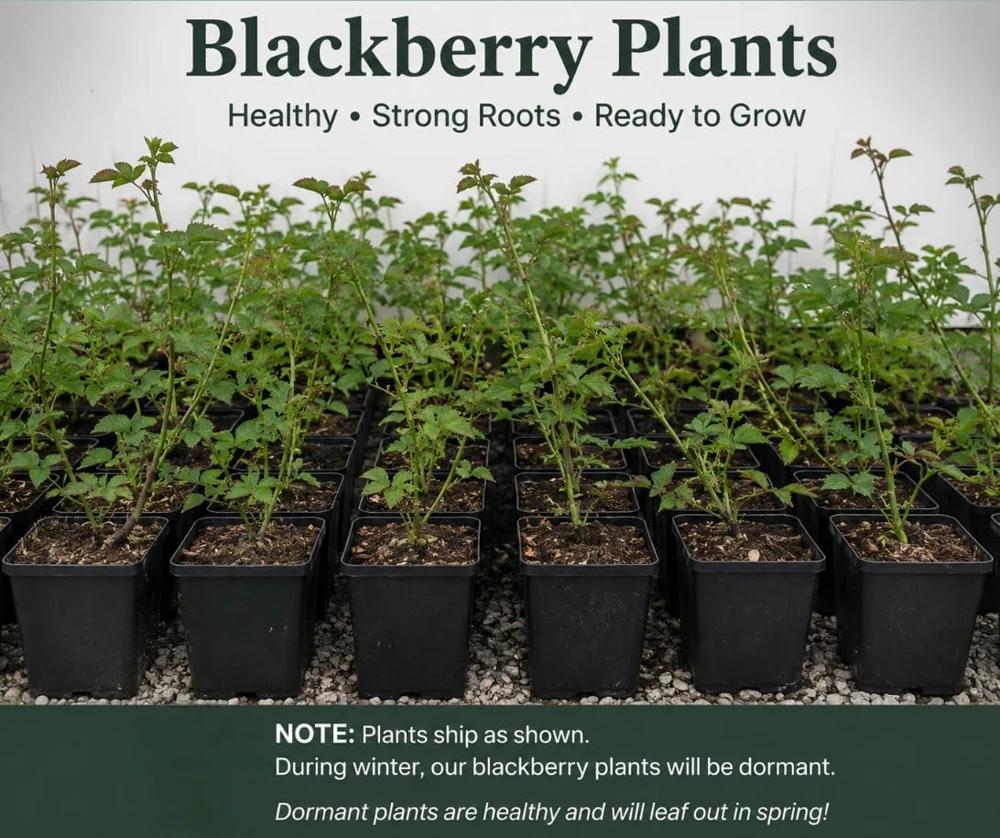
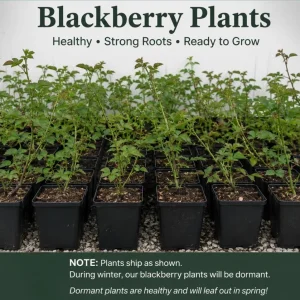
This product includes a pack of two live thornless blackberry plant bushes. Each individual plant arrives well-established in a 4-inch nursery pot, standing approximately 6-10 inches tall from the base of the pot to the tip of the foliage. These measurements represent the plant in its juvenile, vegetative growth stage, prior to significant mature growth or fruiting. The plants are shipped without flowers or fruit, as they are focused on root and foliage development. Once planted in optimal conditions, these bushes are moderate growers and will expand significantly in size over time.
Mature blackberry bushes can reach heights of 5-8 feet and spread equally wide, depending on the variety and growing conditions. Support structures like trellises or stakes may be beneficial as the canes grow longer and heavier with fruit. Expect initial fruit production typically in the second year after planting, with full maturity and peak yields reached in subsequent years. The exact time to fruit will vary based on climate, care, and specific environmental factors. These plants are hardy perennials, designed to return and produce fruit for many seasons with proper winter protection in colder zones.
Frequently Asked Questions
- Q: How big does this plant get? A: Upon arrival, each thornless blackberry plant is 6-10 inches tall in a 4-inch pot. Mature bushes can reach 5-8 feet tall and wide, depending on growing conditions and pruning.
- Q: Is this an indoor or outdoor plant? A: This is an outdoor plant. Thornless blackberry plants require full sun and are best suited for garden beds, raised beds, or large outdoor containers.
- Q: How much sunlight does it need? A: These plants thrive in full sun, requiring at least 6-8 hours of direct sunlight per day for optimal growth and fruit production.
- Q: Is this plant easy to care for? A: Yes, sweet blackberry bush varieties are generally considered easy to care for once established. They require well-drained soil, regular watering, and annual pruning to ensure bountiful harvests.
- Q: What condition will it arrive in? A: Each plant arrives well-established in a 4-inch pot, standing 6-10 inches tall. They are shipped in their vegetative growth stage, meaning they will not have flowers or fruit upon arrival.
- Q: When is the best time to plant? A: The best time to plant these blackberry bushes is typically in early spring after the last frost, or in early fall in milder climates. This allows the plants to establish their root systems before extreme temperatures.
- Q: Can I grow these in containers? A: Yes, you can grow these thornless blackberry plants in large patio containers. Ensure the containers have excellent drainage and are at least 15-20 gallons in size to accommodate the root system.
- Q: Will it survive winter in my zone? A: Blackberry plants are hardy perennials. Most varieties thrive in USDA Zones 5-9. In colder zones, extra winter protection like mulching or covering may be necessary to ensure survival.
- Q: How long until it produces fruit? A: Typically, blackberry plants begin to produce fruit in their second year after planting. You can expect a more substantial harvest in subsequent years as the plant matures.
- Q: What kind of soil is best for a blackberry plant? A: Blackberry plant care includes planting in well-drained, fertile soil with a slightly acidic to neutral pH (6.0-6.8). Amending with compost improves soil structure and nutrient content.
Related products
-10%
Original price was: $158.00.$142.20Current price is: $142.20.
-20%
Original price was: $34.00.$27.20Current price is: $27.20.
-20%
Original price was: $36.00.$28.80Current price is: $28.80.
-10%
Original price was: $65.00.$58.50Current price is: $58.50.
-20%
Original price was: $80.00.$64.00Current price is: $64.00.
-20%
Original price was: $32.00.$25.60Current price is: $25.60.
-10%
Original price was: $28.99.$26.09Current price is: $26.09.
PLANTING & CARE
Lemon Tree Growing: Choose, Plant, and Harvest
Learn how to choose, plant, feed, and protect a lemon tree so it fits your
23
Sep
Sep
Dwarf Meyer Lemon Tree Australia: Climate Guide
Learn where dwarf Meyer lemon trees grow, how much cold they tolerate, and whether Australia,
Where to Buy a Dwarf Meyer Lemon Tree: Buyer’s Guide
Find the right dwarf Meyer lemon tree online or locally, compare starter sizes and costs,
Dwarf Meyer Lemon Tree for Sale: Buying Guide
Compare Meyer lemon tree sizes, prices, shipping limits, indoor growing and California options before you
Dwarf Meyer Lemon Tree Guide: Size, Care and Fruit
META: Learn how large a dwarf Meyer lemon tree grows, where it thrives, and how
How to Prune a Dwarf Meyer Lemon Tree
Learn when and how to prune a dwarf Meyer lemon tree, including tools, shaping cuts,
Can You Grow a Dwarf Meyer Lemon Tree in a Pot?
META: Learn how to grow a dwarf Meyer lemon tree in a pot, including container
When Do Dwarf Meyer Lemon Trees Bloom and Fruit?
META: Dwarf Meyer lemon trees usually bloom from winter through spring and may flower again