Tree Lupine Seeds – Bluebonnet Lupin – Perennial Wildflower – Pollinator Friendly
-50%

Tree Lupine Seeds – Bluebonnet Lupin – Perennial Wildflower – Pollinator Friendly
Cultivate stunning tree lupine seeds (Lupinus arboreus) in your garden. These perennial wildflowers, also known as bluebonnet lupin, are exceptionally pollinator friendly plants, attracting bees and butterflies with their vibrant blooms. Perfect for adding natural beauty and supporting local ecosystems.
Original price was: $282,836.00.$141,418.00Current price is: $141,418.00.

With our Alive & Thrive Guarantee, we’ve got your back for the first 30 days! If you have any concerns about your plants, just reach out to us. Our team is here to help answer your questions and guide you in selecting the best plants for your garden, climate, and unique preferences. We're excited to help you create the garden of your dreams!
Estimated arrival
Oct 08
Oct 13 - Oct 15
Oct 18 - Oct 22

Product Details
-
USDA Hardiness Zone
USDA Zones 9-11 (as perennial, 4-8 as short-lived perennial/biennial) -
Soil type
Well-draining, sandy or gravelly soil -
Sunlight Exposure
Full sun -
Expected Planting Period
Fall or early spring
Overview
Embark on a rewarding gardening journey with our premium tree lupine seeds (Lupinus arboreus). These remarkable seeds promise to transform your outdoor space into a haven of natural beauty and vibrant color. Commonly known as Tree Lupine or Bluebonnet Lupin, this striking perennial is celebrated for its tall, showy flower spikes that emerge in a spectrum of enchanting hues, primarily blues, purples, and yellows, though our specific variety focuses on the classic blue. Native to coastal regions, lupinus arboreus is a robust and adaptable plant, thriving in various conditions and adding an architectural element to borders, cottage gardens, and naturalized areas. Growing from seed offers the unique satisfaction of nurturing a plant from its very beginning, ensuring a strong, healthy specimen ready to grace your garden for years to come. These heirloom-quality seeds are perfect for gardeners looking to establish a long-lasting, low-maintenance display that truly makes an impact.
Our tree lupine seeds are selected for their vigor and ability to produce stunning, long-lasting blooms. As a perennial wildflower, it offers continuous beauty without the need for annual replanting, making it an excellent choice for sustainable gardening. Beyond its aesthetic appeal, the Tree Lupine plays a crucial role in supporting local biodiversity. It is a highly pollinator friendly plant, providing essential nectar and pollen for bees, butterflies, and other beneficial insects, contributing to a healthier garden ecosystem. Whether you’re an experienced gardener or just starting, these seeds offer an accessible way to introduce a touch of wild elegance and ecological benefit to your landscape.
Key Benefits
Growing tree lupine seeds offers a multitude of advantages for your garden and the environment. These resilient plants are more than just beautiful; they are a cornerstone for a thriving garden:
- Stunning Visual Impact: The tall, spiky flower stalks of the Tree Lupine create a dramatic focal point in any garden setting, offering a riot of color that captures attention. Their unique form and rich blue hues make them stand out from other garden perennials.
- Attracts Pollinators: As a premier pollinator friendly plant, Tree Lupine is a magnet for bees, butterflies, and hummingbirds. Planting these seeds directly contributes to supporting local pollinator populations, vital for a healthy ecosystem and increased fruit and vegetable yields in your garden.
- Low Maintenance Perennial: Once established, lupinus arboreus is remarkably easy to care for. It returns year after year, reducing the need for constant replanting and making it a sustainable choice for busy gardeners.
- Drought Tolerant: Adapted to drier coastal conditions, Tree Lupine is quite drought-tolerant once mature, requiring less frequent watering than many other garden plants, especially beneficial in water-conscious landscapes.
- Soil Improvement: Like other legumes, Tree Lupine can fix nitrogen in the soil, enriching it naturally and benefiting neighboring plants without the need for excessive chemical fertilizers. This natural process enhances soil health over time.
- Versatile Landscaping: Ideal for borders, rock gardens, coastal plantings, or naturalized areas, the bluebonnet lupin adapts well to various garden designs. Its upright habit adds structure and height to mixed perennial beds.
- Heirloom Quality: These perennial wildflowers are grown from heirloom seeds, ensuring genetic purity and the preservation of traditional plant characteristics, providing a truly authentic gardening experience.
Plant Care & Growing Tips
Cultivating tree lupine seeds into flourishing plants is a straightforward process, provided you meet their basic needs. These hardy perennial wildflowers are relatively unfussy once established. Start by choosing a location that receives ample sunlight. Lupinus arboreus thrives in full sun, meaning at least 6-8 hours of direct sunlight per day. While it can tolerate some partial shade, too little light will result in fewer flowers and leggy growth. Good air circulation is also beneficial to prevent fungal issues, especially in humid climates.
When it comes to soil, Tree Lupine prefers well-draining, slightly acidic to neutral soil. Sandy or gravelly soils are ideal, mimicking their native coastal habitats. Avoid heavy, clay soils that retain too much moisture, as this can lead to root rot. If your soil is heavy, amend it with organic matter like compost and sand to improve drainage. Before planting your tree lupine seeds, consider scarifying them by gently nicking the seed coat or soaking them in warm water for 24 hours to aid germination. Plant seeds about 1/4 inch deep and 12-18 inches apart, as they grow into substantial plants. Keep the soil consistently moist but not waterlogged until seedlings are established.
Once established, lupinus arboreus is quite drought tolerant, but regular watering during prolonged dry spells will encourage better blooming. Fertilization is generally not necessary, as these nitrogen-fixing plants enrich the soil themselves. Deadheading spent flower spikes will encourage a second flush of blooms and prevent excessive self-seeding. In cooler climates (USDA Zones 4-8), Tree Lupine may behave as a short-lived perennial or biennial, while in warmer zones (USDA Zones 9-11), it can be a long-lived shrubby perennial. Protect young plants from slugs and snails. With proper care, your bluebonnet lupin will provide a spectacular display and be a favorite for local pollinators.
Size & Details
Our tree lupine seeds will grow into robust and impressive plants, typically reaching a mature height of 3 to 6 feet (90-180 cm) with a spread of 3 to 5 feet (90-150 cm) when fully grown. This makes them an excellent choice for adding vertical interest and substantial volume to your garden beds. The flowering period generally occurs from late spring through early summer, with potential for reblooming if deadheaded. Each seed packet contains a generous quantity of seeds, ensuring a successful planting experience and ample plants for your garden. These perennial wildflowers are known for their relatively fast growth rate, establishing themselves quickly and often blooming in their second year from seed. The plants ship as high-quality, viable seeds, ready for planting in your chosen location. Expect a vibrant display of blue, pea-like flowers arranged in dense, upright spikes that can be up to a foot long. The foliage is an attractive, palmate, grayish-green, providing a lovely backdrop for the blooms.
Frequently Asked Questions
- Q: How big does this plant get? A: Tree lupine seeds typically grow into plants that reach 3 to 6 feet tall and 3 to 5 feet wide, forming a substantial shrubby perennial. Its impressive size makes it a great back-of-the-border plant.
- Q: Is this an indoor or outdoor plant? A: The Tree Lupine (lupinus arboreus) is primarily an outdoor plant, best suited for garden beds, borders, and naturalized areas where it can receive full sun exposure.
- Q: How much sunlight does it need? A: This perennial wildflower thrives in full sun, requiring at least 6-8 hours of direct sunlight daily to produce the most abundant blooms. It can tolerate partial shade but may flower less.
- Q: Is this plant easy to care for? A: Yes, once established, Tree Lupine is considered low-maintenance. It’s drought-tolerant and generally requires minimal intervention beyond initial planting and occasional deadheading.
- Q: What condition will it arrive in? A: Your purchase will arrive as a packet of high-quality tree lupine seeds, ready for planting. We ensure careful packaging to maintain seed viability during transit.
- Q: How long until it blooms? A: When grown from tree lupine seeds, plants typically begin to bloom in their second year. Once mature, they will flower reliably each spring to early summer.
- Q: Will it survive winter in my zone? A: Tree Lupine is hardy in USDA Zones 9-11 as a true perennial. In colder zones (4-8), it may behave as a short-lived perennial or biennial, often reseeding itself.
- Q: What’s the best time to plant these seeds? A: The ideal time to plant tree lupine seeds is in the fall or early spring, allowing them to establish roots before extreme summer heat or winter cold.
- Q: Is the bluebonnet lupin attractive to beneficial insects? A: Absolutely! The bluebonnet lupin is a fantastic pollinator friendly plant, known for attracting bees, butterflies, and other beneficial insects to your garden with its nectar-rich flowers.
- Q: What kind of soil does it prefer? A: Tree Lupine prefers well-draining, sandy or gravelly soil with a slightly acidic to neutral pH. Good drainage is crucial for its health.
Related products
-50%
Original price was: $21.56.$10.78Current price is: $10.78.
-15%
From Original price was: $28.00.$23.80Current price is: $23.80.
-50%
Original price was: $23.96.$11.98Current price is: $11.98.
-50%
Original price was: $7.98.$3.98Current price is: $3.98.
-50%

Original price was: $38.36.$19.18Current price is: $19.18.

-50%
From Original price was: $55.60.$27.80Current price is: $27.80.
-50%
Original price was: $23.96.$11.98Current price is: $11.98.
PLANTING & CARE
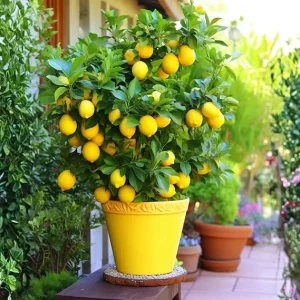
Lemon Tree Growing: Choose, Plant, and Harvest
Learn how to choose, plant, feed, and protect a lemon tree so it fits your
23
Sep
Sep
Dwarf Meyer Lemon Tree Australia: Climate Guide
Learn where dwarf Meyer lemon trees grow, how much cold they tolerate, and whether Australia,
Where to Buy a Dwarf Meyer Lemon Tree: Buyer’s Guide
Find the right dwarf Meyer lemon tree online or locally, compare starter sizes and costs,
Dwarf Meyer Lemon Tree for Sale: Buying Guide
Compare Meyer lemon tree sizes, prices, shipping limits, indoor growing and California options before you
Dwarf Meyer Lemon Tree Guide: Size, Care and Fruit
META: Learn how large a dwarf Meyer lemon tree grows, where it thrives, and how
How to Prune a Dwarf Meyer Lemon Tree
Learn when and how to prune a dwarf Meyer lemon tree, including tools, shaping cuts,
Can You Grow a Dwarf Meyer Lemon Tree in a Pot?
META: Learn how to grow a dwarf Meyer lemon tree in a pot, including container
When Do Dwarf Meyer Lemon Trees Bloom and Fruit?
META: Dwarf Meyer lemon trees usually bloom from winter through spring and may flower again