Tropical Milkweed Live Plant – Asclepias curassavica – 3-6″ Tall – Pollinator Flower for Monarch Butterfly Garden
-31%


Tropical Milkweed Live Plant – Asclepias curassavica – 3-6″ Tall – Pollinator Flower for Monarch Butterfly Garden
Bring life and color to your garden with a tropical milkweed live plant (Asclepias curassavica). This vibrant plant is a vital nectar source and host plant for monarch butterfly plant caterpillars, making it a must-have for any pollinator garden plant or container. Ships 3-6″ tall, ready to thrive.
Original price was: $18.69.$12.98Current price is: $12.98.

With our Alive & Thrive Guarantee, we’ve got your back for the first 30 days! If you have any concerns about your plants, just reach out to us. Our team is here to help answer your questions and guide you in selecting the best plants for your garden, climate, and unique preferences. We're excited to help you create the garden of your dreams!
Estimated arrival
Oct 01
Oct 06 - Oct 08
Oct 11 - Oct 15



Product Details
-
USDA Hardiness Zone
USDA zones 8-11 -
Soil type
Well-draining soil, sandy loam -
Sunlight Exposure
Full sun (6-8+ hours direct) -
Expected Planting Period
Spring to early summer
Overview
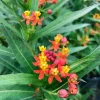
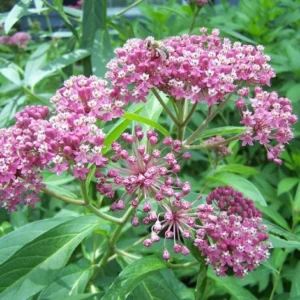
Cultivate a haven for pollinators in your garden with this beautiful tropical milkweed live plant, scientifically known as Asclepias curassavica. This striking perennial, featuring bright red, orange, and yellow flowers, is an absolute essential for anyone passionate about supporting local ecosystems, especially the iconic Monarch butterfly. As a crucial host plant, the leaves of Asclepias curassavica provide the sole food source for Monarch caterpillars, making it indispensable for their life cycle and the continued health of their population. Beyond its ecological significance, tropical milkweed also offers a stunning visual appeal, bringing a splash of vibrant color to any outdoor space, whether it’s a dedicated butterfly garden, a mixed perennial bed, or a decorative container on your patio. Its vivid blooms are not only attractive to Monarchs but also to a wide array of other beneficial insects, including bees and hummingbirds, ensuring your garden remains a buzzing hub of activity. This particular offering provides a healthy, young plant, typically 3-6 inches tall, ready to establish quickly and begin its important work in your landscape.
Choosing to plant tropical milkweed live plant is a direct and impactful way to contribute to conservation efforts, particularly for the Monarch butterfly whose populations have faced significant challenges. Unlike some native milkweed varieties that go dormant earlier, tropical milkweed often blooms for an extended period, providing a consistent food source for Monarchs during their migratory journeys. Its robust nature and relatively easy care make it an excellent choice for both experienced gardeners and those new to cultivating pollinator-friendly plants. Imagine watching the fascinating transformation of a tiny caterpillar into a magnificent butterfly, all supported by the plants in your own backyard. This plant is more than just a decorative element; it’s a living, breathing part of a vital ecological network.
Key Benefits
The tropical milkweed live plant offers a multitude of benefits, transforming your garden into a vibrant, ecological hotspot. Its presence not only enhances aesthetic appeal but also plays a critical role in supporting biodiversity.
- Monarch Butterfly Host Plant: This is the primary benefit, as Asclepias curassavica is the exclusive food source for Monarch butterfly caterpillars. Planting it directly supports the Monarch life cycle, aiding in the conservation of this beloved species.
- Attracts Pollinators: Beyond Monarchs, the bright, nectar-rich flowers attract a wide range of other pollinators, including various bee species, hoverflies, and hummingbirds. This boosts pollination for other plants in your garden, contributing to overall garden health.
- Extended Bloom Period: Unlike some native milkweeds, tropical milkweed often blooms for a longer season, especially in warmer climates, providing a continuous food source for migrating Monarchs and other pollinators throughout much of the year.
- Vibrant Garden Color: The striking clusters of red, orange, and yellow flowers add a dramatic and joyful burst of color to any garden or container, enhancing its visual appeal and creating a focal point.
- Educational Tool: Growing a monarch butterfly plant provides an incredible educational opportunity for children and adults alike to observe the fascinating metamorphosis of the Monarch butterfly firsthand, fostering an appreciation for nature and conservation.
- Low Maintenance: Once established, tropical milkweed is relatively easy to care for, tolerant of various soil types, and moderately drought-resistant, making it a rewarding plant for gardeners of all skill levels.
- Versatile Planting: Ideal for dedicated butterfly gardens, mixed perennial borders, or even container gardening on patios and balconies, offering flexibility in garden design. This makes it a perfect pollinator garden plant.
Plant Care & Growing Tips
Caring for your tropical milkweed live plant (Asclepias curassavica) is straightforward, ensuring it thrives and becomes a valuable asset to your garden. This plant generally prefers a sunny location to produce the most abundant flowers and attract the most butterflies. Aim for at least 6-8 hours of direct sunlight per day. In very hot climates, a little afternoon shade can be beneficial to prevent leaf scorch, but full sun is typically ideal. When it comes to watering, tropical milkweed prefers consistently moist but not waterlogged soil, especially during its active growing season. Allow the top inch or two of soil to dry out between waterings, then water deeply. Reduce watering frequency in cooler months or if the plant goes dormant.
The right soil is crucial for a healthy monarch butterfly plant. Tropical milkweed thrives in well-draining soil. A sandy loam or a regular potting mix amended with some sand or perlite works well to ensure good drainage and prevent root rot. While it’s not a heavy feeder, a balanced, all-purpose fertilizer can be applied lightly once or twice during the growing season, particularly if you notice slow growth or yellowing leaves. Avoid over-fertilizing, as this can lead to lush foliage at the expense of flowers. Tropical milkweed is typically hardy in USDA zones 8-11, where it can be grown as a perennial. In colder zones, it is often grown as an annual or can be brought indoors during winter. Regularly checking for aphids, a common pest, and gently rinsing them off with water or using insecticidal soap can keep your milkweed for butterflies healthy. Pruning back spent flowers can encourage more blooms, and a hard prune in late fall or early spring can rejuvenate the plant and help manage its size.
To further support Monarchs and reduce the risk of O.e. parasite build-up, some experts recommend cutting back Asclepias curassavica plants to about 6 inches from the ground in late fall or winter, especially in areas where it grows year-round. This encourages fresh new growth in spring and discourages Monarchs from breeding on older foliage that may harbor parasites. By following these simple care guidelines, your tropical milkweed live plant will flourish, providing essential resources for butterflies and beauty for your garden.
Size & Details
This offering is for a healthy tropical milkweed live plant, shipped as a young specimen typically measuring 3-6 inches tall from the base of the plant to the tip of its leaves. The plant is carefully prepared for shipping to ensure it arrives in optimal condition, ready for planting in your garden or a suitable container. While exact growth rates vary based on climate and care, tropical milkweed is known for its relatively fast growth, quickly establishing itself to produce its characteristic vibrant flowers. When mature, Asclepias curassavica can reach heights of 2-4 feet and spread 1-2 feet wide, forming a bushy, colorful addition to your landscape. It is typically shipped without a pot, with its roots carefully wrapped to retain moisture during transit, making it a bare-root type starter plant.
The plant is expected to begin flowering within its first growing season if given proper care and ideal conditions. Its extended bloom period makes it an excellent choice for continuous color and pollinator attraction throughout the warmer months. This monarch butterfly plant is perfect for adding to existing garden beds, creating a dedicated pollinator patch, or potting up for a patio display. Ensure you have adequate space for its mature size, or be prepared to prune it to maintain a desired shape and height. The robust nature of this plant means it will quickly become a prominent feature, providing both beauty and ecological benefit.
Frequently Asked Questions
- Q: How big does this Tropical Milkweed Live Plant get? A: This tropical milkweed live plant typically ships at 3-6 inches tall. When mature, it can reach a height of 2-4 feet and a spread of 1-2 feet, forming a lovely bushy plant with abundant flowers.
- Q: Is this an indoor or outdoor plant? A: Asclepias curassavica is primarily an outdoor plant, thriving in full sun. In colder climates (below USDA Zone 8), it can be grown as an annual or overwintered indoors with proper care.
- Q: How much sunlight does this Pollinator Garden Plant need? A: For optimal growth and flowering, your pollinator garden plant requires at least 6-8 hours of direct sunlight per day. It will tolerate some afternoon shade in extremely hot regions.
- Q: What condition will the Tropical Milkweed Live Plant arrive in? A: Your tropical milkweed live plant will arrive as a healthy, young specimen, typically 3-6 inches tall, with its roots carefully wrapped to ensure moisture and protection during transit. It is shipped without a pot.
- Q: Is this Milkweed for Butterflies safe for pets? A: Like many milkweed varieties, milkweed for butterflies contains cardiac glycosides, which can be toxic if ingested in large quantities by pets. It’s best to keep pets from consuming the plant.
- Q: How long until this Monarch Butterfly Plant blooms? A: With proper care and sufficient sunlight, your monarch butterfly plant can start blooming within its first growing season, providing a continuous display of flowers throughout the warmer months.
- Q: What is the best time to plant Tropical Milkweed? A: The best time to plant tropical milkweed live plant is in spring after the last frost, allowing it ample time to establish before the peak growing season. It can also be planted in early summer.
- Q: What USDA zones is Asclepias curassavica hardy in? A: Asclepias curassavica is generally hardy in USDA Zones 8-11, where it can grow as a perennial. In colder zones, it is typically grown as an annual or can be brought indoors for winter protection.
- Q: What kind of soil does Tropical Milkweed prefer? A: This plant thrives in well-draining soil. A sandy loam or a good quality potting mix amended with sand or perlite is ideal to prevent waterlogging and promote healthy root growth for your tropical milkweed live plant.
- Q: Do I need to prune this plant? A: Pruning spent flowers (deadheading) can encourage more blooms. In climates where it’s perennial, a hard prune in late fall or early spring to about 6 inches can rejuvenate the plant and help manage its size.
Related products
-67%
Original price was: $66.72.$22.24Current price is: $22.24.
-67%
Original price was: $59.97.$19.99Current price is: $19.99.
-55%
Original price was: $79.98.$35.99Current price is: $35.99.
-30%

Original price was: $63.98.$44.78Current price is: $44.78.
-20%
Original price was: $31.98.$25.58Current price is: $25.58.
-67%
Original price was: $59.97.$19.99Current price is: $19.99.
PLANTING & CARE
Lemon Tree Growing: Choose, Plant, and Harvest
Learn how to choose, plant, feed, and protect a lemon tree so it fits your
23
Sep
Sep
Dwarf Meyer Lemon Tree Australia: Climate Guide
Learn where dwarf Meyer lemon trees grow, how much cold they tolerate, and whether Australia,
Where to Buy a Dwarf Meyer Lemon Tree: Buyer’s Guide
Find the right dwarf Meyer lemon tree online or locally, compare starter sizes and costs,
Dwarf Meyer Lemon Tree for Sale: Buying Guide
Compare Meyer lemon tree sizes, prices, shipping limits, indoor growing and California options before you
Dwarf Meyer Lemon Tree Guide: Size, Care and Fruit
META: Learn how large a dwarf Meyer lemon tree grows, where it thrives, and how
How to Prune a Dwarf Meyer Lemon Tree
Learn when and how to prune a dwarf Meyer lemon tree, including tools, shaping cuts,
Can You Grow a Dwarf Meyer Lemon Tree in a Pot?
META: Learn how to grow a dwarf Meyer lemon tree in a pot, including container
When Do Dwarf Meyer Lemon Trees Bloom and Fruit?
META: Dwarf Meyer lemon trees usually bloom from winter through spring and may flower again