Tropical Milkweed Live Plants, Asclepias, Set of 2, 4-8 Inch Tall, Outdoor Perennial
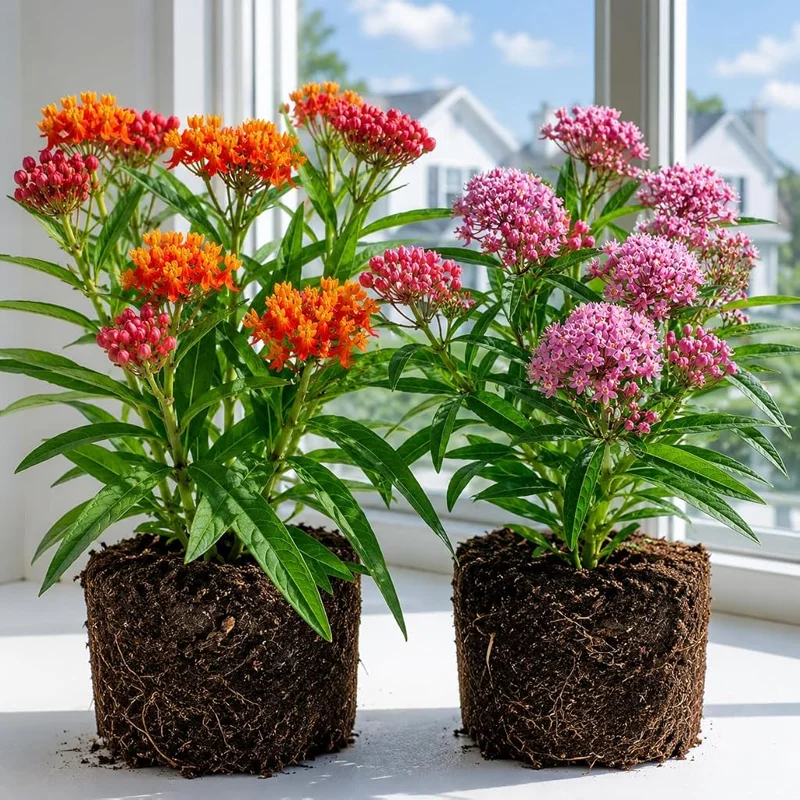
Tropical Milkweed Live Plants, Asclepias, Set of 2, 4-8 Inch Tall, Outdoor Perennial
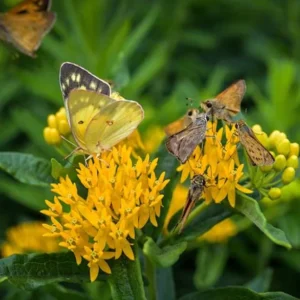
Enhance your garden with this set of two tropical milkweed live plants, scientifically known as Asclepias curassavica. These vibrant perennial flower plant varieties are crucial for supporting monarch butterflies and other pollinators. Arriving 4-8 inches tall, they are perfect for creating a beautiful and eco-friendly outdoor space.
$21.99

With our Alive & Thrive Guarantee, we’ve got your back for the first 30 days! If you have any concerns about your plants, just reach out to us. Our team is here to help answer your questions and guide you in selecting the best plants for your garden, climate, and unique preferences. We're excited to help you create the garden of your dreams!
Estimated arrival
Oct 16
Oct 21 - Oct 23
Oct 26 - Oct 30
Product Details
-
USDA Hardiness Zone
USDA Zones 8-11 (Perennial), Colder Zones (Annual) -
Soil type
Well-draining, sandy or loamy soil -
Sunlight Exposure
Full sun (at least 6 hours direct sunlight) -
Expected Planting Period
Spring after last frost
Overview
Transform your outdoor space into a vibrant haven for pollinators with these beautiful tropical milkweed live plants. This set includes two mixed tropical milkweed plants, perfect for adding a splash of color and ecological benefit to your home garden. Known scientifically as Asclepias curassavica, tropical milkweed is a fast-growing perennial flower plant revered for its bright, showy blooms and its crucial role in supporting monarch butterfly populations. These plants arrive ready for planting, standing at a healthy 4-8 inches tall, and are an excellent choice for both experienced gardeners and those new to creating pollinator-friendly landscapes. Embrace the joy of watching butterflies and other beneficial insects flock to your garden with these easy-to-grow and rewarding plants.
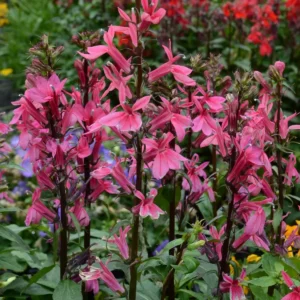
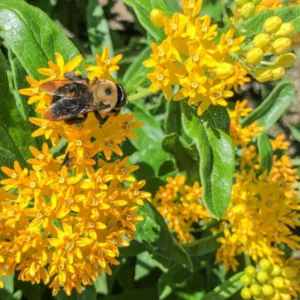
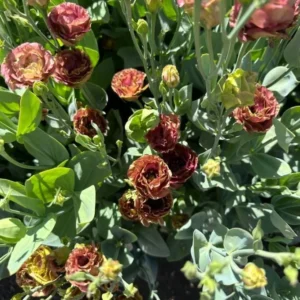
Tropical milkweed live plants are a favorite among gardening enthusiasts due to their continuous blooming nature, providing nectar and a host plant for monarch caterpillars throughout the growing season. Their striking red, orange, and yellow flowers create a visually appealing display that can brighten any garden bed, container, or border. By choosing these plants, you are not only enhancing the beauty of your property but also contributing to the conservation of vital insect species, making your garden a true haven for wildlife.
Key Benefits
Investing in tropical milkweed live plants brings a multitude of benefits to your garden and the environment. These vigorous plants offer continuous beauty and ecological support:
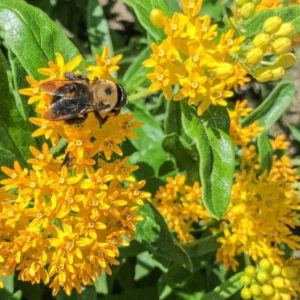
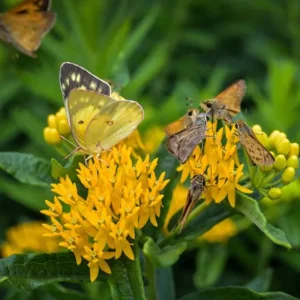
- Attracts Pollinators: These plants are a magnet for monarch butterflies, other butterflies, and various beneficial pollinators, playing a critical role in their life cycle by serving as a host plant for caterpillars and a nectar source for adults. You’ll love watching the activity around your asclepias milkweed plant.
- Vibrant Blooms: Enjoy a prolonged display of bright, cheerful flowers in shades of red, orange, and yellow from late spring through fall, adding continuous color to your landscape. These blooms are a visual delight and a food source.
- Low Maintenance: Once established, tropical milkweed live plants varieties are relatively drought-tolerant and require minimal care, making them suitable for busy gardeners. They are resilient and thrive with basic attention.
- Supports Biodiversity: By planting milkweed, you contribute directly to the health of local ecosystems and help support declining monarch butterfly populations. This is a direct way to help save these iconic insects.
- Perennial Growth: As a perennial flower plant, tropical milkweed returns year after year in suitable climates (USDA Zones 8-11), providing lasting beauty and benefit. In colder zones, it can be grown as a vibrant annual.
- Versatile Landscaping: Ideal for garden beds, borders, rock gardens, and containers, these plants can fit into various garden designs. Their adaptable nature makes them a perfect choice for almost any outdoor setting.
- Educational Value: Observe the fascinating life cycle of monarch butterflies firsthand, making these plants a wonderful educational tool for families and children. They are truly an engaging addition to any butterfly garden plants project.
Plant Care & Growing Tips
Caring for your tropical milkweed live plants is straightforward, ensuring they thrive and provide a spectacular display. These resilient plants prefer specific conditions to reach their full potential. For optimal growth, ensure your milkweed receives ample sunlight. They are best suited for full sun exposure, meaning at least six hours of direct sunlight per day. In hotter climates, some afternoon shade can be beneficial to prevent scorching, but generally, more sun equals more blooms. Ideal temperatures for growth range between 65 and 90 degrees Fahrenheit.
When it comes to watering, a well-draining soil is crucial. While establishing, water regularly to keep the soil consistently moist but not waterlogged. Once established, allow the top inch of soil to dry slightly between waterings. Overwatering can lead to root rot, so proper drainage is key. A sandy or loamy soil enriched with organic matter is ideal. These plants are tolerant of a range of soil types as long as drainage is good. They are hardy in USDA Zones 8-11, where they typically grow as a perennial flower plant. In colder zones, they can be grown as annuals or brought indoors during winter.
Fertilization is generally not heavily required, especially in rich soil. If your soil is poor, a balanced, slow-release fertilizer in spring can encourage robust growth and flowering. Pruning can be done to encourage bushier growth and more blooms; deadheading spent flowers will also promote continuous flowering. Keep an eye out for common pests like aphids, which can be managed with insecticidal soap or by introducing beneficial insects. Proper care will ensure your asclepias milkweed plant attracts a multitude of pollinators, making your garden a vibrant hub of activity, and proving to be excellent milkweed for monarch butterflies.
Size & Details
This offering includes a set of two tropical milkweed live plants, each standing approximately 4-8 inches tall at the time of shipment. These plants are provided without a pot, shipped as bare root or with minimal soil around the root ball to ensure safe transit and reduce waste. They are ready to be planted directly into your garden beds or chosen containers upon arrival. Tropical milkweed, also known as asclepias milkweed plant, typically grows to a mature height of 2-3 feet and can spread about 1-2 feet wide, forming a bushy, upright habit. Expect them to begin blooming from late spring and continue through fall, offering a long season of vibrant color and pollinator attraction.
The growth rate is relatively fast, allowing them to establish quickly and begin flowering in their first season if planted at the appropriate time. These plants are perfect for creating a dedicated butterfly garden plants area or integrating into existing perennial beds. Their robust nature ensures they will become a cherished part of your landscape, providing both aesthetic beauty and ecological support. These specific plants are a mix of tropical varieties, ensuring a diverse and colorful display in your garden.
Frequently Asked Questions
- Q: How big do these tropical milkweed live plants get? A: These plants are shipped at 4-8 inches tall and typically grow to a mature height of 2-3 feet, with a spread of 1-2 feet, forming a bushy perennial in suitable climates. They will quickly establish themselves in your garden.
- Q: Is this an indoor or outdoor plant? A: Tropical milkweed live plants are primarily grown as outdoor plants in full sun. In colder climates (below USDA Zone 8), they can be grown as annuals or overwintered indoors, requiring bright light.
- Q: How much sunlight does this asclepias milkweed plant need? A: This plant thrives in full sun, requiring at least 6 hours of direct sunlight per day to produce abundant blooms and support monarch butterflies effectively. Adequate sunlight is key to vigorous growth.
- Q: Is this plant easy to care for? A: Yes, once established, tropical milkweed is relatively low-maintenance, requiring well-draining soil and regular watering during establishment, then tolerating some drought. It’s a great perennial flower plant for various gardeners, from beginners to experts.
- Q: What condition will it arrive in? A: Your tropical milkweed live plants will arrive as bare root or with minimal soil, carefully packaged to ensure they are healthy and ready for planting upon arrival. We take great care in shipping.
- Q: When is the best time to plant tropical milkweed? A: The best time to plant is in spring after the last frost, allowing the plants to establish before the peak growing season. This gives them the best chance to flourish.
- Q: Will it survive winter in my zone? A: Tropical milkweed is perennial in USDA Zones 8-11. In colder zones, it will die back in winter and may not return, or it can be grown as an annual. Consider your local climate.
- Q: Why should I plant milkweed for monarch butterflies? A: Milkweed is the sole host plant for monarch butterfly caterpillars, meaning monarchs cannot complete their life cycle without it. Planting these plants directly supports their conservation and provides a crucial food source.
- Q: What kind of soil does this plant prefer? A: It prefers well-draining soil, such as sandy or loamy soil, and can benefit from organic matter. Avoid heavy, waterlogged soils to prevent root issues.
- Q: Can I grow this plant in a container? A: Yes, tropical milkweed grows well in containers, provided the container is large enough to accommodate its mature size and has good drainage. This makes it versatile for smaller spaces or patios, creating beautiful butterfly garden plants.
Related products
-30%
Original price was: $65.98.$46.18Current price is: $46.18.
-67%
Original price was: $41.97.$13.99Current price is: $13.99.
-67%
Original price was: $59.97.$19.99Current price is: $19.99.
-30%


Original price was: $63.98.$44.78Current price is: $44.78.
-30%
Original price was: $63.98.$44.78Current price is: $44.78.
-55%
Original price was: $79.98.$35.99Current price is: $35.99.
-20%
Original price was: $27.98.$22.38Current price is: $22.38.
PLANTING & CARE
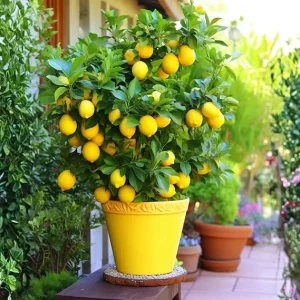
Lemon Tree Growing: Choose, Plant, and Harvest
Learn how to choose, plant, feed, and protect a lemon tree so it fits your
23
Sep
Sep
Dwarf Meyer Lemon Tree Australia: Climate Guide
Learn where dwarf Meyer lemon trees grow, how much cold they tolerate, and whether Australia,
Where to Buy a Dwarf Meyer Lemon Tree: Buyer’s Guide
Find the right dwarf Meyer lemon tree online or locally, compare starter sizes and costs,
Dwarf Meyer Lemon Tree for Sale: Buying Guide
Compare Meyer lemon tree sizes, prices, shipping limits, indoor growing and California options before you
Dwarf Meyer Lemon Tree Guide: Size, Care and Fruit
META: Learn how large a dwarf Meyer lemon tree grows, where it thrives, and how
How to Prune a Dwarf Meyer Lemon Tree
Learn when and how to prune a dwarf Meyer lemon tree, including tools, shaping cuts,
Can You Grow a Dwarf Meyer Lemon Tree in a Pot?
META: Learn how to grow a dwarf Meyer lemon tree in a pot, including container
When Do Dwarf Meyer Lemon Trees Bloom and Fruit?
META: Dwarf Meyer lemon trees usually bloom from winter through spring and may flower again