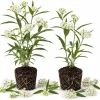
Tropical Milkweed Live Plants, Set of 4, 4-8 Inch Tall, Orange Red Flowers, Perennial for Garden
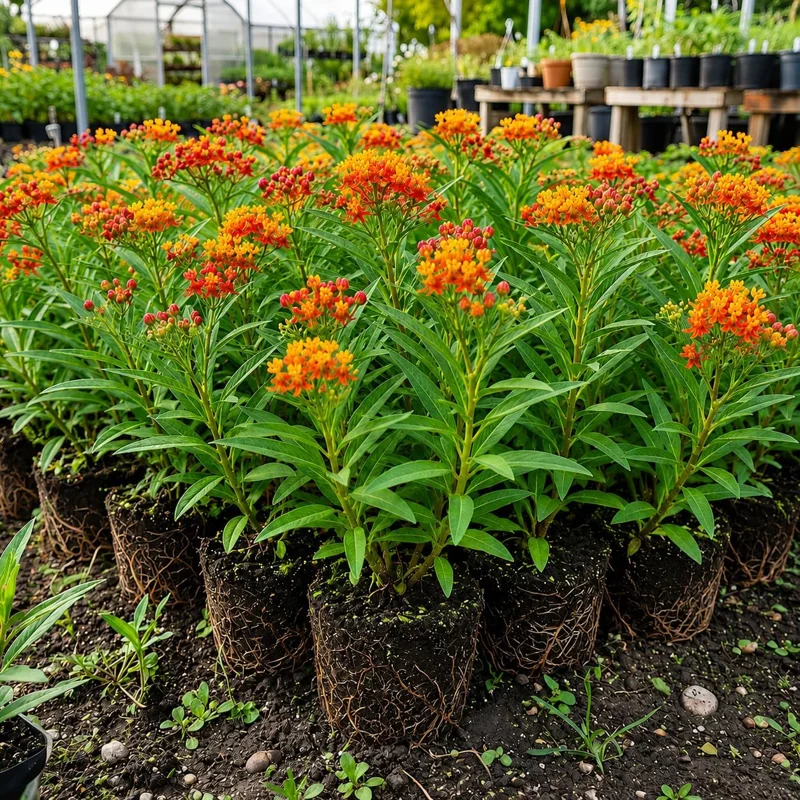
Tropical Milkweed Live Plants, Set of 4, 4-8 Inch Tall, Orange Red Flowers, Perennial for Garden
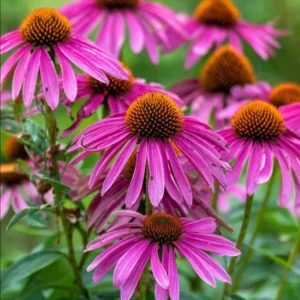
Attract monarch butterflies and other beneficial insects with this set of four tropical milkweed live plants. These 4-8 inch tall starter plants, scientifically known as Asclepias curassavica, feature vibrant orange red milkweed flowers that bloom from late spring through fall. Ideal for home gardens, they support biodiversity and are a crucial host plant for monarch caterpillars.
$34.99

With our Alive & Thrive Guarantee, we’ve got your back for the first 30 days! If you have any concerns about your plants, just reach out to us. Our team is here to help answer your questions and guide you in selecting the best plants for your garden, climate, and unique preferences. We're excited to help you create the garden of your dreams!
Estimated arrival
Oct 16
Oct 21 - Oct 23
Oct 26 - Oct 30




Product Details
-
USDA Hardiness Zone
8-11 -
Soil type
Well-draining soil -
Sunlight Exposure
Full sun -
Expected Planting Period
Spring to early summer
Overview
Transform your outdoor space into a vibrant pollinator’s paradise with this set of four tropical milkweed live plants. Known scientifically as Asclepias curassavica, these beautiful perennials are celebrated for their striking orange-red flowers and their crucial role in supporting monarch butterfly populations. This offering includes four healthy young starter plants, each measuring 4-8 inches tall, ready for planting in your home garden. While they arrive as young plants, they have the potential to grow into magnificent specimens, providing continuous blooms from late spring through fall. The vibrant colors and ecological benefits make tropical milkweed live plants a must-have for any gardener looking to create an impactful and eco-friendly landscape.
These resilient plants are adaptable and thrive in various conditions, making them a popular choice for gardeners across many regions. Their ease of care and stunning visual appeal ensure they will be a focal point in your garden. Whether you’re an experienced gardener or just starting, growing tropical milkweed live plants offers a rewarding experience, contributing to local biodiversity and enjoying the beauty of nature up close.
Key Benefits
Investing in tropical milkweed live plants for your garden brings a multitude of advantages, from aesthetic enhancement to ecological support. These plants are not only beautiful but also play a vital role in sustaining local ecosystems.
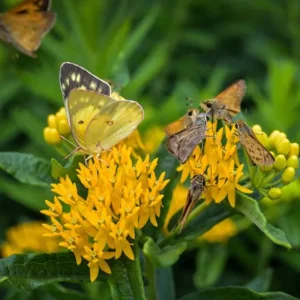
- Attracts Pollinators: Tropical milkweed live plants are a primary host plant for monarch butterfly caterpillars and a nectar source for adult butterflies, bees, and other beneficial insects. By planting these, you actively contribute to the conservation of these important species, making them essential milkweed for pollinators.
- Vibrant Orange-Red Blooms: Enjoy a spectacular display of bright orange red milkweed flowers that add a splash of tropical color to your garden, creating an eye-catching focal point. The vivid hues are sure to brighten any landscape.
- Extended Blooming Season: These perennials offer a long blooming period, typically from late spring through fall, ensuring continuous color and pollinator activity in your garden for several months.
- Low Maintenance: Once established, tropical milkweed live plants are relatively easy to care for, requiring minimal attention beyond basic watering and occasional feeding, making them suitable for busy gardeners.
- Drought Tolerant: Asclepias curassavica exhibits good drought tolerance once mature, reducing the need for frequent watering, especially in warmer climates.
- Versatile Landscaping: Ideal for garden beds, borders, containers, and even as part of a dedicated butterfly garden, offering flexibility in how you incorporate them into your outdoor design.
- Supports Biodiversity: By providing essential food and habitat, these plants help foster a healthier and more diverse garden ecosystem, benefiting a wide range of local wildlife.
Plant Care & Growing Tips
Proper asclepias milkweed care is essential for ensuring your plants thrive and produce abundant blooms. These plants are generally robust, but understanding their specific needs will help them reach their full potential. They prefer a location that receives full sun, meaning at least 6-8 hours of direct sunlight per day. Adequate light is crucial for vigorous growth and prolific flowering, contributing to a healthy perennial milkweed plant. For optimal growth, ensure your plants are in temperatures between 65°F and 90°F. While they can tolerate some fluctuations, consistent warmth during their growing season is best.
When it comes to soil, tropical milkweed live plants prefer well-draining soil. Avoid heavy, waterlogged conditions as this can lead to root rot. If your soil is clay-heavy, consider amending it with organic matter like compost or sand to improve drainage. Water regularly while the plants are establishing, ensuring the soil remains consistently moist but not soggy. Once established, allow the top inch of soil to dry slightly between waterings. Overwatering is a common mistake, so always check soil moisture before adding more water. Fertilization can be done sparingly; a balanced, slow-release fertilizer in spring or a liquid feed every few weeks during the blooming season will suffice. Deadheading spent flowers can encourage more blooms and prevent unwanted self-seeding, which is a useful tip for asclepias milkweed care.
These plants are hardy in USDA Zones 8-11, making them a perennial choice in warmer climates. In cooler zones, they can be grown as annuals or overwintered indoors. Protection from frost is crucial if you wish to keep them year-round in zones bordering their hardiness range. Watch out for common garden pests, though milkweed is generally resilient. Addressing any issues promptly will help maintain the health and beauty of your perennial milkweed plant. Proper care ensures a continuous display of orange red milkweed blooms, providing essential resources for pollinators and beauty for your garden.
Size & Details
This offering includes a set of four young tropical milkweed live plants, each measuring approximately 4-8 inches tall upon arrival. These are starter plants, meaning they are ready for planting in your garden bed or containers and will grow significantly with proper care. They are shipped without pots to minimize waste and ensure safe transit, allowing you to plant them directly into your chosen growing medium. While they may not have flowers or the full mature appearance upon arrival, they are healthy and prepared to establish quickly in their new environment.
Once established, these perennial milkweed plants can grow to a mature height of 2-4 feet tall and spread 1-2 feet wide, forming a bushy, vibrant display. The blooming season for orange red milkweed typically extends from late spring through fall, offering months of continuous color and pollinator activity. Their moderate growth rate means you will see noticeable development throughout their first growing season. These plants are ideal for creating a substantial impact in your garden, providing both visual appeal and ecological benefits for milkweed for pollinators.
Frequently Asked Questions
- Q: How big does this plant get? A: Upon arrival, the plants are 4-8 inches tall. With proper care, they can grow to a mature height of 2-4 feet tall and spread 1-2 feet wide, forming a beautiful, bushy plant.
- Q: Is this an indoor or outdoor plant? A: Tropical milkweed live plants are primarily outdoor plants, thriving in full sun. In USDA Zones 8-11, they are perennial. In cooler zones, they can be grown as annuals or brought indoors during winter.
- Q: How much sunlight does it need? A: These plants require full sun, meaning at least 6-8 hours of direct sunlight per day, to ensure optimal growth and a plentiful display of orange red milkweed flowers.
- Q: Is this plant easy to care for? A: Yes, tropical milkweed live plants are considered relatively easy to care for once established. They require well-draining soil and regular watering, along with ample sunlight. Good asclepias milkweed care will ensure robust growth.
- Q: What condition will it arrive in? A: You will receive four young starter plants, 4-8 inches tall, without pots. They are carefully packaged to ensure they arrive healthy and ready for planting.
- Q: When is the best time to plant? A: The best time to plant a perennial milkweed plant is typically in spring after the last frost, or in early summer, allowing them ample time to establish before the peak growing season.
- Q: Will it survive winter in my zone? A: These plants are perennial in USDA Zones 8-11. In colder zones, they will likely behave as annuals and die back with frost, or they can be carefully overwintered indoors.
- Q: How long until it blooms? A: As young starter plants, they may not be blooming upon arrival. With good care, you can expect them to start producing their vibrant orange red milkweed flowers from late spring through fall, typically within their first growing season.
- Q: Can I grow these in containers? A: Absolutely! Tropical milkweed live plants thrive in containers, provided they have good drainage and enough space for root development. This is a great option for zones where they are not perennial.
- Q: Why is milkweed important for pollinators? A: Milkweed plants are the sole host plant for monarch butterfly caterpillars, meaning monarchs can only lay their eggs on milkweed, and their larvae can only feed on milkweed leaves. They are crucial for the monarch life cycle and also provide nectar for adult butterflies, making them vital for milkweed for pollinators.
Related products
-67%
Original price was: $59.97.$19.99Current price is: $19.99.
-67%
Original price was: $66.72.$22.24Current price is: $22.24.

-82%
Original price was: $56.97.$10.34Current price is: $10.34.
-67%

Original price was: $41.97.$13.99Current price is: $13.99.
-30%


Original price was: $63.98.$44.78Current price is: $44.78.
-30%
Original price was: $79.98.$55.98Current price is: $55.98.
PLANTING & CARE
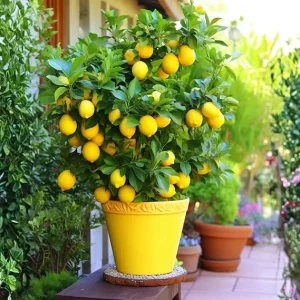
Lemon Tree Growing: Choose, Plant, and Harvest
Learn how to choose, plant, feed, and protect a lemon tree so it fits your
23
Sep
Sep
Dwarf Meyer Lemon Tree Australia: Climate Guide
Learn where dwarf Meyer lemon trees grow, how much cold they tolerate, and whether Australia,
Where to Buy a Dwarf Meyer Lemon Tree: Buyer’s Guide
Find the right dwarf Meyer lemon tree online or locally, compare starter sizes and costs,
Dwarf Meyer Lemon Tree for Sale: Buying Guide
Compare Meyer lemon tree sizes, prices, shipping limits, indoor growing and California options before you
Dwarf Meyer Lemon Tree Guide: Size, Care and Fruit
META: Learn how large a dwarf Meyer lemon tree grows, where it thrives, and how
How to Prune a Dwarf Meyer Lemon Tree
Learn when and how to prune a dwarf Meyer lemon tree, including tools, shaping cuts,
Can You Grow a Dwarf Meyer Lemon Tree in a Pot?
META: Learn how to grow a dwarf Meyer lemon tree in a pot, including container
When Do Dwarf Meyer Lemon Trees Bloom and Fruit?
META: Dwarf Meyer lemon trees usually bloom from winter through spring and may flower again