Tunisian Soft Seed Pomegranate Tree – Grafted Live Plant – Sweet Fruit, Easy Grow
-50%
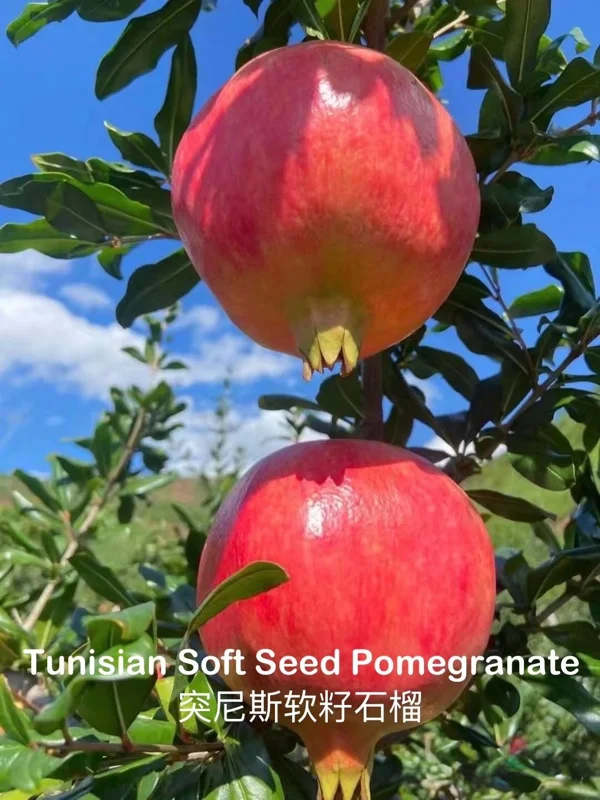
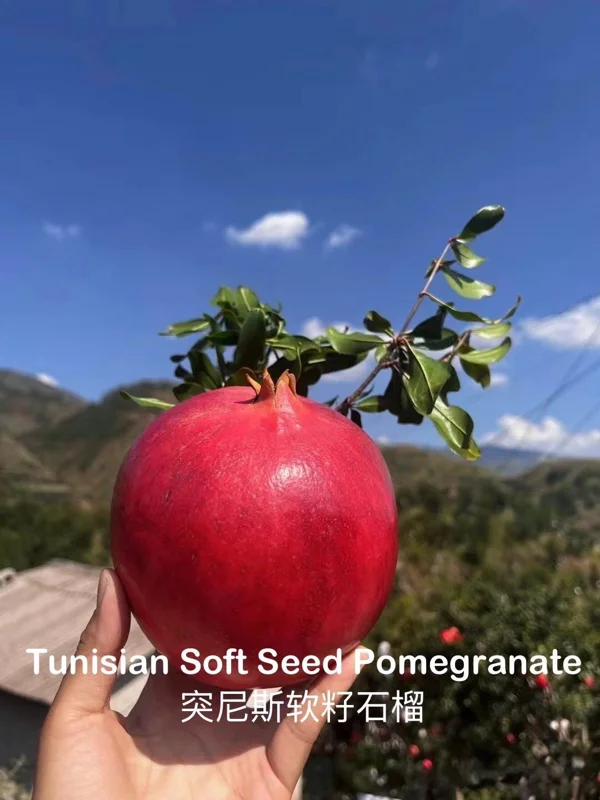
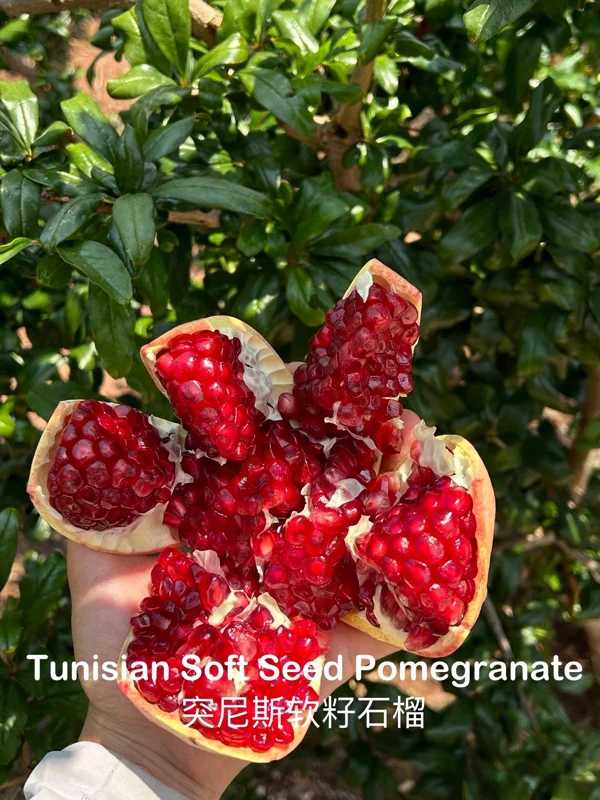
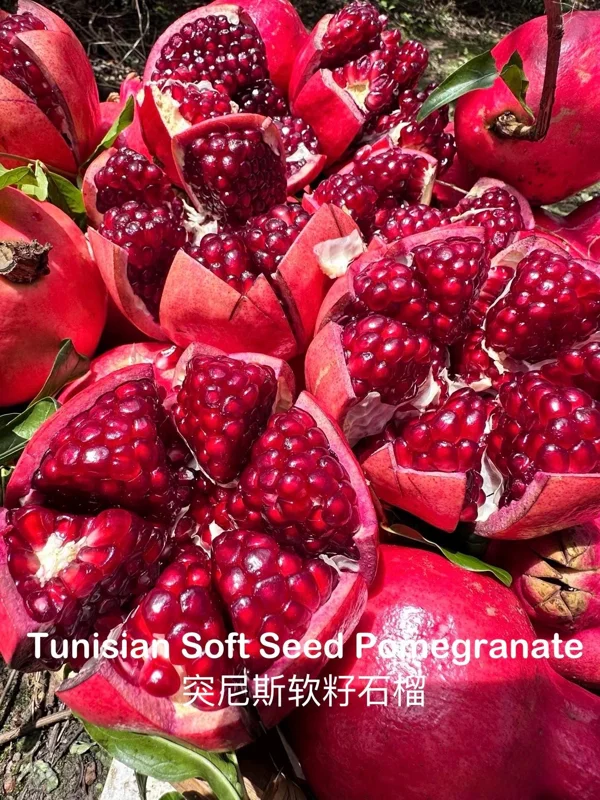
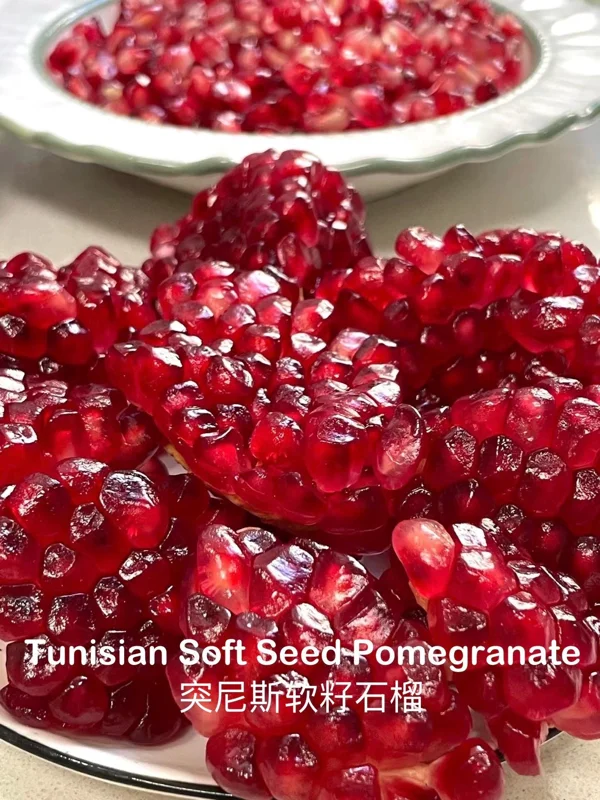

Tunisian Soft Seed Pomegranate Tree – Grafted Live Plant – Sweet Fruit, Easy Grow
Cultivate your own delicious fruit with this Tunisian Soft Seed Pomegranate Tree. This grafted live plant offers early fruiting of sweet, juicy pomegranates with soft, edible seeds, ideal for fresh eating and juicing.
- Grafted for earlier fruit production
- Produces sweet, soft-seeded fruit
- Vigorous and adaptable growth
Original price was: $476.00.$238.00Current price is: $238.00.

With our Alive & Thrive Guarantee, we’ve got your back for the first 30 days! If you have any concerns about your plants, just reach out to us. Our team is here to help answer your questions and guide you in selecting the best plants for your garden, climate, and unique preferences. We're excited to help you create the garden of your dreams!
Estimated arrival
Oct 21
Oct 26 - Oct 28
Oct 31 - Nov 04


Product Details
-
USDA Hardiness Zone
USDA zones 8-11 -
Soil type
Well-draining soil -
Sunlight Exposure
Full sun -
Expected Planting Period
Spring to early summer
Overview
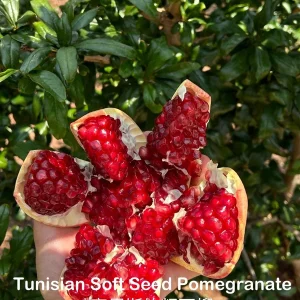
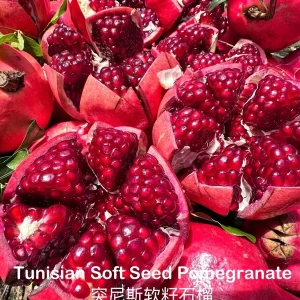
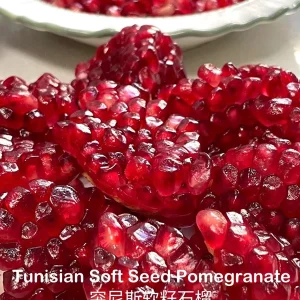
Bring the exotic taste of the Mediterranean to your garden with the Tunisian Soft Seed Pomegranate Tree. This highly sought-after variety is celebrated for its remarkably soft, edible seeds and rich, sweet flavor, offering a superior eating experience compared to traditional pomegranates. Unlike other varieties that require spitting out hard seeds, the soft seed pomegranate plant allows you to enjoy every bite of its juicy arils. This grafted live plant is designed for earlier fruiting, meaning you won’t have to wait years to savor your homegrown harvest. Known for its vibrant red arils and balanced sweetness, this variety is perfect for fresh consumption, juicing, and a variety of culinary delights. It’s truly a premium choice for any fruit enthusiast looking to grow their own.
The Tunisian Soft Seed Pomegranate Tree is a vigorous grower, adaptable to various warm climates, and known for its high yield. Whether you’re a seasoned gardener or just starting, this tree provides a rewarding experience with minimal fuss. Its beautiful foliage and stunning fruit make it an attractive addition to any landscape, while its delicious produce offers endless possibilities in the kitchen. Enjoy the satisfaction of harvesting your own healthy, flavorful pomegranates right from your backyard.
Key Benefits
Choosing the Tunisian Soft Seed Pomegranate Tree for your garden offers numerous advantages, from its unique fruit characteristics to its ease of cultivation. This exceptional plant is a worthwhile investment for any home orchard.
- Superior Eating Experience: Enjoy pomegranates with soft, edible seeds, eliminating the need to spit out hard seeds. This makes for a more pleasant and convenient way to consume this nutritious fruit.
- Rich, Sweet Flavor: The fruit boasts excellent sweetness and a perfectly balanced flavor profile, making it a favorite for fresh eating, salads, and desserts. The arils are plump, juicy, and burst with deliciousness.
- High Juice Content: With a higher juice content than many traditional varieties, this pomegranate tree live plant is ideal for making fresh, vibrant pomegranate juice, perfect for beverages or cooking.
- Grafted for Early Production: Being a grafted tree, it typically begins producing fruit much sooner than trees grown from seed, allowing you to enjoy your harvest sooner.
- High Yield Potential: This variety is known for its prolific fruiting, providing an abundant harvest of beautiful, bright red pomegranates each season. You’ll have plenty to share and enjoy.
- Versatile Culinary Use: The fruit’s exceptional quality makes it perfect for a wide range of culinary applications, from adding a burst of flavor to savory dishes to enhancing sweet treats and cocktails. This sweet pomegranate fruit is incredibly versatile.
- Easy to Grow: Despite its premium qualities, this easy grow pomegranate tree is remarkably resilient and adaptable, making it suitable for gardeners of all experience levels.
Plant Care & Growing Tips
Caring for your Tunisian Soft Seed Pomegranate Tree is straightforward, especially given its robust nature. To ensure optimal growth and a bountiful harvest of sweet pomegranate fruit, providing the right conditions is key. Pomegranates thrive in environments with ample sunlight. Plant your tree in a location where it will receive at least 6-8 hours of full sun daily. While it can tolerate some partial shade, full sun promotes the best fruit production and overall plant health. These trees prefer warm to hot climates and are generally adaptable, though protection from extreme cold might be necessary in cooler zones.
When it comes to watering, a moderate approach is best. Pomegranate trees are relatively drought-tolerant once established, but consistent moisture is crucial during flowering and fruiting periods to ensure juicy, well-developed fruit. Allow the top few inches of soil to dry out between waterings. Overwatering can lead to root issues, so good drainage is paramount. The ideal soil for your soft seed pomegranate plant is well-draining loam, preferably with a slightly acidic to neutral pH. Incorporating organic matter can improve soil structure and fertility. Fertilize in early spring with a balanced fertilizer, and again mid-season if needed, to support vigorous growth and fruit development. Pruning should be done in late winter or early spring to remove dead or crossing branches, shape the tree, and encourage air circulation, which helps prevent disease. Keep an eye out for common pests like aphids and scale, treating them promptly with organic pest control methods if they appear.
Size & Details
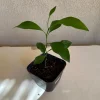
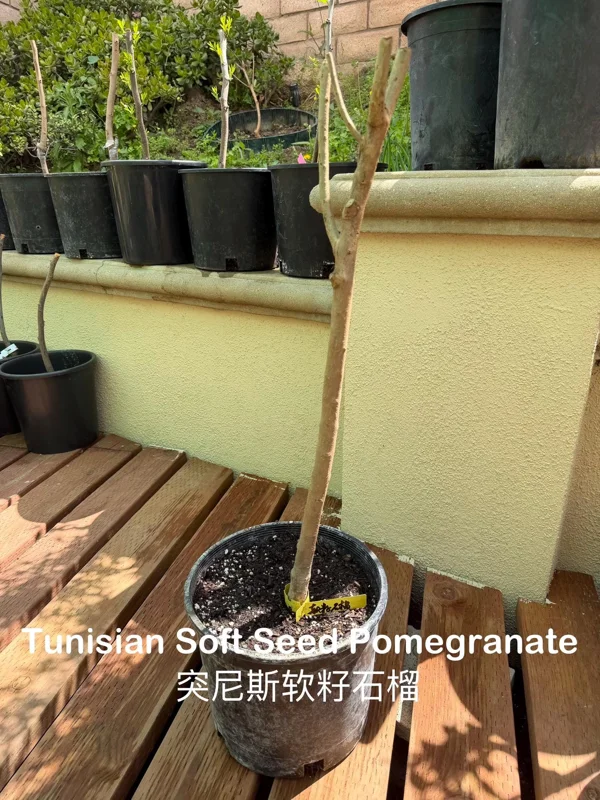
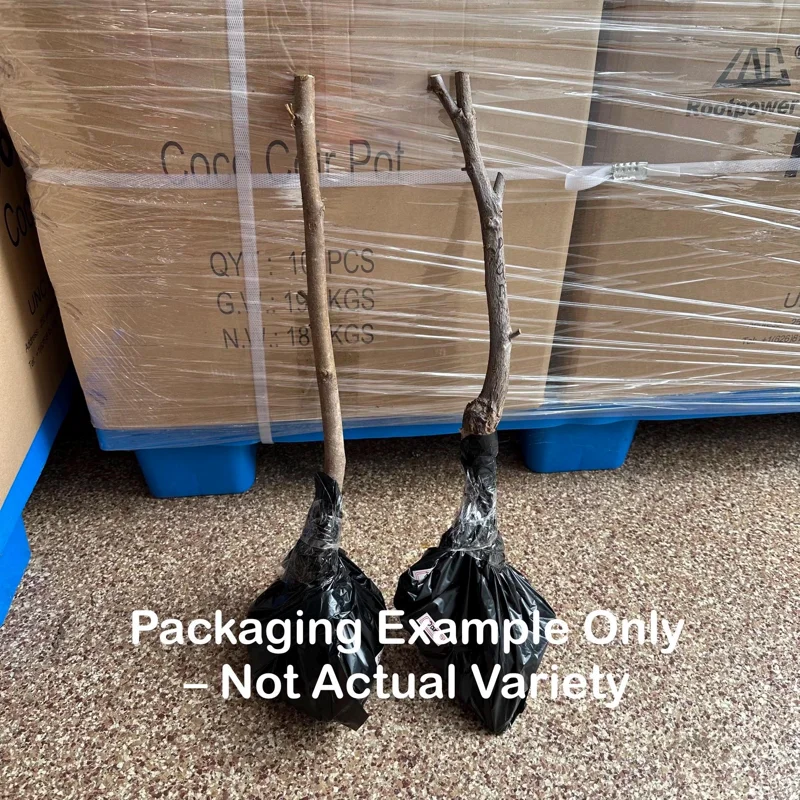
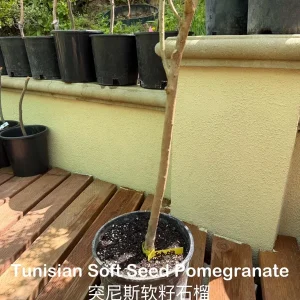
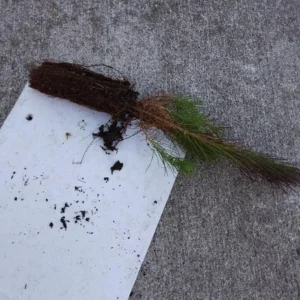
Our Tunisian Soft Seed Pomegranate Tree is a vigorous, grafted live plant, typically arriving at an approximate height of 20–30 inches, though variations occur due to natural growth and batch specifics. Grafting ensures earlier fruit production, often within 1-2 years of planting, significantly reducing the wait for your first harvest. The tree develops a strong and well-developed root system, essential for its vigorous growth and adaptability to various soil conditions. This pomegranate tree live plant is known for its moderate growth rate, reaching a mature height of 10-15 feet in ideal conditions, though it can be maintained smaller with proper pruning. It is shipped as a bare root plant, which is the optimal method for safe transit and successful establishment in your garden. With proper care, you can look forward to a high yield of delicious, sweet pomegranate fruit.
Frequently Asked Questions
- Q: How big does this Tunisian Soft Seed Pomegranate Tree get? A: This Tunisian Soft Seed Pomegranate Tree typically reaches a mature height of 10-15 feet, but its size can be managed with regular pruning to fit smaller garden spaces or even large containers.
- Q: Is this an indoor or outdoor plant? A: The soft seed pomegranate plant is primarily an outdoor plant, thriving in warm climates. However, in colder regions, it can be grown in a large container and brought indoors during winter.
- Q: How much sunlight does it need? A: For optimal fruit production and health, this pomegranate tree live plant requires full sun, meaning at least 6-8 hours of direct sunlight per day.
- Q: Is this plant easy to care for? A: Yes, the easy grow pomegranate is known for its resilience and adaptability, making it relatively easy to care for, even for beginner gardeners. Consistent watering and adequate sunlight are its main requirements.
- Q: What condition will it arrive in? A: Your Tunisian Soft Seed Pomegranate Tree will be shipped bare root for the safest transit. It’s normal for leaves to drop during shipping; the tree will focus on root establishment first upon planting.
- Q: How long until it produces fruit? A: Since this is a grafted tree, it typically begins to produce its delicious sweet pomegranate fruit within 1-2 years after planting, much faster than trees grown from seed.
- Q: What’s the best soil type for this tree? A: The Tunisian Soft Seed Pomegranate Tree thrives in well-draining soil. A loamy soil with good organic matter content is ideal, but it is adaptable to various soil types as long as drainage is adequate.
- Q: Will it survive winter in my zone? A: Pomegranates prefer warm to hot climates. They are generally hardy in USDA Zones 8-11. In colder zones, consider growing them in containers to move indoors during winter or provide significant winter protection.
- Q: Can I grow this pomegranate in a container? A: Yes, this easy grow pomegranate can be successfully grown in a large container, especially beneficial for those in colder climates or with limited garden space. Ensure the container has excellent drainage.
- Q: What makes the soft seed pomegranate special? A: The primary benefit of the soft seed pomegranate plant is its unique characteristic of having seeds that are soft and fully edible, providing a more enjoyable and hassle-free eating experience compared to traditional hard-seeded varieties.
Related products

-42%
Original price was: $56.99.$33.29Current price is: $33.29.
-36%
Original price was: $279.98.$179.98Current price is: $179.98.
PLANTING & CARE
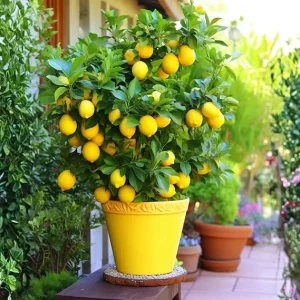
Lemon Tree Growing: Choose, Plant, and Harvest
Learn how to choose, plant, feed, and protect a lemon tree so it fits your
23
Sep
Sep
Dwarf Meyer Lemon Tree Australia: Climate Guide
Learn where dwarf Meyer lemon trees grow, how much cold they tolerate, and whether Australia,
Where to Buy a Dwarf Meyer Lemon Tree: Buyer’s Guide
Find the right dwarf Meyer lemon tree online or locally, compare starter sizes and costs,
Dwarf Meyer Lemon Tree for Sale: Buying Guide
Compare Meyer lemon tree sizes, prices, shipping limits, indoor growing and California options before you
Dwarf Meyer Lemon Tree Guide: Size, Care and Fruit
META: Learn how large a dwarf Meyer lemon tree grows, where it thrives, and how
How to Prune a Dwarf Meyer Lemon Tree
Learn when and how to prune a dwarf Meyer lemon tree, including tools, shaping cuts,
Can You Grow a Dwarf Meyer Lemon Tree in a Pot?
META: Learn how to grow a dwarf Meyer lemon tree in a pot, including container
When Do Dwarf Meyer Lemon Trees Bloom and Fruit?
META: Dwarf Meyer lemon trees usually bloom from winter through spring and may flower again