Upright Phlox Live Plant – Perennial Garden Flower
-43%
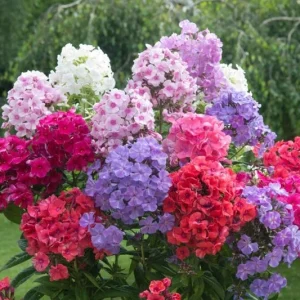
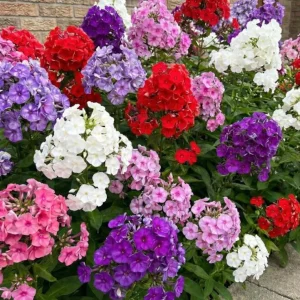
Upright Phlox Live Plant – Perennial Garden Flower
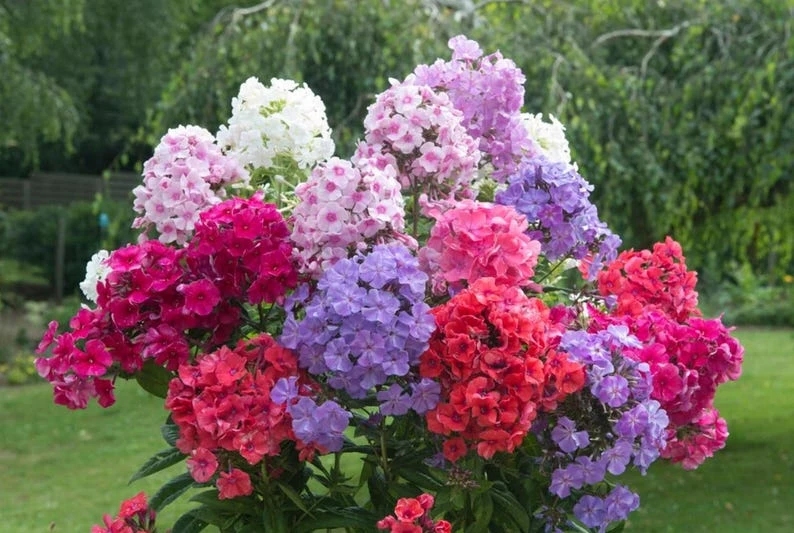
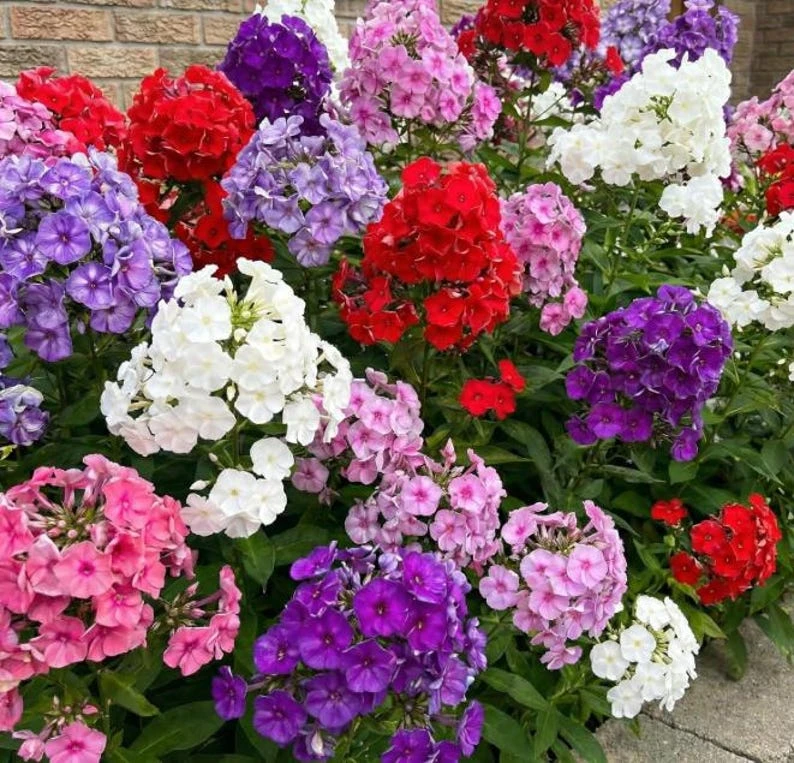
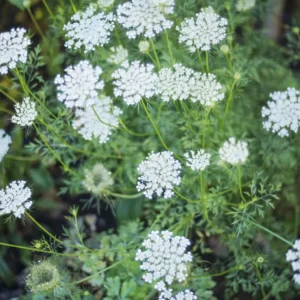
Add stunning vertical interest and vibrant color to your garden with this upright phlox live plant. Known for its beautiful clusters of fragrant blooms, this perennial phlox is a garden favorite. Perfect for borders, cottage gardens, or pollinator habitats, it thrives outdoors with minimal care, bringing joy and beauty season after season.
Original price was: $29.98.$16.99Current price is: $16.99.

With our Alive & Thrive Guarantee, we’ve got your back for the first 30 days! If you have any concerns about your plants, just reach out to us. Our team is here to help answer your questions and guide you in selecting the best plants for your garden, climate, and unique preferences. We're excited to help you create the garden of your dreams!
Estimated arrival
Oct 21
Oct 26 - Oct 28
Oct 31 - Nov 04
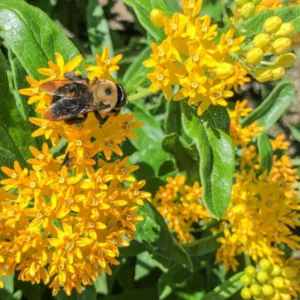
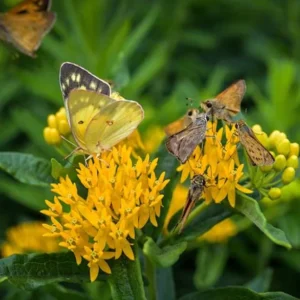
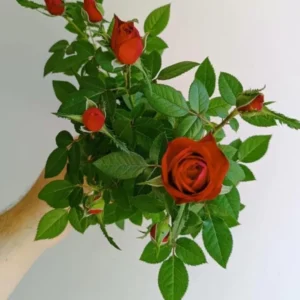
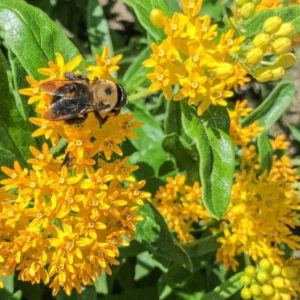
Product Details
-
USDA Hardiness Zone
USDA Zones 4-8 -
Soil type
Rich, well-draining loam -
Sunlight Exposure
Full sun to partial shade -
Expected Planting Period
Spring to early summer or early fall
Overview
Introduce a burst of vibrant color and delightful fragrance to your garden with this exquisite upright phlox live plant. Phlox, specifically Phlox paniculata, is a beloved perennial known for its towering flower clusters that create a spectacular visual display from mid-summer through early fall. This hardy and reliable plant is a cornerstone of many classic garden designs, attracting butterflies and hummingbirds with its sweet nectar. Often referred to as tall garden phlox or summer phlox, it’s an excellent choice for adding vertical interest to borders, mass plantings, or as a striking focal point in a mixed perennial bed. Our upright phlox live plant arrives ready to thrive in your outdoor landscape, promising seasons of beautiful blooms and an enchanting garden atmosphere.
Key Benefits
Cultivating an upright phlox live plant offers a multitude of advantages for any garden enthusiast. These resilient perennials are not only visually stunning but also contribute positively to the garden ecosystem. Here are some of the key benefits:
- Spectacular Summer Blooms: Enjoy a prolonged display of vibrant flowers from mid-summer to early fall, adding consistent color when many other plants are fading. The dense flower heads provide a dramatic impact in the landscape.
- Attracts Pollinators: The nectar-rich flowers are a magnet for essential garden visitors, including butterflies, bees, and hummingbirds, contributing to a healthy and biodiverse garden environment.
- Delightful Fragrance: Many varieties of phlox emit a sweet, pleasant scent, particularly noticeable on warm evenings, enhancing the sensory experience of your garden. Imagine enjoying the evening air filled with the aroma of fragrant phlox flowers.
- Versatile Garden Use: Ideal for a variety of garden applications, including perennial borders, cottage gardens, cutting gardens, and naturalized areas. Its upright growth habit makes it perfect for adding height.
- Relatively Low Maintenance: Once established, phlox plants are quite hardy and require minimal care, making them a great choice for both experienced gardeners and those new to perennial gardening. Understanding phlox paniculata care is straightforward.
- Deer Resistant: While no plant is entirely deer-proof, phlox is generally considered to be less appealing to deer, offering a better chance of your blooms remaining untouched.
- Disease Resistance: Modern cultivars often boast improved resistance to common issues like powdery mildew, ensuring healthier foliage and more abundant blooms for your perennial phlox plant.
Plant Care & Growing Tips
Ensuring your upright phlox live plant thrives requires understanding its basic needs concerning light, water, and soil. Phlox performs best in a location that receives full sun to partial shade. Full sun (at least 6 hours of direct sunlight per day) will promote the most abundant flowering and help prevent powdery mildew. In hotter climates, a little afternoon shade can be beneficial to protect the plant from intense heat and prevent scorching.
When it comes to watering, phlox prefers consistently moist, but not waterlogged, soil. Water deeply once or twice a week, especially during dry spells, to encourage deep root growth. Avoid overhead watering if possible, as wet foliage can increase the risk of powdery mildew. Good air circulation around the plants is also crucial for preventing fungal issues. The ideal soil type is a rich, well-draining loam with a pH between 6.0 and 7.0. Amending heavy clay soils with compost will improve drainage and fertility. For optimal growth, fertilize your phlox in early spring with a balanced slow-release granular fertilizer or a liquid feed every 4-6 weeks during the growing season.
Phlox is generally hardy in USDA zones 4-8. In colder zones, ensure adequate winter protection with a layer of mulch. Deadheading spent flowers will encourage a longer blooming period and prevent self-seeding. To maintain vigor and prevent overcrowding, divide clumps every 3-5 years in early spring or fall. Watch out for common pests like spider mites and diseases like powdery mildew; good air circulation and appropriate watering practices are your best defense when practicing tall garden phlox care.
Size & Details
This upright phlox live plant is typically shipped as a well-rooted plant in a nursery pot, ready for immediate planting in your garden. Upon arrival, it will be a young, healthy specimen, prepared to establish quickly. Mature upright phlox varieties generally grow to a height of 2 to 4 feet tall and spread approximately 2 to 3 feet wide, forming substantial clumps over time. The growth rate is moderate, meaning it will fill out nicely within a season or two. Expect your plant to begin producing its characteristic large, rounded flower clusters by mid-summer, continuing its display into the early fall. The exact size at maturity can vary slightly depending on the specific cultivar and growing conditions, but all promise a robust and impressive presence in your landscape. This perennial phlox plant provides lasting beauty.
Frequently Asked Questions
- Q: How big does this plant get? A: A: This upright phlox live plant typically grows to a mature height of 2 to 4 feet and spreads about 2 to 3 feet wide, forming a substantial clump over several seasons.
- Q: What size pot does it come in? A: The plant is typically shipped in a standard nursery pot, usually a 4-inch or 1-gallon size, ensuring a healthy root system for successful transplanting.
- Q: Is this an indoor or outdoor plant? A: This upright phlox live plant is an outdoor perennial, best suited for garden beds, borders, and landscapes where it can receive adequate sunlight.
- Q: How much sunlight does it need? A: For the best blooms and plant health, upright phlox requires full sun, meaning at least 6 hours of direct sunlight daily. It can tolerate partial shade, especially in hot climates.
- Q: Is this plant easy to care for? A: Yes, once established, phlox is considered a relatively easy-care perennial. Consistent watering and good air circulation are key to successful phlox paniculata care.
- Q: What condition will it arrive in? A: Your phlox plant will arrive as a healthy, live plant with a well-developed root system, carefully packaged to ensure its safety during transit.
- Q: When is the best time to plant? A: The best time to plant your tall garden phlox is in spring after the last frost, or in early fall a few weeks before the first hard frost, to allow roots to establish.
- Q: Will it survive winter in my zone? A: Upright phlox is generally hardy in USDA Zones 4-8. In colder zones, it will die back to the ground in winter and re-emerge in spring.
- Q: Are the flowers fragrant? A: Yes, many varieties of upright phlox, including this one, are known for their lovely fragrant phlox flowers, especially noticeable in the evening.
- Q: Is this plant good for attracting pollinators? A: Absolutely! Phlox flowers are highly attractive to butterflies, bees, and hummingbirds, making them an excellent choice for a pollinator-friendly garden.
Related products
-30%
Original price was: $63.98.$44.78Current price is: $44.78.
-55%
Original price was: $79.98.$35.99Current price is: $35.99.
-30%
Original price was: $63.98.$44.78Current price is: $44.78.
-30%
Original price was: $63.98.$44.78Current price is: $44.78.
-30%
Original price was: $63.98.$44.78Current price is: $44.78.
-75%
Original price was: $59.98.$15.00Current price is: $15.00.
PLANTING & CARE
Lemon Tree Growing: Choose, Plant, and Harvest
Learn how to choose, plant, feed, and protect a lemon tree so it fits your
23
Sep
Sep
Dwarf Meyer Lemon Tree Australia: Climate Guide
Learn where dwarf Meyer lemon trees grow, how much cold they tolerate, and whether Australia,
Where to Buy a Dwarf Meyer Lemon Tree: Buyer’s Guide
Find the right dwarf Meyer lemon tree online or locally, compare starter sizes and costs,
Dwarf Meyer Lemon Tree for Sale: Buying Guide
Compare Meyer lemon tree sizes, prices, shipping limits, indoor growing and California options before you
Dwarf Meyer Lemon Tree Guide: Size, Care and Fruit
META: Learn how large a dwarf Meyer lemon tree grows, where it thrives, and how
How to Prune a Dwarf Meyer Lemon Tree
Learn when and how to prune a dwarf Meyer lemon tree, including tools, shaping cuts,
Can You Grow a Dwarf Meyer Lemon Tree in a Pot?
META: Learn how to grow a dwarf Meyer lemon tree in a pot, including container
When Do Dwarf Meyer Lemon Trees Bloom and Fruit?
META: Dwarf Meyer lemon trees usually bloom from winter through spring and may flower again