Valerian Herb Seeds – Valeriana officinalis – Fragrant Perennial Flowers
-50%
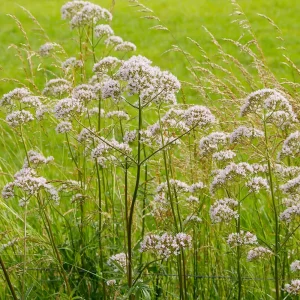
Valerian Herb Seeds – Valeriana officinalis – Fragrant Perennial Flowers
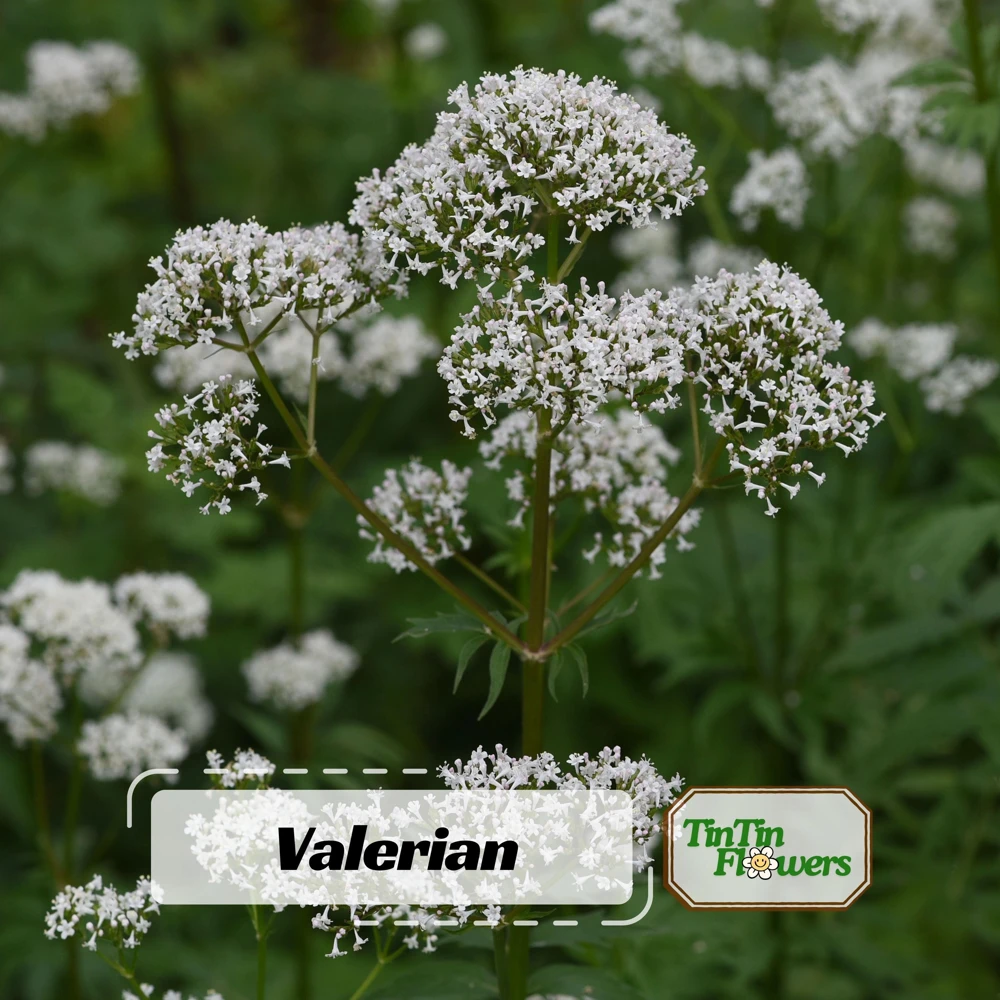
Cultivate beautiful and fragrant valerian herb seeds (Valeriana officinalis) in your garden. These perennial seeds produce delicate white to pink flowers, attracting pollinators and adding elegance to herb beds and naturalized areas. Easy to grow and maintain.
Original price was: $15.16.$7.58Current price is: $7.58.

With our Alive & Thrive Guarantee, we’ve got your back for the first 30 days! If you have any concerns about your plants, just reach out to us. Our team is here to help answer your questions and guide you in selecting the best plants for your garden, climate, and unique preferences. We're excited to help you create the garden of your dreams!
Estimated arrival
Oct 08
Oct 13 - Oct 15
Oct 18 - Oct 22

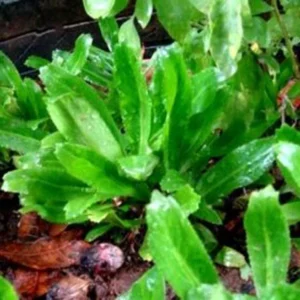
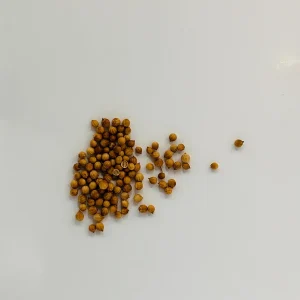
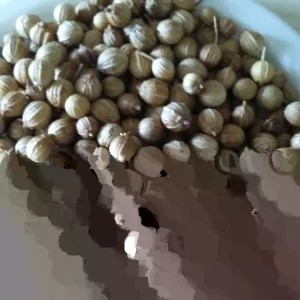

Product Details
-
USDA Hardiness Zone
unknown -
Soil type
Well-drained, consistently moist soil -
Sunlight Exposure
Full sun to partial shade -
Expected Planting Period
Early spring or late summer
Overview
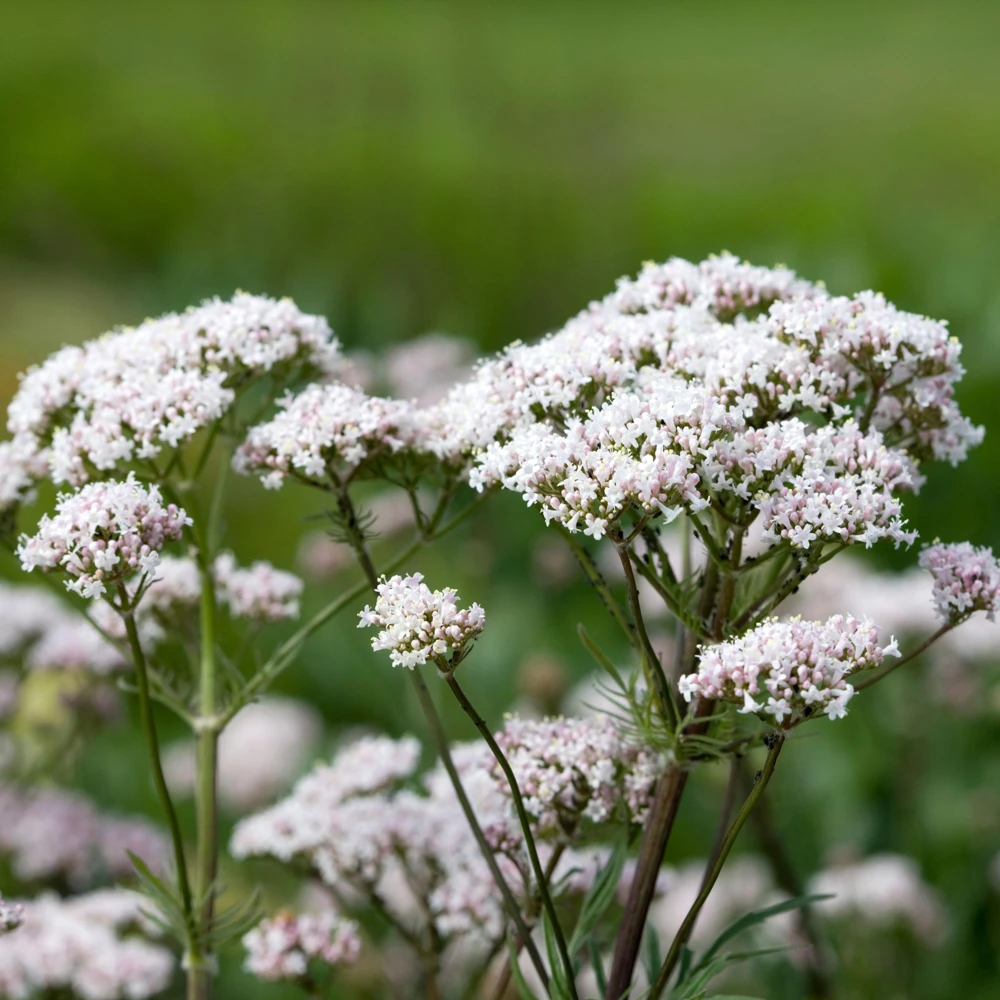
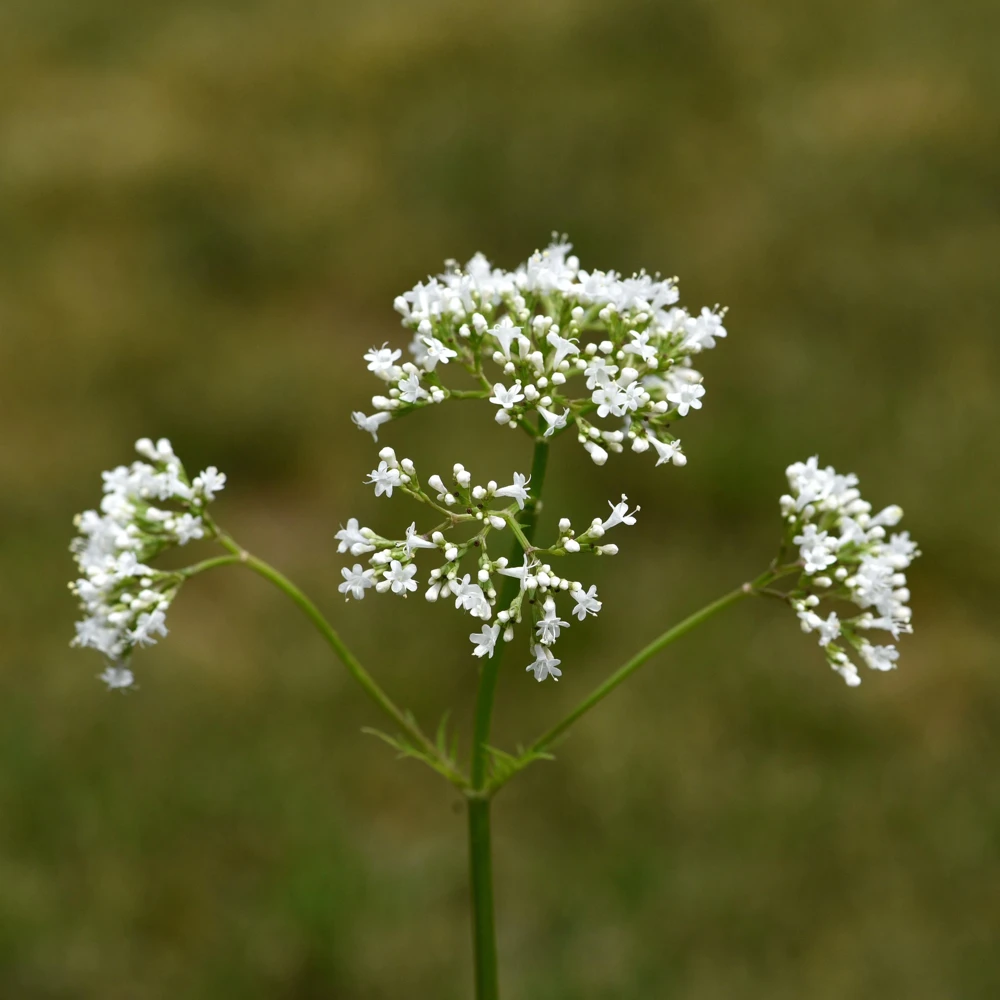
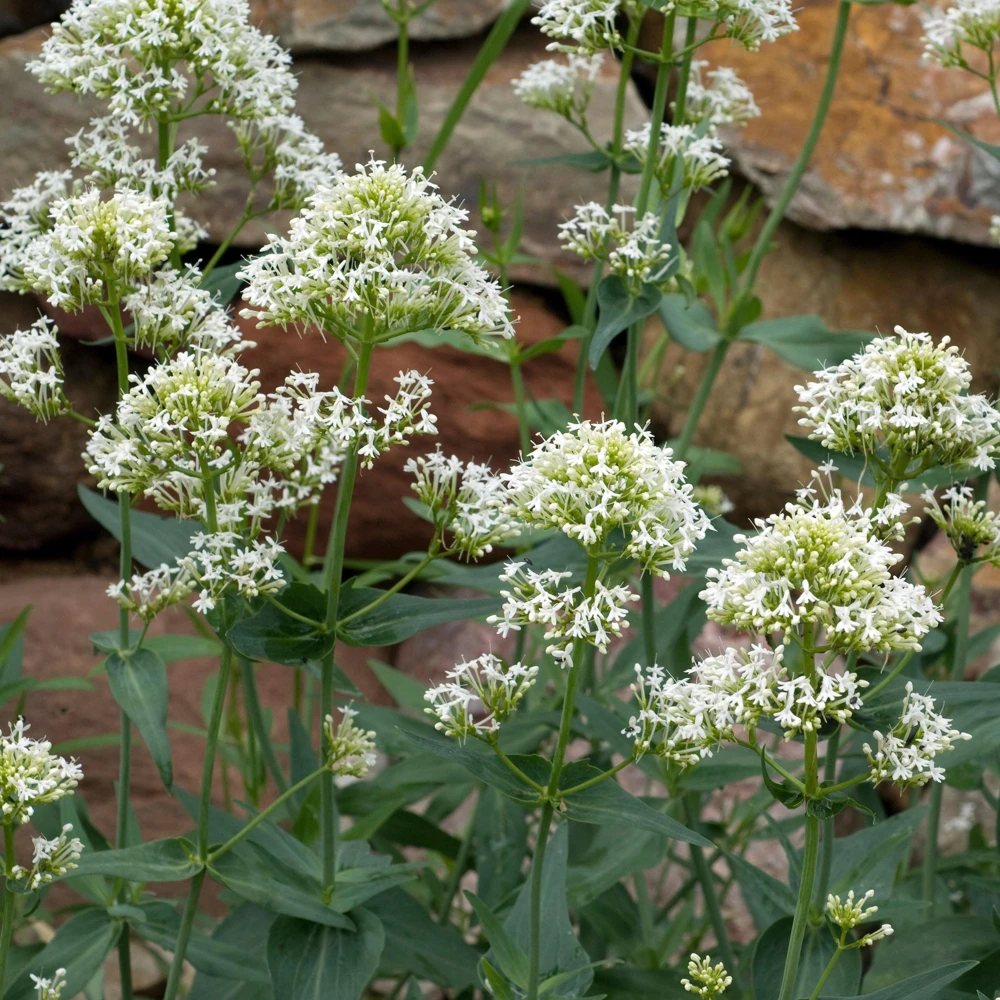
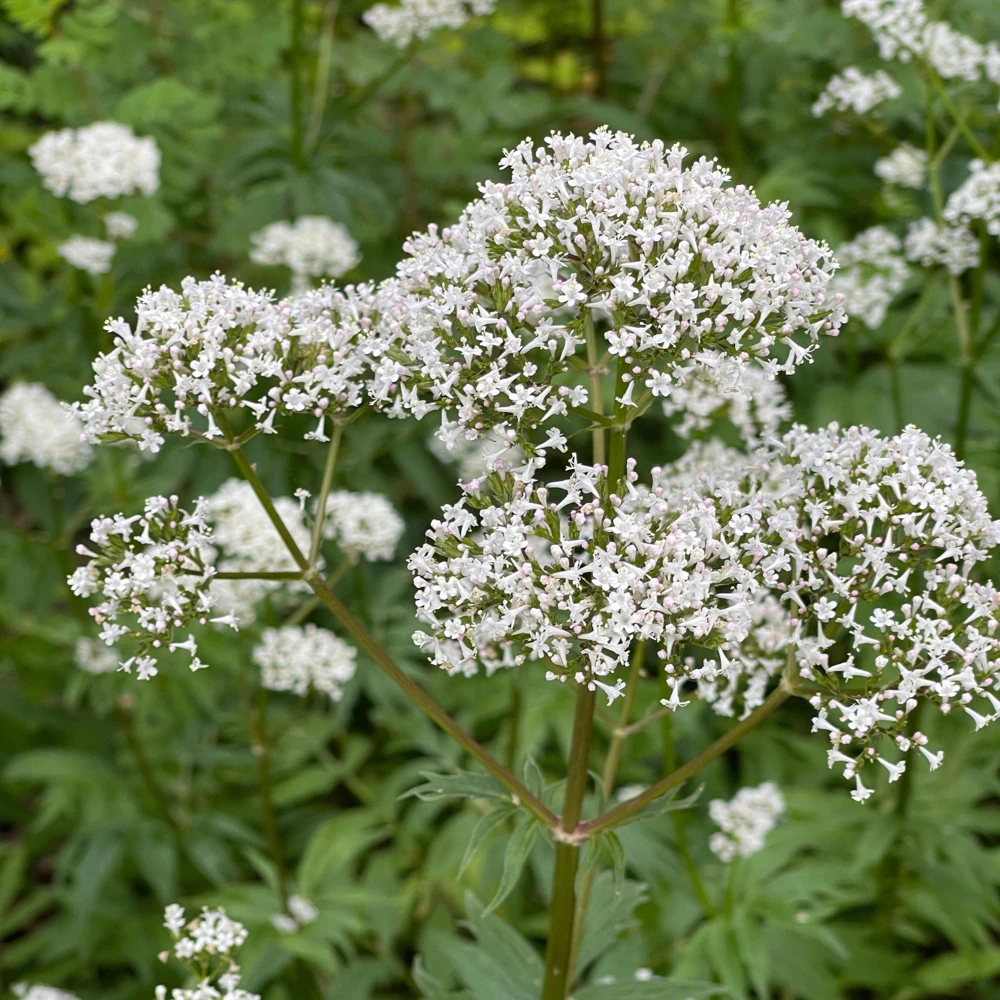
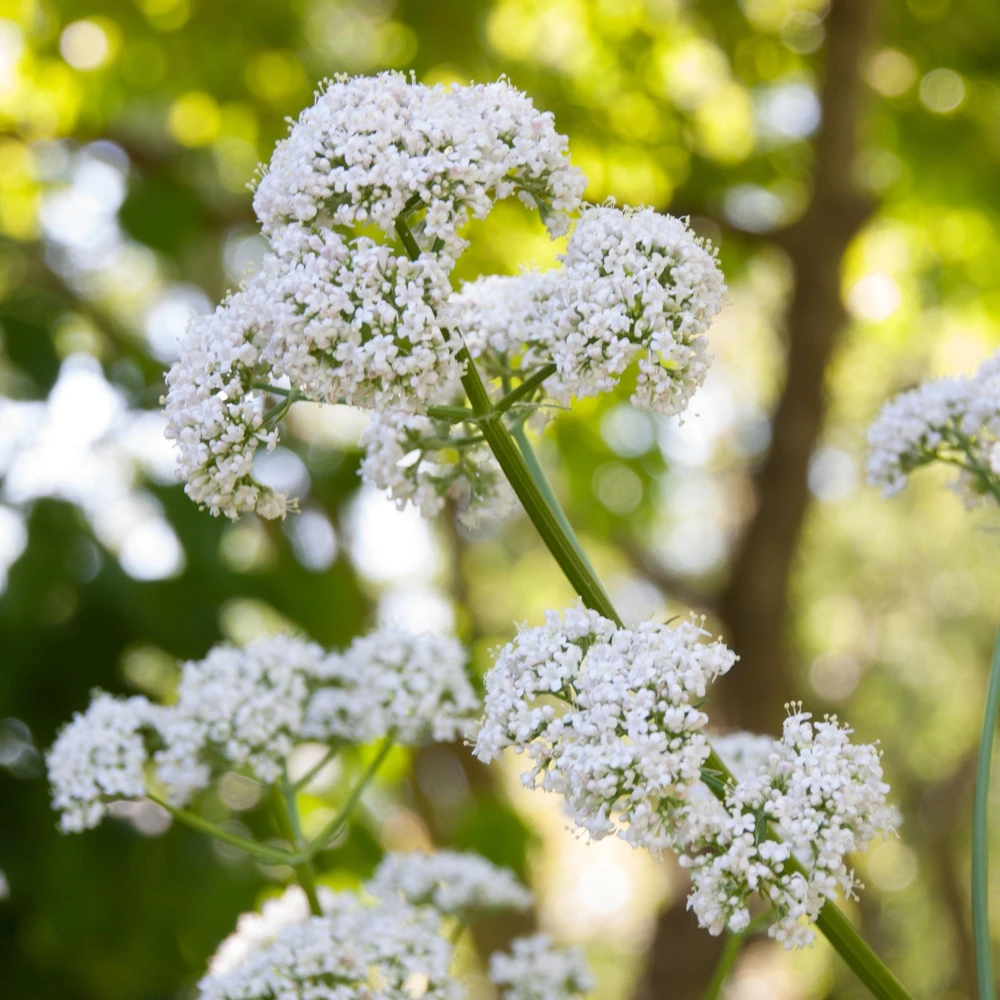
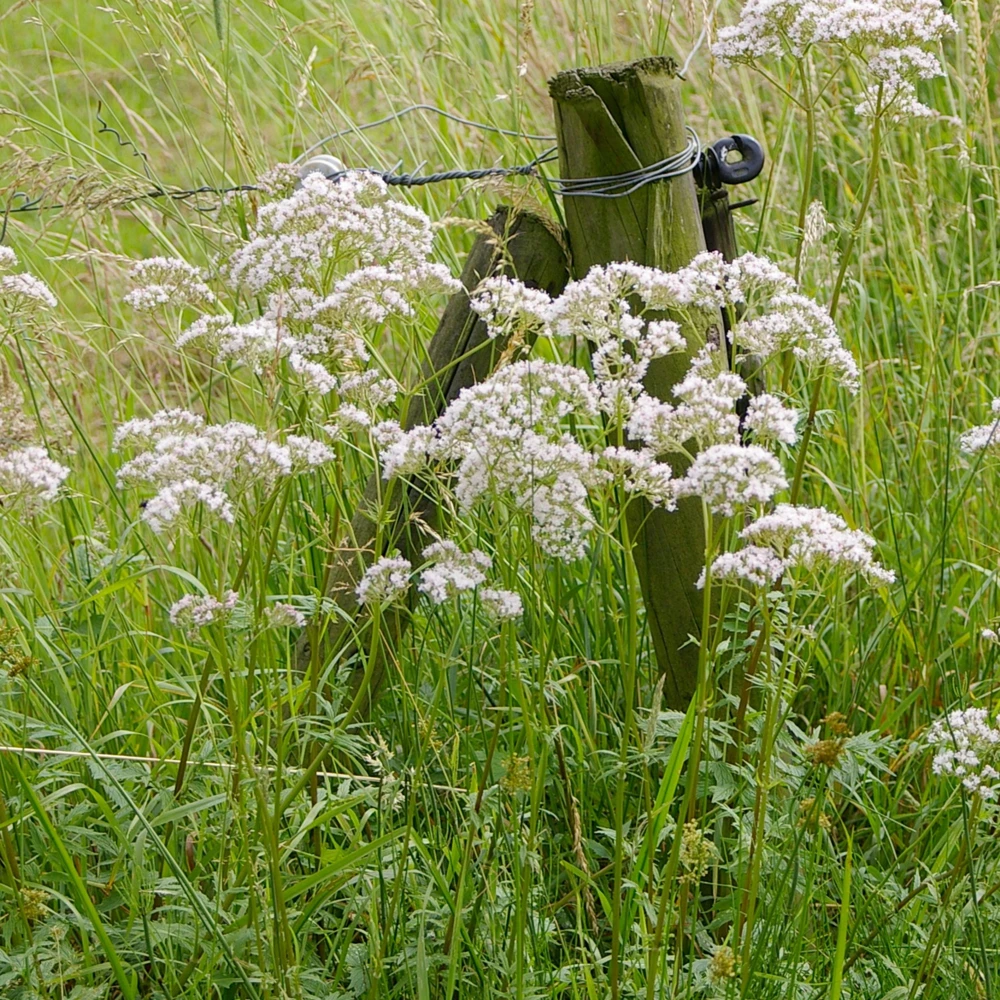
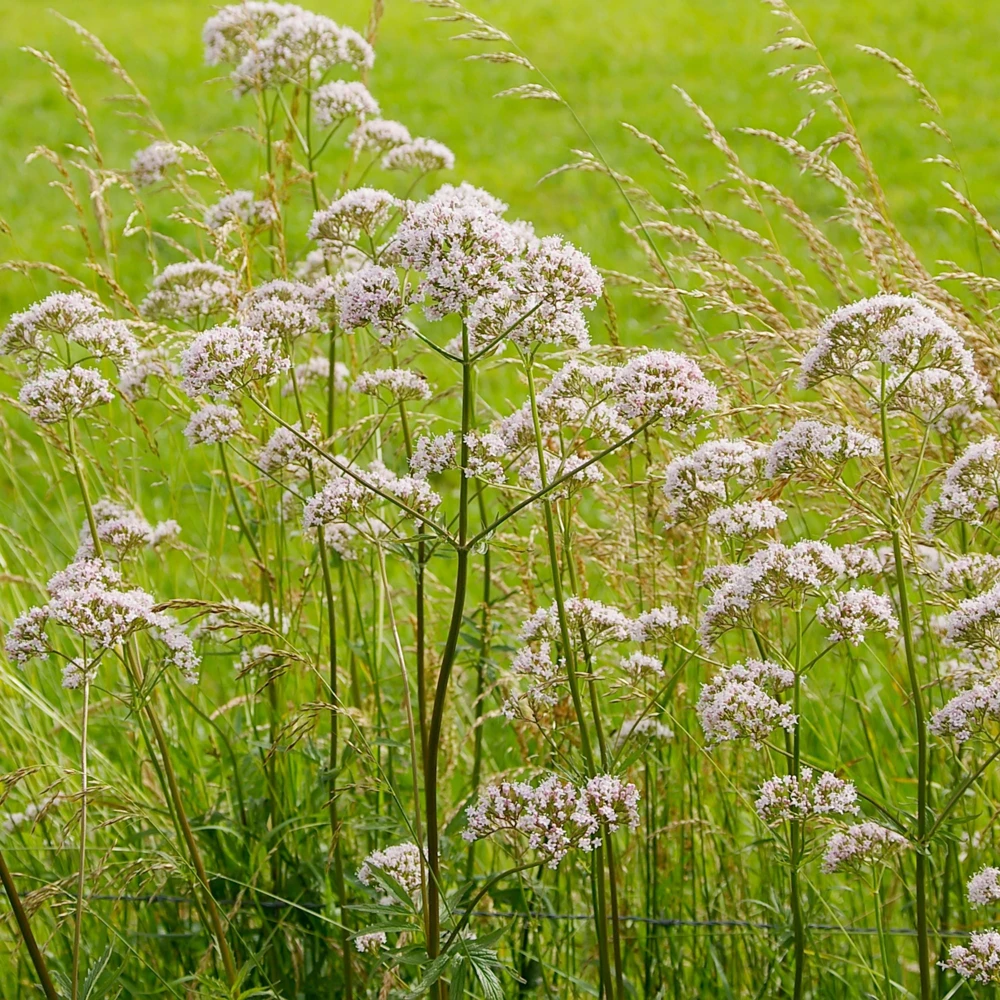
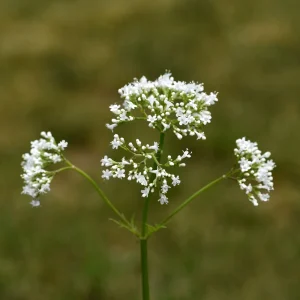
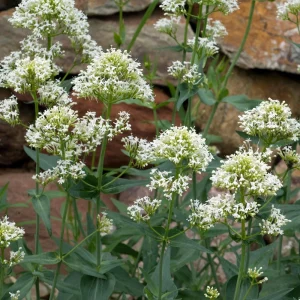
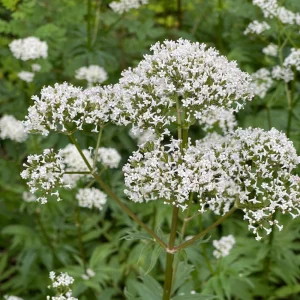
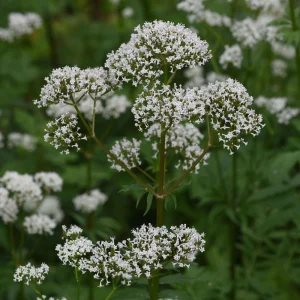
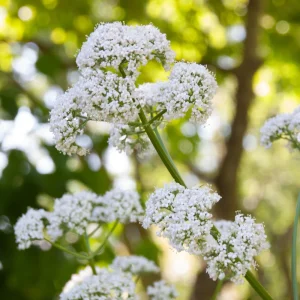
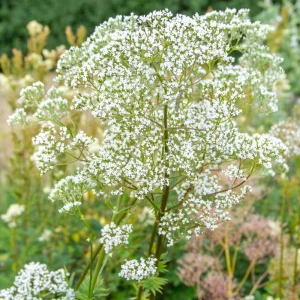
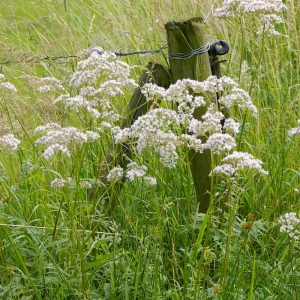
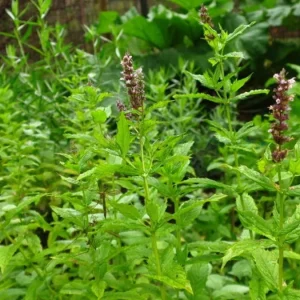
Transform your garden into a serene and fragrant haven with valerian herb seeds. These exceptional seeds of Valeriana officinalis promise to bring the timeless beauty of this elegant perennial herb to your landscape. Known for its delicate, soft white to pale pink flower clusters and attractive, fern-like foliage, Valerian is a versatile addition to any garden. Whether you’re creating a dedicated herb garden, enhancing a rustic border, or designing a pollinator-friendly meadow, these valerian officinalis seeds will establish a plant that offers both aesthetic charm and ecological benefits. Valerian’s upright habit and ornamental blooms make it a standout choice, thriving with minimal effort and rewarding gardeners with its captivating presence from late spring through mid-summer.
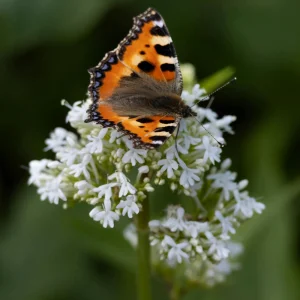
Beyond its visual appeal, growing Valerian from fragrant perennial seeds introduces a delightful aroma to your outdoor spaces. The nectar-rich flowers are a magnet for beneficial insects, including butterflies and bees, contributing to a healthy and vibrant ecosystem. This easy-to-grow herb is perfect for gardeners looking to add a touch of natural beauty and biodiversity to their homes. Experience the satisfaction of nurturing these seeds into mature plants that will return year after year, providing continuous beauty and supporting local wildlife.
Key Benefits
Planting valerian herb seeds offers a multitude of advantages for both your garden and the environment. These seeds develop into robust plants that are not only beautiful but also highly beneficial. Here are some of the key benefits you can expect:
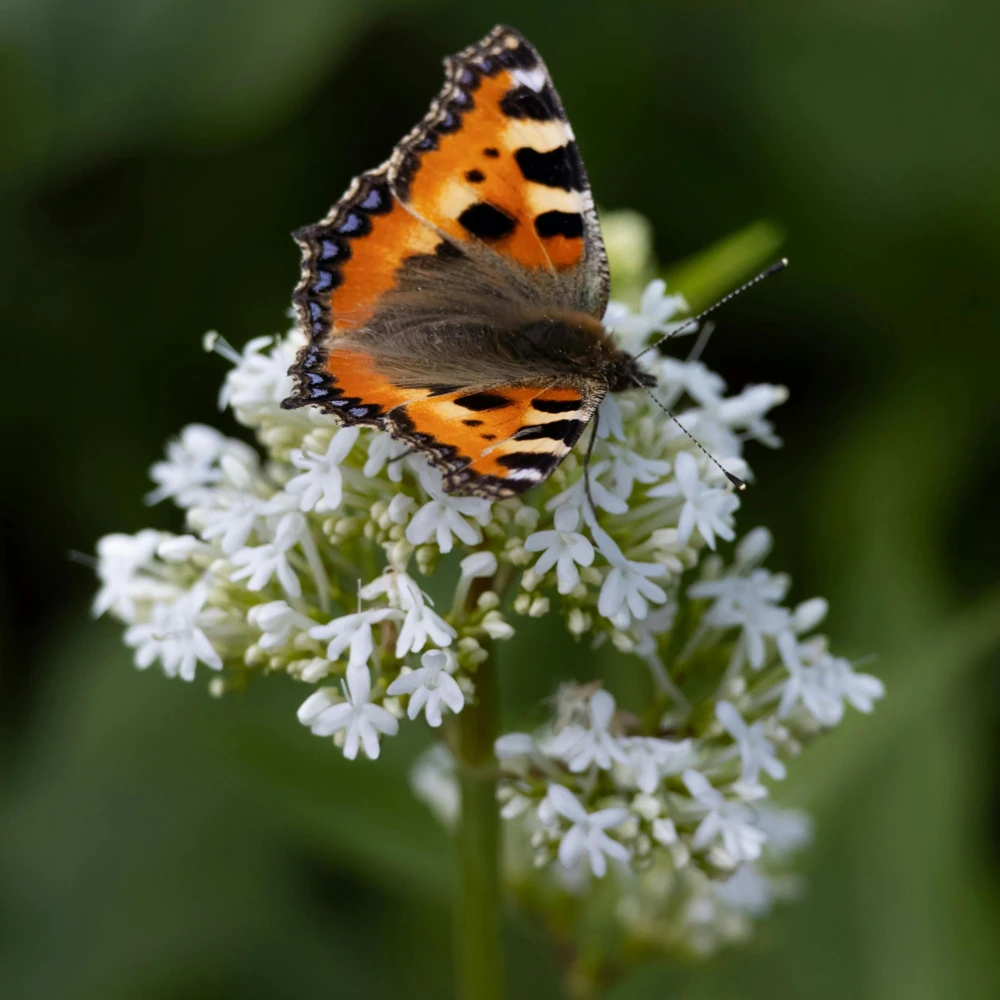
- Attracts Pollinators: The abundant, nectar-rich flowers are irresistible to butterflies, bees, and other beneficial insects, making these pollinator garden seeds an excellent choice for supporting local ecosystems and encouraging biodiversity in your garden.
- Fragrant Blooms: Enjoy the delicate, sweet fragrance of valerian’s white to pale pink flower clusters, which add an enchanting aromatic dimension to your garden, especially during the late spring to mid-summer bloom period.
- Elegant Ornamental Value: With its graceful upright form and attractive fern-like foliage, Valerian provides significant ornamental appeal, adding height and texture to herb gardens, rustic borders, and naturalized landscapes.
- Easy to Grow: Valeriana officinalis is renowned for its ease of cultivation, making it an ideal choice for both novice and experienced gardeners. These herb garden seeds require minimal maintenance once established, thriving with basic care.
- Perennial Growth: As a perennial herb, Valerian returns year after year, providing long-lasting beauty and reducing the need for annual replanting, ensuring a consistent display of its charming flowers.
- Versatile Garden Use: Perfect for a variety of garden styles, from formal herb beds to wild meadows, Valerian adapts well to different settings, enhancing any landscape with its natural elegance.
- Drought Tolerance: Once mature, Valerian plants exhibit good drought tolerance, making them resilient in various climates and requiring less frequent watering after establishment.
Plant Care & Growing Tips
Growing Valerian from valerian herb seeds is a rewarding experience, and with the right care, you’ll enjoy its beautiful blooms for years. Proper preparation and ongoing maintenance are key to ensuring healthy and vigorous plants. To enhance germination, it is recommended to cold stratify your valerian officinalis seeds for 2 to 4 weeks before planting. Sow the seeds directly on the soil surface, gently pressing them down without covering, as light aids in their germination. Maintain soil temperatures between 60-70°F (16-21°C) and keep the soil consistently moist. Germination typically occurs within 14 to 28 days.
Once your seedlings have developed several true leaves and all danger of frost has passed, they are ready for transplanting outdoors. For optimal growth, these fragrant perennial seeds prefer full sun in cooler climates or partial shade in warmer regions, protecting them from intense afternoon heat. Water regularly during the establishment phase to help the plants settle. Mature Valerian plants thrive in uniformly moist, well-drained soil. They are not overly demanding but appreciate consistent moisture, especially during dry spells. Avoid waterlogging, which can lead to root issues. Fertilization is generally not heavily required; a balanced, slow-release fertilizer can be applied in spring if your soil is poor.
To maintain a tidy appearance and encourage continued vigor, remove spent flower stalks after blooming. This practice, known as deadheading, can also prevent unwanted self-seeding. Every few years, mature clumps can be divided to rejuvenate the plants and promote stronger growth. Valerian is generally hardy and resistant to most pests and diseases, making it a low-maintenance addition to your garden. By following these simple care instructions, your herb garden seeds will flourish, providing a beautiful and beneficial display.
Size & Details
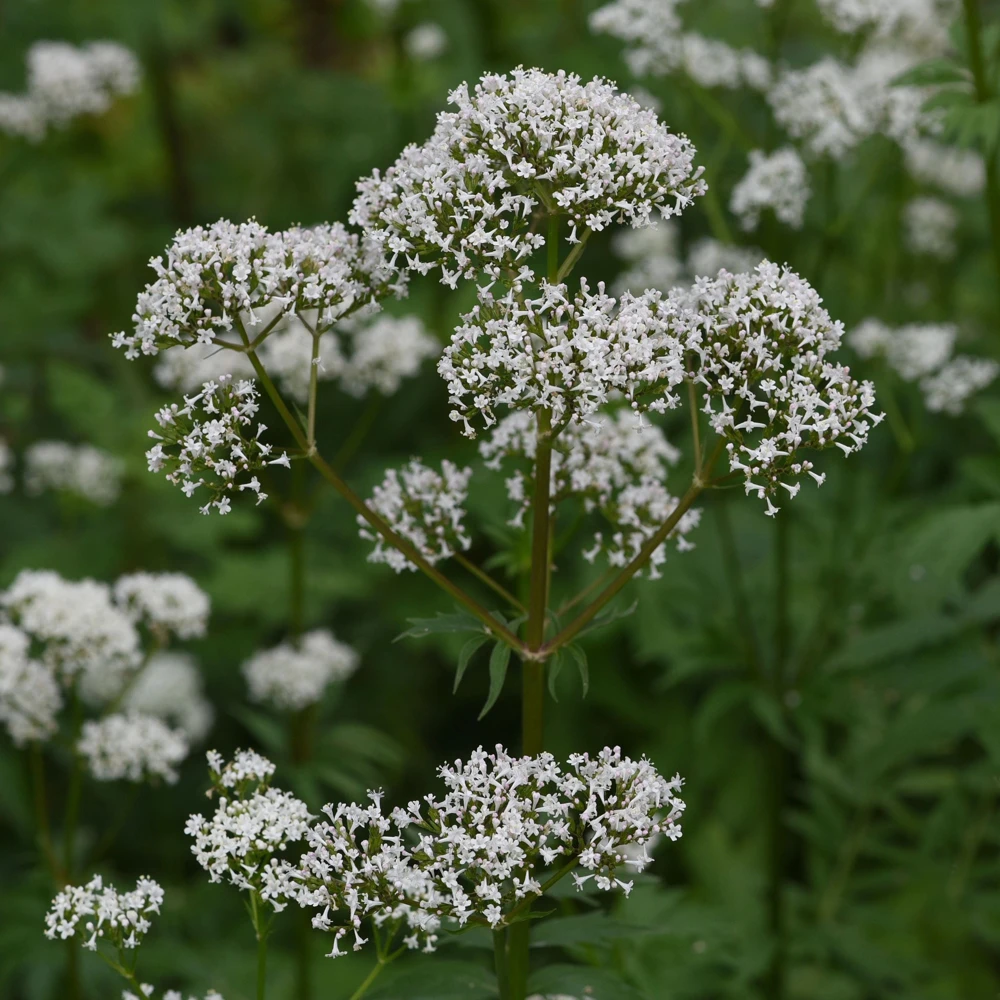
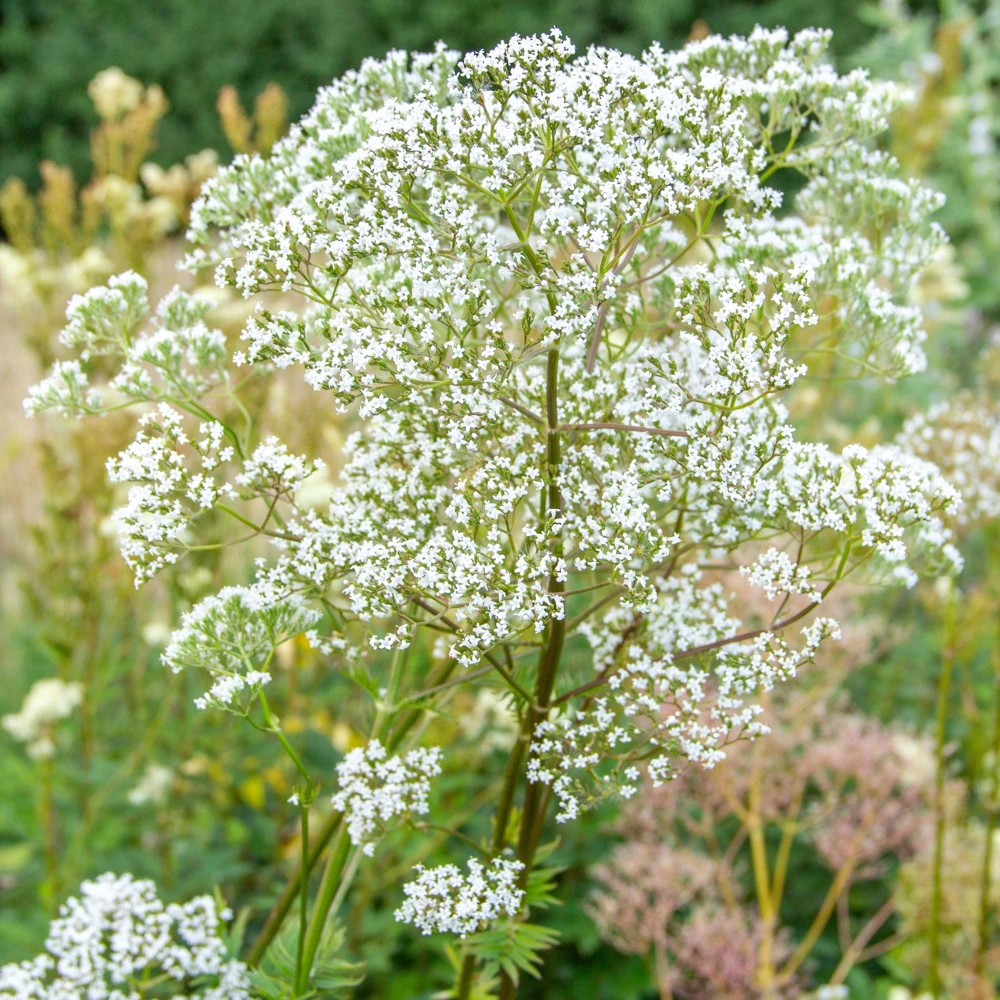
These valerian herb seeds will grow into robust perennial plants, typically reaching an impressive height of 36–60 inches with a spread of 18–24 inches. The plants exhibit an upright, clump-forming growth habit, making them an excellent choice for adding vertical interest to your garden. The fragrant umbel-shaped flowers, ranging from soft white to pale pink, bloom from late spring through mid-summer, creating a stunning visual and aromatic display. Each packet contains 20 high-quality seeds, providing a generous start for your garden project. The easy difficulty rating ensures that even beginner gardeners can achieve success with these fragrant perennial seeds.
Valerian thrives in a range of light conditions, from full sun to partial shade, making it adaptable to various garden spots. These seeds are ideal for creating a vibrant pollinator garden seeds haven, attracting beneficial insects throughout the flowering season. With proper care, these plants will establish themselves quickly and return reliably year after year, offering continuous beauty and ecological benefits. The seeds are shipped ready for planting, allowing you to begin your gardening journey without delay.
Frequently Asked Questions
- Q: How big do Valerian plants get? A: Valerian plants typically grow to a height of 36–60 inches (3-5 feet) and can spread 18–24 inches wide. They have an upright, clump-forming habit, adding significant presence to your garden.
- Q: Is this an indoor or outdoor plant? A: Valerian (Valeriana officinalis) is primarily an outdoor perennial herb. While it can be started indoors from valerian herb seeds, it thrives best when planted in an outdoor garden setting where it can receive adequate sunlight and space.
- Q: How much sunlight does Valerian need? A: Valerian prefers full sun in cooler climates. In warmer regions, it benefits from partial shade, especially during the hottest part of the day, to protect its delicate flowers and foliage.
- Q: Is this plant easy to care for? A: Yes, Valerian is considered an easy-to-grow plant, suitable for gardeners of all experience levels. Its low-maintenance nature makes it a popular choice for those seeking beautiful yet unfussy additions to their garden, especially when starting from herb garden seeds.
- Q: What condition will the seeds arrive in? A: The valerian herb seeds will arrive as a packet of dry, viable seeds, ready for planting. They are carefully packaged to ensure their quality and readiness for germination.
- Q: How long until Valerian blooms? A: Valerian typically blooms from late spring to mid-summer in its first or second year after planting from seed, depending on growing conditions and planting time. You’ll enjoy fragrant flowers for several weeks.
- Q: What is the best time to plant Valerian seeds? A: After cold stratification, the best time to sow valerian officinalis seeds is in early spring, after the last frost date, or in late summer for establishment before winter. This allows for optimal germination and growth.
- Q: Will it survive winter in my zone? A: Valerian is a hardy perennial and can survive winter in many temperate zones. It is generally cold-hardy, with the roots overwintering underground and new growth emerging in spring.
- Q: Do these pollinator garden seeds attract specific types of pollinators? A: Yes, the nectar-rich flowers of Valerian are particularly attractive to a wide range of pollinators, including various species of butterflies, honeybees, and other beneficial native bees.
- Q: What type of soil does Valerian prefer? A: Valerian thrives in well-drained soil that is consistently moist. It can tolerate a range of soil types, but prefers rich, loamy soil. Good drainage is crucial to prevent root rot.
Related products

-50%
Original price was: $32.00.$16.00Current price is: $16.00.
PLANTING & CARE
Lemon Tree Growing: Choose, Plant, and Harvest
Learn how to choose, plant, feed, and protect a lemon tree so it fits your
23
Sep
Sep
Dwarf Meyer Lemon Tree Australia: Climate Guide
Learn where dwarf Meyer lemon trees grow, how much cold they tolerate, and whether Australia,
Where to Buy a Dwarf Meyer Lemon Tree: Buyer’s Guide
Find the right dwarf Meyer lemon tree online or locally, compare starter sizes and costs,
Dwarf Meyer Lemon Tree for Sale: Buying Guide
Compare Meyer lemon tree sizes, prices, shipping limits, indoor growing and California options before you
Dwarf Meyer Lemon Tree Guide: Size, Care and Fruit
META: Learn how large a dwarf Meyer lemon tree grows, where it thrives, and how
How to Prune a Dwarf Meyer Lemon Tree
Learn when and how to prune a dwarf Meyer lemon tree, including tools, shaping cuts,
Can You Grow a Dwarf Meyer Lemon Tree in a Pot?
META: Learn how to grow a dwarf Meyer lemon tree in a pot, including container
When Do Dwarf Meyer Lemon Trees Bloom and Fruit?
META: Dwarf Meyer lemon trees usually bloom from winter through spring and may flower again