Variegated Alocasia Blizzard Live Plant – 4in Potted Houseplant Indoor
-34%
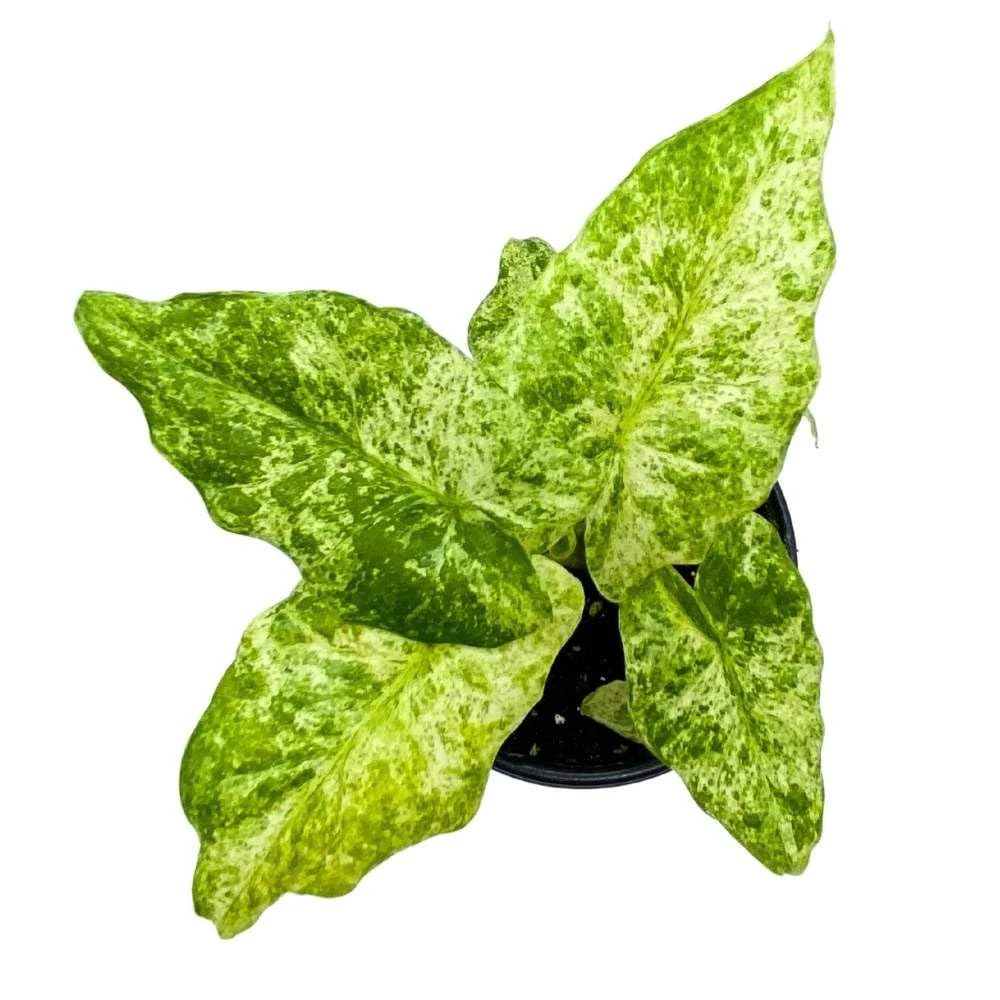
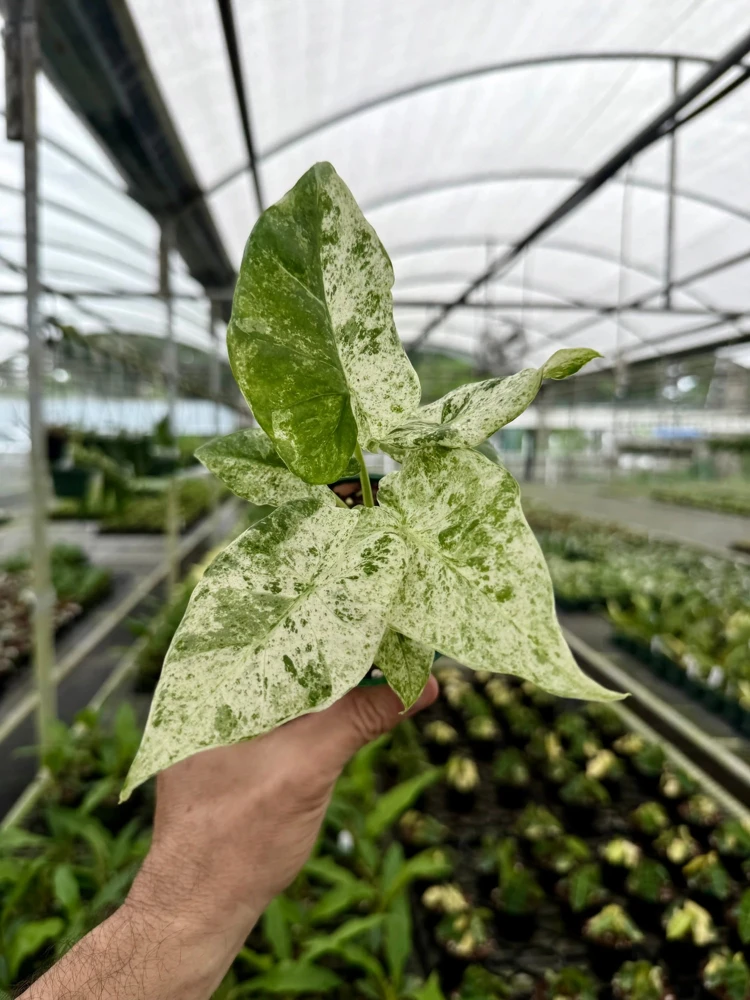
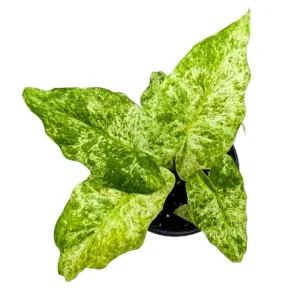
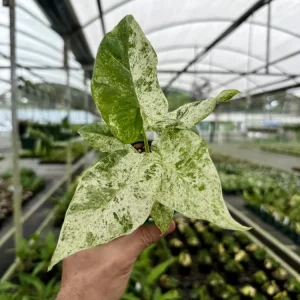
Variegated Alocasia Blizzard Live Plant – 4in Potted Houseplant Indoor
Bring home a stunning variegated alocasia blizzard live plant, a beautiful 4-inch potted houseplant perfect for adding a touch of exotic elegance to any indoor space. Its unique foliage makes it a true collector’s item.
Original price was: $37.98.$24.99Current price is: $24.99.

With our Alive & Thrive Guarantee, we’ve got your back for the first 30 days! If you have any concerns about your plants, just reach out to us. Our team is here to help answer your questions and guide you in selecting the best plants for your garden, climate, and unique preferences. We're excited to help you create the garden of your dreams!
Estimated arrival
Oct 21
Oct 26 - Oct 28
Oct 31 - Nov 04
Product Details
-
USDA Hardiness Zone
unknown (typically grown indoors) -
Soil type
well-draining, airy potting mix -
Sunlight Exposure
bright indirect light -
Expected Planting Period
year-round indoors
Overview
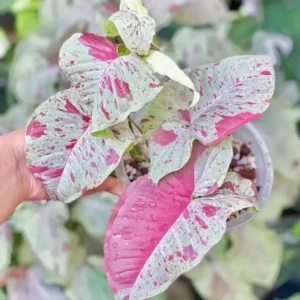
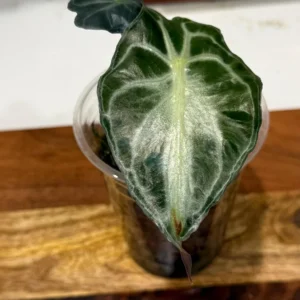
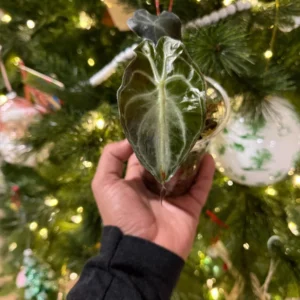
Introduce a touch of the extraordinary to your indoor plant collection with the magnificent variegated alocasia blizzard live plant. This captivating aroid, scientifically known as Alocasia ‘Blizzard’, is highly sought after for its dramatic and intricate variegation, featuring splashes of creamy white and vibrant green across its arrow-shaped leaves. Each leaf is a unique work of art, making the Alocasia Blizzard a standout specimen in any room. As a relatively rare alocasia variety, it offers both visual appeal and a unique challenge for experienced plant enthusiasts. This live plant arrives ready to thrive in your home, providing immediate beauty and a focal point for your plant display.
The ‘Blizzard’ cultivar is a hybrid known for its robust growth and striking contrast, truly embodying its name with a frosty, snowy appearance on its dark green canvas. Perfect for collectors and those looking to elevate their interior decor, this variegated alocasia blizzard live plant promises to be a conversation starter and a source of endless admiration.
Key Benefits
The variegated alocasia blizzard live plant offers numerous advantages, making it an excellent addition to your home. Its unique aesthetic and air-purifying qualities contribute to a healthier and more beautiful living environment.
-
Stunning Visual Appeal: The most significant benefit is its breathtaking variegated foliage. The stark contrast between the bright white and deep green creates a visual spectacle that instantly elevates any space, making it a living piece of art.
-
Air Purification: Like many houseplants, the variegated alocasia blizzard live plant contributes to improved indoor air quality by absorbing common household toxins and releasing fresh oxygen, promoting a healthier environment.
-
Collector’s Item: Due to its unique and striking variegation, the Alocasia ‘Blizzard’ is considered a rare and desirable plant among collectors. Owning one adds a unique specimen to your growing plant family.
-
Enhances Interior Decor: Its exotic and elegant appearance makes it a perfect decor element. Whether placed on a desk, shelf, or as part of a larger plant arrangement, it adds sophistication and a touch of the tropics.
-
Engaging Growth Habit: Watching new variegated leaves unfurl is a rewarding experience. The dynamic patterns and colors of each new leaf provide continuous interest and a connection to nature.
-
Unique Gift Idea: For the plant lover in your life, this indoor alocasia plant makes an unforgettable and thoughtful gift that stands out from more common houseplants.
-
Promotes Well-being: Studies suggest that having houseplants like this best variegated plants variety can reduce stress, boost mood, and increase overall feelings of well-being by bringing nature indoors.
Plant Care & Growing Tips
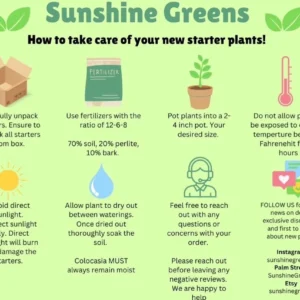
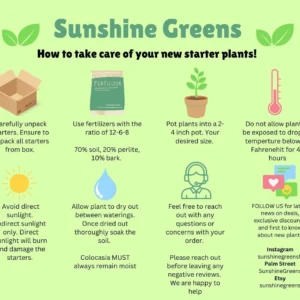
Caring for your variegated alocasia blizzard live plant requires attention to its specific needs to ensure its stunning variegation and healthy growth. Alocasias generally thrive in conditions that mimic their tropical origins. For optimal growth, provide bright, indirect light. Direct sunlight can scorch its delicate leaves, while too little light can diminish its variegation and lead to leggy growth. An east-facing window is often ideal, or a few feet away from a south or west-facing window, supplemented with a grow light if necessary. Maintaining consistent humidity is crucial for this tropical plant. Aim for humidity levels between 60-80%. You can achieve this by using a humidifier, placing the pot on a pebble tray with water, or grouping it with other humidity-loving plants.
When it comes to watering, allow the top 1-2 inches of soil to dry out between waterings. Overwatering is a common killer of Alocasias, leading to root rot. Conversely, letting the soil dry out completely for too long can stress the plant. Use a well-draining potting mix that retains some moisture but doesn’t become waterlogged. A mix containing coco coir, perlite, and orchid bark is often recommended for an indoor alocasia plant. Fertilize every 2-4 weeks during the growing season (spring and summer) with a balanced liquid fertilizer diluted to half strength. Reduce or stop fertilizing during fall and winter when the plant’s growth slows down. Regularly check for pests like spider mites and mealybugs, and wipe down leaves to keep them clean and allow for efficient photosynthesis. Understanding the nuances of alocasia care guide will ensure your plant flourishes.
Temperature is another important factor; keep your Alocasia ‘Blizzard’ in temperatures between 65-80°F (18-27°C) and avoid sudden temperature fluctuations or cold drafts. If you notice yellowing leaves, it could be a sign of overwatering or nutrient deficiency. Brown, crispy edges often indicate low humidity. With proper care, your rare alocasia varieties will reward you with spectacular foliage year-round.
Size & Details
This variegated alocasia blizzard live plant is supplied in a 4 inch nursery pot, making it a perfect size for immediate display on desks, shelves, or as part of a larger plant arrangement. At this stage, the plant typically stands about 6-10 inches tall from the base of the pot, with 2-4 established leaves showcasing its characteristic variegation. Alocasia ‘Blizzard’ is a moderately fast grower under ideal conditions, with new leaves unfurling every few weeks during the growing season. While its ultimate size depends on growing conditions, mature plants can reach up to 2-3 feet in height and spread, with larger leaves developing over time. It ships as a healthy, actively growing potted plant, carefully packed to ensure safe arrival. Expect it to continue growing and producing new, beautifully variegated foliage with proper care.
Frequently Asked Questions
-
Q: How big does this variegated alocasia blizzard live plant get? A: This plant is supplied in a 4-inch pot and is typically 6-10 inches tall. With optimal care, mature plants can reach up to 2-3 feet in height and spread, producing larger leaves over time.
-
Q: Is this an indoor or outdoor plant? A: The variegated alocasia blizzard live plant is primarily an indoor houseplant in most climates. It thrives in warm, humid indoor environments and is not tolerant of cold temperatures or frost.
-
Q: How much sunlight does an indoor alocasia plant need? A: It requires bright, indirect light. Avoid direct sun exposure, which can scorch its leaves. A spot near an east-facing window or a few feet away from a south/west-facing window is usually ideal.
-
Q: Is this plant easy to care for? A: Alocasias, especially variegated varieties, can be considered moderately challenging. They thrive with consistent humidity, proper watering, and bright indirect light. Following an alocasia care guide is recommended for best results.
-
Q: What condition will the rare alocasia varieties arrive in? A: Your plant will arrive as a healthy, actively growing specimen in a 4-inch nursery pot, carefully packaged to ensure minimal stress during transit. Some slight leaf yellowing or stress is normal after shipping, but the plant should recover quickly.
-
Q: What kind of soil is best for this Alocasia? A: A well-draining, airy potting mix is crucial. Components like coco coir, perlite, and orchid bark create an ideal substrate that retains some moisture without becoming waterlogged, preventing root rot.
-
Q: How often should I water my best variegated plants? A: Water when the top 1-2 inches of soil feel dry to the touch. This typically means every 5-10 days, but it can vary based on humidity, light, and ambient temperature. Always check the soil moisture before watering.
-
Q: Is the Alocasia Blizzard pet-safe? A: No, Alocasias are generally considered toxic to pets and humans if ingested, due to calcium oxalate crystals. Keep this plant out of reach of children and pets.
-
Q: Why are the leaves on my variegated Alocasia turning yellow? A: Yellowing leaves most commonly indicate overwatering or sometimes a nutrient deficiency. Ensure your soil is well-draining and you’re not watering too frequently. Check your fertilizer routine as well.
-
Q: When is the best time to repot this Alocasia? A: Repotting is best done in spring or early summer when the plant is actively growing. Only repot when the plant becomes root-bound, moving up to a pot that is only 1-2 inches larger in diameter.
Related products
-35%
Original price was: $37.24.$24.20Current price is: $24.20.
-25%
Original price was: $30.00.$22.50Current price is: $22.50.
-30%
Original price was: $25.98.$18.18Current price is: $18.18.
-5%
Original price was: $91.98.$87.38Current price is: $87.38.
-30%
Original price was: $79.98.$55.98Current price is: $55.98.
-30%
Original price was: $79.98.$55.98Current price is: $55.98.


PLANTING & CARE
Lemon Tree Growing: Choose, Plant, and Harvest
Learn how to choose, plant, feed, and protect a lemon tree so it fits your
23
Sep
Sep
Dwarf Meyer Lemon Tree Australia: Climate Guide
Learn where dwarf Meyer lemon trees grow, how much cold they tolerate, and whether Australia,
Where to Buy a Dwarf Meyer Lemon Tree: Buyer’s Guide
Find the right dwarf Meyer lemon tree online or locally, compare starter sizes and costs,
Dwarf Meyer Lemon Tree for Sale: Buying Guide
Compare Meyer lemon tree sizes, prices, shipping limits, indoor growing and California options before you
Dwarf Meyer Lemon Tree Guide: Size, Care and Fruit
META: Learn how large a dwarf Meyer lemon tree grows, where it thrives, and how
How to Prune a Dwarf Meyer Lemon Tree
Learn when and how to prune a dwarf Meyer lemon tree, including tools, shaping cuts,
Can You Grow a Dwarf Meyer Lemon Tree in a Pot?
META: Learn how to grow a dwarf Meyer lemon tree in a pot, including container
When Do Dwarf Meyer Lemon Trees Bloom and Fruit?
META: Dwarf Meyer lemon trees usually bloom from winter through spring and may flower again