Variegated Elephant Bush Live Plant – Dwarf Portulacaria afra ‘Variegata’ – 2-inch Potted Houseplant
-50%
Variegated Elephant Bush Live Plant – Dwarf Portulacaria afra ‘Variegata’ – 2-inch Potted Houseplant
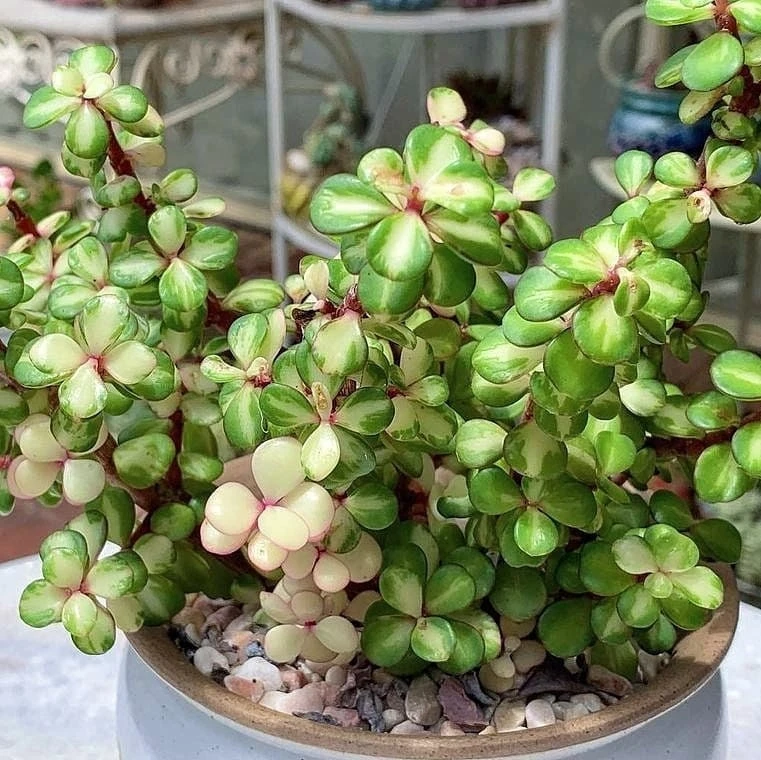
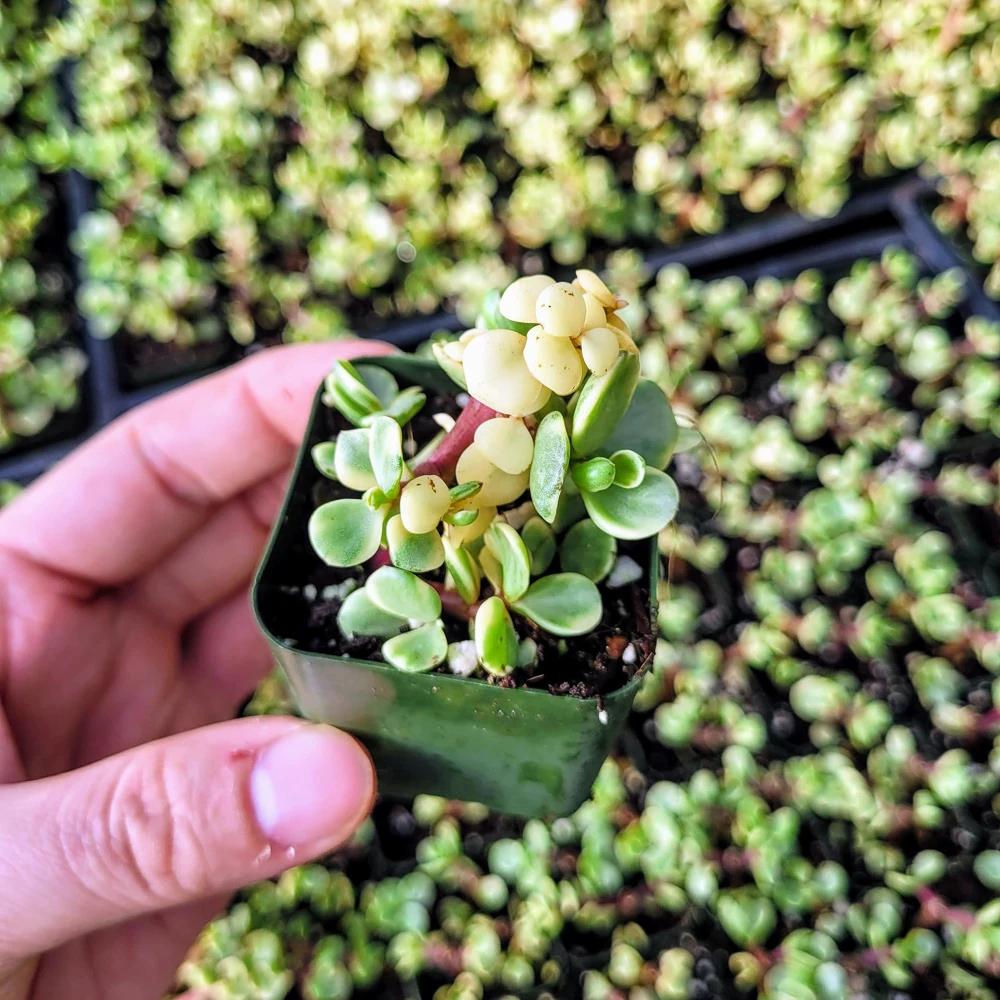
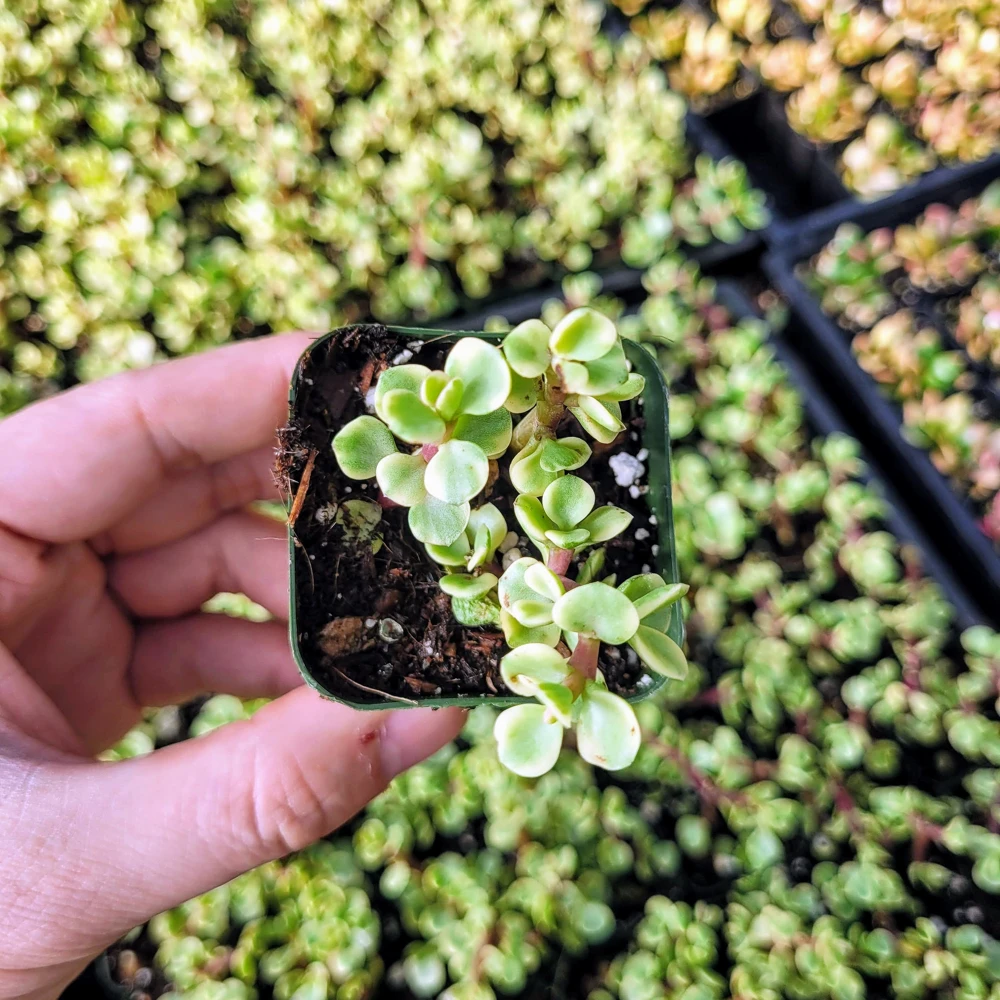
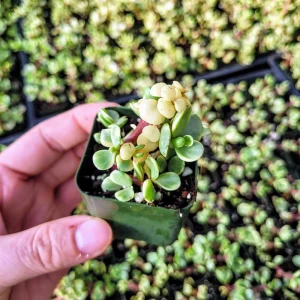
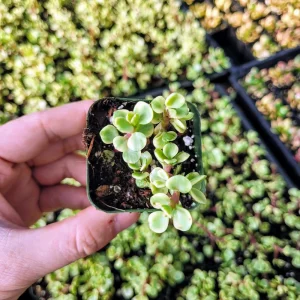
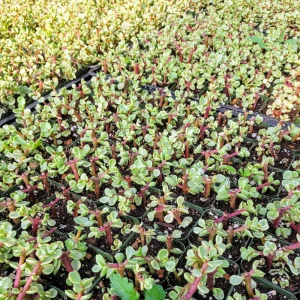
Bring home a beautiful variegated elephant bush, also known as Portulacaria afra ‘Variegata’. This charming 2-inch potted succulent is an ideal, low-maintenance houseplant for sunny indoor locations, featuring attractive green and cream foliage and reddish stems.
Original price was: $28.00.$14.00Current price is: $14.00.

With our Alive & Thrive Guarantee, we’ve got your back for the first 30 days! If you have any concerns about your plants, just reach out to us. Our team is here to help answer your questions and guide you in selecting the best plants for your garden, climate, and unique preferences. We're excited to help you create the garden of your dreams!
Estimated arrival
Oct 12
Oct 17 - Oct 19
Oct 22 - Oct 26

Product Details
-
USDA Hardiness Zone
USDA Zones 9-11 (outdoors); year-round indoors -
Soil type
Fast-draining succulent/cactus mix with perlite -
Sunlight Exposure
Bright indirect light -
Expected Planting Period
Year-round indoors
Overview
Introduce a touch of vibrant greenery and unique texture to your indoor space with the exquisite variegated elephant bush. This compact, easy-to-care-for succulent, scientifically known as Portulacaria afra ‘Variegata’, is a fantastic choice for both novice and experienced plant enthusiasts. Originating from South Africa, this drought-tolerant beauty is renowned for its striking variegated leaves, which display a beautiful blend of green and creamy-white, often complemented by reddish stems. The elephant bush succulent adds a bright, cheerful aesthetic to any room, thriving with minimal fuss. Its dwarf size makes it perfect for windowsills, desks, or as part of a succulent arrangement. This live plant arrives healthy and ready to enhance your home or office decor, providing enduring beauty with its distinctive appearance.
The dwarf elephant bush is not only visually appealing but also a resilient plant, making it a rewarding addition to your plant collection. Its natural growth habit is dense and bushy, which contributes to its appeal as a decorative houseplant. The ‘Variegata’ cultivar is particularly prized for its colorful foliage, which can intensify with adequate sunlight. Beyond its beauty, the Portulacaria afra ‘Variegata’ is known for its air-purifying qualities, contributing to a healthier indoor environment. Enjoy the charm and simplicity of this delightful succulent in your home.
Key Benefits
The variegated elephant bush offers numerous advantages that make it a favorite among plant lovers, combining aesthetic appeal with practical benefits. This resilient succulent houseplants is a must-have.
- Stunning Variegated Foliage: The striking green and creamy-white leaves, often with a hint of pink, provide year-round visual interest and brighten any indoor setting.
- Low Maintenance & Easy Care: Perfect for busy individuals or beginners, the variegated elephant bush requires infrequent watering and thrives on neglect, making it one of the easiest succulent houseplants to care for.
- Compact & Versatile Size: Its dwarf habit makes it ideal for small spaces, terrariums, succulent gardens, or as a charming desk plant.
- Drought Tolerant: As a succulent, it stores water in its leaves and stems, allowing it to withstand periods of dryness and reducing the need for constant watering.
- Air Purifying: Like many houseplants, the elephant bush succulent contributes to improved indoor air quality by filtering out toxins.
- Pet-Friendly: Unlike some succulents, Portulacaria afra is generally considered non-toxic to pets, making it a safer option for homes with animals.
- Attractive Red Stems: The reddish stems provide a beautiful contrast to the variegated leaves, adding another layer of visual appeal to the plant.
Plant Care & Growing Tips
Caring for your variegated elephant bush is straightforward, ensuring it remains a vibrant and healthy addition to your home. This resilient Portulacaria afra ‘Variegata’ thrives with consistent, but minimal, attention. For optimal growth, place your plant in a location that receives bright, indirect sunlight for at least 6 hours a day. While it can tolerate some direct morning sun, prolonged exposure to intense afternoon sun, especially outdoors, can scorch its delicate leaves. Indoors, a south or west-facing window is often ideal. If you notice the variegation fading, it may need more light.
Watering is perhaps the most crucial aspect of caring for your elephant bush succulent. It is essential to allow the soil to dry out completely between waterings to prevent root rot. Depending on your climate and indoor conditions, this could mean watering once every 1-2 weeks in warmer months and even less frequently in cooler, dormant periods. Always check the soil moisture with your finger before watering. When you do water, do so thoroughly until water drains from the bottom of the pot. Use a well-draining soil mix; a specialized succulent and cactus mix, supplemented with perlite or coarse sand, is highly recommended to ensure excellent drainage. If kept indoors, a terracotta pot can further aid in preventing overwatering by allowing the soil to breathe.
Fertilize your dwarf elephant bush sparingly, typically once a month during its active growing season (spring and summer) using a balanced, diluted liquid houseplant fertilizer. Avoid fertilizing during the dormant winter months. The ideal temperature range for this plant is between 65-80°F (18-27°C). It is not frost-tolerant, so if you live in a region with cold winters, ensure it is brought indoors before temperatures drop. Propagation is easy from stem cuttings, making it simple to share or expand your collection of succulent houseplants. With these simple care tips, your Portulacaria afra ‘Variegata’ will flourish.
Size & Details
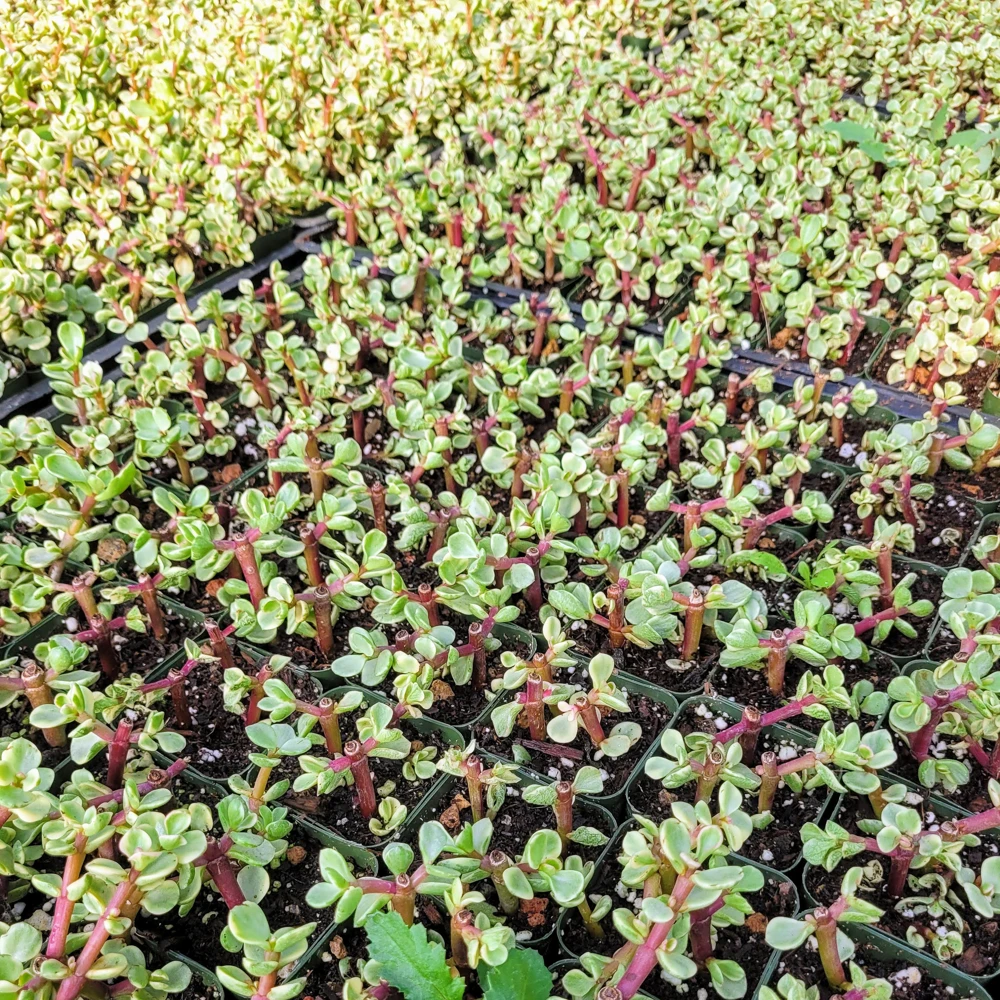
This offering includes one healthy, live variegated elephant bush plant, meticulously grown and ready for its new home. Each plant is carefully cultivated in a 2-inch nursery pot, providing a perfect starter size for display on windowsills, desks, or as part of a larger succulent arrangement. The compact nature of this Portulacaria afra ‘Variegata’ makes it an excellent choice for those with limited space or for creating intricate miniature landscapes. While the exact height and width may vary slightly due to natural plant growth, you can expect a well-rooted specimen that is approximately 2-4 inches tall and wide at the time of shipment, already exhibiting its characteristic variegated foliage and reddish stems.
The elephant bush succulent is known for its relatively fast growth rate under optimal conditions, allowing it to quickly establish itself and begin to fill out its container. It is shipped securely in its nursery pot with appropriate filler to minimize stress during transit, ensuring it arrives in the best possible condition. This dwarf elephant bush is a juvenile plant, offering you the satisfaction of watching it mature and develop its unique form. With proper care, this variegated elephant bush will continue to grow and thrive, becoming a cherished part of your indoor garden.
Frequently Asked Questions
- Q: How big does this plant get? A: The variegated elephant bush is typically a dwarf variety. While it can grow larger over many years, in a pot, it usually remains compact, reaching about 6-12 inches tall and wide, making it perfect for indoor spaces.
- Q: What size pot does it come in? A: This Portulacaria afra ‘Variegata’ is shipped in a 2-inch nursery pot, providing a good base for its initial growth and easy transplanting if desired.
- Q: Is this an indoor or outdoor plant? A: The variegated elephant bush can thrive both indoors and outdoors in appropriate climates. It is best suited as an indoor houseplant in most US regions, especially where winter temperatures drop below freezing, as it is not frost-hardy.
- Q: How much sunlight does it need? A: This elephant bush succulent requires bright, indirect light for at least 6 hours daily. It can tolerate some direct morning sun but should be protected from harsh afternoon sun to prevent leaf scorching.
- Q: Is this plant easy to care for? A: Yes, the dwarf elephant bush is considered one of the easiest succulents to care for, making it an excellent choice for beginners. Its drought tolerance means infrequent watering is key.
- Q: What condition will it arrive in? A: Your variegated elephant bush will arrive as a healthy, live plant in its 2-inch nursery pot, carefully packaged to minimize damage during shipping. Some minor imperfections may occur due to transit.
- Q: Is it pet-safe? A: Yes, Portulacaria afra ‘Variegata’ is generally considered non-toxic to cats and dogs, making it a safer option for homes with pets compared to many other houseplants.
- Q: What’s the best soil for this succulent? A: The best soil for your succulent houseplants like the elephant bush is a fast-draining mix, such as a commercial succulent and cactus soil, often amended with perlite for extra drainage.
- Q: How often should I water my variegated elephant bush? A: Water sparingly, only when the soil has completely dried out. This could be once every 1-2 weeks during warmer months and even less in winter. Overwatering is the most common cause of problems.
- Q: Will its colors change? A: The vibrant variegation of the variegated elephant bush can intensify with adequate bright light, sometimes showing more reddish tones on the stems and leaf edges, especially when slightly stressed or receiving more sun.
Related products
-30%
Original price was: $129.98.$90.98Current price is: $90.98.
-30%
Original price was: $47.98.$33.58Current price is: $33.58.
-30%
Original price was: $79.98.$55.98Current price is: $55.98.
-30%
Original price was: $79.98.$55.98Current price is: $55.98.
-30%
Original price was: $79.98.$55.98Current price is: $55.98.
-97%
Original price was: $316.80.$9.92Current price is: $9.92.
-30%
Original price was: $79.98.$55.98Current price is: $55.98.
PLANTING & CARE
Lemon Tree Growing: Choose, Plant, and Harvest
Learn how to choose, plant, feed, and protect a lemon tree so it fits your
23
Sep
Sep
Dwarf Meyer Lemon Tree Australia: Climate Guide
Learn where dwarf Meyer lemon trees grow, how much cold they tolerate, and whether Australia,
Where to Buy a Dwarf Meyer Lemon Tree: Buyer’s Guide
Find the right dwarf Meyer lemon tree online or locally, compare starter sizes and costs,
Dwarf Meyer Lemon Tree for Sale: Buying Guide
Compare Meyer lemon tree sizes, prices, shipping limits, indoor growing and California options before you
Dwarf Meyer Lemon Tree Guide: Size, Care and Fruit
META: Learn how large a dwarf Meyer lemon tree grows, where it thrives, and how
How to Prune a Dwarf Meyer Lemon Tree
Learn when and how to prune a dwarf Meyer lemon tree, including tools, shaping cuts,
Can You Grow a Dwarf Meyer Lemon Tree in a Pot?
META: Learn how to grow a dwarf Meyer lemon tree in a pot, including container
When Do Dwarf Meyer Lemon Trees Bloom and Fruit?
META: Dwarf Meyer lemon trees usually bloom from winter through spring and may flower again