Variegated Strawberry Begonia Live Plant – Saxifraga Stolonifera Tricolor – 2.5 inch, 4 inch Pot – Indoor/Outdoor
-44%
Variegated Strawberry Begonia Live Plant – Saxifraga Stolonifera Tricolor – 2.5 inch, 4 inch Pot – Indoor/Outdoor
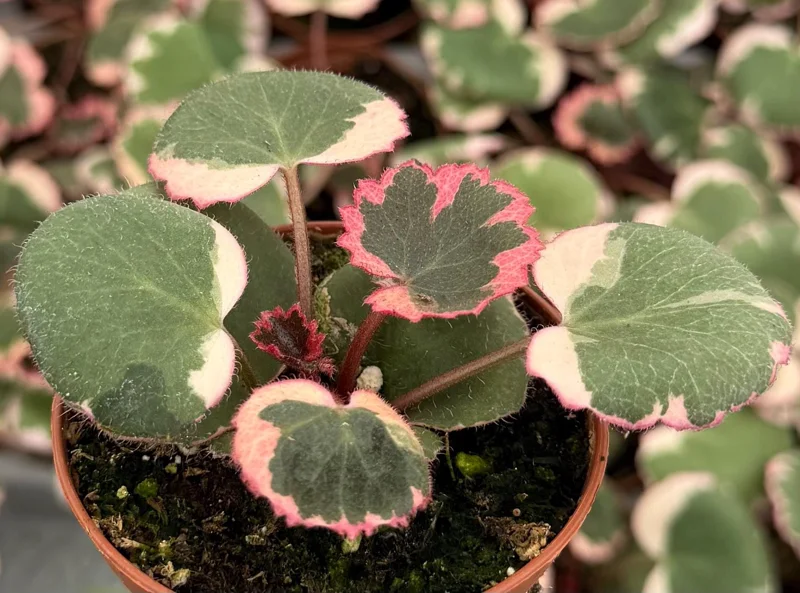
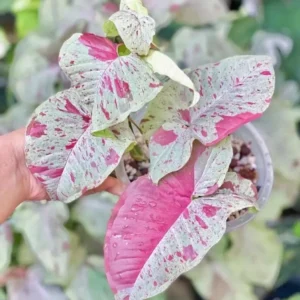
Bring a touch of vibrant charm to your home or garden with the stunning variegated strawberry begonia. Also known as Saxifraga Stolonifera Tricolor, this live plant features beautiful green, cream, and pink variegated foliage. Ideal for hanging baskets, groundcover, or as a delightful houseplant, it’s easy to care for and thrives in partial to full shade. Perfect for adding year-round color and texture.
Original price was: $39.60.$21.98Current price is: $21.98.

With our Alive & Thrive Guarantee, we’ve got your back for the first 30 days! If you have any concerns about your plants, just reach out to us. Our team is here to help answer your questions and guide you in selecting the best plants for your garden, climate, and unique preferences. We're excited to help you create the garden of your dreams!
Estimated arrival
Nov 12
Nov 17 - Nov 19
Nov 22 - Nov 26

Product Details
-
USDA Hardiness Zone
USDA zones 6-9 (outdoors), year-round indoors -
Soil type
Well-draining potting mix -
Sunlight Exposure
Bright indirect light to partial shade -
Expected Planting Period
Year-round indoors; spring to early summer outdoors
Overview
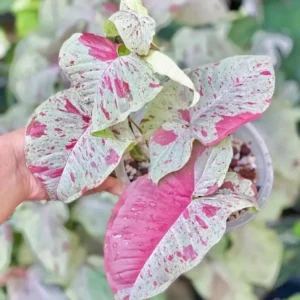
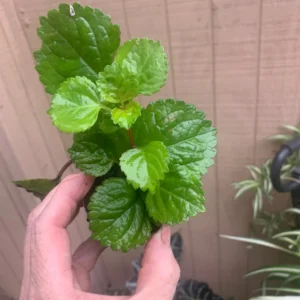
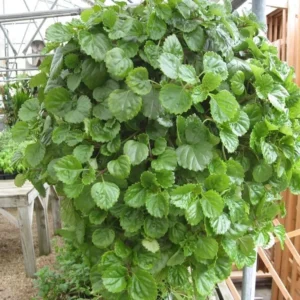
Introduce a splash of unique color and texture to your plant collection with the exquisite variegated strawberry begonia, also widely known as Saxifraga Stolonifera Tricolor. This live plant is celebrated for its intricate foliage, showcasing a captivating blend of green, creamy white, and rosy pink hues. Its delicate, round leaves often feature prominent veins and a reddish underside, making it a true visual delight. Despite its common name, the strawberry begonia plant is not a true begonia but rather a member of the Saxifragaceae family, known for its charming, strawberry-like runners that produce new plantlets. This versatile plant is perfect for those seeking an attractive, relatively low-maintenance option for both indoor environments and shaded outdoor garden spots.
Originally hailing from East Asia, the Saxifraga Stolonifera Tricolor has earned its place as a popular ornamental due to its striking appearance and adaptability. It creates a lush, cascading effect when grown in hanging baskets or containers, and can also serve as an effective groundcover in suitable outdoor conditions. Its charming white flowers on tall, slender stems add an extra layer of beauty, typically appearing in late spring to early summer. Whether you’re a seasoned plant enthusiast or a budding green thumb, this variegated beauty offers an engaging and rewarding growing experience, transforming any space into a vibrant botanical haven.
Key Benefits
The variegated strawberry begonia offers a multitude of benefits, making it an excellent choice for various garden styles and indoor decor. Its distinctive appearance and easy-care nature contribute significantly to its appeal.
- Stunning Variegated Foliage: The primary draw of this plant is its exceptional leaf coloration. The vibrant mix of green, cream, and pink creates a dynamic visual interest that stands out in any setting. This natural artistry means your plant will always be a conversation starter.
- Versatile Growing Habits: This plant excels in multiple roles. Use it as a charming houseplant, a trailing accent in hanging baskets, or as an attractive groundcover in shaded garden areas. Its adaptability makes it suitable for various design applications.
- Easy Propagation: The Saxifraga Stolonifera Tricolor produces runners with plantlets, much like a strawberry plant. This makes it incredibly easy to propagate new plants, allowing you to expand your collection or share with friends and family without much effort.
- Low Maintenance: Ideal for busy individuals or beginner gardeners, the strawberry begonia plant is forgiving and requires minimal fuss. Once its basic needs for light and water are met, it thrives with little intervention, making it a stress-free addition to your home.
- Adds Year-Round Interest: As an evergreen perennial in warmer climates and a beloved houseplant elsewhere, its beautiful foliage provides consistent color and texture throughout the year, preventing dull spots in your indoor or outdoor spaces.
- Air Purifying Qualities: Like many houseplants, the indoor variegated plant contributes to a healthier indoor environment by helping to filter airborne toxins, improving air quality and promoting a more pleasant living space.
Plant Care & Growing Tips
Caring for your variegated strawberry begonia is relatively straightforward, ensuring it remains a vibrant and healthy addition to your home or garden. Understanding its preferred conditions will help it thrive and produce its beautiful foliage and occasional delicate flowers.
When it comes to sunlight, the Saxifraga Stolonifera Tricolor prefers bright, indirect light. Direct, harsh sunlight, especially in the afternoon, can scorch its delicate leaves and fade its vibrant variegation. If grown indoors, an east or north-facing window is ideal, or a spot a few feet away from a south or west-facing window. For outdoor cultivation, a location with partial to full shade is best, mimicking its natural understory habitat. Avoid deep, dark shade as this can lead to leggy growth and reduced variegation.
Watering should be consistent but moderate. Allow the top inch of soil to dry out completely between waterings. Overwatering is a common issue for this plant and can lead to root rot, so ensure good drainage. During winter months or periods of lower light, reduce watering frequency. The plant also appreciates higher humidity, especially indoors. You can achieve this by misting regularly, placing it near a humidifier, or using a pebble tray. Use a well-draining potting mix that retains some moisture but doesn’t become waterlogged. A mix formulated for houseplants or African violets often works well. Fertilize sparingly during the growing season (spring and summer) with a balanced liquid fertilizer diluted to half strength. No fertilization is needed during fall and winter. The shade garden plant is hardy in USDA zones 6-9 outdoors, but often grown as an annual or houseplant in colder regions. Protect it from frost.
Size & Details
Our variegated strawberry begonia plants are offered in two convenient sizes: a 2.5-inch nursery pot and a 4-inch nursery pot, providing options suitable for immediate display or for potting into larger decorative containers. These are live, established plants, shipped potted in their soil to ensure minimal transplant shock and a healthy start in your home. The plant typically forms a compact clump, reaching an average height of 6 to 12 inches and spreading up to 12 to 18 inches wide, especially when allowed to trail or spread via its characteristic runners. The growth rate is moderate, and with proper care, you can expect it to fill out its space beautifully within a single growing season.
Each plant will arrive with its distinctive variegated foliage, ready to brighten your space. While flowering is not guaranteed upon arrival, mature plants typically produce delicate white, star-shaped flowers on slender stalks in late spring to early summer. These blooms add an extra layer of charm to the already attractive foliage. The runners, which extend from the main plant, will develop small plantlets at their tips, offering an easy way to propagate and expand your collection. This ensures you can enjoy the beauty of the strawberry begonia plant for years to come, either by letting it spread naturally or by creating new individual plants.
Frequently Asked Questions
- Q: How big does this plant get? A: The variegated strawberry begonia typically grows to about 6 to 12 inches tall and can spread up to 12 to 18 inches wide, especially when it produces its runners. Its compact size makes it suitable for a variety of spaces.
- Q: What size pot does it come in? A: This plant is available in two sizes: a 2.5-inch nursery pot and a 4-inch nursery pot. Both sizes are established live plants, ready for your home or garden.
- Q: Is this an indoor or outdoor plant? A: The Saxifraga Stolonifera Tricolor is versatile and can be grown both indoors as a houseplant or outdoors in suitable climates. It thrives in partial to full shade outdoors.
- Q: How much sunlight does it need? A: It prefers bright, indirect light. Avoid direct, intense sunlight, which can burn its leaves. For outdoor planting, a shady or partially shaded location is ideal for this shade garden plant.
- Q: Is this plant easy to care for? A: Yes, the variegated strawberry begonia is considered relatively easy to care for, making it a great choice for beginners. It requires consistent watering but allows the soil to dry slightly between waterings.
- Q: What condition will it arrive in? A: Your plant will arrive as a healthy, live potted plant, carefully packaged to ensure its safe journey. It will be in its nursery pot with soil.
- Q: Is it pet-safe? A: The strawberry begonia plant is generally considered non-toxic to cats and dogs, making it a safer choice for homes with pets. However, it’s always best to prevent pets from ingesting any plant material.
- Q: How long until it blooms? A: Mature plants typically produce delicate white flowers in late spring to early summer. The exact timing can vary depending on growing conditions and plant maturity.
- Q: Will it survive winter in my zone? A: Outdoors, it is hardy in USDA zones 6-9. In colder zones, it is best grown as an annual or brought indoors for the winter as an indoor variegated plant.
- Q: What type of soil is best for this plant? A: A well-draining potting mix is essential. A mix designed for houseplants or African violets that retains some moisture but doesn’t become waterlogged is ideal.
Related products
-30%
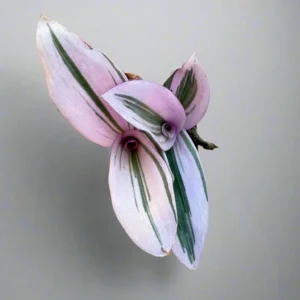
Original price was: $13.98.$9.78Current price is: $9.78.
-39%
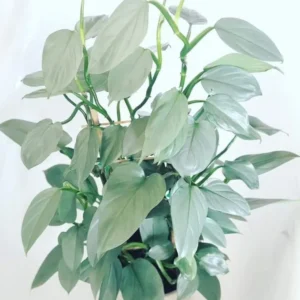
Original price was: $49.00.$29.99Current price is: $29.99.
-30%
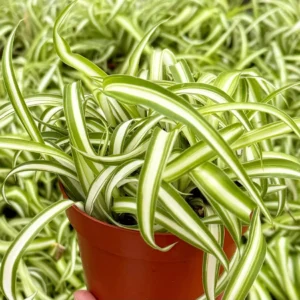
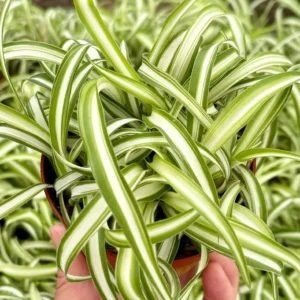
Original price was: $25.98.$18.18Current price is: $18.18.

PLANTING & CARE
Lemon Tree Growing: Choose, Plant, and Harvest
Learn how to choose, plant, feed, and protect a lemon tree so it fits your
23
Sep
Sep
Dwarf Meyer Lemon Tree Australia: Climate Guide
Learn where dwarf Meyer lemon trees grow, how much cold they tolerate, and whether Australia,
Where to Buy a Dwarf Meyer Lemon Tree: Buyer’s Guide
Find the right dwarf Meyer lemon tree online or locally, compare starter sizes and costs,
Dwarf Meyer Lemon Tree for Sale: Buying Guide
Compare Meyer lemon tree sizes, prices, shipping limits, indoor growing and California options before you
Dwarf Meyer Lemon Tree Guide: Size, Care and Fruit
META: Learn how large a dwarf Meyer lemon tree grows, where it thrives, and how
How to Prune a Dwarf Meyer Lemon Tree
Learn when and how to prune a dwarf Meyer lemon tree, including tools, shaping cuts,
Can You Grow a Dwarf Meyer Lemon Tree in a Pot?
META: Learn how to grow a dwarf Meyer lemon tree in a pot, including container
When Do Dwarf Meyer Lemon Trees Bloom and Fruit?
META: Dwarf Meyer lemon trees usually bloom from winter through spring and may flower again