Verbena Live Plant – Vibrant Flowers – 6 inch Pot – Outdoor Garden
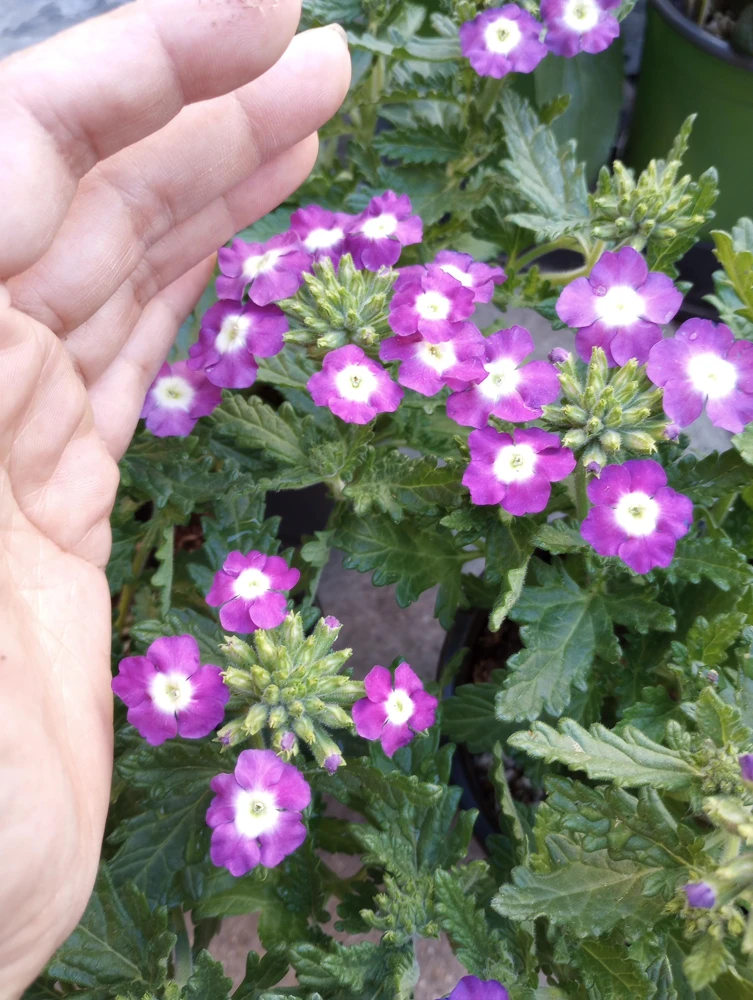
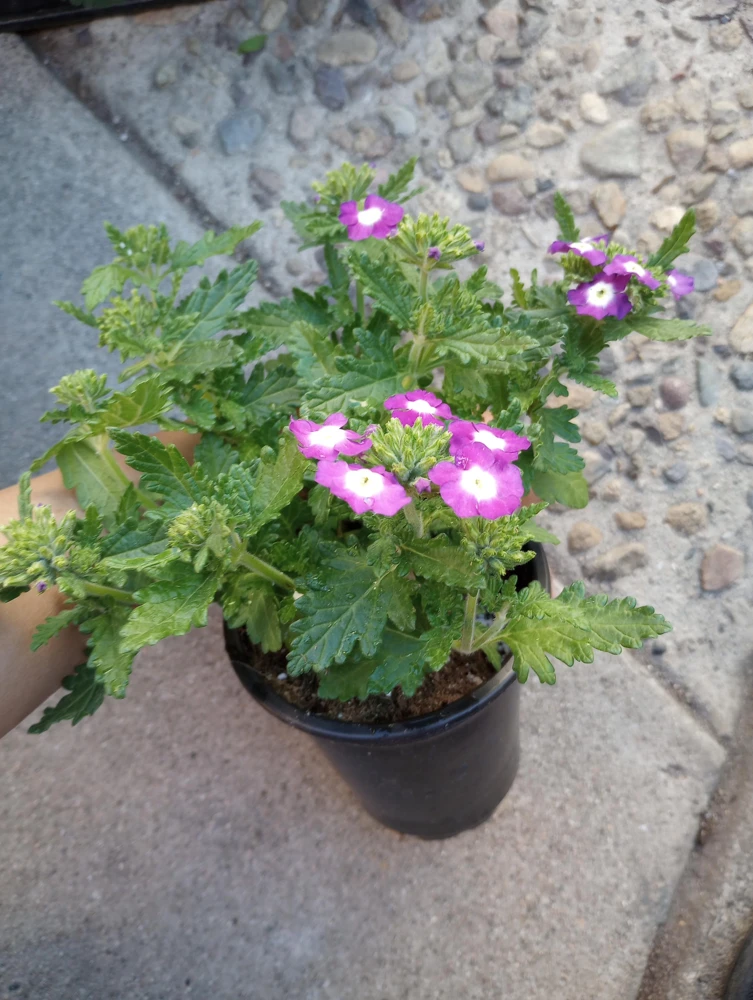
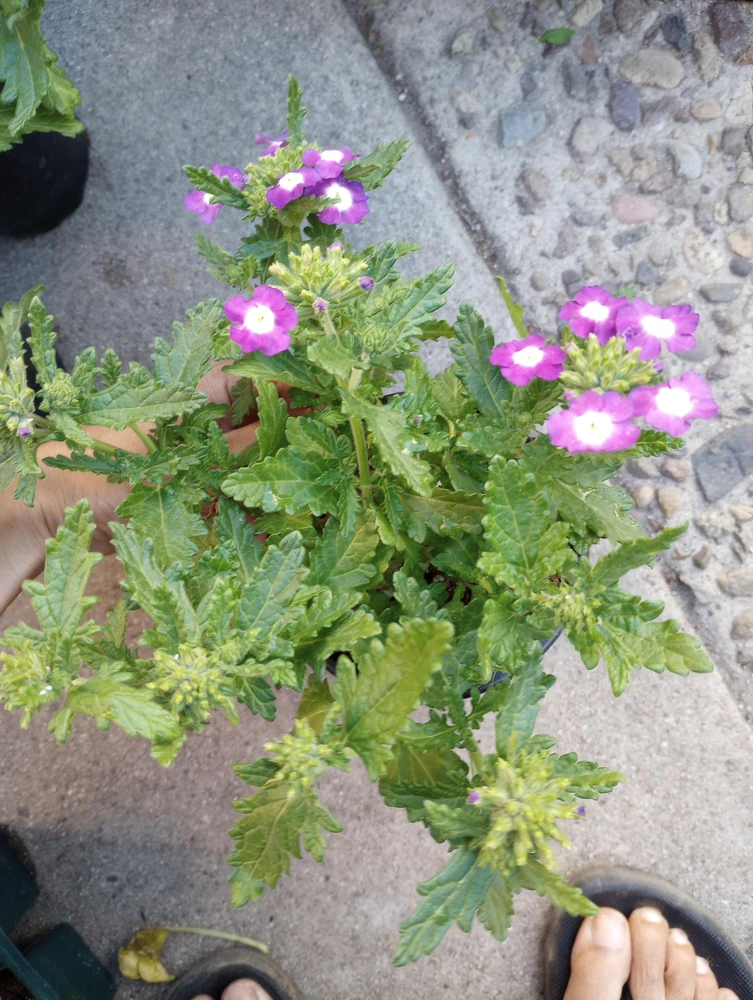
Verbena Live Plant – Vibrant Flowers – 6 inch Pot – Outdoor Garden
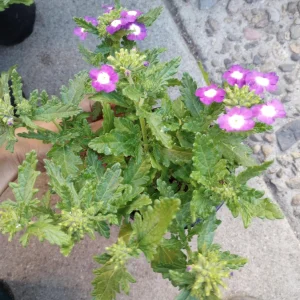
Bring vibrant color to your garden with this beautiful verbena live plant. Arriving in a 6 inch pot, it’s ready to thrive outdoors in full sun. Enjoy continuous blooms and attract pollinators with this easy-care flowering plant.
$25.98

With our Alive & Thrive Guarantee, we’ve got your back for the first 30 days! If you have any concerns about your plants, just reach out to us. Our team is here to help answer your questions and guide you in selecting the best plants for your garden, climate, and unique preferences. We're excited to help you create the garden of your dreams!
Estimated arrival
Oct 14
Oct 19 - Oct 21
Oct 24 - Oct 28
Product Details
-
USDA Hardiness Zone
USDA zones 7-11 (or grown as annuals elsewhere) -
Soil type
Well-draining soil -
Sunlight Exposure
Full sun -
Expected Planting Period
Spring to early summer
Overview
Transform your outdoor space with a stunning verbena live plant, delivered right to your door in a healthy 6 inch pot. These vigorous flowering plants are celebrated for their abundant and long-lasting blooms, which can add a splash of continuous color to garden beds, hanging baskets, and containers throughout the growing season. Verbena, known scientifically as Verbena bonariensis or various hybrid forms, is a versatile and resilient plant that thrives in sunny conditions, making it an excellent choice for gardeners seeking both beauty and durability. Whether you’re a seasoned gardener or just starting out, the vibrant hues and easy-care nature of verbena make it a rewarding addition to any landscape. This particular verbena live plant is carefully cultivated to ensure it arrives ready to flourish, providing an instant upgrade to your patio or garden.
Verbena is particularly cherished for its ability to attract beneficial insects, including butterflies and bees, making your garden a lively and ecological haven. Its delicate yet impactful flowers create a charming, cottage-garden aesthetic while requiring minimalfuss. This plant is a fantastic choice for those looking to create dynamic floral displays that last from spring until the first frost. With its compact growth habit in a 6 inch pot, it’s perfectly sized for immediate outdoor planting or as a standalone container specimen.
Key Benefits
Choosing a verbena live plant offers numerous advantages for any garden enthusiast. Its natural resilience and striking beauty make it a standout choice for various planting schemes. Here are some of the key benefits you’ll enjoy:
- Vibrant, Continuous Blooms: Verbena produces a profusion of colorful flowers that bloom continuously from late spring through fall, ensuring your garden remains vibrant for months. These long-lasting blooms are perfect for adding consistent visual interest.
- Attracts Pollinators: The nectar-rich flowers of verbena are a magnet for butterflies, bees, and other beneficial pollinators, helping to support local ecosystems and enhance the biodiversity of your garden. It’s an excellent choice for creating a pollinator-friendly habitat.
- Drought Tolerant: Once established, verbena is highly drought-tolerant, requiring less frequent watering than many other flowering plants. This makes it an ideal choice for water-wise gardening and for those in drier climates, reducing maintenance efforts.
- Low Maintenance: This plant is remarkably easy to care for, making it suitable for both experienced gardeners and beginners. It requires minimal pruning and is generally resistant to pests and diseases, allowing you more time to enjoy its beauty.
- Versatile Use: The compact size of the verbena live plant in its 6 inch pot makes it incredibly versatile. It’s perfect for mass plantings in garden beds, as a spiller in hanging baskets, or as a vibrant focal point in patio containers. You can also learn about growing verbena in pots for stunning displays.
- Deer Resistant: Verbena is generally considered deer resistant, which is a significant advantage for gardeners in areas where deer browsing is a concern. Enjoy its beauty without worrying about unwelcome visitors.
- Excellent for Groundcover: Some varieties of verbena spread beautifully, making them an effective and attractive groundcover that suppresses weeds while providing a carpet of color.
Plant Care & Growing Tips
Caring for your verbena live plant is straightforward, ensuring a season of abundant blooms with minimal effort. Verbena thrives in conditions that mimic its natural habitat, favoring plenty of sunshine and well-drained soil. For optimal growth and flowering, plant your verbena in a location that receives at least 6-8 hours of direct sunlight each day. Full sun exposure is crucial for encouraging dense growth and prolific blooming. If planted in too much shade, the plant may become leggy and produce fewer flowers. When considering growing verbena in pots, ensure the pot is placed in a sunny spot on your patio or balcony.
When it comes to watering, verbena prefers consistently moist soil after planting, but once established, it becomes quite drought-tolerant. Allow the top inch or two of soil to dry out completely between waterings to prevent root rot. Overwatering is a common mistake that can harm verbena plants. Ensure your soil or potting mix is well-draining. A sandy loam or a general-purpose potting mix amended with perlite or coarse sand is ideal. Good drainage is paramount to prevent waterlogging around the roots.
Verbena generally prefers temperatures between 60-85°F (15-30°C). Most varieties are considered tender perennials or annuals in cooler climates, thriving in USDA zones 7-11. In colder zones, they are often grown as annuals or overwintered indoors. Fertilize your verbena live plant every 4-6 weeks during the growing season with a balanced liquid fertilizer to support continuous blooming. Deadheading spent flowers is not always necessary for all varieties, but it can encourage more blooms and maintain a tidy appearance. Watch out for common pests like aphids or spider mites, though verbena is generally robust. Proper air circulation helps prevent fungal issues.
Size & Details
This verbena live plant arrives ready to plant, cultivated in a sturdy 6 inch pot. At the time of shipment, the plant typically stands between 6 to 10 inches tall and has a spread of approximately 8 to 12 inches, depending on the specific variety and growth stage. Verbena is known for its relatively fast growth rate, quickly filling out containers or garden spaces to create a lush display. When mature, most garden verbena varieties can reach a height of 12-24 inches with a spread of 18-36 inches, though creeping varieties may spread more extensively. The plant is shipped with its root ball intact within the nursery pot, ensuring a smooth transition to your garden or larger container. Expect to see continuous flowering from late spring through fall, providing vibrant color for many months.
The compact nature of this plant, especially when young, makes it perfect for integrating into existing garden designs or starting new ones. It’s ideal for layering in flower beds, creating a colorful border, or as a cheerful addition to mixed container arrangements. Understanding growing verbena in pots can help you maximize its potential on patios and balconies. This plant is also excellent for attracting hummingbirds and other beneficial insects, making it a great choice for enhancing your garden’s biodiversity and for those interested in supporting verbena for pollinators. Its robust nature means it establishes quickly, providing beautiful blooms with minimal fuss.
Frequently Asked Questions
- Q: How big does this verbena plant get? A: This verbena live plant arrives in a 6 inch pot. Mature verbena plants typically grow to about 12-24 inches tall with a spread of 18-36 inches, depending on the variety and growing conditions.
- Q: Is this an indoor or outdoor plant? A: Verbena is primarily an outdoor plant that thrives in full sun. While it can be overwintered indoors in colder climates, it performs best when planted in outdoor garden beds or containers.
- Q: How much sunlight does it need? A: For optimal blooming and healthy growth, your verbena live plant requires at least 6-8 hours of direct sunlight per day. Full sun exposure is crucial for vibrant flowers.
- Q: Is this plant easy to care for? A: Yes, verbena is considered a low-maintenance plant and is relatively easy to care for, making it a good choice for beginners. It’s drought-tolerant once established and generally pest-resistant. You can find more details on general verbena plant care within this description.
- Q: What condition will it arrive in? A: Your verbena will arrive as a healthy, actively growing plant in a 6 inch pot, with its root system intact and ready for planting. We take care to package it securely to ensure a safe journey.
- Q: When is the best time to plant verbena? A: The best time to plant verbena is in spring after the last frost, allowing it ample time to establish before the heat of summer. It will then bloom continuously through fall.
- Q: Will it survive winter in my zone? A: Verbena is generally hardy in USDA Zones 7-11. In colder zones, it is typically grown as an annual. Some perennial varieties may survive winter with appropriate mulching.
- Q: Can I grow verbena in hanging baskets? A: Absolutely! Many verbena varieties, especially trailing types, are excellent for hanging baskets and containers, providing a beautiful cascading effect of color. This is a popular method for growing verbena in pots.
- Q: Does verbena attract butterflies? A: Yes, verbena is well-known for attracting butterflies, bees, and other pollinators to the garden. It’s a fantastic plant for supporting verbena for pollinators and enhancing garden biodiversity.
- Q: What type of soil does verbena prefer? A: Verbena thrives in well-draining soil. A sandy loam or a good quality potting mix amended with perlite or sand works well to ensure proper drainage.
Related products


-82%
Original price was: $50.97.$9.04Current price is: $9.04.
-67%
Original price was: $59.97.$19.99Current price is: $19.99.
-81%
Original price was: $80.97.$15.54Current price is: $15.54.
-67%
Original price was: $44.97.$14.98Current price is: $14.98.
-83%
Original price was: $44.97.$7.74Current price is: $7.74.
-20%
Original price was: $98.00.$78.40Current price is: $78.40.
-33%
Original price was: $44.97.$29.99Current price is: $29.99.
PLANTING & CARE
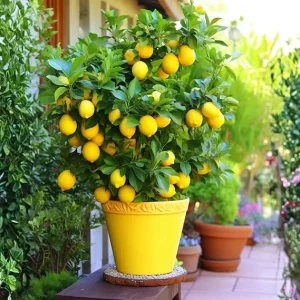
Lemon Tree Growing: Choose, Plant, and Harvest
Learn how to choose, plant, feed, and protect a lemon tree so it fits your
23
Sep
Sep
Dwarf Meyer Lemon Tree Australia: Climate Guide
Learn where dwarf Meyer lemon trees grow, how much cold they tolerate, and whether Australia,
Where to Buy a Dwarf Meyer Lemon Tree: Buyer’s Guide
Find the right dwarf Meyer lemon tree online or locally, compare starter sizes and costs,
Dwarf Meyer Lemon Tree for Sale: Buying Guide
Compare Meyer lemon tree sizes, prices, shipping limits, indoor growing and California options before you
Dwarf Meyer Lemon Tree Guide: Size, Care and Fruit
META: Learn how large a dwarf Meyer lemon tree grows, where it thrives, and how
How to Prune a Dwarf Meyer Lemon Tree
Learn when and how to prune a dwarf Meyer lemon tree, including tools, shaping cuts,
Can You Grow a Dwarf Meyer Lemon Tree in a Pot?
META: Learn how to grow a dwarf Meyer lemon tree in a pot, including container
When Do Dwarf Meyer Lemon Trees Bloom and Fruit?
META: Dwarf Meyer lemon trees usually bloom from winter through spring and may flower again