White Dogwood Tree Live Plant, 6-12″ Tall, Quart Pot, Deciduous Shrub
-50%
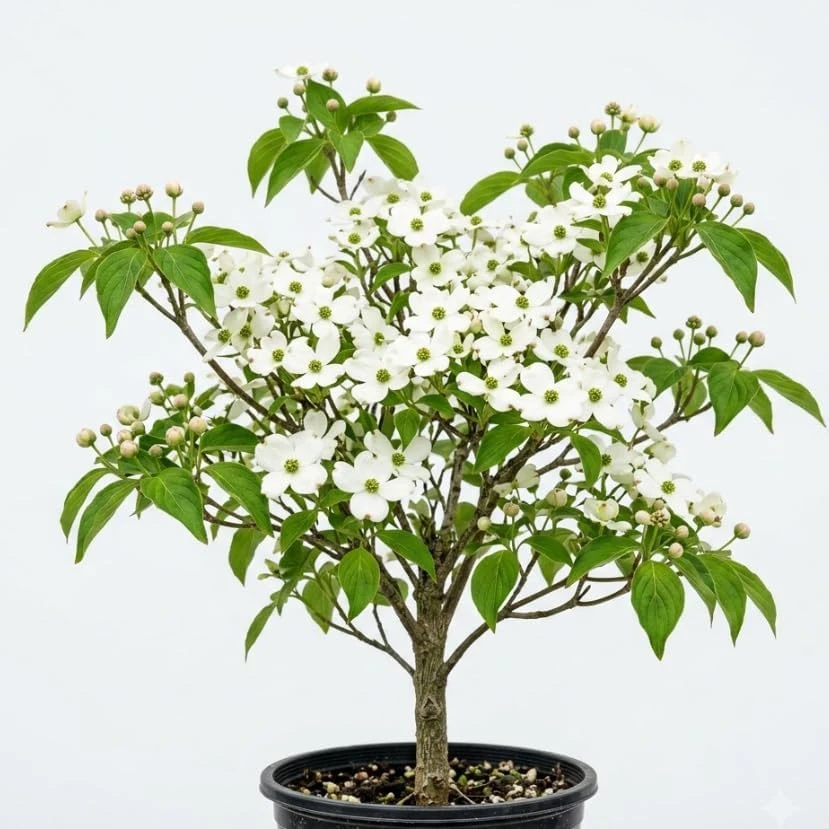
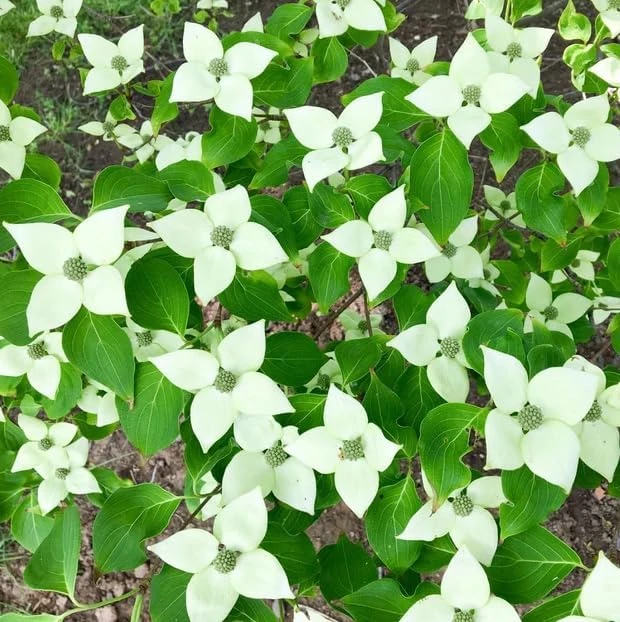
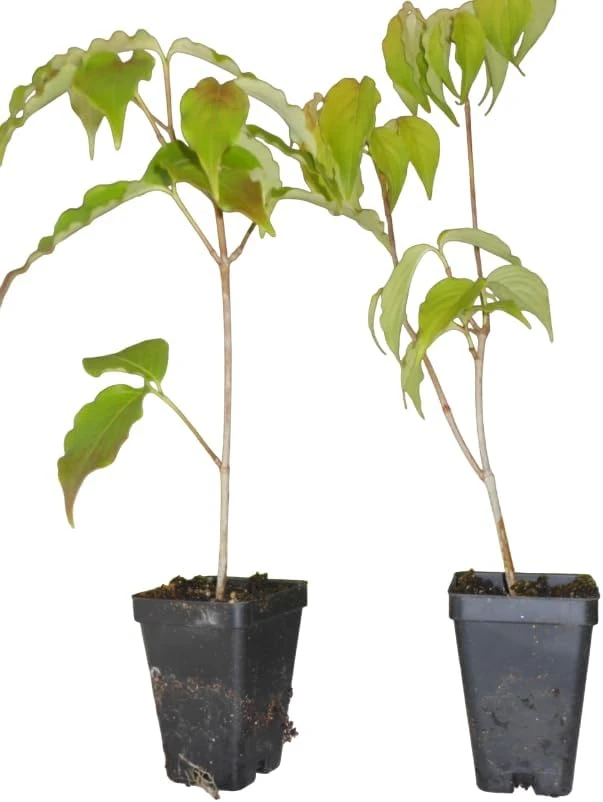
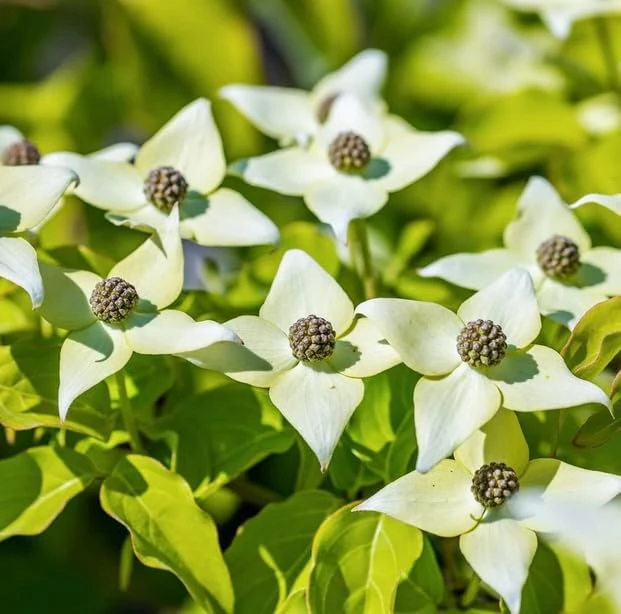
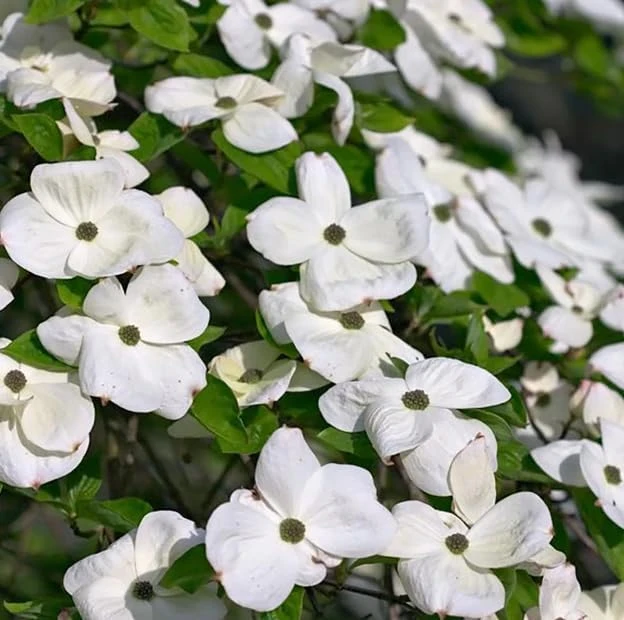
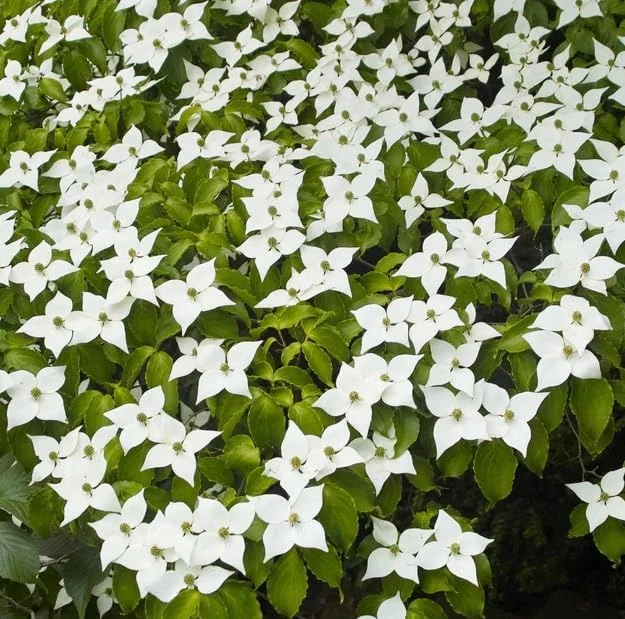
White Dogwood Tree Live Plant, 6-12″ Tall, Quart Pot, Deciduous Shrub
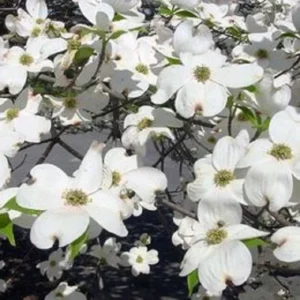
Bring timeless elegance to your landscape with this white dogwood tree live plant. Arriving 6-12 inches tall in a quart pot, this deciduous shrub features beautiful white flowers and is perfect for accent plantings or woodland gardens. Thrives in USDA Zones 5-9.
Original price was: $41.98.$20.99Current price is: $20.99.

With our Alive & Thrive Guarantee, we’ve got your back for the first 30 days! If you have any concerns about your plants, just reach out to us. Our team is here to help answer your questions and guide you in selecting the best plants for your garden, climate, and unique preferences. We're excited to help you create the garden of your dreams!
Estimated arrival
Nov 03
Nov 08 - Nov 10
Nov 13 - Nov 17
Product Details
-
USDA Hardiness Zone
USDA Zones 5-9 -
Soil type
Well-draining, organically rich, slightly acidic soil -
Sunlight Exposure
Partial sun to filtered sunlight -
Expected Planting Period
Spring to early summer or Fall
Overview
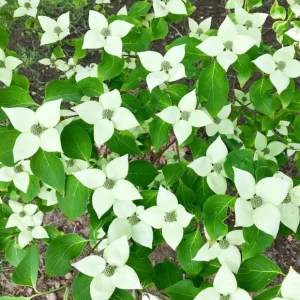
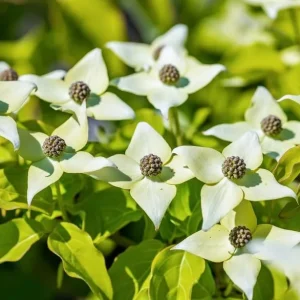
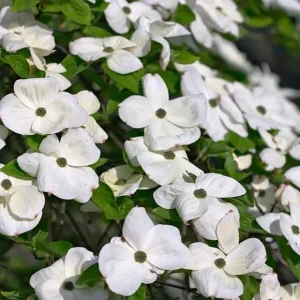
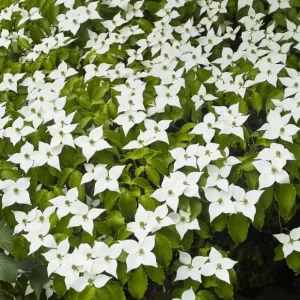
Transform your outdoor space with the classic beauty of a white dogwood tree live plant. This stunning deciduous shrub, scientifically known as Cornus florida, is celebrated for its exquisite spring blossoms and vibrant seasonal interest. Each plant is carefully cultivated and arrives ready to thrive in your garden, bringing a touch of natural elegance to any setting. The flowering dogwood tree is a beloved choice for its delicate white bracts that appear before the leaves, followed by lush green foliage in summer and striking red-purple hues in autumn, making it a focal point throughout the year. It’s an excellent option for gardeners seeking a medium-sized tree that offers both ornamental appeal and ecological benefits, attracting birds and pollinators.
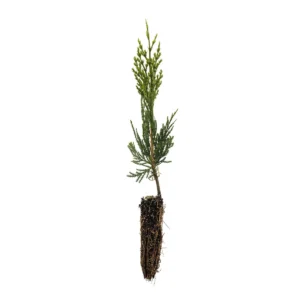
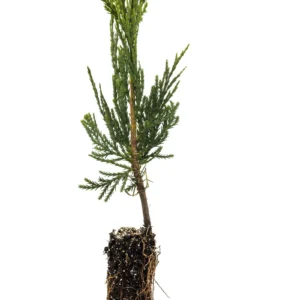
Our white dogwood tree live plant is supplied as a young, vigorous specimen, typically 6-12 inches tall, planted in a quart-sized pot. This size ensures a strong root system, allowing for a smooth transition to your garden or yard. Whether you’re creating a woodland garden, an accent planting, or simply enhancing your front yard, this tree provides reliable beauty and a manageable mature size. Its adaptability to various garden settings and its resilience in different climates make it a popular choice across many regions.
Key Benefits
Choosing a white dogwood tree live plant offers a multitude of advantages for your landscape, enhancing both its aesthetic appeal and ecological value. This versatile tree is a true four-season wonder.
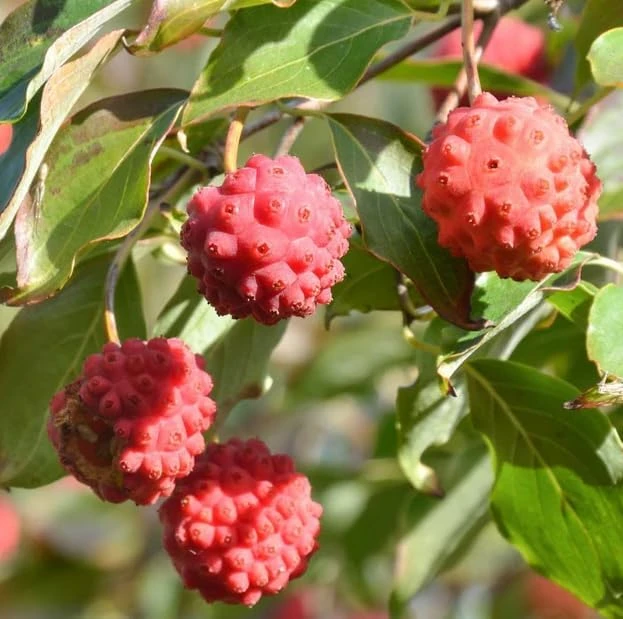
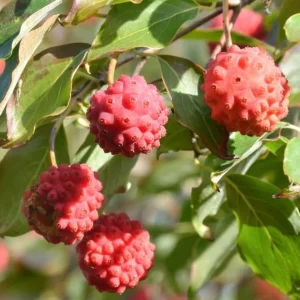
- Stunning Seasonal Display: Enjoy a spectacular show of classic white bracts in spring, followed by attractive green foliage in summer, and brilliant red-purple leaves with vibrant red berries in fall. This continuous display ensures your garden remains captivating throughout the year.
- Attracts Wildlife: The berries produced by the dogwood tree for sale are a vital food source for many bird species, while the flowers attract beneficial pollinators, contributing to local biodiversity and creating a lively garden ecosystem.
- Versatile Landscape Use: With its manageable mature size, the dogwood tree is perfect for various applications, including accent plantings, understory tree in woodland gardens, or as a focal point in smaller yards. Its elegant form complements diverse garden designs.
- Adaptable and Resilient: Thrives in USDA Hardiness Zones 5-9, demonstrating good adaptability to different soil types and environmental conditions. This resilience makes it a reliable choice for many gardeners.
- Low Maintenance Beauty: Once established, the cornus florida plant requires minimal care, making it an excellent option for both experienced and novice gardeners looking for high impact with less effort.
- Adds Architectural Interest: The distinctive branching pattern and elegant shape of the dogwood tree provide significant architectural interest, especially during winter months when its bare branches create a striking silhouette.
- Enhanced Property Value: A well-placed and healthy dogwood tree can significantly boost curb appeal and overall property value, offering long-term investment in your home’s landscape.
Plant Care & Growing Tips
Caring for your white dogwood tree live plant is relatively straightforward, ensuring it flourishes and provides years of beauty. Proper siting and initial care are crucial for establishment. Dogwood trees generally prefer a location with partial sun to filtered sunlight, ideally receiving morning sun and afternoon shade, especially in hotter climates. Too much direct, intense afternoon sun can scorch the leaves, while too much shade can reduce flowering. Aim for 4-6 hours of dappled sunlight daily.
When it comes to watering, consistent moisture is key, particularly during the first year after planting. The soil should be kept evenly moist but not waterlogged. Water deeply once or twice a week, depending on rainfall and soil type, allowing the top inch or two of soil to dry out slightly between waterings. Ensure good drainage, as dogwoods do not tolerate standing water. A well-drained, organically rich, slightly acidic soil (pH 5.5-6.0) is ideal. Amending heavy clay soils with compost or peat moss can improve drainage and provide essential nutrients. The deciduous garden tree is hardy in USDA Zones 5-9, meaning it can withstand winter temperatures down to -20°F (-29°C). Protect young trees from harsh winter winds.
Fertilization is best done in early spring with a balanced, slow-release fertilizer formulated for acid-loving plants. Avoid over-fertilizing, which can lead to excessive foliage growth at the expense of flowers. Pruning is generally minimal, focused on removing dead, damaged, or crossing branches in late winter or early spring before new growth appears. Common problems include powdery mildew, anthracnose, and dogwood borers. Ensuring good air circulation and avoiding overhead watering can help prevent fungal diseases. Regular inspection for pests can allow for early intervention. For any issues with your white dogwood tree live plant, consult local extension services for tailored advice.
Size & Details
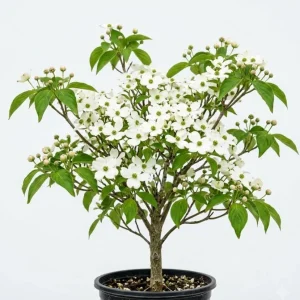
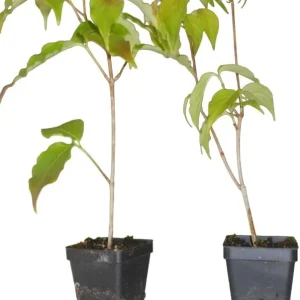
This white dogwood tree live plant arrives as a healthy, young specimen, typically standing between 6 to 12 inches tall from the top of the soil. Each plant is well-rooted in a quart-sized nursery pot, providing ample space for initial growth and ensuring a robust root system ready for transplanting. While young, these trees exhibit a moderate growth rate, typically adding 1-2 feet per year once established. At maturity, a flowering dogwood tree can reach an average height of 15-25 feet with a similar spread, forming a beautiful, rounded canopy. Its compact to medium mature size makes it an excellent choice for a variety of landscape designs without overwhelming smaller spaces.
The plant is shipped in its nursery pot with soil, ensuring minimal shock during transit and providing a seamless transition to your garden. Expect the first significant blooms to appear within 2-4 years after planting, depending on growing conditions and care. The cornus florida plant is a long-lived species, capable of providing decades of beauty and enjoyment in your landscape. Its distinct growth habit and seasonal changes contribute significantly to year-round garden interest.
Frequently Asked Questions
- Q: How big does this plant get? A: This white dogwood tree live plant typically arrives 6-12 inches tall in a quart pot. At maturity, a dogwood tree can reach an average height of 15-25 feet with a similar spread, creating a beautiful, rounded form.
- Q: What size pot does it come in? A: Each dogwood tree for sale is shipped well-established in a quart-sized nursery pot, providing a strong root system for successful transplanting into your garden.
- Q: Is this an indoor or outdoor plant? A: The white dogwood tree live plant is an outdoor deciduous tree, best suited for planting in your yard or garden. It is not recommended as an indoor houseplant.
- Q: How much sunlight does it need? A: Dogwood trees thrive in partial sun to filtered sunlight, ideally receiving morning sun and afternoon shade. Too much intense afternoon sun can be detrimental, especially in warmer climates.
- Q: Is this plant easy to care for? A: Yes, once established, the flowering dogwood tree is relatively low maintenance. It requires consistent watering during establishment and prefers well-drained, acidic soil.
- Q: What condition will it arrive in? A: Your white dogwood tree live plant will arrive as a healthy, well-rooted specimen in its nursery pot with soil, carefully packaged to ensure its safe journey to your home.
- Q: When is the best time to plant? A: The best time to plant your dogwood tree is in early spring or fall when temperatures are moderate. This allows the tree to establish its root system before extreme heat or cold.
- Q: Will it survive winter in my zone? A: This deciduous garden tree is hardy in USDA Zones 5-9. If you live within these zones, it should comfortably survive winter and return with new growth in spring.
- Q: How long until it blooms? A: While your young dogwood tree is healthy, it typically takes 2-4 years after planting for the first significant blooms to appear, depending on growing conditions and care.
- Q: What type of soil does it prefer? A: The cornus florida plant prefers well-drained, organically rich, and slightly acidic soil. Amending heavy clay soils with compost is recommended to improve drainage.
Related products


-50%
Original price was: $180.99.$89.89Current price is: $89.89.
PLANTING & CARE
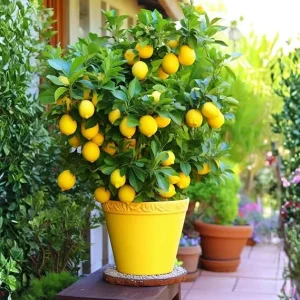
Lemon Tree Growing: Choose, Plant, and Harvest
Learn how to choose, plant, feed, and protect a lemon tree so it fits your
23
Sep
Sep
Dwarf Meyer Lemon Tree Australia: Climate Guide
Learn where dwarf Meyer lemon trees grow, how much cold they tolerate, and whether Australia,
Where to Buy a Dwarf Meyer Lemon Tree: Buyer’s Guide
Find the right dwarf Meyer lemon tree online or locally, compare starter sizes and costs,
Dwarf Meyer Lemon Tree for Sale: Buying Guide
Compare Meyer lemon tree sizes, prices, shipping limits, indoor growing and California options before you
Dwarf Meyer Lemon Tree Guide: Size, Care and Fruit
META: Learn how large a dwarf Meyer lemon tree grows, where it thrives, and how
How to Prune a Dwarf Meyer Lemon Tree
Learn when and how to prune a dwarf Meyer lemon tree, including tools, shaping cuts,
Can You Grow a Dwarf Meyer Lemon Tree in a Pot?
META: Learn how to grow a dwarf Meyer lemon tree in a pot, including container
When Do Dwarf Meyer Lemon Trees Bloom and Fruit?
META: Dwarf Meyer lemon trees usually bloom from winter through spring and may flower again