White Double Bride Hollyhock Seeds – 20 Seeds – Tall, Pollinator-Friendly Perennial
-50%
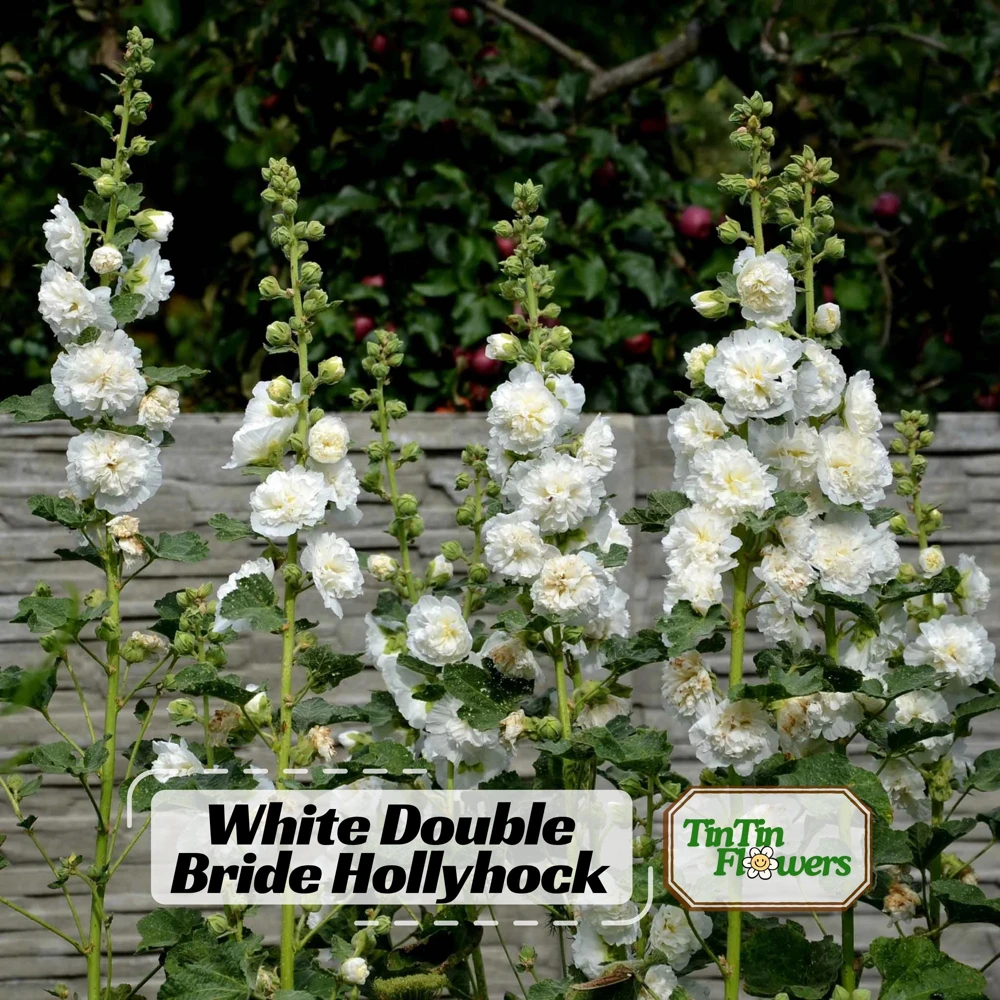
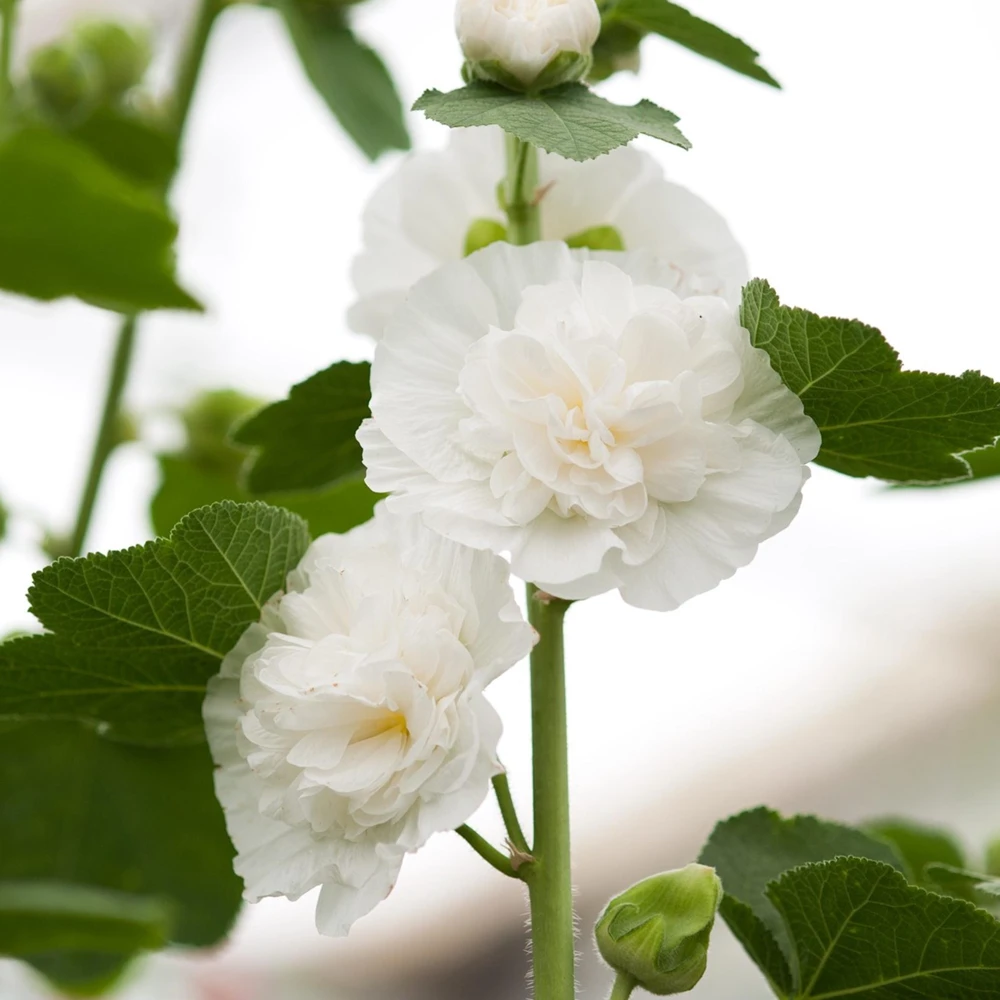
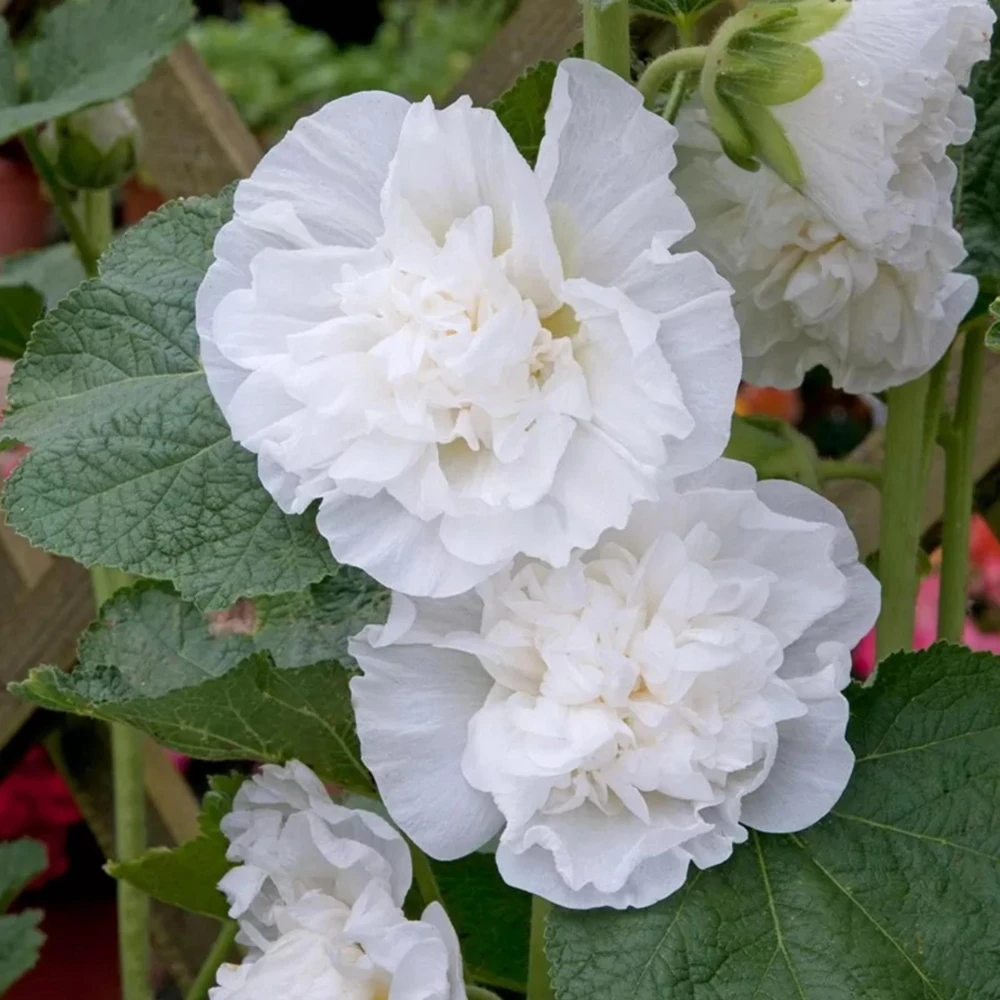
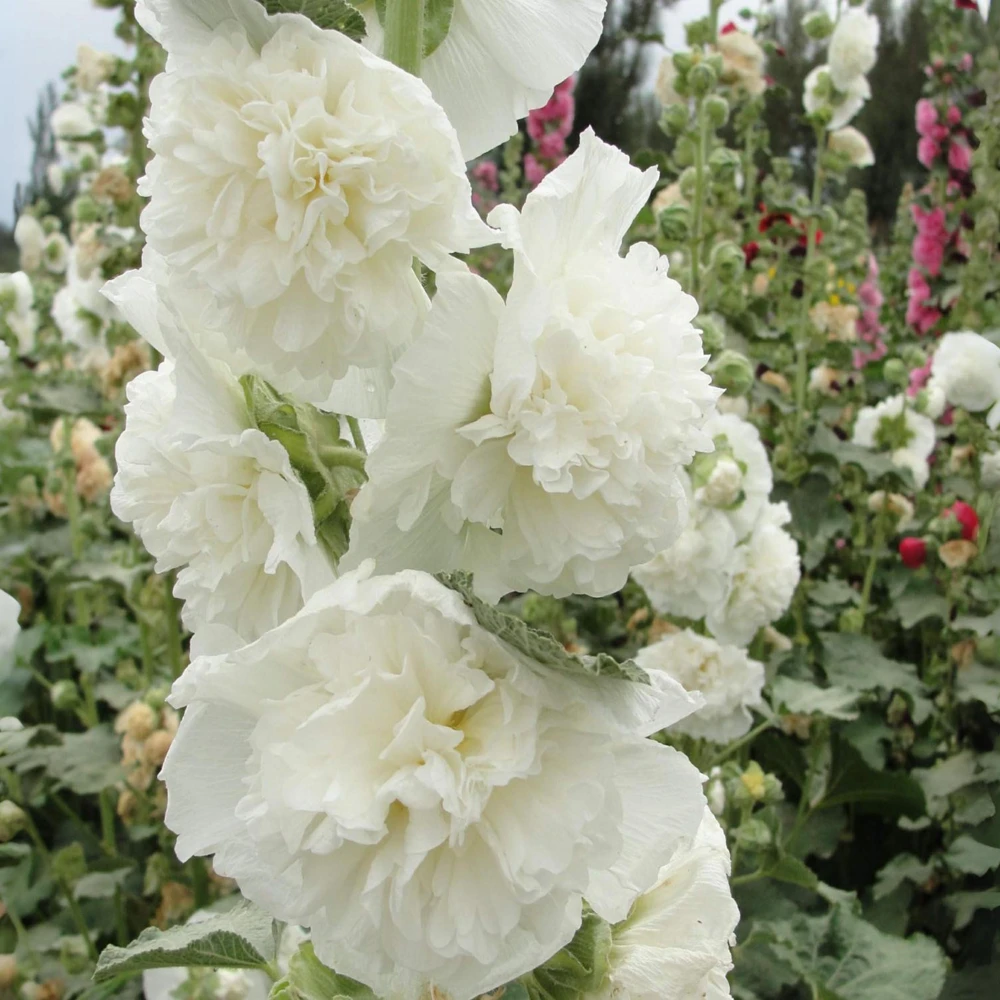
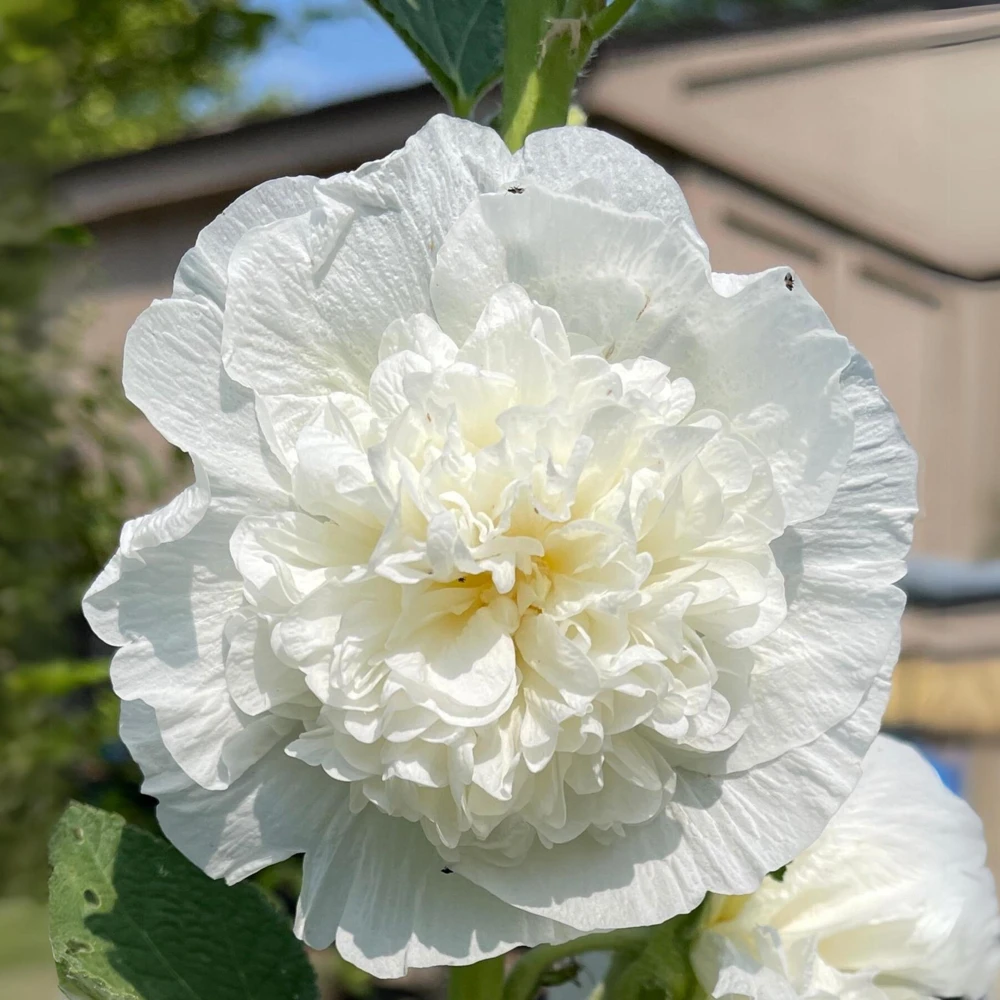
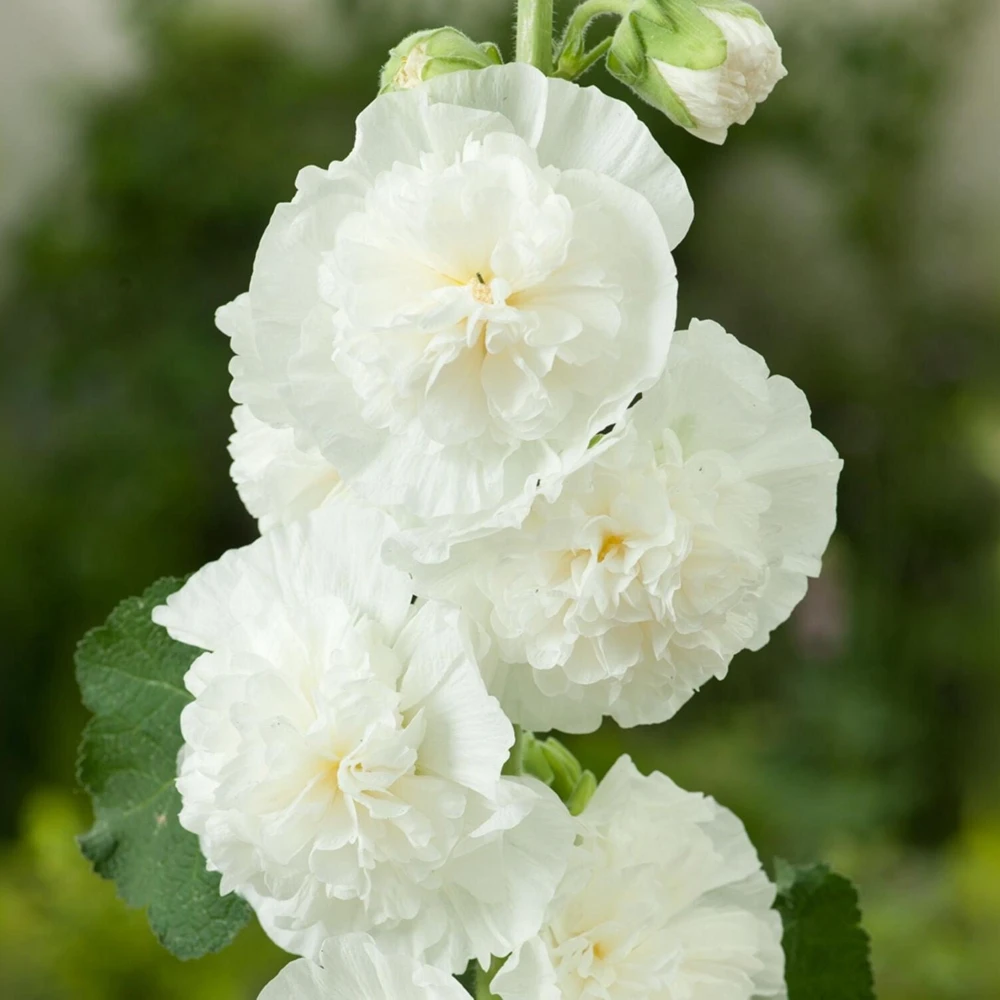
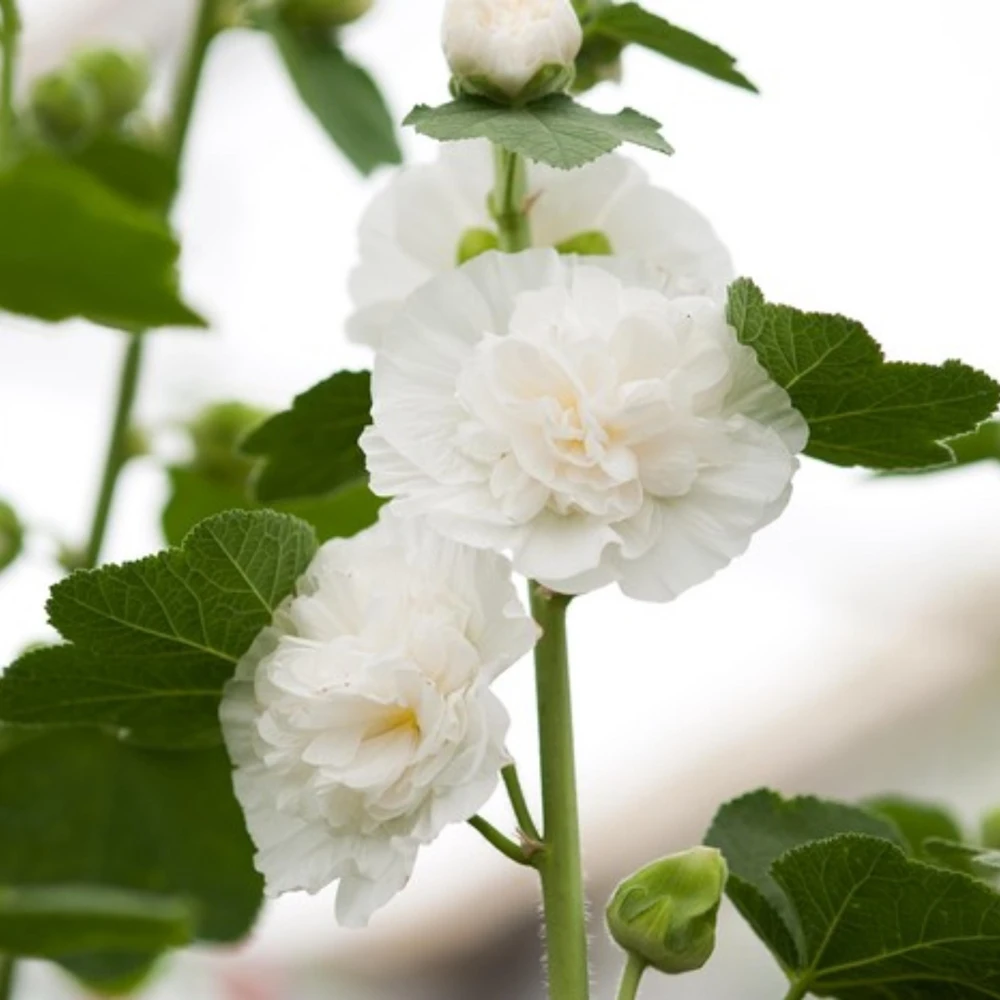
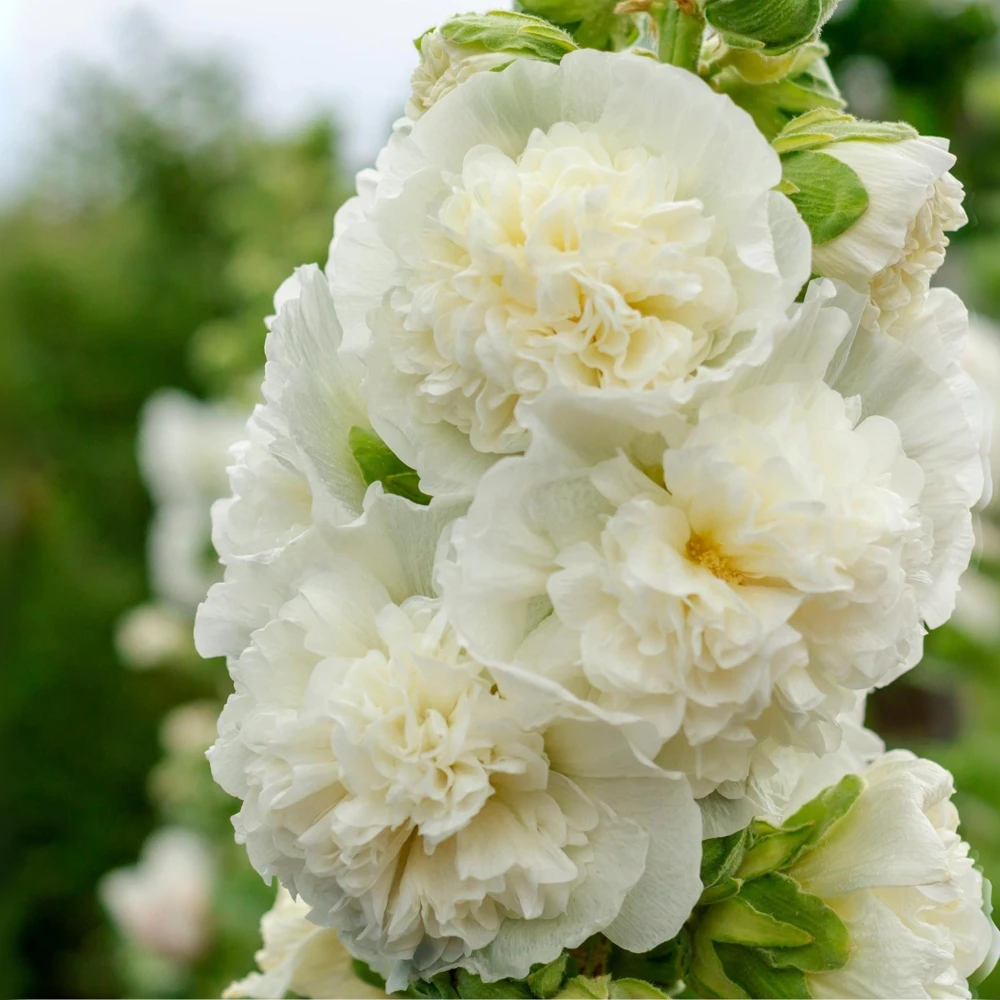
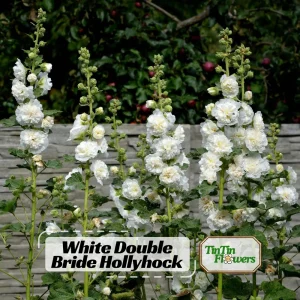
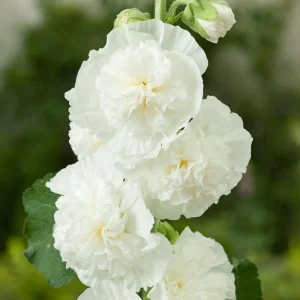
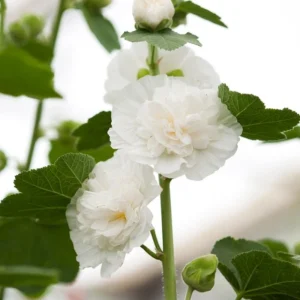
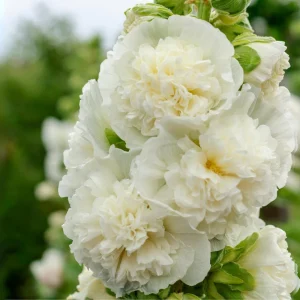
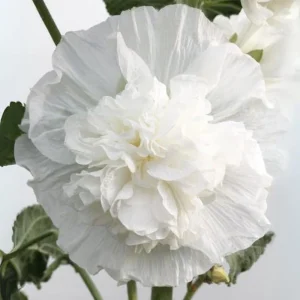
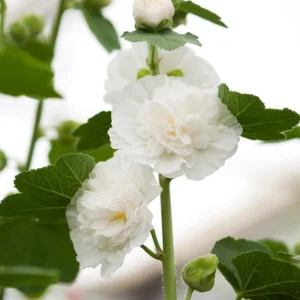
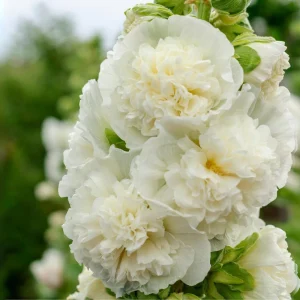
White Double Bride Hollyhock Seeds – 20 Seeds – Tall, Pollinator-Friendly Perennial
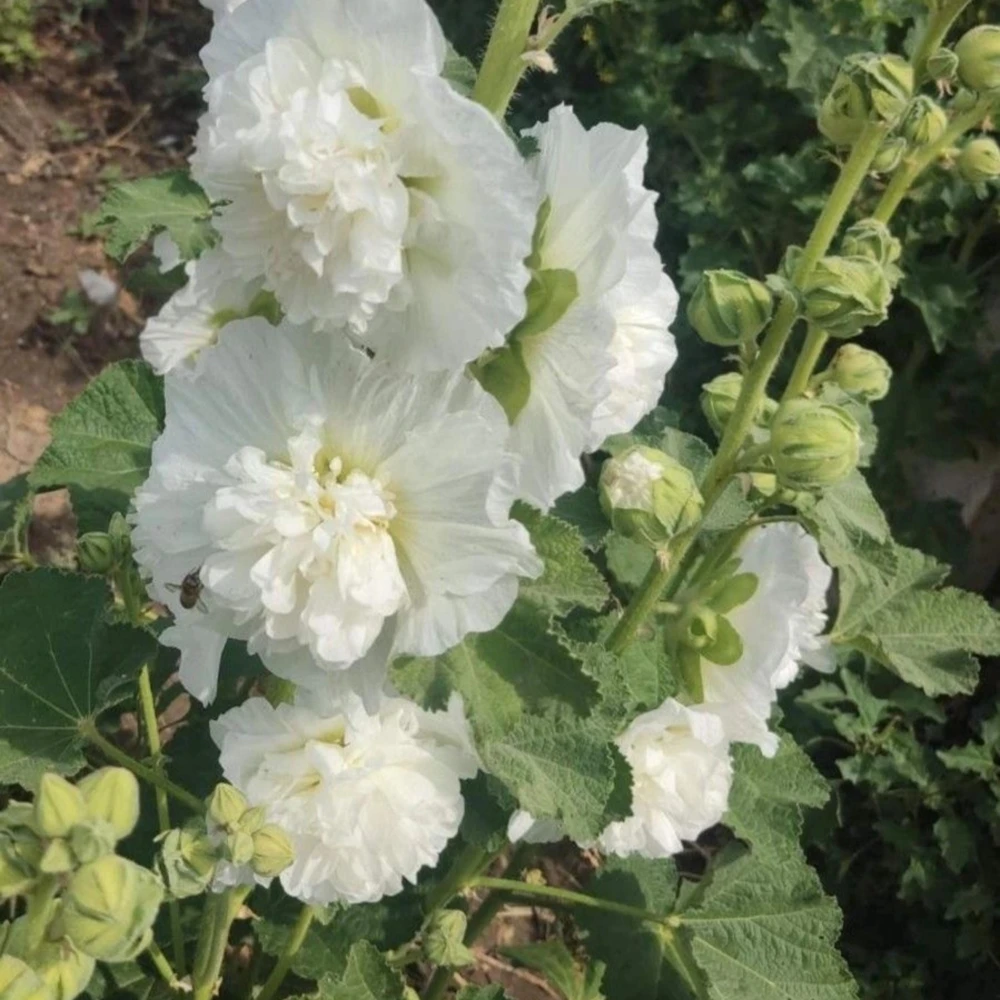
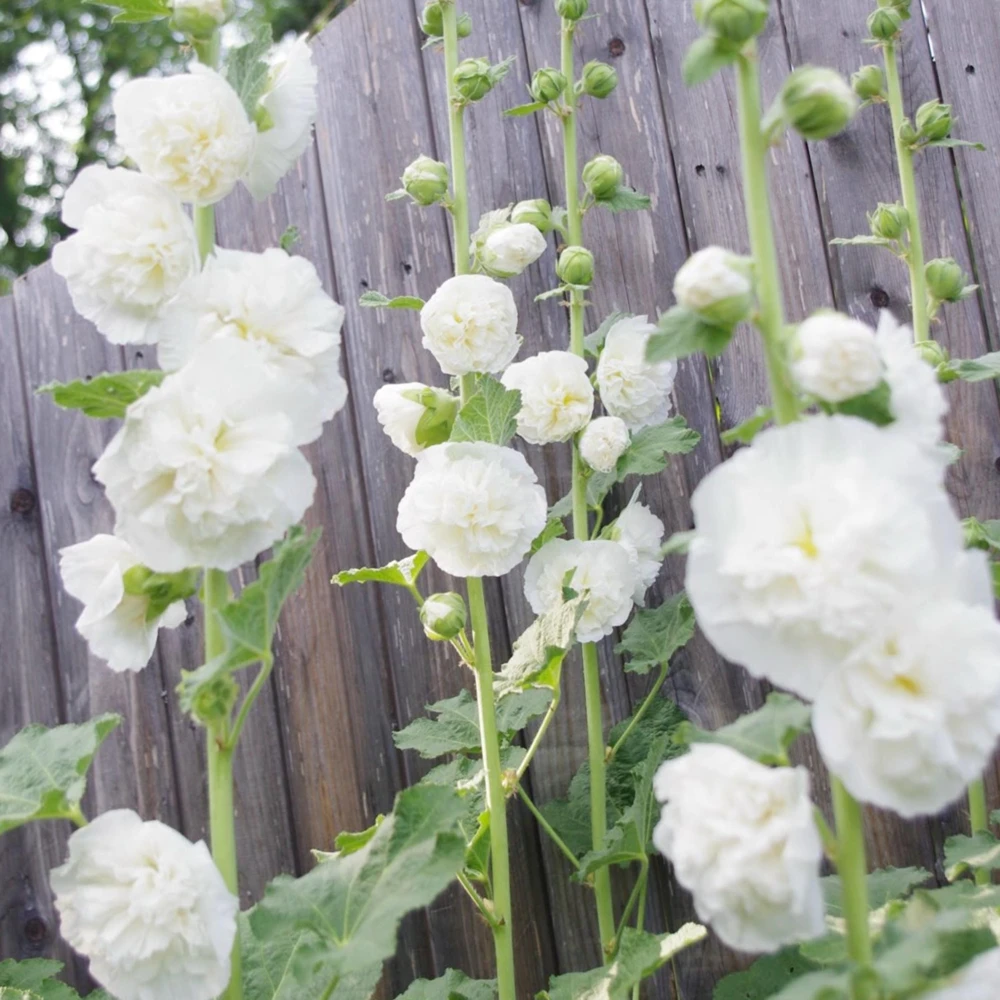
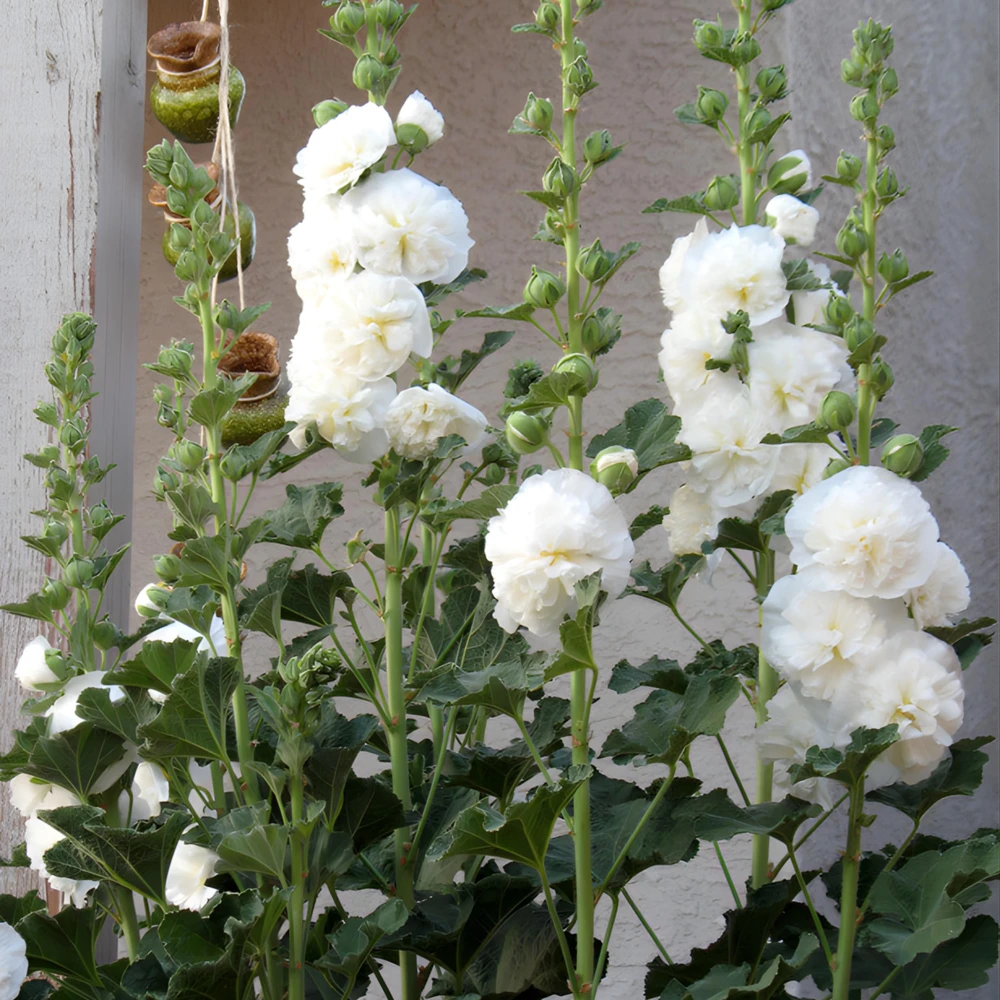
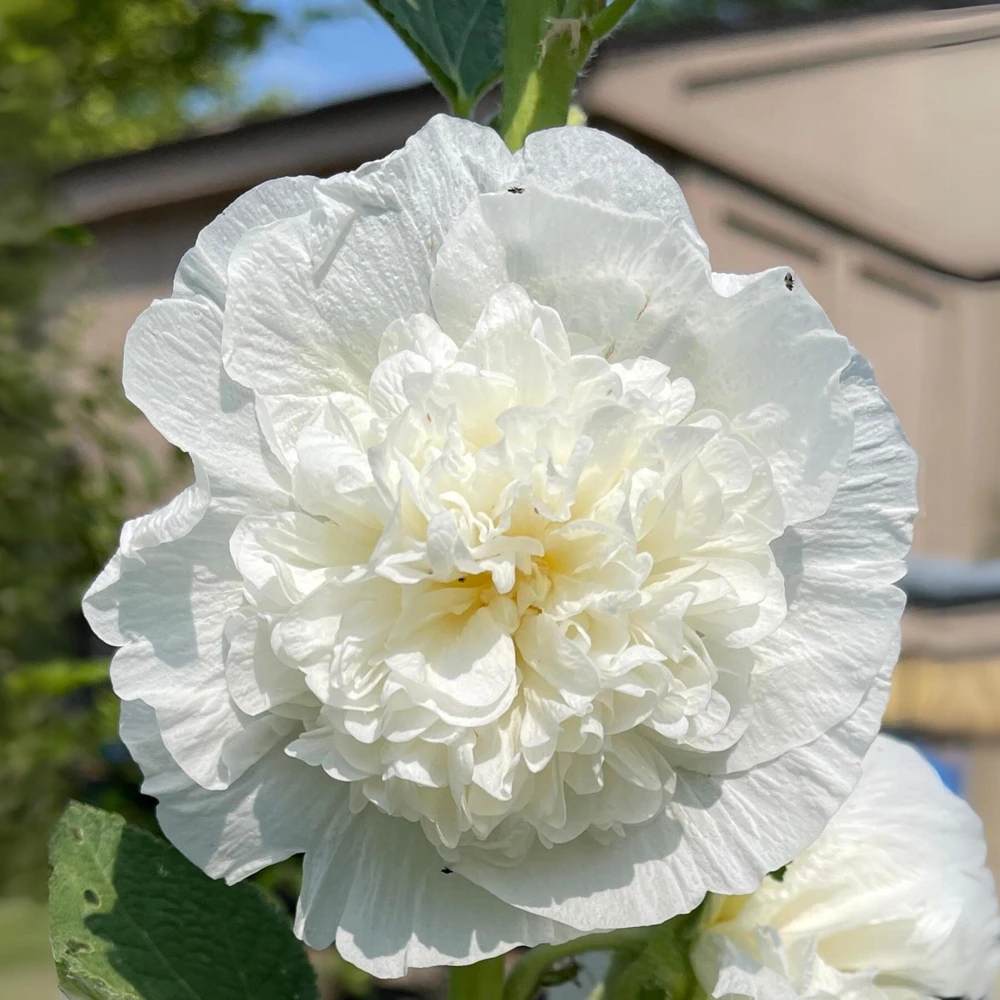
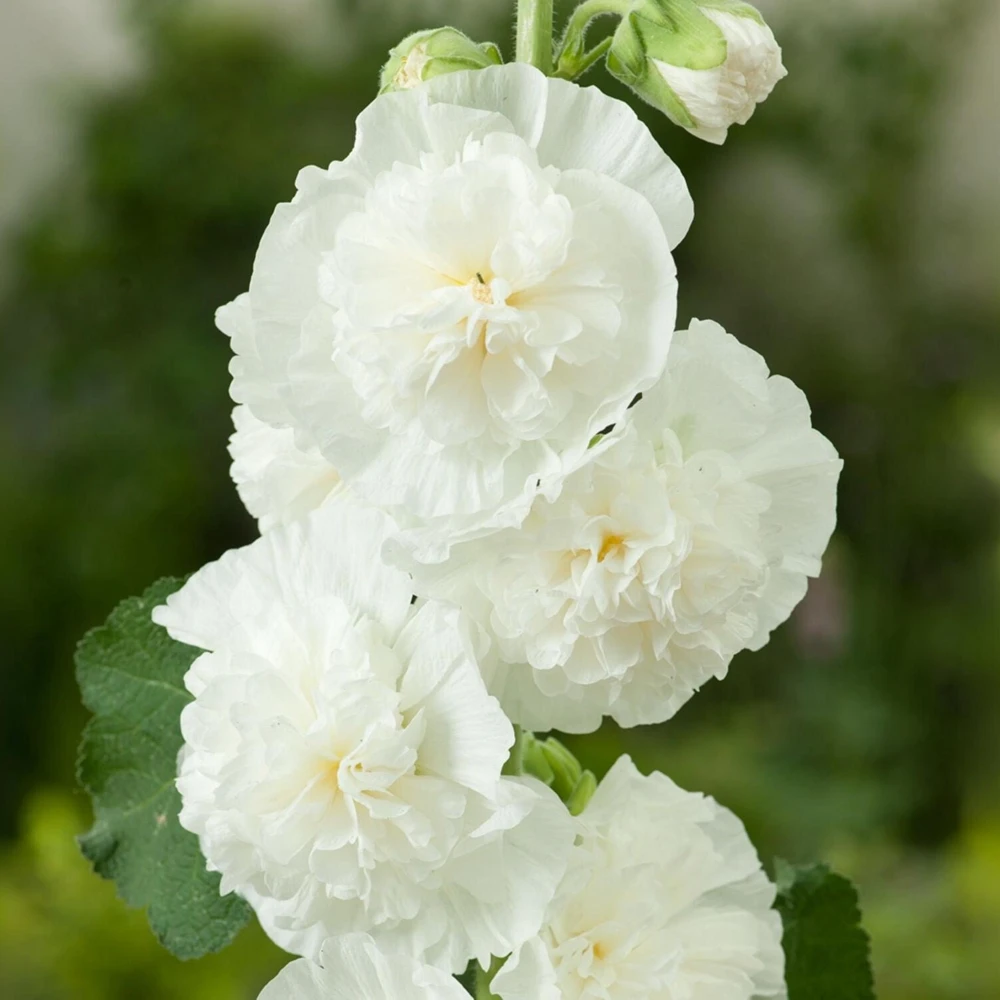
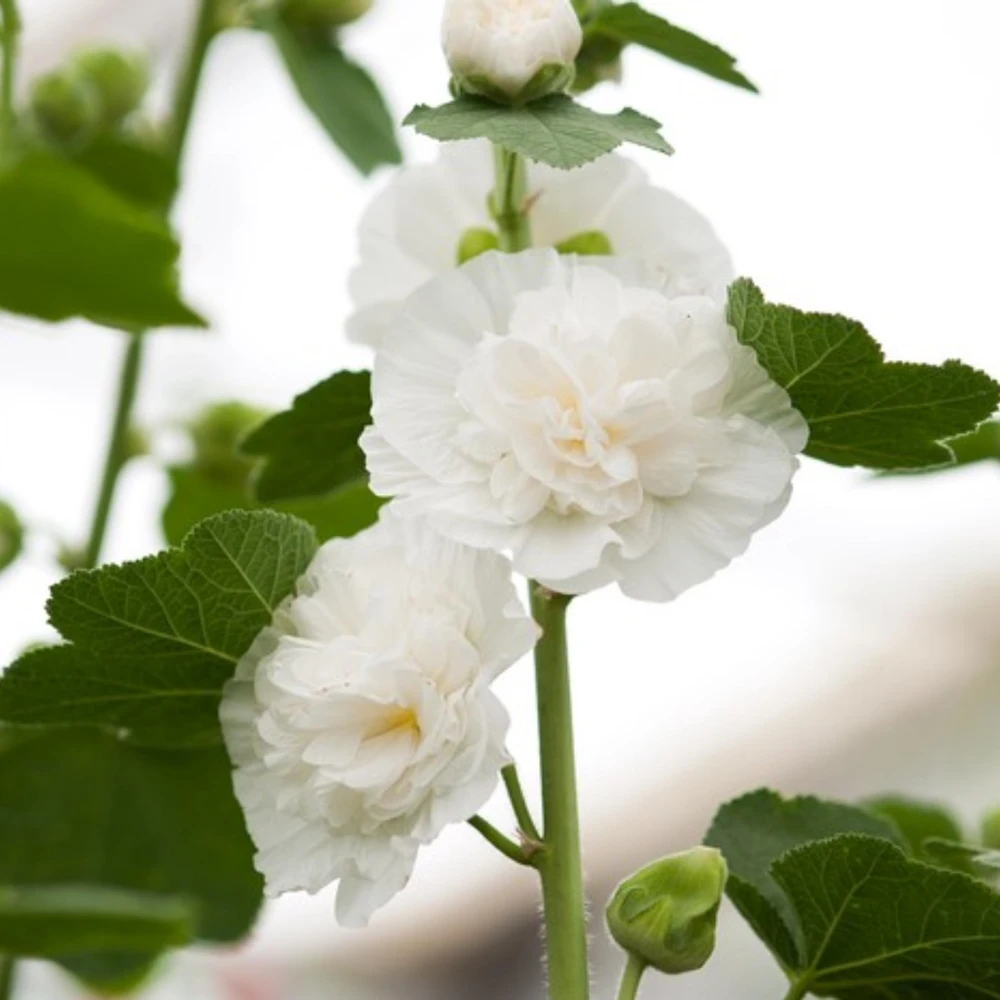
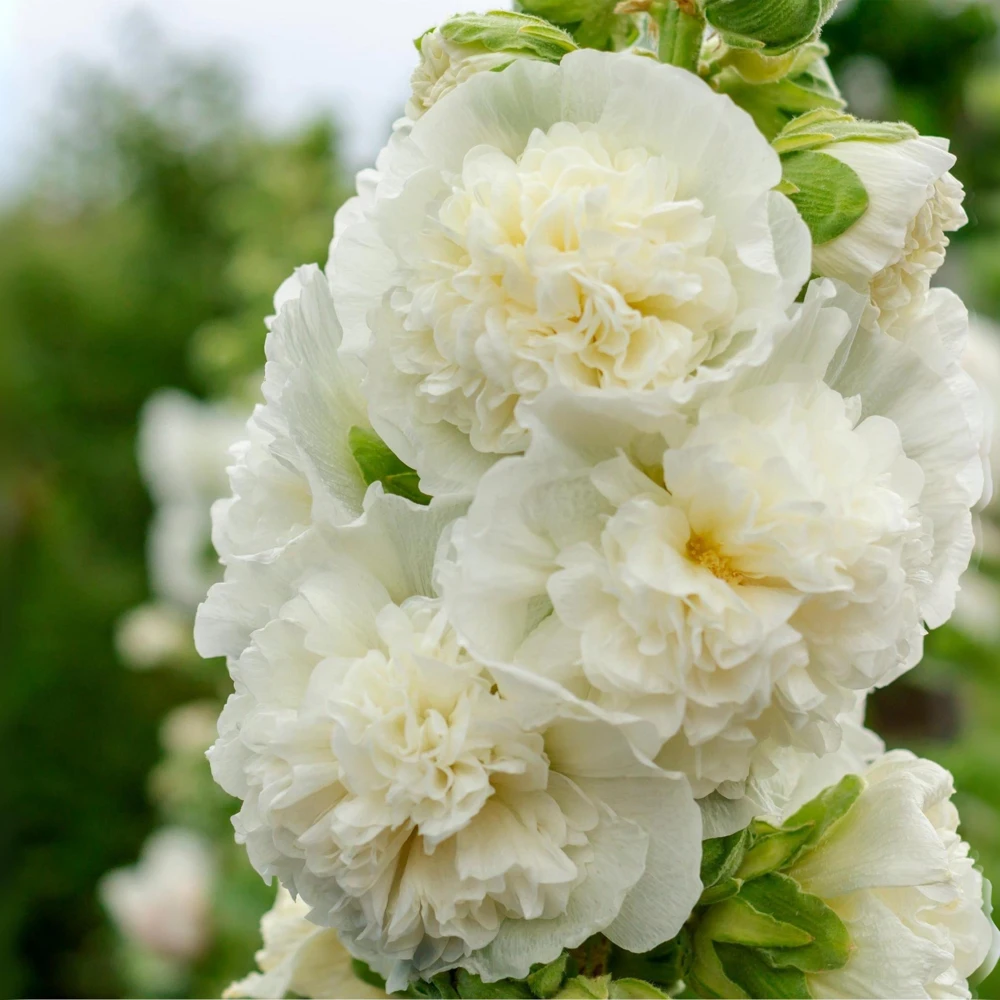
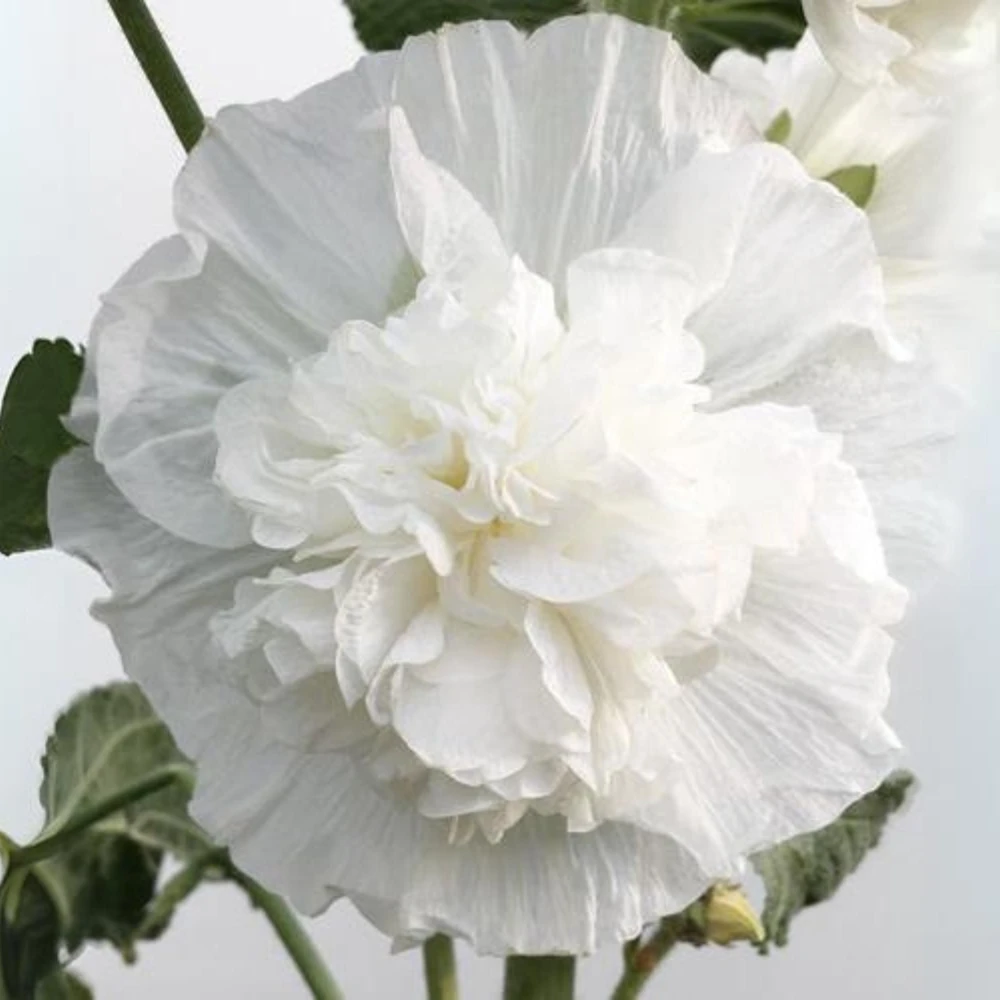
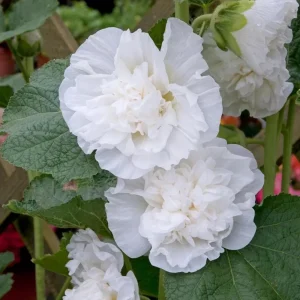
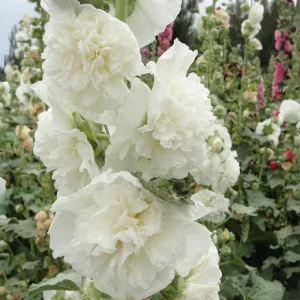
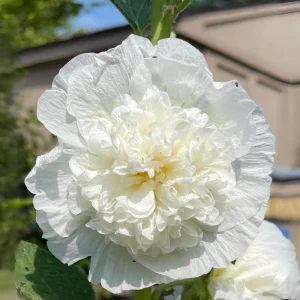
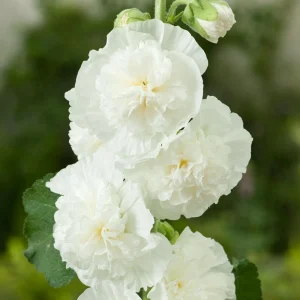
Cultivate stunning white double bride hollyhock seeds in your garden. These alcea rosea seeds produce vibrant, tall blooms that are easy to grow and attract pollinators. Enjoy a beautiful perennial display year after year.
Original price was: $417,630.00.$208,816.00Current price is: $208,816.00.

With our Alive & Thrive Guarantee, we’ve got your back for the first 30 days! If you have any concerns about your plants, just reach out to us. Our team is here to help answer your questions and guide you in selecting the best plants for your garden, climate, and unique preferences. We're excited to help you create the garden of your dreams!
Estimated arrival
Oct 08
Oct 13 - Oct 15
Oct 18 - Oct 22



Product Details
-
USDA Hardiness Zone
USDA zones 3-8 -
Soil type
Well-draining, rich in organic matter -
Sunlight Exposure
Full sun -
Expected Planting Period
Late spring to early summer
Overview
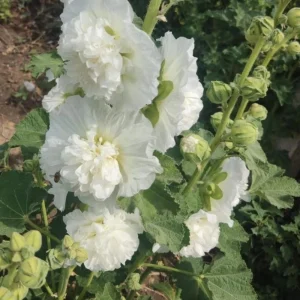
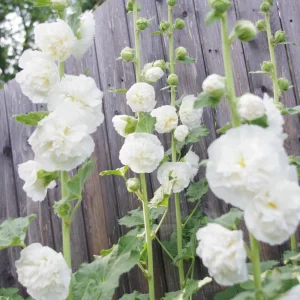
Transform your garden with the elegant charm of white double bride hollyhock seeds. These exquisite seeds promise to deliver a spectacular display of vibrant, tall, white blooms, creating a focal point in any landscape. Known for their striking appearance and ease of cultivation, hollyhocks (Alcea rosea) are a garden classic, perfect for adding vertical interest to borders, fences, or cottage gardens. Our alcea rosea seeds are selected for their quality, ensuring you can grow beautiful, healthy plants that thrive. These seeds are a fantastic choice for gardeners looking to introduce a touch of grandeur and natural beauty to their outdoor spaces, providing a picturesque backdrop and attracting beneficial insects.
Each pack contains 20 high-quality white double bride hollyhock seeds, offering a generous start to your floral adventure. Hollyhocks are known as biennials, typically establishing foliage in their first year and bursting into magnificent bloom in their second, though they often self-seed, creating a continuous presence in the garden. Their robust nature makes them an excellent choice for both novice and experienced gardeners. By planting these tall hollyhock flowers, you’re not just growing plants; you’re cultivating a vibrant ecosystem that supports local wildlife, making your garden a haven for beauty and biodiversity.
Key Benefits
Discover the numerous advantages of adding white double bride hollyhock seeds to your garden. These exceptional plants offer both aesthetic appeal and ecological benefits, making them a valuable addition to any outdoor space.
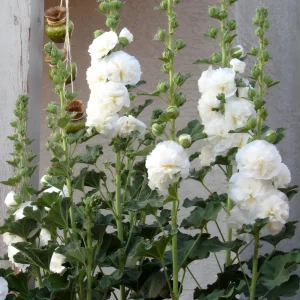
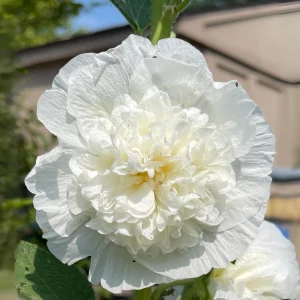
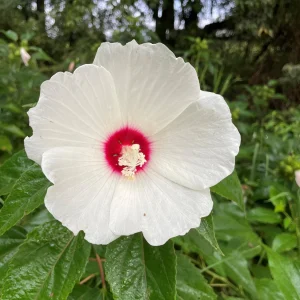
- Stunning Visual Impact: Grow magnificent, tall spires adorned with beautiful double white blooms. These dramatic flowers create an impressive vertical accent, drawing the eye and adding elegance to garden beds and borders. They are perfect for creating a classic cottage garden feel.
- Attracts Pollinators: The vibrant flowers are a magnet for bees, butterflies, and other beneficial pollinators. By planting these pollinator friendly seeds, you contribute to local biodiversity and support the health of your garden ecosystem, ensuring other plants are also well-pollinated.
- Easy to Grow: Despite their grand appearance, hollyhocks are surprisingly simple to cultivate from seed. They are forgiving plants that adapt well to various conditions, making them an excellent choice for gardeners of all skill levels. Follow our simple germination and growing instructions for success.
- Perennial Nature: While often biennial, hollyhocks readily self-seed, ensuring a continuous cycle of blooms year after year. This natural propagation means less work for you and a consistently beautiful garden without constant replanting. This makes them a true perennial presence.
- Versatile Garden Use: Ideal for back-of-the-border planting, along fences, or as a striking standalone feature. The tall hollyhock flowers can also be cut for indoor arrangements, bringing their classic beauty inside your home.
- Drought Tolerant Once Established: Once mature, hollyhocks exhibit good drought resistance, requiring less frequent watering than many other flowering plants. This makes them a sustainable choice for water-wise gardening.
- Disease Resistance: With proper care and good air circulation, these hollyhocks show good resistance to common plant diseases, ensuring a healthier and more vigorous garden display.
Plant Care & Growing Tips
Cultivating beautiful white double bride hollyhock seeds is a rewarding experience with proper care. Start by soaking the alcea rosea seeds in warm water for 12 hours before sowing to improve germination rates. Plant seeds on the surface of a well-draining seed-starting mix, lightly pressing them in and covering with about 1/4 inch of soil or vermiculite. Maintain consistent moisture with gentle watering, using a spray bottle to avoid disturbing the seeds. Place trays in bright, indirect light where temperatures are between 60-70°F (15-21°C). Germination typically occurs within 10-14 days, after which seedlings can be hardened off and transplanted.
For established plants, choose a location with full sun, ensuring at least 6-8 hours of direct sunlight daily. Hollyhocks thrive in well-draining soil enriched with organic matter. Prepare the planting area by loosening the soil and incorporating compost. Plant seedlings 18-24 inches apart to allow for adequate air circulation, which is crucial for preventing fungal issues like rust, a common concern for perennial hollyhock care. Water regularly to keep the soil consistently moist, especially during dry spells, but avoid overwatering. Fertilize with a balanced, water-soluble fertilizer every 4-6 weeks during the growing season to support robust growth and abundant blooms. Mulching around the base of the plants helps retain soil moisture, regulate temperature, and suppress weeds.
As tall hollyhock flowers grow, they may require staking to support their stems, particularly in windy areas. Deadhead spent flowers to encourage continuous blooming and prevent unwanted self-seeding if you wish to control their spread. Monitor for pests such as aphids and treat with insecticidal soap or neem oil as needed. To manage rust, water plants at the base to keep foliage dry and ensure good air circulation. In colder climates, apply a layer of mulch or straw in winter to protect the crowns. With these tips, your white double bride hollyhock seeds will flourish into a magnificent garden feature, making perennial hollyhock care straightforward and enjoyable.
Size & Details
This product includes 20 high-quality white double bride hollyhock seeds, ready for planting. These seeds will grow into impressive tall hollyhock flowers, typically reaching heights of 5 to 8 feet (1.5 to 2.4 meters) and spreading about 1 to 2 feet (30 to 60 cm) wide. The plants are robust and develop strong stems capable of supporting their large, showy blooms. As biennials, they will establish foliage in the first year and produce their spectacular double white flowers in the second year, often self-seeding to ensure a continuous presence in your garden for years to come. Expect blooms from early to late summer, adding a long season of beauty to your landscape.
The alcea rosea seeds are packaged for optimal viability, ensuring a good germination rate when planted correctly. These plants are known for their rapid growth once established, quickly developing into stately garden specimens. The double-petaled white flowers are quite large, often several inches across, providing a lush, full appearance. While they are known for their height, their relatively narrow footprint makes them ideal for planting in rows or against structures without taking up excessive garden space. Successful growth of these pollinator friendly seeds will result in a vibrant, dynamic garden feature.
Frequently Asked Questions
- Q: How tall do these hollyhocks get? A: These white double bride hollyhock seeds will grow into plants that typically reach heights of 5 to 8 feet, creating a dramatic vertical element in your garden. Their tall stature makes them excellent for back-of-the-border planting or along fences.
- Q: Are these alcea rosea seeds difficult to germinate? A: No, alcea rosea seeds are relatively easy to germinate. Soaking them in warm water for 12 hours before planting can significantly improve germination rates. They generally sprout within 10-14 days under ideal conditions.
- Q: What kind of sunlight do tall hollyhock flowers need? A: Hollyhocks thrive in full sun, requiring at least 6-8 hours of direct sunlight per day. Adequate sunlight is crucial for vigorous growth and abundant flowering.
- Q: Are these hollyhocks perennial? A: While botanically considered biennials (blooming in their second year), hollyhocks readily self-seed, giving the appearance of a perennial presence in your garden. This means you’ll often have new plants emerging each year.
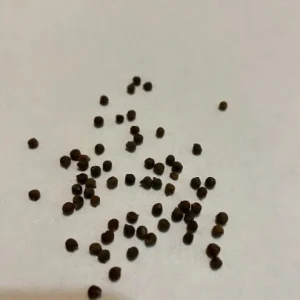
- Q: How many seeds are included in a pack? A: Each pack contains 20 high-quality white double bride hollyhock seeds, providing a good number to start your hollyhock patch.
- Q: Do these flowers attract pollinators? A: Yes, these pollinator friendly seeds will grow into flowers that are highly attractive to bees, butterflies, and other beneficial insects, making them a great addition to a wildlife-friendly garden.
- Q: What is the best soil type for hollyhocks? A: Hollyhocks prefer well-draining soil that is rich in organic matter. Amending your soil with compost before planting will help ensure optimal growth and strong root development for good perennial hollyhock care.
- Q: When is the best time to plant hollyhock seeds? A: The best time to sow hollyhock seeds is in late spring or early summer for blooms the following year. They can also be started indoors several weeks before the last frost.
- Q: Do I need to stake these hollyhocks? A: Due to their impressive height, tall hollyhock flowers may benefit from staking, especially in windy locations, to prevent their stems from bending or breaking.
- Q: Are these hollyhocks susceptible to any diseases? A: Hollyhocks can be prone to rust, a common fungal disease. Ensuring good air circulation around the plants and watering at the base rather than overhead can help prevent this issue and is part of good perennial hollyhock care.
Related products
-50%
Original price was: $47.96.$23.98Current price is: $23.98.
-50%
Original price was: $7.98.$3.98Current price is: $3.98.
-50%
Original price was: $23.96.$11.98Current price is: $11.98.
-50%

Original price was: $23.96.$11.98Current price is: $11.98.
-50%
Original price was: $95.96.$47.98Current price is: $47.98.
-15%
From Original price was: $16.00.$13.60Current price is: $13.60.
-50%
Original price was: $23.96.$11.98Current price is: $11.98.
PLANTING & CARE
Lemon Tree Growing: Choose, Plant, and Harvest
Learn how to choose, plant, feed, and protect a lemon tree so it fits your
23
Sep
Sep
Dwarf Meyer Lemon Tree Australia: Climate Guide
Learn where dwarf Meyer lemon trees grow, how much cold they tolerate, and whether Australia,
Where to Buy a Dwarf Meyer Lemon Tree: Buyer’s Guide
Find the right dwarf Meyer lemon tree online or locally, compare starter sizes and costs,
Dwarf Meyer Lemon Tree for Sale: Buying Guide
Compare Meyer lemon tree sizes, prices, shipping limits, indoor growing and California options before you
Dwarf Meyer Lemon Tree Guide: Size, Care and Fruit
META: Learn how large a dwarf Meyer lemon tree grows, where it thrives, and how
How to Prune a Dwarf Meyer Lemon Tree
Learn when and how to prune a dwarf Meyer lemon tree, including tools, shaping cuts,
Can You Grow a Dwarf Meyer Lemon Tree in a Pot?
META: Learn how to grow a dwarf Meyer lemon tree in a pot, including container
When Do Dwarf Meyer Lemon Trees Bloom and Fruit?
META: Dwarf Meyer lemon trees usually bloom from winter through spring and may flower again