White Twine Vine Milkweed Live Plant – Funastrum clausum – Pack of 2 – Outdoor Perennial


White Twine Vine Milkweed Live Plant – Funastrum clausum – Pack of 2 – Outdoor Perennial
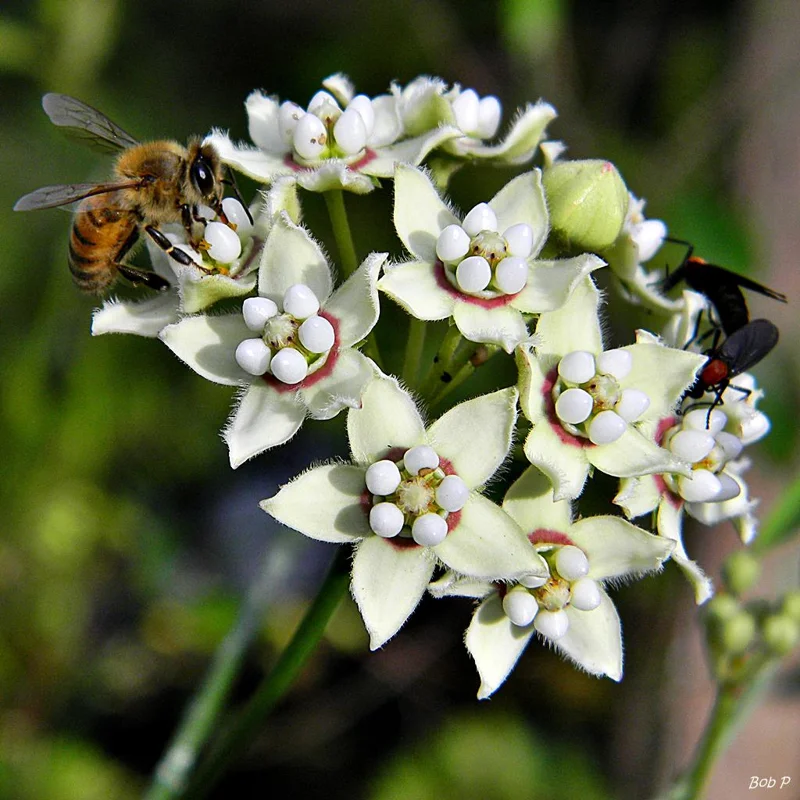
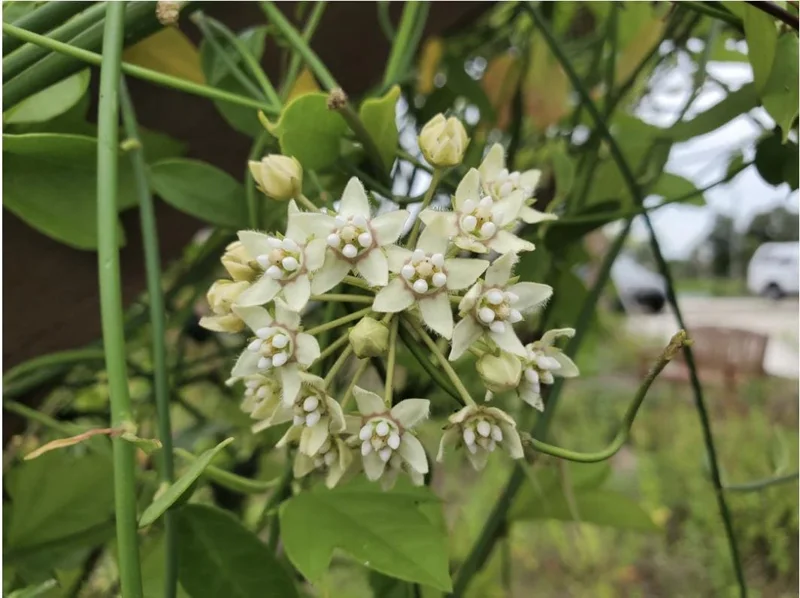
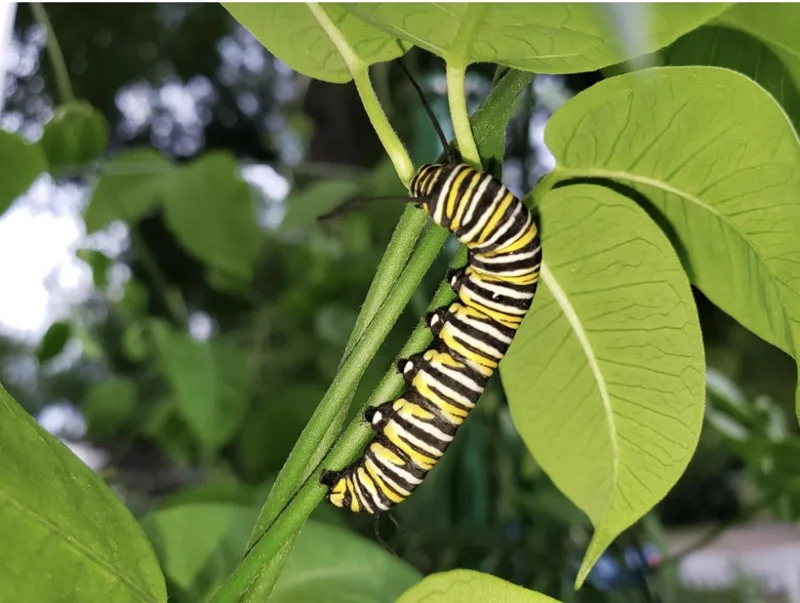
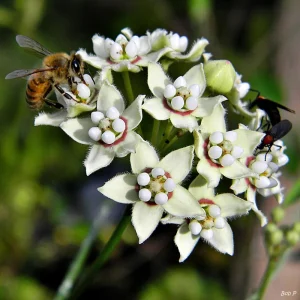
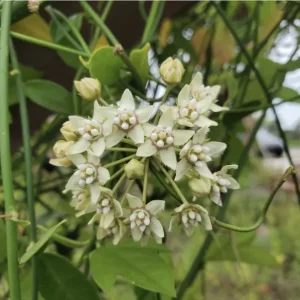
Bring life and beauty to your garden with the White Twine Vine Milkweed (Funastrum clausum). This evergreen perennial vine offers fragrant white flowers and is a crucial host plant for Monarch, Queen, and Soldier butterflies. Ideal for trellises, fences, and arbors.
$31.98

With our Alive & Thrive Guarantee, we’ve got your back for the first 30 days! If you have any concerns about your plants, just reach out to us. Our team is here to help answer your questions and guide you in selecting the best plants for your garden, climate, and unique preferences. We're excited to help you create the garden of your dreams!
Estimated arrival
Oct 14
Oct 19 - Oct 21
Oct 24 - Oct 28








Product Details
-
USDA Hardiness Zone
9B–11 -
Soil type
Alkaline to mildly acidic, moist soil -
Sunlight Exposure
Full sun to partial shade -
Expected Planting Period
Spring to early summer
Overview
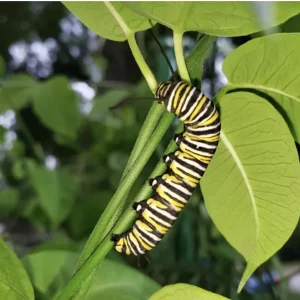
The White Twine Vine Milkweed (Funastrum clausum) is an exceptional addition to any garden, offering both aesthetic appeal and significant ecological benefits. This vigorous evergreen perennial vine is renowned for its clusters of fragrant white flowers that typically bloom from summer to fall, and often throughout the year in warmer climates. Native to the central peninsula south to the Keys, this plant thrives in moist hammocks, swamps, and coastal strands. As a member of the Apocynaceae (Dogbane or milkweed) family, the Funastrum clausum plant is a vital larval host for Monarch, Queen, and Soldier butterflies, making it an essential component for supporting local butterfly populations. Its unique milky latex, while toxic to most animals, is perfectly adapted for these specific caterpillars, providing them with a safe and nutritious food source. Beyond its role as a butterfly host, the flowers also serve as an important nectar source for various bees and wasps, contributing to overall pollinator health in your garden. If you’re looking to create a vibrant, nature-friendly space, the White Twine Vine Milkweed is an excellent choice.
Key Benefits
The White Twine Vine Milkweed offers a multitude of benefits, making it a highly desirable plant for gardeners focused on beauty and biodiversity. Its robust growth and attractive flowers provide continuous visual interest, while its ecological role is truly invaluable. Incorporating this plant into your landscape means embracing a natural, thriving ecosystem.
- Supports Pollinators: This Monarch host plant is critical for the life cycle of Monarch, Queen, and Soldier butterflies, whose caterpillars feed on its leaves. The fragrant flowers also provide nectar for bees and wasps, enhancing your garden’s pollinator activity.
- Fragrant Blooms: Enjoy large clusters of delicate white flowers that emit a pleasant fragrance, adding an inviting aroma to your outdoor living spaces. These blooms can appear throughout the year in optimal conditions.
- Evergreen Foliage: As an evergreen vine, the Funastrum clausum plant maintains its lush green foliage year-round in suitable climates, providing continuous beauty and privacy.
- Vigorous Growth: This perennial vine is known for its aggressive growth habit, quickly covering fences, arbors, and trellises to create stunning green walls or shaded areas. It’s an ideal solution for rapid landscaping needs.
- Low Maintenance (Once Established): While initially requiring guidance, once established, the aggressive milkweed vine is relatively low-maintenance, adapting well to various moist soil conditions and sun exposures.
- Ecological Impact: By planting White Twine Vine Milkweed, you actively contribute to the conservation of butterfly species and support the local ecosystem, fostering a healthier environment right in your backyard.
- Natural Privacy Screen: Its dense growth makes it an excellent choice for creating natural privacy screens or softening harsh architectural lines in your garden.
Plant Care & Growing Tips
Caring for your White Twine Vine Milkweed involves understanding its natural preferences and providing the right support for its vigorous growth. This resilient plant, while aggressive, can be a stunning feature in the right environment. It’s crucial to provide adequate space and structure for its expansive habit. The Funastrum clausum plant thrives when given the proper care, ensuring a beautiful display of flowers and a haven for butterflies.
For optimal growth, plant your White Twine Vine Milkweed in soil that ranges from alkaline to mildly acidic and is consistently moist. Good drainage is important to prevent root rot, especially in areas with heavy rainfall. This vine prefers full sun to partial shade; ideally, it should receive at least 6 hours of direct sunlight per day to encourage abundant flowering. While it can tolerate some shade, too little sun may result in leggy growth and fewer blooms. Regular watering is essential, particularly during dry spells, to keep the soil consistently moist but not waterlogged. Avoid letting the soil dry out completely between waterings, especially during the plant’s active growing season.
The aggressive milkweed vine is not tolerant of freezing temperatures and is best suited for USDA Hardiness Zones 9B–11. In colder regions, it can be grown as an annual or brought indoors during winter. Due to its vigorous growth, it requires a sturdy support structure like a fence, arbor, or trellis. Pruning can be done to control its size and shape, especially if it starts to grow in unwanted directions. This plant propagates easily from seed or cuttings. Fertilize sparingly with a balanced, slow-release fertilizer during the growing season to support its lush foliage and flower production. Keep an eye out for common garden pests, though the plant’s milky latex often deters many herbivores, making it a relatively pest-resistant option for a perennial vine.
Size & Details
The White Twine Vine Milkweed is a live plant provided as a pack of 2, ready for planting in your garden. This evergreen twining vine is known for its impressive growth habit, capable of reaching lengths of 10–30 feet or more, making it an excellent choice for covering large structures. It is shipped as a healthy, young plant, ready to establish quickly in its new environment. With proper care and support, you can expect this vine to begin its vigorous climb and produce its characteristic fragrant white flowers within its first growing season. The plant’s natural lifespan is perennial, meaning it will return year after year, offering long-term beauty and ecological benefits. It typically arrives in a nursery pot, ensuring its roots are protected and ready for transplanting. This Monarch host plant will quickly become a focal point in your butterfly garden.
Frequently Asked Questions
- Q: How big does this White Twine Vine Milkweed get? A: This vine is known for its aggressive growth, typically reaching lengths of 10 to 30 feet or more. It requires a significant support structure to accommodate its expansive habit.
- Q: Is this an indoor or outdoor plant? A: The Funastrum clausum plant is primarily an outdoor plant, best suited for USDA Hardiness Zones 9B–11. It is not tolerant of freezing temperatures and should be grown indoors only in very specific, controlled environments in colder zones.
- Q: How much sunlight does it need? A: This vine thrives in full sun to partial shade. For the best flowering and vigorous growth, aim for at least 6 hours of direct sunlight per day.
- Q: Is this plant easy to care for? A: Once established, the White Twine Vine Milkweed is relatively low-maintenance, but it does require consistent moisture and a sturdy support system due to its aggressive growth. It’s a good choice for gardeners who can provide these conditions.
- Q: What condition will it arrive in? A: Your perennial vine will arrive as a healthy, live plant in a nursery pot, with its roots protected and ready for transplanting into your garden or a larger container.
- Q: When is the best time to plant the aggressive milkweed vine? A: The best time to plant is in spring or early summer after all danger of frost has passed, allowing the plant ample time to establish before cooler weather.
- Q: Will it survive winter in my zone? A: This plant is hardy in USDA Zones 9B–11. If you are in a colder zone, it will not survive winter outdoors and would need to be treated as an annual or brought indoors.
- Q: Is the Monarch host plant safe for pets? A: Like many milkweeds, the White Twine Vine Milkweed contains a milky latex that is toxic if ingested by most animals. It is best to keep pets away from the plant.
Related products
-20%


Original price was: $36.00.$28.80Current price is: $28.80.
-67%


Original price was: $59.97.$19.99Current price is: $19.99.
-67%

Original price was: $59.97.$19.99Current price is: $19.99.
-50%
Original price was: $179.00.$89.50Current price is: $89.50.


-67%


Original price was: $59.97.$19.99Current price is: $19.99.
PLANTING & CARE
Lemon Tree Growing: Choose, Plant, and Harvest
Learn how to choose, plant, feed, and protect a lemon tree so it fits your
23
Sep
Sep
Dwarf Meyer Lemon Tree Australia: Climate Guide
Learn where dwarf Meyer lemon trees grow, how much cold they tolerate, and whether Australia,
Where to Buy a Dwarf Meyer Lemon Tree: Buyer’s Guide
Find the right dwarf Meyer lemon tree online or locally, compare starter sizes and costs,
Dwarf Meyer Lemon Tree for Sale: Buying Guide
Compare Meyer lemon tree sizes, prices, shipping limits, indoor growing and California options before you
Dwarf Meyer Lemon Tree Guide: Size, Care and Fruit
META: Learn how large a dwarf Meyer lemon tree grows, where it thrives, and how
How to Prune a Dwarf Meyer Lemon Tree
Learn when and how to prune a dwarf Meyer lemon tree, including tools, shaping cuts,
Can You Grow a Dwarf Meyer Lemon Tree in a Pot?
META: Learn how to grow a dwarf Meyer lemon tree in a pot, including container
When Do Dwarf Meyer Lemon Trees Bloom and Fruit?
META: Dwarf Meyer lemon trees usually bloom from winter through spring and may flower again