Yellow Bird’s Foot Trefoil Seeds – Perennial Wildflower – 30 Seeds
-50%
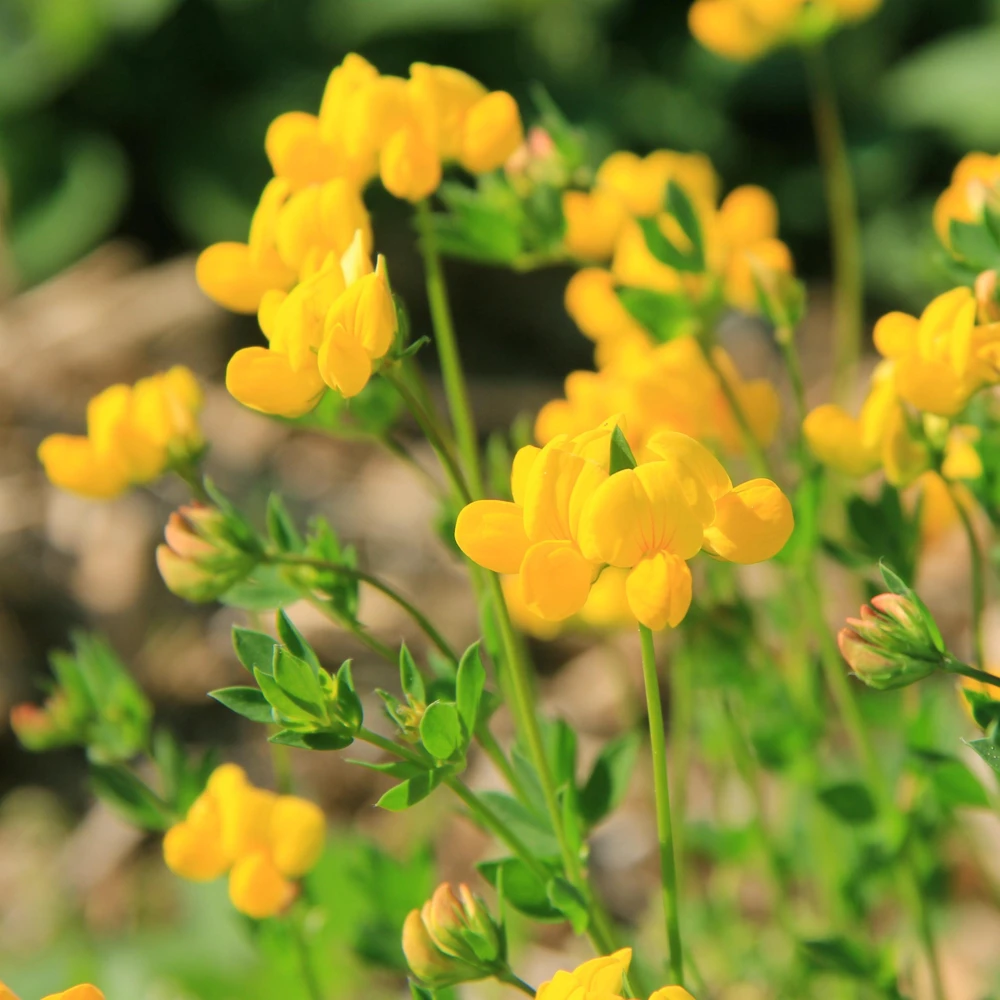
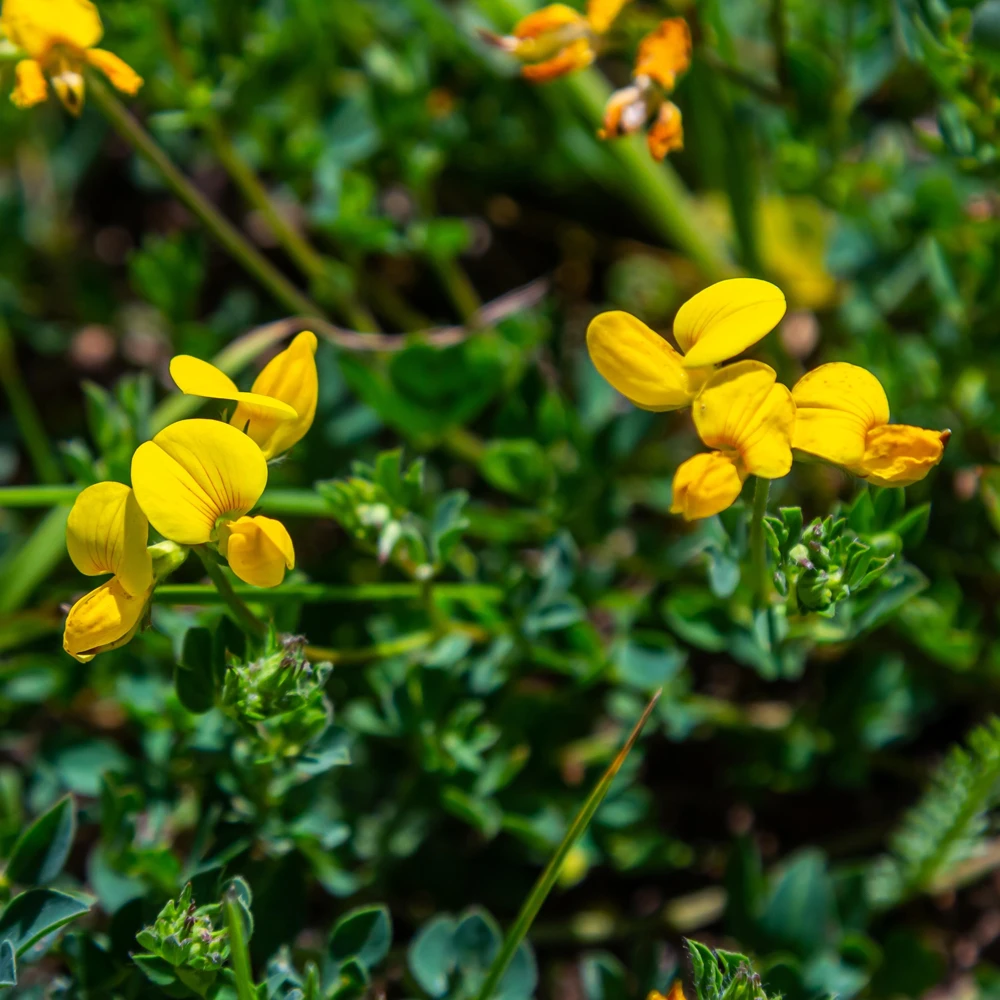
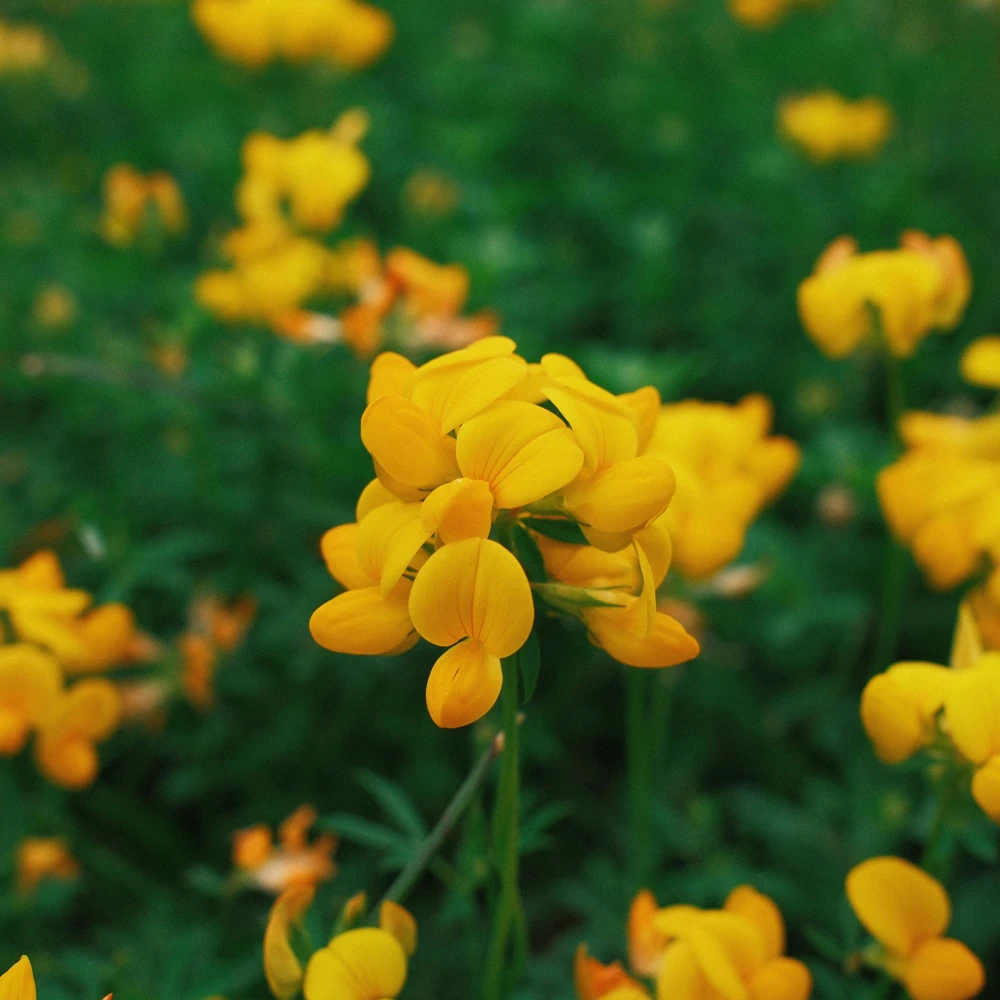
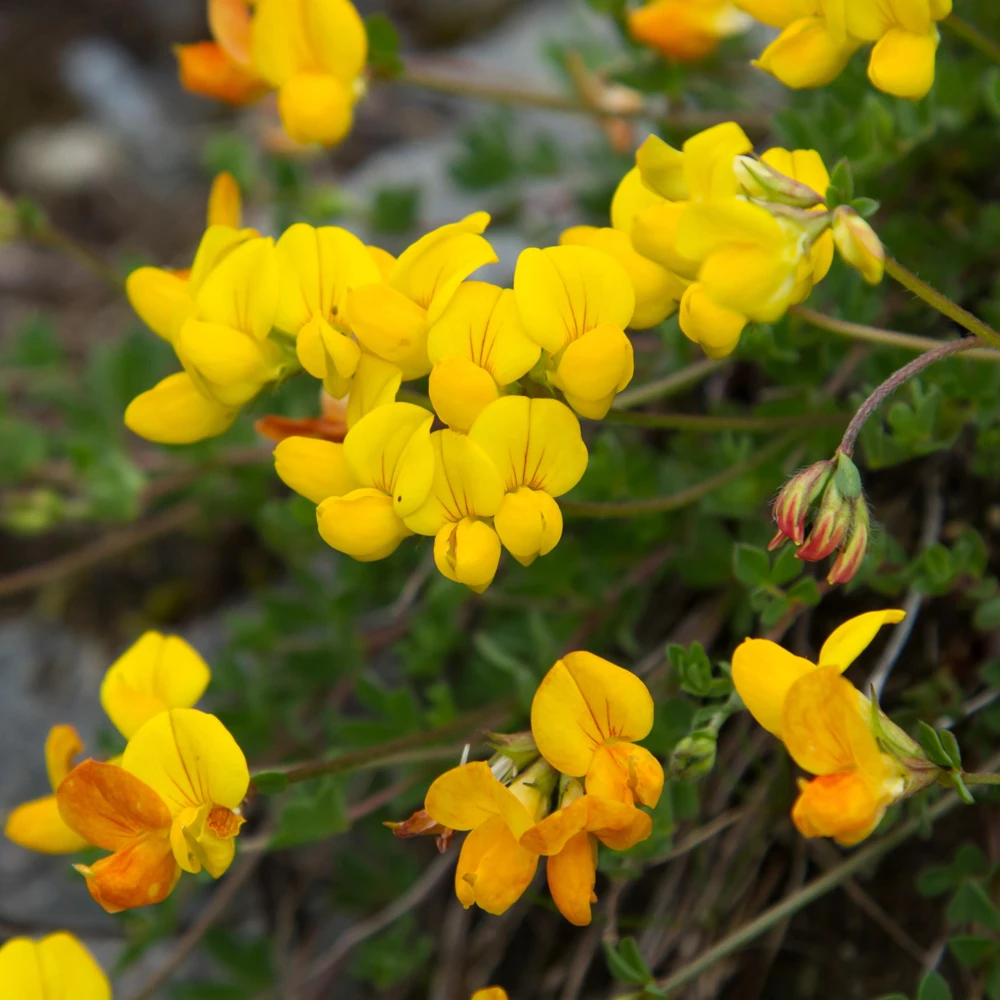
Yellow Bird’s Foot Trefoil Seeds – Perennial Wildflower – 30 Seeds
Cultivate a vibrant landscape with yellow bird’s foot trefoil seeds. These perennial wildflower seeds are ideal for creating beautiful meadows, attracting pollinators, and enhancing garden borders. Easy to grow and resilient.
Original price was: $1,528.00.$764.00Current price is: $764.00.

With our Alive & Thrive Guarantee, we’ve got your back for the first 30 days! If you have any concerns about your plants, just reach out to us. Our team is here to help answer your questions and guide you in selecting the best plants for your garden, climate, and unique preferences. We're excited to help you create the garden of your dreams!
Estimated arrival
Oct 07
Oct 12 - Oct 14
Oct 17 - Oct 21
Product Details
-
USDA Hardiness Zone
USDA Zones 4-8 -
Soil type
Well-draining soil, adaptable to poor or sandy soils -
Sunlight Exposure
Full sun -
Expected Planting Period
Spring after last frost
Overview
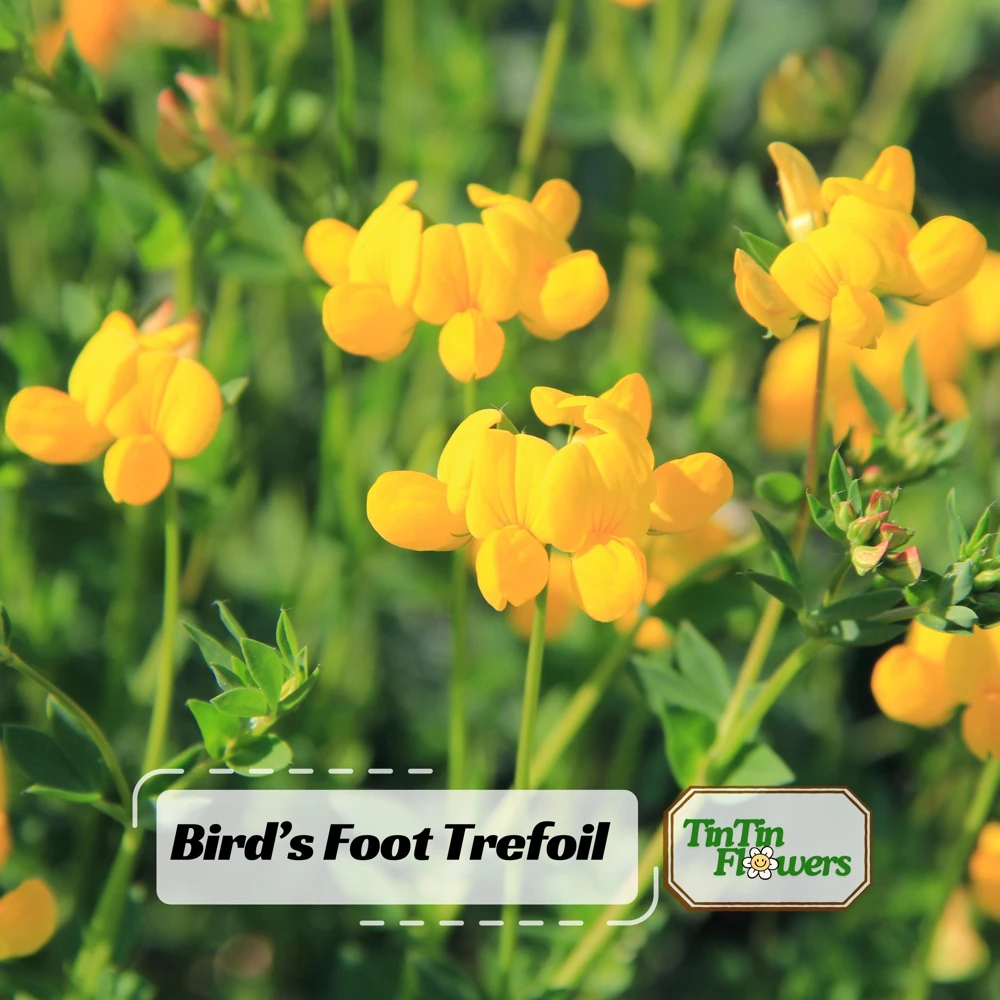
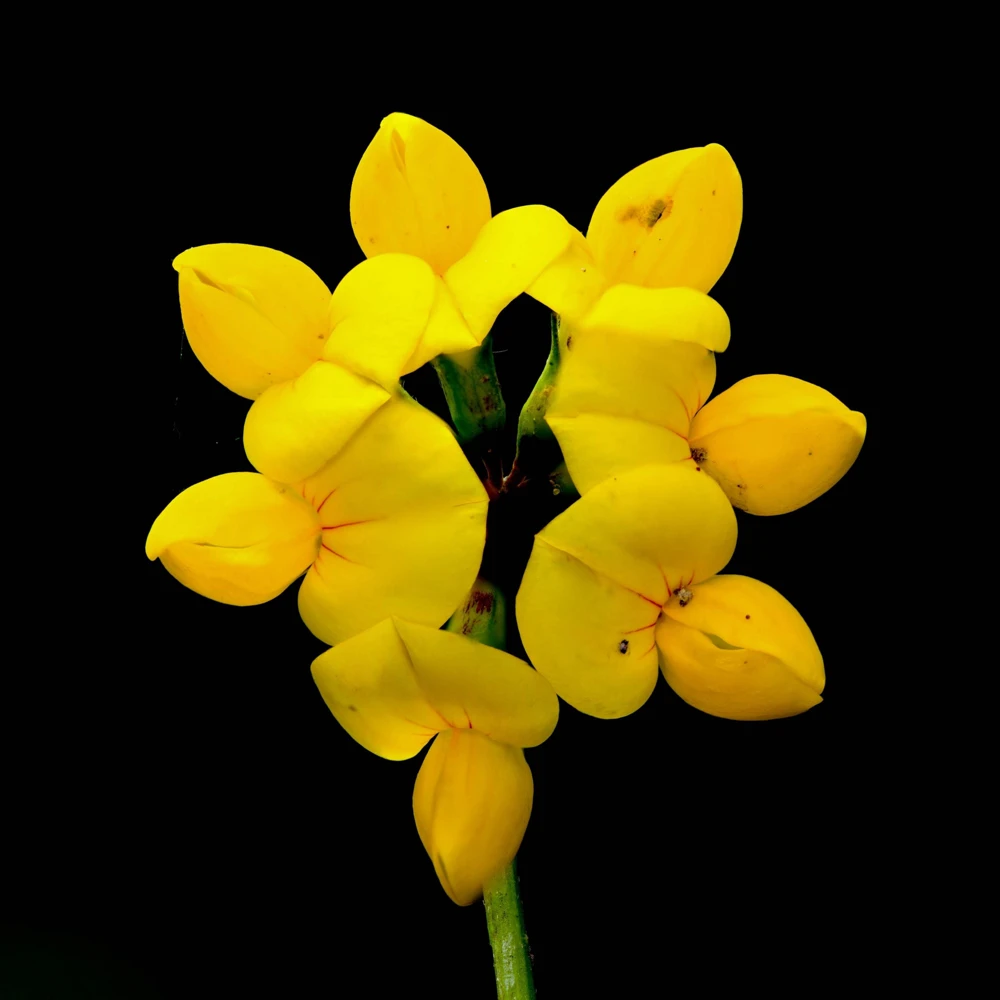
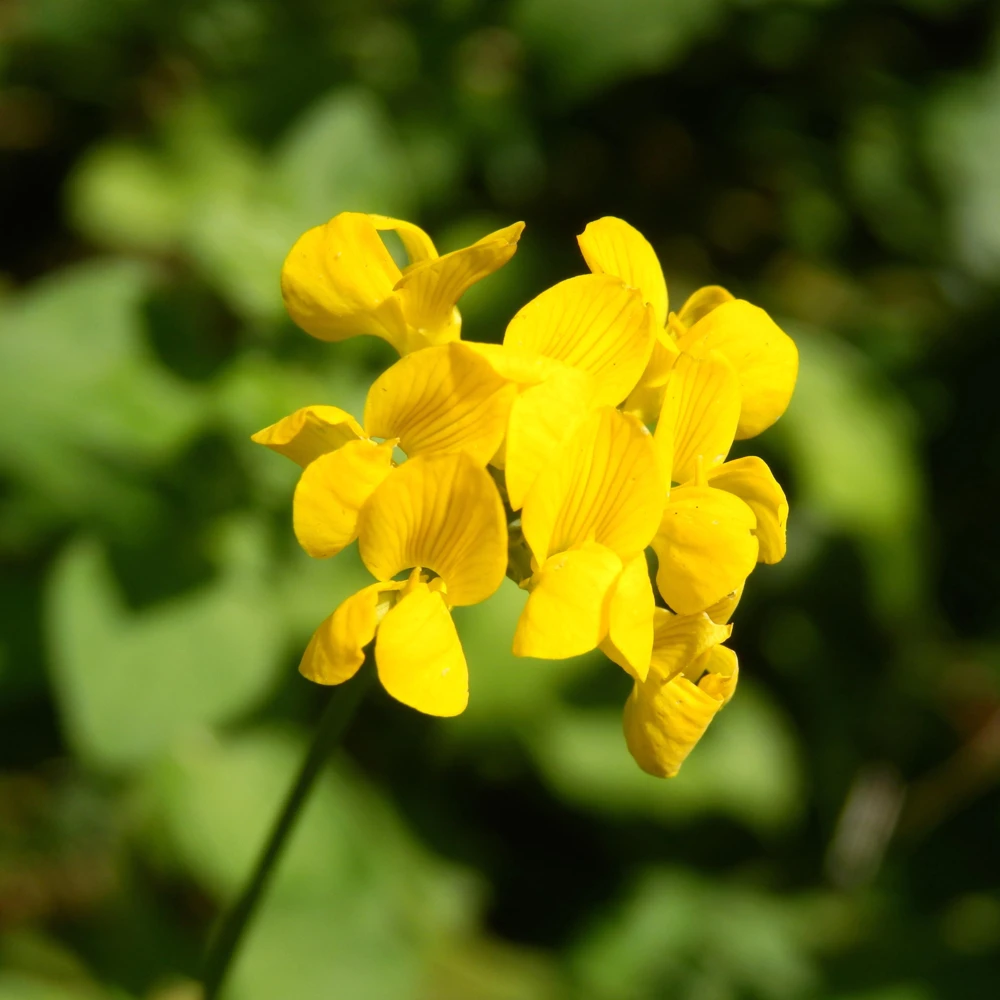
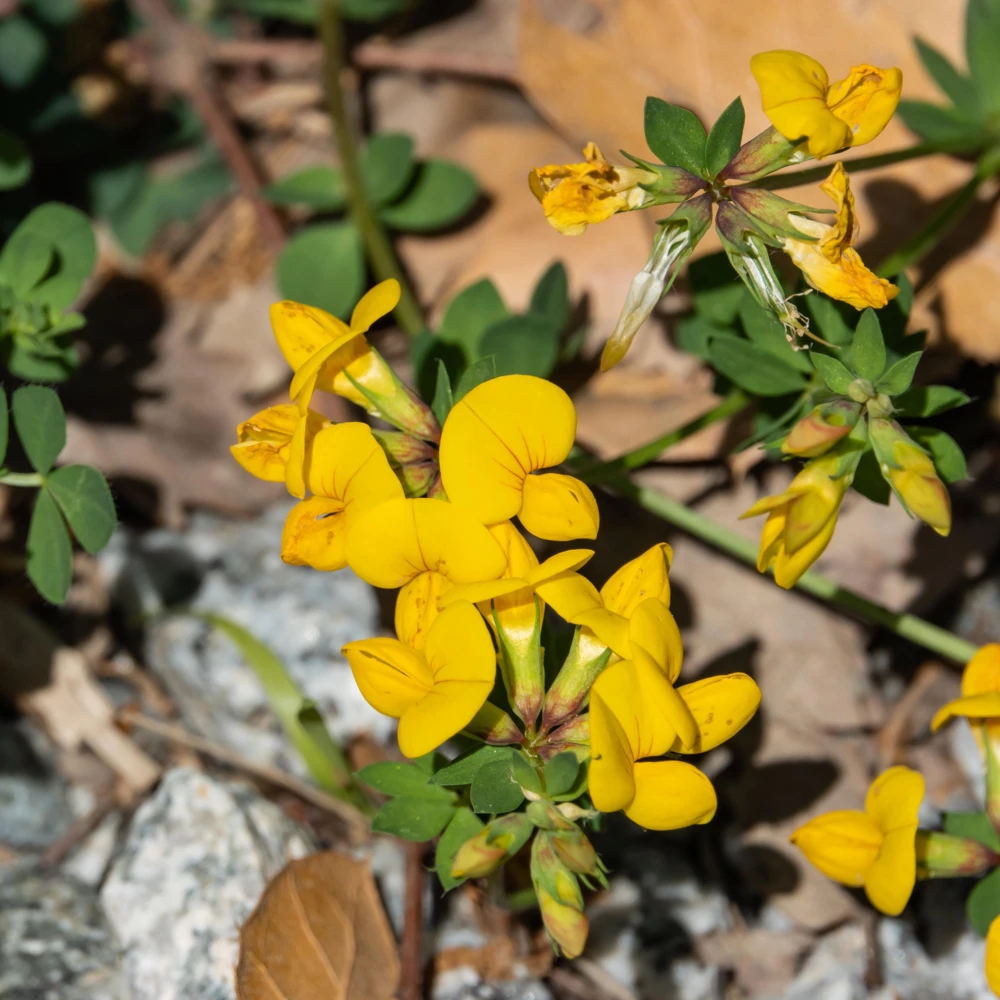
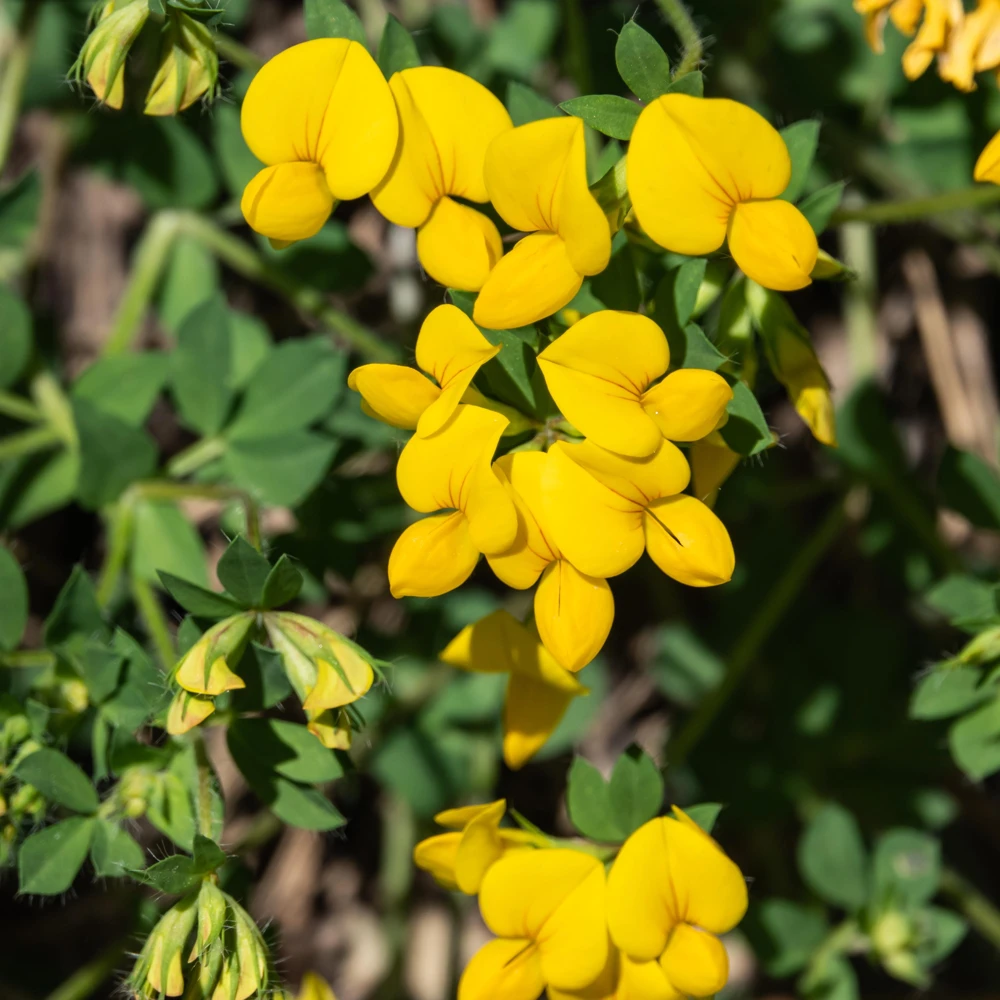
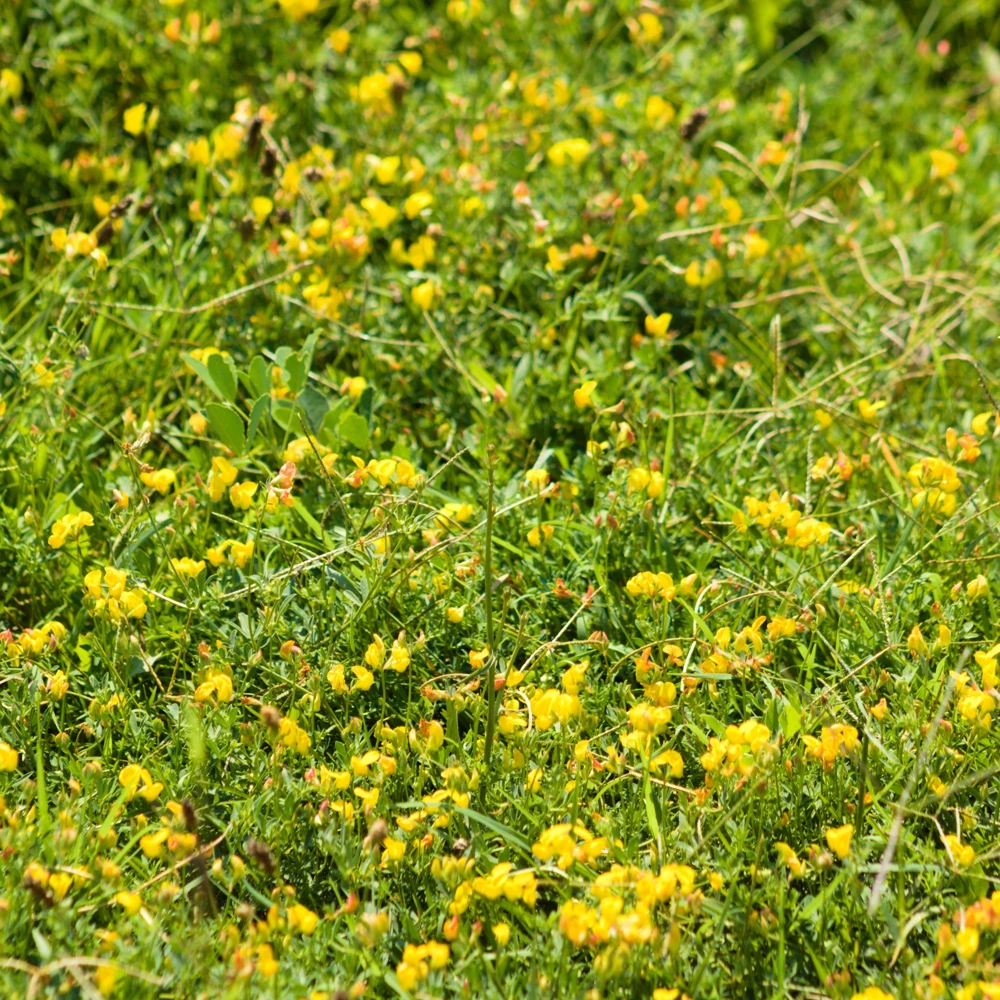
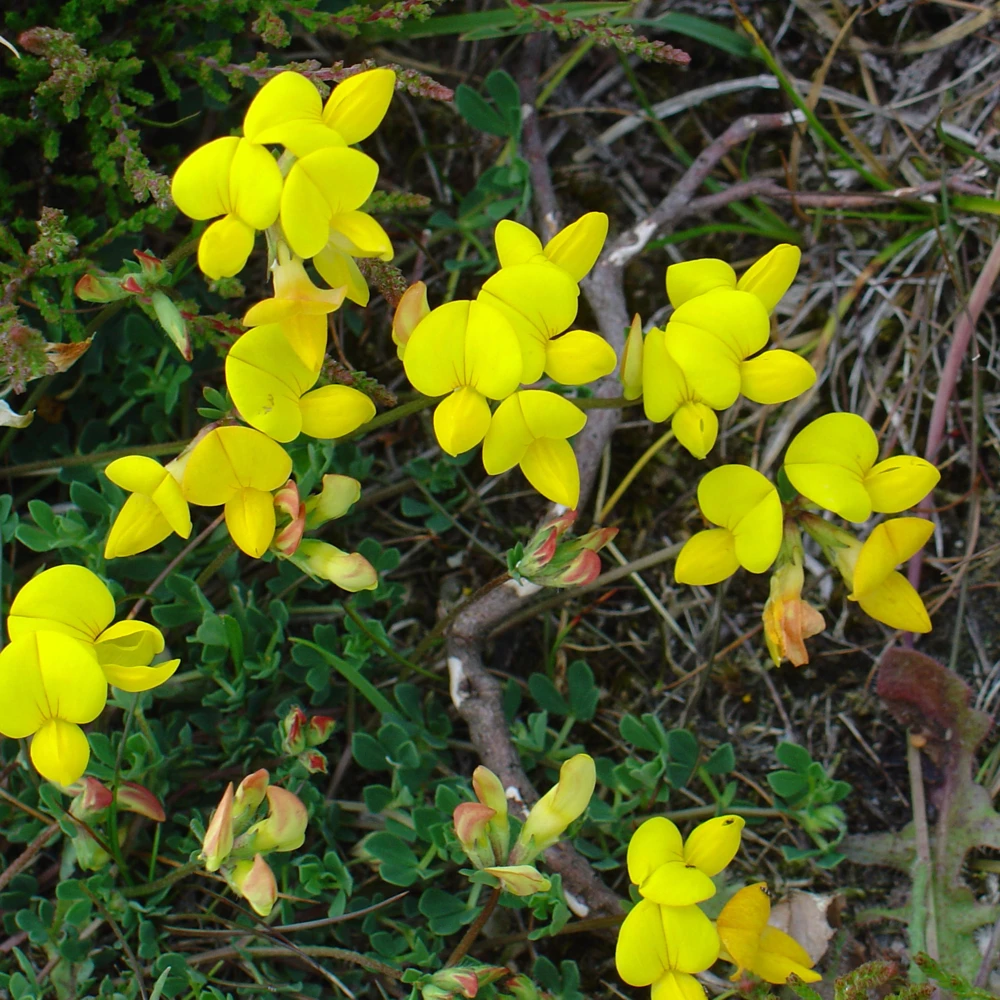
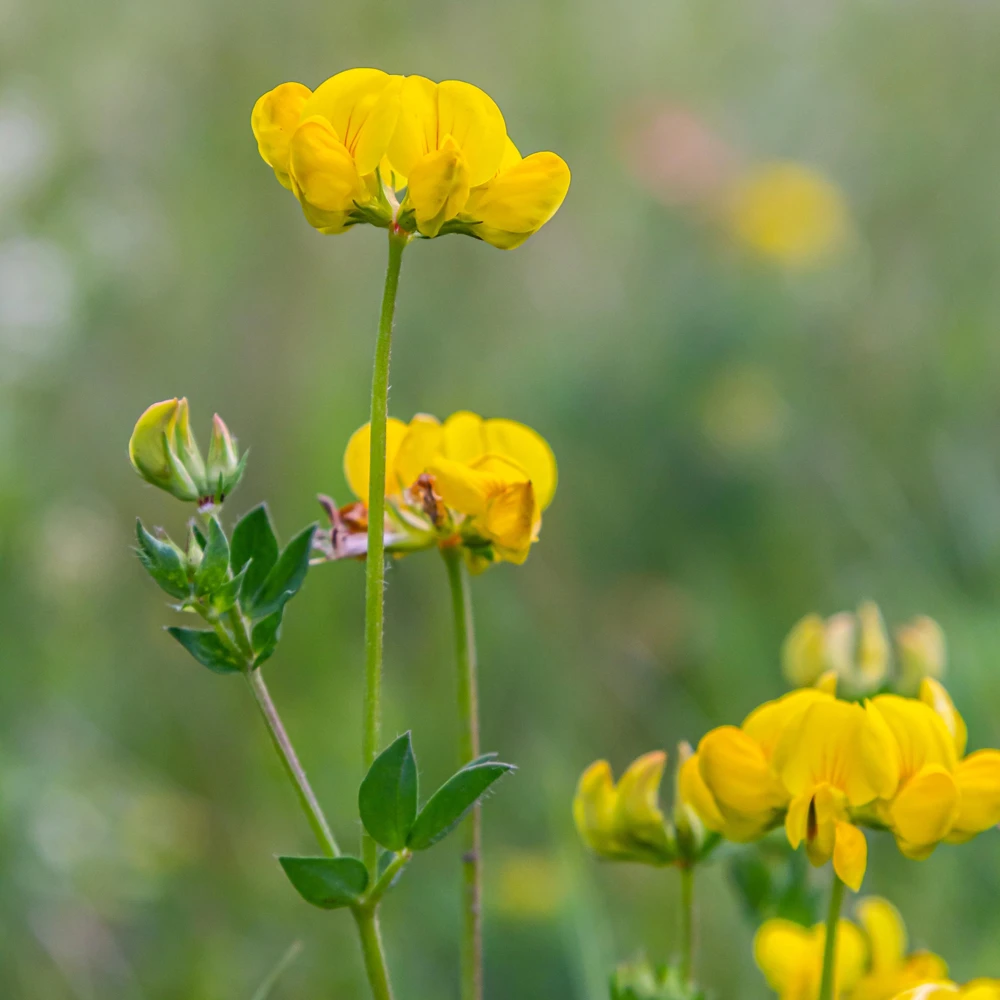
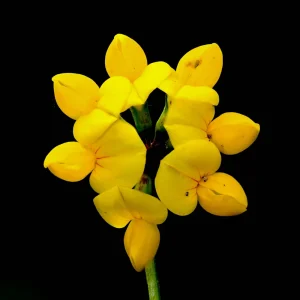
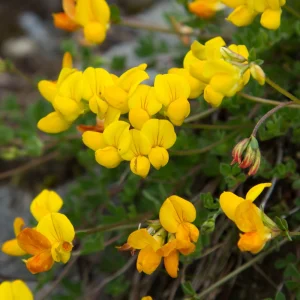
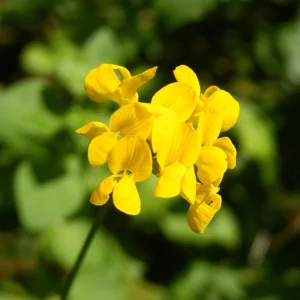
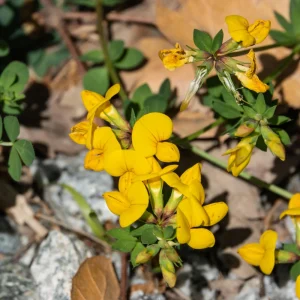
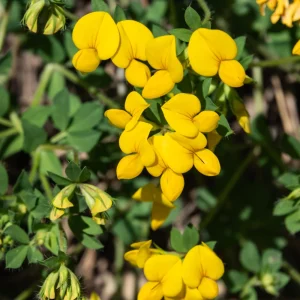
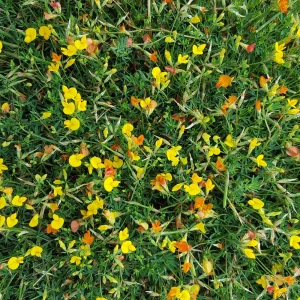
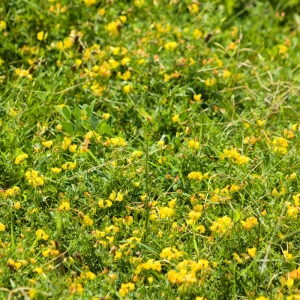
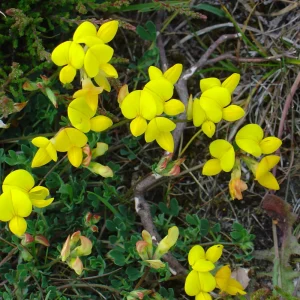
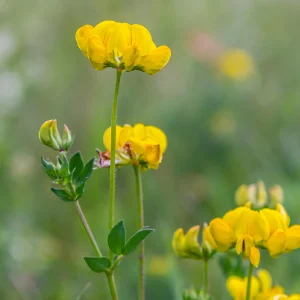
Transform your garden into a haven for pollinators and a spectacle of natural beauty with our yellow bird’s foot trefoil seeds. Also known by its botanical name, Lotus corniculatus, this charming perennial wildflower is celebrated for its bright yellow, pea-like flowers that bloom throughout the summer. It’s an excellent choice for anyone looking to establish a low-maintenance, drought-tolerant groundcover or add vibrant color to meadows and borders. These seeds provide an opportunity to grow a resilient plant that not only looks good but also contributes significantly to local ecosystems by supporting bees, butterflies, and other beneficial insects. Whether you’re a seasoned gardener or just starting, growing lotus corniculatus seeds is a rewarding experience that yields long-lasting beauty and ecological benefits.
Our yellow bird’s foot trefoil seeds are carefully selected to ensure high germination rates and robust plant growth. Each pack contains 30 seeds, offering a generous quantity to cover a good area or to start multiple planting projects. This durable perennial is known for its ability to thrive in various conditions, making it a versatile addition to almost any garden setting. From creating a lush, green carpet on slopes to providing a continuous food source for local wildlife in a dedicated pollinator garden, Bird’s Foot Trefoil is a truly remarkable plant.
Key Benefits
Planting yellow bird’s foot trefoil seeds offers a multitude of advantages for both your garden and the environment. This hardy wildflower provides aesthetic appeal and ecological value with minimal effort.
- Attracts Pollinators: The bright yellow flowers are a favorite among bees, butterflies, and other beneficial insects, making it an excellent plant for creating a thriving pollinator garden seeds.
- Drought-Tolerant & Low Maintenance: Once established, Bird’s Foot Trefoil requires very little water and care, thriving even in poor or sandy soils, which makes it an easy to grow seeds option for busy gardeners.
- Erosion Control: Its spreading growth habit and strong root system make it ideal for stabilizing slopes and preventing soil erosion in challenging areas.
- Versatile Landscaping: Perfect for meadows, naturalized areas, borders, rock gardens, and groundcover, offering flexibility in garden design.
- Long Bloom Period: Enjoy cheerful yellow blooms from late spring through summer, providing continuous color and interest in your landscape.
- Nitrogen Fixer: As a legume, it enriches the soil by fixing atmospheric nitrogen, benefiting surrounding plants without the need for synthetic fertilizers.
- Hardy Perennial: Returns year after year, establishing a permanent and resilient presence in your garden, a true advantage of planting perennial wildflower seeds.
Plant Care & Growing Tips
Cultivating yellow bird’s foot trefoil seeds is straightforward, even for novice gardeners, thanks to its robust nature. To ensure successful germination and vigorous growth, understanding its basic needs is key. This plant thrives in full sun, meaning it prefers at least six hours of direct sunlight per day. While it is adaptable to various soil types, well-drained soil is crucial to prevent root rot. It can tolerate poor or sandy soils, making it a great choice for areas where other plants struggle. The ideal pH range for optimal growth is between 6.0 and 7.5.
When sowing your lotus corniculatus seeds, you can choose to start them indoors a few weeks before the last frost or directly sow them outdoors once the danger of frost has passed in spring. For improved germination, lightly scarify the seeds by gently rubbing them with sandpaper or nicking the seed coat. Sow seeds approximately 1/8 inch deep, maintaining a soil temperature between 65–75°F (18–24°C). Water moderately, ensuring the soil remains consistently moist but not waterlogged, especially during the germination phase. Once established, this perennial wildflower becomes remarkably drought-tolerant, reducing the need for frequent watering. Space plants about 12 inches apart to allow for optimal spread and air circulation. Fertilization is generally not necessary, as Bird’s Foot Trefoil is a nitrogen-fixing legume that naturally enriches the soil. Regular deadheading of spent flowers can encourage more blooms and prevent excessive self-seeding if desired. Be mindful of its vigorous spreading habit, especially in ideal conditions, as it can naturalize quickly.
Size & Details
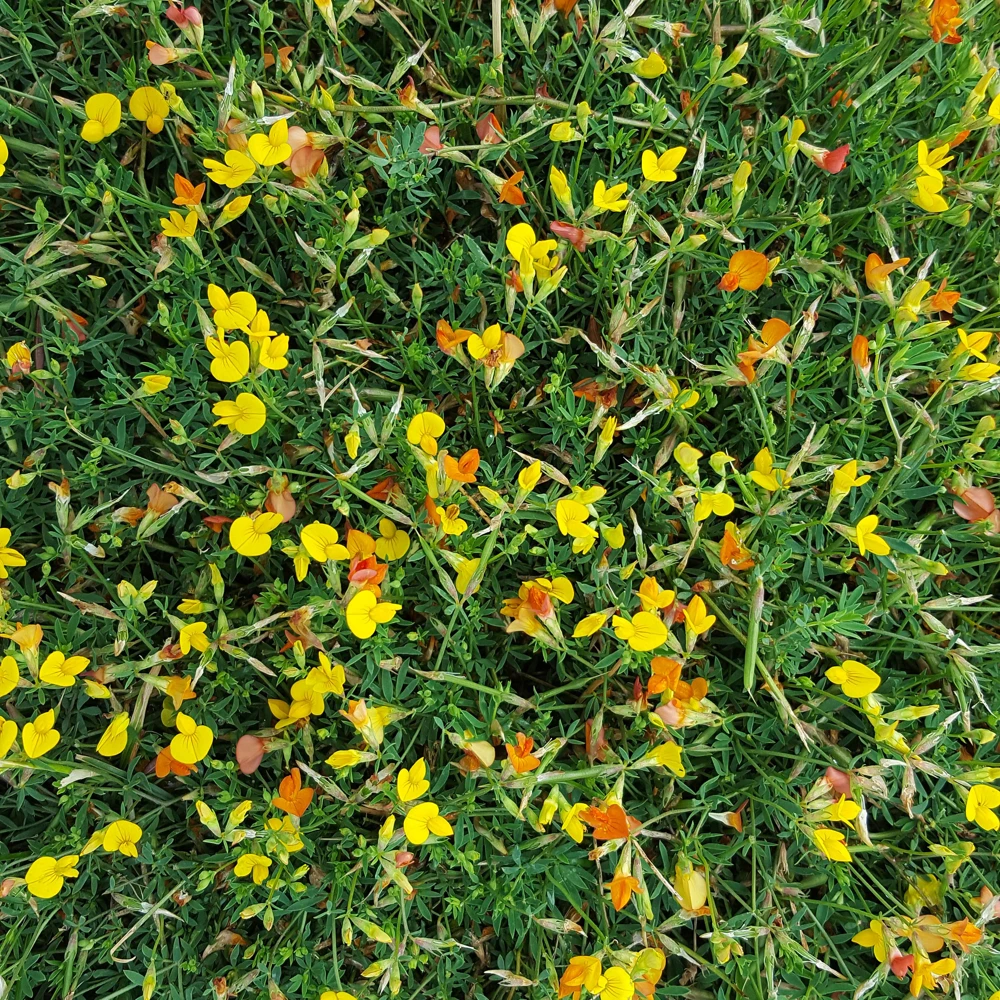
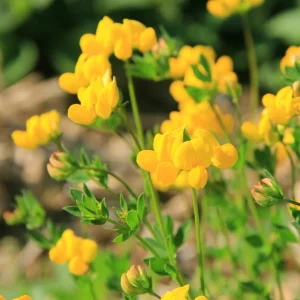
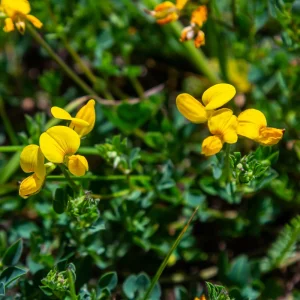
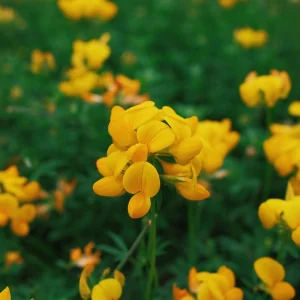
Our offering includes a pack of 30 high-quality yellow bird’s foot trefoil seeds, providing ample opportunity to establish a beautiful patch of this resilient wildflower. Each seed has the potential to grow into a robust perennial plant. Once mature, Lotus corniculatus typically forms a low-growing, spreading mat, reaching a height of about 6 to 12 inches (15 to 30 cm) and spreading outwards up to 2 feet (60 cm) or more, creating a dense groundcover. The vibrant yellow flowers, resembling miniature sweet peas, appear in clusters and provide a continuous display throughout the summer months. These perennial wildflower seeds are shipped as dormant seeds in a protective packet, ready for planting upon arrival. The time to first bloom can vary but generally occurs in the first or second year after planting, with full establishment and spread continuing in subsequent years.
This plant is ideal for USDA Hardiness Zones 4-8, demonstrating excellent cold tolerance and heat resistance once established. It’s an excellent choice for a variety of garden applications, from expansive meadows to intimate border plantings. The seeds are easy to handle and sow, making this an accessible project for gardeners of all experience levels. With proper care, these easy to grow seeds will yield a long-lasting and ecologically beneficial addition to your landscape.
Frequently Asked Questions
- Q: How big does Yellow Bird’s Foot Trefoil get? A: Yellow Bird’s Foot Trefoil typically grows to a height of 6 to 12 inches and can spread up to 2 feet or more, forming a dense groundcover. It’s an excellent choice for filling in spaces in your garden.
- Q: Is this an indoor or outdoor plant? A: Yellow bird’s foot trefoil seeds are meant for outdoor planting. This perennial wildflower thrives in full sun and is best suited for meadows, borders, and naturalized areas in your garden.
- Q: How much sunlight does Yellow Bird’s Foot Trefoil need? A: This plant requires full sun, meaning it needs at least 6 hours of direct sunlight per day to grow vigorously and produce abundant blooms. It can tolerate some partial shade but prefers sunny conditions.
- Q: Is this plant easy to care for? A: Yes, Bird’s Foot Trefoil is considered an easy to grow seeds option. Once established, it is very low-maintenance, drought-tolerant, and can thrive in poor soils. It’s a great choice for beginners or those seeking resilient plants.
- Q: What condition will the seeds arrive in? A: Your yellow bird’s foot trefoil seeds will arrive as dormant, viable seeds in a protective packet, ready for planting according to the included instructions.
- Q: How long until Yellow Bird’s Foot Trefoil blooms? A: While germination can occur relatively quickly, the plant typically starts blooming in its first or second year after planting from lotus corniculatus seeds, providing a beautiful display throughout the summer.
- Q: What’s the minimum temperature this plant can tolerate? A: Yellow Bird’s Foot Trefoil is a hardy perennial, generally suitable for USDA Hardiness Zones 4-8, meaning it can withstand winter temperatures down to -30°F to -20°F (-34°C to -29°C) once established.
- Q: Can these perennial wildflower seeds be planted in a meadow? A: Absolutely! These perennial wildflower seeds are perfectly suited for meadow plantings, naturalizing areas, and creating biodiverse habitats that support local wildlife.
- Q: Do these seeds need any special treatment before planting? A: For improved germination, it is recommended to lightly scarify the yellow bird’s foot trefoil seeds by gently rubbing them with sandpaper or nicking the seed coat before sowing.
- Q: Are these plants good for attracting butterflies? A: Yes, Yellow Bird’s Foot Trefoil is an excellent choice for attracting butterflies, bees, and other beneficial pollinators, making it a valuable addition to any pollinator garden seeds project.
Related products
-50%
Original price was: $23.96.$11.98Current price is: $11.98.
-50%

Original price was: $23.96.$11.98Current price is: $11.98.
-50%
Original price was: $23.96.$11.98Current price is: $11.98.
-50%
Original price was: $23.96.$11.98Current price is: $11.98.
-50%

Original price was: $38.36.$19.18Current price is: $19.18.
-15%
From Original price was: $16.00.$13.60Current price is: $13.60.
-50%
Original price was: $7.98.$3.98Current price is: $3.98.
-50%
From Original price was: $55.60.$27.80Current price is: $27.80.
PLANTING & CARE
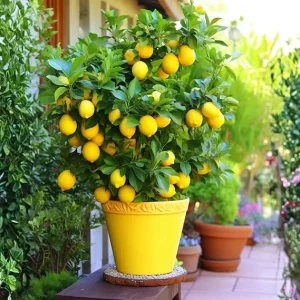
Lemon Tree Growing: Choose, Plant, and Harvest
Learn how to choose, plant, feed, and protect a lemon tree so it fits your
23
Sep
Sep
Dwarf Meyer Lemon Tree Australia: Climate Guide
Learn where dwarf Meyer lemon trees grow, how much cold they tolerate, and whether Australia,
Where to Buy a Dwarf Meyer Lemon Tree: Buyer’s Guide
Find the right dwarf Meyer lemon tree online or locally, compare starter sizes and costs,
Dwarf Meyer Lemon Tree for Sale: Buying Guide
Compare Meyer lemon tree sizes, prices, shipping limits, indoor growing and California options before you
Dwarf Meyer Lemon Tree Guide: Size, Care and Fruit
META: Learn how large a dwarf Meyer lemon tree grows, where it thrives, and how
How to Prune a Dwarf Meyer Lemon Tree
Learn when and how to prune a dwarf Meyer lemon tree, including tools, shaping cuts,
Can You Grow a Dwarf Meyer Lemon Tree in a Pot?
META: Learn how to grow a dwarf Meyer lemon tree in a pot, including container
When Do Dwarf Meyer Lemon Trees Bloom and Fruit?
META: Dwarf Meyer lemon trees usually bloom from winter through spring and may flower again