Yellow Mandevilla Live Plant – 3-6″ Tall Tropical Flowering Vine
-30%




Yellow Mandevilla Live Plant – 3-6″ Tall Tropical Flowering Vine
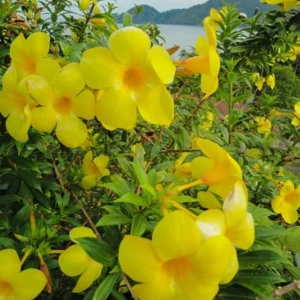
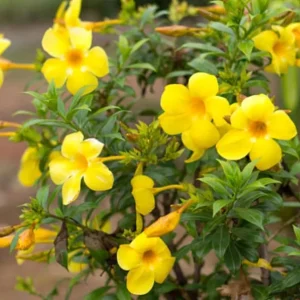
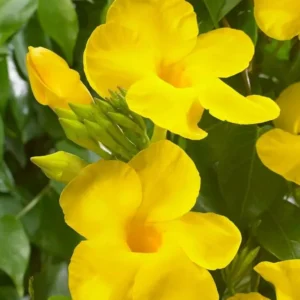
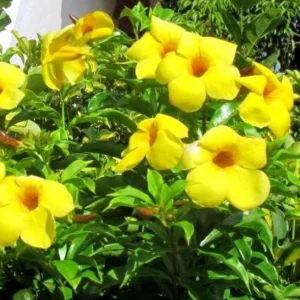
Bring a touch of the tropics to your home with this beautiful yellow mandevilla live plant. Perfect for trellises, hanging baskets, or patio containers, this fast-growing vine produces abundant, trumpet-shaped yellow flowers all season long. Enjoy its vibrant blooms and easy mandevilla care.
Original price was: $27.49.$19.24Current price is: $19.24.

With our Alive & Thrive Guarantee, we’ve got your back for the first 30 days! If you have any concerns about your plants, just reach out to us. Our team is here to help answer your questions and guide you in selecting the best plants for your garden, climate, and unique preferences. We're excited to help you create the garden of your dreams!
Estimated arrival
Oct 21
Oct 26 - Oct 28
Oct 31 - Nov 04

Product Details
-
USDA Hardiness Zone
USDA zones 9-11 (perennial), grown as annual elsewhere -
Soil type
Well-draining, rich in organic matter -
Sunlight Exposure
Full sun to partial sun (6-8 hours direct light) -
Expected Planting Period
Spring to early summer (after last frost)
Overview
Introduce a burst of sunshine to your outdoor living space with the stunning yellow mandevilla live plant. This tropical beauty, scientifically known as Mandevilla spp., is renowned for its vigorous growth and profusion of bright, trumpet-shaped yellow flowers that bloom from spring through fall. Ideal for adding vertical interest to your garden, patio, or balcony, the mandevilla is a climbing vine that quickly establishes itself on trellises, arbors, or fences. Its glossy green foliage provides a lush backdrop for the cheerful yellow blossoms, creating a truly captivating display. Whether you’re an experienced gardener or just starting out, this resilient and eye-catching plant is a fantastic choice for bringing a vibrant, exotic feel to your landscape. This particular offering provides a healthy, young plant, typically 3-6 inches tall, ready to thrive in its new environment.
The yellow mandevilla live plant is a popular choice for its continuous blooming habit and relatively low maintenance requirements. It’s an excellent way to introduce a tropical aesthetic to temperate climates, as it performs wonderfully as an annual in cooler regions or as a perennial in warmer, frost-free zones. Its adaptability makes it a versatile addition to various garden designs, from formal to casual.
Key Benefits
Adding a mandevilla to your garden offers numerous advantages, enhancing both the beauty and ambiance of your outdoor areas. The vibrant yellow blooms are not only visually appealing but also attract beneficial pollinators like hummingbirds and butterflies.
- Continuous Blooms: Enjoy a long season of spectacular yellow flowers from late spring until the first frost, ensuring your garden remains colorful and lively for months. This makes it a standout choice among tropical flowering vine options.
- Stunning Visual Appeal: The bright yellow, trumpet-shaped flowers contrast beautifully with the glossy, dark green leaves, creating an elegant and exotic display that instantly elevates any space.
- Versatile Growth Habit: As a climbing vine, it’s perfect for training on trellises, arbors, and fences, adding vertical interest. It also thrives in hanging baskets or containers, spilling gracefully over the edges. It’s a fantastic mandevilla for trellis applications.
- Attracts Pollinators: The nectar-rich flowers are a magnet for hummingbirds and butterflies, bringing delightful wildlife activity to your garden.
- Relatively Low Maintenance: Once established, the yellow mandevilla live plant requires minimal fuss, making it an excellent option for busy gardeners seeking high impact with less effort.
- Drought Tolerance: While it appreciates consistent moisture, mandevilla can tolerate short periods of drought once mature, making it a robust choice for various conditions.
- Patio & Container Friendly: Its manageable size and climbing nature make it ideal for growing in pots and containers on patios, decks, and balconies, allowing you to enjoy its beauty up close.
Plant Care & Growing Tips
Proper mandevilla care is essential for ensuring your plant thrives and produces an abundance of its beautiful yellow blooms. Mandevillas prefer a location that receives ample sunlight. For best flowering, aim for at least 6-8 hours of direct sunlight per day. In very hot climates, some afternoon shade can be beneficial to prevent leaf scorch. If growing indoors, place it near a bright, south-facing window. Ensure good air circulation around the plant to prevent fungal issues.
Watering is crucial for a healthy yellow mandevilla live plant. Keep the soil consistently moist but never waterlogged. Allow the top inch or two of soil to dry out slightly between waterings. Overwatering can lead to root rot, which is detrimental to the plant’s health. During hot, dry periods, you may need to water more frequently. Reduce watering in the cooler months, especially if the plant is overwintering indoors. Use a well-draining potting mix if planting in containers, preferably one that is rich in organic matter. A mix designed for tropical plants or a general-purpose potting soil amended with perlite or sand will work well.
Mandevillas are tropical plants and prefer warm temperatures. They generally thrive in temperatures between 65°F and 80°F (18°C-27°C). They are not frost-tolerant and will need to be brought indoors or protected when temperatures drop below 50°F (10°C). They are typically perennial in USDA Zones 9-11 and grown as annuals in colder zones. Fertilize your yellow mandevilla live plant every 2-4 weeks during the growing season (spring through fall) with a balanced liquid fertilizer or a fertilizer high in phosphorus to encourage blooming. Pruning can be done in early spring to maintain shape, encourage bushier growth, and remove any dead or leggy stems. Watch out for common pests like aphids, spider mites, and mealybugs, and treat them promptly with insecticidal soap if detected. Learning how to grow mandevilla successfully requires attention to these details.
Size & Details
This offering includes a young, healthy yellow mandevilla live plant, typically measuring 3-6 inches in height from the base of the plant to the top of its foliage. It arrives ready for planting, often in a small nursery pot or carefully packaged for safe transit. Mandevillas are fast-growing vines, and with proper care, this plant will quickly establish itself and begin to climb. Expect rapid growth during the warm months, with vines capable of reaching several feet in length in a single season when provided with adequate support. The mature spread can vary depending on growing conditions and support structure, often reaching 3-6 feet wide. The plant will produce its vibrant yellow, trumpet-shaped flowers continuously from late spring through fall, providing an extended period of color and tropical charm to your garden or patio. It is shipped as a live, rooted plant, ensuring a strong start for its new home.
Frequently Asked Questions
- Q: How big does this plant get? A: This yellow mandevilla live plant is typically 3-6 inches tall upon arrival. With proper care and support, mandevilla vines can grow several feet long in one season, often reaching lengths of 6-10 feet or more, depending on the variety and growing conditions.
- Q: Is this an indoor or outdoor plant? A: Mandevilla is primarily an outdoor plant that thrives in warm, sunny conditions. In USDA Zones 9-11, it can be grown as a perennial outdoors. In colder zones, it is typically grown as an annual or brought indoors to overwinter.
- Q: How much sunlight does it need? A: For optimal blooming, your yellow mandevilla live plant requires at least 6-8 hours of direct sunlight per day. While it tolerates some afternoon shade in very hot climates, more sun generally means more flowers.
- Q: Is this plant easy to care for? A: Yes, mandevillas are considered relatively easy to care for. They require consistent watering, plenty of sunlight, and regular feeding during the growing season. Pruning helps maintain shape and encourages bushier growth.
- Q: What condition will it arrive in? A: Your yellow mandevilla live plant will arrive as a healthy, rooted plant, usually in a small nursery pot or carefully packaged to ensure its safety during transit. It will be ready for immediate planting or transplanting.
- Q: How long until it blooms? A: Mandevillas are known for their vigorous growth and continuous blooming. With adequate light and nutrients, your plant should begin to produce its beautiful yellow flowers within a few weeks to a couple of months after planting, continuing through the growing season.
- Q: What’s the best way to support this tropical flowering vine? A: To help your tropical flowering vine climb, provide a trellis, arbor, or stakes early on. Gently guide the young stems to the support, and they will naturally twine around it as they grow. This is key for a successful mandevilla for trellis display.
- Q: What type of soil is best for this plant? A: Mandevillas prefer well-draining soil that is rich in organic matter. A good quality potting mix with added perlite or sand is ideal for container growing to ensure proper drainage and prevent waterlogging.
- Q: Will this plant attract pollinators? A: Absolutely! The vibrant, trumpet-shaped flowers of the yellow mandevilla live plant are very attractive to hummingbirds, butterflies, and other beneficial pollinators, bringing lively activity to your garden.
- Q: When is the best time to plant a mandevilla? A: The best time to plant a mandevilla outdoors is in spring after all danger of frost has passed and night temperatures are consistently above 50°F (10°C). This gives the plant ample time to establish itself before the peak growing season. If you want to know how to grow mandevilla successfully, planting at the right time is crucial.
Related products
-67%
Original price was: $59.97.$19.99Current price is: $19.99.
-45%

Original price was: $170.00.$93.50Current price is: $93.50.
-50%

Original price was: $81.98.$40.99Current price is: $40.99.
-20%
Original price was: $36.00.$28.80Current price is: $28.80.
-67%
Original price was: $50.97.$16.99Current price is: $16.99.
-50%
Original price was: $179.00.$89.50Current price is: $89.50.
-67%
Original price was: $59.97.$19.99Current price is: $19.99.
PLANTING & CARE
Lemon Tree Growing: Choose, Plant, and Harvest
Learn how to choose, plant, feed, and protect a lemon tree so it fits your
23
Sep
Sep
Dwarf Meyer Lemon Tree Australia: Climate Guide
Learn where dwarf Meyer lemon trees grow, how much cold they tolerate, and whether Australia,
Where to Buy a Dwarf Meyer Lemon Tree: Buyer’s Guide
Find the right dwarf Meyer lemon tree online or locally, compare starter sizes and costs,
Dwarf Meyer Lemon Tree for Sale: Buying Guide
Compare Meyer lemon tree sizes, prices, shipping limits, indoor growing and California options before you
Dwarf Meyer Lemon Tree Guide: Size, Care and Fruit
META: Learn how large a dwarf Meyer lemon tree grows, where it thrives, and how
How to Prune a Dwarf Meyer Lemon Tree
Learn when and how to prune a dwarf Meyer lemon tree, including tools, shaping cuts,
Can You Grow a Dwarf Meyer Lemon Tree in a Pot?
META: Learn how to grow a dwarf Meyer lemon tree in a pot, including container
When Do Dwarf Meyer Lemon Trees Bloom and Fruit?
META: Dwarf Meyer lemon trees usually bloom from winter through spring and may flower again