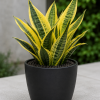
Yellow Sansevieria Live Plant – 4 Inch Pot – Yellow Variegated Indoor Succulent
-50%
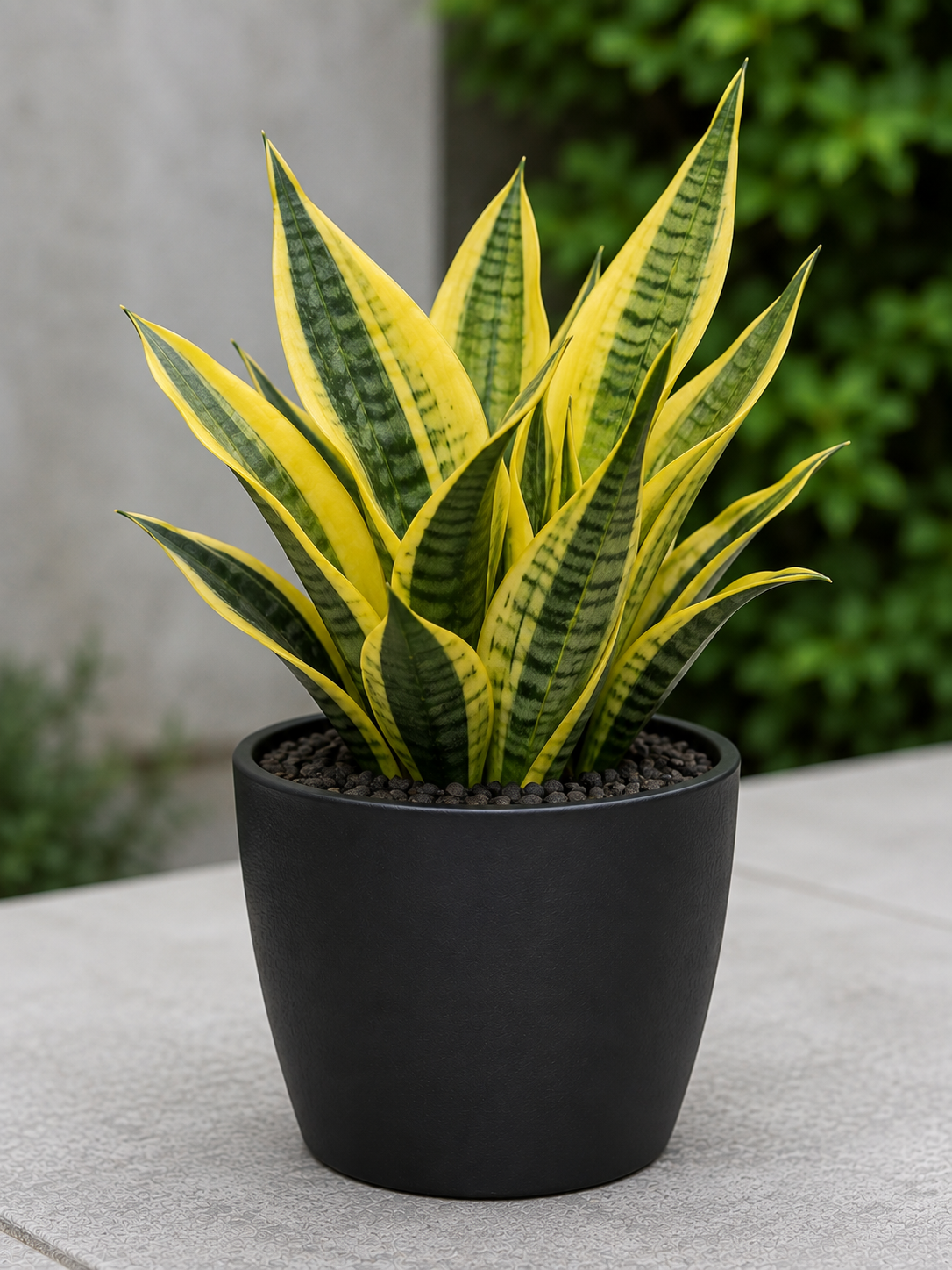
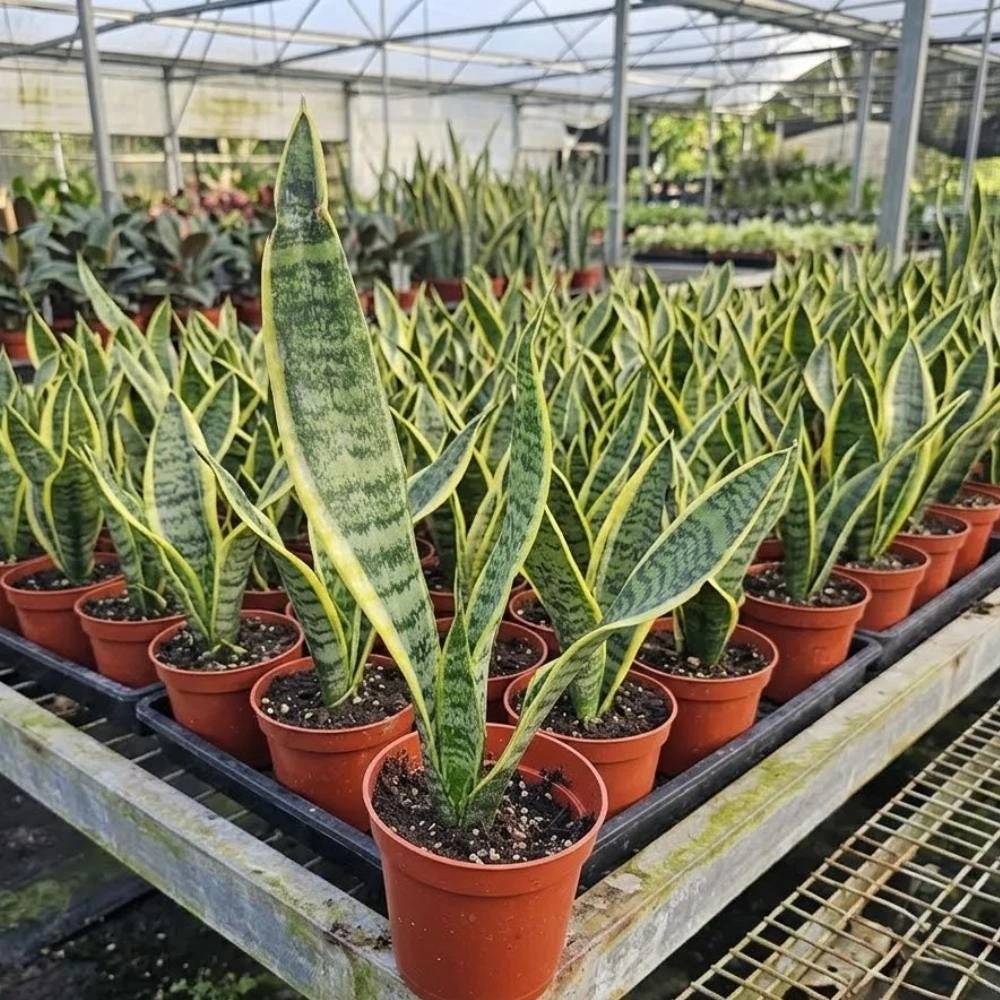
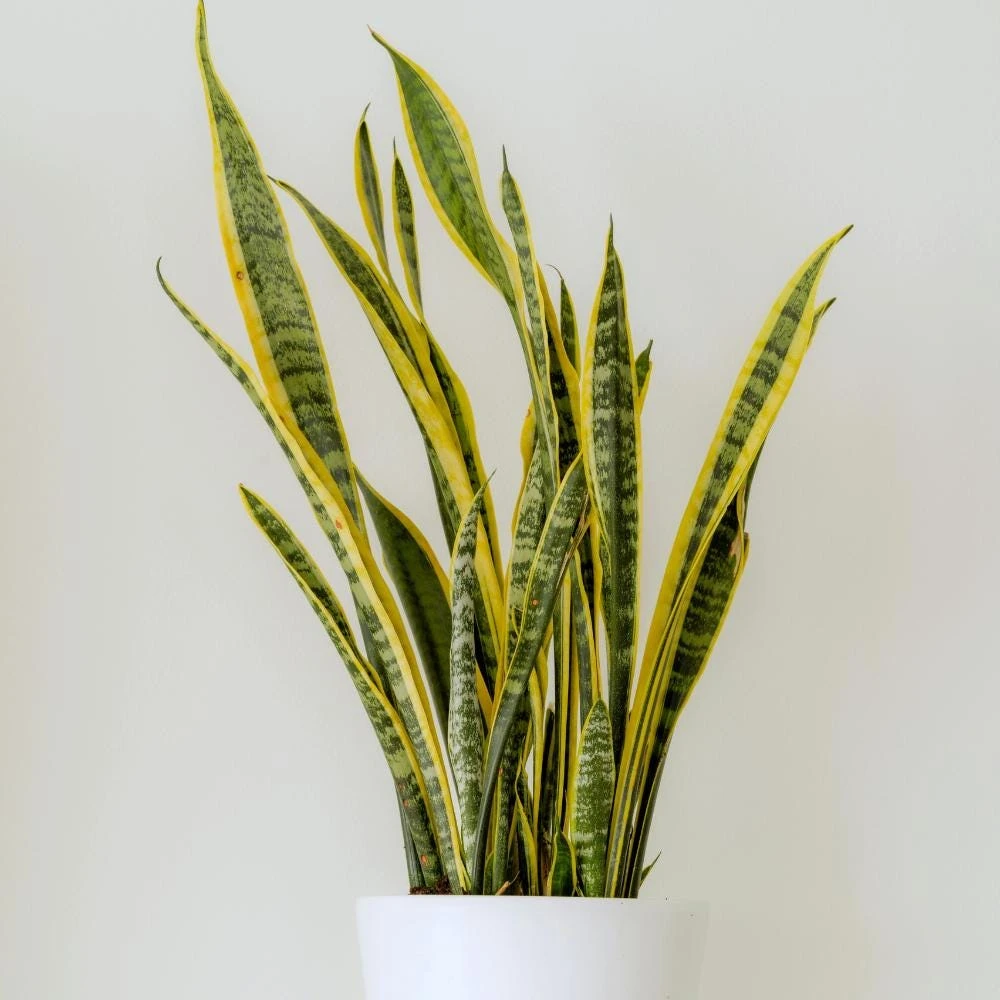
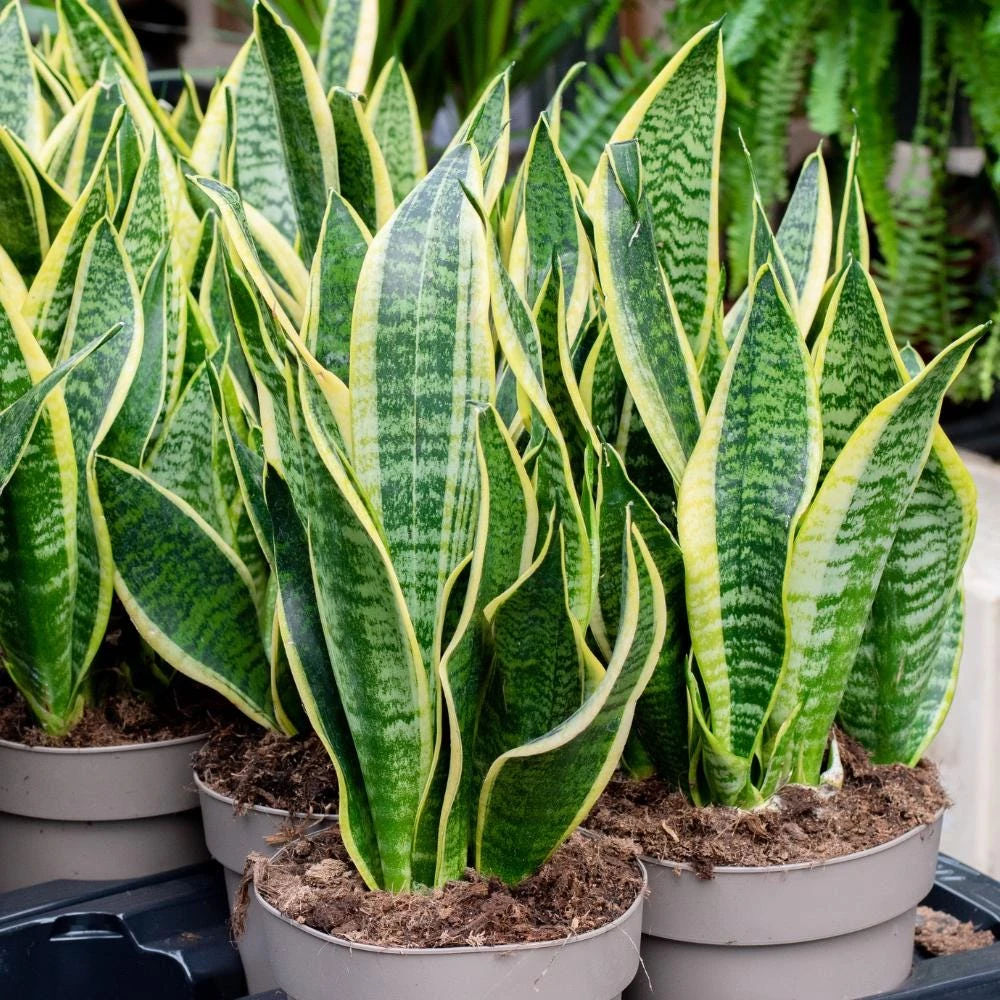
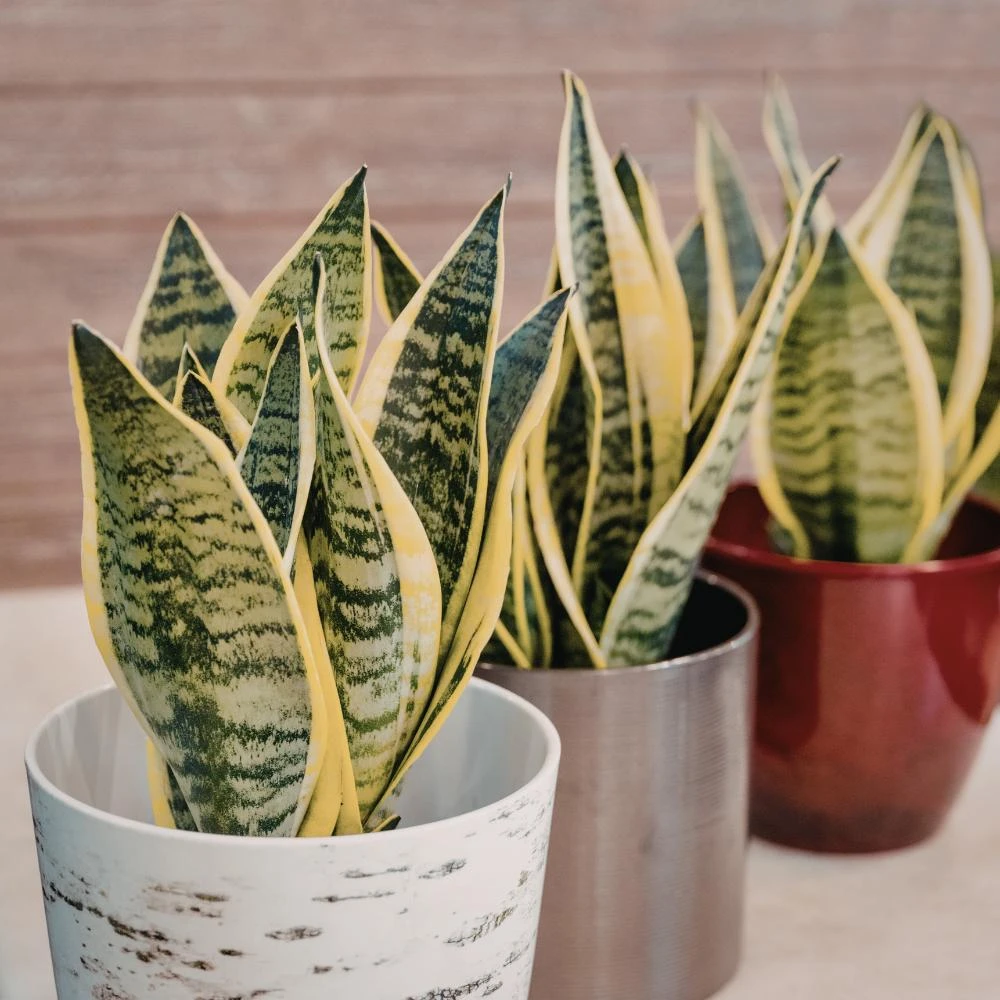
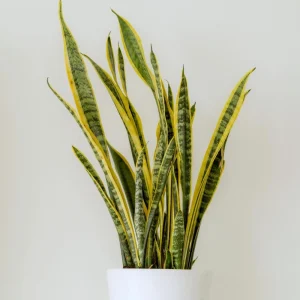
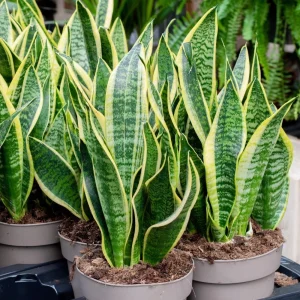
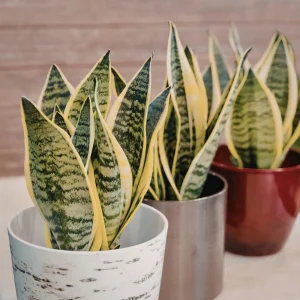
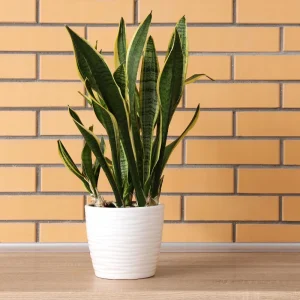
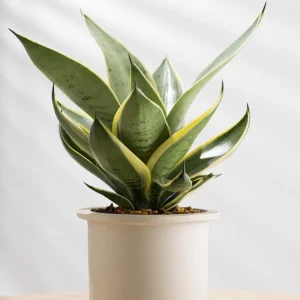
Yellow Sansevieria Live Plant – 4 Inch Pot – Yellow Variegated Indoor Succulent
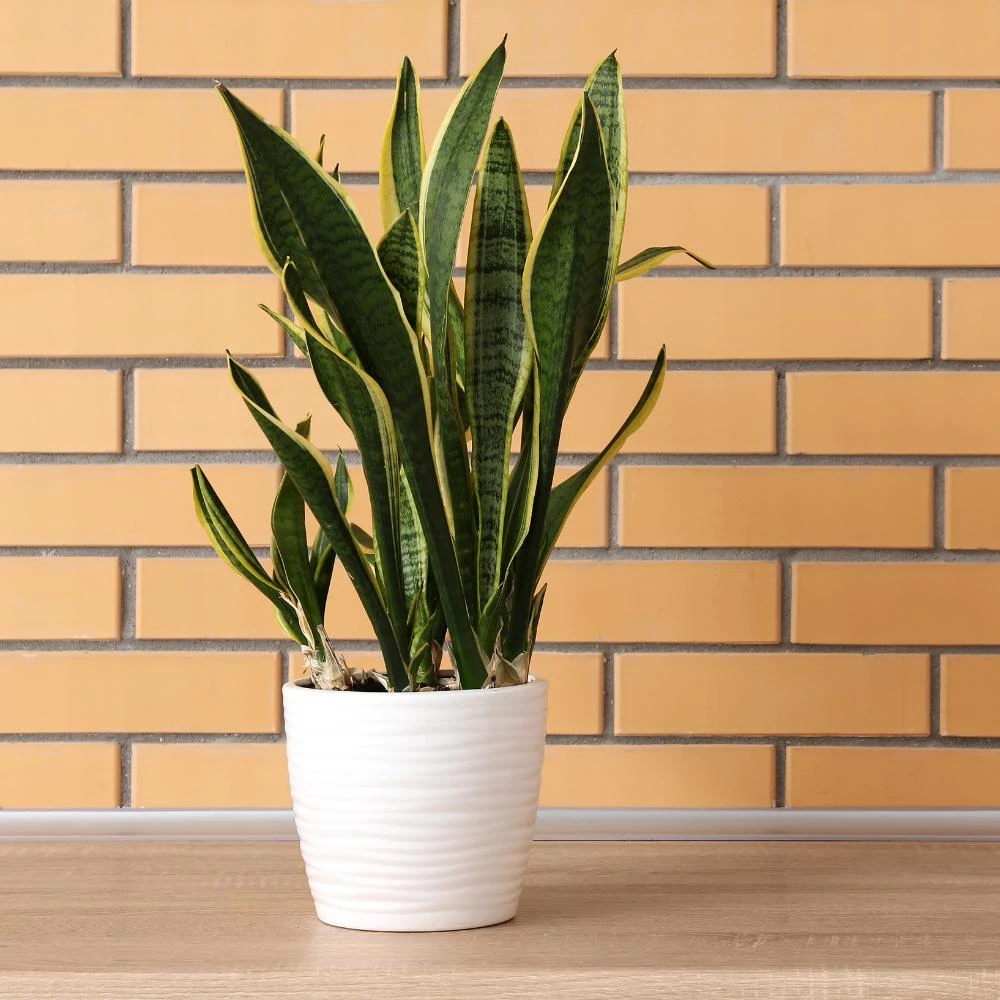
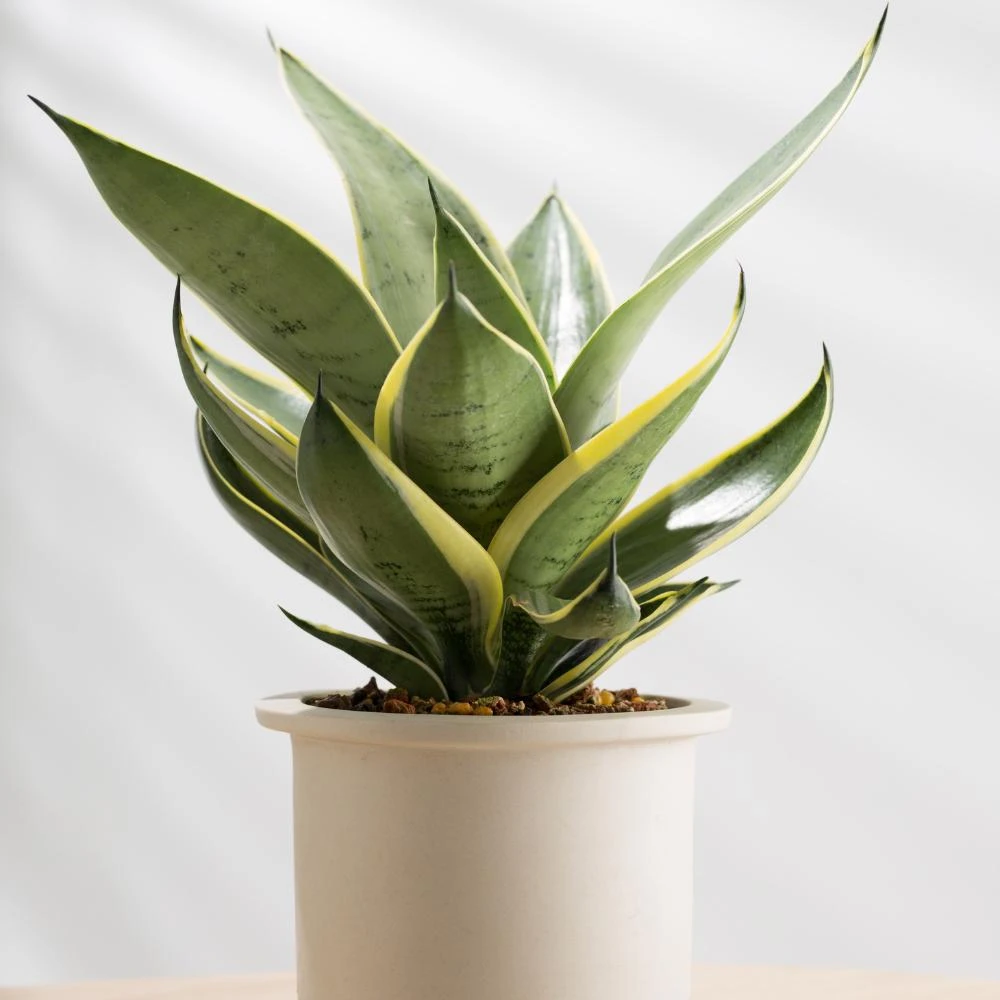
Bring vibrant color and architectural elegance to your indoor space with this yellow sansevieria live plant. This beautiful indoor succulent plant features striking yellow variegated leaves, arriving rooted in a 4-inch pot. Perfect for beginners and busy plant parents, it’s an ideal choice for desks, shelves, or any bright spot in your home.
Original price was: $60.24.$30.12Current price is: $30.12.

With our Alive & Thrive Guarantee, we’ve got your back for the first 30 days! If you have any concerns about your plants, just reach out to us. Our team is here to help answer your questions and guide you in selecting the best plants for your garden, climate, and unique preferences. We're excited to help you create the garden of your dreams!
Estimated arrival
Oct 14
Oct 19 - Oct 21
Oct 24 - Oct 28

Product Details
-
USDA Hardiness Zone
Year-round indoors (USDA zones 9-11 if grown outdoors) -
Soil type
Well-draining succulent or cactus potting mix -
Sunlight Exposure
Bright indirect light -
Expected Planting Period
Year-round indoors
Overview
Introduce a splash of vibrant color and unique texture to your home or office with the stunning yellow sansevieria live plant. Also widely known as a snake plant yellow or Mother-in-Law’s Tongue, this resilient and visually appealing succulent is celebrated for its upright, sword-like leaves adorned with brilliant yellow edges and green centers. Our yellow sansevieria live plant comes established in a convenient 4-inch pot, ready to thrive in its new environment. Sansevierias are renowned for their low-maintenance nature, making them an excellent choice for both seasoned plant enthusiasts and those just beginning their plant journey. This particular variegated sansevieria variety offers a bright and cheerful aesthetic that can instantly uplift any indoor decor, providing a continuous display of natural beauty without demanding constant attention.
The Sansevieria trifasciata ‘Laurentii’ (or similar yellow-edged cultivar) is a popular indoor plant due to its striking appearance and air-purifying qualities. Its architectural form and vibrant coloration make it a focal point in any room. This specific offering is for a healthy, well-rooted yellow sansevieria live plant, meticulously prepared for safe shipment directly to your door. Its compact size ensures it fits perfectly on windowsills, bookshelves, or office desks, adding a touch of green and gold elegance to even the smallest spaces. Embrace the simplicity and beauty of this exceptional succulent.
Key Benefits
The yellow sansevieria live plant offers a multitude of advantages, making it a highly sought-after houseplant. Its resilience and striking appearance contribute significantly to its popularity. Here are some of the key benefits you can enjoy:
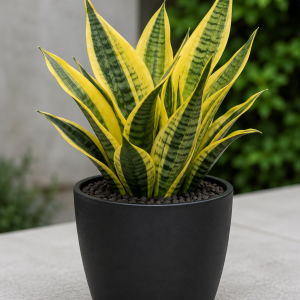
- Stunning Visual Appeal: The vibrant yellow edges contrasting with the deep green leaves of this variegated sansevieria create an eye-catching display. Its upright, architectural growth habit adds a modern and sophisticated touch to any interior design, enhancing the aesthetic of your living or working space.
- Exceptional Air Purification: As an indoor succulent plant, the Sansevieria is well-known for its ability to filter indoor air, removing toxins such as formaldehyde, benzene, xylene, and trichloroethylene. It’s one of the few plants that convert carbon dioxide into oxygen at night, improving air quality while you sleep.
- Remarkably Low Maintenance: This is an ideal plant for busy individuals or beginners. The yellow sansevieria live plant is incredibly forgiving and can tolerate a range of conditions, including infrequent watering and lower light levels, making sansevieria care tips easy to follow.
- Drought Tolerant: Its succulent nature allows it to store water in its leaves, meaning it can go for extended periods without water. This makes it perfect for those who travel frequently or tend to forget watering schedules. Overwatering is a more common issue than underwatering for this plant.
- Compact and Space-Saving: Growing in a 4-inch pot, this plant remains compact, making it suitable for smaller spaces such as desks, shelves, nightstands, or as part of a larger plant arrangement without overwhelming the area.
- Pet-Friendly (with caution): While not entirely non-toxic, Sansevieria is generally considered less harmful than some other houseplants if ingested. However, it’s still best to keep it out of reach of pets and children to avoid mild stomach upset.
- Boosts Mood and Productivity: Studies suggest that having plants, like this beautiful indoor succulent plant, in your environment can reduce stress, improve concentration, and enhance overall well-being, contributing to a more positive and productive atmosphere.
Plant Care & Growing Tips
Caring for your yellow sansevieria live plant is straightforward, making it one of the easiest houseplants to maintain. Understanding a few basic sansevieria care tips will ensure your plant thrives and continues to display its beautiful yellow variegation for years to come. This resilient indoor succulent plant is very forgiving, tolerating a range of conditions, which is why it’s often recommended for beginners.
Sunlight Requirements: While a snake plant yellow can tolerate low light conditions, it truly flourishes and maintains its vibrant yellow variegation in bright, indirect light. Place it near a window where it receives plenty of ambient light but is shielded from harsh, direct afternoon sun, which can scorch its leaves. An east-facing window is often ideal, providing gentle morning sun. If placed in very low light, its growth may slow, and the yellow edges might become less prominent.
Watering Schedule and Soil Moisture: Overwatering is the biggest killer of Sansevierias. Allow the soil to dry out completely between waterings. When you do water, water thoroughly until it drains from the bottom of the pot, then discard any excess water in the saucer. In most indoor environments, this might mean watering every 2-4 weeks, depending on light, temperature, and humidity. During winter months, reduce watering frequency even further. Always check the soil moisture with your finger before watering – if it feels damp, wait a few more days. Proper drainage is crucial for this yellow sansevieria live plant.
Soil Type and Drainage Requirements: Your variegated sansevieria requires a well-draining potting mix. A cactus or succulent mix is ideal, or you can create your own by amending regular potting soil with perlite or coarse sand to improve drainage. The 4-inch pot it arrives in should have drainage holes to prevent waterlogging, which can lead to root rot. Good drainage is paramount for the health of your indoor succulent plant.
Temperature Range and USDA Hardiness Zone: Sansevierias prefer average room temperatures between 65-80°F (18-27°C). They are not frost-tolerant and should be protected from temperatures below 50°F (10°C), making them strictly indoor plants in most regions. While primarily an indoor plant, if grown outdoors in very warm climates, it would correspond to USDA zones 9-11.
Fertilization Schedule and Type: This yellow sansevieria live plant is not a heavy feeder. Fertilize sparingly, once or twice during the growing season (spring and summer) with a balanced liquid fertilizer diluted to half strength. Avoid fertilizing during the dormant winter months. Excessive fertilization can harm the plant.
Common Problems and Solutions: The most common issue is root rot due to overwatering. If leaves become soft or mushy at the base, reduce watering immediately. Brown tips can indicate underwatering or low humidity, while yellowing leaves can signal overwatering or nutrient deficiency. Pests are rare but can include mealybugs or spider mites; treat with neem oil or insecticidal soap if spotted.
Size & Details
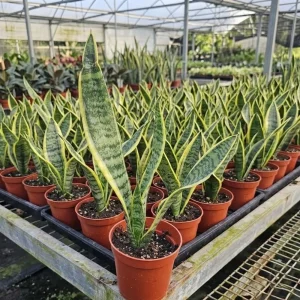
This offering features one healthy yellow sansevieria live plant, meticulously grown and established in a 4-inch nursery pot. The plant’s leaves typically grow upright, reaching heights of approximately 6-12 inches at the time of shipment, with the potential to grow taller as it matures, often reaching 2-3 feet in ideal indoor conditions. The compact nature of this indoor succulent plant makes it incredibly versatile for various display locations within your home or office. It is shipped well-rooted and carefully packed to ensure it arrives in excellent condition, ready for continued growth.
The growth rate of this variegated sansevieria is moderate, allowing you to enjoy its beauty without it quickly outgrowing its space. It will maintain its strong, upright shape and distinctive yellow-edged foliage. The plant is ready to be placed directly into a decorative planter or repotted into a slightly larger pot if desired after it has acclimated to its new environment. Expect this resilient plant to provide long-lasting enjoyment with minimal effort, embodying the ease of sansevieria care tips.
Frequently Asked Questions
- Q: How big does this yellow sansevieria live plant get? A: This particular plant is currently in a 4-inch pot and typically arrives 6-12 inches tall. With proper care, it can grow to an impressive height of 2-3 feet over time, maintaining its upright, architectural form.
- Q: Is this an indoor succulent plant or can it be grown outdoors? A: While Sansevieria can thrive outdoors in very warm, frost-free climates (USDA zones 9-11), it is predominantly cultivated as an indoor succulent plant in most regions of the US. It prefers stable indoor temperatures and bright, indirect light.
- Q: How much sunlight does my snake plant yellow need? A: Your Sansevieria prefers bright, indirect light to maintain its vibrant yellow variegation. It can tolerate lower light, but growth may slow, and the yellow edges might become less pronounced. Avoid harsh, direct afternoon sun.
- Q: Is this plant easy to care for? Is it good for beginners? A: Yes, the yellow sansevieria live plant is one of the easiest houseplants to care for, making it an excellent choice for beginners. Its drought tolerance and ability to thrive with minimal attention are key reasons for its popularity. Following basic sansevieria care tips will ensure its health.
- Q: What condition will the plant arrive in? Is it shipped in soil? A: Your variegated sansevieria will arrive as a live, well-rooted plant in its 4-inch nursery pot, complete with soil. It is carefully packed to ensure it arrives safely and securely, ready to be placed in your home.
- Q: How often should I water my indoor succulent plant? A: The most crucial sansevieria care tips regarding watering is to allow the soil to dry out completely between waterings. This could be every 2-4 weeks, depending on environmental factors. Always check the soil moisture before watering to prevent overwatering.
- Q: Is the snake plant yellow pet-safe? A: While generally considered mildly toxic if ingested by pets, causing minor stomach upset, it’s best to keep your yellow sansevieria live plant out of reach of curious pets and children to ensure their safety.
- Q: Can I repot this plant immediately after it arrives? A: It’s generally recommended to allow your new indoor succulent plant to acclimate to its new environment for a week or two before repotting. When you do repot, choose a pot only slightly larger than the current 4-inch pot.
- Q: What kind of soil is best for a variegated sansevieria? A: A well-draining soil mix is essential. A cactus or succulent potting mix is ideal, or you can amend regular potting soil with perlite or coarse sand to improve drainage for your yellow sansevieria live plant.
- Q: Will the yellow color fade? A: The vibrant yellow variegation of your snake plant yellow is generally stable. However, if the plant receives insufficient light, the yellow edges might become less pronounced. Providing bright, indirect light helps maintain its striking coloration.
Related products
-30%
Original price was: $79.98.$55.98Current price is: $55.98.
-30%
Original price was: $47.98.$33.58Current price is: $33.58.
-30%
Original price was: $85.98.$60.18Current price is: $60.18.
-30%
Original price was: $79.98.$55.98Current price is: $55.98.
-30%
Original price was: $79.98.$55.98Current price is: $55.98.
-30%
Original price was: $79.98.$55.98Current price is: $55.98.
-30%
Original price was: $49.98.$34.98Current price is: $34.98.
PLANTING & CARE
Lemon Tree Growing: Choose, Plant, and Harvest
Learn how to choose, plant, feed, and protect a lemon tree so it fits your
23
Sep
Sep
Dwarf Meyer Lemon Tree Australia: Climate Guide
Learn where dwarf Meyer lemon trees grow, how much cold they tolerate, and whether Australia,
Where to Buy a Dwarf Meyer Lemon Tree: Buyer’s Guide
Find the right dwarf Meyer lemon tree online or locally, compare starter sizes and costs,
Dwarf Meyer Lemon Tree for Sale: Buying Guide
Compare Meyer lemon tree sizes, prices, shipping limits, indoor growing and California options before you
Dwarf Meyer Lemon Tree Guide: Size, Care and Fruit
META: Learn how large a dwarf Meyer lemon tree grows, where it thrives, and how
How to Prune a Dwarf Meyer Lemon Tree
Learn when and how to prune a dwarf Meyer lemon tree, including tools, shaping cuts,
Can You Grow a Dwarf Meyer Lemon Tree in a Pot?
META: Learn how to grow a dwarf Meyer lemon tree in a pot, including container
When Do Dwarf Meyer Lemon Trees Bloom and Fruit?
META: Dwarf Meyer lemon trees usually bloom from winter through spring and may flower again