Yomogi Japanese Mugwort Seeds – Artemisia princeps Heirloom Herb – 30 Seeds
-65%
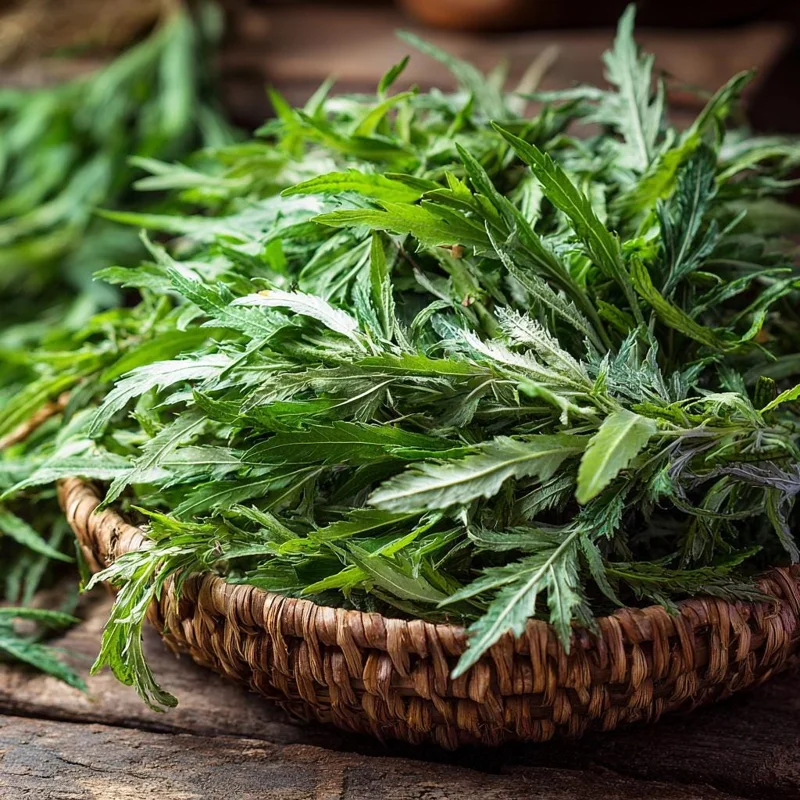
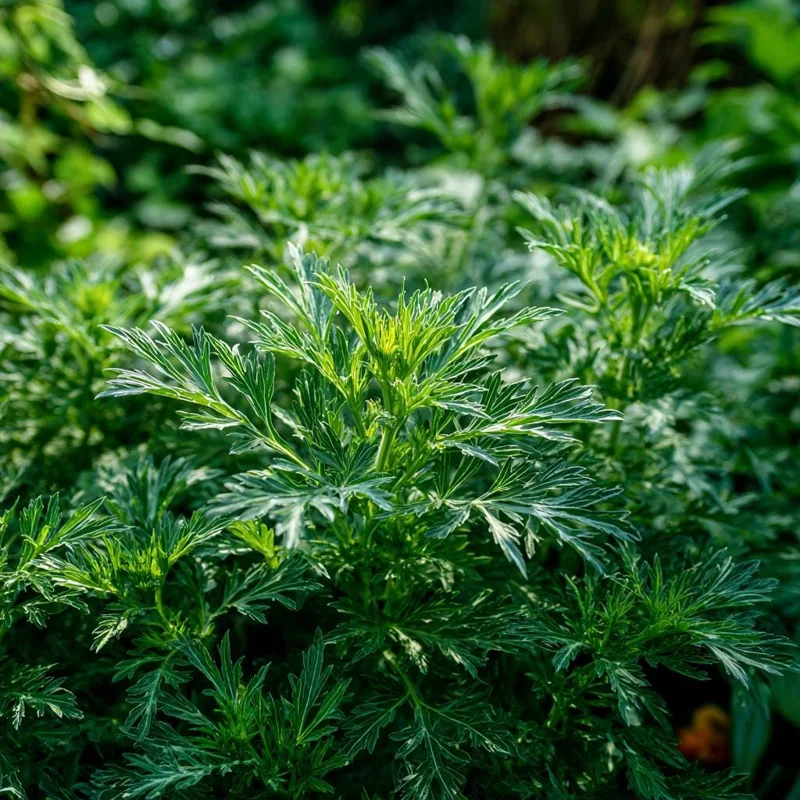
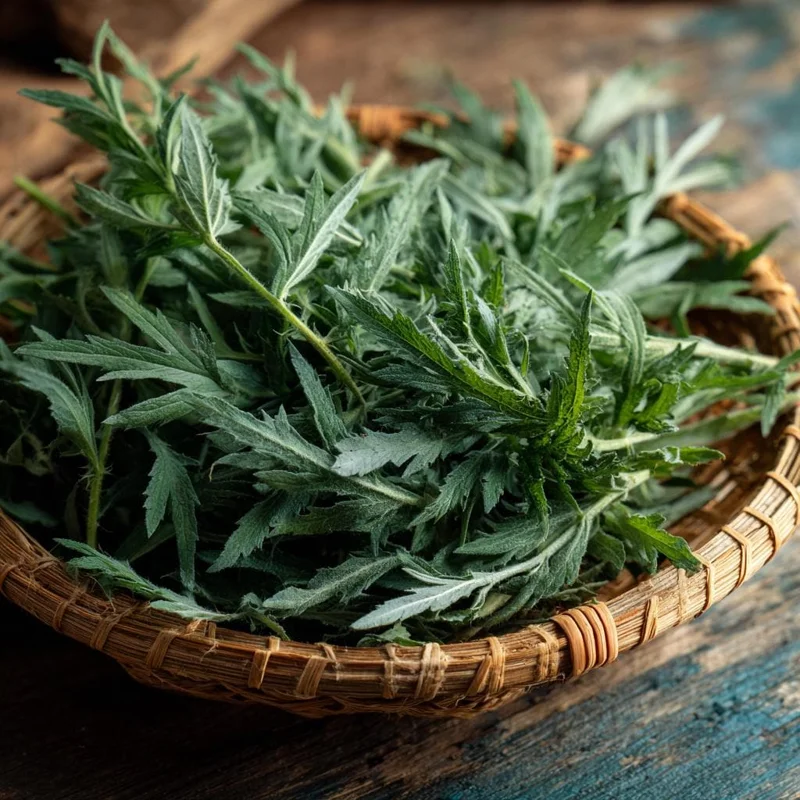
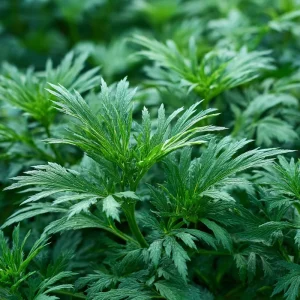
Yomogi Japanese Mugwort Seeds – Artemisia princeps Heirloom Herb – 30 Seeds
Cultivate your own traditional Yomogi Japanese Mugwort seeds (Artemisia princeps) with this pack of 30 heirloom seeds. This versatile herb is cherished for its culinary, medicinal, and ornamental value, adding unique flavor to dishes and beauty to gardens. Easy to grow for both beginners and experienced gardeners.
Original price was: $30.99.$10.99Current price is: $10.99.

With our Alive & Thrive Guarantee, we’ve got your back for the first 30 days! If you have any concerns about your plants, just reach out to us. Our team is here to help answer your questions and guide you in selecting the best plants for your garden, climate, and unique preferences. We're excited to help you create the garden of your dreams!
Estimated arrival
Oct 21
Oct 26 - Oct 28
Oct 31 - Nov 04






Product Details
-
USDA Hardiness Zone
unknown -
Soil type
well-drained soil -
Sunlight Exposure
full sun -
Expected Planting Period
spring
Overview
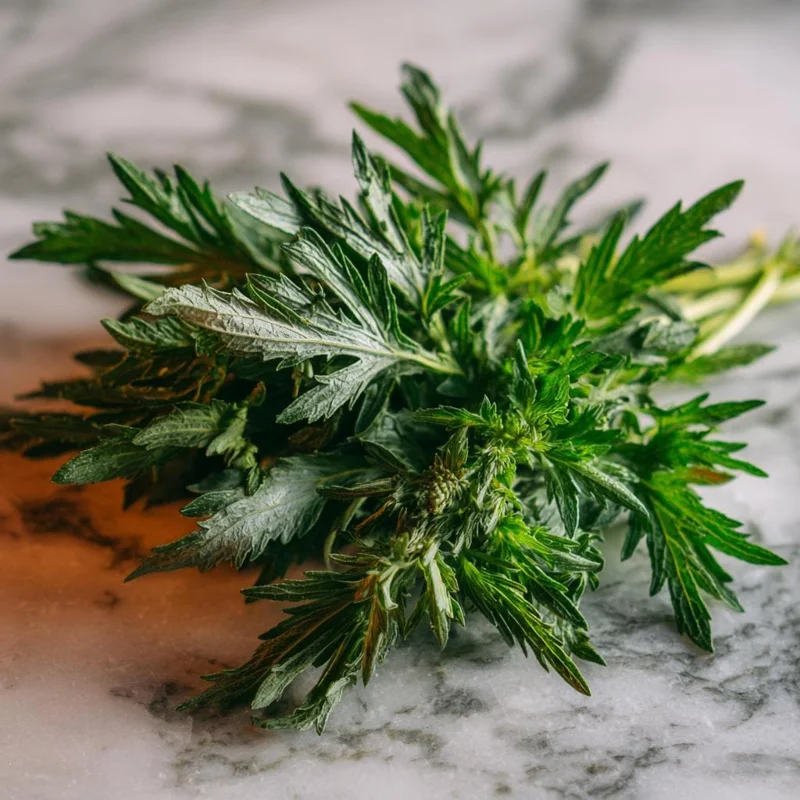
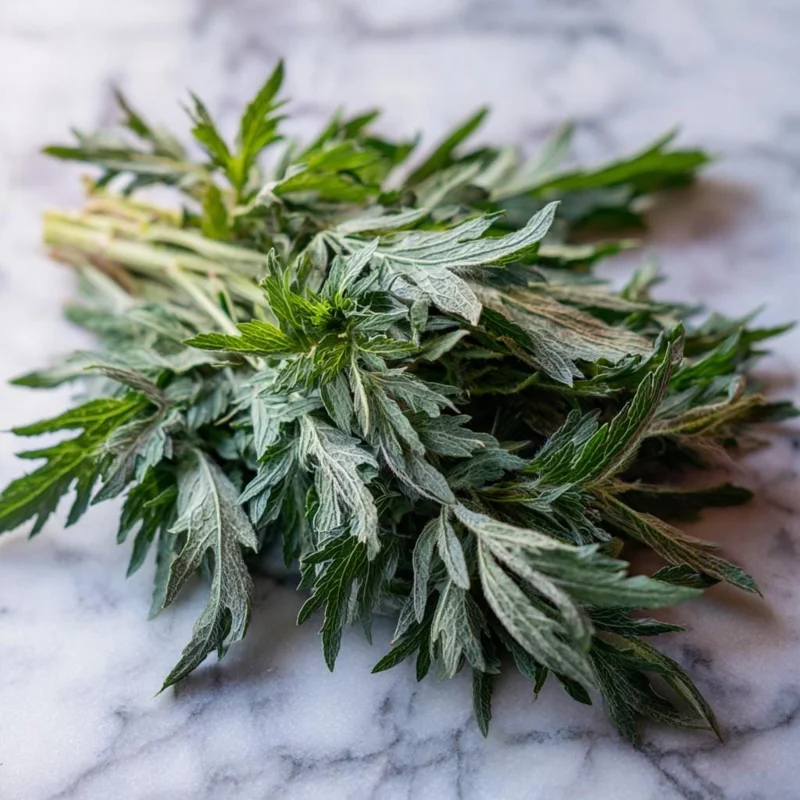
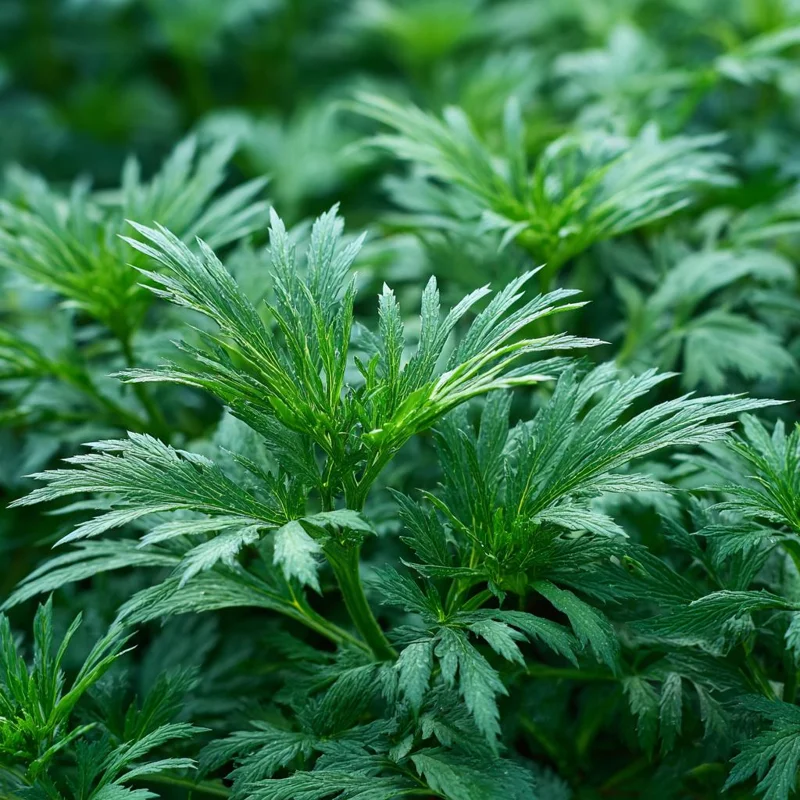
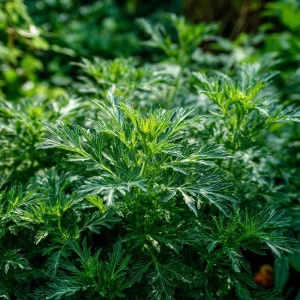
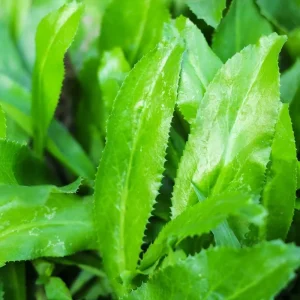
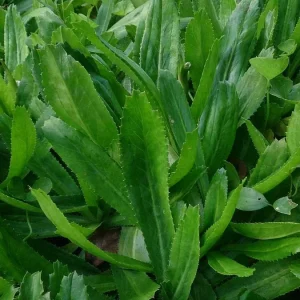
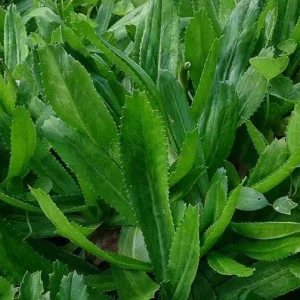
Discover the rich tradition and versatility of Yomogi Japanese Mugwort seeds (Artemisia princeps). This pack of 30 heirloom seeds allows you to cultivate this highly prized perennial herb, known for its striking silvery-green foliage and aromatic presence. Yomogi, often referred to as Japanese Mugwort, is a significant plant in East Asian culture, widely used in culinary preparations like mochi and teas, as well as in traditional herbal remedies. Growing Artemisia princeps seeds is a rewarding experience, providing a hardy and low-maintenance addition to any herb garden, perennial border, or naturalized landscape. Its vibrant green leaves and ability to attract pollinators make it both a functional and beautiful choice for gardeners seeking unique and beneficial plants.
These heirloom herb seeds promise a genuine cultivation experience, ensuring that the characteristics and benefits of traditional Yomogi are preserved. Whether you’re an avid gardener or a culinary enthusiast eager to explore new flavors, these seeds offer an excellent opportunity to connect with nature’s bounty. The plant’s adaptability and drought tolerance once established make it a resilient option for various garden settings, thriving in full sun with well-drained soil.
Key Benefits
Growing Yomogi Japanese Mugwort seeds offers a multitude of benefits, from enhancing your garden’s biodiversity to enriching your culinary repertoire. This remarkable herb is a must-have for anyone interested in traditional plants.
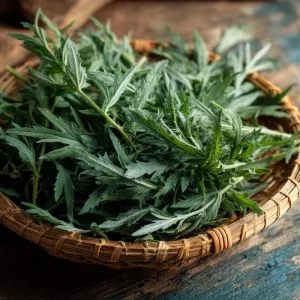
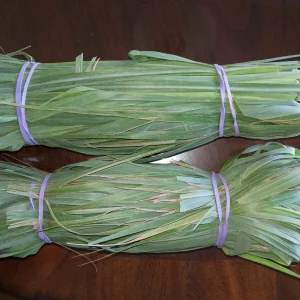
- Culinary Versatility: Yomogi leaves are famously used in Japanese cuisine, particularly for flavoring rice cakes (mochi), tempura, and herbal teas. Its distinct earthy, slightly bitter flavor adds depth to many dishes.
- Medicinal Properties: Historically, Yomogi has been valued for its traditional medicinal uses, including digestive aid and anti-inflammatory properties. Cultivating your own ensures a fresh supply for personal use.
- Pollinator Attraction: The plant’s subtle flowers attract beneficial pollinators like bees and butterflies, contributing to a healthier and more vibrant garden ecosystem.
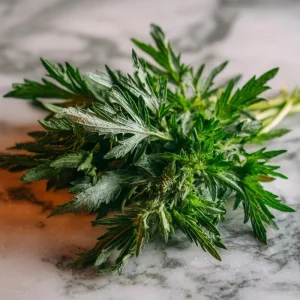
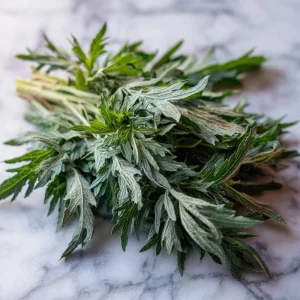
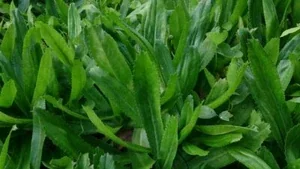
- Ornamental Appeal: With its attractive silvery-green leaves and vigorous growth habit, Yomogi adds unique texture and visual interest to herb gardens, perennial beds, and naturalized areas.
- Low Maintenance & Hardy: Once established, Artemisia princeps seeds grow into drought-tolerant and relatively low-maintenance plants, making them suitable for gardeners of all skill levels.
- Easy to Grow from Seed: These heirloom herb seeds are straightforward to sow and cultivate, offering a fulfilling gardening project with excellent germination rates under proper conditions.
- Aromatic Foliage: The leaves emit a pleasant, distinctive aroma, enhancing the sensory experience of your garden space.
Plant Care & Growing Tips
Successfully growing Yomogi Japanese Mugwort seeds requires attention to a few key environmental factors. This hardy perennial is generally forgiving, especially once established, making it an excellent choice for gardeners looking to
grow mugwort from seed. To begin, consider starting your Yomogi Japanese Mugwort seeds indoors 6–8 weeks before the last expected frost date in your region. This gives seedlings a head start and increases their chances of survival. Alternatively, you can sow the seeds directly outdoors in spring once all danger of frost has passed. When sowing, simply press the seeds lightly onto the soil surface; do not cover them deeply, as light aids in germination. Maintain consistent moisture in the soil, keeping it lightly moist, and aim for a temperature range of 65–70°F for optimal germination, which typically occurs within 14–21 days.
Once your seedlings have grown sufficiently, thin them to a spacing of 12–18 inches apart to allow for healthy development and air circulation. Yomogi thrives best in full sun, requiring at least 6 hours of direct sunlight per day to achieve its most vigorous growth and vibrant foliage. It prefers well-drained soil, so ensure your planting site or potting mix allows water to pass through easily, preventing waterlogging. While establishing, water moderately, allowing the soil to dry slightly between watering sessions. After establishment, Yomogi becomes quite drought-tolerant, reducing the need for frequent irrigation. Light pruning can encourage bushier growth and maintain a tidy appearance, especially if you plan to harvest the leaves regularly. This robust plant is ideal for those who want to grow mugwort from seed for culinary, medicinal, or ornamental purposes, making it a valuable addition to pollinator-friendly landscapes and herb gardens.
Size & Details
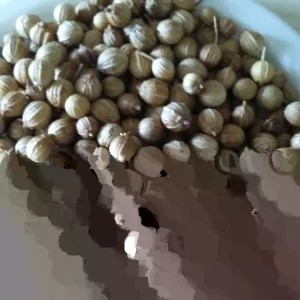
Our offering includes 30 seeds of Yomogi Japanese Mugwort seeds (Artemisia princeps), providing a generous quantity to start your own herb garden. These are heirloom seeds, ensuring genetic purity and true-to-type plants. When mature, Yomogi plants typically reach a height of 2-3 feet and can spread similarly, forming attractive clumps. The plant exhibits a moderate growth rate, establishing itself well within the first growing season. It ships as a packet of seeds, ready for you to plant and cultivate. Expect germination within 14-21 days under ideal conditions, with mature plants capable of producing leaves for harvest within a few months of planting. This perennial herb will return year after year, offering continuous benefits.
Frequently Asked Questions
- Q: How big does this plant get? A: Yomogi Japanese Mugwort typically grows to a height of 2-3 feet and can spread similarly, forming a bushy, attractive plant in your garden or container.
- Q: Is this an indoor or outdoor plant? A: While it can be started indoors, Artemisia princeps seeds are primarily intended for outdoor cultivation. Once germinated, the plants thrive in full sun outdoors in garden beds or large containers.
- Q: How much sunlight does it need? A: Yomogi prefers full sun, requiring at least 6 hours of direct sunlight daily for optimal growth and foliage development.
- Q: Is this plant easy to care for? A: Yes, once established, Yomogi is considered a low-maintenance and drought-tolerant plant, making it suitable for gardeners of all experience levels. It’s a great choice for those looking to grow mugwort from seed without much fuss.
- Q: What condition will the seeds arrive in? A: The product includes 30 seeds of Yomogi Japanese Mugwort seeds, packaged securely to ensure their viability upon arrival.
- Q: Can I use Yomogi in cooking? A: Absolutely! Yomogi Japanese Mugwort is widely used in Japanese cuisine for dishes like mochi, tempura, and herbal teas, offering a unique flavor profile.
- Q: When is the best time to plant these seeds? A: You can start heirloom herb seeds indoors 6–8 weeks before the last frost or sow them directly outdoors in spring after the danger of frost has passed.
- Q: What type of soil does Yomogi prefer? A: Yomogi thrives in well-drained soil. Good drainage is crucial to prevent root issues and ensure healthy growth for your Japanese herb seeds.
- Q: Will it survive winter in my zone? A: Yomogi is a hardy perennial, typically suitable for a wide range of USDA zones. If you’re in a colder climate, ensure proper mulching for winter protection.
- Q: Is it good for attracting pollinators? A: Yes, Yomogi’s flowers attract beneficial pollinators such as bees and butterflies, contributing to the biodiversity of your garden space.
Related products
-50%
Original price was: $32.00.$16.00Current price is: $16.00.
-50%
Original price was: $32.00.$16.00Current price is: $16.00.
-50%
Original price was: $32.00.$16.00Current price is: $16.00.
PLANTING & CARE
Lemon Tree Growing: Choose, Plant, and Harvest
Learn how to choose, plant, feed, and protect a lemon tree so it fits your
23
Sep
Sep
Dwarf Meyer Lemon Tree Australia: Climate Guide
Learn where dwarf Meyer lemon trees grow, how much cold they tolerate, and whether Australia,
Where to Buy a Dwarf Meyer Lemon Tree: Buyer’s Guide
Find the right dwarf Meyer lemon tree online or locally, compare starter sizes and costs,
Dwarf Meyer Lemon Tree for Sale: Buying Guide
Compare Meyer lemon tree sizes, prices, shipping limits, indoor growing and California options before you
Dwarf Meyer Lemon Tree Guide: Size, Care and Fruit
META: Learn how large a dwarf Meyer lemon tree grows, where it thrives, and how
How to Prune a Dwarf Meyer Lemon Tree
Learn when and how to prune a dwarf Meyer lemon tree, including tools, shaping cuts,
Can You Grow a Dwarf Meyer Lemon Tree in a Pot?
META: Learn how to grow a dwarf Meyer lemon tree in a pot, including container
When Do Dwarf Meyer Lemon Trees Bloom and Fruit?
META: Dwarf Meyer lemon trees usually bloom from winter through spring and may flower again