Yucca Adam’s Needle Perennial Plant – Evergreen, Deer Resistant, Zones 4-10
-10%
Yucca Adam’s Needle Perennial Plant – Evergreen, Deer Resistant, Zones 4-10
Enhance your landscape with a robust Yucca Adam’s Needle perennial plant. This hardy, evergreen specimen features striking, needle-like leaves and is exceptionally drought-tolerant and deer-resistant. Ideal for sunny garden spots, it thrives in USDA zones 4-10, adding architectural interest with minimal care.
Original price was: $21.98.$19.78Current price is: $19.78.

With our Alive & Thrive Guarantee, we’ve got your back for the first 30 days! If you have any concerns about your plants, just reach out to us. Our team is here to help answer your questions and guide you in selecting the best plants for your garden, climate, and unique preferences. We're excited to help you create the garden of your dreams!
Estimated arrival
Nov 17
Nov 22 - Nov 24
Nov 27 - Dec 01
Product Details
-
USDA Hardiness Zone
4-10 -
Soil type
Well-draining, sandy or loamy soil -
Sunlight Exposure
Full sun to partial shade -
Expected Planting Period
Spring to early summer
Overview
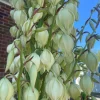
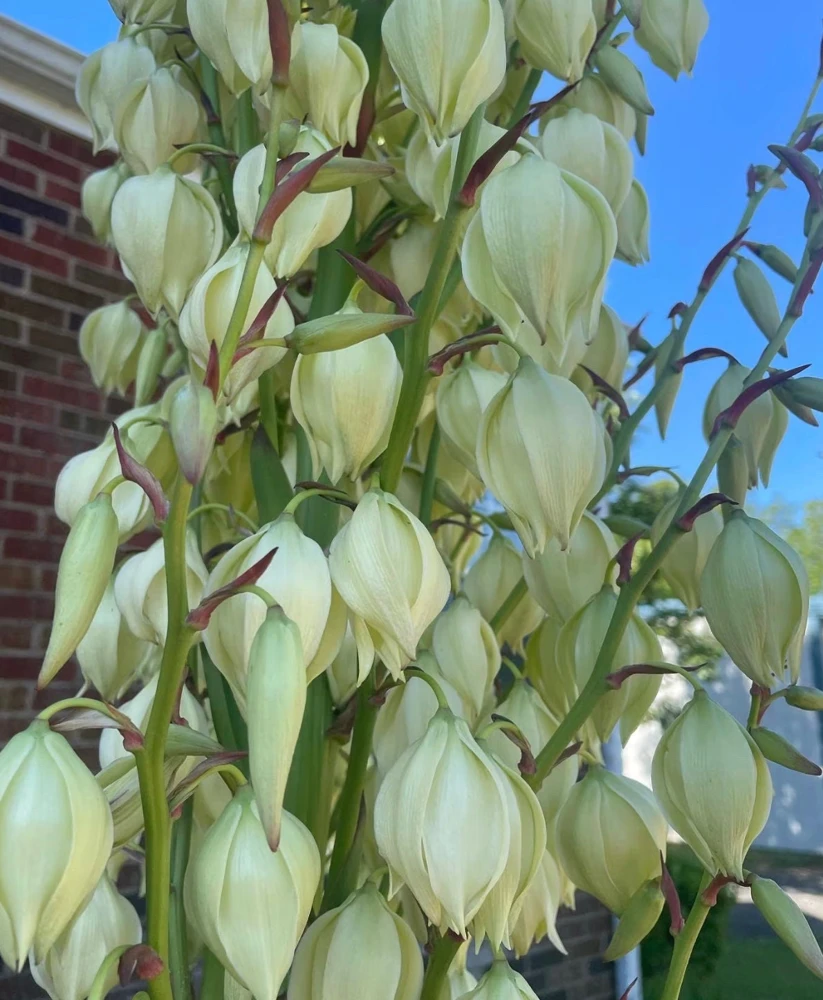
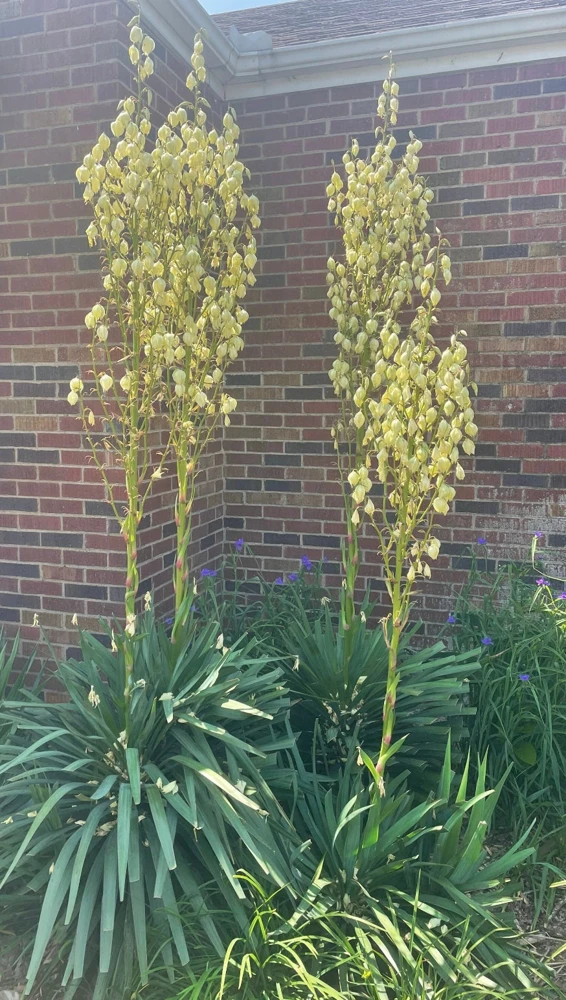
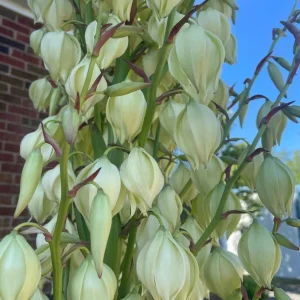
Introduce a touch of natural resilience and striking form to your garden with the Yucca Adam’s Needle perennial plant. Known botanically as Yucca filamentosa, this remarkable evergreen is celebrated for its sword-like, blue-green foliage and impressive flower stalks that emerge in spring, adorned with bell-shaped white blooms. This particular offering provides a healthy startup plant, ready to establish itself in your outdoor space. Originally from the southeastern United States, the Adam’s Needle Yucca is incredibly adaptable, tolerating a wide range of conditions from hot, dry summers to cold winters, making it a truly hardy Yucca plant for diverse climates. Its unique texture and upright growth habit make it an excellent choice for xeriscaping, rock gardens, or as a bold focal point in any perennial border.
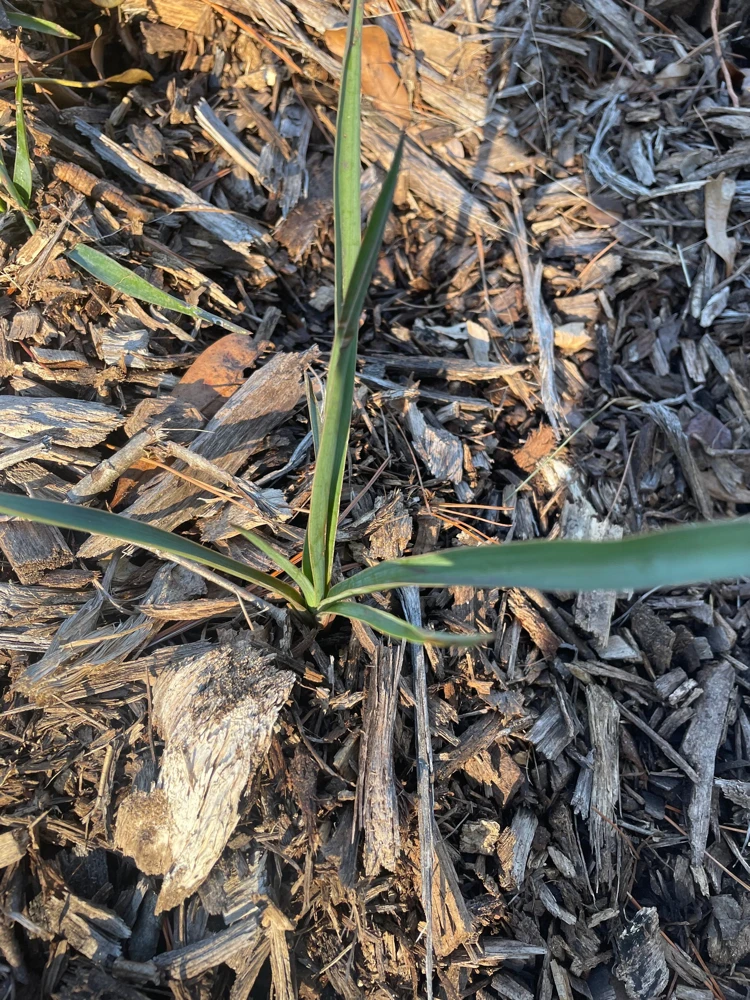
The Yucca filamentosa is not only beautiful but also remarkably low-maintenance, requiring little attention once established. Its ability to thrive in poor soils and dry conditions makes it a favorite among gardeners seeking durable and attractive landscaping solutions. As a Yucca Adam’s Needle perennial plant, it will return year after year, growing more robust with each season. This starter plant, typically 2-5 inches tall and 4-7 inches wide upon arrival, is ideal for planting in full sun or partial shade, where it can develop its characteristic strong root system and eventually produce its magnificent flowering display. Prepare to enjoy the enduring beauty and rugged charm of this exceptional plant in your garden.
Key Benefits
The Yucca Adam’s Needle perennial plant offers numerous advantages for any landscape, combining aesthetic appeal with remarkable durability and ease of care. Its unique attributes make it a standout choice for gardeners seeking both beauty and resilience.
- Exceptional Drought Tolerance: Once established, this Yucca requires very little water, making it perfect for water-wise gardens and xeriscaping. It thrives in dry conditions where many other plants would falter.
- Deer and Rabbit Resistance: The stiff, needle-like leaves naturally deter common garden pests like deer and rabbits, protecting your investment and ensuring your plant remains intact. This makes it an ideal deer resistant Yucca.
- Evergreen Foliage: Enjoy year-round interest with its vibrant blue-green, sword-shaped leaves. The foliage remains attractive through all seasons, providing structure and color even in winter, making it a truly evergreen Yucca.
- Architectural Interest: The upright, spiky form of the Yucca Adam’s Needle adds a dramatic, sculptural element to garden beds, rockeries, or containers, creating a strong visual statement.
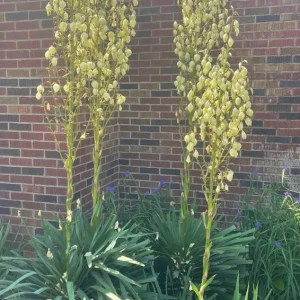
- Stunning Spring Blooms: In spring, mature plants send up tall, majestic stalks bearing creamy white, bell-shaped flowers that attract pollinators and add a spectacular vertical accent to the garden.
- Low Maintenance: This plant is incredibly self-sufficient. Beyond initial planting and occasional watering to establish, it requires minimal pruning or fertilization, freeing up your gardening time.
- Wide Hardiness Range: Thriving across USDA zones 4-10, the Yucca filamentosa is incredibly versatile, capable of withstanding both hot summers and cold winters, making it suitable for a vast array of climates.
Plant Care & Growing Tips
Caring for your Yucca Adam’s Needle perennial plant is straightforward, thanks to its robust nature and adaptability. To ensure your starter plant establishes well and thrives, consider the following guidelines. This plant prefers a location with full sun, meaning at least 6 hours of direct sunlight per day. While it can tolerate partial shade, too little sun may result in fewer flowers and a less compact growth habit. The soil is crucial for this drought-tolerant species; it absolutely requires well-draining soil. Sandy or rocky soils are ideal, as heavy clay soils that retain too much moisture can lead to root rot. If your soil is heavy, amend it with sand or grit to improve drainage before planting your hardy Yucca plant.
Watering should be consistent but moderate during the establishment phase. Once planted, soak the roots thoroughly. For the first few weeks, water regularly when the top few inches of soil are dry. After it’s established, the Yucca Adam’s Needle perennial plant is highly drought-tolerant and will rarely need supplemental watering, except during extended periods of extreme heat and drought. Fertilization is generally not necessary, as this plant thrives in lean conditions. If you wish to provide a boost, a light application of a balanced, slow-release granular fertilizer in early spring can be beneficial. Protect young plants from excessive winter moisture if you are in a particularly wet, cold climate, although established plants are quite tolerant. The Yucca filamentosa is a resilient choice, perfect for gardeners looking for a beautiful yet easy-care addition to their landscape.
Size & Details
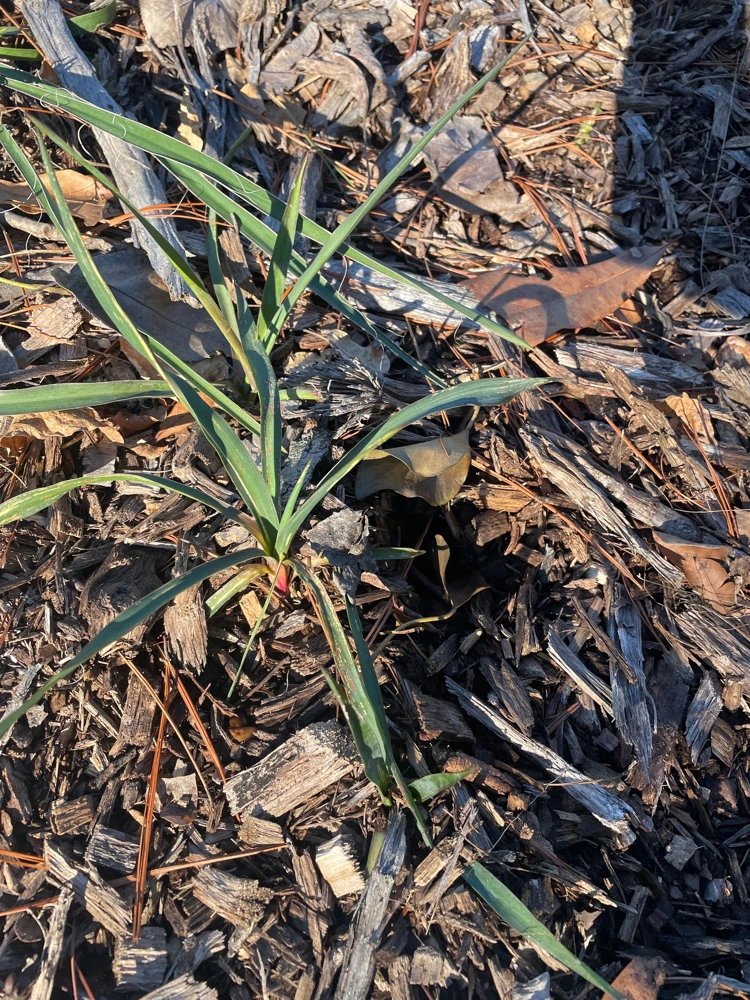
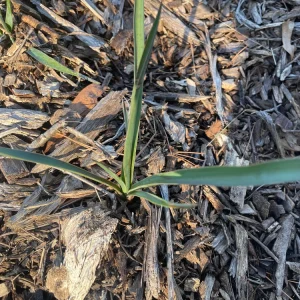
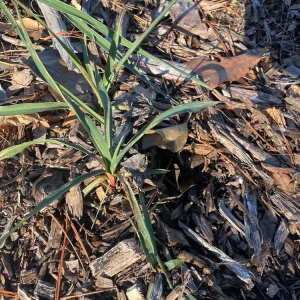
This offering is for a Yucca Adam’s Needle perennial plant provided as a bare-root starter. Upon arrival, the plant typically measures approximately 2-5 inches in height and 4-7 inches in width, with leaves trimmed for efficient and safe shipping. While it may appear small initially, this bare-root form allows for quick establishment once planted, as the plant focuses its energy on developing a strong root system in its new environment. Expect the plant to show significant growth in its second year, as it becomes fully rooted and accustomed to its location. This Yucca filamentosa is known for its moderate growth rate, eventually forming a striking clump of foliage up to 2-3 feet tall and wide, with flower stalks soaring to 4-6 feet or more in mature specimens.
The plant is shipped with its roots carefully bundled to retain moisture, ensuring it arrives in the best possible condition, ready for planting. It is important to soak the roots for a few hours before planting to rehydrate them after transit. With proper care, this evergreen Yucca will mature into a magnificent, architectural plant, providing year-round visual interest. It is particularly well-suited for USDA hardiness zones 4 through 10, demonstrating its impressive adaptability to a broad range of climatic conditions. Its robust nature and eventual impressive size make it a long-lasting and rewarding addition to any garden.
Frequently Asked Questions
- Q: How big does this plant get? A: This Yucca Adam’s Needle perennial plant is a bare-root starter, typically 2-5 inches tall and 4-7 inches wide upon arrival. Once established, it can grow to be 2-3 feet tall and wide, with impressive flower stalks reaching 4-6 feet or more.
- Q: Is this an indoor or outdoor plant? A: The Yucca filamentosa is primarily an outdoor plant, highly valued for its hardiness and drought tolerance in garden landscapes. It thrives in full sun conditions.
- Q: How much sunlight does it need? A: This hardy Yucca plant requires full sun, meaning at least 6 hours of direct sunlight daily, to perform its best and produce abundant flowers. It can tolerate partial shade but may have reduced blooming.
- Q: Is this plant easy to care for? A: Yes, the Yucca Adam’s Needle perennial plant is considered very easy to care for. It’s drought-tolerant, deer-resistant, and requires minimal maintenance once established, making it excellent for beginners.
- Q: What condition will it arrive in? A: Your Yucca Adam’s Needle perennial plant will arrive as a bare-root starter, with its leaves trimmed and roots bundled in a damp material to ensure moisture retention during transit. It will need a few weeks to recover and establish.
- Q: How long until it blooms? A: While the starter plant will focus on root establishment in its first year, mature Yucca filamentosa typically begin to produce their striking white flower stalks in the spring of their second or third year, once well-established.
- Q: Will it survive winter in my zone? A: Yes, the Yucca Adam’s Needle perennial plant is incredibly cold-hardy and thrives in USDA zones 4-10, making it suitable for surviving cold winters in a wide range of climates.
- Q: Is it deer-resistant? A: Absolutely! The stiff, pointy leaves of the deer resistant Yucca naturally deter deer and rabbits, protecting your plant from common garden pests.
- Q: What kind of soil does it prefer? A: This plant prefers well-draining soil, such as sandy or rocky loam. Avoid heavy clay soils that retain too much moisture, as this can lead to root issues.
- Q: When is the best time to plant? A: Spring to early summer is generally the best time to plant your bare-root Yucca Adam’s Needle perennial plant, allowing it ample time to establish its root system before winter.
Related products
-20%
Original price was: $64.00.$51.20Current price is: $51.20.
-20%
Original price was: $27.98.$22.38Current price is: $22.38.
-20%
Original price was: $76.00.$60.80Current price is: $60.80.
-20%
Original price was: $76.00.$60.80Current price is: $60.80.
-50%
Original price was: $65.98.$32.99Current price is: $32.99.
-20%


Original price was: $31.98.$25.58Current price is: $25.58.
-20%
Original price was: $45.98.$36.78Current price is: $36.78.
-20%
Original price was: $19.98.$15.98Current price is: $15.98.
PLANTING & CARE
Lemon Tree Growing: Choose, Plant, and Harvest
Learn how to choose, plant, feed, and protect a lemon tree so it fits your
23
Sep
Sep
Dwarf Meyer Lemon Tree Australia: Climate Guide
Learn where dwarf Meyer lemon trees grow, how much cold they tolerate, and whether Australia,
Where to Buy a Dwarf Meyer Lemon Tree: Buyer’s Guide
Find the right dwarf Meyer lemon tree online or locally, compare starter sizes and costs,
Dwarf Meyer Lemon Tree for Sale: Buying Guide
Compare Meyer lemon tree sizes, prices, shipping limits, indoor growing and California options before you
Dwarf Meyer Lemon Tree Guide: Size, Care and Fruit
META: Learn how large a dwarf Meyer lemon tree grows, where it thrives, and how
How to Prune a Dwarf Meyer Lemon Tree
Learn when and how to prune a dwarf Meyer lemon tree, including tools, shaping cuts,
Can You Grow a Dwarf Meyer Lemon Tree in a Pot?
META: Learn how to grow a dwarf Meyer lemon tree in a pot, including container
When Do Dwarf Meyer Lemon Trees Bloom and Fruit?
META: Dwarf Meyer lemon trees usually bloom from winter through spring and may flower again