2 Christmas Fern Root/Rhizomes – Native Shade Fern Plant – Zones 3-9
-10%
2 Christmas Fern Root/Rhizomes – Native Shade Fern Plant – Zones 3-9
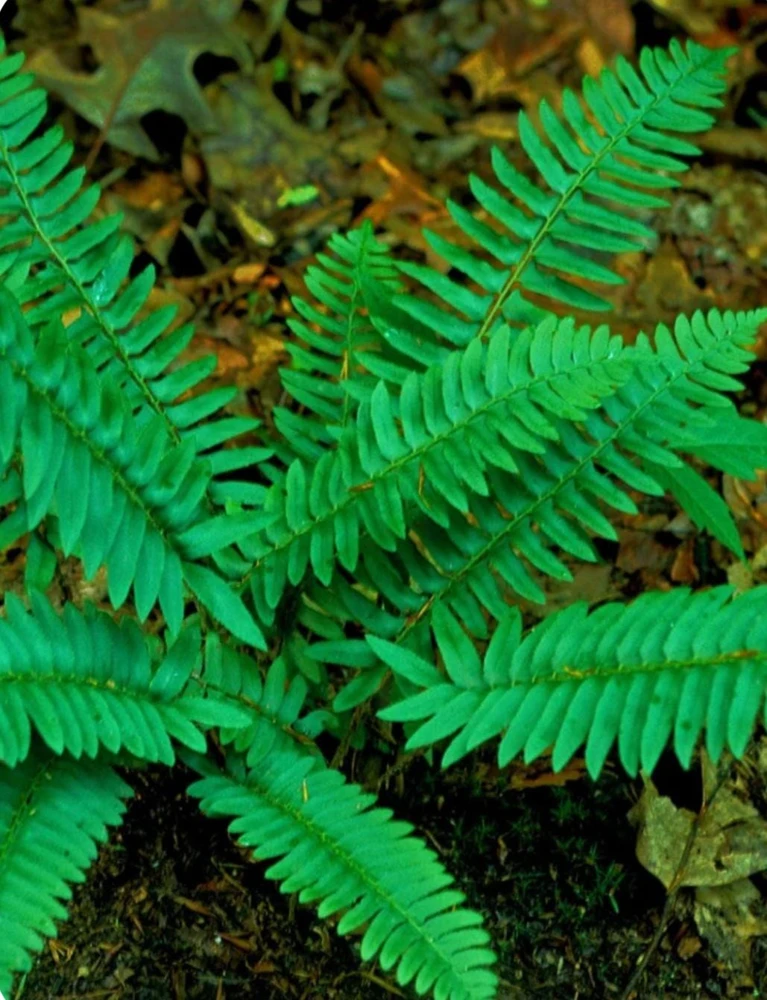
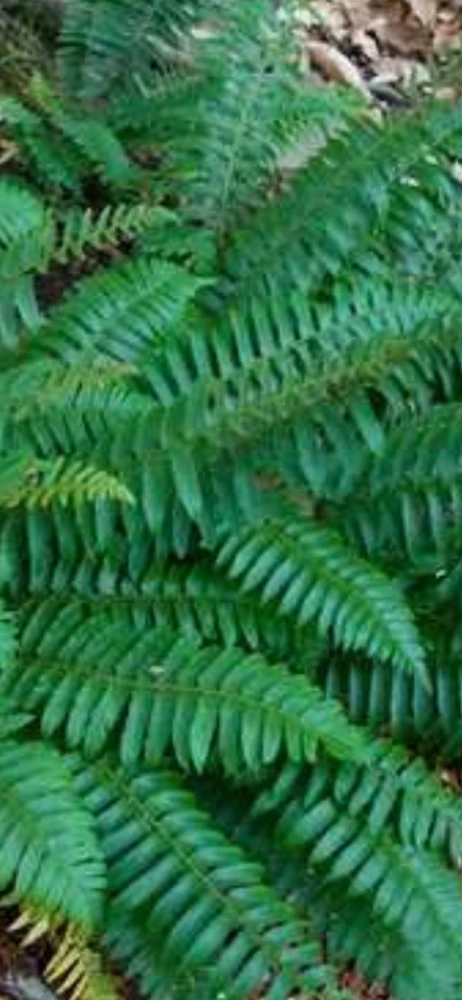
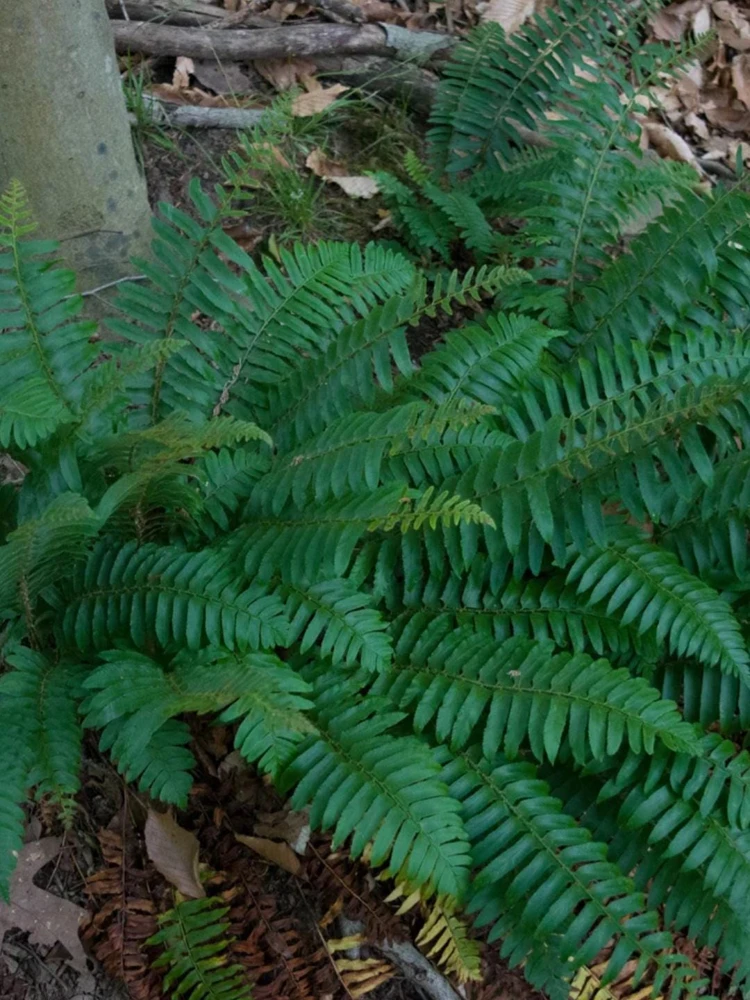
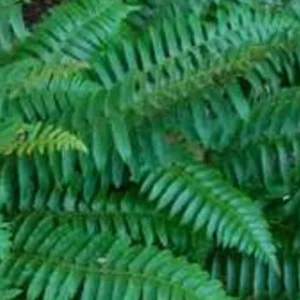
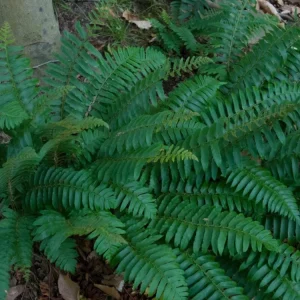
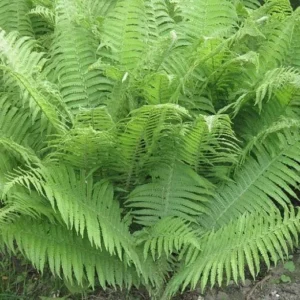
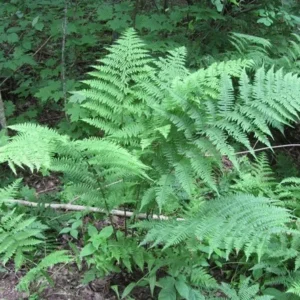
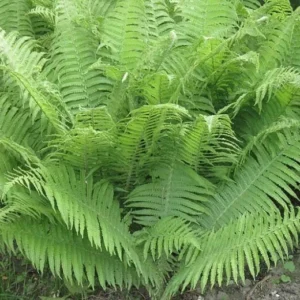
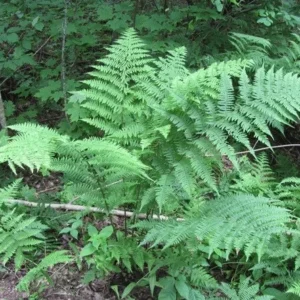
Add elegance to your shaded areas with these 2 Christmas Fern root/rhizomes. This native fern plants, Polystichum acrostichoides, is known for its evergreen foliage and deer resistance, making it an ideal choice for low-maintenance landscapes. Perfect for creating a lush, natural woodland feel in your garden.
Original price was: $20.00.$18.00Current price is: $18.00.

With our Alive & Thrive Guarantee, we’ve got your back for the first 30 days! If you have any concerns about your plants, just reach out to us. Our team is here to help answer your questions and guide you in selecting the best plants for your garden, climate, and unique preferences. We're excited to help you create the garden of your dreams!
Estimated arrival
Oct 14
Oct 19 - Oct 21
Oct 24 - Oct 28






Product Details
-
USDA Hardiness Zone
3-9 -
Soil type
Well-draining soil -
Sunlight Exposure
Partial sun, shade -
Expected Planting Period
Spring to early fall
Overview
Transform your shaded garden spaces into a vibrant, natural sanctuary with our Christmas Fern root. This offering includes 2 Christmas Fern root/rhizomes of the beloved native fern, Polystichum acrostichoides. Known for its distinctive evergreen fronds that provide year-round interest, the Christmas Fern is a staple for any woodland or shade garden. Its common name, Christmas Fern, comes from the fact that its fronds remain green and attractive even through the winter months, resembling a festive holiday decoration. This resilient plant is an excellent choice for gardeners seeking a low-maintenance, aesthetically pleasing groundcover or accent plant in areas where other plants struggle due to lack of sunlight.
The native fern plants are incredibly adaptable and thrive in a variety of conditions, making them suitable for a wide range of landscapes across the US. They are particularly valued for their ability to establish quickly and spread gracefully, creating a dense carpet of foliage that suppresses weeds and enhances biodiversity. Whether you’re looking to naturalize an area, add texture to a perennial bed, or simply enjoy the serene beauty of native flora, the Christmas Fern is an outstanding option. Its robust nature and charming appearance make it a favorite among gardening enthusiasts and conservationists alike.
Key Benefits
Discover the numerous advantages of incorporating the Christmas Fern root into your garden:
- Evergreen Foliage: Unlike many deciduous ferns, the Christmas Fern retains its lush green fronds throughout the winter, providing continuous visual interest and structure to your garden even in colder months. This makes it a valuable asset for year-round curb appeal.
- Deer Resistant: A major benefit for gardeners in areas with deer populations, deer resistant fern varieties like the Christmas Fern are typically left untouched, ensuring your plants remain healthy and vibrant without the need for constant protection.
- Low Maintenance: Once established, these native fern plants require minimal care. They are tolerant of various soil conditions and are generally pest and disease-free, making them perfect for busy gardeners or those new to gardening.
- Shade Loving: Thrives in partial to full shade, making it an excellent solution for difficult-to-plant areas under trees, along north-facing walls, or in heavily shaded borders. It helps to bring life and greenery to otherwise dim spots.
- Erosion Control: Its fibrous root system helps stabilize soil on slopes and banks, making it an effective plant for erosion control in naturalized areas or along streambanks.
- Native Plant: As a native species, Polystichum acrostichoides supports local ecosystems by providing habitat and resources for native wildlife. Planting native species contributes to local biodiversity and ecological health.
- Versatile Landscaping: Ideal for woodland gardens, rock gardens, borders, and naturalized areas. Its elegant form and texture complement a wide range of other shade-loving plants, creating harmonious garden designs.
Plant Care & Growing Tips
Caring for your Christmas Fern root is straightforward, ensuring a beautiful display for years to come. These resilient plants prefer a consistent environment but can tolerate some fluctuations once established. For optimal growth, plant your Polystichum acrostichoides in a location that receives partial sun to full shade. While it can handle some morning sun, protection from intense afternoon sunlight is crucial, especially in warmer climates, to prevent scorching of its delicate fronds. A dappled shade environment, such as under deciduous trees, is often ideal, as it provides light during spring and fall and shade during the summer heat.
The Christmas Fern thrives in well-drained soil with a medium moisture level. It is adaptable to various soil types, including loamy, sandy, or clay soils, as long as they do not remain waterlogged. Incorporating organic matter, such as compost or leaf mold, into the planting site can greatly improve soil structure, drainage, and nutrient content, providing an ideal environment for your native fern plants. Water regularly after planting to help establish the root system, then reduce frequency once established. While generally drought-tolerant, consistent moisture during prolonged dry spells will ensure healthier, more vigorous growth. Fertilization is rarely necessary for this robust native plant; however, a light application of a balanced, slow-release fertilizer in early spring can encourage lush foliage. This deer resistant fern is a true testament to natural beauty and resilience.
Size & Details
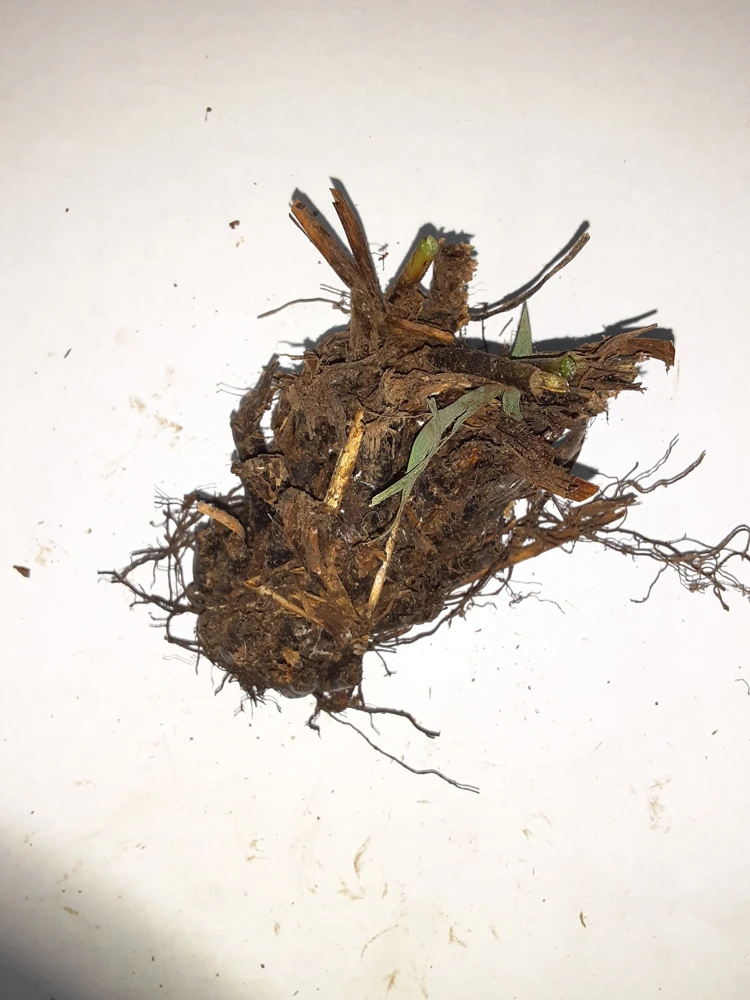
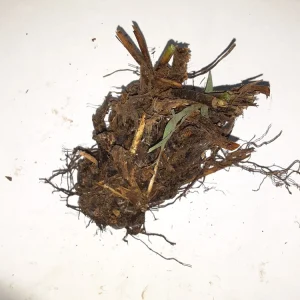
Each order includes 2 Christmas Fern root/rhizomes, ready for planting. These rhizomes are the underground stems from which new fronds will emerge, ensuring a healthy start for your plants. The Christmas Fern typically grows to a height of 1 to 2 feet (30-60 cm) and spreads similarly, forming attractive clumps of evergreen foliage. The distinctive fronds are dark green, leathery, and have small, ear-like lobes near the base of each leaflet, giving them their characteristic appearance. These rhizomes are shipped bare root, carefully packaged to maintain viability during transit. Upon arrival, they should be planted promptly according to the included instructions to facilitate successful establishment. With proper care, you can expect these native fern plants to begin showing new growth within their first growing season, establishing themselves as a charming addition to your shade garden plants.
Frequently Asked Questions
- Q: How big will my Christmas Fern get? A: The Christmas Fern root typically grows to a height of 1 to 2 feet (30-60 cm) with a similar spread. It forms attractive, dense clumps, providing excellent groundcover in shaded areas.
- Q: Is this an indoor or outdoor plant? A: The Christmas Fern is primarily an outdoor plant, ideally suited for woodland and shade gardens. It is highly cold-hardy and thrives in USDA Zones 3-9, making it a robust addition to most outdoor landscapes.
- Q: How much sunlight does the Christmas Fern need? A: This native fern plants prefers partial sun to full shade. It performs best in locations protected from intense afternoon sun, which can scorch its fronds. Dappled light or deep shade are ideal conditions.
- Q: Is this plant easy to care for? A: Yes, the Christmas Fern is considered a low-maintenance plant. Once established, it is quite resilient and requires minimal intervention, making it an excellent choice for both beginner and experienced gardeners.
- Q: What condition will the Christmas Fern arrive in? A: Your order will contain 2 Christmas Fern root/rhizomes, shipped bare root. They are carefully packaged to ensure freshness and viability upon arrival, ready for immediate planting.
- Q: When is the best time to plant Christmas Fern? A: The best time to plant Christmas Fern rhizomes is in spring or early fall. This allows the plants to establish their root systems before the extremes of summer heat or winter cold.
- Q: Is the Christmas Fern deer resistant? A: Yes, the Christmas Fern is well-known for being a deer resistant fern. Deer typically avoid browsing this plant, which is a significant advantage for gardeners in areas with wildlife.
- Q: What type of soil does Polystichum acrostichoides prefer? A: Polystichum acrostichoides thrives in well-drained soil with medium moisture. It is adaptable to various soil types, but incorporating organic matter will enhance its growth and health.
- Q: Can I grow Christmas Fern in a container? A: While primarily a garden plant, the Christmas Fern can be grown in containers, especially in colder zones, provided the container is large enough and offers good drainage. Ensure it is placed in a shaded spot.
- Q: Will this fern spread aggressively? A: The Christmas Fern spreads slowly by rhizomes, forming clumps rather than aggressively colonizing an area. It is not considered an invasive plant and will respectfully fill its space in your shade garden plants.
Related products
-20%
Original price was: $59.98.$47.98Current price is: $47.98.
-20%
Original price was: $51.98.$41.58Current price is: $41.58.
-20%


Original price was: $22.00.$17.60Current price is: $17.60.
-20%
Original price was: $25.00.$20.00Current price is: $20.00.
-20%


Original price was: $19.98.$15.98Current price is: $15.98.
-20%
Original price was: $17.00.$13.60Current price is: $13.60.
PLANTING & CARE
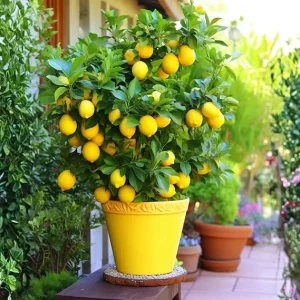
Lemon Tree Growing: Choose, Plant, and Harvest
Learn how to choose, plant, feed, and protect a lemon tree so it fits your
23
Sep
Sep
Dwarf Meyer Lemon Tree Australia: Climate Guide
Learn where dwarf Meyer lemon trees grow, how much cold they tolerate, and whether Australia,
Where to Buy a Dwarf Meyer Lemon Tree: Buyer’s Guide
Find the right dwarf Meyer lemon tree online or locally, compare starter sizes and costs,
Dwarf Meyer Lemon Tree for Sale: Buying Guide
Compare Meyer lemon tree sizes, prices, shipping limits, indoor growing and California options before you
Dwarf Meyer Lemon Tree Guide: Size, Care and Fruit
META: Learn how large a dwarf Meyer lemon tree grows, where it thrives, and how
How to Prune a Dwarf Meyer Lemon Tree
Learn when and how to prune a dwarf Meyer lemon tree, including tools, shaping cuts,
Can You Grow a Dwarf Meyer Lemon Tree in a Pot?
META: Learn how to grow a dwarf Meyer lemon tree in a pot, including container
When Do Dwarf Meyer Lemon Trees Bloom and Fruit?
META: Dwarf Meyer lemon trees usually bloom from winter through spring and may flower again