Cinnamon Fern Bareroot – Osmundastrum cinnamomeum – Hardy Perennial Plant
-10%

Cinnamon Fern Bareroot – Osmundastrum cinnamomeum – Hardy Perennial Plant
Enhance your shaded garden with the unique beauty of the cinnamon fern bareroot. This hardy perennial fern, also known as Osmundastrum cinnamomeum, thrives in moist, acidic soils and offers striking dimorphic fronds, perfect for creating a lush, natural wetland aesthetic.
Original price was: $70.00.$63.00Current price is: $63.00.

With our Alive & Thrive Guarantee, we’ve got your back for the first 30 days! If you have any concerns about your plants, just reach out to us. Our team is here to help answer your questions and guide you in selecting the best plants for your garden, climate, and unique preferences. We're excited to help you create the garden of your dreams!
Estimated arrival
Oct 14
Oct 19 - Oct 21
Oct 24 - Oct 28
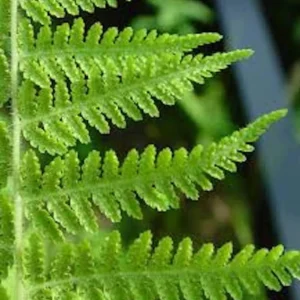
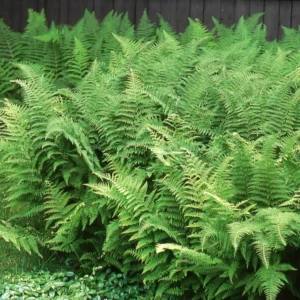
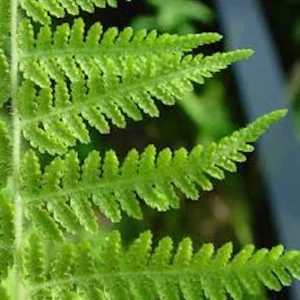
Product Details
-
USDA Hardiness Zone
Zones 4-9 -
Soil type
Wet, moist, humus rich, acidic soil, clay tolerant -
Sunlight Exposure
Shade, part shade, filtered shade -
Expected Planting Period
Spring to early summer
Overview
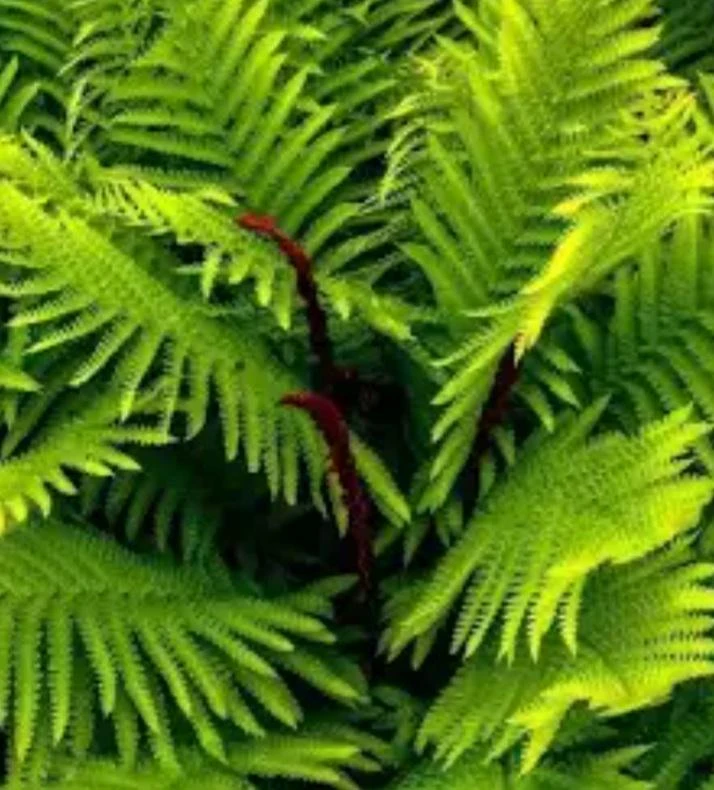
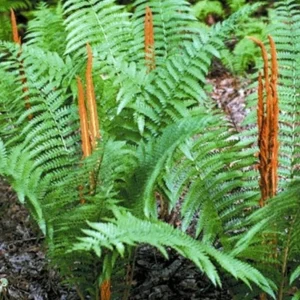
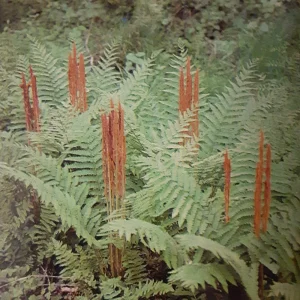
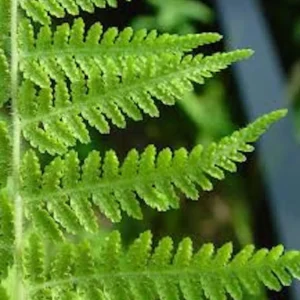
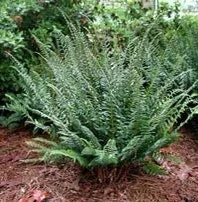
Introduce a touch of natural elegance to your landscape with the cinnamon fern bareroot, Osmundastrum cinnamomeum. This distinctive perennial fern, known for its two types of fronds, is a superb choice for gardeners seeking a robust and visually interesting addition to their outdoor spaces. The cinnamon fern bareroot is delivered as a dormant root system, ready to establish quickly in its new home. It’s renowned for its adaptability and hardiness, making it a favorite among both novice and experienced gardeners. Its unique fertile fronds, which emerge in early spring and resemble cinnamon sticks, give this plant its charming common name, while its sterile fronds provide a lush, green backdrop throughout the growing season.
The Osmundastrum cinnamomeum is a truly captivating plant, offering seasonal interest and a strong textural element to any garden design. As a hardy perennial fern, it will return year after year, growing more robust with each passing season. Ideal for woodland gardens, stream banks, or any area with consistently moist soil and shade, this fern creates a serene and verdant atmosphere. Its resilience and striking appearance make it an excellent choice for naturalizing areas or adding a touch of wild beauty to more cultivated settings. The cinnamon fern bareroot is a promise of enduring beauty and a thriving, natural landscape.
Key Benefits
Integrating the Cinnamon Fern into your garden offers numerous advantages, from its unique aesthetics to its ecological benefits. This cinnamon fern bareroot is a versatile and rewarding plant for various outdoor settings.
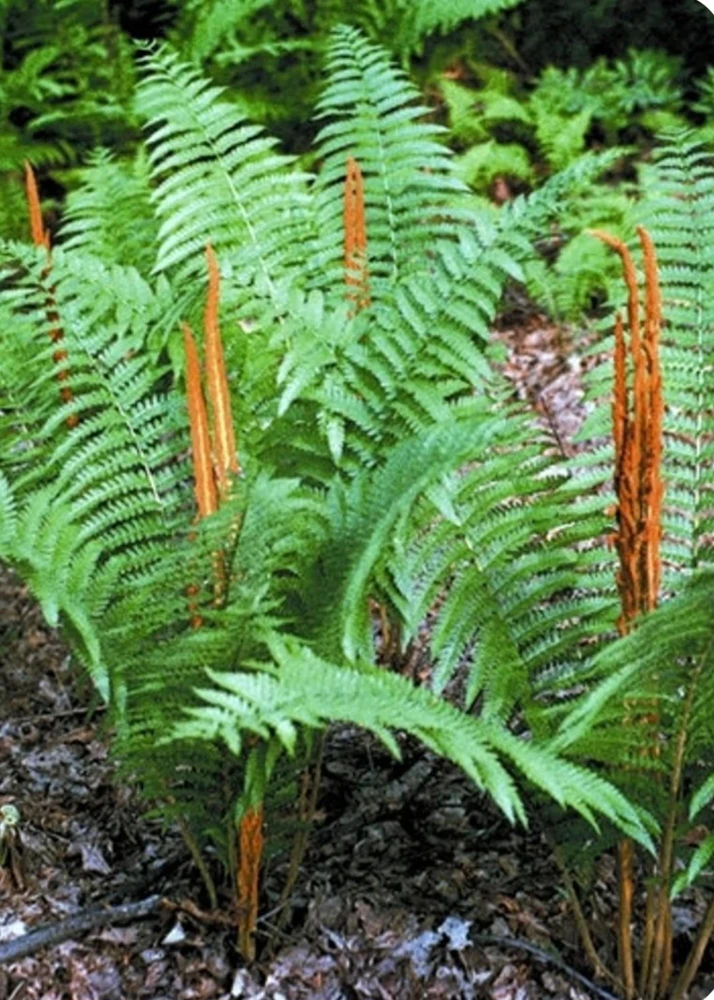
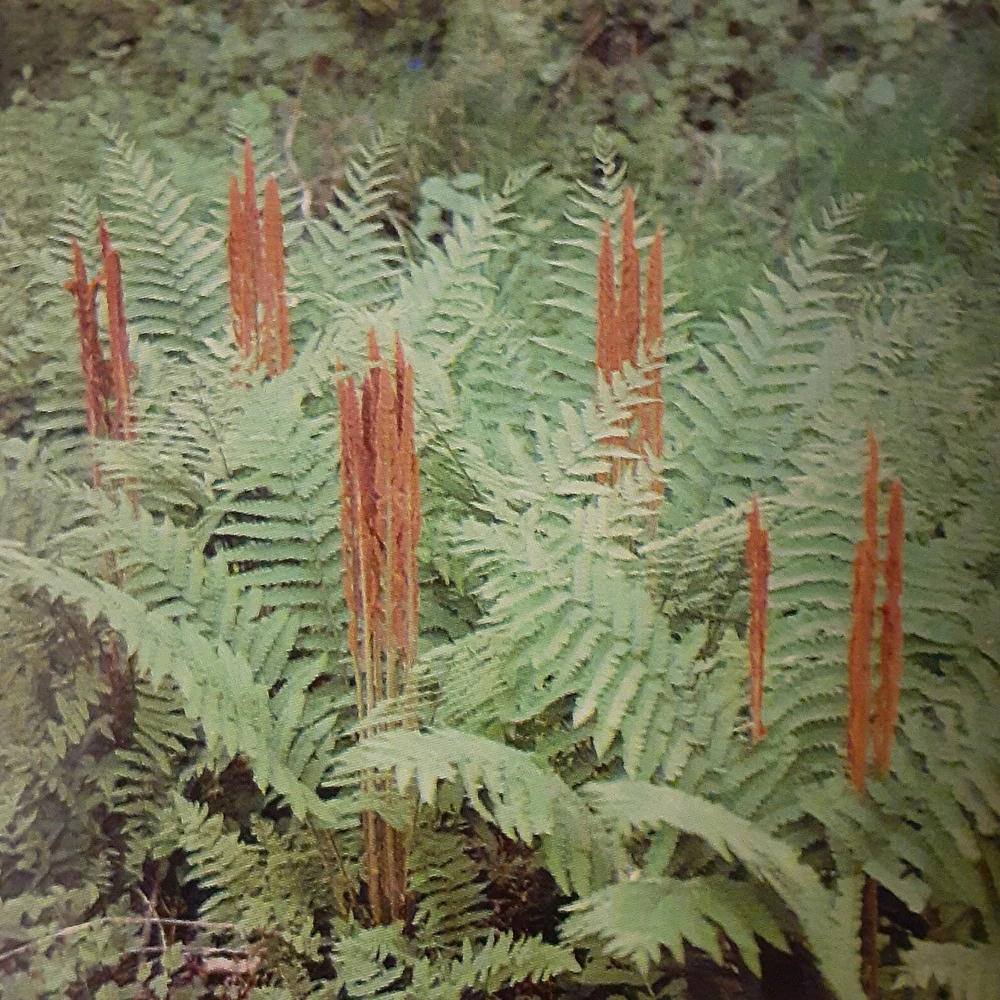
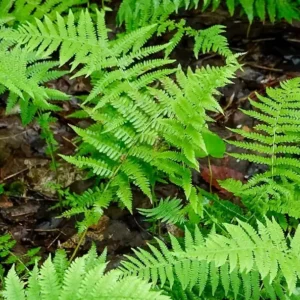
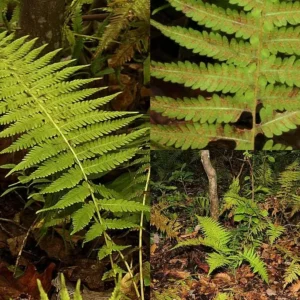
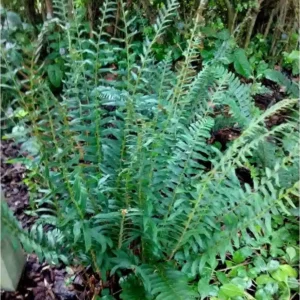
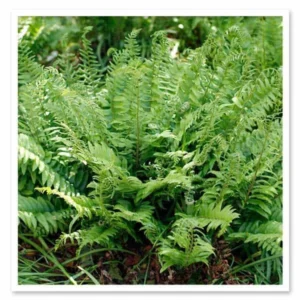
- Unique Ornamental Appeal: The most striking feature of the Cinnamon Fern is its dimorphic fronds. The fertile, cinnamon-colored fronds emerge in spring, resembling cinnamon sticks, offering a distinct visual interest before fading. These are complemented by the vibrant, yellow-green sterile fronds that provide lush foliage throughout the season, making it a captivating addition to any garden.
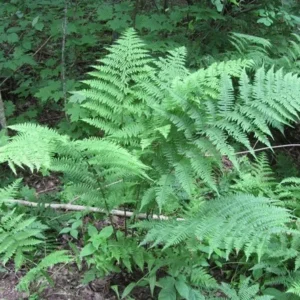
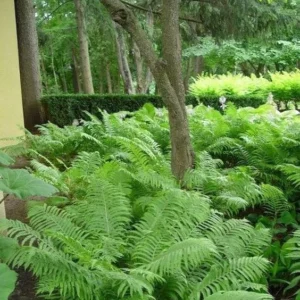
- Adaptable to Moist, Shady Conditions: This fern thrives in areas where many other plants struggle. It is perfectly suited for wet, moist, and humus-rich soils, making it an excellent choice for naturalizing boggy areas, stream banks, or woodlands. Its preference for shade or part shade allows it to flourish in challenging garden spots.
- Exceptional Hardiness: As a hardy perennial fern, the Cinnamon Fern is incredibly resilient, tolerating a wide range of conditions. It is known to be one of the most adaptable fern species, capable of growing well in USDA Zones 4-9, ensuring it returns reliably year after year.
- Naturalizing and Erosion Control: Due to its vigorous growth habit and preference for moist environments, the Osmundastrum cinnamomeum is an excellent plant for naturalizing wetlands, swamps, and marshy places. Its spreading root system also helps stabilize soil, contributing to erosion control in vulnerable areas.
- Low Maintenance: Once established, the Cinnamon Fern requires minimal care. Its natural resilience and preference for specific growing conditions mean less intervention from the gardener, allowing you to enjoy its beauty with ease.
- Enhances Biodiversity: By planting native species like this shade loving fern, you contribute to local biodiversity, providing habitat and support for native wildlife and insects.
Plant Care & Growing Tips
Caring for your cinnamon fern bareroot is straightforward, especially when you understand its preferred growing conditions. This resilient fern thrives in specific environments that mimic its natural habitat. For optimal growth, plant your Osmundastrum cinnamomeum in a location that provides adequate shade and consistent moisture. While it can tolerate partial shade, full sunlight requires the soil to be perpetually wet to prevent scorching of the fronds. Filtered shade is often ideal, ensuring the plant receives enough light without being exposed to harsh, direct rays.
Soil type is crucial for a healthy hardy perennial fern. The Cinnamon Fern prefers acidic soil and is quite tolerant of clay. It naturally thrives in wet, moist, humus-rich environments, such as wetlands, bogs, swamps, and stream banks. Ensure the planting site has excellent drainage but retains moisture consistently. Regular watering is essential, especially during dry periods, to keep the soil consistently damp. Fertilization is generally not heavily required; incorporating organic matter into the soil during planting will provide sufficient nutrients for robust growth. Monitor for common garden pests, though Cinnamon Ferns are generally quite resistant, and address any issues promptly with organic solutions.
The Cinnamon Fern is incredibly adaptable within its hardiness zones (4-9). It can withstand cold winters and hot summers as long as its moisture requirements are met. When planting the cinnamon fern bareroot, ensure the crown is just at or slightly below the soil surface. Space multiple plants appropriately to allow for mature growth, as they can form dense clumps over time. With proper care, this shade loving fern will establish quickly and become a long-lasting, beautiful feature in your garden, providing lush foliage and unique texture for many years.
Size & Details
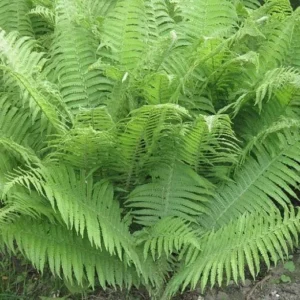
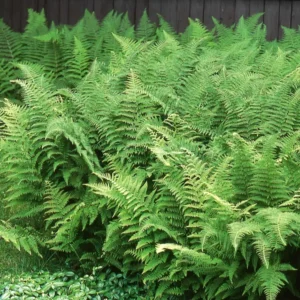
The cinnamon fern bareroot, Osmundastrum cinnamomeum, is delivered as a dormant root system, ready for planting and establishment. Under favorable growing conditions, the sterile fronds of this hardy perennial fern will typically reach a mature length of 24-36 inches and a width of 4-6 inches. The overall plant can stand between 30-36 inches tall at maturity, forming a substantial and attractive clump. This robust growth habit makes the Osmundastrum cinnamomeum an excellent choice for creating dense, naturalistic plantings in appropriate settings.
This shade loving fern exhibits a moderate to fast growth rate once established, quickly filling out its designated space. The bareroot form allows for flexible planting times, typically best in spring or fall. Expect to see the distinctive fertile fronds emerge in early spring, followed by the lush, green sterile fronds that persist through the growing season. This plant is a long-lived perennial, providing years of beauty and ecological benefit to your garden. Its adaptability to various moist, acidic soil conditions further enhances its appeal as a reliable and beautiful garden specimen.
Frequently Asked Questions
- Q: How big does this cinnamon fern bareroot get? A: The sterile fronds typically grow 24-36 inches long and 4-6 inches wide. At maturity, the entire plant can reach a height of 30-36 inches, forming a substantial clump.
- Q: What are the sun and soil requirements for Osmundastrum cinnamomeum? A: This fern prefers shade to part shade. If grown in full sun, the soil must be constantly wet. It thrives in wet, moist, humus-rich, acidic soil and is clay tolerant.
- Q: Is this hardy perennial fern easy to care for? A: Yes, once established, the Cinnamon Fern is among the hardiest and most adaptable fern species. It requires consistently moist, acidic soil and a shady location to thrive with minimal intervention.
- Q: What condition will the cinnamon fern bareroot arrive in? A: The product is a bareroot plant, meaning it will arrive as a dormant root system without soil or foliage, ready for planting. This method ensures safe and efficient transport.
- Q: When is the best time to plant this shade loving fern? A: Bareroot ferns are best planted in early spring or fall, allowing them to establish their root system before extreme temperatures.
- Q: What USDA hardiness zones is the Cinnamon Fern suitable for? A: The Cinnamon Fern is very hardy and suitable for USDA Zones 4-9, making it adaptable to a wide range of climates across the US.
- Q: Can the Cinnamon Fern grow in a boggy or wet area? A: Absolutely! The Cinnamon Fern naturally thrives in wetlands, bogs, swamps, and stream banks, making it an excellent choice for consistently wet or marshy garden spots.
- Q: What makes the Cinnamon Fern unique? A: Its most unique feature is its dimorphic fronds: fertile, brownish fronds resembling cinnamon sticks that appear in early spring, and separate, yellow-green leafy sterile fronds that provide lush growth.
- Q: Does this fern attract any pests or diseases? A: The Cinnamon Fern is generally robust and resistant to most common garden pests and diseases, especially when grown in its preferred conditions.
- Q: Will the Osmundastrum cinnamomeum spread? A: Yes, over time, the Cinnamon Fern will spread to form dense colonies, making it excellent for naturalizing large areas or creating a lush groundcover in shaded, moist environments.
Related products
-50%
Original price was: $131.80.$65.90Current price is: $65.90.
-20%
Original price was: $80.00.$64.00Current price is: $64.00.
-20%
Original price was: $190.00.$152.00Current price is: $152.00.
-20%
Original price was: $58.00.$46.40Current price is: $46.40.
-50%
From Original price was: $87.60.$43.80Current price is: $43.80.
-20%


Original price was: $31.98.$25.58Current price is: $25.58.
-20%
Original price was: $37.98.$30.38Current price is: $30.38.
-20%
Original price was: $19.98.$15.98Current price is: $15.98.
PLANTING & CARE
Lemon Tree Growing: Choose, Plant, and Harvest
Learn how to choose, plant, feed, and protect a lemon tree so it fits your
23
Sep
Sep
Dwarf Meyer Lemon Tree Australia: Climate Guide
Learn where dwarf Meyer lemon trees grow, how much cold they tolerate, and whether Australia,
Where to Buy a Dwarf Meyer Lemon Tree: Buyer’s Guide
Find the right dwarf Meyer lemon tree online or locally, compare starter sizes and costs,
Dwarf Meyer Lemon Tree for Sale: Buying Guide
Compare Meyer lemon tree sizes, prices, shipping limits, indoor growing and California options before you
Dwarf Meyer Lemon Tree Guide: Size, Care and Fruit
META: Learn how large a dwarf Meyer lemon tree grows, where it thrives, and how
How to Prune a Dwarf Meyer Lemon Tree
Learn when and how to prune a dwarf Meyer lemon tree, including tools, shaping cuts,
Can You Grow a Dwarf Meyer Lemon Tree in a Pot?
META: Learn how to grow a dwarf Meyer lemon tree in a pot, including container
When Do Dwarf Meyer Lemon Trees Bloom and Fruit?
META: Dwarf Meyer lemon trees usually bloom from winter through spring and may flower again